Your Virginia Lavender Is Going Woody? Follow These Steps To Stop It
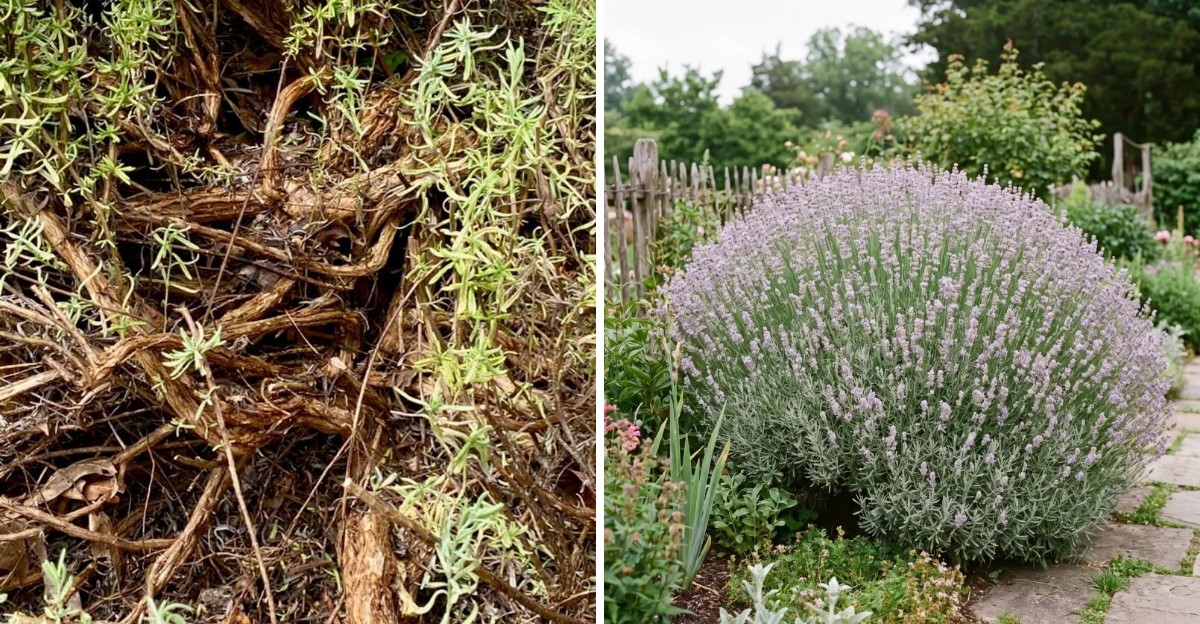
Nothing stings like brushing past your lavender and feeling bare sticks. It once smelled like a sunny hillside, and now it looks like kindling.
Woodiness is a common complaint for Virginia lavender growers. The base turns gray, the center opens, and blooms cluster at the tips.
Luckily, woody growth often points to skipped pruning rather than bad luck. Lavender ages naturally, but the right care can slow it down.
Sharp shears, smart timing, and well-drained soil can keep plants full and purple for years. Some fixes take five minutes, while others ask for a little patience.
The steps below show how to stop woodiness before it spreads. Your lavender can look as good as it smells.
1. Old Woody Stems Rarely Sprout New Growth
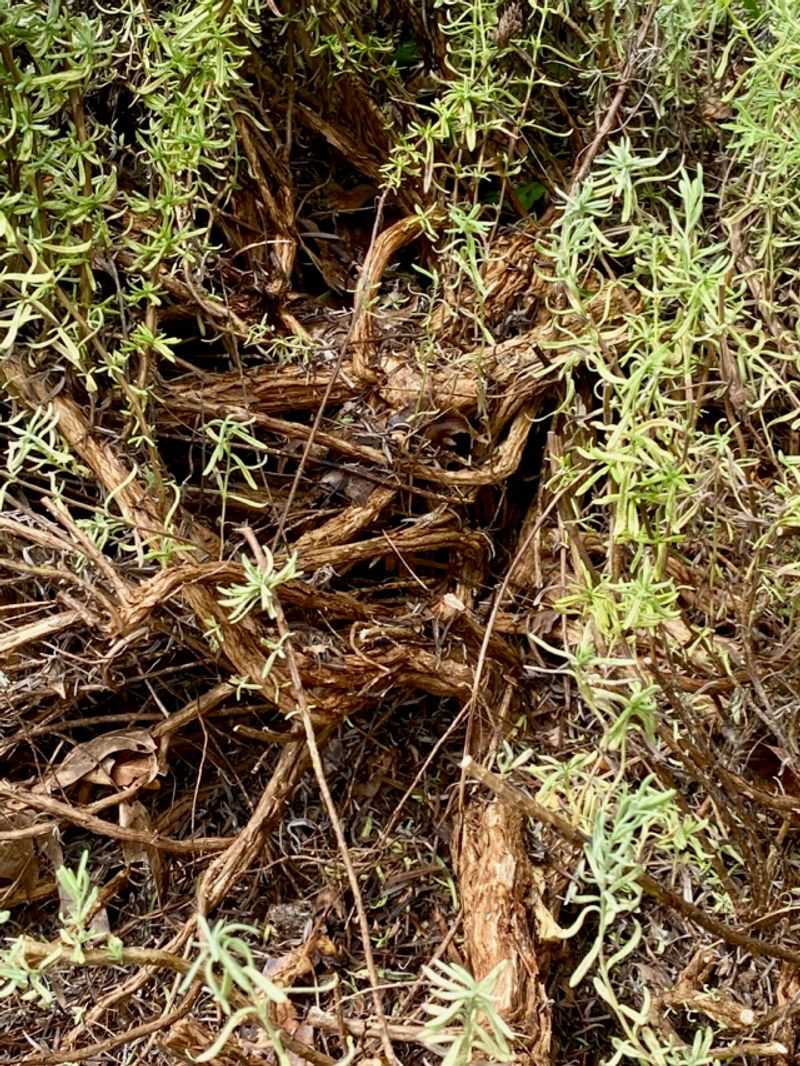
Picture a lavender plant as a little tree with a short memory. Once its stems harden into gray wood, they mostly forget how to grow new leaves.
Unlike roses or butterfly bushes, lavender has very few sleeping buds on old wood. Those buds are what other shrubs use to bounce back after a hard cut.
So when you slice deep into brown, bark-covered stems, you often get nothing in return. The stub sits there bare, and the plant looks patchy for good.
Here is how to spot the difference in your own yard. Green stems bend easily and feel soft, while woody ones snap and look like tiny twigs.
Run your fingers down a stem from the tip toward the ground. The spot where green turns to tan is the line you want to respect.
Woodiness also changes how a plant flowers over time. Blooms get pushed outward to the edges, leaving a hollow, splayed center that flops after heavy rain.
Many Virginia gardeners notice this around year three or four. Summer storms in the Piedmont can split open those tired centers in a single afternoon.
Fun fact for curious growers: lavender belongs to the mint family. Its square young stems show that family connection before they harden into round, woody branches.
Understanding this one habit shapes every step that follows. Your goal is simple, which is keeping plenty of fresh green growth at all times.
Think of it as protecting a savings account. Spend only the green, and the plant keeps paying you back with leaves and flowers.
2. Yearly Pruning Prevents The Problem
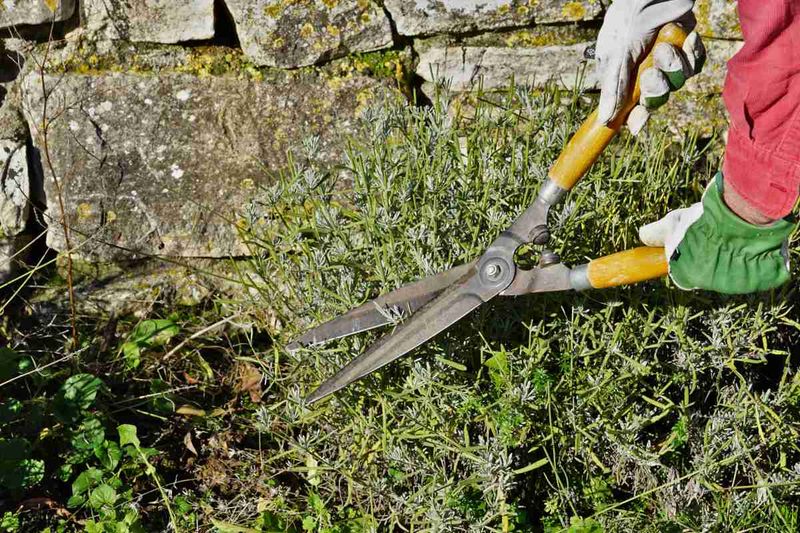
Ask any lavender farmer their secret, and you will likely hear one word. Pruning, every single year, without skipping a season out of guilt or busyness.
Lavender that goes untrimmed for a few years stretches upward and outward. The lower stems harden while all the fresh action moves to the top.
A yearly trim resets that pattern before it gets out of hand. Each cut encourages branching, which means a denser plant with more flower spikes.
Healthy pruned plants often live ten years or more. Neglected ones can look tired and leggy by their fourth summer.
Getting started takes very little gear. Sharp bypass shears or hedge clippers work well, plus a quick wipe of rubbing alcohol to keep blades clean.
Your Virginia Garden Changes Every Week. Your Plan Should Too.
Gardening in Virginia changes quickly throughout the season. Every Friday you’ll receive a simple weekly plan showing exactly what to plant, prune, fertilize, harvest, and protect so you never miss the right timing.
Try grabbing a handful of stems like a ponytail. Snip them together in one smooth motion, and the job moves surprisingly fast.
Young plants benefit too, even in their first year. A light trim of a new transplant helps it grow bushy instead of tall and thin.
Across Virginia, gardeners who prune regularly report fuller hedges along walkways. Their neighbors often wonder why their own plants look so much scruffier.
Set a reminder on your phone so the task does not slip away. Pairing it with harvesting blooms makes it feel like a reward, not a chore.
Bonus tip: dry the trimmed flowers in small bundles. Hung upside down in a shady spot, they make lovely sachets for drawers and closets.
3. Cut Back After The First Flush Of Blooms
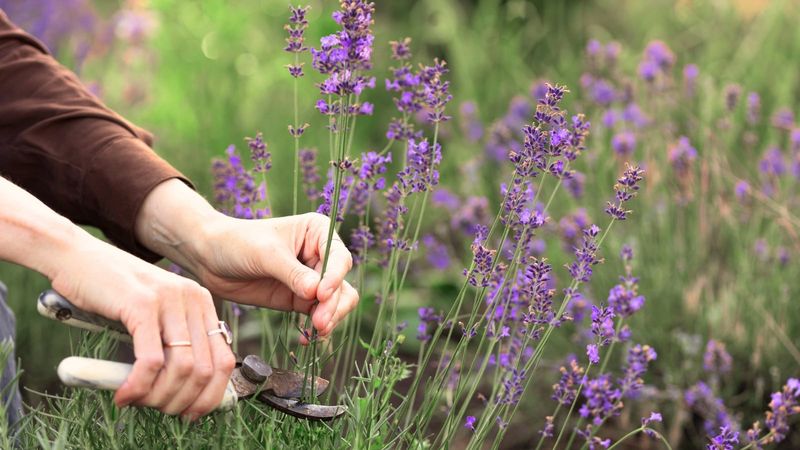
Timing matters as much as technique with lavender. Cut at the wrong moment, and even a perfect trim can leave your plant struggling.
The sweet spot comes right after the first big wave of flowers fades. You will notice spikes turning grayish and bees drifting off to other plants.
In much of Virginia, that main bloom wraps up by midsummer. A trim then gives the plant weeks of warm weather to push out healthy new growth.
Some gardeners in the Shenandoah Valley aim for late summer instead. Finishing by early September lets fresh shoots toughen up before frost arrives.
Waiting too long creates a real risk. Soft growth that appears in October can get damaged once nights drop below freezing.
Here is a happy side effect of cutting early. Many varieties, like Phenomenal and Hidcote, may reward you with a smaller second round of blooms.
Remove the flower stalks along with a bit of leafy growth. Taking off roughly one third of the plant is a good general guide.
A spring tidy-up can help too, once new green buds appear. Keep that one light, since you mostly want to clear winter-damaged tips.
Jot the date of your trim in a garden notebook. Over a few seasons, you will learn exactly when your plants respond best.
Little records like that turn guesswork into confidence. Your future self will thank you every summer.
4. Always Leave Green Growth Above Each Cut
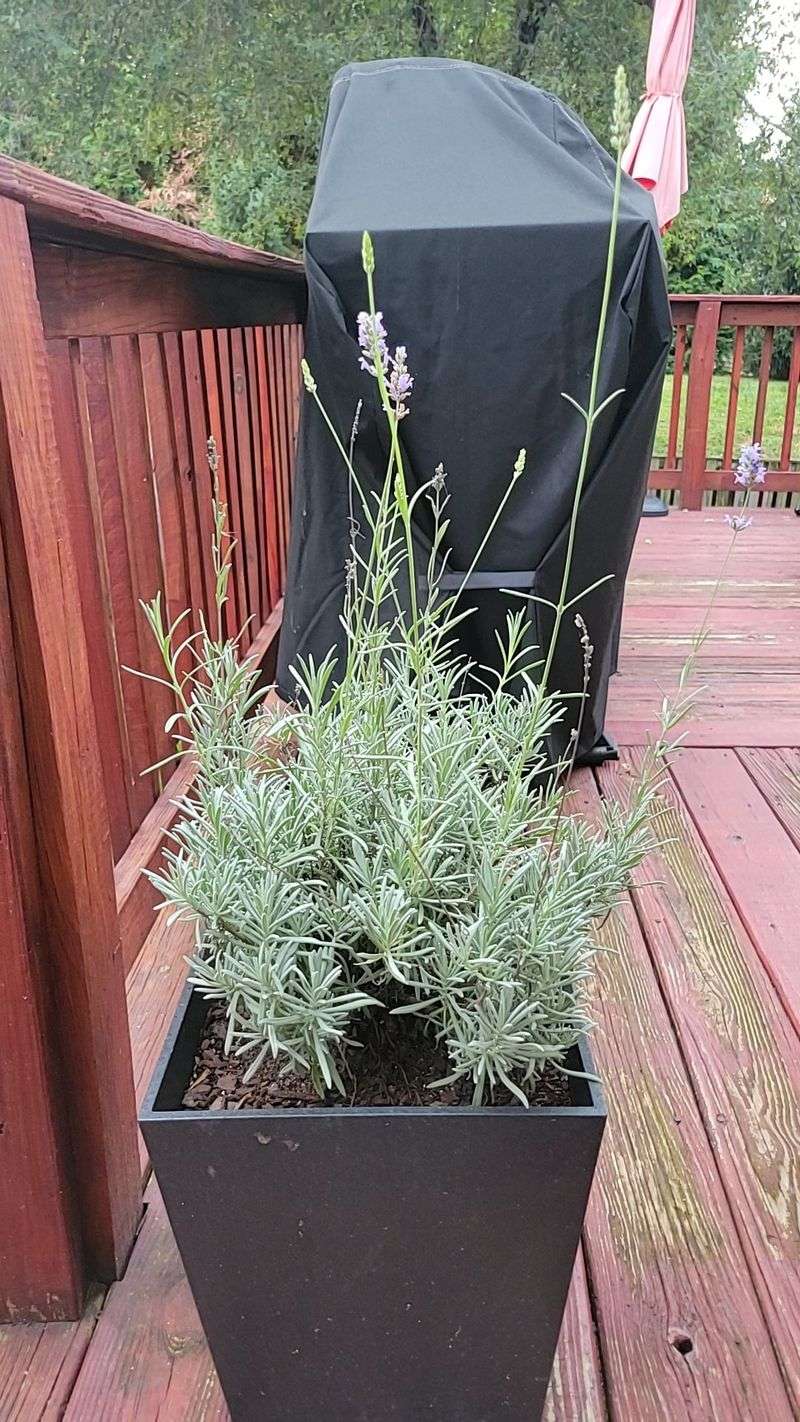
Imagine a haircut where the stylist shaves right down to the scalp. Lavender feels the same way when you trim past its leaves.
Every cut should leave some living green above it. Aim for at least one to two inches of leafy stem on each branch you trim.
Those small leaves hold the buds that sprout new shoots. Without them, the stem has nothing to work with and simply stays bare.
Look closely before you squeeze the shears. Tiny paired leaves along the stem are your green light to cut just above them.
A good habit is working slowly around the plant. Pull stems apart gently so you can see where wood ends and leaves begin.
Gardeners sometimes panic when a plant looks a bit shaggy after trimming. That leftover green is exactly what keeps the shrub full and lively.
If you accidentally cut too low on one stem, take a breath. One bare twig will not ruin the whole plant, and neighbors may fill in the gap.
Moist Virginia summers help green stems recover quickly after a trim. Within a few weeks, you should see bright new shoots poking out.
Here is a quick test for beginners. If the cut end shows pale green inside, you are in a safe zone for regrowth.
Following this rule takes practice, but it soon becomes second nature. Your plants will stay soft and full rather than turning into stubby twigs.
5. Shape It Into A Rounded Mound
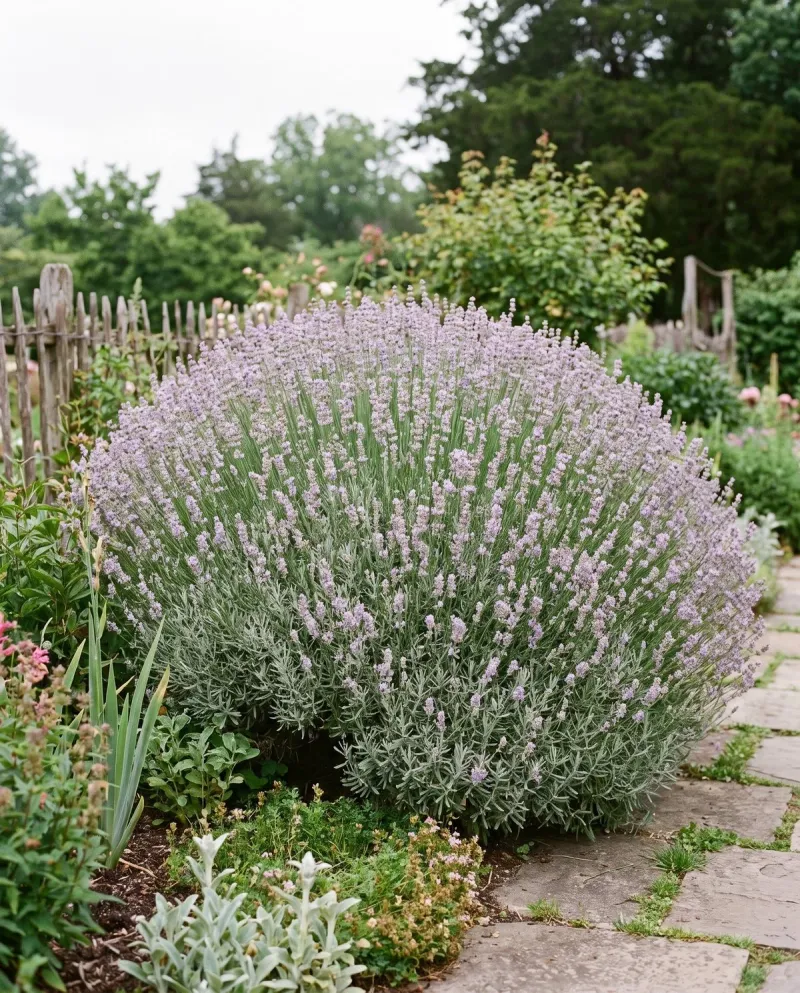
Walk through a lavender farm, and you will spot rows of neat, puffy domes. Those tidy shapes are not just for looks.
A rounded mound is the healthiest form for lavender. It lets sunlight reach every side, so leaves stay green from top to bottom.
Shapes also help with weather. A dome sheds heavy rain and the occasional Virginia snowfall instead of letting it pile up and split branches.
Here is an easy way to get the look. Cut the outer stems a little shorter than the center ones, curving gently like a scoop of ice cream.
Step back now and then while you work. Viewing the plant from a few feet away makes uneven spots much easier to catch.
Better airflow is another perk of this shape. Breezes move through more easily, which helps leaves dry fast after humid mornings.
Fungal problems love damp, crowded foliage. A well-shaped plant gives those troubles fewer places to settle in.
Spacing helps the mound do its job too. Give each plant about two to three feet so neighbors are not rubbing shoulders.
Kids often enjoy helping with this step. Turning lavender into little green hedgehogs is oddly satisfying for all ages.
Once the dome shape is set, upkeep gets easier each year. You simply follow the curve you created, trimming a little to keep it crisp.
6. Skip Heavy Fall Pruning In Cold Climates
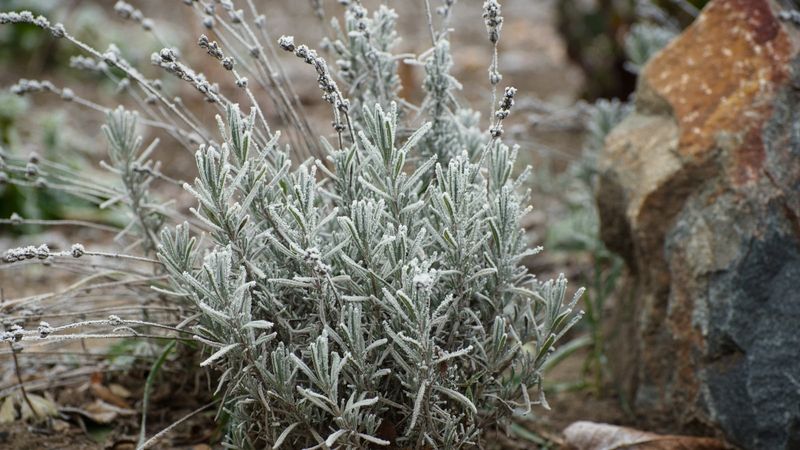
Autumn cleanup fever hits many gardeners each October. With lavender, though, a heavy fall haircut can backfire in a big way.
Deep cuts late in the season can wake the plant up. It may push out soft, tender shoots right when cold weather is moving in.
Those baby stems have no time to harden off. A hard freeze can turn them brown and mushy, weakening the plant before spring.
Western Virginia mountain towns like Blacksburg see much colder winters than Norfolk. The higher your elevation, the more careful your fall shears should be.
Light tidying is fine in autumn. Snip off spent flower stalks or a few broken branches, but leave most foliage alone.
That leafy coat acts like a winter jacket. It protects the crown and the buds that will become next year’s growth.
Wait until spring for any bigger fixes. Look for fresh green buds along the stems before you decide where to trim.
Gardeners near the coast have a bit more freedom. Still, a cautious approach is wise, since surprise cold snaps are common in the region.
Did you know? English lavender handles cold better than French or Spanish types, which can struggle through tough winters.
Picking a hardy variety and pruning at the right time works hand in hand. Together, they keep your plants healthy through the chilly months.
7. Improve Drainage Around The Roots
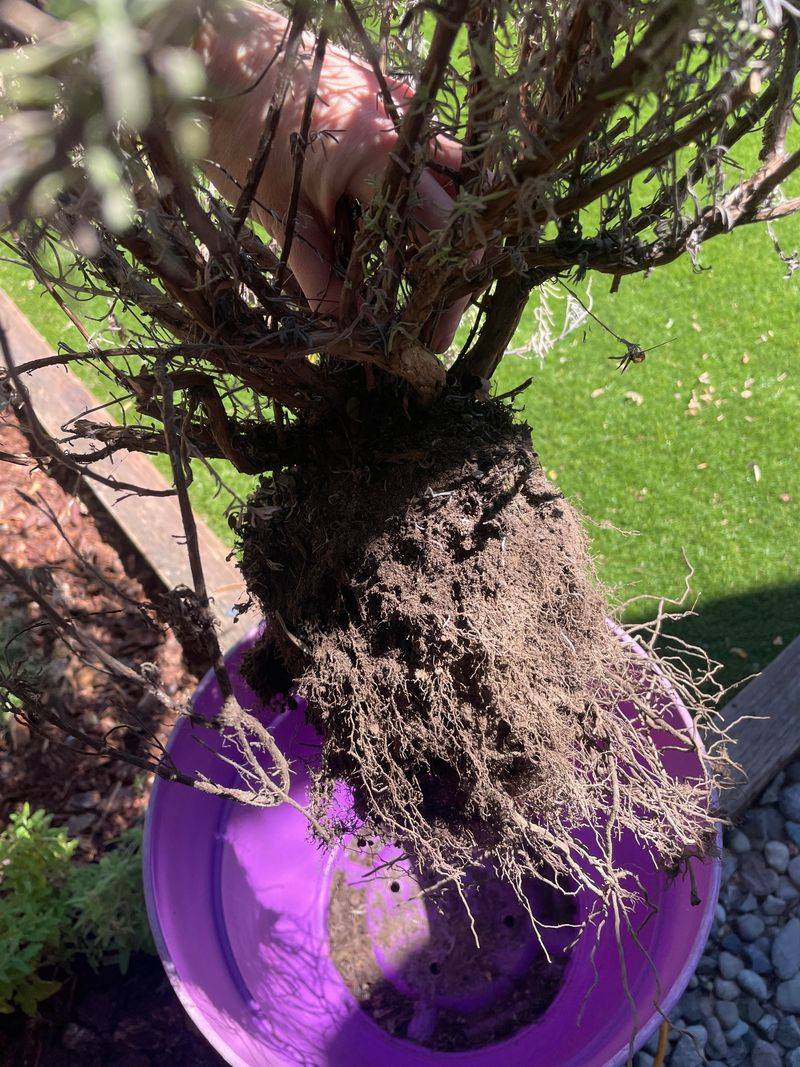
Lavender grew up on sunny, rocky Mediterranean hillsides. Soggy soil is about as welcome to it as a puddle in your sneakers.
Roots that sit in water start to rot. A struggling root system leads to weak, sparse growth that ages and hardens faster.
Much of Virginia sits on heavy red clay, which holds water like a sponge. That makes drainage the hidden key to happy lavender here.
Start by mixing in coarse sand, small gravel, or a bit of compost. These loosen the soil so water can drain instead of pooling.
Planting on a raised mound helps even more. Lifting the crown six to twelve inches above the ground keeps it out of wet spots.
Raised beds and large containers are great options too. They give you full control over the soil mix from the very start.
Try a simple drainage test before planting. Dig a hole, fill it with water, and see if it empties within an hour or so.
Skip thick wood mulch around the base. Pea gravel or light-colored stone works better, reflecting heat and keeping the crown dry.
Watering habits matter as well. Once established, lavender prefers deep, infrequent drinks rather than a daily sprinkle.
Get the roots happy, and the whole plant follows along. Healthy roots support fresh green growth that stays soft and productive.
8. Go Easy On Fertilizer
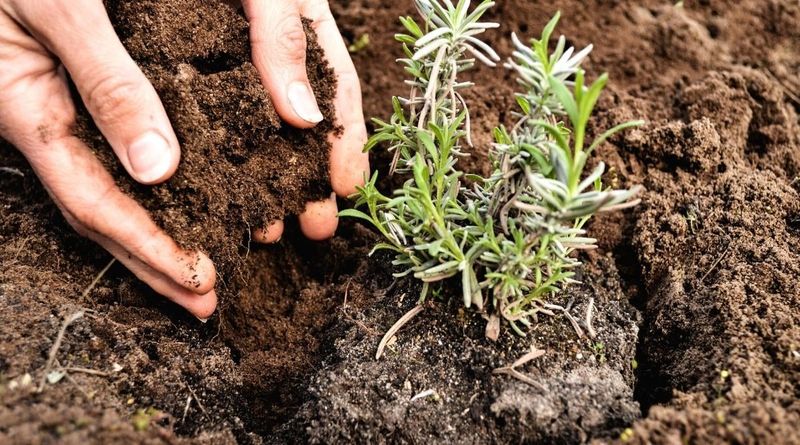
Here is a plant that actually prefers a little tough love. Lavender thrives in lean soil that would make many vegetables sulk.
Too much fertilizer, especially nitrogen, leads to a growth spurt. Stems shoot up fast, get floppy, and produce more leaves than flowers.
Those leggy stems tend to split and sprawl later. Over time, that messy growth turns woody and leaves the center looking bare.
Rich soil can also reduce the oils that give lavender its scent. A lightly fed plant usually smells stronger than a pampered one.
Keep feeding simple and small. A light sprinkle of slow-release organic fertilizer in spring is often plenty for the whole year.
Skip lawn fertilizers near your lavender beds. They are packed with nitrogen and can drift onto nearby plants when you spread them.
Many Virginia soils lean acidic, while lavender likes sweeter ground. A bit of garden lime, guided by a soil test, can help.
Virginia Cooperative Extension offers affordable soil test kits. Results show your pH and nutrients so you can adjust without guessing.
Compost works nicely when you are planting. Mix in a modest amount to improve texture rather than heaping it on as food.
Watch your plants for clues. Pale, slow growth may hint at a need, while lush, leggy stems suggest it is time to hold back.
9. Take Cuttings To Start Fresh Plants
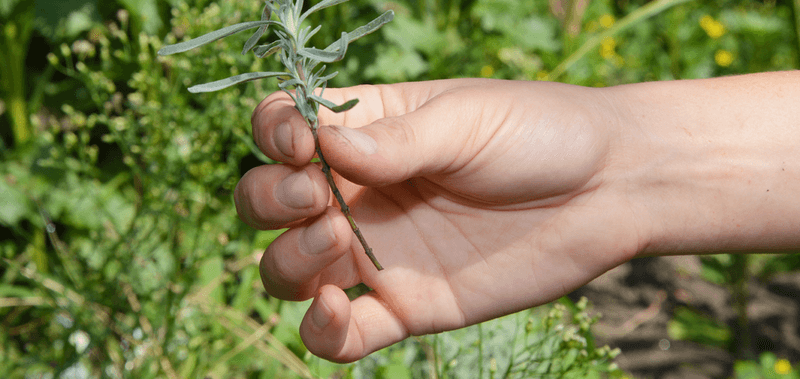
Your woody old lavender might be holding a free gift. Its healthy green stems can become brand new plants with very little effort.
Look for soft, non-flowering shoots about three to four inches long. Late spring and early summer are ideal times to snip them.
Strip the leaves from the bottom half of each cutting. Leave a small tuft of foliage at the top to keep it working.
Dip the cut end into rooting hormone powder. It is not required, but it speeds things up and boosts your success rate.
Plant each cutting in a small pot filled with sandy, well-draining mix. A blend of potting soil and perlite works nicely.
Place pots in bright, indirect light and water lightly. You want the mix barely moist, never soggy or dripping wet.
Roots usually form in about four to six weeks. A gentle tug that meets resistance means your cutting has settled in.
Here is a fun bit of history. Lavender has been grown from cuttings for centuries, keeping favorite varieties true to their parent plant.
Make a few extra cuttings just in case. Not all will root, and spare plants make thoughtful gifts for friends and neighbors.
Once rooted, move them into the garden after they grow sturdier. You will have young, vigorous replacements ready before the old plant fades.
10. Replace Very Old Plants When Pruning Can’t Help
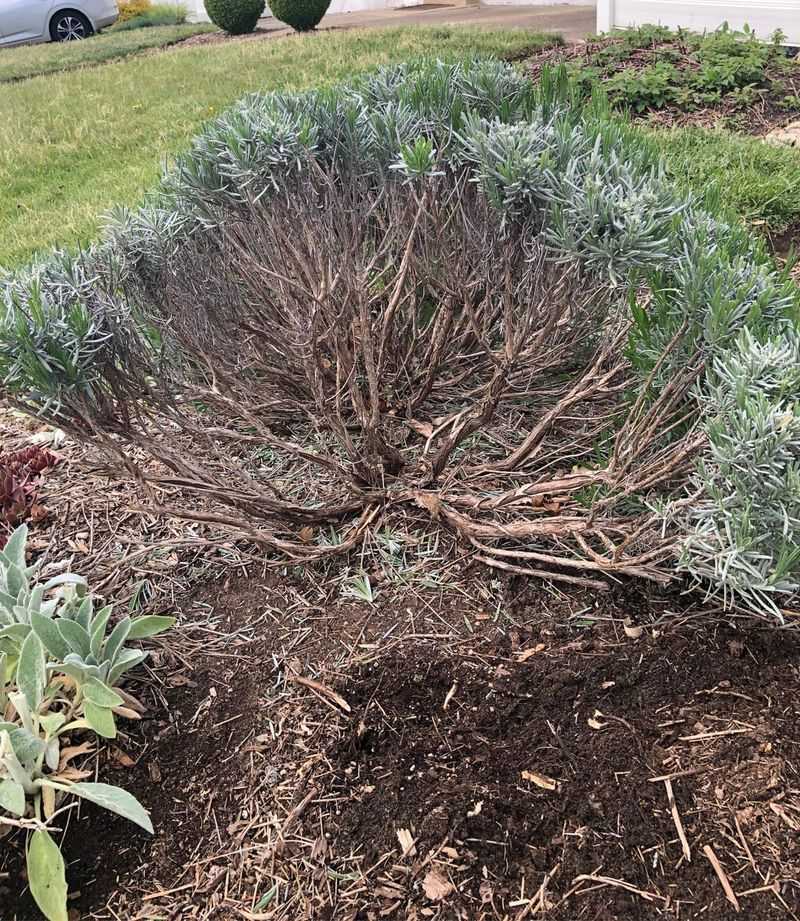
Every garden has a moment for letting go. Sometimes a lavender plant has simply given all it can after years of faithful blooming.
Signs are usually easy to read. A wide, bare center, thick gray trunks, and only a few green tips tell the story.
Hard pruning will not rescue a plant like this. Cutting into that old wood mostly leaves stubs that refuse to grow again.
Instead of fighting it, think of replacement as a fresh chapter. Young plants grow quickly and often bloom well in their second season.
Before pulling the old one, grab some cuttings if any green shoots remain. That way, you keep the same variety you loved.
Choose a fresh spot or refresh the soil before replanting. Mixing in grit and checking drainage gives newcomers a strong start.
Local Virginia nurseries often carry hardy picks like Munstead and Phenomenal. Both handle humid summers and chilly winters well.
Add the old woody stems to a fire pit or grill. Many people enjoy the light herbal smoke they give off.
With new plants in place, start good habits right away. Yearly trims, lean soil, and smart timing will keep woodiness from returning.
Your Virginia garden can smell sweet for many summers ahead. A little planning now means soft, purple mounds where tired sticks once stood.