How To Prepare Your Alabama Yard For Tropical Rain Before The Storm Arrives
Warm Gulf water can fuel tropical systems that reach Alabama. Those rain bands can dump several inches on Alabama within hours.
Saturated Alabama soil stops absorbing, leaving puddles across your lawn’s low areas. Mulch can wash away, and your flower beds can turn muddy. Strong gusts can shove your fence panels. Your shed door can swing open and flood the floor.
Unsecured patio chairs can blow into a neighbor’s yard while you watch. You can change that outcome before the first rain band arrives.
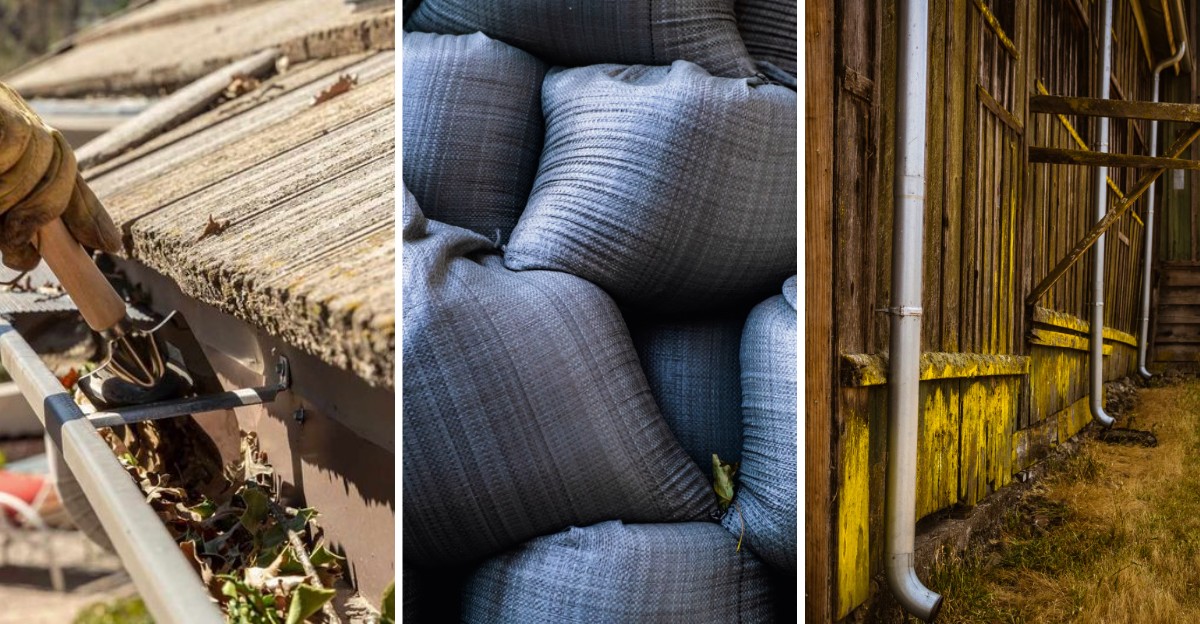
Start by clearing gutters and downspouts so water exits away from your foundation. Anchor your shed with straps rated for high wind.
Haul cushions, planters, and furniture into the garage before the outer bands arrive. Trim branches over your roof, because saturated soil loosens a tree’s hold. Prepare now, and your yard stands ready when the rain arrives.
1. Clear The Storm Drains And Ditches Nearby
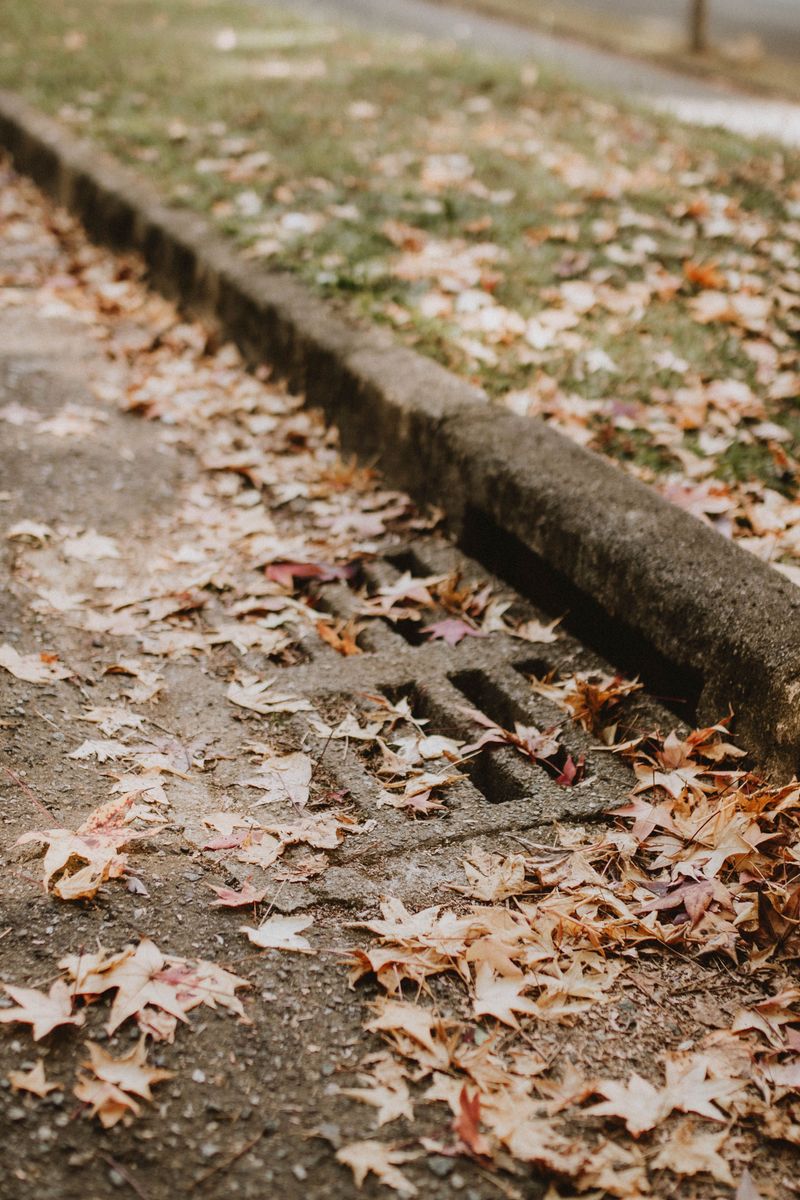
Your neighborhood storm drain needs an open path to carry rain away. Block it with leaves and grass clippings, and water can pool across the street.
Walk to the curb drains closest to your home and take a quick look. Rake away leaves, sticks, trash, and anything else sitting on the grate.
Keep your hands out of the drain opening, since sharp objects and critters can hide inside. Use a rake or shovel instead and wear thick gloves.
Many Alabama yards also have drainage ditches or swales along the edge of the property. Those grassy channels guide water away, but only when they stay clear.
Pull out fallen branches, piles of yard waste, and any toys that wandered into the ditch. Even a small pile can slow the water and cause flooding upstream.
Culvert pipes under driveways are another common trouble spot. Peek inside both ends with a flashlight and clear out mud or leaves you can safely reach.
If a city drain looks badly blocked, call your local public works office before the storm. Many Alabama cities have a hotline or online form, so check your city’s website.
Bag up the leaves you remove instead of sweeping them into the street. Loose debris washes right back into the drain once the first heavy band rolls through.
Helping clear a shared drain is also a friendly way to meet the neighbors. A few people with rakes can clear a block’s drains much faster than one person alone.
2. Secure The Patio Furniture And Loose Decor

Strong tropical winds can lift lawn chairs and other light items. A ceramic frog by the steps could be tossed around by strong gusts.
Start by walking around your yard and spotting anything light enough to move in the wind. Think trash cans, pool floats, potted plants, grills, and kids’ toys.
Bring smaller items into the garage, shed, or house until the storm passes. Stack chairs neatly so you can find them easily when the sun returns.
Heavy furniture that cannot fit inside can be grouped together against a sturdy wall. Tie pieces down with rope or bungee cords to stop them from sliding.
Your Alabama Garden Changes Every Week. Your Plan Should Too.
Gardening in Alabama changes quickly throughout the season. Every Friday you’ll receive a simple weekly plan showing exactly what to plant, prune, fertilize, harvest, and protect so you never miss the right timing.
Patio umbrellas should be closed, removed from their stands, and laid flat or stored. An open umbrella acts like a sail and can snap or tip a table.
Trampolines are a big concern in Alabama storms, since they can lift and tumble across yards. Anchor kits with ground stakes are sold at many sporting goods and hardware stores.
Garbage and recycling bins should be emptied and stored, or weighted with a cinder block. Nobody wants to chase a rolling trash can down the street in the rain.
Hanging baskets, wind chimes, and bird feeders can be taken down for a few days. Your birds will forgive you once the feeder goes back up after the storm.
Take a quick photo of your yard setup before storing everything. That picture helps you put things back in place and can help with insurance claims if needed.
3. Clean Out Every Gutter And Downspout
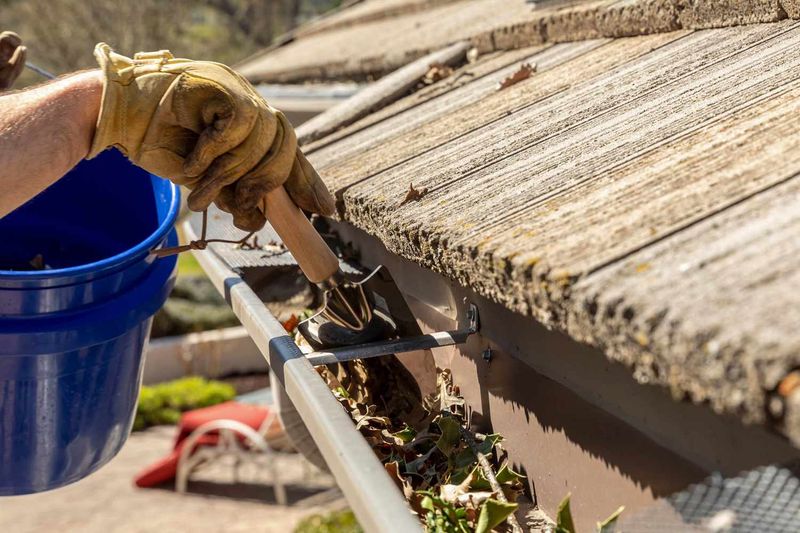
Picture a gutter stuffed with October leaves, pine needles, and one very confused acorn. When heavy rain hits, that water has nowhere to go except over the edge.
Overflowing gutters dump water right beside your foundation, which can lead to wet crawl spaces and cracked walls. A clean gutter carries water safely away from the house.
Grab a sturdy ladder, work gloves, and a small bucket before you climb up. Scoop out the gunk by hand or with a plastic gutter scoop.
Once the gutter is clear, run a garden hose through it to test the flow. Watch where the water goes and look for slow spots or leaks.
Downspouts deserve attention too, since clogs often hide inside them. If water backs up, push a plumber’s snake or a long stick through to break the jam.
Next, check that each downspout empties at least four to six feet from your home, or farther if you can. Cheap plastic extensions or splash blocks from the hardware store make this easy.
Pine trees are common across Alabama, and their needles knit together like a tiny bird nest. A quick check after the storm can catch new clogs early.
Safety matters more than speed with this job, so ask a friend to steady the ladder. A spotter makes the work go faster and keeps everyone on solid ground.
If your roof is steep or tall, calling a gutter service is a smart choice. Local crews often offer gutter cleaning during storm season, so compare quotes first.
4. Trim The Weak And Hanging Tree Limbs
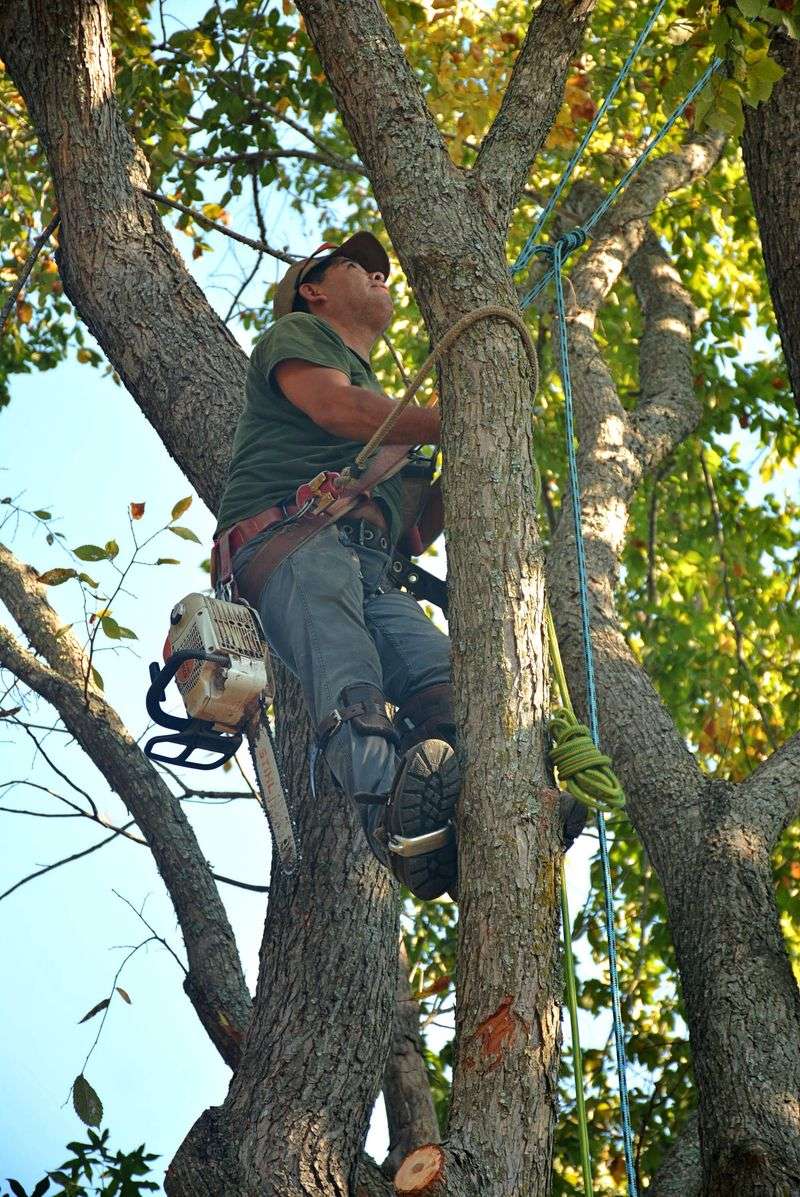
Fallen limbs are a common source of storm damage in Alabama. Weak branches can break when strong wind and heavy, wet foliage add stress.
Walk around your trees and look up carefully. Watch for cracked branches, hanging limbs, and wood that looks hollow, brown, or brittle.
Small limbs within reach can be removed with loppers or a hand saw. Cut just outside the branch collar, which is the slightly swollen ring near the trunk.
Branches hanging over your roof, car, or power lines need special care. Leave any limb near electrical wires to the power company or a licensed tree pro.
Water oaks and Bradford pears are common in Alabama and known for splitting in storms. If you have one, keep an extra close eye on its main branches.
Larger jobs that need a chainsaw or tall ladder belong to a certified arborist. Many tree companies book up quickly before a storm, so call as soon as one appears in the forecast.
Stack cut branches away from the street and storm drains, somewhere they cannot blow around. A loose pile of limbs in a windy yard is just more flying debris.
Young trees with thin trunks may also need a little support during heavy wind. Soft tree straps tied to stakes can keep them standing tall through the storm.
Tending trees now protects more than your house and car. Healthy trees also hold soil in place, which helps your whole yard handle all that falling water.
5. Check The Drainage Slope Around The House
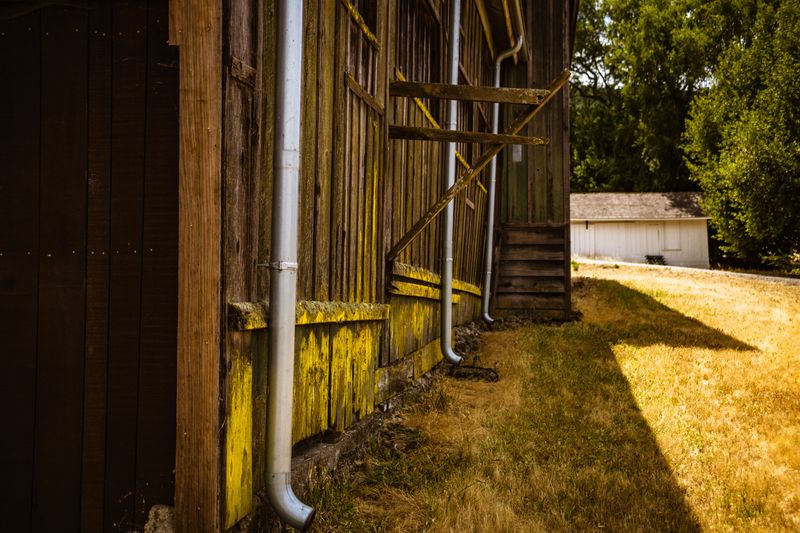
Here is a simple test you can do with a garden hose and a few minutes. Let water run near your foundation and see which way it flows.
Ideally, the ground should slope away from your house about six inches over ten feet. Water that pools against the walls can seep into crawl spaces and basements.
Much of Alabama has red clay soil, which makes this extra important because clay soaks up water slowly. Rain tends to sit on top and spread out instead of draining down.
Low spots near the house can be filled with compacted clay-type fill soil before the storm arrives. Pack it down firmly with a tamper so it does not wash away.
Check flower beds and mulch borders that sit against the foundation too. Sometimes edging creates a little dam that traps water right beside your walls.
If your yard has a known soggy area, a quick trench can help guide water. Call 811 to locate buried utilities before you dig.
Then dig a shallow channel toward a ditch or a lower part of your lawn, and check local rules before directing water toward the street.
Keep any new trench away from your neighbor’s property so you do not send them a flood. Friendly fences last longer when water stays on your own side.
Window wells and basement stairwells deserve a peek as well. Clear out leaves and make sure any drains at the bottom are open and flowing.
For long-term trouble, a French drain or regrading project may be worth planning later. For this weekend, small fixes can still make a big difference.
6. Protect Your Fall Garden Beds And Plants
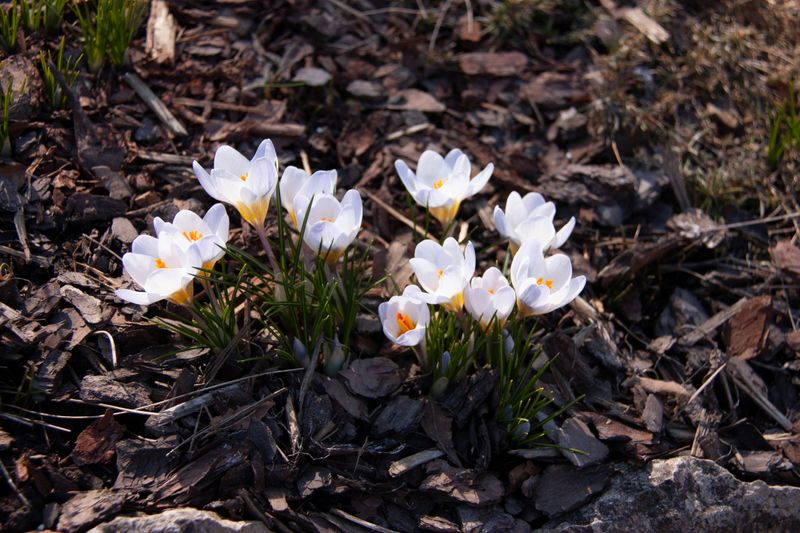
Your fall garden looks happy with its collards, pansies, and fresh mums. Heavy rain can wash away soil, splash mud, and stress tender roots when the ground stays saturated.
A fresh layer of mulch works like a soft blanket for the soil. It slows falling raindrops and helps keep dirt from washing into your walkway.
Spread about two to three inches of pine straw or shredded bark around plants. Skip light, chunky mulch that can float away.
Pine straw is easy to find in Alabama and stays put better on slopes.
Keep mulch a few inches away from stems and tree trunks. Piling it too close holds moisture against the bark and can encourage decay and pests.
Potted plants are easy to protect because you can move them. Tuck them under a porch or roof edge, or tip them on their sides.
Saucers under pots should be emptied, since standing water can swamp the roots. Containers without drainage holes need extra care, or the soil may stay soggy for days.
Tall plants such as mums, salvia, and late tomatoes may flop in heavy rain. Add a simple stake and some soft garden twine to help them stand.
Harvest any ripe vegetables before the storm arrives. Ripe tomatoes, peppers, and squash left on the plant may split or spoil after a big soaking.
Hold off on fertilizing until after the storm passes. Rain can wash fresh fertilizer into storm drains, which wastes money and can affect water quality in local creeks.
Seed bags and garden tools left outside should go into the shed too. Wet seed packets can sprout or spoil.
7. Shut Off The Sprinkler System Before The Rain Arrives
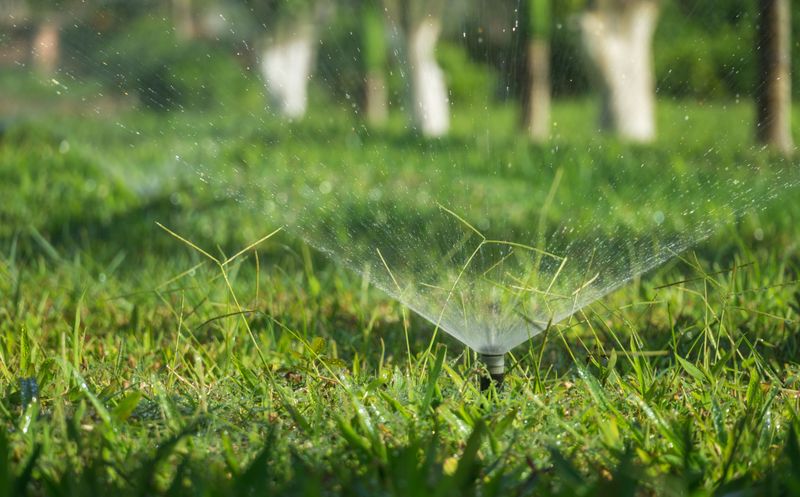
Running sprinklers during a tropical downpour wastes water. It also adds to your water bill. Turn off your irrigation system or switch it to rain mode before the storm. Many controllers have a simple button or dial that pauses watering for several days.
Overwatered lawns can develop fungal diseases such as large patch, which favors wet fall weather. Extra water also weakens grass roots and makes soil mushy.
Smart controllers connected to Wi-Fi may skip watering on their own when rain is forecast. Double-check the app anyway, since forecasts change quickly near the Gulf.
A rain sensor is a cheap add-on that shuts off sprinklers when it gets wet. Hardware stores sell them, and prices vary, so check current listings.
Garden hoses should be rolled up and stored so they do not tangle or drift. Disconnect them from the spigot so flooding cannot submerge the connection.
Rain barrels can fill fast during tropical rain, sometimes in less than an hour. Empty them partly before the storm so they can catch fresh water without overflowing.
Make sure the barrel overflow hose points away from your house and toward a safe spot. A barrel spilling against the foundation undoes your other hard work.
Write yourself a reminder to turn the sprinklers back on once the ground dries. October lawns still need a drink after a week or two of sunshine.
Saving water now also helps your community. Fewer sprinklers running during storms means less runoff rushing into overloaded streets and drains.
8. Stock Up On Sandbags And Cleanup Tools

Think of this step as packing a lunchbox for your yard. You hope you will not need everything, but you will be glad it is there.
Sandbags help slow and divert water around doorways, garage entrances, and low spots near the house, though they do not form a watertight seal. Fill them with sand, not soil.
Some Alabama counties and cities distribute sandbags before big storms, so check local announcements. Fill bags only about halfway so they are easy to lift and stack. Lay them like bricks, overlapping the seams.
Cleanup tools are just as useful once the rain stops. Keep a rake, a flat shovel, heavy trash bags, and a pair of rubber boots ready.
A wet vacuum or small sump pump can help clear a soggy garage or crawl space. Plug it into a GFCI outlet and keep cords out of standing water. Test that it works now, not when water is creeping across the floor.
Tarps come in handy for covering woodpiles, outdoor equipment, or a leaky shed roof. Grab a few bungee cords or rope to hold them down tight.
Charge your phone and a flashlight before the weather turns. Power outages are common during tropical storms, and checking the yard in the dark is no fun.
Store all supplies in one spot, like a garage shelf or a big plastic bin. When the rain starts, you will know exactly where everything is.
Shopping early beats the last-minute rush at the hardware store. Once a storm draws close, shelves of sandbags and tarps may run low.
Once the storm passes, walk the yard slowly and look for hazards before cleaning. Downed wires, sharp debris, and hidden holes can hide under standing water.