The Beautiful Herb New York Gardeners Swear Keeps Rats Away
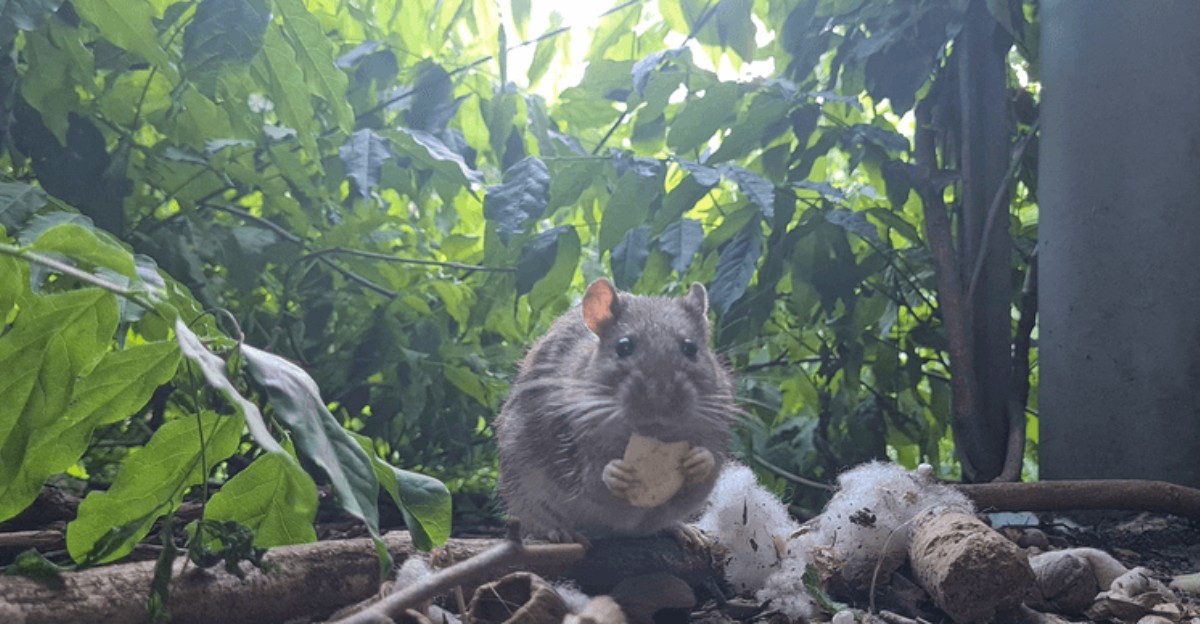
A warm evening on the stoop, a sweet scent drifting from a clay pot, and a rat that quietly turns around. That’s the scene many gardeners hope for when they plant one popular herb.
New York gardeners have traded tips about this fragrant plant for years. It smells like candy canes to us, but to a rodent, it may feel like a slap in the nose.
Still, is it real garden wisdom or just a pleasant myth passed between neighbors? The truth sits somewhere in the middle, and it’s more interesting than you might expect.
The herb can play a small role, but it works best alongside a few smart habits. Without them, even the strongest scent won’t keep hungry rodents away for long.
Peppermint Is The Herb Gardeners Swear By
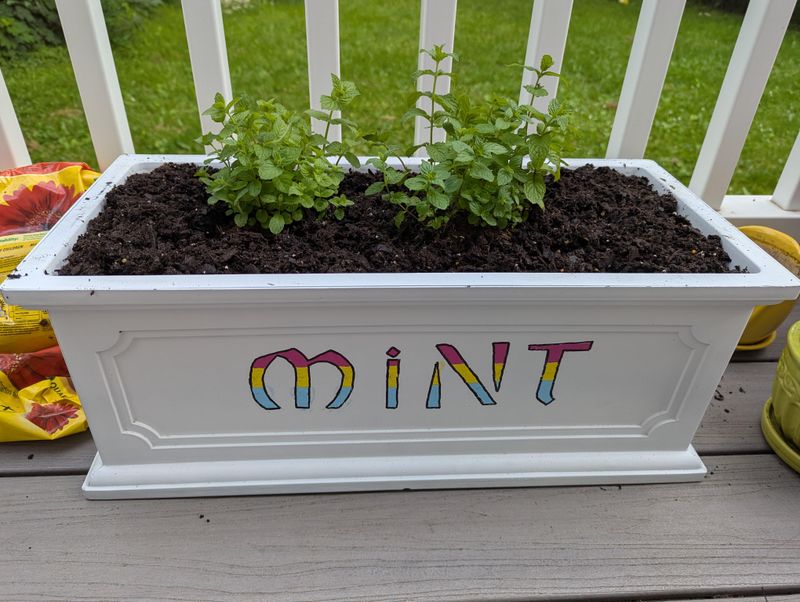
Ask around a Queens community garden, and someone will point to peppermint. The bright green herb has earned a loyal fan club among city growers.
Many garden and pest experts list peppermint as a top natural choice for discouraging rats and mice. You will see it recommended in gardening magazines, pest control blogs, and neighborhood chats.
New York gardeners face a unique challenge with rodents in tight urban spaces. So they often look for gentle, plant-based ideas before reaching for harsh products.
Part of the charm is how easy peppermint is to grow. It handles sun or partial shade and bounces back quickly after trimming.
Beginners love it because mistakes rarely set it back for long. Even a forgetful waterer can usually keep a pot of peppermint looking lively.
Peppermint also looks lovely, with fuzzy leaves and tiny purple flower spikes in summer. Bees and other small insects visit those blooms happily.
Fun fact: peppermint is actually a natural cross between watermint and spearmint. Gardeners have grown it for centuries for flavor and fragrance.
Want to start? Buy a healthy plant from a local nursery rather than seeds.
True peppermint rarely grows true from seed, so cuttings or starter plants work better.
Look for plants labeled Mentha x piperita on the tag. A quick sniff of a leaf should give you a sharp, cooling smell right away.
Place your new plant somewhere you pass often. You will enjoy the scent, and you can easily check on its health.
Rats Dislike Its Strong Menthol Scent
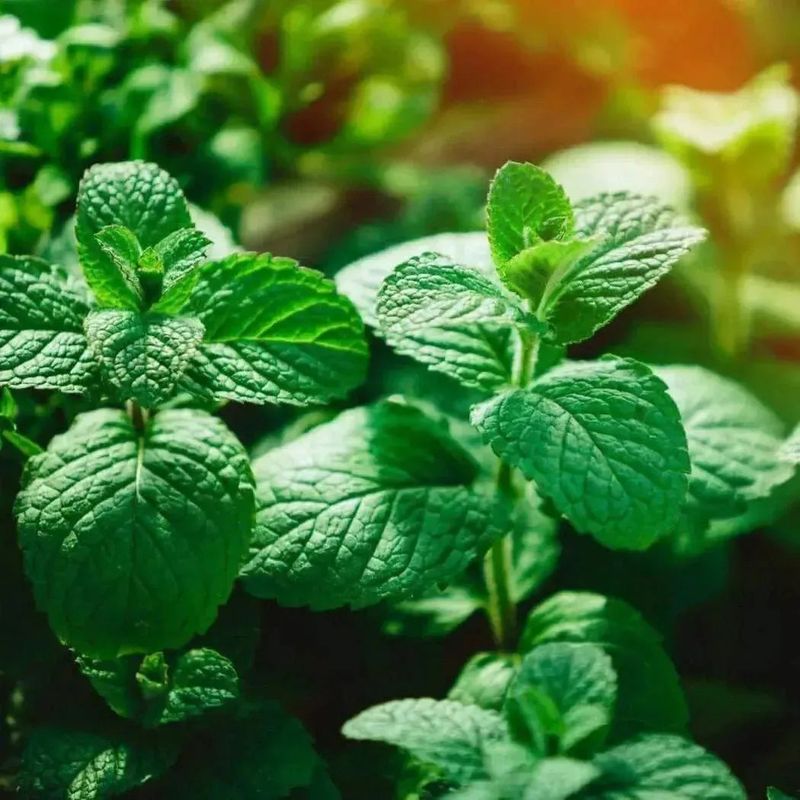
Imagine walking into a room filled with way too much perfume. For a rat, a patch of peppermint might feel a lot like that.
Rats rely heavily on their noses to get around. They use smell to find food, spot danger, and choose safe places to nest.
Their sense of smell is far sharper than ours. Odors we find pleasant can feel intense and overwhelming to them.
Peppermint contains a compound called menthol. That cooling chemical gives mint its icy kick when you chew gum or sip tea.
For rodents, menthol can irritate the nose and breathing passages. The sensation is uncomfortable, so they may steer clear of strong-smelling spots.
Your New York Garden Changes Every Week. Your Plan Should Too.
Gardening in New York changes quickly throughout the season. Every Friday you’ll receive a simple weekly plan showing exactly what to plant, prune, fertilize, harvest, and protect so you never miss the right timing.
Think of it as a bouncer made of fragrance. It does not hurt the rat, but it makes the area less inviting.
Here is a helpful detail many people miss. The scent needs to be strong and steady to matter at all.
A single small plant on a big patio will not do much. Several healthy plants grouped together create a thicker cloud of aroma.
Warm weather boosts the effect because heat releases more oils from the leaves. On cool days, the scent fades noticeably.
Keep your plants well watered and trimmed for fresh growth. Young, healthy leaves tend to carry the boldest menthol punch.
Gardeners often notice the scent most in July and August. Those humid evenings make mint smell almost electric.
Research Shows Mixed Results
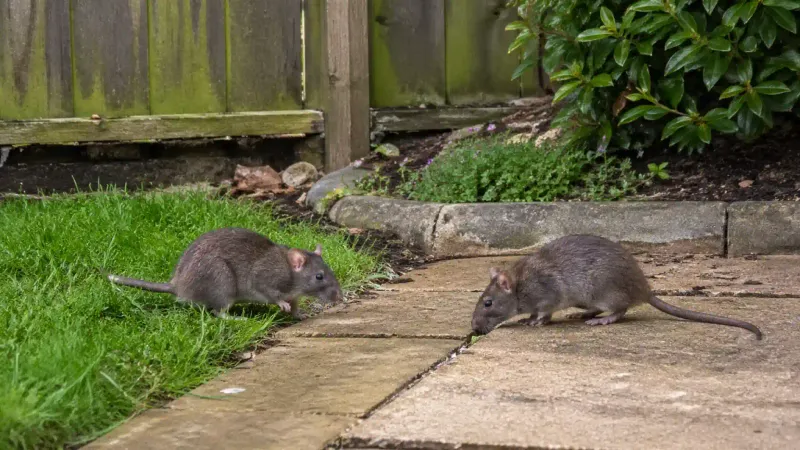
Here comes the honest part, and it matters. Science has not fully backed up peppermint as a strong rat repellent.
Studies on peppermint oil suggest the scent can push rodents away for a short time. The effect usually stays limited to small areas.
Over time, rats may simply get used to the smell. A hungry rat often cares more about dinner than a strong odor.
Some experts take an even firmer view. University of California master gardeners say no plant offers a truly reliable rat repellent.
So why do so many gardeners still swear by it? Part of the answer is timing and luck.
People often plant mint while also cleaning up their yards. The cleanup may deserve more credit than the herb itself.
Still, a mild helper is better than no helper. Peppermint costs little and smells great, though pets that nibble a lot of it may get an upset stomach.
Think of it like wearing a hat in the rain. It helps a bit, but you still want an umbrella.
A smart approach is to treat mint as one small layer of defense. Pair it with the practical steps covered later in this list.
Keep a simple notebook if you are curious. Jot down rodent sightings before and after planting to see your own results.
Your backyard experiment might teach you more than any headline. Every yard, block, and building behaves a little differently.
Pots Keep This Spreader In Check
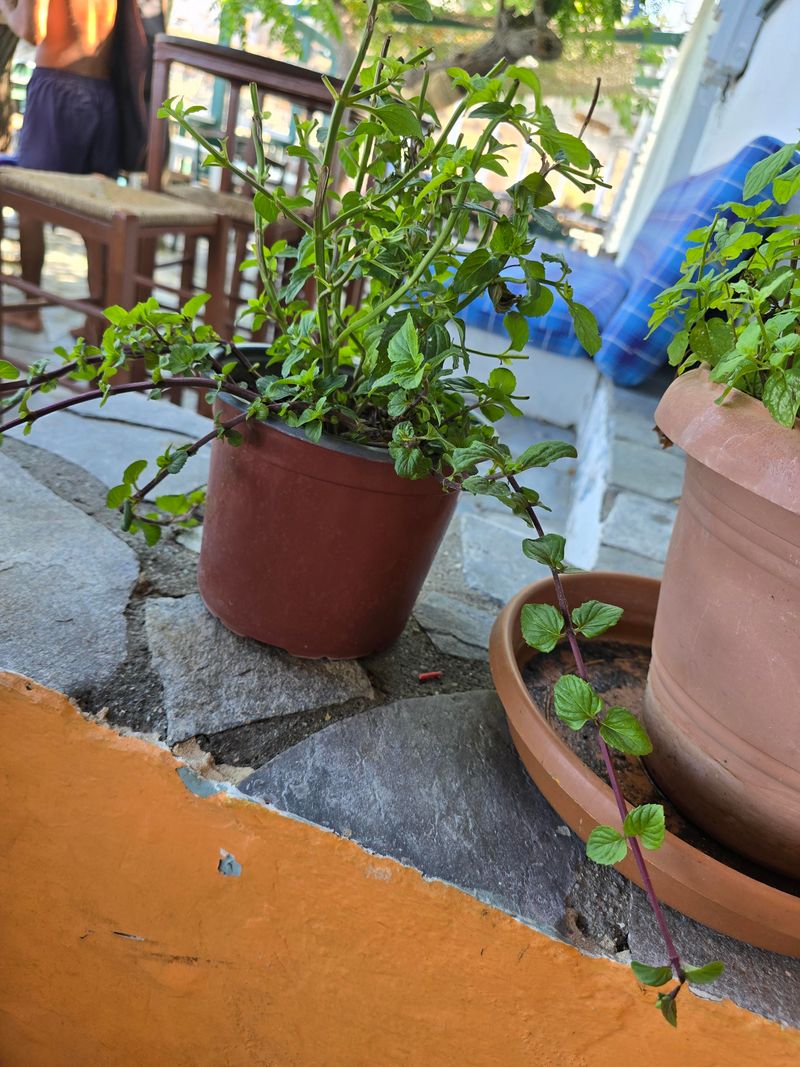
Plant mint in open ground once, and you may regret it by August. Mint spreads like gossip on a crowded subway car.
The secret lies underground. Mint sends out creeping stems called rhizomes that pop up new shoots far from the parent plant.
Left alone, it can swallow flower beds and crowd out tomatoes. Pulling it out later takes real patience and sore knees.
Containers solve the problem nicely. Choose a pot at least 12 to 18 inches deep to give roots room.
Wide pots also help the plant grow full and bushy. More leaves mean more fragrance drifting around your space.
Want mint in a garden bed anyway? Bury the pot so the rim sits slightly above the soil line.
That raised edge stops runners from sneaking over the top. Check the rim each month and snip any escape artists.
Hard surfaces work even better. Pots on patios, stoops, or fire escapes have nowhere to spread.
Urban gardeners often have little room to spare. Containers let them grow mint on a tiny balcony with zero worry.
Use potting mix with good drainage and a hole in the bottom. Mint likes moist soil but dislikes sitting in puddles.
Every spring, divide crowded plants and refresh the soil. The plant will reward you with fresh, fragrant growth.
Toss extra roots and stems in the trash, not the compost or a nearby ditch. Mint can root in damp ground and spread into stream banks and wild areas.
Planting It Near Doors And Sheds Puts The Scent Where It Counts
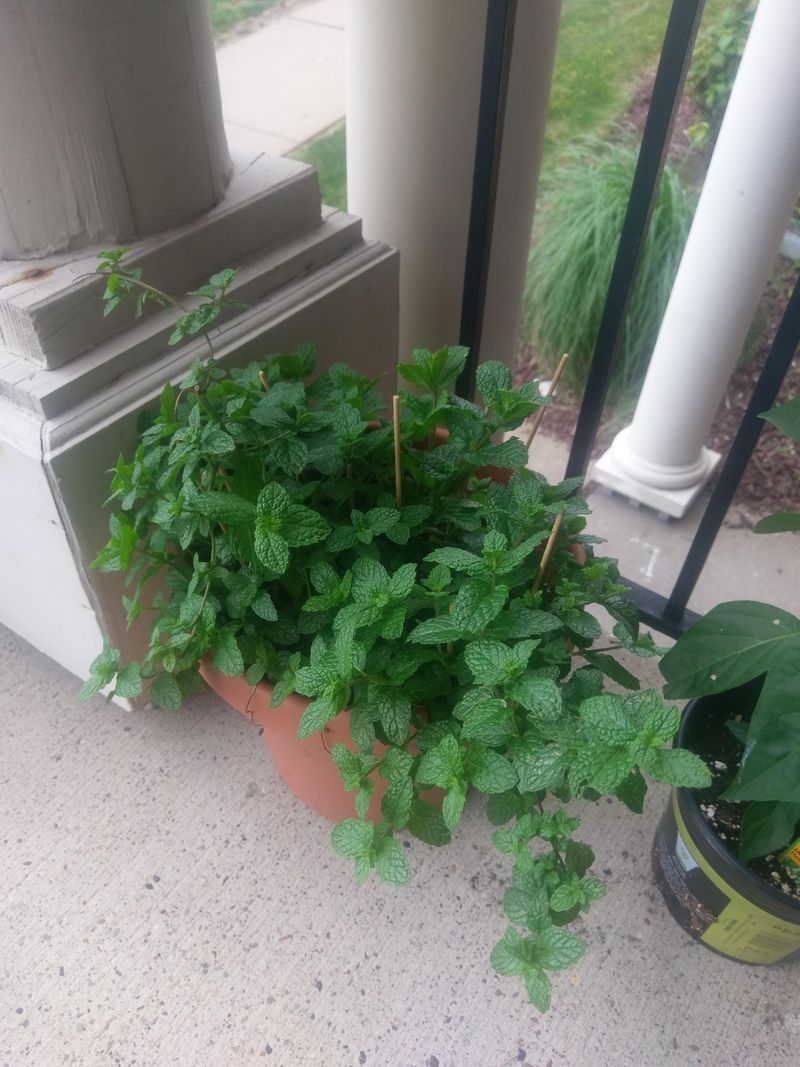
Location is everything, even for an herb. A mint pot hidden in a far corner will not guard your back door.
Rats tend to follow the same paths each night. They hug walls, sneak along fences, and slip toward doors and sheds.
Placing peppermint near those hotspots puts the scent right in their way. Think of it as a fragrant welcome mat in reverse.
Good spots include back steps, garage doors, and shed entrances. Patio corners and areas near basement windows also make sense.
Compost bins deserve special attention. Food scraps attract rodents, so a few pots nearby may add a small extra barrier.
Group several pots together instead of spacing them far apart. A concentrated cluster creates a stronger cloud of aroma.
Look for signs of rat traffic first. Droppings, gnaw marks, and greasy smudges along walls reveal their favorite routes.
Once you spot those trails, set your plants along them. You will be working with rat habits instead of guessing.
Many New York backyards are narrow and shaded by neighboring buildings. Mint tolerates partial shade, so those tight spaces still work.
Rotate pots every few weeks to keep growth even. Plants leaning toward the sun can look lopsided and thin.
Bonus perk: you get a lovely smell every time you step outside. Your doorway starts to feel like a tiny herb garden.
Crushed Leaves Release The Most Fragrance
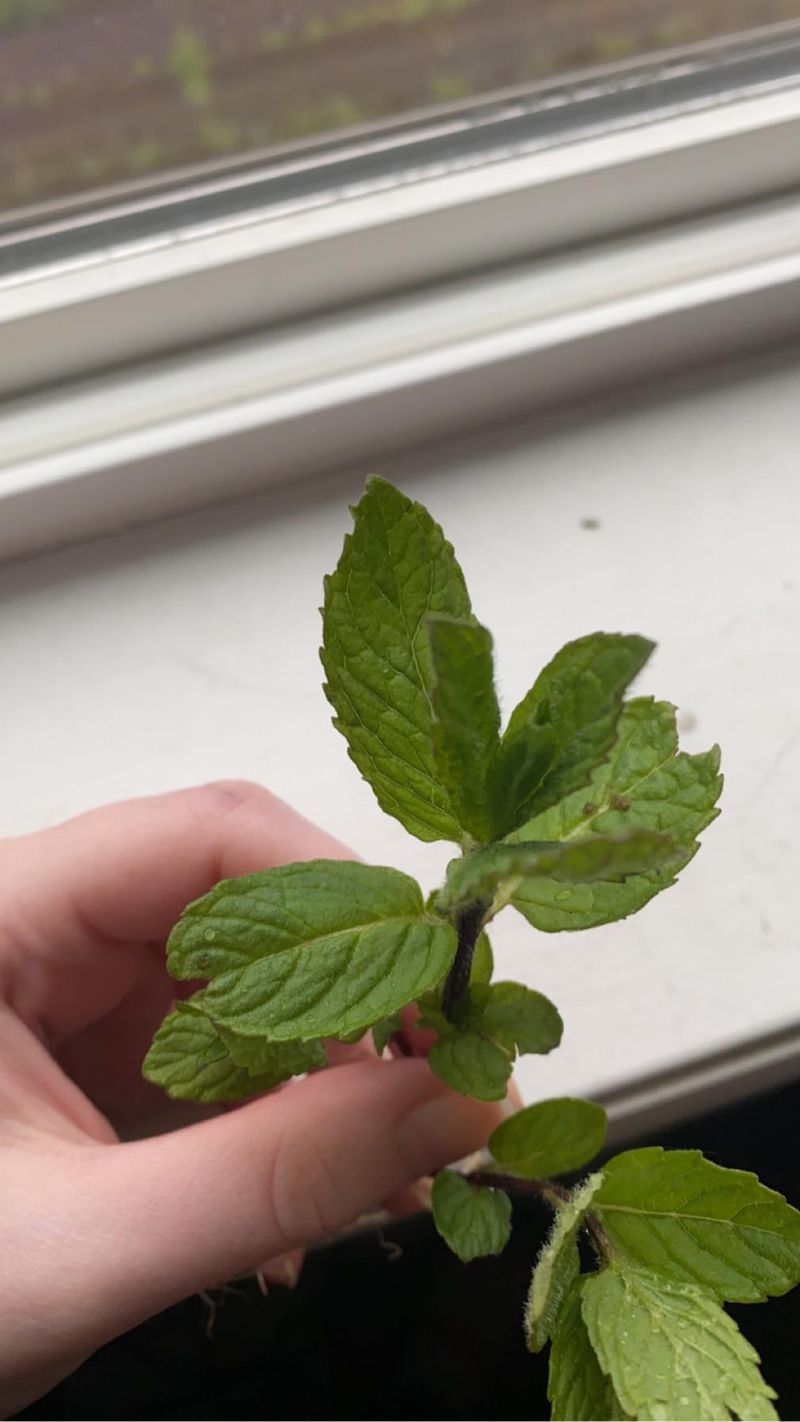
Run your fingers through a mint plant, and the air suddenly wakes up. That burst of freshness hides a useful trick.
Mint leaves store their scent in tiny oil glands. Bruising or crushing them breaks those glands open and releases the oils.
An untouched leaf smells pleasant but mild. A crushed leaf can smell several times stronger within seconds.
Gardeners use this to their advantage. Brushing the plants as you walk by gives the area a quick fragrance boost.
Some people scatter crushed leaves near entry points or along fence lines. Fresh leaves work best, since the smell fades as they dry.
Replace scattered leaves every day or two for steady scent. Old, brown leaves offer little aroma and can attract mold.
Another idea is tucking crushed mint into small cloth bags. Hang them near sheds, storage bins, or garden tool corners.
Regular harvesting helps the plant too. Pinching off stem tips encourages bushier growth with more leaves to crush.
Here is a quirky bit of history. Ancient Greeks rubbed mint on tables to freshen dining rooms before guests arrived.
Of course, a stronger smell does not guarantee results. Crushing simply gives your peppermint the best possible chance to work.
Keep a pair of garden gloves handy if your skin feels sensitive. Mint oils can tingle on fingers after lots of handling.
Sealing Gaps Matters More Than Any Plant
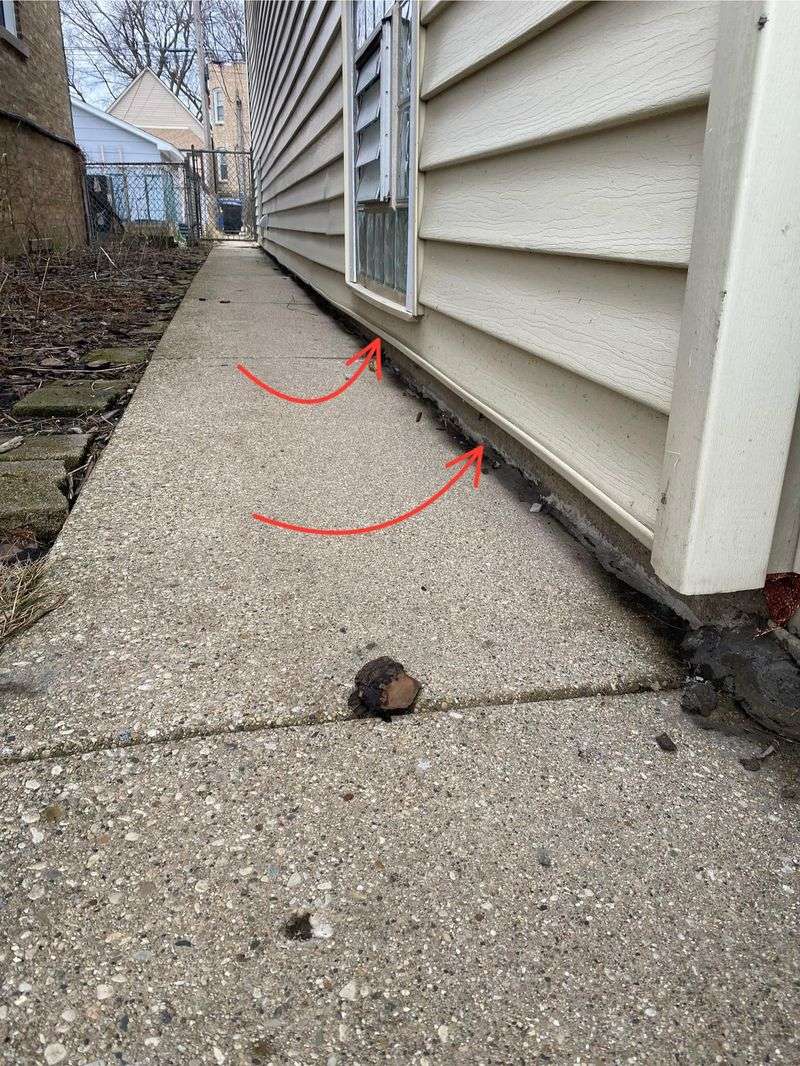
A rat can squeeze through a hole about the size of a quarter. Mice need even less, just a quarter-inch gap.
That surprising fact explains why sealing openings beats any herb. No smell can stop a rat that already has an easy door.
Pest experts call this method exclusion. It means blocking every possible entry point into your home or shed.
Start with a slow walk around your building. Check foundations, vents, pipes, and spaces under doors.
Bring a flashlight and look closely at corners. Gnaw marks and small droppings often reveal active entry spots.
Pick materials rodents cannot chew through. Steel wool, hardware cloth, cement, and metal sheeting all work well.
Avoid plain foam or wood for patching. Rats chew through soft materials surprisingly fast.
Stuff steel wool into small gaps, then cover with caulk or cement. The combo holds tight and looks neater.
Door sweeps help close gaps at the bottom of doors. Metal mesh screens can protect vents and crawl spaces.
Older New York buildings often have cracks in brick and stone. Patching them each spring keeps small problems from growing.
Got a tricky spot you cannot reach? A licensed pest professional can find hidden openings and seal them properly.
Once the gaps are closed, your peppermint becomes a pleasant bonus. Your walls now do the heavy guarding.
Removing Food And Shelter Does The Heavy Lifting
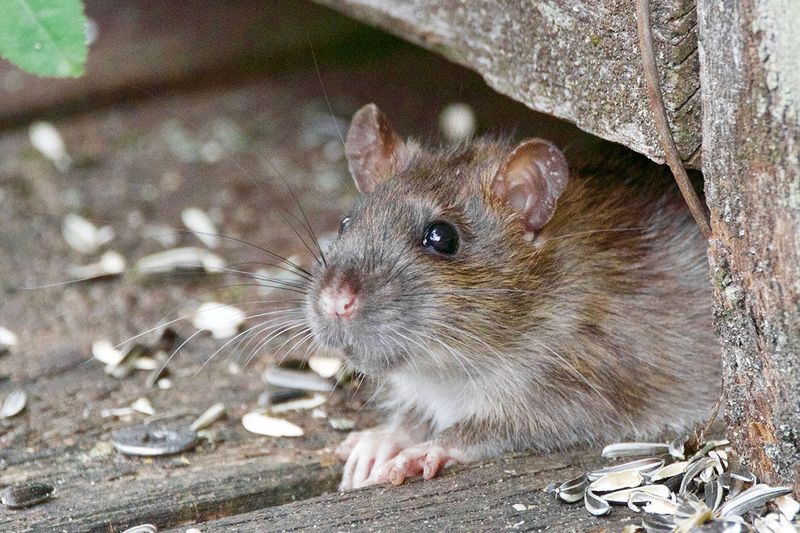
Rats are simple creatures with simple goals. They want food, water, and a cozy hiding spot.
Take those away, and your yard becomes a boring place for them. Boring yards rarely attract crowds of rodents.
Garbage is the biggest magnet. Use thick plastic or metal bins with tight lids that snap shut.
Rinse bins now and then to cut lingering smells. Food residue can draw rats even when the can is empty.
Pet food needs care too. Store kibble and birdseed in sealed metal or hard plastic containers.
Bird feeders often spill seeds onto the ground. Add a catch tray or sweep up fallen seed regularly.
Clean up fallen fruit, grill drippings, and outdoor spills quickly. Every crumb counts when rats are nearby.
Shelter matters just as much as food. Clutter piles, old boards, and junk give rats perfect hiding places.
Stack firewood at least 18 inches off the ground. Keep it away from walls and fences.
Trim overgrown shrubs and tall weeds near your home. Thick plants offer rats safe, shady cover.
Fix leaky hoses and drain standing water. Even small puddles can supply a thirsty rat.
New York’s sanitation rules increasingly require lidded bins, and for good reason. Neighbors working together can make a whole block less inviting.