There’s A New Tea Trend Growing In Alabama Backyards, And It’s Not Sweet Tea
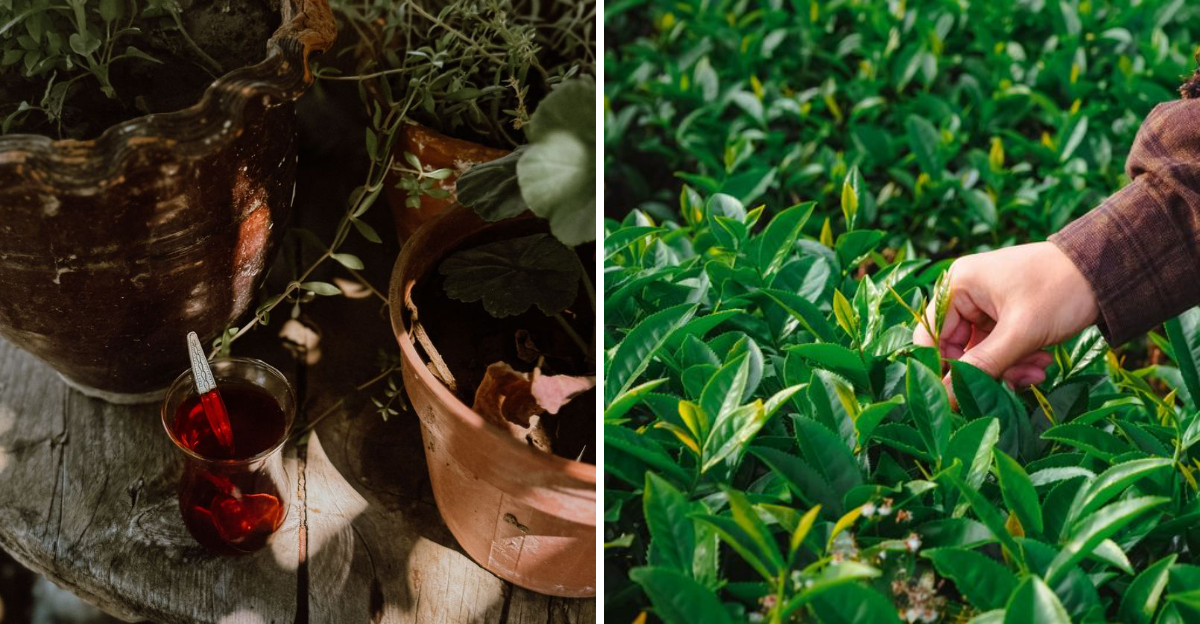
A new gardening trend is taking shape in backyards across Alabama, and it starts with seeds, soil, and a little curiosity. Backyards across Alabama are trading ornamental shrubs for real tea plants.
Homeowners like you are swapping store shelves for soil and seeds. Lemon balm and mint now crowd garden beds you once planted purely for looks.
Nothing about this demands acreage, just sunlight you likely already have. Patios and containers work just as well as sprawling beds.
Flavor hits harder when you grow it instead of buying it. Alabama’s climate practically demands you try this kind of experiment.
Results show up quickly within weeks, not distant seasons. Money barely factors in, despite what skeptics assume.
Momentum keeps building fast as more people choose flavor over convenience. Skeptics underestimate how fast sprigs turn into full cups.
There’s little downside to starting, and real reward in trying it yourself. Many gardeners find it hard to stop once they get started.
What Is A Backyard Tea Garden
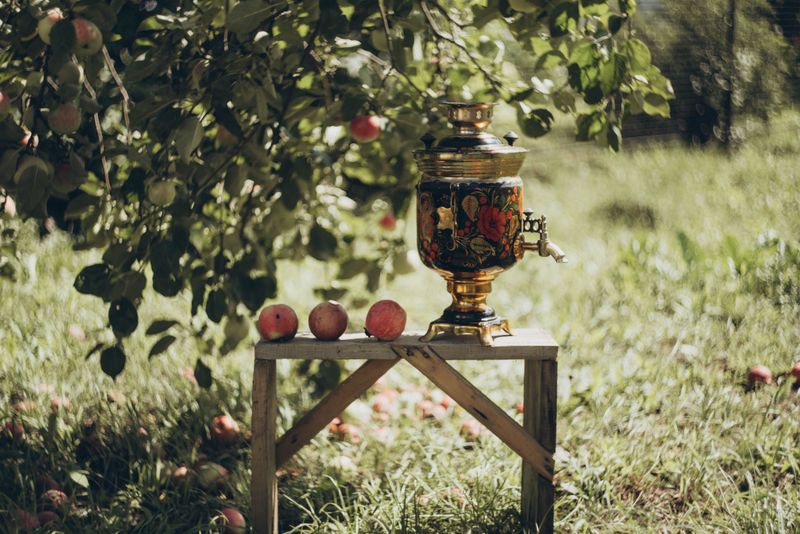
Your backyard might already be hiding the best cup of tea you have ever had. A backyard tea garden is simply a dedicated growing space filled with herbs, flowers, and plants used to make homemade herbal teas.
Unlike traditional gardens focused on vegetables or flowers for looks, a tea garden is grown with your cup in mind. Every plant you choose has a purpose: flavor, fragrance, or health benefits.
Most tea gardens are small and manageable. You can plant one in raised beds, containers, or a simple in-ground patch near your kitchen door.
The beauty of this trend is its flexibility. You do not need a green thumb or a sprawling yard to make it work.
Common tea garden plants include mint, chamomile, lavender, lemon balm, and holy basil. Each one brings something different to your mug, from floral sweetness to earthy warmth.
Growing your own tea herbs also means you know exactly what goes into your cup. No preservatives, no artificial flavors, just fresh plants you tended yourself.
This new backyard tea garden trend is catching on because it combines gardening, wellness, and creativity in one satisfying hobby. You get to play in the dirt and enjoy the reward later, steaming and fragrant, in your favorite mug.
Starting a tea garden is one of the most accessible garden projects out there. Even a beginner can grow enough herbs in one season to enjoy fresh tea all summer long.
Why Alabama Homeowners Are Embracing This Trend
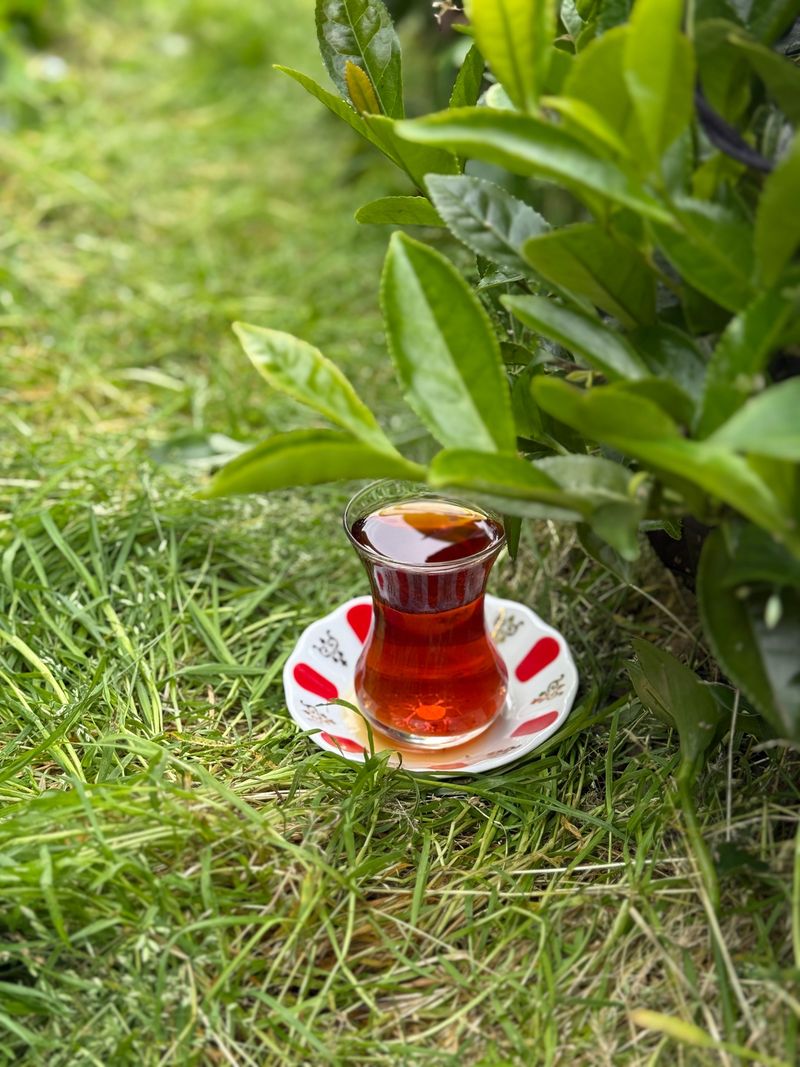
Southern gardens are changing in a noticeable way, one fragrant herb at a time. Across the state, homeowners are swapping out ornamental shrubs for fragrant, useful herbs that end up in their teacups by evening.
The backyard tea garden trend fits naturally into the Southern lifestyle. People here already love gathering on the porch with a warm drink, so growing what goes into that drink feels like a natural next step.
Cost is also a big motivator. Specialty herbal teas at grocery stores can cost several dollars a box, and prices add up fast.
Your Alabama Garden Changes Every Week. Your Plan Should Too.
Gardening in Alabama changes quickly throughout the season. Every Friday you’ll receive a simple weekly plan showing exactly what to plant, prune, fertilize, harvest, and protect so you never miss the right timing.
Growing your own cuts that cost dramatically. A single packet of chamomile seeds is inexpensive and can produce enough blooms for dozens of cups of tea.
Health awareness is another driver. Many homeowners are looking for calming, caffeine-free options that support sleep, digestion, and stress relief.
Herbs like lemon balm and passionflower grow beautifully in the Southern climate. They thrive in heat and humidity, which means less babying and more harvesting.
Community is also part of the picture. Neighbors are sharing cuttings, swapping blends, and comparing harvests at farmers markets and garden clubs.
Southern gardeners have always had a generous spirit when it comes to sharing what grows in the yard. This trend simply gives them one more delicious thing to pass along.
The backyard tea garden movement is not a passing fad. It is rooted in practicality, flavor, and a genuine desire to slow down and sip something made with care.
Best Herbs And Plants To Grow For Homemade Tea
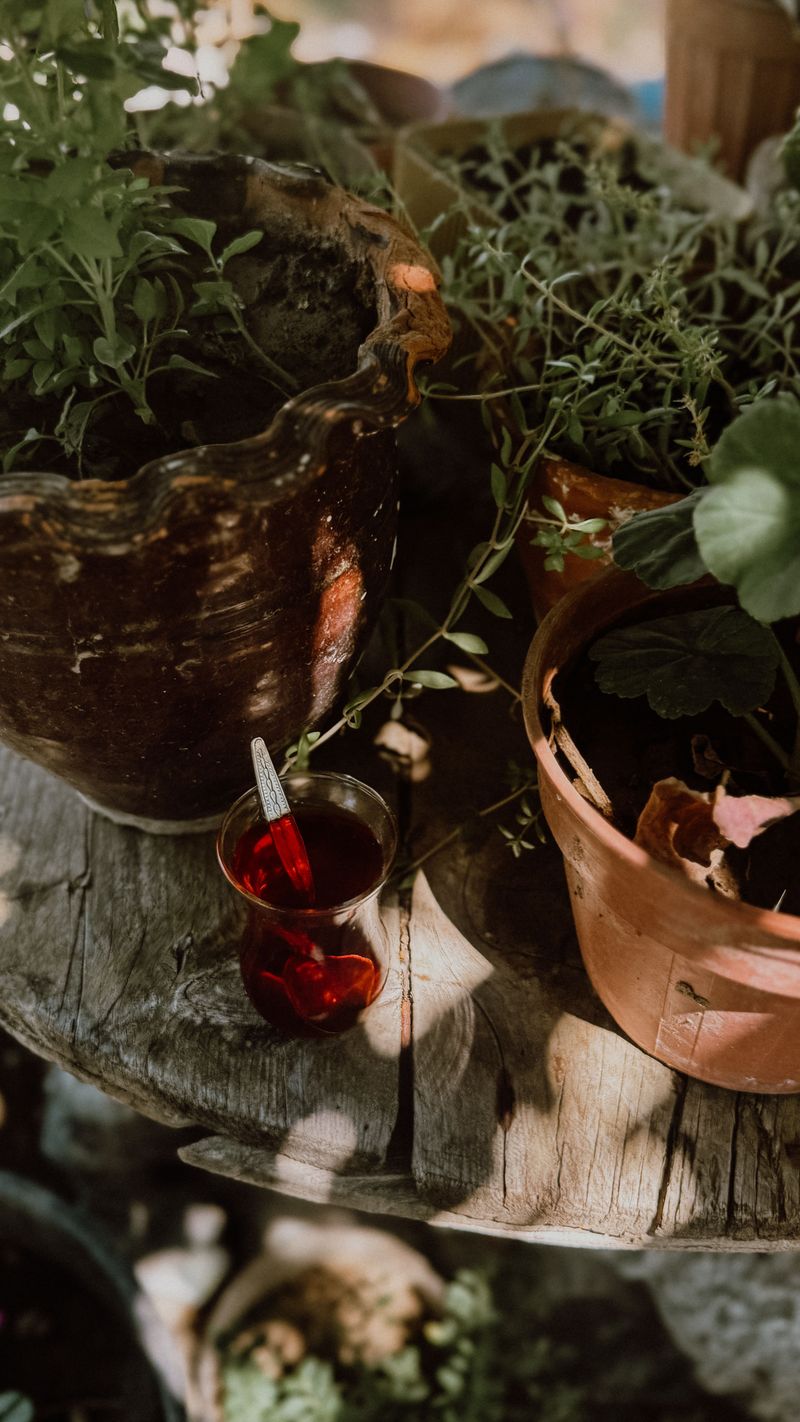
Picking the right plants makes all the difference between a good cup and a great one. Not every herb is created equal when it comes to flavor, ease of growing, or how well it handles Southern heat.
Mint is a popular starter herb for any tea garden. It grows fast, spreads eagerly, and gives you a bold, refreshing flavor that works hot or iced.
Plant mint in a container if you can, because it will take over a garden bed if given the chance. That aggressive nature is actually a bonus when you want a constant supply of leaves for your mug.
Chamomile is another must-have. Its tiny daisy-like flowers taste gently sweet and floral, and they’re traditionally used for their calming effect before bedtime.
Lemon balm brings a bright, citrusy lift to any blend. It pairs beautifully with mint or chamomile and grows easily in partial shade.
Holy basil, also called tulsi, has an earthy, slightly spicy flavor that feels warming and grounding. It has been used in herbal traditions for centuries and thrives in Southern summers.
Lavender adds elegance and a subtle floral note. Use it sparingly in blends because a little goes a long way in the cup.
Passionflower is a Southern native that makes a mild, slightly grassy tea traditionally believed to promote relaxation. It grows like a champ in warm climates and produces stunning blooms as a bonus.
Each of these plants produces a strong harvest once established, giving you a full season of harvests from a single planting.
How To Design And Plant Your Own Tea Garden
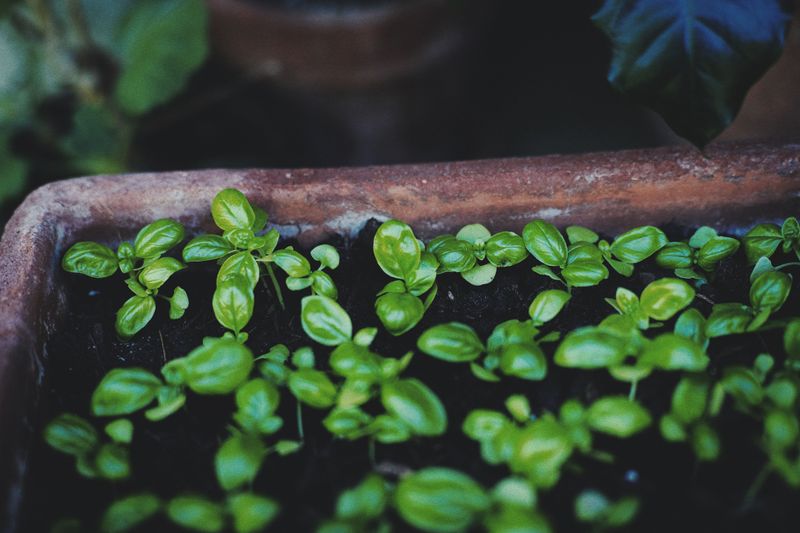
Designing a tea garden is one of the most satisfying garden planning projects you can do. Start by choosing a spot that gets at least six hours of sunlight daily, because most tea herbs are sun lovers.
A raised bed works especially well for tea gardens. It gives you control over soil quality and drainage, which are two things that make or break herb growth.
Fill your raised bed with a mix of good compost and well-draining garden soil. Herbs dislike soggy roots, so drainage is not optional.
Group plants by water needs to make care easier. Mint and lemon balm like consistent moisture, while lavender and chamomile prefer drier conditions.
Keep a clear path or stepping stones between sections so you can reach every plant without compacting the soil. Easy access means you will actually harvest regularly, which keeps plants producing.
Label each plant clearly from the start. Fresh herb leaves can look surprisingly similar, and you do not want to confuse your lemon balm with your mint mid-blend.
If space is tight, container gardening is a practical solution. Large pots on a sunny deck or patio can hold four to six herb varieties with no yard required.
Plant taller herbs like holy basil toward the back of a bed. Shorter plants like chamomile and thyme work well along the edges where they get full sun exposure.
A thoughtfully planted tea garden looks as beautiful as it tastes, making it both a productive and a genuinely pretty addition to any outdoor space.
Harvesting And Blending Your Homegrown Tea
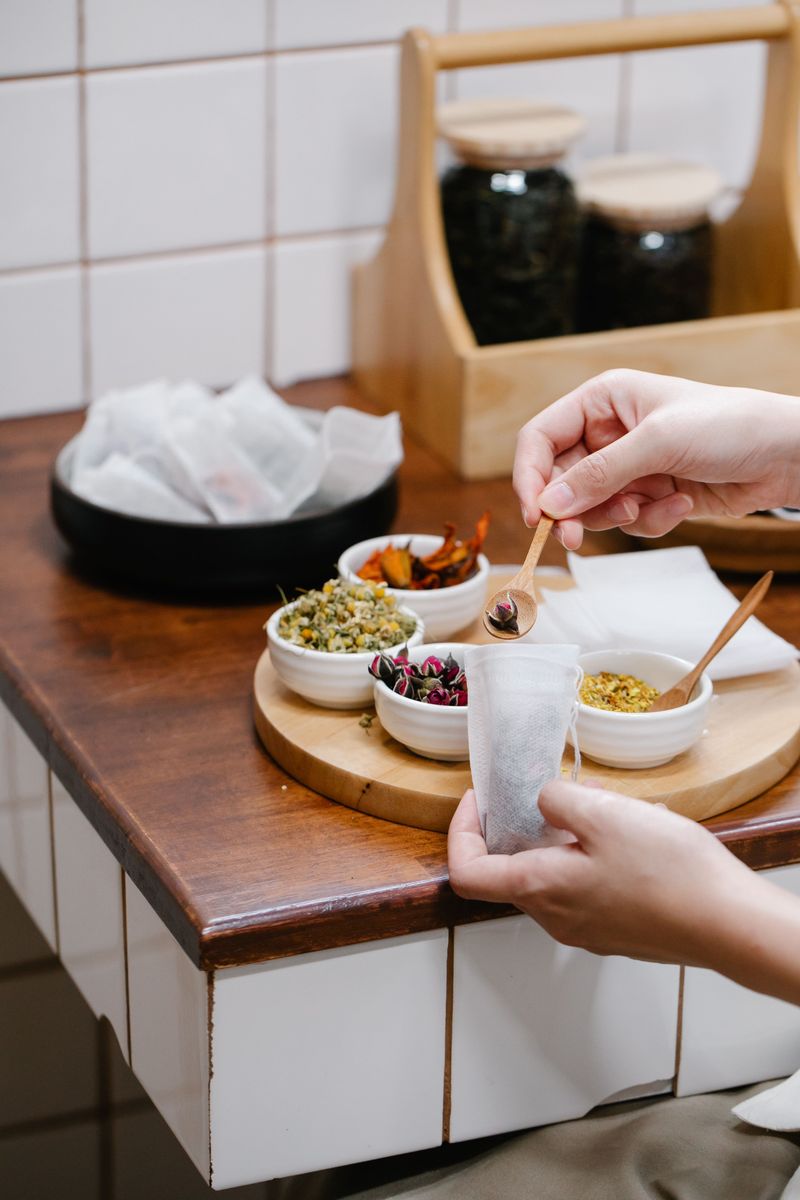
Harvest day is one of the more rewarding moments in tea gardening. The smell that hits you when you pinch fresh lemon balm or crush a mint leaf between your fingers is worth every minute you spent planting.
The best time to harvest most herbs is in the morning, after dew has dried but before the midday heat sets in. That is when essential oils are most concentrated, meaning maximum flavor in your cup.
Use clean scissors or garden snips to cut stems cleanly. Avoid tearing leaves, which can bruise the plant and reduce future growth.
For fresh tea, a small handful of leaves steeped in hot water for five to ten minutes is usually all you need. Cover your mug while steeping to trap the aromatic oils inside.
Drying herbs extends your harvest well beyond the growing season. Bundle small stems together and hang them upside down in a warm, dry spot with good airflow.
Once fully dried, crumble the leaves into airtight glass jars. Stored away from light and heat, dried herbs hold their flavor for up to one year.
Blending is where things get genuinely fun. Try mixing dried mint with chamomile for a calming evening tea, or combine lemon balm with lavender for something floral and bright.
Keep a small notebook to record your blends and ratios. You will want to recreate the ones that turn out perfectly, and your notes become a personal tea recipe book over time.
Tips For Keeping Your Tea Garden Thriving Year-Round
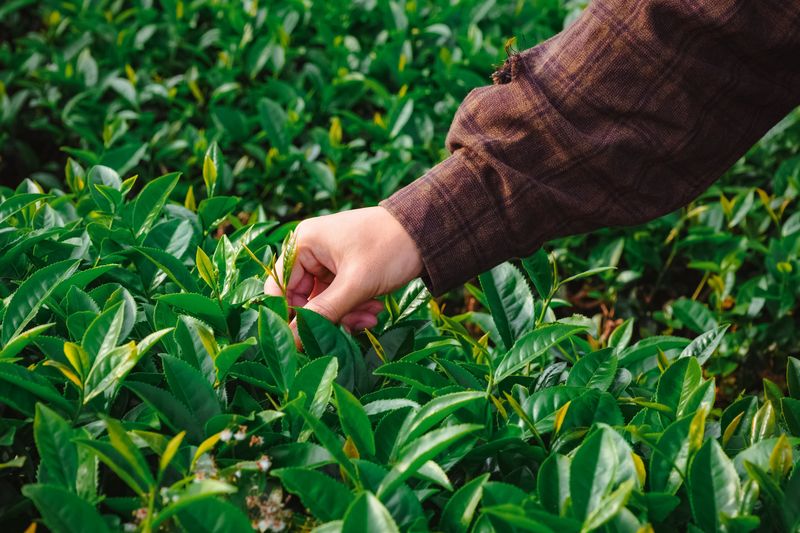
A thriving tea garden does not happen by accident. It takes a little seasonal attention, but the payoff is fresh herbs from spring through the first frost and dried supplies all winter long.
Water consistently but never excessively. Most tea herbs prefer soil that dries slightly between waterings, so stick your finger an inch into the soil before reaching for the hose.
Fertilize lightly with a balanced organic fertilizer once a month during the growing season. Too much nitrogen pushes leafy growth but weakens flavor, so less is genuinely more here.
Prune regularly and with purpose. Cutting herbs back by one-third encourages bushy, productive plants instead of leggy ones that bolt to seed too quickly.
Watch for aphids and spider mites, especially during dry spells. A strong spray of water from the hose knocks most pests off without any chemicals needed.
As temperatures cool in autumn, move container herbs indoors to a sunny windowsill. Many tea herbs survive winter inside and are ready to go back outdoors when spring returns.
Mulch in-ground beds before the first frost to protect roots. A two-inch layer of straw or shredded leaves holds soil warmth and moisture through cold snaps.
Perennial herbs like mint and lemon balm will return on their own each spring, while chamomile typically self-seeds and comes back from dropped seed rather than as a true perennial. Annual herbs like holy basil need replanting, but saving seeds at season end keeps costs low.