The Meaning Behind Geese Flying Low Over Your Ohio Home In October
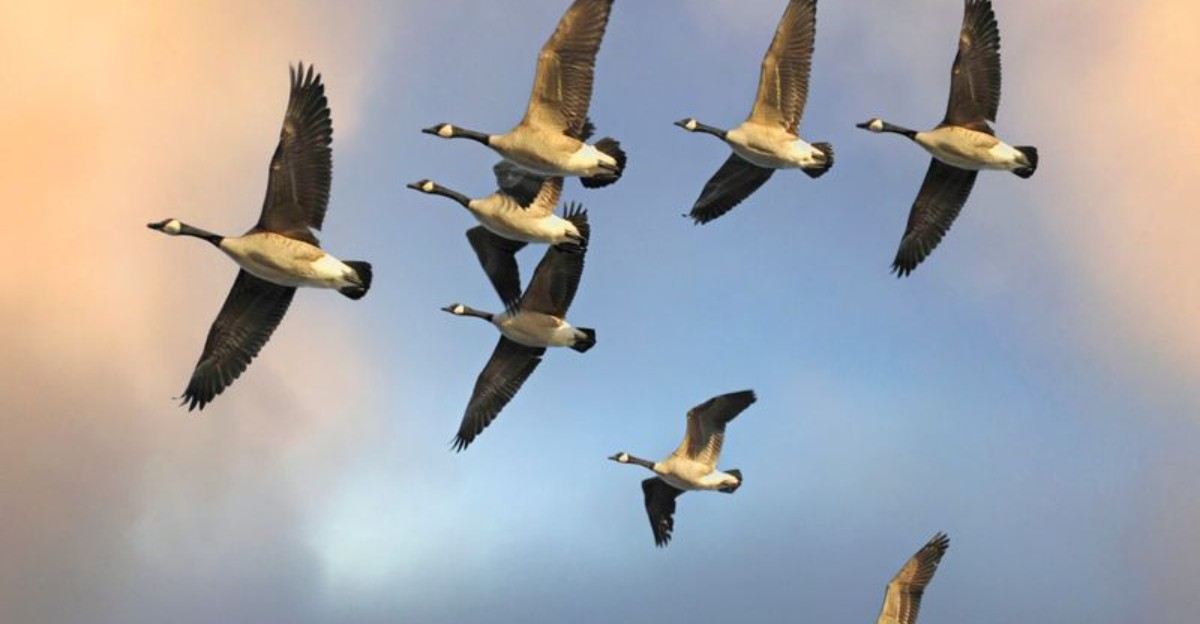
A honk rolls out of the gray October sky, and the whole V looks close enough to tap with a broom handle. Ohio doesn’t put on this show every day.
Old-timers on the porch swear they can read it like the morning paper. A low pass carries a message, and the story shifts with the hour, the wind, and the way the line holds together.
Most folks glance up, shrug, and get back to the leaves. That’s a missed memo.
Those birds aren’t lost, and they aren’t putting on a show for you. They keep a tight schedule, and your roof sits right on the route.
Not every flock sends the same signal either. Some glide by without a peep.
Others raise enough racket to rattle the windows.
Next time the sky starts up, set the rake down and study the formation. Those wings have plenty to say.
1. Most Low-Flying Geese Are Making Short Local Trips
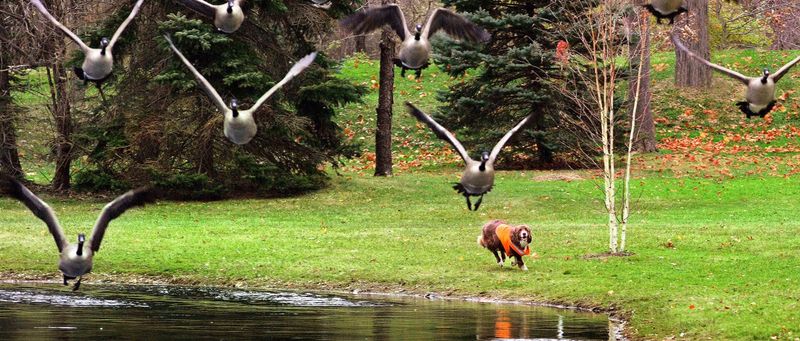
Picture a neighbor driving to the grocery store a few miles away. Low-flying geese are doing pretty much the same thing, just with feathers instead of car keys.
Most geese you spot skimming over your roof in October are not starting a long journey. They are heading somewhere nearby, like a pond, a park, or a farm field.
Short trips like these do not require climbing high into the sky, so the birds stay low and save energy.
Think about it like walking to a friend’s house instead of taking a plane. Nobody climbs to 30,000 feet to go down the block.
Geese follow the same simple logic when they move around their home area.
You can often spot clues that a flock is on a local errand. Small groups of five to twenty birds are common for these trips.
They also tend to fly at similar times each day, often early morning and late afternoon.
Here is a fun experiment for your family. Keep a little notebook by the window for a week and jot down when geese pass over.
You may notice a clear pattern, almost like a bus schedule.
That routine is a good sign that your feathered neighbors are healthy and settled. They know the area well and are simply going about their daily business.
2. They Shuttle Between Water And Feeding Fields
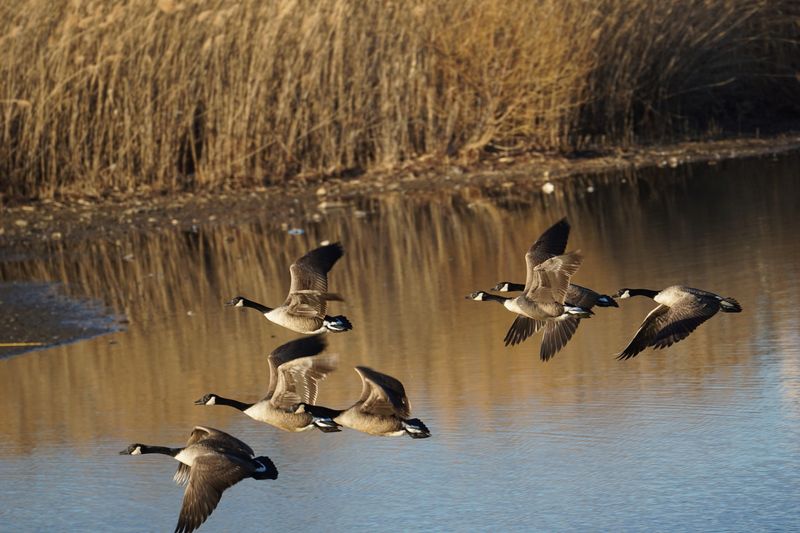
Breakfast in a cornfield, naps on a pond. Honestly, the daily life of an Ohio goose sounds a bit like a vacation.
Water is the safe zone for geese. When they float on a lake or pond, it is much harder for foxes, coyotes, or curious dogs to sneak up on them.
Many flocks spend the night on the water for that reason.
Once the sun comes up, hunger takes over. Geese fly out to places with plenty to eat, such as harvested cornfields, soybean fields, golf courses, school lawns, and big grassy parks.
October is a great time for this because farmers are bringing in crops, leaving behind tasty scattered grain.
Your Ohio Garden Changes Every Week. Your Plan Should Too.
Gardening in Ohio changes quickly throughout the season. Every Friday you’ll receive a simple weekly plan showing exactly what to plant, prune, fertilize, harvest, and protect so you never miss the right timing.
After filling up, many flocks head back to the water to rest and drink. Some make the trip two or three times a day.
Because the distance is short, they fly low and steady, often right over houses that sit between the pond and the field.
If you live near a retention pond or a farm, your home may sit right on a goose highway. That explains why the same honking crowd seems to show up like clockwork.
Want a closer look? Bring binoculars to a local park around sunrise.
Watching a flock lift off the water together is a real treat.
3. Migrating Flocks Usually Fly Much Higher
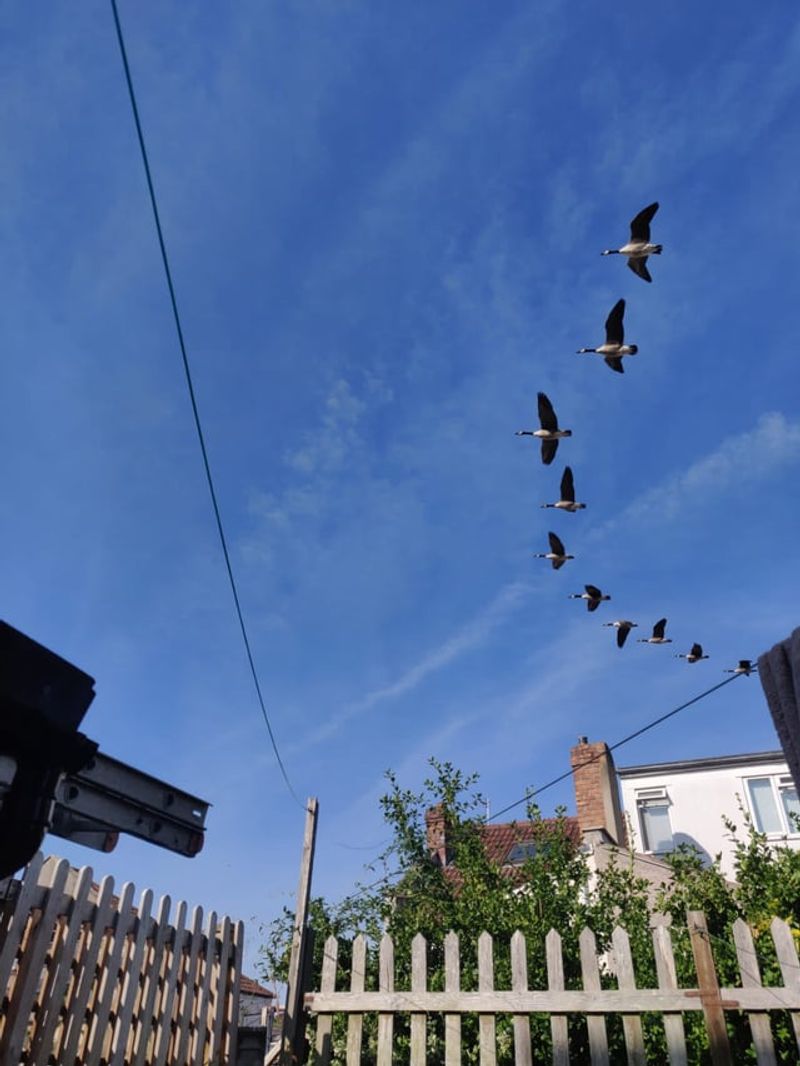
Here is a number that might surprise you. Migrating Canada geese often cruise between about 980 and 3,300 feet above the ground.
With a helpful tailwind, some flocks climb as high as 9,000 feet. At that height, they can look like a faint pencil line drawn across the sky.
You might hear them before you can even find them.
Why go so high? Long trips take a lot of energy, and higher air can offer steady winds that push the birds along.
It is a bit like riding a bike downhill instead of pedaling into a breeze.
Migrating flocks also tend to look different. They are often larger and form the classic V shape, which helps each bird save effort by riding the air stirred up by the goose ahead.
The leaders take turns, so nobody gets too tired.
Did you know? A relative called the bar-headed goose has been recorded flying around 20,000 feet or more while crossing the Himalayas.
That is higher than many mountain peaks.
So the next time you look up, compare height and group size. A big, high V usually means travelers passing through.
A small, low cluster likely means locals out for a snack.
4. Weather Can Change How High They Fly
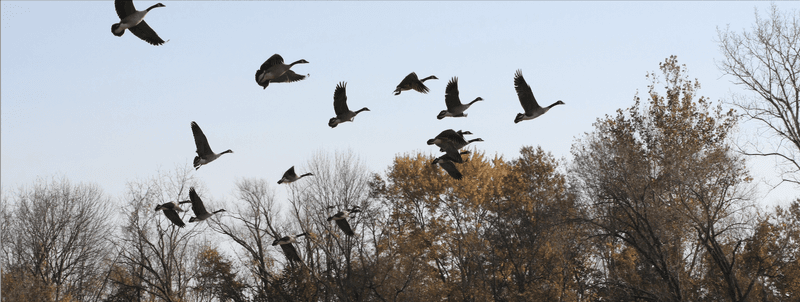
Old-timers in Ohio sometimes say low geese mean a storm is coming. As it turns out, that bit of folk wisdom has some real science behind it.
When bad weather heads our way, the air pressure often drops. Birds can sense these changes, and many choose to fly lower where the air is denser and easier to push against.
Lower flight also helps them see landmarks when clouds roll in.
Strong winds can make high flying tough work. Picture trying to walk forward while someone keeps shoving you backward.
Geese avoid that struggle by dropping closer to the ground, where the wind is often a little calmer.
Rain, snow, and thunderstorms can also push flocks down or ground them for a while. Migrating geese may even pause their trip, rest on a lake, and wait for clearer skies before moving on.
Here is a handy tip. If you see geese flying unusually low on a gray, breezy October day, check your weather app.
You might find a front moving in.
It is not a perfect forecast, of course. Still, paying attention to geese is a fun way to connect with nature and maybe remember to bring your umbrella.
5. Ohio Has A Large Population Of Resident Geese
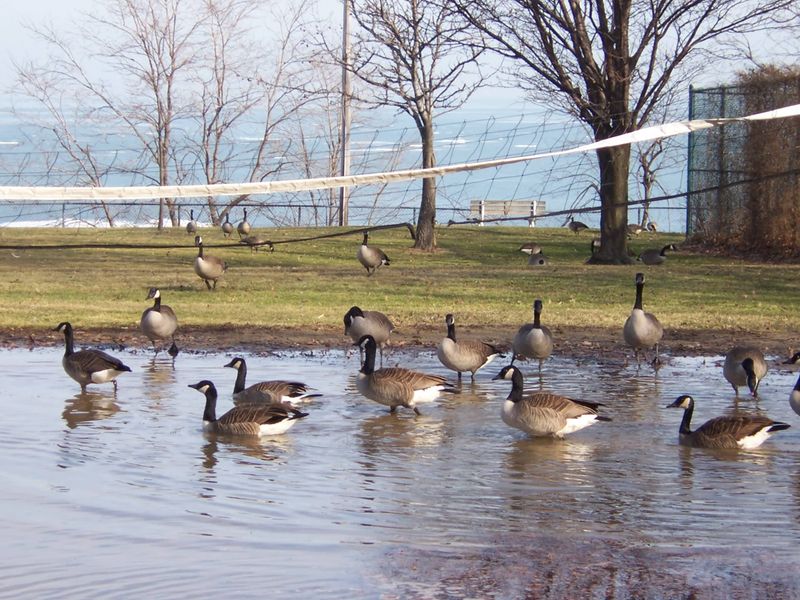
Some Ohio geese have no plans to leave. They like it here just fine, thank you very much.
These birds are called resident geese, meaning they stay in the state all year instead of making long migrations. The Ohio Division of Wildlife estimated about 147,718 geese in 2012.
Breeding geese now live in all 88 counties, from busy cities to quiet farm towns.
That number did not appear overnight. The population more than doubled in the twenty years before 2015.
So what made Ohio such a goose paradise?
The answer is a perfect mix of comforts. Suburbs offer neat lawns full of tender grass, which geese love to munch.
Retention ponds, golf course lakes, and parks give them safe water. Cities also have fewer natural predators, so families of goslings have a better chance of growing up.
In a way, people built ideal goose neighborhoods without meaning to. Every new pond surrounded by mowed grass is basically a welcome sign.
If geese hang around your yard, try letting a strip of taller native plants grow near the water. Geese prefer open views, so tall plants make them feel less comfortable.
It is a gentle way to share space with these year-round neighbors.
6. Migrating Geese Start Arriving In Early Fall
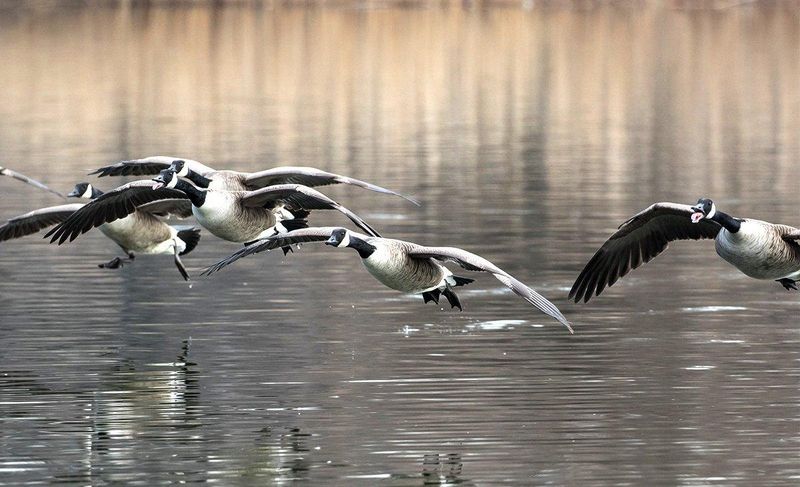
Cooler nights, pumpkin stands, and a new crowd of honking visitors. Fall in the state comes with its own seasonal soundtrack.
Canada goose migration usually kicks off in late September and can stretch through November. October is often the busiest month, when big numbers of waterfowl pass through or settle in for a while.
Many of these birds come from breeding grounds far to the north in Canada.
What sends them south? As temperatures fall, ponds up north start to freeze and food gets harder to find.
Geese follow open water and easy meals, and Ohio’s lakes and fields offer both.
Some travelers stop for a few days to rest and refuel. Others stick around all winter if the weather stays mild.
That means October skies can be a lively mix of locals and newcomers.
For families, this is a great time to go birdwatching. Large lakes, wildlife areas, and reservoirs often host huge gatherings.
You may also spot other waterfowl like ducks and swans joining the party.
Bring a warm jacket, a thermos of cocoa, and a simple bird guide. Counting geese as they glide in to land can become a fun autumn tradition for the whole household.
7. Resident Flocks Can Draw Migrants In
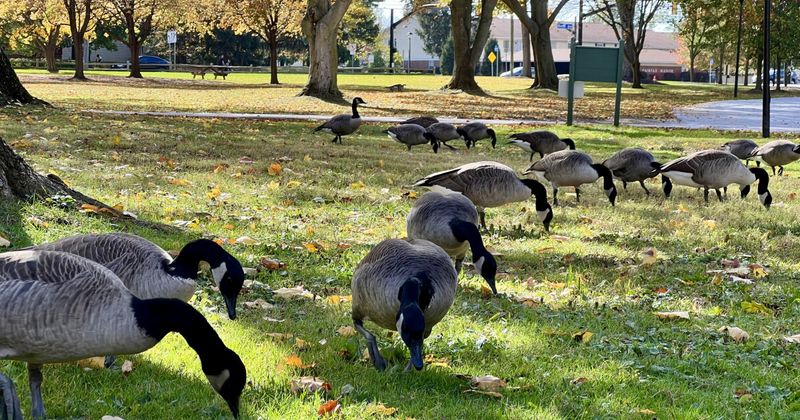
Ever notice how a busy restaurant seems to attract even more customers? Geese work in a surprisingly similar way.
When migrating geese fly over and spot a flock already resting on a pond, it sends a helpful message. Those local birds are basically saying the spot is safe and the food is good.
Tired travelers often take the hint and drop in.
This can lead to much larger groups in certain places during fall. A park pond that hosts thirty geese in summer might suddenly hold a few hundred in October.
The newcomers mingle with the locals, and things get noisy fast.
For homeowners, this means more birds flying low over rooftops as flocks move between water and food. You may also notice extra droppings on lawns and sidewalks near ponds.
A few friendly steps can help. Avoid feeding geese bread or snacks, since handouts teach them to stick around.
Keep lawns near water a bit taller, and consider shrubs or fencing along the shore to block easy walking paths.
On the bright side, these big gatherings are fun to watch. Seeing hundreds of geese settle onto glassy water at sunset is one of fall’s quiet little shows.
8. Geese Flying North In Fall Aren’t Lost
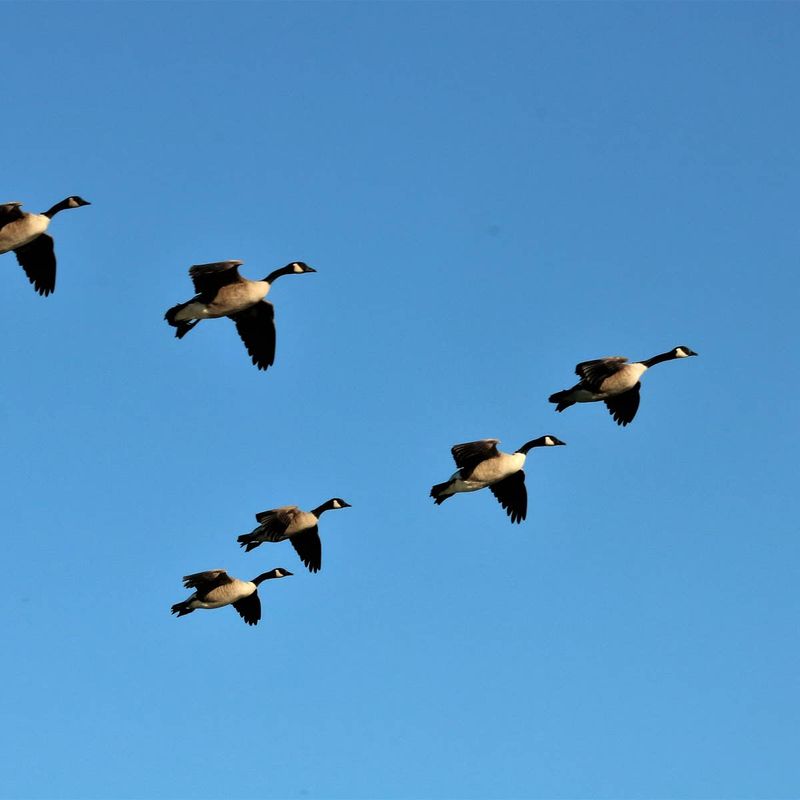
Wait, aren’t they going the wrong way? Plenty of Ohio folks have looked up in October and asked that exact question.
Good news: those geese know where they are going. A flock heading north in fall is usually a group of resident birds on a quick trip to a favorite feeding spot.
The cornfield they want just happens to sit north of their pond.
Remember, local geese do not care much about the big map. They care about where breakfast is waiting.
Their flight path depends on where food and water are found, not on the season.
Even migrating birds sometimes zig and zag. They may backtrack to find shelter during a storm or circle around to land on a lake.
Long journeys are rarely a perfectly straight line.
Here is a quirky fact to share at dinner. Canada geese learn their travel routes from their parents, who guide young birds during their first migrations.
So the family really does stick together on the road.
Next time you see a northbound flock, try following its direction on a map. You may discover a farm field or reservoir nearby that explains everything.
It is like solving a little neighborhood mystery.
9. Canada Geese Are Protected By Federal And State Law
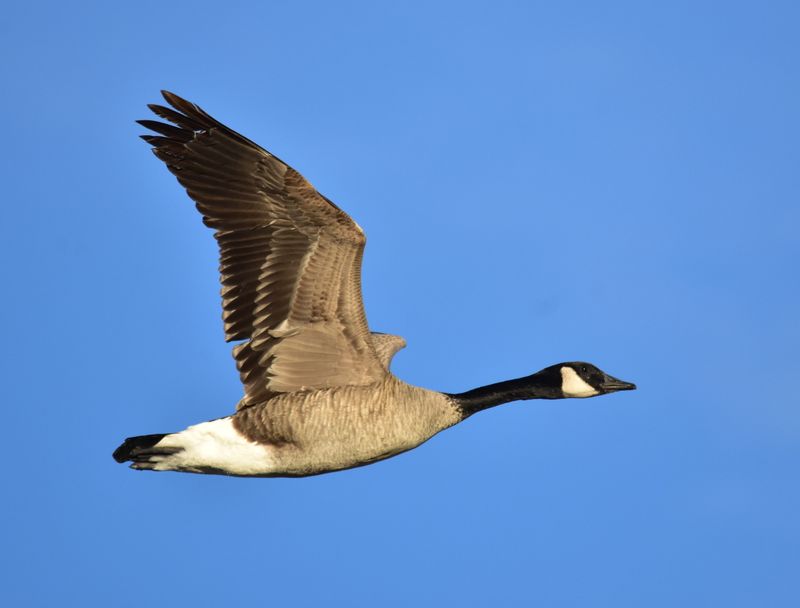
Before you chase that flock off your lawn with a broom, there is something worth knowing. Canada geese have legal backup.
These birds are protected under the federal Migratory Bird Treaty Act, along with Ohio state law. The protection covers the geese themselves plus their nests and eggs.
Even resident birds that stay all year fall under these rules.
So what can you do if geese become a nuisance? Plenty of non-lethal deterrents are allowed.
You can use fencing near the water, plant tall native grasses, try motion-activated sprinklers, or hang reflective tape that makes geese uneasy.
Things get stricter when it comes to capturing, harming, or disturbing geese, nests, or eggs. Outside of legal hunting seasons, these actions generally require special permits from state and federal agencies.
Breaking the rules can lead to hefty fines.
If you have a serious problem, reach out to the Ohio Division of Wildlife. They can explain your options and point you toward licensed professionals who handle goose issues the right way.
A little patience goes a long way too. Many October flocks are just passing through.
With a few smart steps, you can enjoy the honking parade overhead while keeping your yard comfortable for everyone.