The Yard Debris That Raises Wildfire Risk In Virginia This October
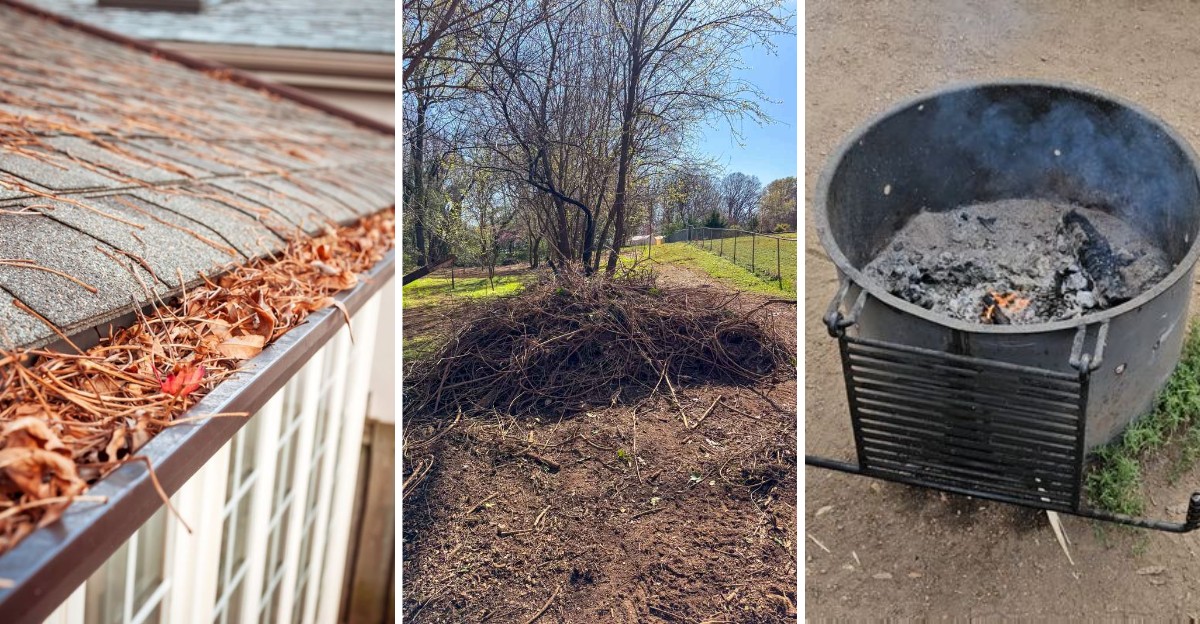
Crunchy leaves underfoot sound like fall, but they also sound like kindling. Every October, yards fill with crisp leaves, brittle twigs, and forgotten brush.
Fall wildfire season runs from October 15 through November 30. Dry air, gusty wind, and low humidity can turn a single ember into real trouble.
Most people think of wildfires in distant western forests, not in a suburban backyard. Yet escaped debris burning is the leading cause of wildfires across Virginia.
Small chores can make a big difference. A rake, a hose, and a free Saturday afternoon go a long way.
Some of the riskiest spots hide in plain sight, tucked under decks or stacked against walls. The guide below shows where to look before the first cold front blows through.
1. Dry Leaf Piles Near The House
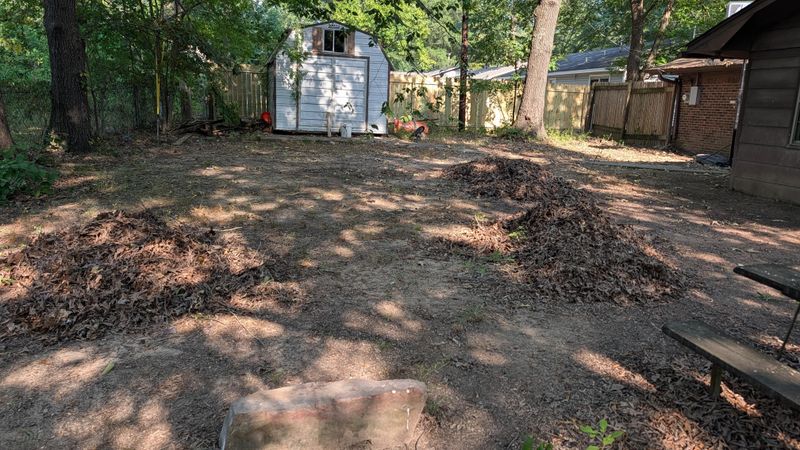
Picture a cozy fall afternoon with a mountain of oak leaves waiting by the porch. Kids love jumping in them, but embers love landing in them even more.
Dry leaves catch fire faster than most people expect. A single spark carried on the wind can turn a crunchy heap into flames within seconds.
Location matters a lot here. Leaf piles sitting right against siding, steps, or a wooden door give fire an easy path inside.
Fire experts suggest keeping the first five feet around your home free of faded leaves. Think of that strip as a calm, clean welcome mat for your house.
Raking once in October rarely does the job. Trees drop leaves in waves, so plan quick cleanups every week or two.
Bagging leaves works well if your town offers curbside pickup. Many Virginia counties also run seasonal leaf collection programs, so check your local schedule.
Composting is another smart choice for your garden. Spread leaves in a bin far from the house, and keep the pile damp.
Shredding leaves with a mower helps them break down faster. Chopped leaves can feed your lawn instead of fueling a fire.
Here is a fun bonus for nature lovers. Leaving some leaves in back garden beds, far from buildings, gives butterflies and fireflies winter shelter.
Balance is the real secret. Keep leaves away from the house, and let them do good work farther out in the yard.
2. Pine Needles Packed In Gutters
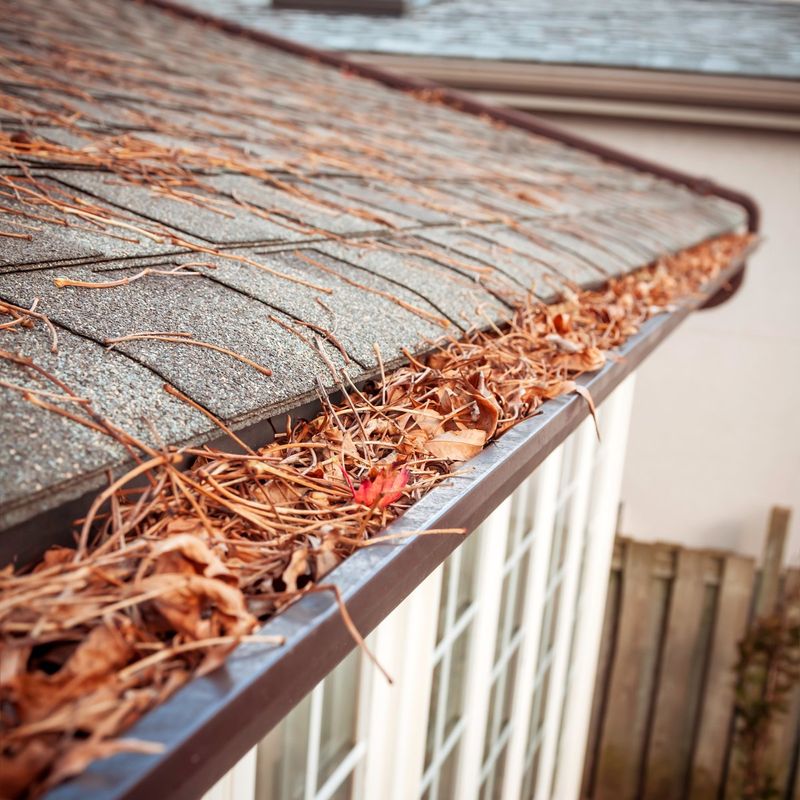
Ever looked up and seen a little brown hedge growing in your gutter? Pine needles have a sneaky habit of piling up where you rarely look.
Loblolly and white pines are common across Virginia yards. They shed heavily in fall, and their needles pack tightly into gutters.
Dry needles are some of the most flammable material around a home. They are thin, full of resin, and catch embers with ease.
Wind can carry glowing embers a long way from a fire. When one lands in a stuffed gutter, the roof edge can start burning.
Fire along the roofline spreads quickly to fascia boards and attic vents. From there, flames can work their way into the house.
October is a great month to clean gutters. Most needles and leaves have fallen, and the weather is usually mild enough for ladder work.
Your Virginia Garden Changes Every Week. Your Plan Should Too.
Gardening in Virginia changes quickly throughout the season. Every Friday you’ll receive a simple weekly plan showing exactly what to plant, prune, fertilize, harvest, and protect so you never miss the right timing.
Safety comes first with this chore. Use a sturdy ladder, wear gloves, and ask a friend to steady things from below.
A plastic gutter scoop makes scooping much easier. Afterward, flush the gutters with a garden hose to clear leftover bits.
Gutter guards can cut down on future buildup. Metal mesh styles hold up better against heat than plastic versions.
Hiring a pro is fine for steep or tall roofs. Either way, a clean gutter means one less landing spot for embers this fall.
3. Brush Piles Left From Summer Cleanup
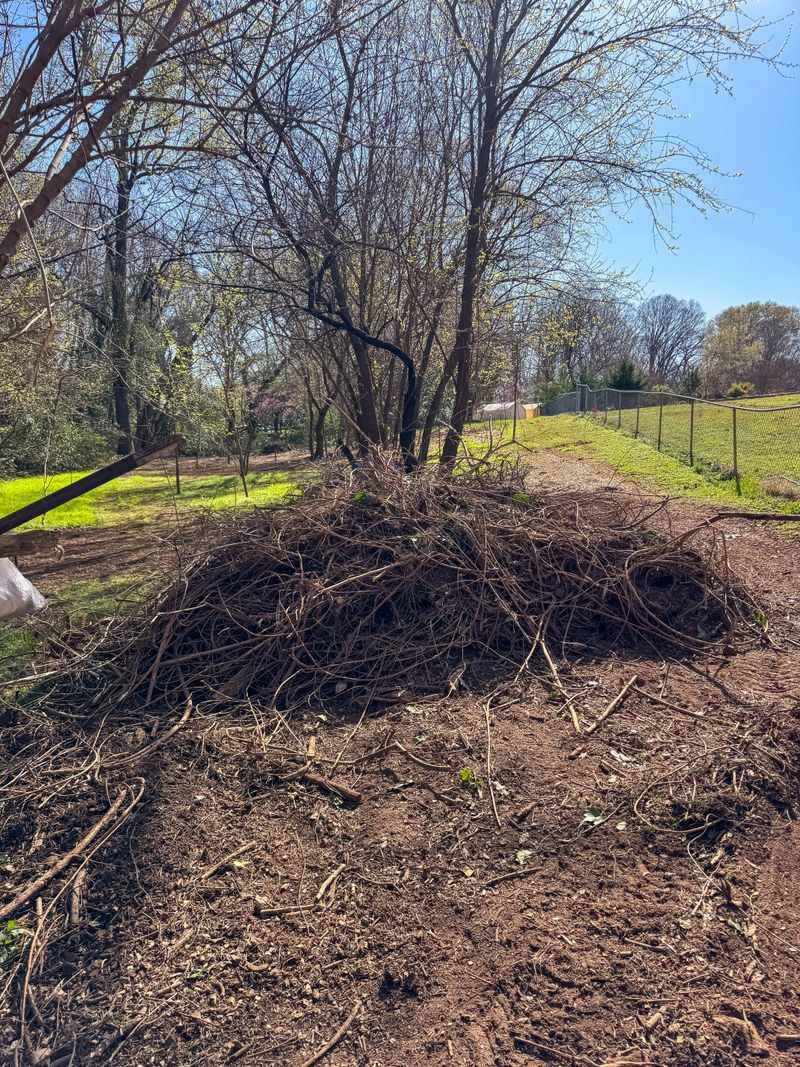
Remember that big July weekend spent trimming bushes and hacking back vines? The pile you made is probably still sitting out back, drier than ever.
Summer brush loses moisture over months of heat. By October, those green clippings have turned into brittle, crackly fuel.
Loose brush piles have lots of air pockets inside. Air feeds fire, so these heaps can burn hot and fast.
A small ground fire can grow much stronger when it reaches a brush pile. The extra fuel gives flames height and power.
Burning the pile may seem like the easy fix. Still, escaped debris burns are the leading cause of wildfires in Virginia.
Better options exist for most homeowners. Chipping brush into mulch is quick, and many tree services offer chipping for a small fee.
Some localities run yard waste drop-off sites. Check with your county to see what they accept and when.
Wildlife lovers have a cool alternative. A carefully built brush pile can shelter rabbits, songbirds, and toads through winter.
Placement is key for habitat piles. Keep them at least 30 feet from your house, sheds, and fences.
Stack larger logs on the bottom and smaller twigs on top. That layout helps animals and keeps the pile tidy rather than sprawling across the yard.
4. Fallen Branches Drying Under Trees

A strong summer storm can leave the yard looking like a game of pick-up sticks. Months later, many of those branches are still lying around.
Fallen limbs dry out fast once they hit the ground. Thin twigs become especially easy to light.
Firefighters call this material surface fuel. The more of it on your property, the faster a ground fire can travel.
Under mature trees, branches mix with leaves and acorns. Together, they form a thick, dry carpet that burns readily.
Fire on the ground can also climb into low tree limbs. Experts call this ladder fuel, since flames step upward like rungs.
Aim to clear decaying wood within 30 feet of your house. That zone matters most for protecting your home.
Gathering sticks makes a great family chore. Hand kids a bucket and turn it into a contest for the biggest haul.
Small branches can go into yard waste bags or a chipper. Thicker limbs may make good firewood once cut and stored far from buildings.
While you work, look up too. Decayed branches still attached to trees could fall later and add more fuel.
Pruning low limbs up to six to ten feet off the ground helps. Call a certified arborist for big trees or branches near power lines.
5. Tall, Dry Grass Along Fence Lines

Mowers tend to skip the strip along the fence. Over time, that thin edge turns into a tall, golden row of dry grass.
Fall grass loses moisture quickly in Virginia’s breezy weather. Once it browns, a spark can race through it in moments.
Fence lines often connect right to the house. A grass fire can run along the fence like a trail of gunpowder.
Wooden fences add even more fuel to the path. Flames reaching a fence attached to your home can cause serious damage.
Keeping grass short is one of the easiest fixes. Mow to about three inches or less within 30 feet of your home.
A string trimmer handles tight spots near posts. Spend an extra ten minutes on fence edges after each mow.
Watering helps when rain is scarce. Green, moist grass resists fire much better than dry, crispy blades.
Be careful with equipment on dry days. Mower blades hitting rocks can throw sparks, so mow in the morning when dew is present.
Here is a neat trick for farm properties. A plowed or gravel strip along long fences acts as a simple firebreak.
Rake up clippings when you finish. Piles of dry clippings left by the fence can undo all your hard work.
6. Bark Mulch Piled Against Siding
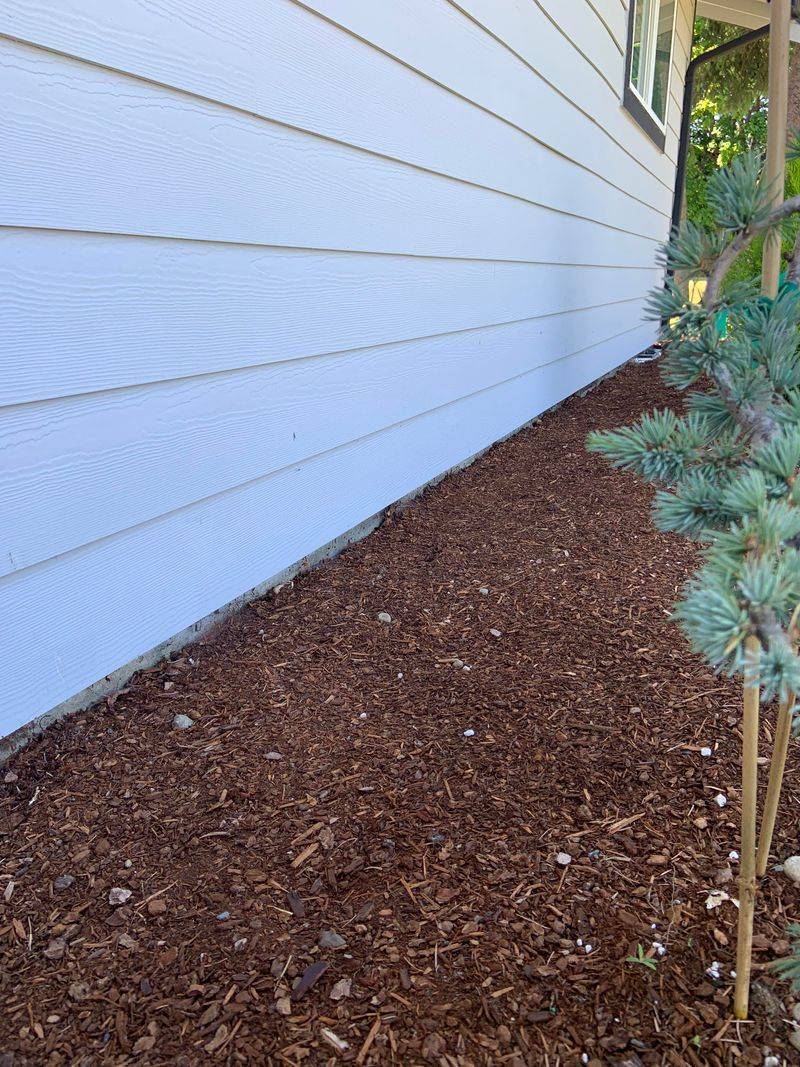
Here is a surprise for many gardeners. Bark mulch can sometimes catch fire all by itself.
Deep mulch piles create heat as they break down. In dry weather, that heat can build up enough to spark a smolder.
Cigarette butts and stray embers can also ignite mulch. Once lit, it may smolder quietly for hours.
Mulch piled against siding creates a direct bridge to your home. Vinyl siding can melt, and wood siding can catch quickly.
Experts recommend keeping an 18-inch gap between bark mulch and siding. Fill that space with something that will not burn.
Rock, gravel, and sand make great choices near the house. Many homeowners use river rock within five feet of their walls.
Some mulches are riskier than others. Shredded rubber, pine needles, and cedar should stay at least 30 feet from your home.
Keep mulch layers about two to three inches deep. Thicker beds hold more heat and stay drier underneath.
Watering beds during dry spells helps too. Moist mulch is much harder to ignite than dusty, bone-dry chips.
The switch can look really nice. Gray stone next to green shrubs gives your home a clean, modern edge while improving safety.
7. Debris Trapped Under Decks And Porches
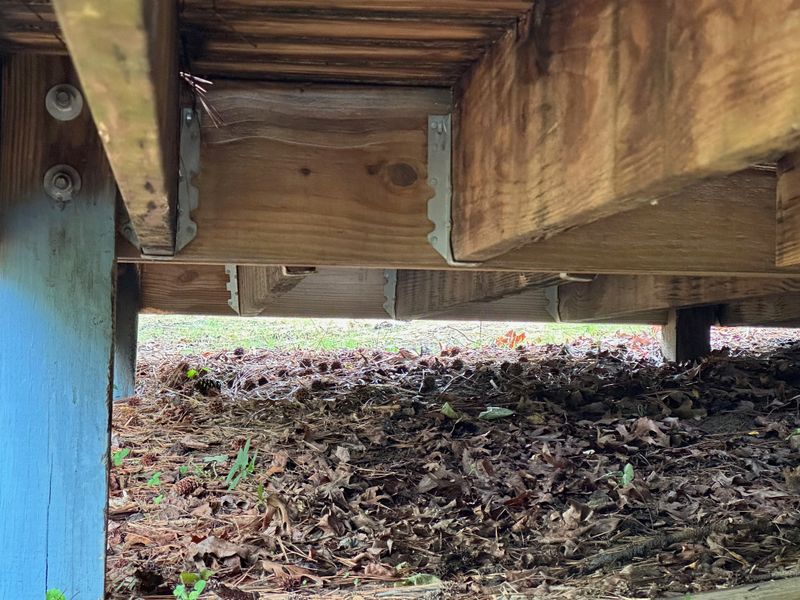
Out of sight, out of mind fits this spot perfectly. The dark space under your deck quietly collects junk all year long.
Leaves blow underneath and get trapped. Pine needles slip between boards and pile up below.
Embers can drift into these hidden spaces too. Once they land on dry debris, a fire can grow before anyone notices.
A fire under a deck heats the boards from below. Flames can then spread to the house where the deck attaches.
Crawling under there is no one’s favorite task. Still, clearing it out once each fall makes a big difference.
A leaf blower can push debris out from narrow gaps. A long rake helps reach the far corners.
Watch for critters while you work. Snakes, possums, and wasps sometimes call these spots home, so wear gloves and boots.
Screening the space can stop future buildup. Use metal mesh with openings of one-eighth inch or smaller to block embers.
Boxing in the area with solid skirting is another option. Just make sure the materials are fire-resistant.
Avoid storing extra stuff under decks if possible. Old lumber, cardboard, and patio cushions all add fuel to a hidden fire zone.
8. Burn Piles Left Smoldering
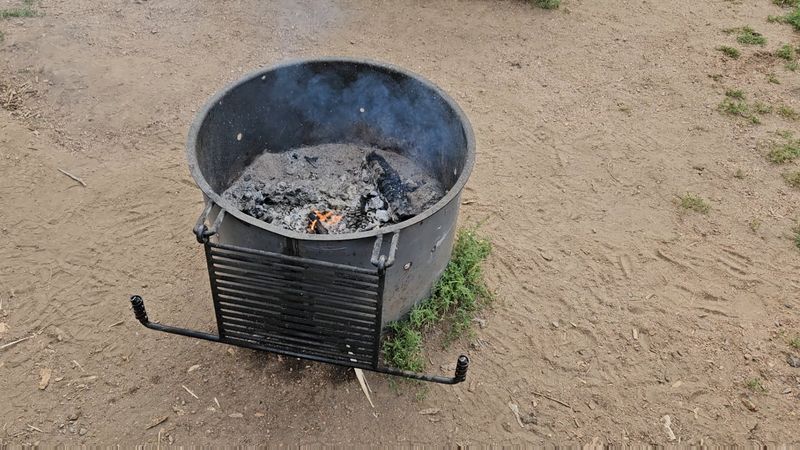
A thin wisp of smoke may look harmless. Yet that quiet curl from an old burn pile has started many Virginia wildfires.
Escaped debris burns are the top cause of wildfires in the state. Many begin with a pile someone believed was out.
Buried coals can stay hot for hours or even days. A breeze can wake them up and send sparks flying.
Virginia also has a burning law worth knowing. From February 15 through April 30, open burning before 4 p.m. is banned.
Fall burning still calls for great care. Check local rules and the daily fire danger before you light anything.
Pick a calm day with low wind. Keep your pile small and far from buildings, trees, and power lines.
Stay with the fire the entire time. Keep a hose, shovel, and rake right beside you.
Putting it out takes a few rounds. Drown the pile with water, stir the coals, and soak it again.
Test with the back of your hand held near the ashes. Keep repeating until everything feels cool.
Better yet, skip burning when possible. Composting, chipping, or yard waste pickup can get rid of debris with far less risk.
9. Clutter Stored Beneath Stairs And Overhangs

Every home seems to have one catch-all corner outside. Often, it is the space under the back stairs or beneath a roof overhang.
Cardboard boxes, old cushions, and scrap lumber pile up there. Gas cans and propane tanks sometimes end up there too.
All of that clutter is ready fuel. A single ember drifting under the stairs could set it ablaze.
Overhangs trap heat as well. Flames below can quickly reach the roof edge and the walls above.
Start by sorting what is stored there. Toss or recycle anything you have not used in a year.
Move fuels and chemicals to a safe spot. A detached shed or metal cabinet works far better than an open nook.
Patio furniture cushions deserve special care. Bring them inside or into a closed storage bin when not in use.
Enclosing open stairs and overhangs adds another layer of protection. Fire-resistant panels or metal mesh keep embers from drifting in.
A quick monthly check keeps clutter from creeping back. Set a phone reminder so the habit sticks through fall.
Cleaning up these spots before late October pays off. Your home will look tidier and stand a better chance against wind-driven embers.