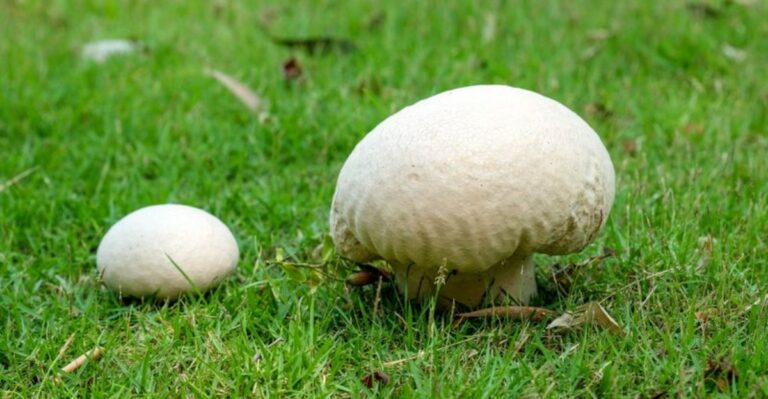
Indiana Lawns Can Get A Small Boost From Baking Soda This October But Only With A Few Limits
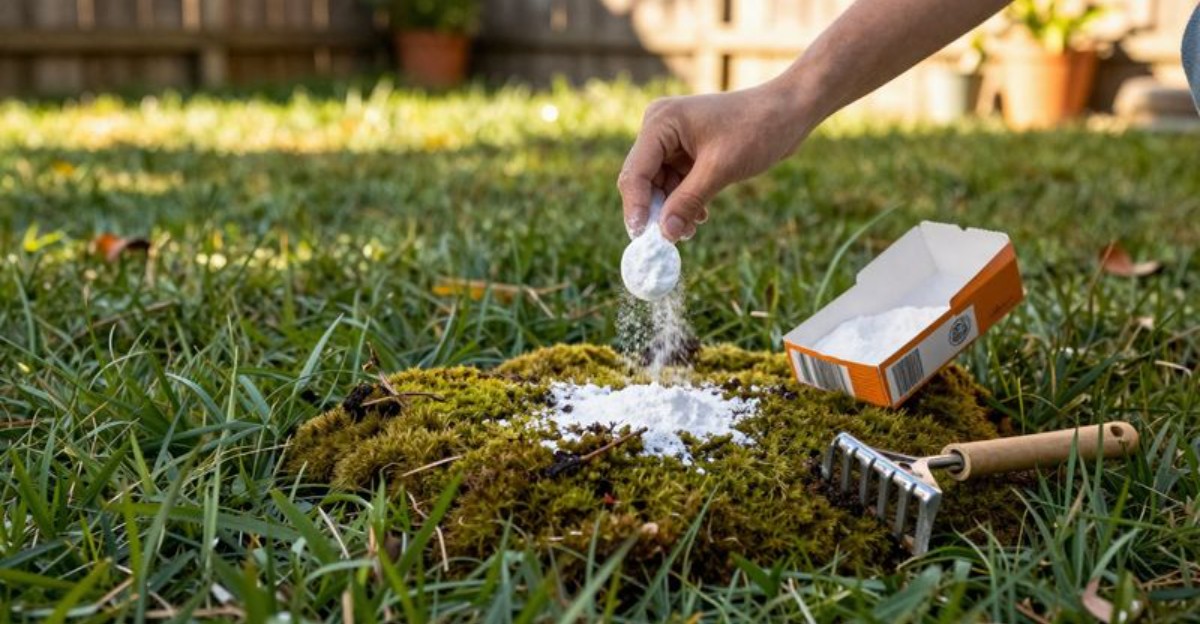
Baking soda is getting attention as a quick fix for patchy lawns across Indiana this fall. A light dusting on a brown spot is an easy idea to try, though it only works in a few situations.
The cool October air carries crunchy leaves and pumpkin spice, and with it a few lawn care tips. Some homeowners like the trick, while others prefer to stick with traditional methods.
The ingredient costs only a few dollars and probably sits right next to your flour and sugar. It can help with a couple of grass troubles, but it also carries a few risks.
Fall is a smart time to fix patchy turf because roots stay active long after the leaves drop. Indiana soil usually holds moisture this time of year, so whatever you apply tends to soak in.
A Pantry Powder With One Specific Job On Turf
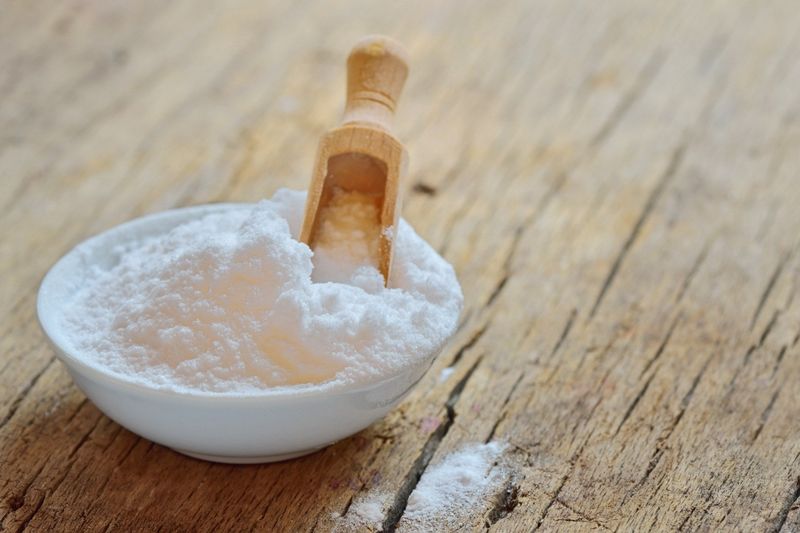
Picture a box of baking soda sitting in your fridge, quietly soaking up odors from last week’s leftovers. That same humble powder can play a small role in lawn care around Indiana homes.
Baking soda is sodium bicarbonate, a mild alkaline salt that can nudge acidic conditions toward a more neutral level. On grass, its main job is calming odors and slowing certain surface fungi rather than feeding the turf.
Many people assume it works like fertilizer, but it offers no nitrogen, phosphorus, or potassium for hungry roots. Think of it as a spot helper for the yard, not a vitamin that makes grass grow thicker.
Early October is when many homeowners notice odd spots, since cooler nights make problem areas easier to see. Green grass around a pale patch stands out sharply once the summer heat stress fades away for the year.
A bit of history helps here, because gardeners have long used baking soda on fruit trees and vegetable leaves. It seemed to slow powdery mildew on some plants, and that idea drifted over to home lawns.
The trick works best in small, targeted doses rather than as a blanket treatment across the whole yard. A teaspoon here or a light dusting there is safer than a heavy scoop dumped everywhere.
Keep your expectations realistic, and treat the powder as a short-term helper while you plan bigger fixes. Used with care, it may help a small problem spot before the first hard frost settles in.
Pet Spots That Respond To A Light Dusting
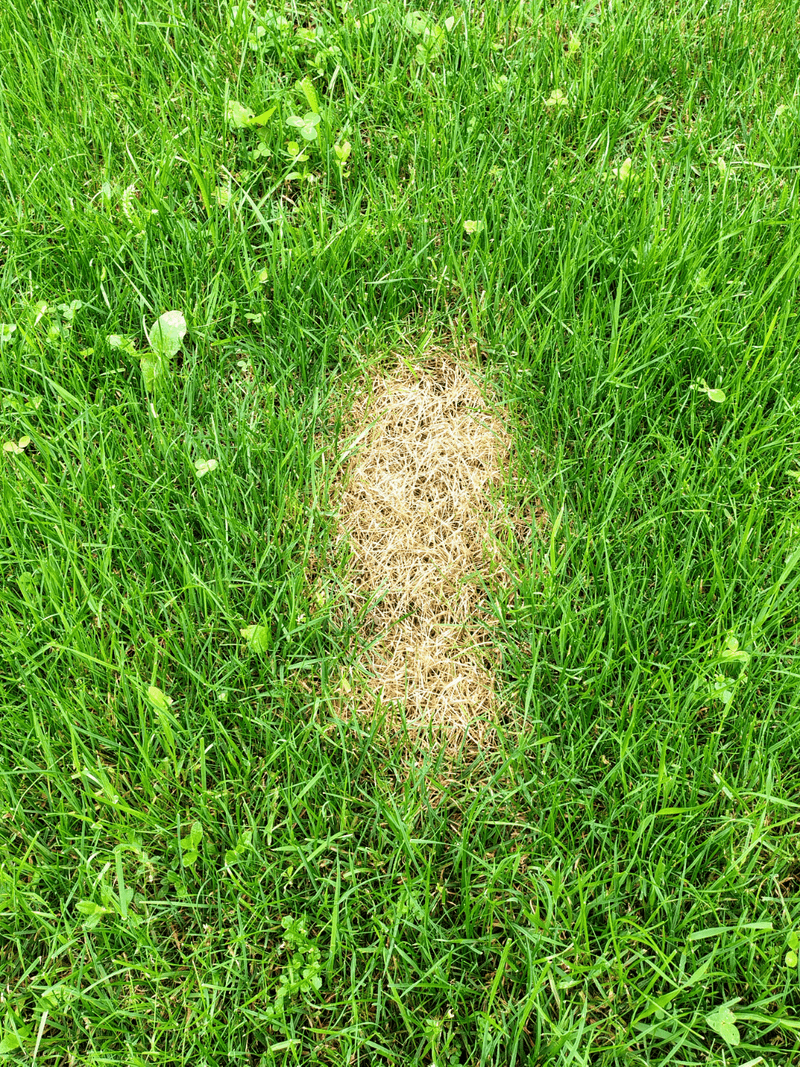
Many dog owners know the pattern, a bright green ring surrounding a straw-colored circle right where the pup squats. Those spots can show up any time of year, but they are easy to notice in fall, especially near back doors where pets make quick morning trips.
Urine carries lots of nitrogen and salts, which can burn grass roots when too much lands in one place. The outer ring looks greener because a small amount of that nitrogen acts like a quick snack.
Some Indiana homeowners sprinkle a thin layer of baking soda on fresh spots to cut down the sharp smell. Odor control may matter, since lingering scent can draw a dog back to the same patch.
Your Indiana Garden Changes Every Week. Your Plan Should Too.
Gardening in Indiana changes quickly throughout the season. Every Friday you’ll receive a simple weekly plan showing exactly what to plant, prune, fertilize, harvest, and protect so you never miss the right timing.
Honesty matters here, though, because baking soda adds its own sodium and does not remove nitrogen. The best partner for any dusting is a full watering can poured slowly over the spot right afterward.
Water dilutes the urine and the powder together, pushing extra salts below the root zone where they cause less trouble. Skip the water, and you may end up with a crusty white spot instead of a fading yellow one.
A light dusting means about one teaspoon per spot, roughly the amount you would add to a cookie recipe. Anything heavier starts to work against the grass, especially on clay soils common across much of the state.
Training your dog to use a mulched corner can save a lot of grass without any kitchen remedy. Pair that habit with quick rinses, and those yellow spots may shrink before winter arrives this year.
Fungal Patches Some Lawn Owners Treat With A Baking Soda Mix
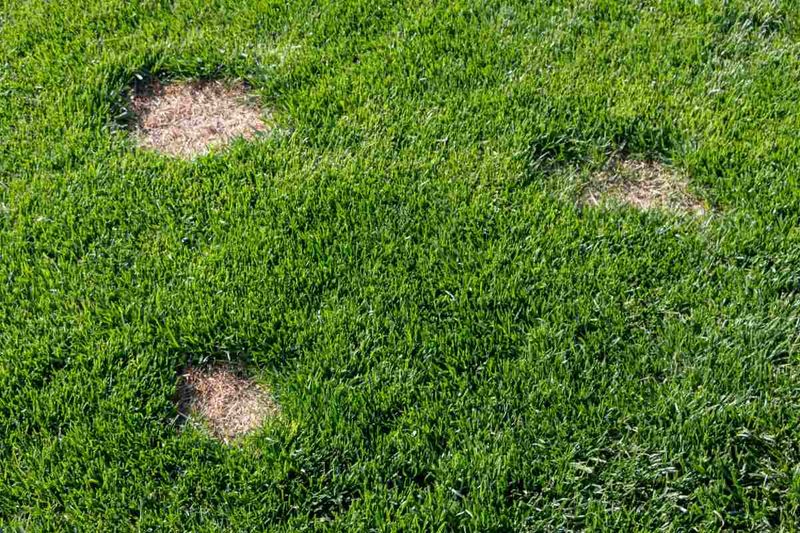
Walk across a damp Indiana lawn on a foggy October morning, and you might spot circles or dusty patches. Cool nights and heavy dew create a cozy home for several common lawn fungi this time of year.
Powdery mildew is one of the more familiar ones, coating grass blades in a white film that looks like flour. It often shows up in shady spots under maple trees, where air moves slowly and blades stay wet.
A homemade mix uses one tablespoon of baking soda, a few drops of dish soap, and one gallon of water. The soap helps the liquid cling to grass blades instead of beading up and rolling off the leaves.
Spray it lightly on affected areas during a dry afternoon, giving the leaves time to dry before evening dew. Baking soda has been shown to slow mildew growth on some plants, though results on turf are limited and mostly mild.
Brown patch, dollar spot, and other common fungal problems rarely respond well to a simple kitchen spray. These diseases can spread widely through the turf, and a thin baking soda coating is not a proven treatment for them.
Test any mix on a small corner first, then wait three or four days to check for yellowing tips. Repeating the spray every week or so can build up sodium, so give the lawn regular breaks between rounds.
Better airflow often helps as much as any spray, so rake fallen leaves and trim low branches this month. Sunlight and a dry breeze can do quiet, steady work that a kitchen spray cannot always match.
The Sodium Problem Behind Heavy Applications
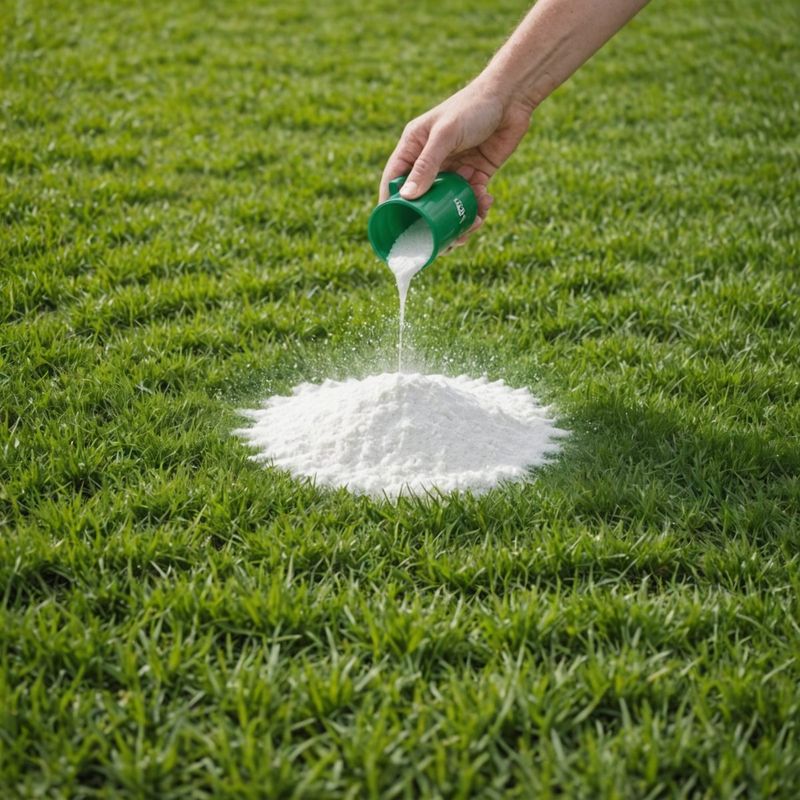
Ever wonder why salty coastal dunes grow tough sea oats instead of soft green lawns? Salt is a big part of that answer, and baking soda contains a good amount of sodium.
Roughly a quarter of baking soda by weight is sodium, the same element found in winter road salt, which can be hard on plants. Small amounts wash away with rain, but heavy or repeated doses can build up in the soil.
Too much sodium makes it harder for roots to take up water, so grass can act thirsty even when the ground feels damp. Blades may turn bluish gray, then tan, and the patch can look worse than before you started.
Sodium can also break apart soil crumbs, which matters in the heavy clay found in parts of central Indiana. Once those crumbs collapse, the soil can seal up, and water may start puddling on top instead.
Raising the pH too high creates another headache, since grass prefers soil that sits close to neutral. Very alkaline ground can lock up iron and other nutrients, leaving blades pale even after you fertilize.
A sensible rule is no more than one light sprinkle per spot, followed by a deep drink of water. Skip broadcast spreading across the whole yard, because that approach can turn a small issue into a large one.
Gypsum is sometimes used if you suspect too much sodium has soaked into a patch. Its calcium can swap places with the sodium, and steady fall rains help rinse the extra salt down.
October Soil Conditions In Indiana That Affect Results
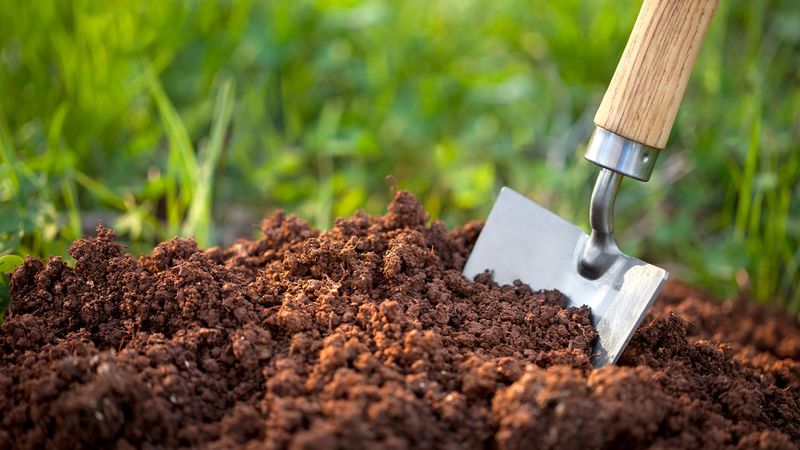
Indiana in early October feels like a sweater-weather sweet spot, with crisp mornings and soil that still holds warmth. Those conditions shape how any lawn treatment behaves, including a quick sprinkle from the kitchen cupboard.
Soil temperatures usually hover in the fifties and sixties now, which keeps grass roots growing even as blades slow down. Healthy roots tend to recover from small stresses more easily, so light treatments are less risky now.
Much of the state sits on clay or silty loam, which drains slowly and can hold onto salts longer. Northern counties with sandier ground drain faster, so sodium washes through more easily after a good rain.
Soils in many parts of Indiana lean neutral to slightly alkaline, especially where limestone sits close underneath. Adding an alkaline powder to ground that is already high in pH can push conditions past the comfort zone.
A soil test from a certified lab costs little and tells you where your lawn stands this fall, and Purdue Extension can point you to testing options. Results usually arrive within a couple of weeks, giving you plenty of time to plan before the ground freezes.
October rainfall also plays a role, because steady showers help flush sodium deeper than a sudden downpour can. If the forecast looks dry for a week, plan to water treated spots yourself with a slow, soaking stream.
Falling leaves add one more twist, since a soggy layer traps moisture and invites fungi onto weak grass. Clear them off weekly, and any spot treatment you try will have a fair shot at doing its job.
Better Long-Term Options For Stubborn Patches
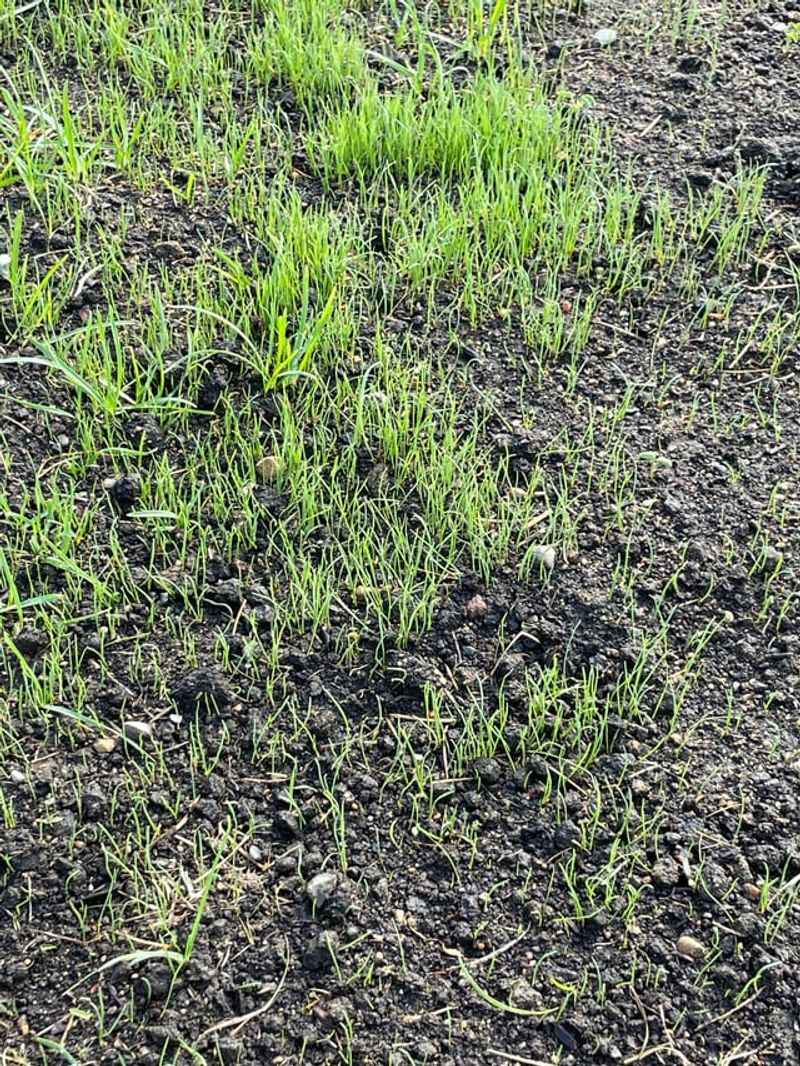
Ask a seasoned groundskeeper about quick fixes, and you will likely hear about seed. Lasting results come from strong roots, healthy soil, and a little patience as the weather cools down.
Early October can still work for overseeding in Indiana, especially in the southern half of the state. Rake out stubborn patches, loosen the top inch of soil, and press tall fescue or bluegrass seed firmly.
Core aeration pulls small plugs from compacted ground, letting air, water, and nutrients slip down toward the roots. Clay soils often benefit from this treatment, and fall is one of the best times to rent an aerator locally.
A fall fertilizer application in late October or early November feeds roots that keep working under the frosty surface. Many turf experts consider it one of the most valuable feedings of the year for cool-season grasses in the Midwest.
For repeated fungal trouble, a fungicide labeled for your specific disease is often a better option than a homemade spray. Local garden centers can help identify the problem if you bring a sealed bag with a grass sample.
For pet spots, flushing with water right away helps most, and a designated potty area covered in mulch or gravel can protect the rest of the lawn. Mowing a bit higher, around three inches, also helps grass shade its roots and bounce back from stress.
Baking soda can still earn a spot in your toolkit as a small helper rather than the star. Give the lawn steady care this fall, and next year your yard may look thicker and greener.