How To Bring Pothos, Philodendron, And ZZ Plants Indoors Smoothly In North Carolina
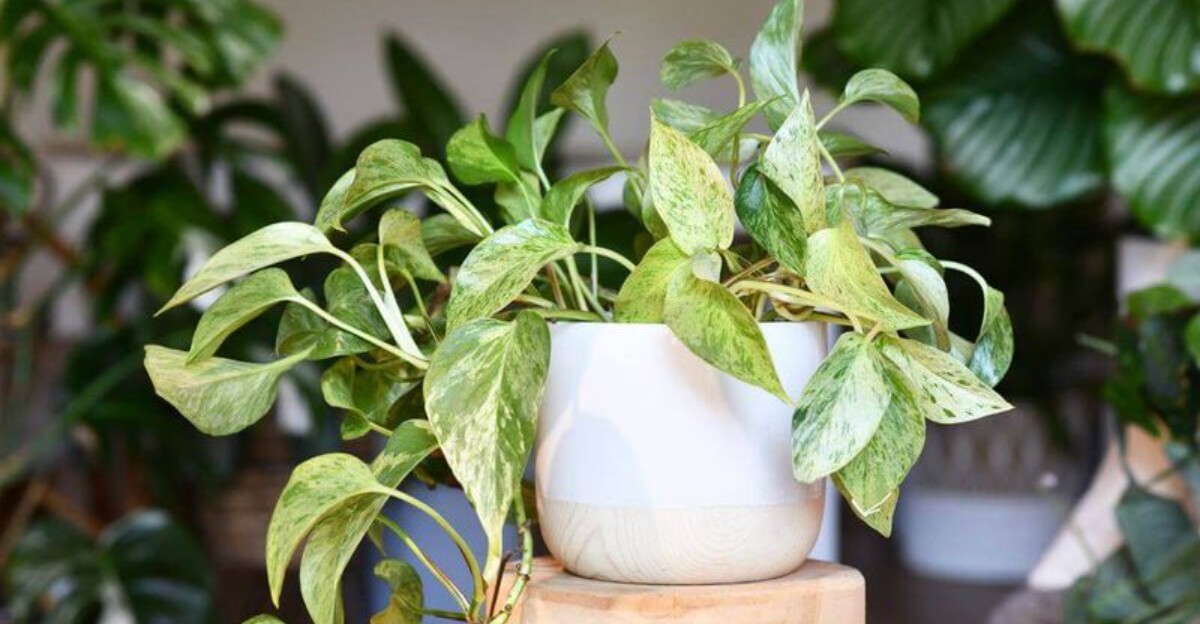
Pothos, philodendron, and ZZ plants are some of the easiest houseplants around. They can still throw a fit when they move indoors for the season. Leaves may yellow or drop within days, which worries many North Carolina plant owners.
The cause is usually the sudden change. Outdoor light is far stronger than anything inside a house, and the air feels different too. Pests can also hitch a ride in the soil or under the leaves.
A smooth move starts before the plant ever crosses the doorway. Small steps like checking for bugs, adjusting water, and picking the right spot make a big difference. These plants are forgiving, so you do not need to be perfect.
A little planning helps them settle in quickly and keep growing all winter.
1. Move Them In Before Nights Turn Chilly
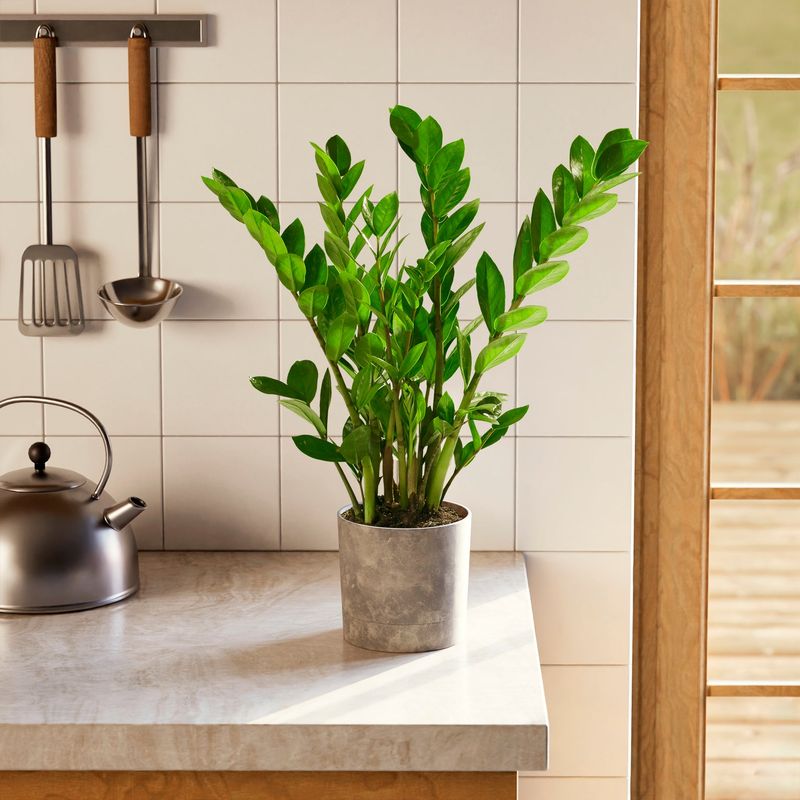
Tropical plants have a funny way of hiding cold damage. A chilly night can hurt pothos (Epipremnum aureum), philodendron, and ZZ plants (Zamioculcas zamiifolia), but the harm often stays invisible for a few days.
Then, out of nowhere, you spot yellow leaves, dark patches, or foliage dropping to the floor.
All three plants come from warm parts of the world, so they simply aren’t built for cool weather. Trouble usually starts once temperatures slip below about 50°F. That number is your warning line, and staying ahead of it is the easiest way to protect your plants.
A good rule is to bring everything inside once nights regularly fall into the mid 50s. Waiting until the first frost is far too late. Keep an eye on your weather app, too, because a surprise cold snap can sneak in even during a mild stretch.
Timing looks different depending on where you live in North Carolina. Up in the Mountains, around Boone or Asheville, cool nights often show up in September.
Gardeners there should plan an earlier move and pay close attention to forecasts as summer winds down. Folks in the Piedmont and Coastal Plain usually get more breathing room.
Plants in places like Raleigh, Charlotte, or Wilmington can often stay outdoors into early or even mid October. Warm afternoons there can fool you, though, since nights may cool off much faster than the days suggest.
Planning the move a little early pays off in a big way. You get time to clean, check for pests, and settle your plants in without rushing. Your green friends will thank you with healthy, glossy leaves all season long.
2. Ease Them Into Lower Light
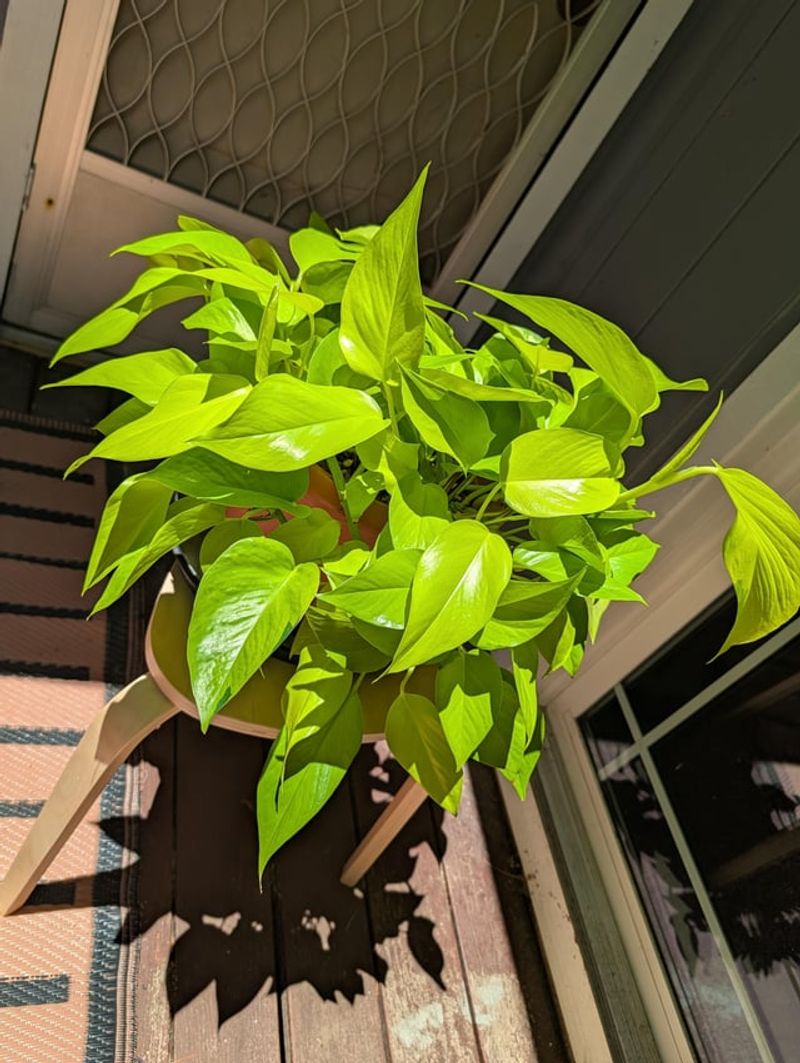
Sunlight outside is stronger than most people realize. Even a shady corner of the porch gets far more light than a sunny room inside your house. Your eyes adjust so quickly that you hardly notice the difference, but your plants definitely do.
When pothos or philodendron go from bright outdoor light straight into a dim living room, they can struggle. Leaves may turn yellow, and growth often slows to a crawl. The plant is basically trying to figure out how to work with much less energy.
Your North Carolina Garden Changes Every Week. Your Plan Should Too.
Gardening in North Carolina changes quickly throughout the season. Every Friday you’ll receive a simple weekly plan showing exactly what to plant, prune, fertilize, harvest, and protect so you never miss the right timing.
A gentle step down makes everything smoother. If your plants spent summer in a bright spot, move them into deeper shade outdoors for about a week before bringing them in. Think of it like letting your eyes adjust before walking into a dark movie theater.
Once they come inside, give pothos and philodendron bright, indirect light. A spot near an east-facing window works nicely, or a few feet back from a sunny south or west window.
Sheer curtains can soften harsh afternoon rays while still letting plenty of light through. ZZ plants are the easygoing members of this group.
They handle lower light better than the others, so they can live happily in a hallway or an office corner. They’ll grow more slowly in dim spots, but they stay attractive and sturdy.
Many North Carolina gardeners park their houseplants on bright porches and decks all summer, which makes this light adjustment extra important.
Those long, sunny months spoil plants a bit. Taking one week to ease them down helps them keep their healthy color and avoid a rough start indoors.
3. Check Carefully For Pests
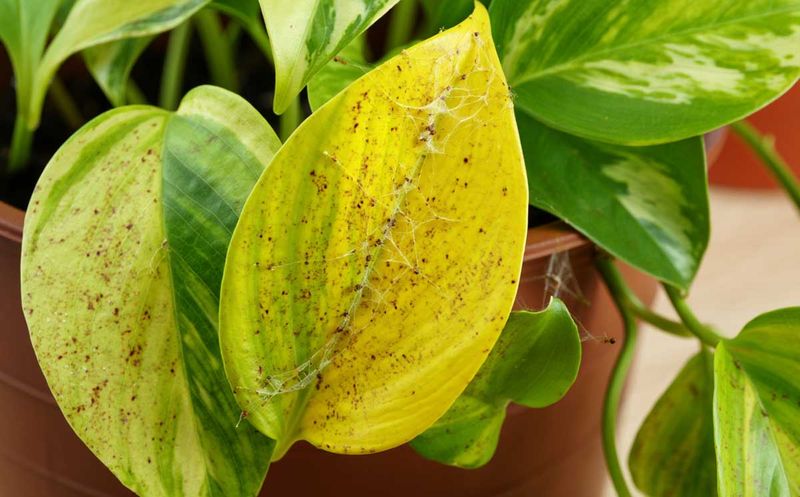
Nobody wants surprise roommates. Yet a plant coming in from outside can carry a whole crowd of tiny hitchhikers. Mealybugs, scale, spider mites, and aphids love to tuck themselves into leaf joints and onto the undersides of leaves.
Bigger pests hide in the pots themselves. Slugs, earwigs, and ants often shelter in cool, damp soil near the bottom.
Outdoors, birds, ladybugs, and other natural predators help keep them in check, but inside your home those helpers are gone, so pests can spread fast.
Start with a slow, careful look. Check the stems, flip leaves over, and peek where each leaf meets the stem. White fuzzy spots, sticky leaves, tiny bumps, or fine webbing are all signs that something unwanted has moved in.
Next, give each plant a gentle shower outside with the hose. A soft spray knocks off many bugs and washes away dust at the same time. If you do find pests, treat the plant with insecticidal soap and follow the label directions closely.
Soil needs attention too. Set each pot in a bucket of water for about 15 to 20 minutes. Bugs living in the soil will float up or crawl out, and then you can let the pot drain well before bringing it inside.
North Carolina’s long, warm growing season gives pests months to build their numbers on outdoor plants.
That extra time means a bigger chance of a problem by fall. A thorough check now saves you from fighting an indoor bug battle all winter, and it protects your other houseplants as well.
4. Clean Up And Trim Before The Move
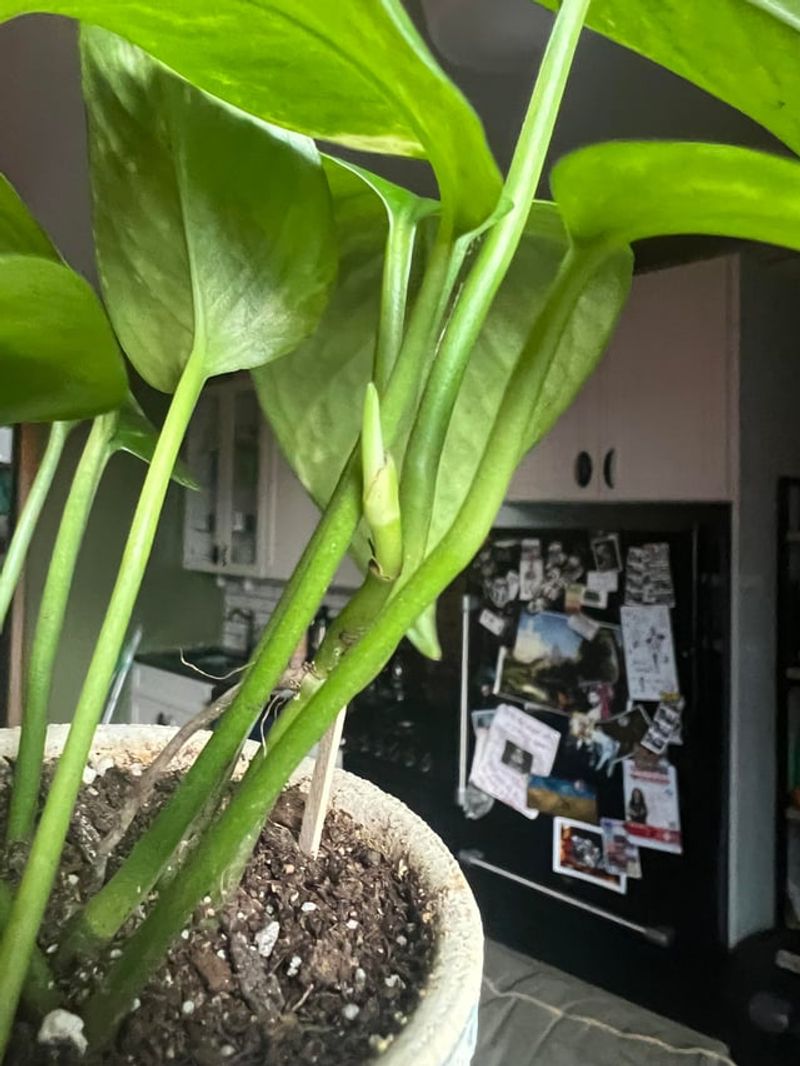
Think of it as a spa day before the big move. A little tidying helps your plants look their best and settle into their winter home with less fuss. It also makes your job easier for months to come.
Dust matters more than you might expect. A thin layer on the leaves blocks some of the light the plant needs, and indoor light is already limited. Wiping leaves gently with a damp cloth helps them soak up every bit of brightness available.
Yellow or damaged leaves should go, too. Snip them off cleanly so the plant can focus its energy on healthy growth. Old leaves and fallen debris on the soil also give pests cozy places to hide, so clear the soil surface while you’re at it.
Pothos and philodendron love to stretch out over a summer outdoors. In North Carolina’s warm, humid weather, vines can grow surprisingly long and a bit bare along the stems.
Trimming them back keeps the plant fuller and much easier to fit on a shelf or hang near a window.
Here comes the bonus part. Healthy vine cuttings can grow into brand new plants! Cut just below a node, the little bump where a leaf grows, then set the cutting in a glass of water. In a few weeks, white roots will appear.
Those rooted cuttings can go back into the main pot for a bushier look or into new pots as gifts. Friends, neighbors, and coworkers usually love a free plant. A simple cleanup turns into a fun little project with rewards that keep growing all winter.
5. Cut Back On Watering, Especially For ZZ
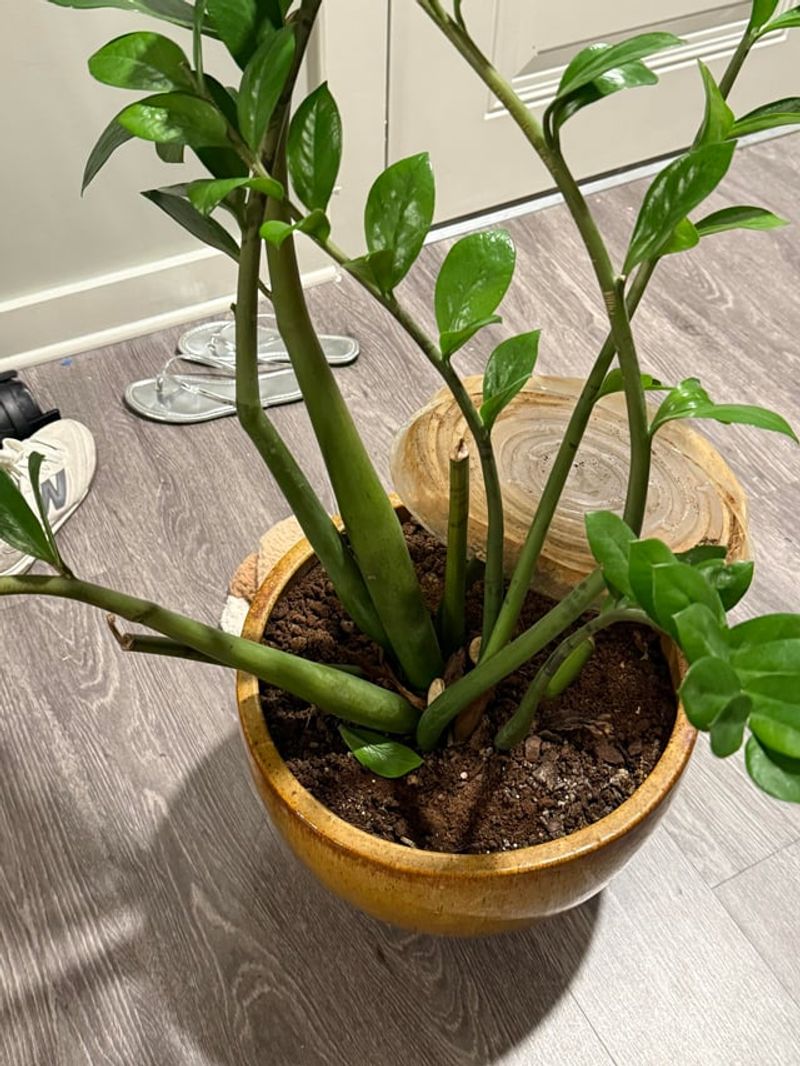
Summer habits can be hard to break. All season, you probably watered often because sun and heat dried the soil quickly. Once your plants come inside, though, that routine needs a big change.
Indoors, light is lower and the air is cooler, so plants grow much more slowly. Slower growth means they drink less water, and the soil stays wet for a longer time.
Too much water sitting around the roots is the most common cause of root rot, a problem that can quickly ruin a healthy plant.
ZZ plants need the most caution. Under the soil, they have thick, potato-like rhizomes that store water for dry times. Because they carry their own supply, they really don’t like soggy soil, so let the potting mix dry out completely between waterings.
Pothos and philodendron are a little thirstier. Stick your finger into the soil, and water when the top inch or two feels dry. On many homes, that might mean watering every week or two, but always check first instead of following the calendar.
Drainage makes a huge difference. Use pots with holes in the bottom so extra water can escape. After watering, empty the saucer underneath so the roots aren’t left sitting in a puddle.
Many North Carolina gardeners spend summer watering plants nearly every day during hot, sticky weather. It’s easy to keep that pace going after the move, even though the plants don’t need it anymore.
Slowing down might feel strange at first, but your plants will stay much healthier, and you’ll save some time, too.
6. Hold Off On Repotting And Fertilizing
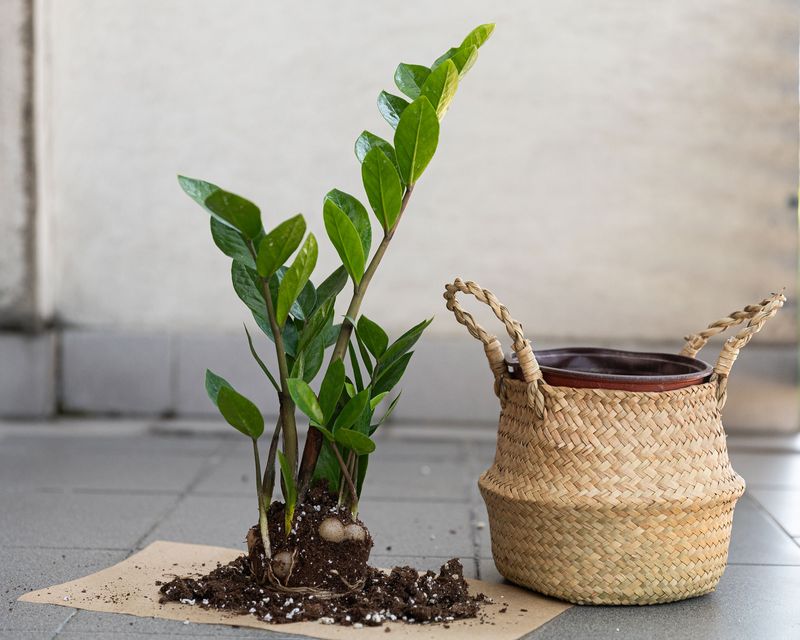
Patience is one of the best gardening tools around. After a great summer, your plants might look so big and lush that you want to treat them to a bigger pot and a good meal. Waiting a few months, however, is the smarter choice.
Moving indoors is already a lot for a plant to handle. It’s getting used to new light, different air, and a fresh watering routine. Adding repotting on top of all that can slow down its recovery and leave it looking tired.
Fertilizer can cause trouble, too. As days grow shorter in fall and winter, growth naturally slows. A plant that isn’t growing much can’t use extra food well, and unused fertilizer salts can build up in the soil and harm the roots.
So what should you do instead? Wait until spring to repot any plant that has truly outgrown its container. You’ll know it’s time when roots poke out of the drainage holes or circle tightly around the inside of the pot.
Feeding follows a similar plan. Reduce or stop fertilizing from late fall through winter. When you notice fresh leaves unfolding in spring, start regular feeding again with a balanced houseplant fertilizer.
North Carolina summers are long and warm, so pothos, philodendron, and ZZ plants often grow like crazy outdoors.
By the time they come inside, many look ready for a bigger home right away. Holding off until spring lets them rest, adjust, and then burst into growth when the timing is just right.
7. Keep Them Away From Vents And Drafts
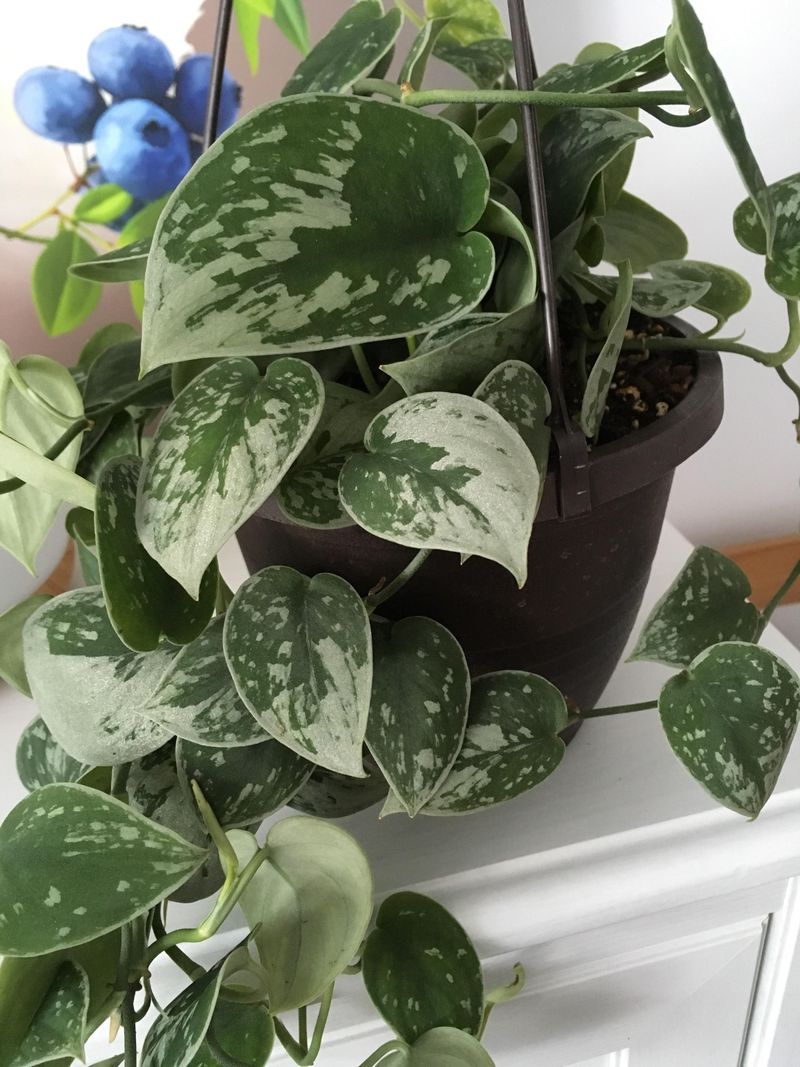
Location is everything, even for houseplants. A spot that looks perfect might hide a sneaky problem, like a heating vent blowing hot air right onto the leaves. Choosing the right place helps your plants settle in quickly.
Hot, dry air from vents pulls moisture out of foliage. Before long, you may see crispy brown tips on pothos and philodendron leaves. Cold drafts cause trouble as well, since chilly air from exterior doors and leaky windows can shock tropical plants.
Keep plants away from heating and cooling vents, doors that open to the outside, and drafty windows. Hold your hand near a window on a cold evening. If you feel a chill, your plant will feel it too.
Grouping plants together is a simple trick that really helps. As leaves release moisture, they slightly raise the humidity around each other. A small cluster on a plant stand or table also looks lovely and makes watering checks quicker.
Don’t panic if a few leaves turn yellow during the first couple of weeks. A little leaf loss is a normal part of adjusting to life indoors. Remove those leaves, keep your care steady, and new growth will usually follow.
Across North Carolina, heat pumps and forced-air systems kick on as fall arrives. They keep homes comfortable but can leave indoor air quite dry.
Smart placement protects your plants from that dryness, so your pothos, philodendron, and ZZ plants can stay green, glossy, and cheerful until it’s time to head back outside next spring.