What To Do When Mice Start Moving Into Georgia Homes This Fall
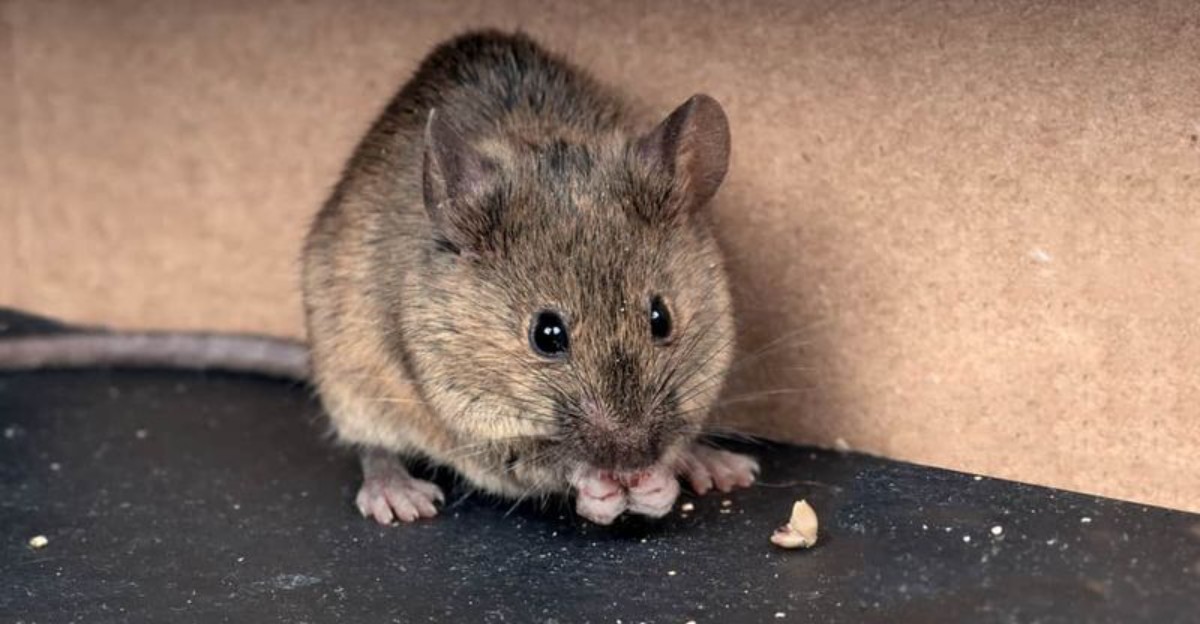
Cooler nights can send mice searching for shelter, and tiny gaps around your home may give them exactly the opening they need.
Once indoors, mice can settle into quiet spaces where food and nesting material are nearby. Early signs may include droppings, scratching sounds, or chewed packaging.
Start by checking where pipes, vents, doors, and utility lines enter the house.
Homes in Georgia can attract mice during fall as outdoor conditions change. Seal small openings with durable materials rather than relying on temporary fixes.
Store food securely and clean up crumbs that can keep rodents interested. Pay attention to hidden spaces where fresh signs of activity may continue appearing.
Focus on removing entry points and easy food sources while keeping an eye on areas where mice may be active. Taking these steps together makes your home much less inviting to unwanted fall visitors.
1. Scratching In The Walls Often Starts As Nights Get Cooler
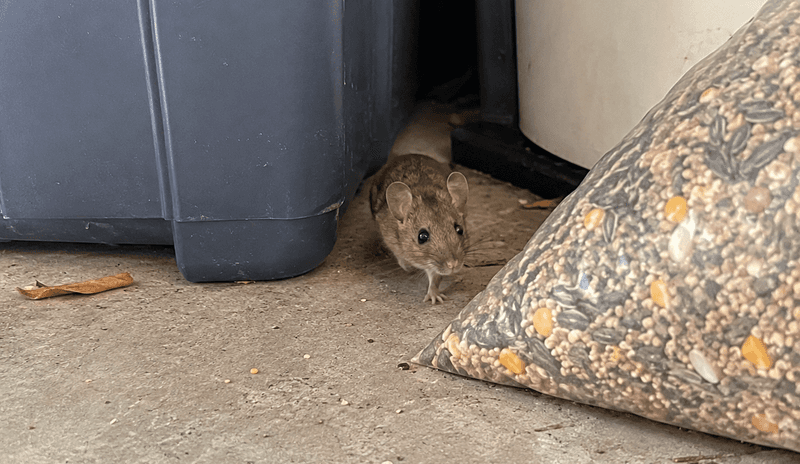
That faint scratching you hear at 2 a.m. is probably not your imagination. Mice tend to be most active at night, and the sound often travels through quiet walls and ceilings.
In Georgia, fall nights can cool down by October, though timing changes from year to year and place to place.
Mice start looking for warmer shelter as outdoor temperatures drop. Your attic, wall spaces, and crawl space can feel like a welcome hideout to them.
Listen for light scurrying, gnawing, or a soft rustling sound that seems to move from one spot to another.
Squirrels can also make noise, but they are usually busier during the day. If the sounds mostly happen after dark, mice or rats are more likely the cause.
Try to pay attention to where the noise seems strongest, since that spot may point to a nest or a travel path.
Writing down the time and location of the sounds can help a lot. Over a few nights, you may notice a clear pattern that shows you where to look first.
Acting early matters because a pair of mice can become a much larger group over a few months.
Catching the problem at the scratching stage is far easier than waiting until you see a mouse run across the kitchen floor.
2. Droppings And Chewed Packages Confirm Who’s Moved In
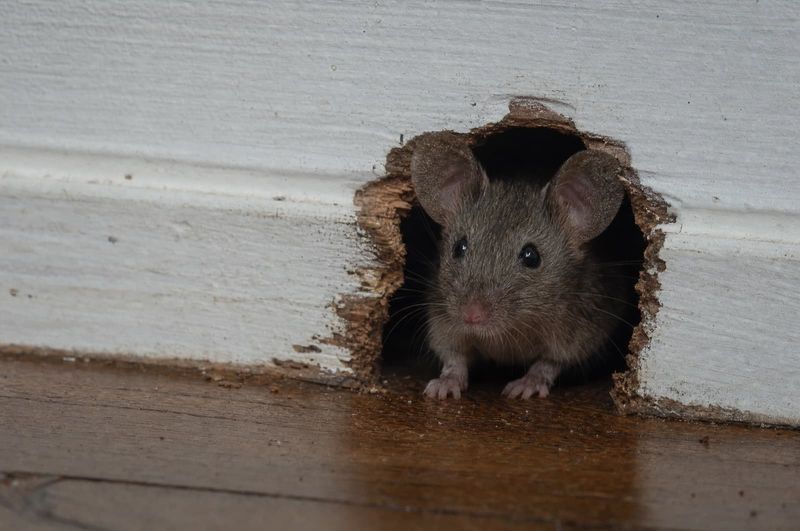
Sounds can fool you, but small dark droppings usually tell the real story.
Mouse droppings are tiny, about the size of a grain of rice, with pointed ends. You will often find them in drawers, under the sink, or along pantry shelves.
Fresh droppings tend to look dark and soft, while older ones turn dry and gray.
Chewed packages are another strong clue. Look for small holes in cereal boxes, bread bags, pet food bags, and even paper towel rolls.
Mice also gnaw on wood, cardboard, and sometimes wiring. Little shavings or shredded paper near a corner can mean they are gathering nesting material.
Grab a flashlight and check behind the stove, under the fridge, and inside lower cabinets.
Your Georgia Garden Changes Every Week. Your Plan Should Too.
Gardening in Georgia changes quickly throughout the season. Every Friday you’ll receive a simple weekly plan showing exactly what to plant, prune, fertilize, harvest, and protect so you never miss the right timing.
Do not touch droppings with your bare hands, even if you only plan to look closely. Gloves are a smart choice whenever you check these spots.
Across Georgia, older homes with crawl spaces can be common hiding areas, but newer houses get mice too.
Once you find signs, mark those areas in your mind or on a quick sketch. Those spots will help you decide where to seal gaps and where to set traps next.
3. Surprisingly Small Gaps Around Pipes And Doors Let Them In
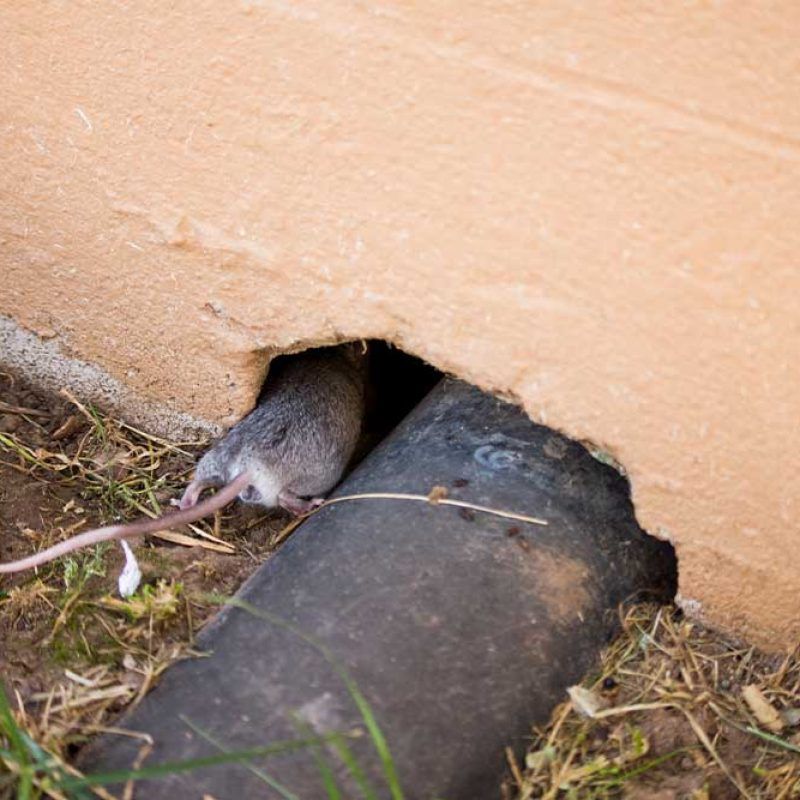
A hole the size of a dime might look harmless. To a young mouse, it can be an open front door.
Mice have flexible bodies and can squeeze through surprisingly tight spaces, often around a quarter inch wide.
Start your search outside on a dry afternoon. Walk around the house slowly and look low near the foundation, where pipes, cables, and vents enter the walls.
Gaps under exterior doors are a common weak spot, especially when the bottom sweep is worn or missing.
Garage doors deserve a close look too. If you can see daylight under the edge, a mouse may be able to slip through.
Indoors, check where plumbing comes through the wall under sinks and behind washing machines.
Dryer vents, air conditioning lines, and gaps around the chimney can also give mice an easy route. In humid Georgia weather, older caulk around these spots may crack or pull away faster than you expect.
Take photos of every gap you find so you can plan repairs without forgetting any.
A small mirror and flashlight help when you need to see behind tight spots. Finding entry points first makes every other step work better.
4. Steel Wool Paired With Caulk Can Close Those Openings
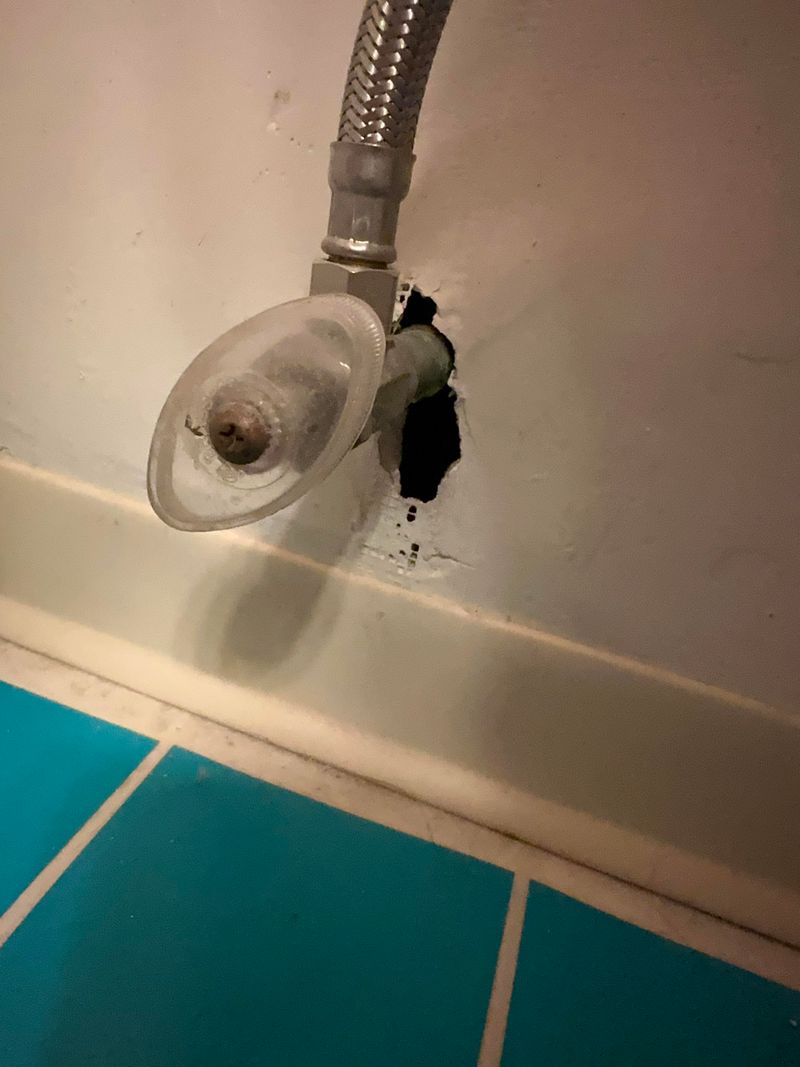
Mice can chew through foam and soft caulk, but steel wool gives them a much harder time.
Pack the steel wool tightly into the gap first. Push it in far enough that it stays put and fills the whole opening.
After that, seal over it with a good quality caulk to hold everything in place and help block drafts.
Plain steel wool can rust over time, especially outdoors in damp weather. Copper mesh or stainless steel wool may last longer in wet areas, though it usually costs a little more.
Wear gloves while you work, because loose steel fibers can poke your fingers.
For bigger holes, hardware cloth with small openings can be cut to size and fastened over the gap. Door sweeps and weather stripping help close spaces under doors that steel wool cannot fill.
Homeowners in Georgia often deal with heavy rain, so check outdoor patches after a few storms to make sure they still look solid.
Sealing gaps will not clear out mice already inside. It does help stop new ones from joining them, which makes trapping much more effective over the next few weeks.
5. Food Left Out In Bags And Bowls Keeps Them Coming Back
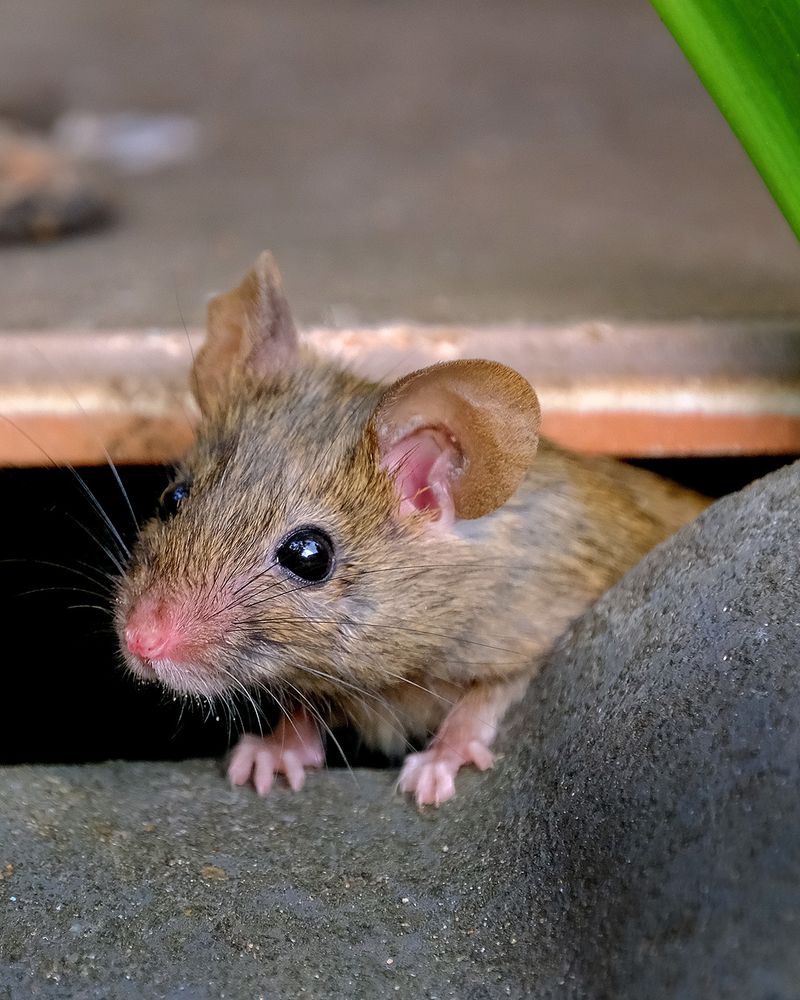
Think of your pantry from a mouse’s point of view. A paper bag of flour looks a lot like a free buffet.
Moving dry foods into hard plastic, glass, or metal containers with tight lids can make a big difference.
Cereal, rice, crackers, pasta, and baking supplies are some of the most common targets. Even sealed cardboard boxes are easy for mice to chew through.
Pet food often gets overlooked, yet it can draw mice into a home night after night.
Try picking up pet bowls in the evening instead of leaving kibble out until morning. Store the big bag of food in a lidded bin rather than leaving it open in the garage.
Crumbs under the toaster and behind the stove also count as a meal.
Wiping counters and sweeping floors each night helps reduce what is available. Taking kitchen trash out regularly and using a can with a lid helps too.
Fall in Georgia also means pecans and birdseed around many yards, so store those in sealed containers as well.
Removing easy food will not solve a mouse problem alone. Still, it pushes mice toward your traps, since there is less to eat everywhere else.
6. Check Hidden Indoor Spaces For Signs You May Have Missed
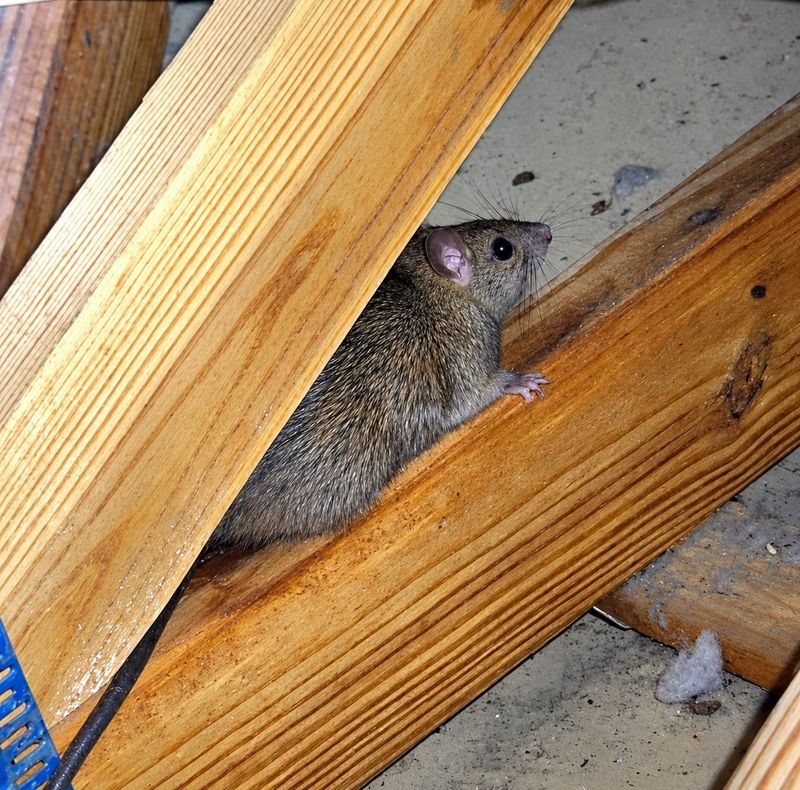
Mice can stay out of sight even when they have already found a comfortable spot inside your home.
Once you have checked the obvious areas, look deeper into quiet spaces that rarely get disturbed.
Cabinets beneath sinks, storage closets, utility rooms, attics, and areas behind large appliances are good places to inspect.
Use a flashlight to look along baseboards and into dark corners where small signs can be easy to overlook.
Droppings, shredded paper, damaged food packaging, and small gnaw marks can help show where mice have been active.
Pay attention to areas near plumbing and utility lines as well. These spots can provide hidden routes between rooms, especially when small openings remain around pipes or cables.
Avoid reaching blindly into dark spaces where you cannot see what is inside.
Instead, move stored items carefully and inspect the area before cleaning or reorganizing it.
Finding several signs in different parts of the house may suggest the activity is more widespread than it first appeared.
Keep track of where you notice fresh signs over the next several days. This can help you determine whether sealing gaps and removing food sources are making a difference.
If signs continue appearing throughout your Georgia home, consider contacting a licensed pest control professional for an inspection and guidance on the safest next steps.
7. Clean Up Droppings With A Disinfectant Spray, Not A Broom
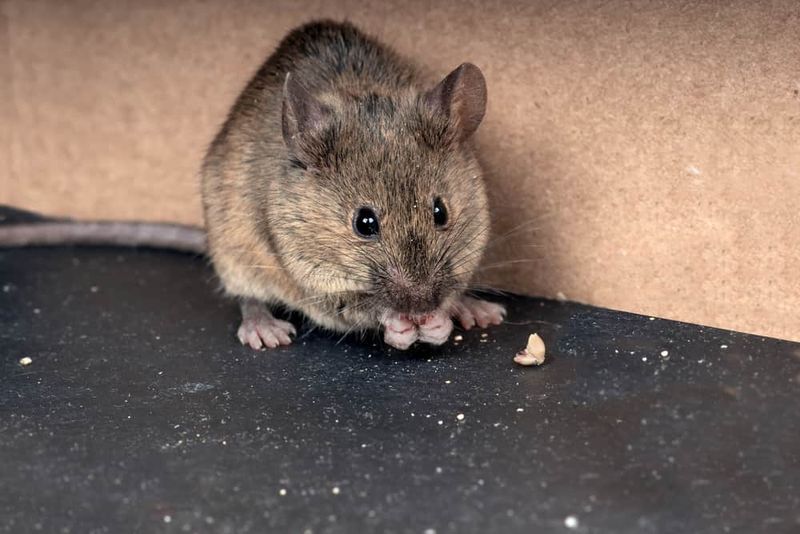
Grabbing a broom feels natural, but it is one of the worst ways to handle mouse droppings.
Sweeping or vacuuming can stir dust from droppings and urine into the air. Breathing that dust may expose you to germs, so a careful approach matters.
Start by opening windows and letting the area air out for about 30 minutes if you can.
Put on rubber or plastic gloves before you begin.
Spray the droppings and the area around them until they are soaked, using a household disinfectant or a bleach and water mix.
The CDC suggests letting the spray sit for about five minutes. After that, wipe everything up with paper towels and toss them in a sealed trash bag.
Mop or wipe nearby floors and counters with disinfectant once the droppings are gone.
Wash your gloved hands, remove the gloves, and then wash your bare hands well with soap and water. Washing any nearby dishes or bedding in hot water is also a good idea.
Large attic or crawl space messes in Georgia homes may be better left to a professional cleaning service.