Did You Notice Which Pollinators Have Disappeared From Georgia Yards This Week?
Your garden feels different this summer, and it’s not just the heat playing tricks on you.
The bees that used to crowd your tomato blossoms? Barely a hum these days. The butterflies that drifted past your porch every afternoon have quietly skipped town, and the hummingbirds followed close behind.
Something is pulling pollinators out of Georgia yards right now, and it’s moving faster than most people notice. Fewer visitors means fewer blooms and fruits, and a backyard that suddenly feels strangely still.
The reasons behind this shift aren’t as mysterious as they seem, and the fixes are surprisingly simple. A few small changes could bring the buzz back to your yard sooner than you’d expect.
1. Honeybees
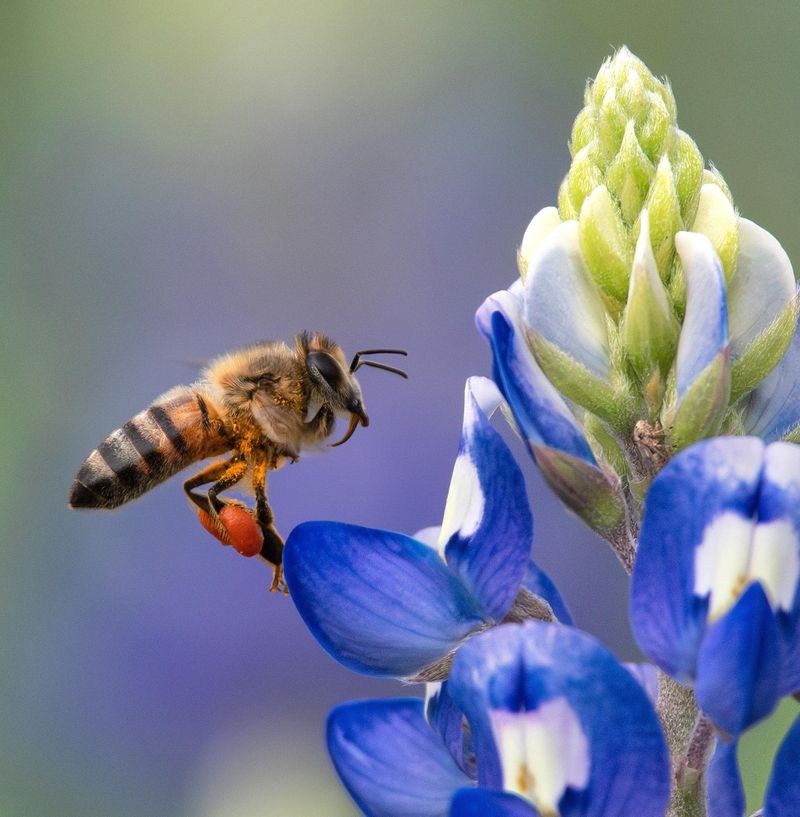
Honeybee colonies thin out fast once summer heat settles in. Foraging trips become shorter and less frequent as workers struggle to find enough nectar.
A dry stretch of weeks can strip a yard of blooming plants almost overnight. Without steady flowers, colonies pull back and redirect energy toward survival instead of pollination.
Backyard beekeepers in Georgia report noticeably quieter hives during late summer dearth periods. Fewer bees leave the hive, and the ones that do travel farther for less reward.
Pesticide exposure compounds the problem in neighborhoods with heavy lawn treatment. Even small doses can disorient foragers enough that they fail to return to the colony.
Urban and suburban sprawl has also fragmented the wildflower patches honeybees depend on between April and October. Long gaps between food sources force colonies into a defensive posture rather than an expansive one.
Planting late-summer bloomers like zinnias and native asters helps bridge the gap. These species keep nectar flowing exactly when natural sources start running thin.
Reducing pesticide use during peak foraging hours gives colonies a fighting chance. Even one chemical-free section of yard can become a reliable stop on their route.
Water matters just as much as flowers during hot months. A shallow dish with pebbles gives dehydrated bees a safe place to rehydrate between trips.
Checking plant labels before buying from a nursery can prevent extra exposure. Look for neonicotinoid-free options whenever local growers offer them.
2. Native Bumblebees
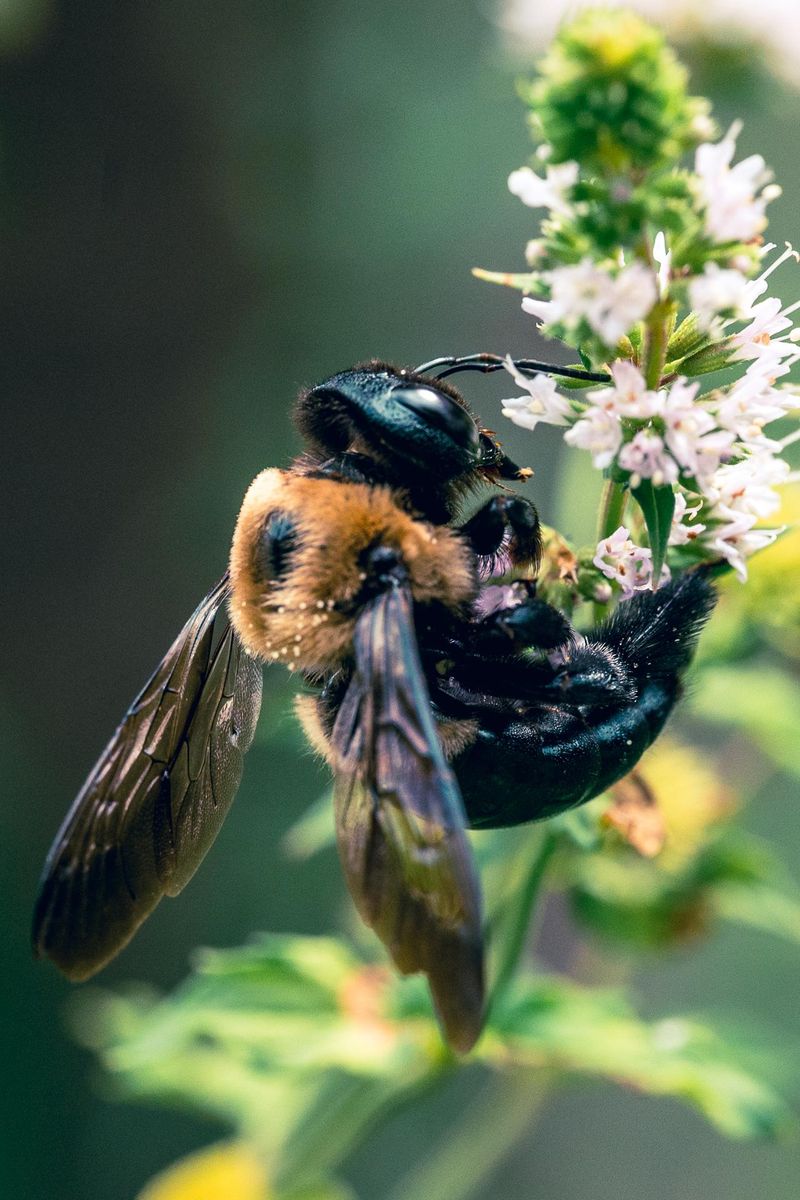
Bumblebees feel heat stress faster than almost any other pollinator in a Georgia yard. Their thick, fuzzy bodies trap warmth, which becomes a liability once temperatures climb past their comfort range.
A few consecutive scorching days can push an entire local colony to relocate. Workers simply stop leaving the nest, and foraging activity drops off within days.
Unlike honeybees, bumblebees do not maintain large reserves to fall back on. Their colonies are smaller and more fragile, so any disruption in food supply hits harder and faster.
Ground-nesting habits make bumblebees especially vulnerable to yard maintenance choices. Tilling, heavy mulching, and frequent mowing destroy the abandoned rodent burrows and brush piles they prefer for shelter.
Native bumblebee populations across the Southeast have also been shrinking due to habitat loss tied to expanding lawns. Fewer wild edges mean fewer places for queens to establish new colonies each spring.
Your Georgia Garden Changes Every Week. Your Plan Should Too.
Gardening in Georgia changes quickly throughout the season. Every Friday you’ll receive a simple weekly plan showing exactly what to plant, prune, fertilize, harvest, and protect so you never miss the right timing.
Leaving a brush pile or a patch of unmowed grass gives bumblebees a place to nest undisturbed. Even a modest, overlooked corner of the yard can support an entire colony through the season.
Late-blooming natives like goldenrod and native asters provide critical fuel before colonies decline for the year. Planting a mix of early and late bloomers keeps food available across the bumblebee’s full active season.
Overwintering queens often shelter in leaf litter through the colder months. Clearing every leaf from a garden bed removes exactly the cover they need to survive until spring.
3. Mason Bees
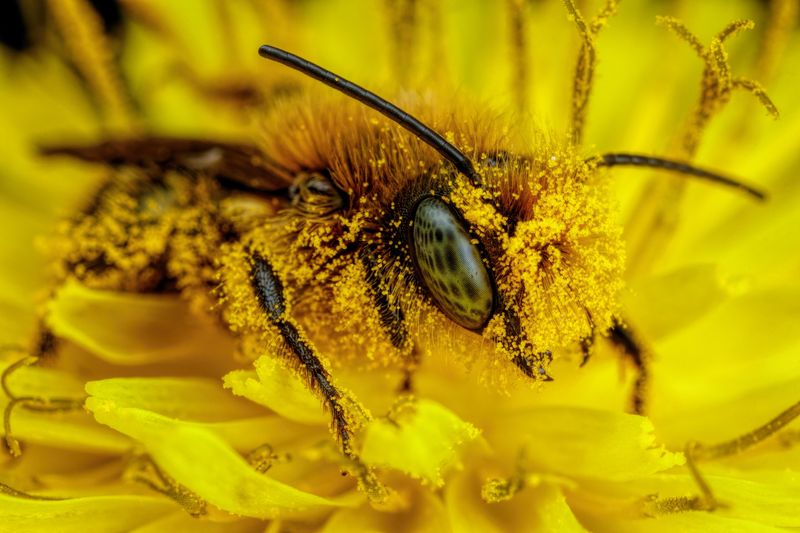
Mason bees rely on very specific conditions to complete their nesting cycle. They need access to moist, workable mud to seal each egg chamber inside hollow stems or wood cavities.
Compacted or chemically treated soil throws off that entire process. Females cannot properly seal their nests, which leaves developing larvae exposed and unprotected.
These bees are also incredibly efficient pollinators for fruit trees, working faster and covering more blossoms per trip than honeybees. Losing them from an orchard or garden shows up quickly in reduced fruit set.
Mason bees are solitary, so there is no colony to fall back on if one female fails. Each nest represents an isolated effort, making the species more sensitive to small disruptions than social bees.
Manicured landscaping strips away the exact nesting materials mason bees depend on. Bare wood, natural stems, and untreated soil patches are disappearing from yards that favor mulch and turf over texture.
A simple bee house with paper tubes gives mason bees an instant nesting option. Placing it in a sunny spot facing east encourages early activity right when fruit trees start blooming.
Leaving a small patch of exposed, damp soil nearby supplies the mud females need to finish their nests. Without that resource, even a well-placed bee house goes unused.
Skipping pesticide use near fruit trees during bloom protects both the bees and the harvest. Mason bees exposed to chemical residue rarely survive long enough to complete a full nesting cycle.
Mason bees typically become active several weeks before honeybees each spring. Timing a bee house installation to late winter gives them a head start when fruit trees begin to bud.
4. Sweat Bees
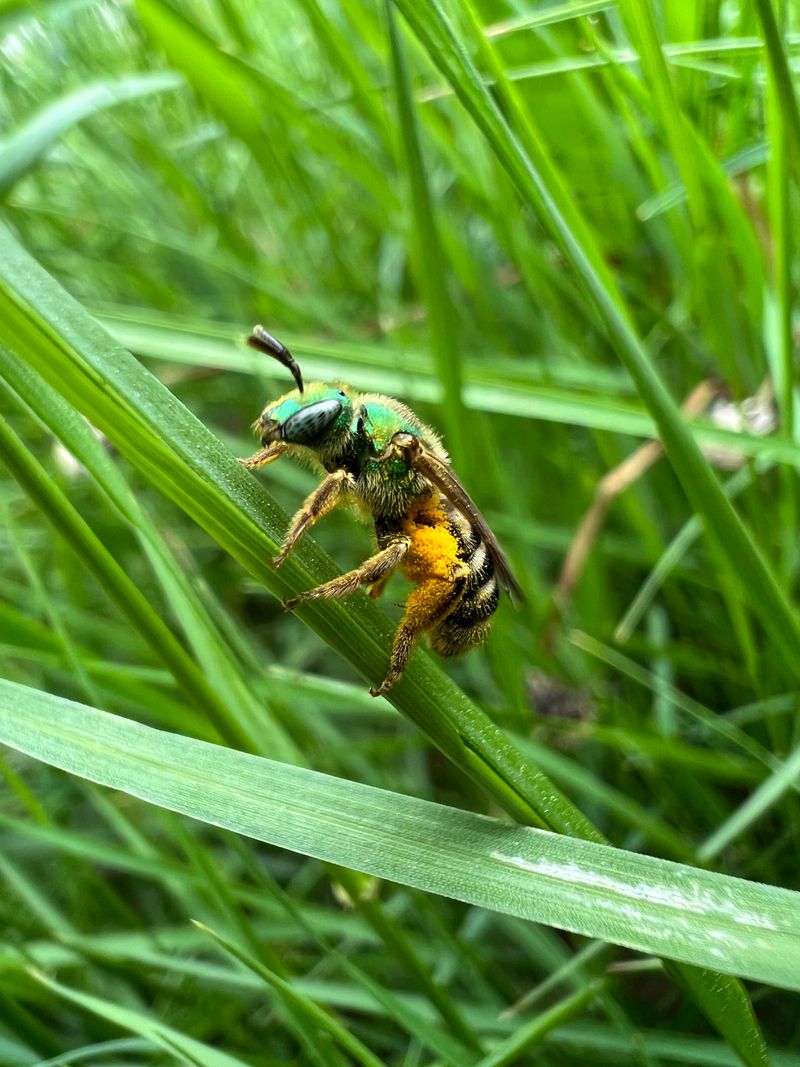
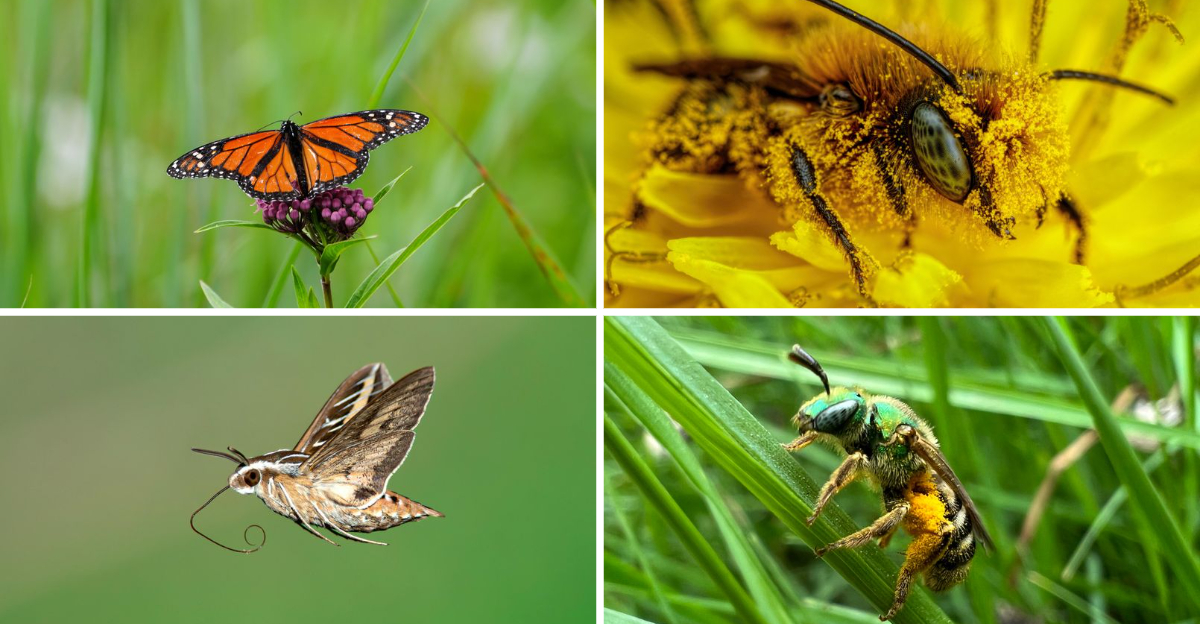
Sweat bees rarely get noticed because of their small size and metallic green color. Most people mistake them for flies, which means their disappearance goes largely unrecognized.
These tiny bees are actually some of the most active pollinators in a home garden. They visit an enormous range of flowers, from squash blossoms to wildflowers, often multiple times in a single day.
Ground-nesting habits make sweat bees just as sensitive to soil disturbance as bumblebees. Frequent tilling or heavy mulch coverage removes the loose, bare soil they need to dig nesting tunnels.
Sweat bees are also highly responsive to pesticide exposure due to their small body mass. A dose that a honeybee might survive can affect a sweat bee almost immediately.
Suburban yards with extensive turf and minimal flowering ground cover offer very little for this species. Sweat bees need a steady, overlapping bloom cycle to stay active through the warmer months.
Leaving even a small strip of bare, undisturbed soil creates usable nesting habitat. Combined with a mix of native flowers, that single change can bring visible sweat bee activity back within weeks.
Reducing lawn chemical use protects sweat bees more than almost any other backyard intervention. Their small size makes them a strong early indicator of how healthy a yard’s pollinator population really is.
A close look reveals a metallic green or blue sheen that sets sweat bees apart from common flies. Spotting one on a squash blossom is a good sign that ground-nesting habitat nearby is still intact.
5. Monarch Butterflies
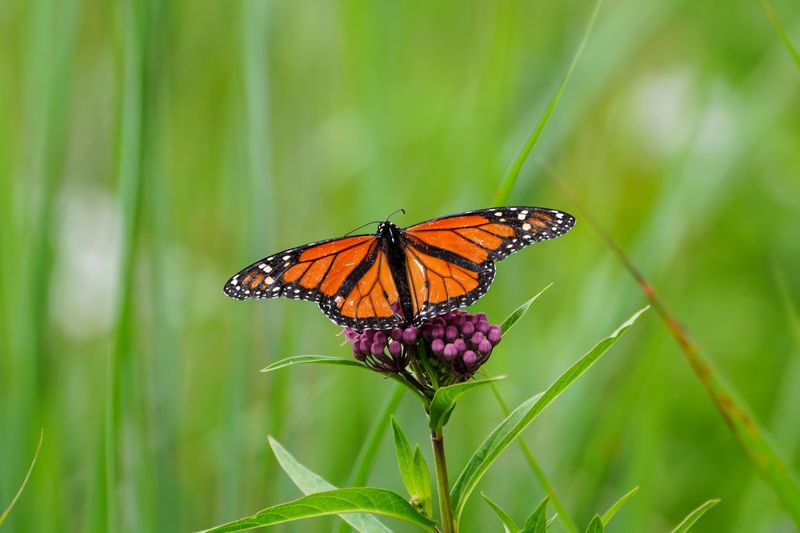
Monarchs depend heavily on milkweed to complete their life cycle. Without it, females have nowhere to lay eggs, and caterpillars have no food source to develop into adults.
Georgia yards that removed milkweed in favor of ornamental plants no longer register on the monarch migration route. Adult monarchs adjust their flight path around neighborhoods lacking the plant, bypassing entire blocks in the process.
Nectar availability matters just as much as milkweed during late summer. Migrating monarchs need consistent fuel sources to build fat reserves before the long flight south begins.
Goldenrod ranks among the most important late-season nectar plants for this journey. A yard with goldenrod in bloom functions as a genuine rest stop along a demanding migration route.
Tropical milkweed left standing through winter can actually work against monarch populations. It disrupts natural migration cues and allows parasite buildup that weakens the next generation.
Planting native varieties like butterfly weed or swamp milkweed supports monarchs without those risks. Cutting tropical milkweed back in late fall keeps migration timing on track.
Pesticide drift from nearby lawns poses a direct threat to monarch caterpillars feeding on milkweed leaves. Even a small amount of contact can prevent larvae from reaching the chrysalis stage successfully.
Female monarchs distribute their eggs across many separate milkweed plants rather than laying them all in one spot. A yard with several milkweed plants spread out gives more caterpillars a realistic chance at survival.
6. Eastern Swallowtail Butterflies
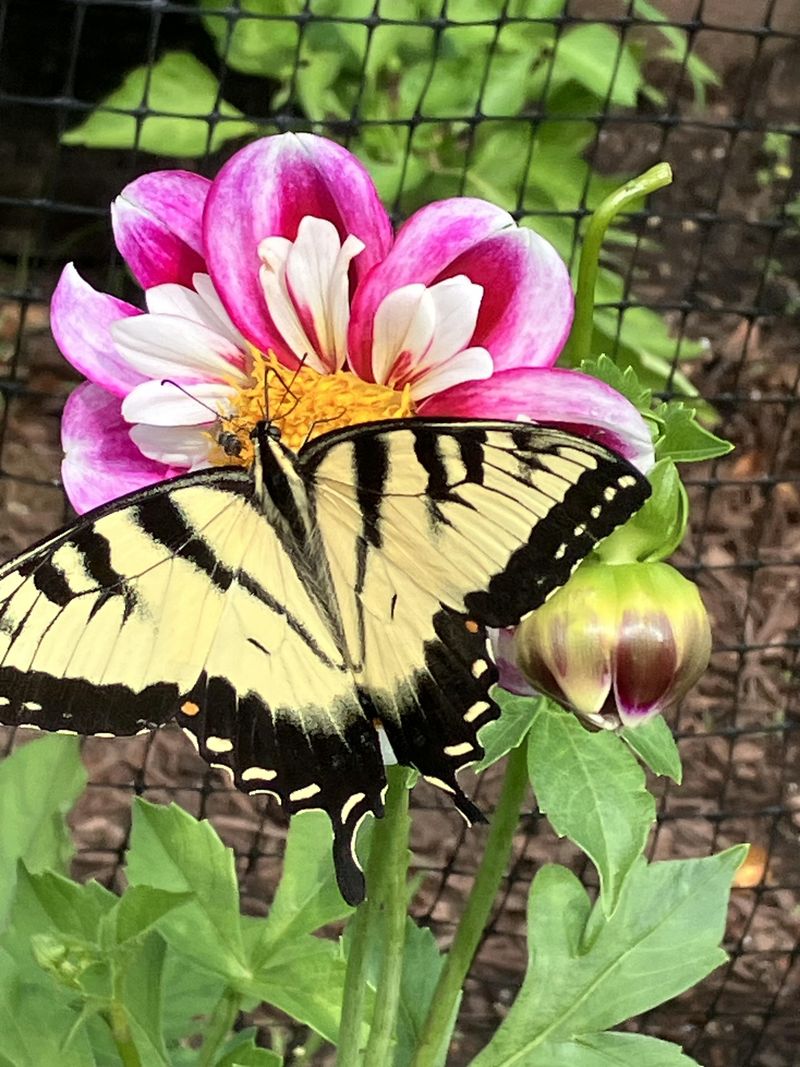
Swallowtail caterpillars need very specific host plants to survive early development. Parsley, fennel, and wild carrot serve as the primary food sources for this species in Georgia yards.
A lawn dominated by turf grass offers none of these plants, so adult swallowtails pass through without stopping. Without a reason to linger, they continue searching elsewhere for a suitable place to lay eggs.
Herb gardens have quietly become one of the last reliable habitats for swallowtails in suburban areas. Removing parsley or fennel after harvest eliminates a host plant right when caterpillars need it most.
Swallowtail populations respond quickly to small habitat additions, often within a single season. A few unharvested herb plants left standing can support several generations before fall arrives.
Pesticide use on ornamental plants near herb gardens creates unintended exposure risk for developing caterpillars. Drift from a treated rose bush can reach nearby fennel without any direct application.
Letting a portion of an herb garden go unharvested gives swallowtails a dedicated space to complete their life cycle. Even a few square feet of dill or parsley left alone makes a measurable difference.
Native nectar plants like coneflower and phlox support adult swallowtails once they emerge from the chrysalis. Combining host plants with nectar sources creates a complete habitat rather than a partial one.
Black swallowtails tend to lay single eggs on the underside of a leaf rather than clustering them together. Checking parsley or dill regularly helps a gardener spot early-stage caterpillars before mistaking them for common pests.
7. Ruby-Throated Hummingbirds
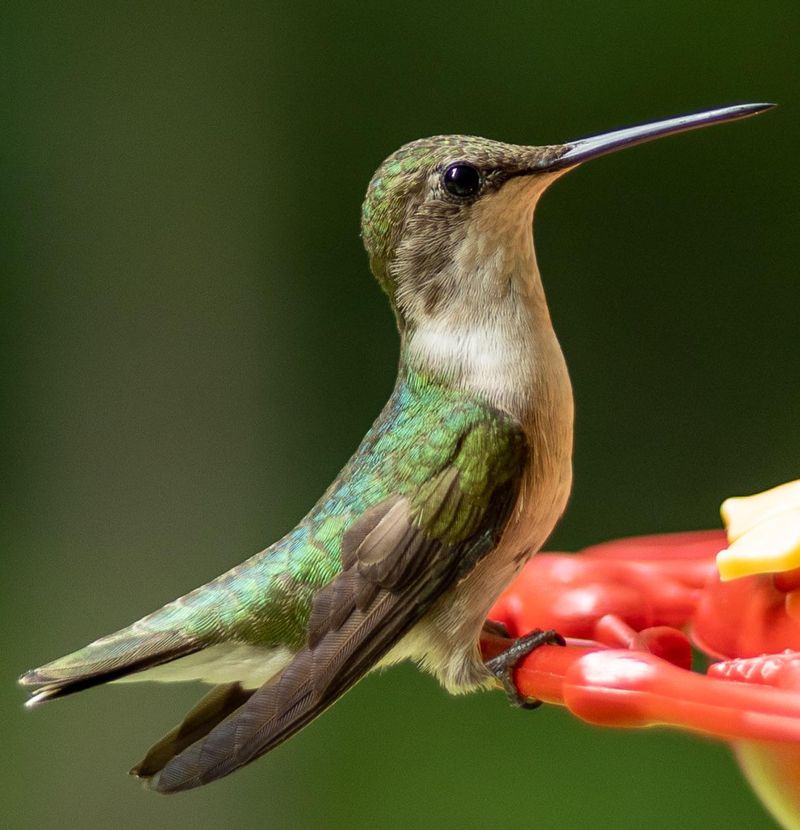
Ruby-throated hummingbirds pass through Georgia twice each year, heading north in spring and returning south in late summer. Both migration windows depend heavily on the timing of native plant blooms.
A yard that blooms for only a few weeks in summer misses most of this migration schedule. Native plants evolved alongside hummingbirds, which means the birds recognize and seek out these specific blooms during travel.
Cardinal flower and coral honeysuckle rank among the most reliable nectar sources for migrating birds. Without familiar species like these, a hummingbird may scan a yard briefly and continue moving south.
Southbound birds in late summer face a demanding task ahead, crossing the Gulf of Mexico. Building enough fat reserves beforehand requires consistent access to high-energy nectar over several weeks.
Yards relying mainly on non-native ornamentals often fail to provide that steady fuel supply. Hummingbirds are efficient travelers, not explorers, and they prioritize known, dependable food sources over unfamiliar plantings.
Planting a mix of early and late bloomers extends usable habitat across the entire migration season. Red buckeye and columbine support spring arrivals, while cardinal flower and salvia carry nectar supply into fall.
Skipping insecticide use protects a food source many people overlook entirely. Hummingbirds rely on small insects for protein, and removing that supply can push birds elsewhere even with feeders in place.
Feeders left unwashed can develop residue that discourages return visits. Cleaning a feeder every few days keeps the sugar solution fresh and appealing to repeat visitors.
8. Sphinx Moths
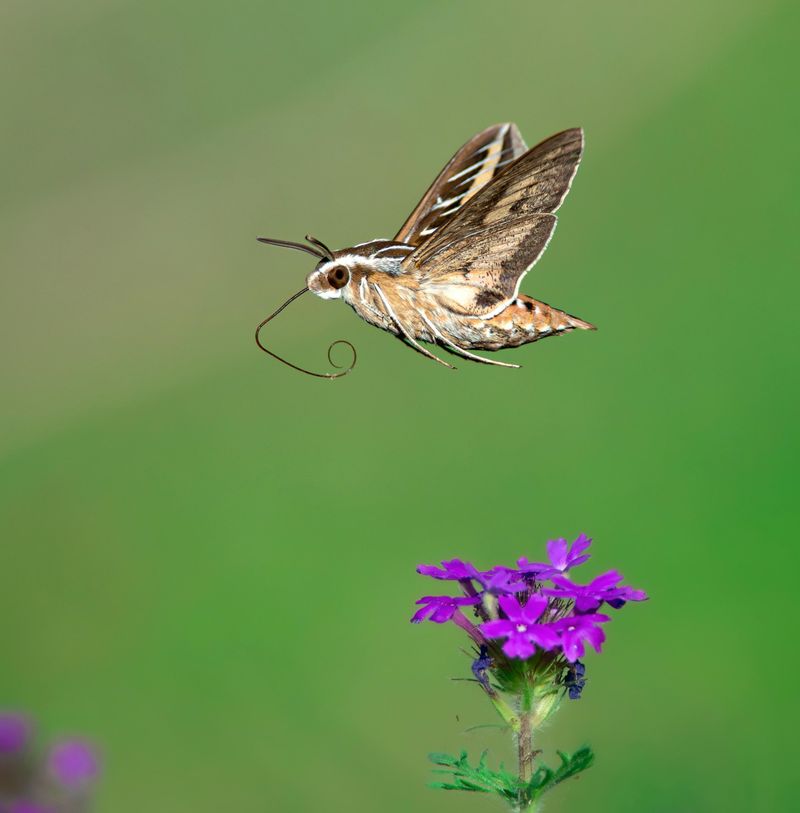
Sphinx moths handle a large share of nighttime pollination that most gardeners never witness. Their long proboscis lets them reach deep into tubular flowers that many daytime pollinators cannot access.
Outdoor lighting has quietly disrupted this species more than almost any other backyard factor. Bright porch lights and landscape fixtures interfere with the moth’s ability to navigate toward flowers after dark.
Evening primrose, moonflower, and native honeysuckle depend heavily on sphinx moths for pollination. Without consistent moth activity, these night-blooming species produce noticeably fewer seeds each season.
Pesticide applications timed for daytime pests often overlap with peak moth activity at dusk. Residue left on leaves and blossoms affects moths just as it affects bees, though the impact goes largely unnoticed.
Sphinx moth caterpillars, sometimes called hornworms, also require specific host plants to develop properly. Removing every hornworm on sight eliminates the next generation before it has a chance to mature.
Reducing outdoor lighting during peak bloom season gives moths a clearer path to nectar sources. Switching to warm-toned, motion-activated fixtures cuts disruption without sacrificing outdoor visibility.
Planting a small cluster of night-blooming natives creates a dedicated space for this overlooked pollinator. Evening primrose in particular tends to draw noticeable moth activity within the first season of planting.
Adult sphinx moths hover in place while feeding, a trait that closely resembles hummingbird behavior at dusk. That similarity often leads backyard observers to mistake one for the other during evening hours.