Fresh Pine Straw Could Carry An Invasive Fern Into Georgia Garden Beds
Fresh pine straw can look clean and ready for spreading, yet an unexpected hitchhiker may sometimes arrive with those new bales.
Japanese climbing fern can spread through tiny windblown spores that are difficult to notice. Contaminated pine straw has been identified as one possible pathway for its movement.
That makes it worth checking mulch before spreading it through garden beds.
Watch for unfamiliar fern growth appearing through fresh straw over the following weeks and months. Young plants are easier to address before vines begin climbing nearby vegetation.
This invasive fern is established in parts of Georgia and can spread beyond maintained landscapes.
If suspicious growth appears, identify it before letting it become established. Catching an unwanted plant early gives you a much simpler problem to handle later.
1. Lacy Vines Creeping Up Shrubs May Have Come From Mulch
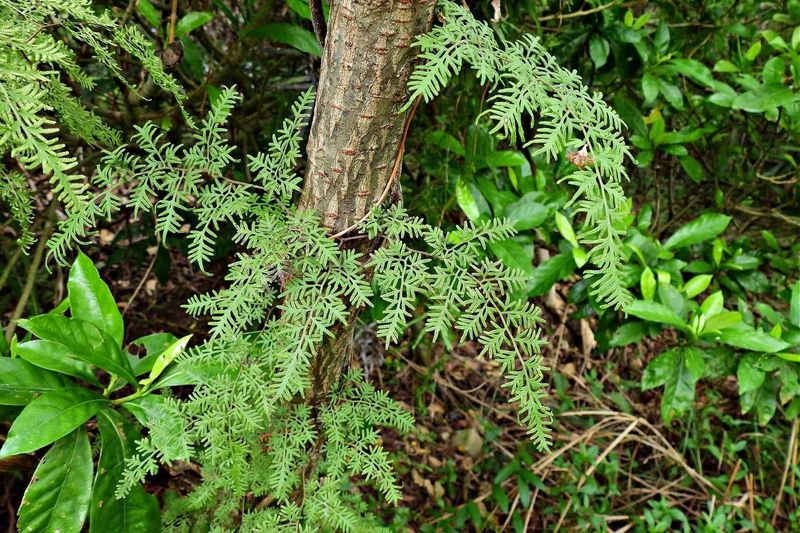
That pretty green lace on your azaleas might not be a gift from nature. If thin, wiry vines with feathery leaves showed up after you spread new pine straw, the mulch could be the cause.
Gardeners often spot it first along the edges of beds where fresh straw was piled thickest.
What you are likely seeing is Japanese climbing fern, known to botanists as Lygodium japonicum. It came from Asia and now grows across much of the Southeast, including large parts of Georgia.
At first glance, it looks harmless and even attractive.
Its leaves are finely divided and light green, and the stems twist around anything nearby. Gardeners sometimes mistake it for a native vine or a decorative fern that wandered in.
Not every odd vine in your bed is this fern, so take a close look before you panic.
Check whether the stems are thin and wiry, almost like fishing line. Then look for the lacy, triangular leaf sections that branch off along the climbing stem.
Snap a photo and compare it with images from your county Extension office if you are unsure.
Knowing where your mulch came from helps too. If several neighbors bought the same straw and see the same vine, that pattern is worth reporting to your local Extension agent.
2. It’s A Fern That Climbs Like A Vine
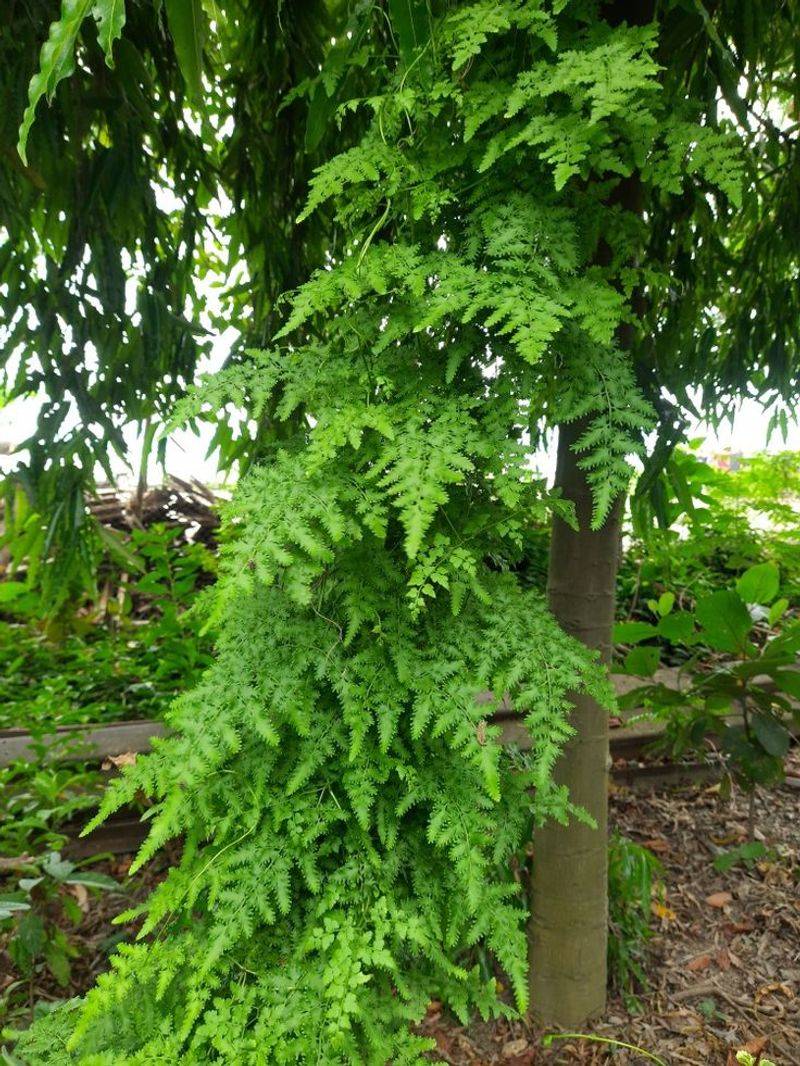
Most ferns sit low and stay put. Japanese climbing fern breaks that rule by growing upward, sometimes reaching heights of 30 feet or more on trees.
Here is the strange part that surprises even seasoned gardeners.
What looks like a long vine is actually a single frond, which is one giant fern leaf. The wiry stem is the leaf’s center rib, and it keeps growing as it wraps around support.
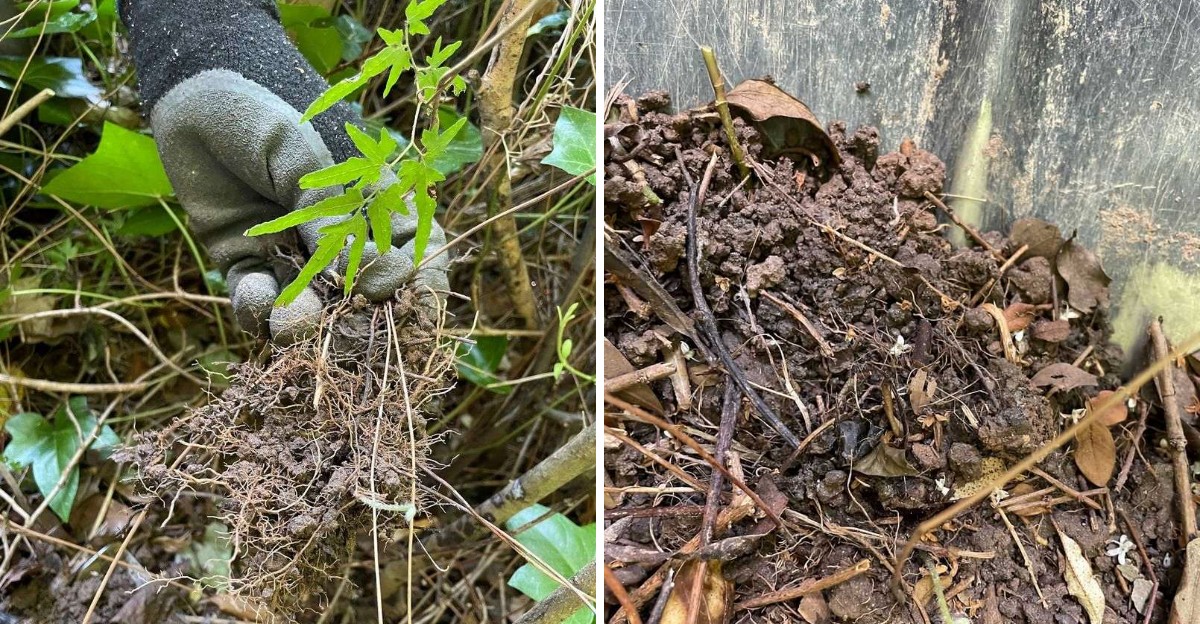
Underground, the plant spreads by thin rhizomes that can creep through loose soil and mulch.
Those rhizomes are why pulling the top growth often fails to stop it. New fronds can pop back up from the roots in spring, especially in moist, shady beds.
In Georgia, the fern usually stays green through the warm months and turns brown after the first hard frost.
Brown fronds can hang on through winter, still tangled in shrubs and fences. In milder spots, some green growth may last longer, depending on the weather that year.
Your Georgia Garden Changes Every Week. Your Plan Should Too.
Gardening in Georgia changes quickly throughout the season. Every Friday you’ll receive a simple weekly plan showing exactly what to plant, prune, fertilize, harvest, and protect so you never miss the right timing.
Knowing its habit helps you plan your attack.
Because it climbs, look up as well as down when you check your beds. Fronds hiding in a holly or a camellia can still produce spores, even if the ground looks clean.
3. Tiny Spores Can Ride Along In Bales From Infested Pine Stands
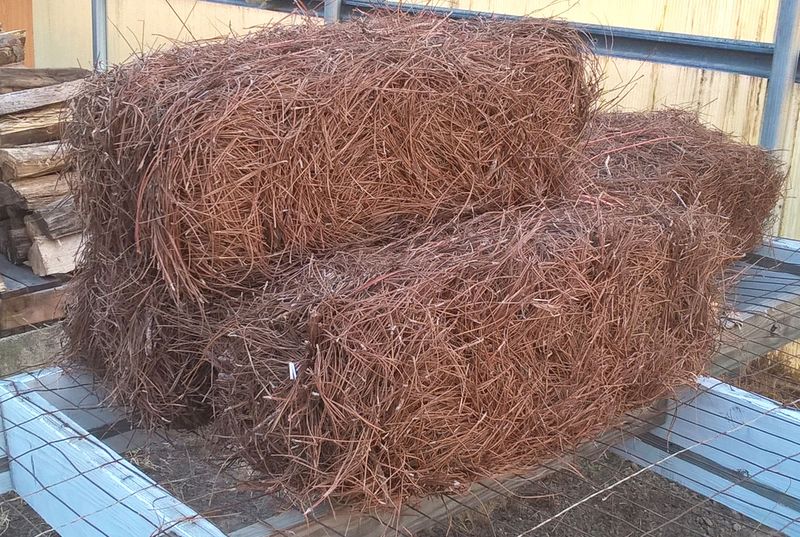
Spores are smaller than dust, and that is exactly the problem. One fertile frond can release huge numbers of them, and they drift easily through the air.
Pine straw is raked from the floors of pine plantations and forests.
When those stands are infested, spores, frond pieces, and even bits of rhizome can get raked up with the needles. Then the bales are tied, stacked, and shipped to stores and landscapers.
Georgia is one of the top pine straw producing states, so a lot of straw moves around the region each year.
Most bales are probably fine, but there is no simple way to tell by looking. Spores are far too tiny to see, and dried fern bits blend right into brown needles.
Fertile fronds tend to show up in late summer and fall, with small fringed edges on the leaflets.
Straw harvested from infested areas during or after that season may carry a higher risk. Still, timing alone does not guarantee a bale is clean.
One helpful habit is to spread new straw where you can watch it closely.
Keep an eye on fresh mulch for a full growing season. A few unfamiliar sprouts are much easier to handle when you catch them in the first year.
4. Left Alone, It Can Smother Shrubs And Small Trees
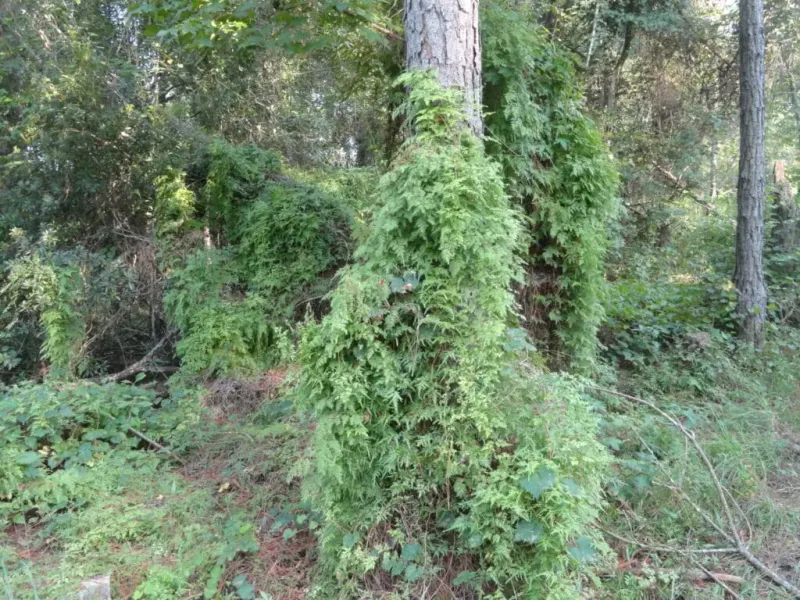
Give this fern a few seasons, and a bed can look buried. The fronds pile on top of each other and form thick mats over whatever they climb.
Plants underneath lose access to sunlight once those mats get heavy.
Azaleas, boxwoods, and young trees can weaken when they are shaded out for long stretches. Heavy growth can also bend or break thin branches, especially after rain soaks the foliage.
Woodland edges show the worst of it.
Across south and central Georgia, foresters have seen the fern cover pine seedlings and native groundcovers. In some areas, it crowds out wildflowers and plants that local wildlife use for food and shelter.
Home gardens usually face a smaller version of the same problem, but it still matters.
A shrub that is half covered may survive, but it often looks thin and patchy. Removing the fern early gives the plant a better chance to bounce back, though recovery depends on its age and health.
Walk your beds every few weeks from late spring through fall.
Gently unwind any fronds you find instead of yanking them, which can tear your shrubs. Bag the pieces rather than tossing them in a compost pile, since spores may survive there.
5. Brown Winter Growth Can Carry Fire Up Into Tree Canopies
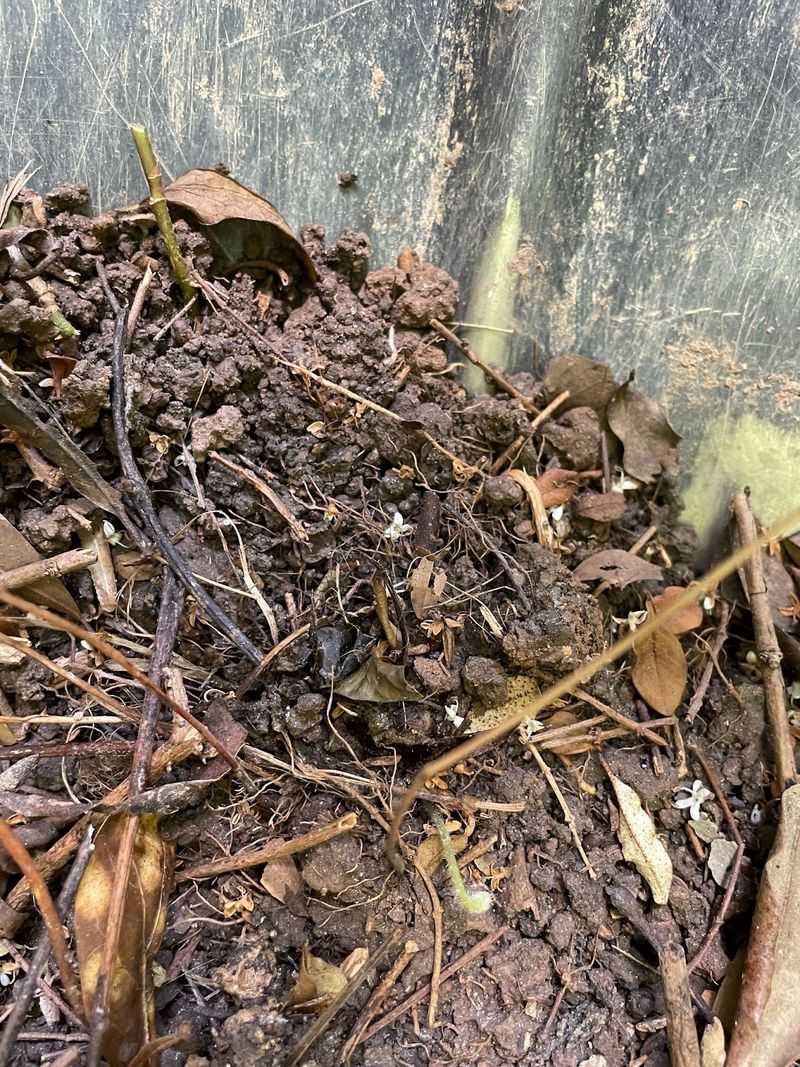
Dry fern hanging in a tree is basically kindling with a ladder attached. After frost browns the fronds, they often stay draped over branches all winter.
Fire experts call this a ladder fuel.
Ground fires normally stay low, especially controlled burns used to manage Southern pine forests. When dry fronds climb into lower limbs, flames can follow them upward and reach the canopy.
Crown fires are harder to control and do far more harm to trees.
Homeowners near wooded lots should pay attention here. Brown fern draped over shrubs next to a house or fence adds dry fuel that does not belong there.
Winter and early spring are typically drier in parts of Georgia, which raises the concern.
Weather varies a lot from year to year, so risk is not the same every season. Even so, clearing dry fronds is a smart, low-cost step that reduces fuel near your home.
Wear gloves and cut the dried stems at the base, then gently pull them down from branches.
Bag the material and avoid dropping it back onto mulched beds. Spores can still cling to old fronds, so tidy cleanup keeps you from spreading the problem around your yard.
6. Choose Pine Straw From Sources That Keep Invasive Plants Out
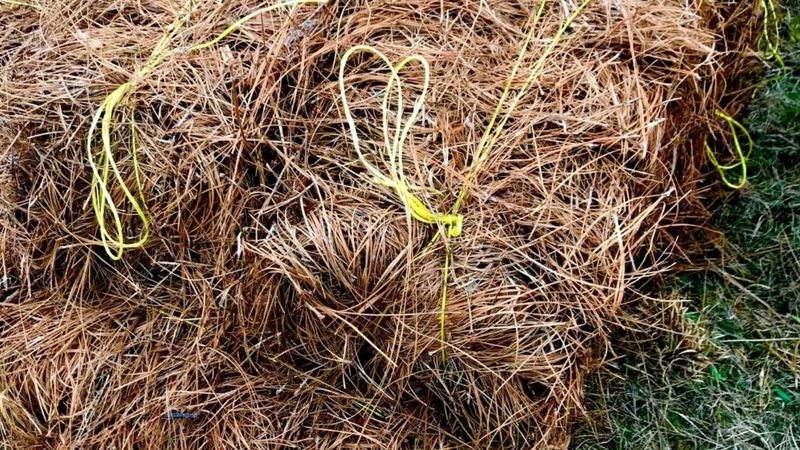
Asking where your mulch came from is not rude. It is one of the easiest ways to protect your beds before a single bale is opened.
Some sellers know exactly which farms supply their straw, while others have no idea.
Look for suppliers who can tell you how their pine stands are managed. Producers who regularly treat or avoid infested areas are a safer bet than mystery bales from a roadside truck.
Georgia has worked on certification efforts aimed at reducing invasive plants in pine straw, so ask whether a seller participates in one.
Programs and rules can change over time. Your county Extension office can tell you what options are current in your area.
Inspect bales before you buy them.
Pull back the outer layer and look for wiry stems or curled brown leaflets mixed into the needles. Clean straw is not proof of safety, but obvious fern pieces are a clear warning sign.
Price matters, but cheap straw can turn into an expensive headache later on.
If you use a landscaper, ask them the same questions about their supply. Good contractors usually appreciate a customer who cares about keeping weeds out.
7. Small Patches Are Far Easier To Control Than Established Mats
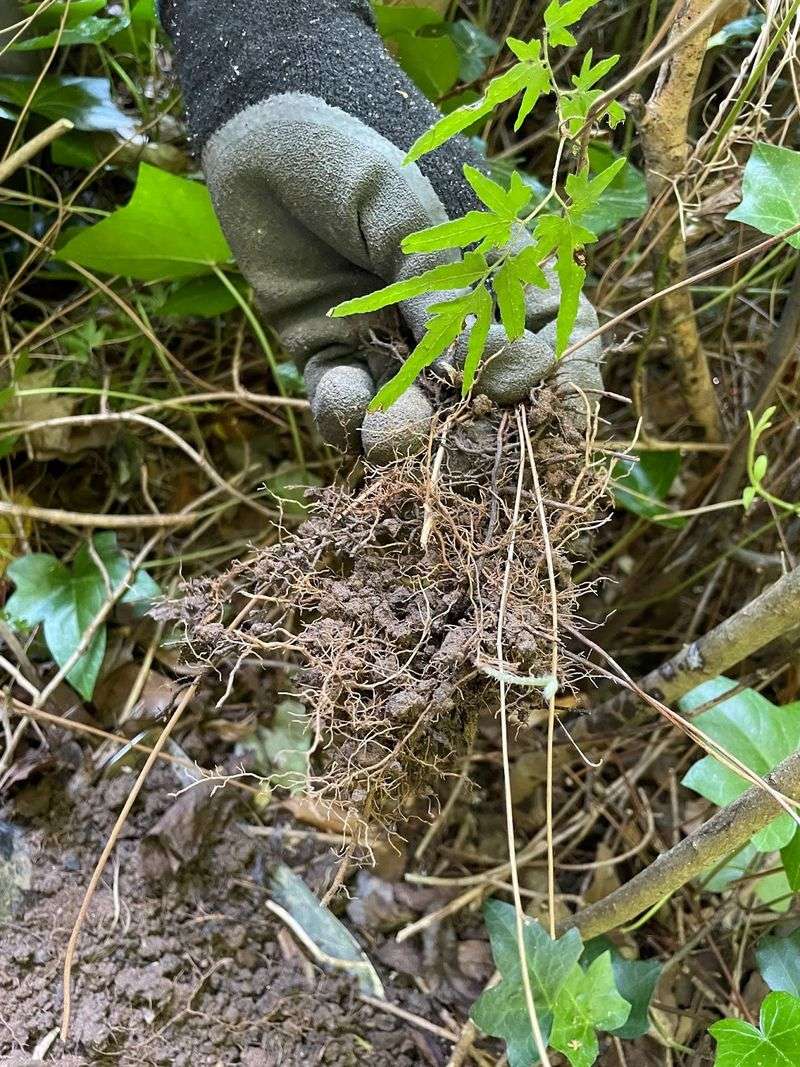
Ten minutes now can save ten weekends later. A handful of young fronds in your mulch is a small job, but a mature mat is a long fight.
Hand pulling works best on new sprouts in loose, moist soil.
Try to lift out as much of the wiry rhizome as you can. Expect a few to return, so check the same spot every couple of weeks during the growing season.
Larger patches may call for herbicide.
Products with glyphosate or certain other active ingredients are commonly recommended for this fern. Always read the label, protect nearby plants, and follow local guidance on timing and rates.
Results vary with weather, plant size, and how thoroughly the fronds are covered, so follow-up treatments are common.
Late summer or early fall is often suggested for spraying, before spores are released. Your Extension office can confirm what timing works best in your part of Georgia.
Patience is part of the plan.
Rhizomes can hang on for more than one season, even after the top growth fades. Keep notes on where you found sprouts, and stay watchful for a year or two after the last one appears.