How To Care For Christmas Cactus During Fall In Pennsylvania
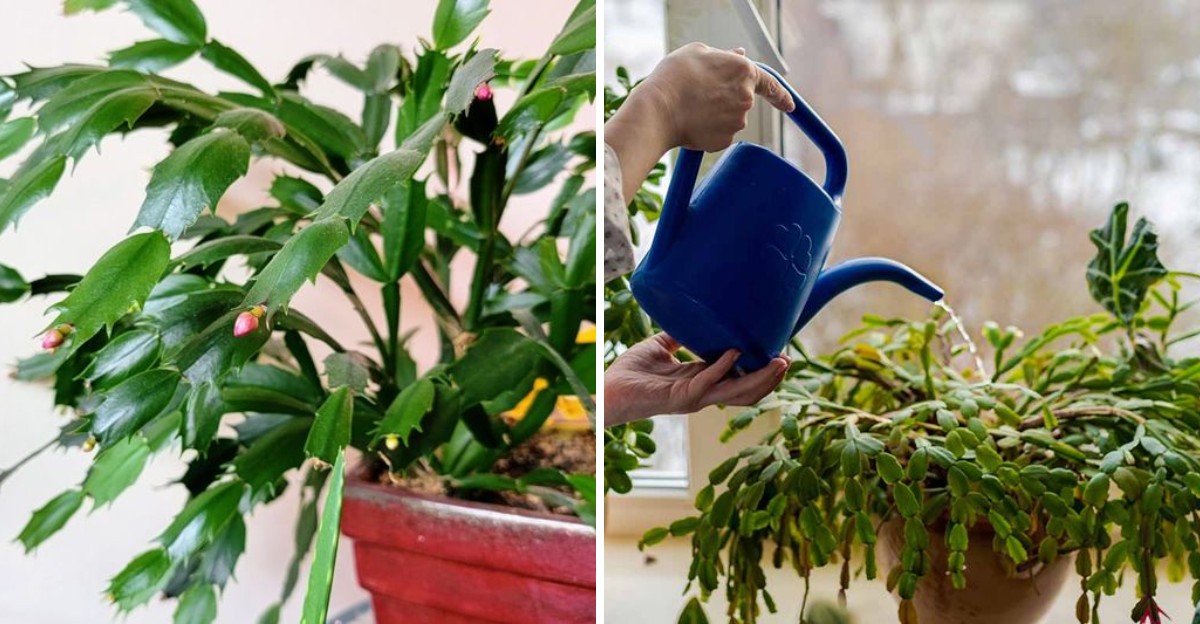
There’s nothing more frustrating than watching a Christmas cactus fill up with plump buds, only to have them drop to the floor one by one. It happens in a lot of Pennsylvania homes, and it usually starts in the fall.
The funny thing is that Pennsylvania’s fall weather is nearly perfect for this plant. Cool nights and shorter days are exactly what it needs to start setting flower buds.
The trouble often begins indoors. Once the furnace kicks on, rooms get warm and dry.
Lamps stay on late into the evening. Pots get moved from one windowsill to another. Each of these small changes can confuse the plant and throw off its bloom schedule.
With a few smart adjustments this fall, you can let the season do most of the work and enjoy a cactus covered in color by the holidays.
1. Use Pennsylvania’s Cool Fall Nights To Your Advantage
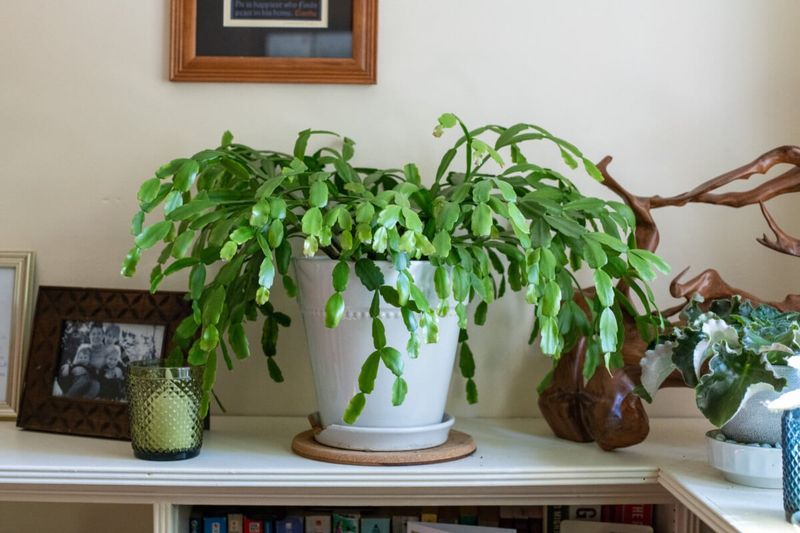
Mother Nature does some of the hard work for you each fall. Christmas cactus forms flower buds when nighttime temperatures stay around 50 to 60 degrees Fahrenheit. In Pennsylvania, early fall often brings exactly that kind of weather.
September evenings across the state usually cool down nicely while days stay mild. A plant sitting on a sheltered porch can feel that change and start getting ready to bloom. Think of the cool air as a gentle wake-up call for the plant.
Choose a spot that gets shade or filtered light during the day. A covered porch, a patio under a tree, or a spot near the house works well. Direct afternoon sun can scorch the leaves, so keep it protected.
Watch the weather forecast closely during these weeks. Pennsylvania weather can swing quickly, especially in the mountains and northern counties. A cheap outdoor thermometer near the plant helps you know what it really feels at night.
Here is a fun fact. Christmas cactus is not a desert plant at all. It comes from the cool, misty mountain forests of Brazil, where it grows on tree branches. That is why it enjoys cool nights instead of blazing heat.
Keep the plant off the bare ground. Set it on a small table or plant stand so slugs and crawling bugs have a harder time reaching it. Raised spots also stay a little drier after rain.
A few weeks outside can make a real difference. Many gardeners notice tiny buds forming at the leaf tips by late September or early October.
When you see those little bumps, you know your plan is working, and the next steps become even more important.
2. Bring It Inside Before Nights Get Too Cold
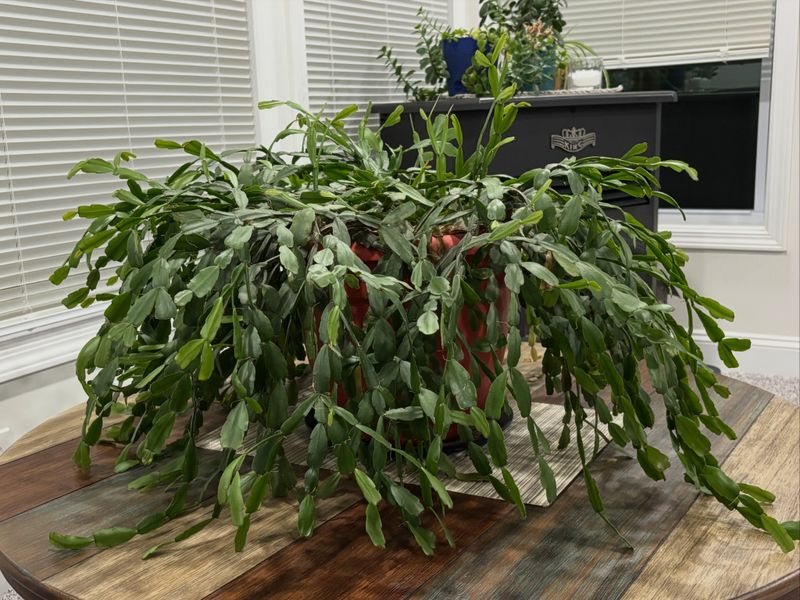
Timing matters a lot once October rolls in. Pennsylvania nights can drop fast, and one surprise cold snap can hurt your plant. Christmas cactus does not handle near-freezing air well at all.
A good rule is simple. Once nights start falling into the 40s, it is time to bring the plant indoors. Do not wait for the first frost warning, because by then it may be too late.
Your Pennsylvania Garden Changes Every Week. Your Plan Should Too.
Gardening in Pennsylvania changes quickly throughout the season. Every Friday you’ll receive a simple weekly plan showing exactly what to plant, prune, fertilize, harvest, and protect so you never miss the right timing.
Frost damage shows up as limp, mushy, or darkened segments. The plant may recover slowly, but it could lose its buds. Moving it inside a little early is always the safer choice.
Before you carry it in, take a few minutes to check for pests. Look under the leaves and along the stems for tiny bugs. Mealybugs look like small bits of white cotton, and spider mites leave fine webbing.
Also check the soil surface. Fungus gnats, ants, and small beetles like to hide in outdoor pots. Nobody wants those critters spreading to other houseplants.
If you spot pests, deal with them outside first. Wipe the leaves with a damp cloth or spray them gently with water. For stubborn bugs, a mild insecticidal soap works well.
Some people like to set the pot in a sink and rinse the leaves before moving it in. Just let it drain fully afterward. A quick cleaning keeps your home bug-free.
Try to make the move gentle. Pick a cool indoor room so the change is not too sudden. A bedroom with the heat turned low or an unheated sunroom can feel close to the porch, which helps the plant settle in calmly.
3. Give It Long, Dark Nights
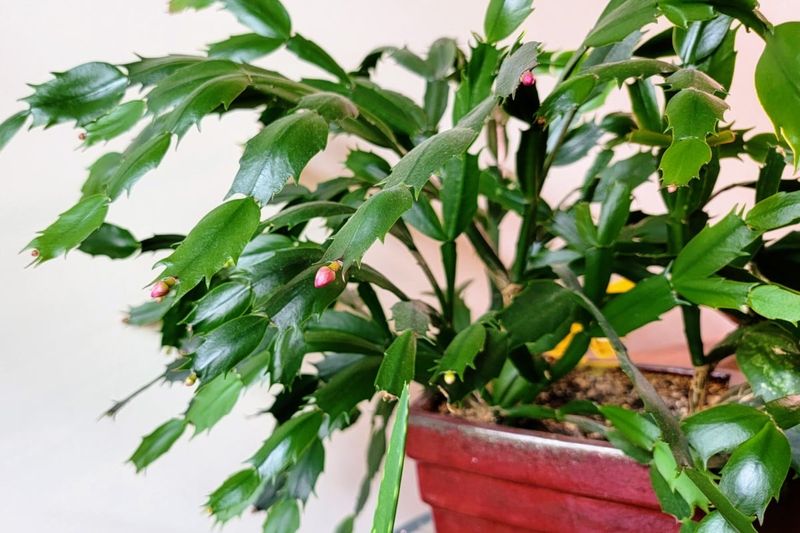
Darkness is the secret ingredient most people miss. Your Christmas cactus needs about 12 to 14 hours of total darkness every night. It needs that routine for around six weeks to form plenty of buds.
Plants actually measure the length of the night. When nights get long enough, the plant knows winter is coming and starts making flowers.
Scientists call this response photoperiodism, which is a fancy word for reacting to day length.
Even a little light can break the spell. A lamp turned on for an hour or a bright TV screen can reset the plant’s clock. Streetlights shining through a window can also cause trouble.
The easiest fix is choosing the right room. A spare bedroom, guest room, or quiet office that nobody uses at night works great. Just let the plant sit there and enjoy the natural darkness after sunset.
No empty room? No problem. You can cover the plant with a cardboard box or a dark cloth each evening around 5 or 6 p.m. Remove it in the morning so the plant still gets daylight.
Setting a phone reminder helps you stay on track. Missing one night here and there is not a disaster. Still, try to be steady, because consistent darkness gives the best results.
Once buds are clearly visible and growing, you can relax a bit. Most of the hard work is done by then.
The plant can move back into your normal living space if you want to enjoy it, though keeping it calm and steady is still wise. Pretty soon, those small buds will swell and open into bright, hanging blossoms.
4. Find A Bright Spot Without Harsh Sun
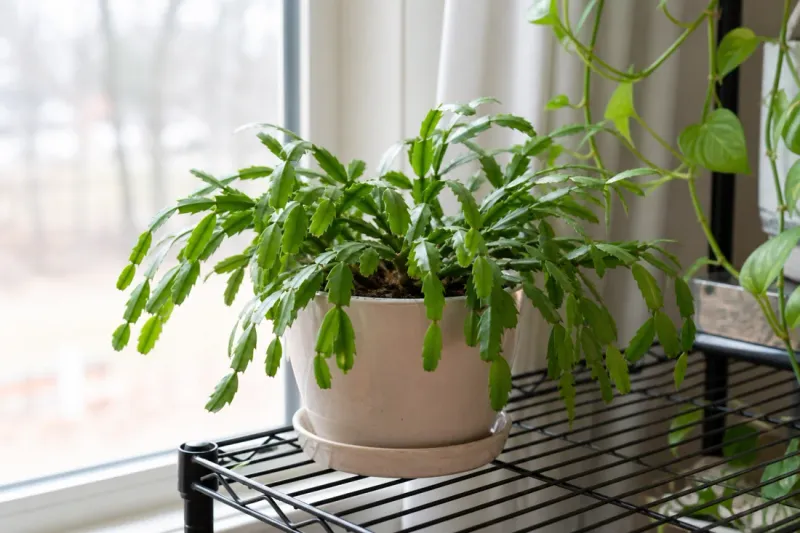
Light during the day is just as important as darkness at night. Your plant uses daytime light to make energy for growing buds. Without enough of it, the buds may stay small or fall off.
Bright, indirect light is the sweet spot. That means plenty of brightness without hot sun beaming right on the leaves. In its home forest, the plant grows under a leafy canopy, so filtered light feels natural to it.
Fall days in Pennsylvania get shorter quickly. By late October, the sun sets well before dinner time. That makes good window placement extra important.
East-facing windows are often the best choice. They give gentle morning sun that warms the plant without burning it. West-facing windows can work too, especially in fall when the afternoon sun is weaker.
South-facing windows are brighter. They can be fine if you hang a sheer curtain to soften the light. North-facing windows usually do not offer enough light during gloomy Pennsylvania autumns.
Your plant will tell you if something is off. Reddish or purple leaves can mean too much sun. Pale, stretched-out stems often mean it wants more light.
Turn the pot a quarter turn every week or so. That keeps the plant from leaning toward the window. It also helps buds form evenly all around.
Keep the windowsill in mind on cold nights, though. Glass can get very chilly once November arrives. If leaves touch the window, slide the pot back a few inches so the plant stays comfortable while still soaking up daylight.
5. Water A Little Less Often
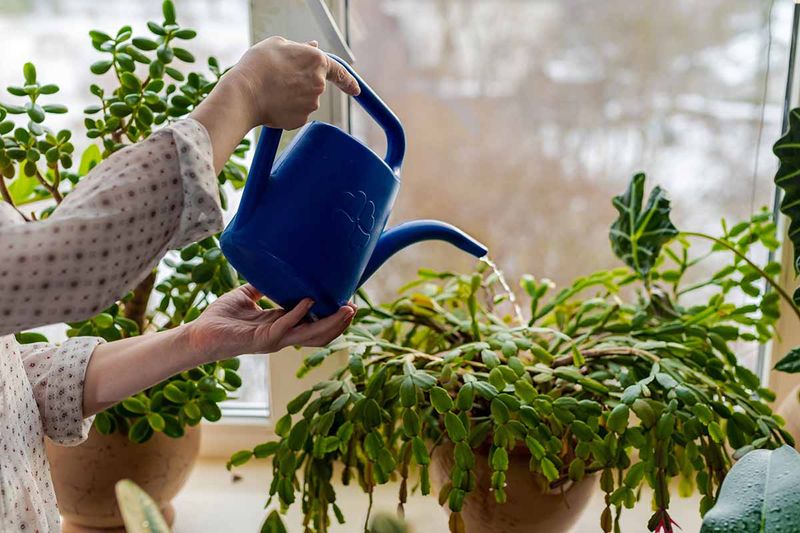
Overwatering is one of the most common mistakes with this plant. Lots of folks love their Christmas cactus a little too much with the watering can. In fall, it actually prefers a lighter touch.
During bud formation, let the top inch of soil dry out between waterings. Push your finger into the soil to check. If it feels dry at your first knuckle, go ahead and water.
Still, never let the soil dry out completely. Bone-dry soil can stress the plant and cause buds to drop. Aim for a balance that is slightly moist deeper down.
Drainage makes a huge difference. Your pot should have at least one hole in the bottom. Without it, extra water sits at the roots and causes rot.
Root rot is sneaky. You might see wilting leaves and think the plant needs more water, when it really has too much. Soft, dark stems near the soil are a warning sign.
When you water, do it thoroughly. Pour until water runs out the bottom, then let it drain. Empty the saucer after about 15 minutes so the pot is not sitting in a puddle.
Soil type helps too. A loose mix made for cactus or succulents, with a little extra perlite, lets water flow through easily. Heavy garden soil holds too much moisture.
Most people end up watering about once every week or two in fall. Your schedule depends on your home’s temperature, pot size, and humidity. Checking the soil each time is far more reliable than following the calendar.
6. Stop Fertilizing In Early Fall
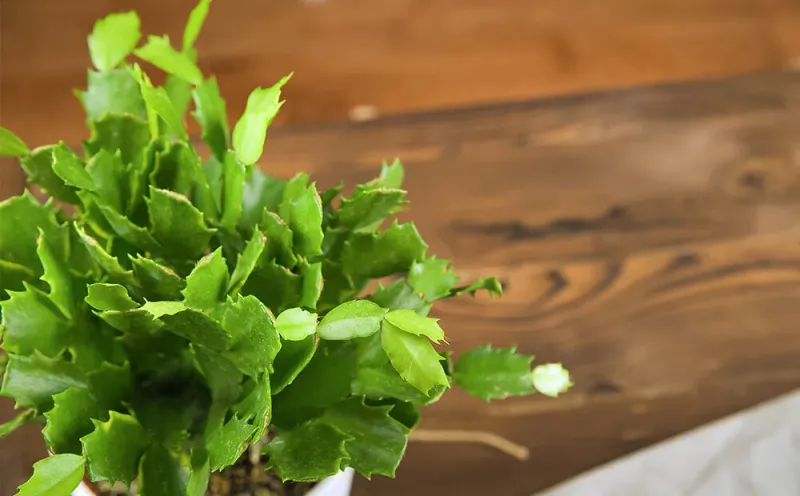
Sometimes the best care means doing less. Plant food sounds helpful, but in fall it can work against you. Feeding your Christmas cactus now pushes it to grow leaves instead of flowers.
Think of it like this. Fertilizer tells the plant to keep growing and stretching. Bud formation, however, needs the plant to slow down and switch modes.
Stop fertilizing by early fall. For most Pennsylvania gardeners, that means around the start of September. If you forgot and fed it in mid-September, simply stop now and do not worry too much.
The plant has stored enough energy from spring and summer feeding. It can use those reserves to build its buds. Extra nutrients are not needed during this season.
Too much fertilizer can also build up in the soil. White crust on the soil surface or pot rim is a sign of salt buildup. If you see it, water deeply a few times to rinse the soil out.
So when do you start again? Wait until spring after blooming has finished. Once new growth appears, usually around March or April, you can feed it again.
A balanced houseplant fertilizer mixed at half strength works well. Feed about once a month through summer. Some growers like a formula a bit higher in phosphorus to support future flowers.
Here is a handy trick. Write the stop and start dates on a sticky note and put it near your plant supplies.
A simple reminder keeps the routine easy year after year, and your cactus will thank you with a fuller show of blossoms.
7. Protect It From Dry Heat And Sudden Changes
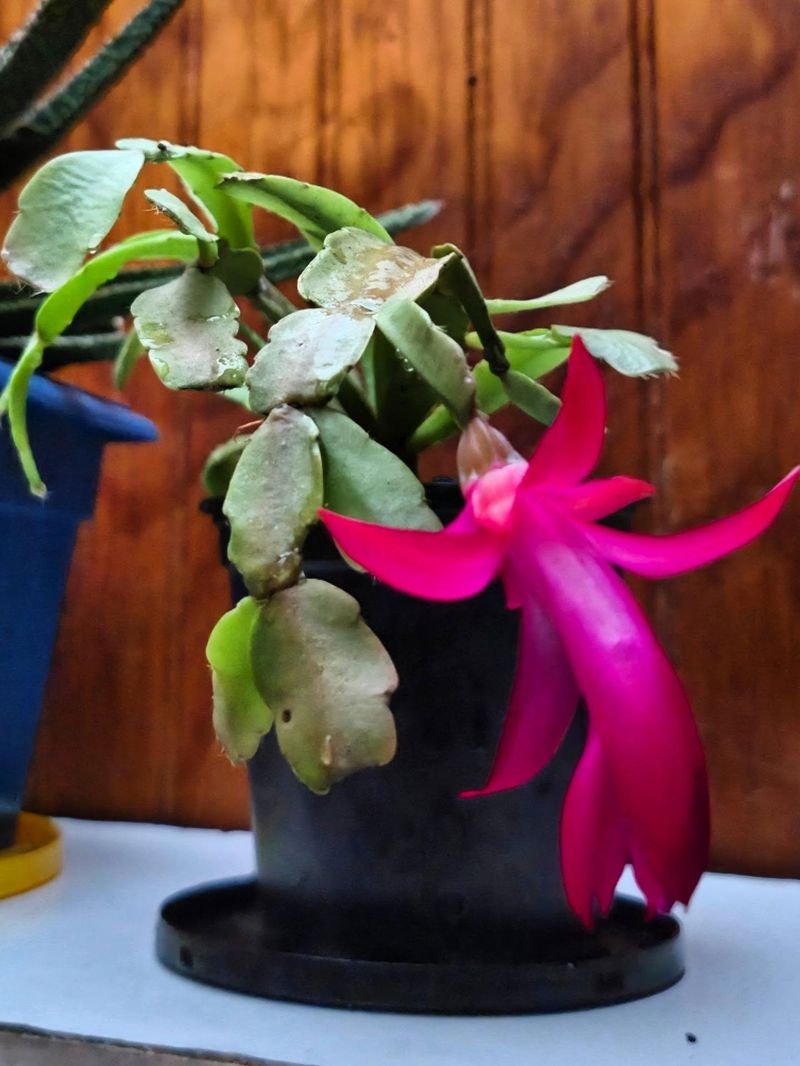
Nothing is more heartbreaking than seeing buds fall to the floor. Bud drop often happens right after the furnace kicks on in late fall. Warm, dry indoor air stresses the plant quickly.
Pennsylvania homes can get very dry in winter. Indoor humidity sometimes falls below 30 percent. Your Christmas cactus, a native of humid forests, would much rather have air closer to 50 percent.
Keep the plant away from heating vents and radiators. Blasts of hot air dry out the leaves and buds fast. Even a few feet of distance can help a lot.
Cold drafts are just as bad. Avoid spots near outside doors, drafty windows, or air returns. Every time the front door opens on a chilly November day, the plant feels it.
Raising the humidity is easy. Set the pot on a tray filled with pebbles and a little water, keeping the pot bottom above the waterline. A small humidifier nearby also works well, and grouping plants together helps too.
Once buds appear, try not to move the plant. It may sound strange, but even shifting it to a new room can cause buds to drop. The plant gets used to its light and temperature and dislikes surprises.
Turning it a little on the same windowsill is usually fine. Just avoid carrying it around the house to show off to guests. Let visitors come to the plant instead.
Keep things steady and calm through the holidays. With stable warmth, gentle humidity, and few changes, your Christmas cactus can stay in bloom for several weeks and brighten the darkest days of the year.