The Mid-October Lawn Seeding Deadline Every Virginia Homeowner Should Know
Your calendar might be the most important garden tool you own this fall. For new grass, the clock ticks louder than the leaves fall.
Across much of Virginia, mid-October is the point where cool-season seed still has time to settle in before winter. Miss it, and bare patches can stick around until spring.
Where you live, which seed you choose, and how you water all shape your results. Mountain yards face an earlier cutoff than coastal ones, so your local frost date matters.
Weed treatments can quietly sabotage new seed if you’re not careful. And if life gets busy, there’s still a clever backup plan.
Circle a date before the frost sneaks up on you. The steps below show how to make every seed count.
Cool-Season Grass Seed Should Go Down By Mid-October
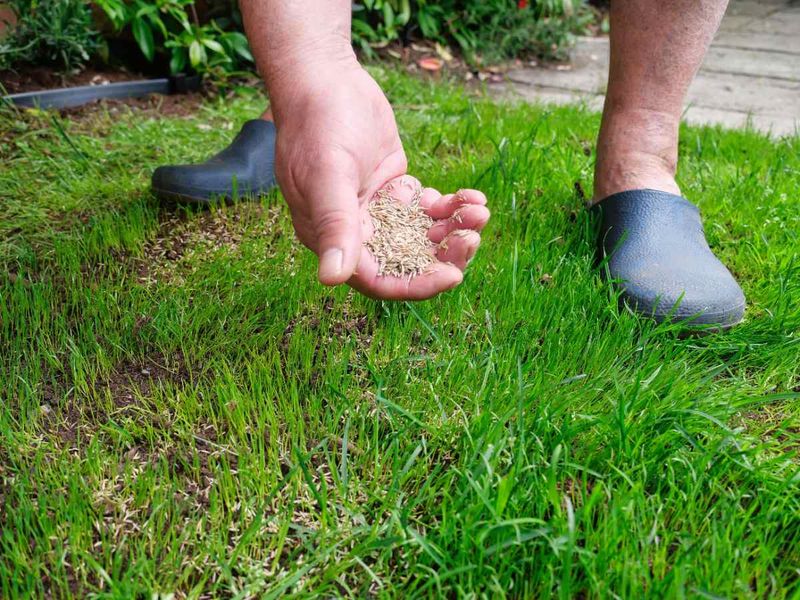
Picture your lawn as a student cramming before a big test. Grass seed needs study time before winter, and mid-October is roughly the last bell.
Experts point to mid-August through mid-September as the sweet spot for most Virginia lawns. In southern and southeastern parts of the state, the window can run from September 15 to October 15.
Warm soil and cool air create a rare combo in early fall. Seeds sprout quickly in that warm ground, while cooler days ease stress on tender blades.
Some sources stretch the window from late August into early November. Even so, pushing your luck past mid-October usually means thinner, weaker results come spring.
Weeds also slow down as autumn rolls in. Your baby grass faces less competition for sunlight, water, and nutrients during these weeks.
Think of the deadline as a planning tool rather than a scary cutoff. Count backward from your first expected frost and give yourself a little cushion.
A smart move is to buy seed and supplies by mid-September. Waiting until stores run low can push your planting date later than you hoped.
Check the ten-day forecast before you spread anything. A stretch of mild days with light rain in the outlook makes a fantastic launch pad.
Write the date on your fridge calendar or set a phone reminder. Small steps like that keep busy weekends from stealing your best planting days.
Seeding on time pays off with thicker turf next summer. Your future self, enjoying a lush green yard, will thank you for hustling now.
Seedlings Need Weeks Of Growth Before Frost
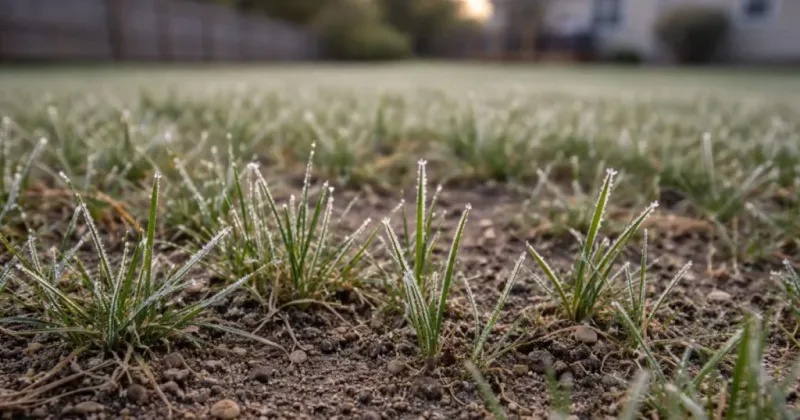
Six to eight weeks might sound like plenty of time. For a tiny grass seedling, though, those weeks are a race against the cold.
New grass needs that full stretch before the first hard frost to grow properly. Tall fescue specifically wants at least 45 days for sprouting and root building.
Roots are the real heroes here. Cool-season seedlings need about 42 days of underground growth before temperatures hit 32 degrees.
Across much of the mid-Atlantic, including Virginia, the first hard frost often lands around October 17. Doing the math shows why early October planting feels so urgent.
Here is a simple trick for planning. Look up your town’s average first frost date, then subtract six weeks to find your target.
Your Virginia Garden Changes Every Week. Your Plan Should Too.
Gardening in Virginia changes quickly throughout the season. Every Friday you’ll receive a simple weekly plan showing exactly what to plant, prune, fertilize, harvest, and protect so you never miss the right timing.
Shallow roots struggle through winter. Freezing and thawing can push weak seedlings right out of the ground, a problem called frost heaving.
Late planting also leads to spotty coverage. Some seeds sprout, others sit idle, and you end up with a patchy lawn by March.
Healthy blades above ground are a good sign, but roots matter more. Gently tug a seedling after a few weeks to feel how firmly it grips.
Give young grass a light feeding with starter fertilizer at seeding time. Extra phosphorus encourages roots to stretch deeper before the chill arrives.
Patience is part of the process too. Those quiet weeks underground set the stage for a tougher, greener lawn when spring finally warms up.
Mountain Yards Face An Earlier Cutoff
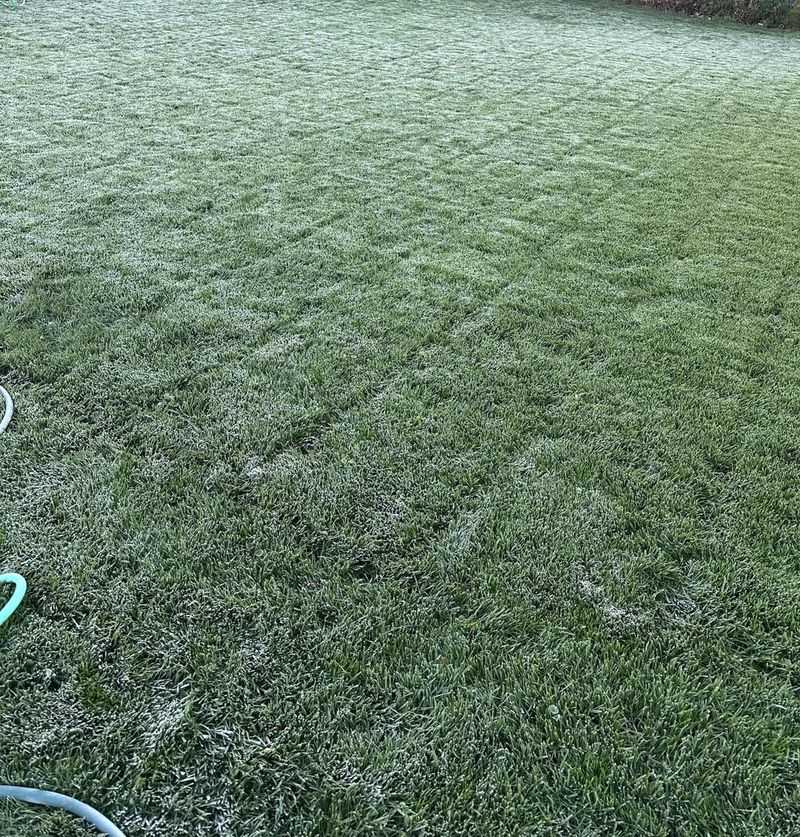
Up in the Blue Ridge, autumn arrives with a little more bite. Mountain gardeners often feel the first chill while lowland friends still wear shorts.
Elevation changes the whole schedule. In western Virginia, yards above 1,200 feet should aim for an earlier seeding window.
The best dates in these higher areas usually run from mid-August to mid-September. Waiting until October can leave seedlings scrambling against early cold snaps.
Towns like Blacksburg and Harrisonburg often see first frost around October 15. Blacksburg’s average first freeze lands even sooner, near October 10.
Count back six weeks from those dates and the picture gets clear. Late August or early September becomes your realistic target in the hills.
Slopes add another wrinkle. Rain can wash seed downhill, so lightly covering it with straw helps hold everything in place.
Cold air also settles in valleys overnight. A yard at the bottom of a hollow may frost earlier than one higher on the ridge.
Keep a simple thermometer outside your back door. Tracking your own nighttime lows gives you better info than any regional average.
Labor Day weekend makes a handy reminder for mountain seeding. Many folks already have time off, and the weather is often friendly.
Planning around your altitude may feel like extra work. Still, beating the mountain chill means a sturdier lawn that handles snow and ice with ease.
Coastal Yards Get A Little Extra Time

Salty breezes and mild autumns give coastal gardeners a sweet advantage. Ocean water holds summer warmth longer, delaying that first frosty morning.
Virginia Beach usually sees its first air frost around November 2. A hard ground frost might not show up until December 11.
Norfolk enjoys a similar bonus, with a typical first fall frost near November 16. That gap gives tidewater lawns some breathing room.
Here comes the catch, though. Even with warmer weather, experts still suggest wrapping up seeding by mid-October.
Chesapeake homeowners are often advised to finish by October 7. That timing keeps the six-to-eight-week growth rule safely on track.
Extra time works best as a safety net, not a reason to wait. Think of it like bonus minutes in a game you should already be winning.
Sandy coastal soil drains fast and can dry seed quickly. Mixing in compost helps hold moisture where young roots need it most.
Wind is another factor near the shore. Light straw mulch keeps seed from blowing away and shades the surface from drying gusts.
Salt spray can stress grass close to the water. Rinsing exposed areas with fresh water after storms gives seedlings a friendlier start.
Coastal folks can relax a bit if a September weekend slips by. Just keep that early October target in sight for the best results.
Tall Fescue Is The Go-To Choice

Walk through almost any Virginia neighborhood, and you will likely spot tall fescue. Turf-type varieties rule the home lawn market here.
The state sits in what experts call the transition zone. Summers get hot, winters get cold, and many grasses struggle with that mix.
Tall fescue handles both extremes better than most choices. Deep roots help it ride out summer dry spells without fading too badly.
Modern turf-type blends offer finer blades than old pasture types. You get a softer, neater look that feels great under bare feet.
Fall is when this grass truly shines at planting time. Seed sown in autumn develops strong roots before facing its first brutal summer.
Shade tolerance is another perk. Fescue copes with partial shade better than many sun-loving options, which helps yards with big trees.
Fun fact for curious gardeners: tall fescue originally came from Europe. Farmers first grew it for livestock long before it became a lawn favorite.
Look for blends with several fescue varieties in one bag. Mixing types adds resistance to disease and helps the lawn look even.
Check the seed label for weed content and germination rate. Higher germination numbers mean more of your money actually turns into grass.
Aim for roughly six to eight pounds of seed per thousand square feet on new lawns. Overseeding thin areas usually needs about half that amount.
Good Seed-To-Soil Contact Makes Every Seed Count
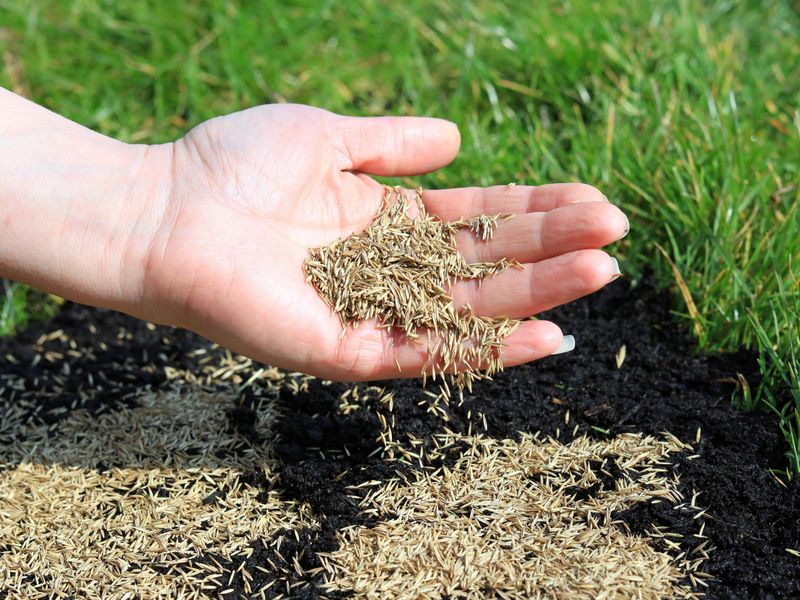
Tossing seed onto hard ground is a bit like throwing confetti on a parking lot. Most of it just sits there, waiting for wind or birds.
Seeds need to touch soil to sprout well. Close contact lets them soak up moisture and keeps them from drying out or washing away.
Aerating before seeding works wonders. A core aerator pulls small plugs of soil, opening pockets where seeds can settle in snugly.
Compacted ground loosens up through aeration too. Roots spread more easily when the soil is not packed tight like a brick.
Many garden centers rent aerators by the day. Splitting the cost with a neighbor makes the job cheaper and more fun.
After spreading seed, grab a leaf rake. Gently work the surface so seeds slip into the top quarter inch of soil.
Rolling the lawn with a light roller is another helpful step. Pressing seed down improves contact without burying it too deep.
Remove thick thatch before you start. A heavy layer of old stems can block seed from ever reaching the dirt below.
Leaves are a sneaky enemy in October. Rake them often so they do not smother sprouting grass or hide uncovered patches.
Putting in this effort means less wasted seed. Every handful works harder, and you spend less money fixing bare spots later.
Daily Light Watering Keeps Seeds Sprouting
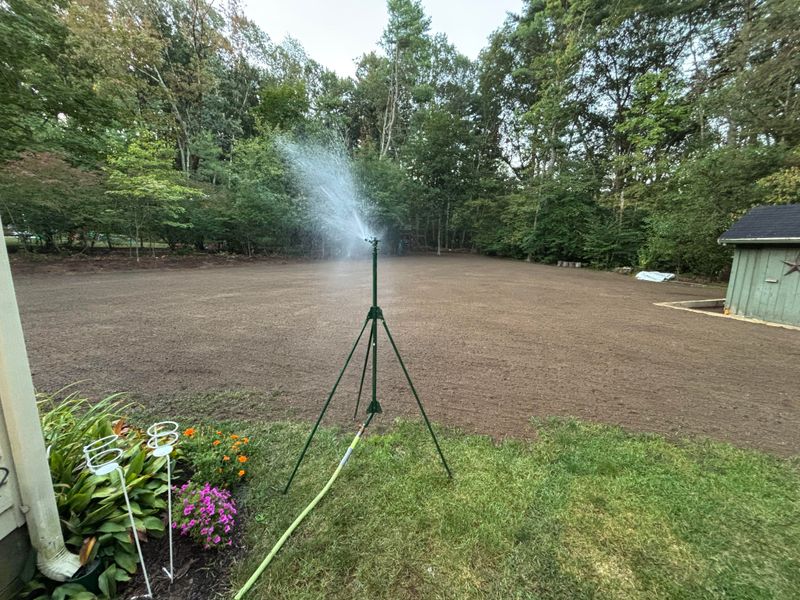
Thirsty seeds can be surprisingly picky. Too little water stalls them, while too much floods them away into the gutter.
New seedings often need several shallow drinks each day. The goal is keeping the top quarter to half inch of soil steadily moist.
Short sessions work better than long soaks early on. Five to ten minutes a few times daily usually does the trick.
Fall weather lends a helping hand here. Cooler temperatures and more frequent rain help soil hold moisture longer than in summer.
Morning is a great time to run sprinklers. Less water evaporates, and blades dry before evening, which lowers disease risk.
A simple hose timer can save your sanity. Busy families appreciate not racing home at lunch to turn on the water.
Watch the soil color as a quick guide. Dark, damp dirt is happy, while pale, crusty spots signal it is time for another drink.
Once grass reaches about an inch tall, start shifting your routine. Water less often but longer to push roots deeper.
Puddles mean you have overdone it. Standing water can rot seeds or carry them into low spots, leaving clumps and bare areas.
Keep foot traffic off soggy seeded areas. Kids, pets, and mail carriers can all leave footprints that crush delicate sprouts.
Skip Preemergent Weed Treatment Near New Seed
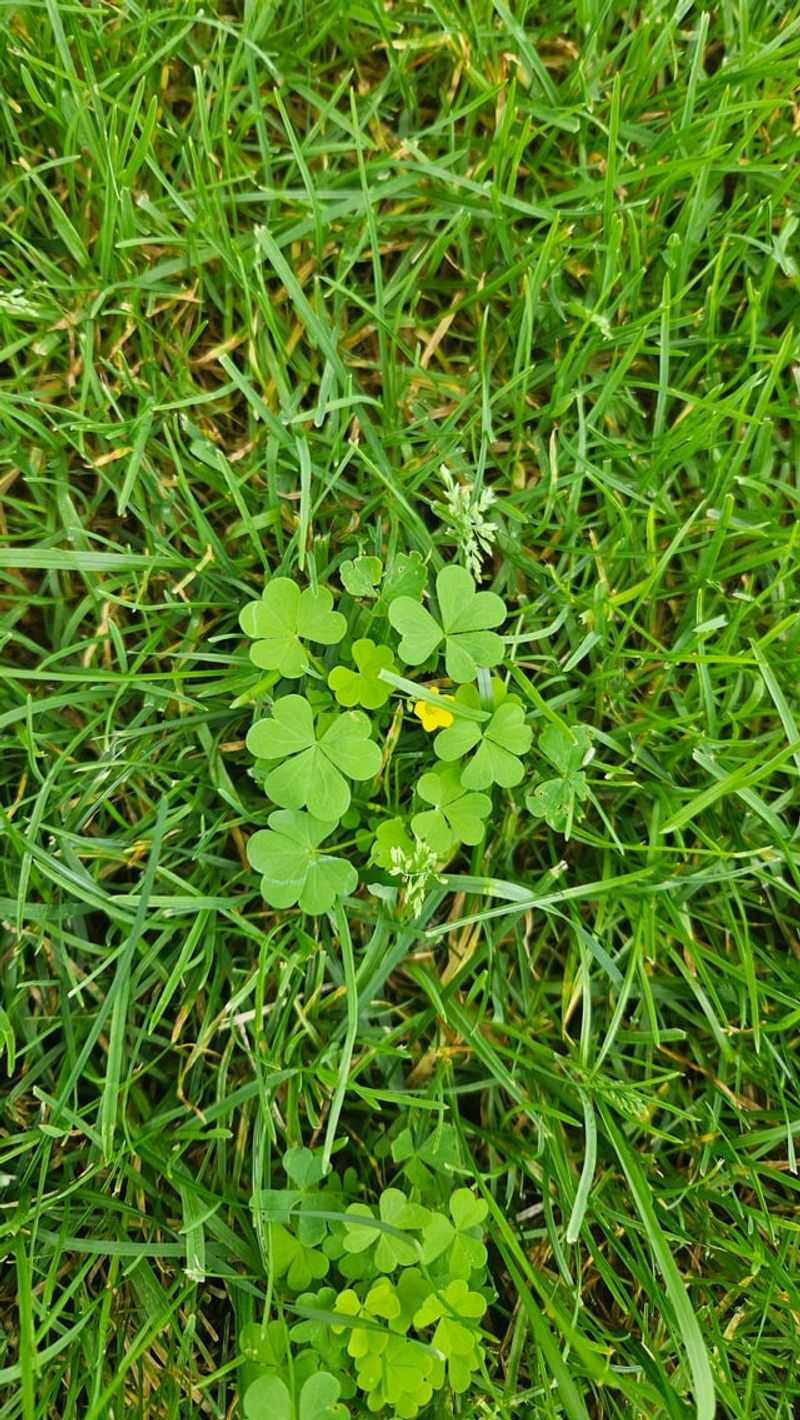
Many homeowners learn this lesson the hard way. They spread weed control in fall, then wonder why their new seed refuses to sprout.
Preemergent products build a chemical barrier in the soil. That barrier stops seeds from sprouting, and it cannot tell crabgrass from fescue.
Applying one near fresh seed basically cancels your hard work. Your grass gets blocked right alongside the weeds you meant to stop.
Some weed and feed bags include preemergents too. Read every bag carefully before tossing anything onto newly seeded ground.
One helpful exception exists for cool-season lawns. Products containing mesotrione, sold under names like Tenacity, are labeled safe at seeding time.
Mesotrione can manage certain weeds without stopping fescue from sprouting. Treated weeds often turn white for a while, which looks odd but is expected.
Timing still matters with other products. If you used a standard preemergent in spring, check the label for how long it lasts.
Many labels advise waiting several weeks or months before seeding. Ignoring that gap could leave your new lawn thin and frustrating.
Hand pulling works nicely for a few stubborn weeds. A thick, healthy stand of grass will crowd out many invaders on its own.
Save broadleaf sprays until new grass has been mowed a few times. Young blades need time to toughen up before facing harsher treatments.
Dormant Seeding Is The Backup Plan
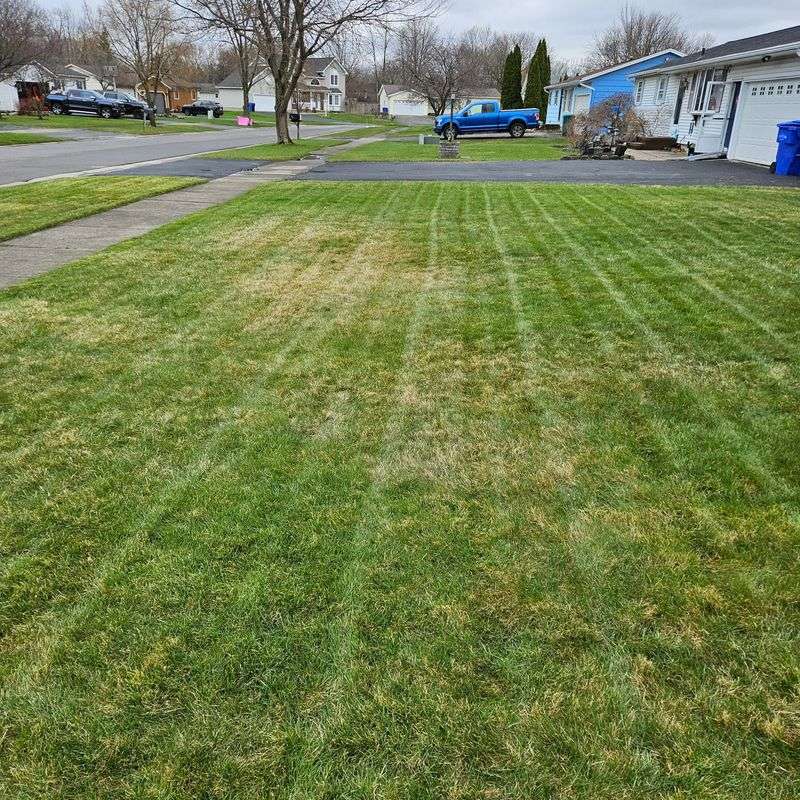
Life gets hectic, and October can slip away fast. Thankfully, missing the window does not mean giving up on a better lawn.
Dormant seeding offers a clever second chance. You spread cool-season seed in late fall or early winter, after soil cools down.
Soil temperatures should stay below 50 degrees, ideally under 40. The ground should still be workable rather than frozen solid.
Seeds simply rest in the chilly soil all winter. When spring warms things up, they wake and sprout early in the season.
Freezing and thawing cycles actually help. That natural movement nudges seeds deeper into the ground, improving soil contact for free.
Tall fescue, Kentucky bluegrass, and perennial ryegrass all handle this method well. Each one tolerates a long, cold wait before sprouting.
Avoid seeding too early with this approach. Warm spells could trigger sprouting, and tender shoots may not survive a sudden freeze.
A soil thermometer costs only a few dollars. Pushing it into the ground for a quick reading takes the guesswork out of timing.
Birds may snack on exposed seed during winter. Lightly raking afterward hides more of it from hungry visitors.
Results usually trail fall plantings a bit. Still, dormant seeding beats waiting until late spring, when summer heat stresses young grass quickly.