Is It Too Late To Aerate Your Ohio Lawn This Fall?
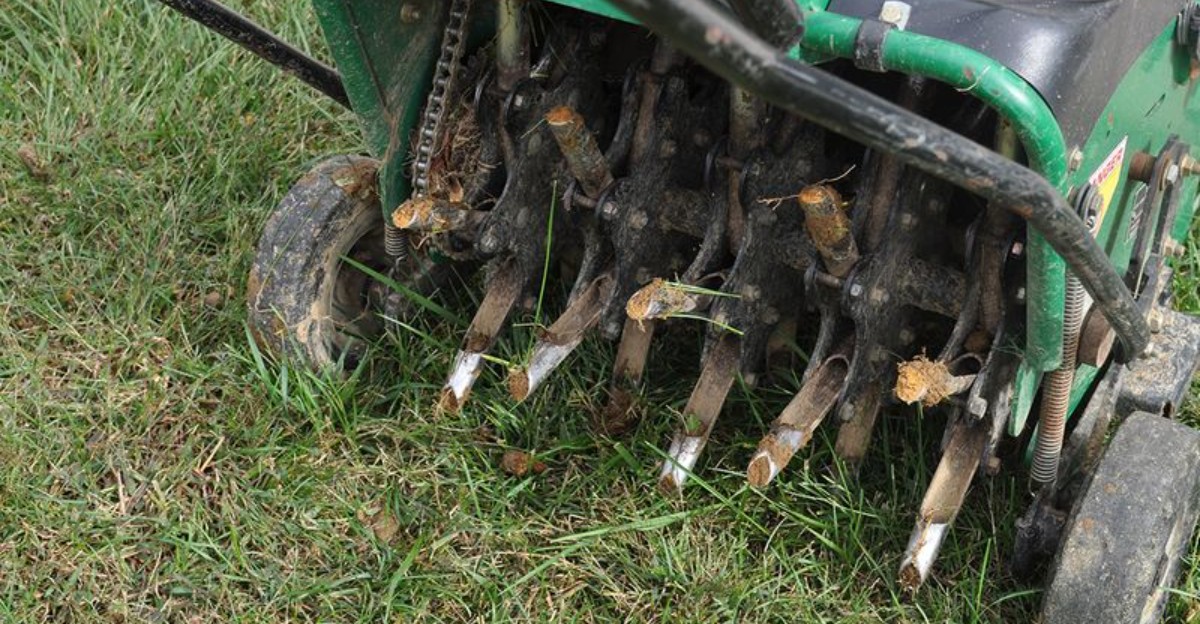
Rental shops see aerator reservations thin out by October, and homeowners often take that as a sign the season has passed.
For many Ohio lawns, though, there may still be time to get it done. Cool-season grasses like bluegrass and fescue keep growing well into fall, and that growth helps them recover.
The timing depends less on the date than on your soil and the weather ahead. Workable ground and actively growing grass both work in your favor.
Waiting too long can leave the lawn exposed heading into winter, with less time to fill in.
Push a screwdriver into the soil in a few spots this week to see how firm it is.
What you find there, along with the forecast, says more about your timing than the calendar does.
1. The Calendar Matters Less Than The Condition Of Your Grass
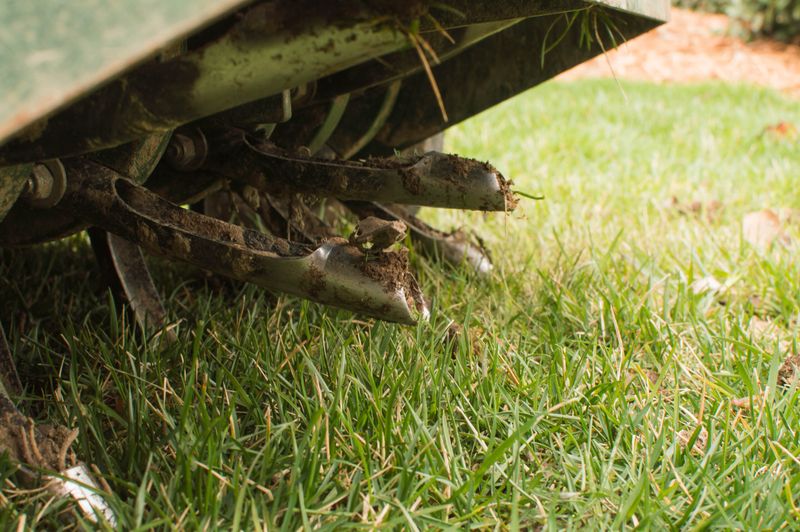
Dates on a calendar do not grow grass. What really counts is whether your lawn is still green, still growing, and still able to bounce back after being disturbed.
Fall aeration can still help if cool-season grass is actively growing and has time to recover before winter sets in.
So how do you tell? Watch your mowing schedule, because a lawn that still needs cutting every week or so is usually still putting out new growth.
Color offers another useful clue about how much life is left in the season.
Deep green blades that stand back up after you walk on them tend to signal healthy activity. Dull, slow grass that barely changes between mowings is often winding down for the year.
In Ohio, this point can arrive at different times depending on where you live and what the weather does each year.
A warm, mild October can extend active grass growth later into the season. An early cold snap can shorten it just as quickly, even in areas that usually stay mild.
Rather than circling a single date, give your lawn a quick walk-through and judge what you actually see.
If the grass still looks lively, aeration may still be worthwhile. If it already looks sleepy, other fall chores might deserve your time instead.
2. Cool-Season Lawns Respond Best During Active Fall Growth
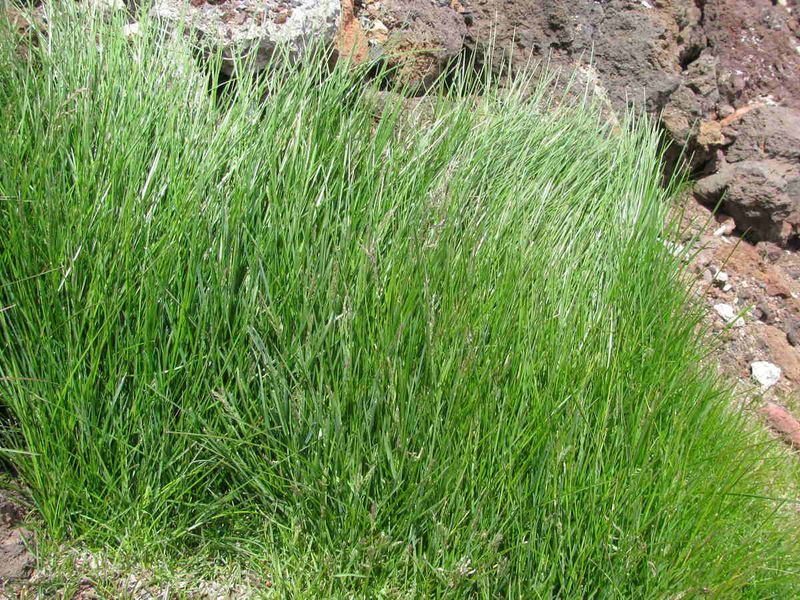
Kentucky bluegrass, tall fescue, and perennial ryegrass love cool weather. Those three grasses cover most lawns across Ohio, and fall is when they tend to do their best work.
Cooler air paired with soil that is still warm gives roots a comfortable place to spread out.
Aeration opens small holes right where roots are trying to grow. Those openings can let water and fertilizer travel down more easily while the grass is busy building strength for winter.
Timing matters because roots need a stretch of steady growth to fill in the holes and settle in.
Early to mid fall is usually the sweet spot for most homeowners. Many lawn experts point to late August through early October as a good general range, though local weather can nudge that a bit.
Overseeding often pairs nicely with aeration during this window.
Your Ohio Garden Changes Every Week. Your Plan Should Too.
Gardening in Ohio changes quickly throughout the season. Every Friday you’ll receive a simple weekly plan showing exactly what to plant, prune, fertilize, harvest, and protect so you never miss the right timing.
Aeration can expose more soil and improve seed-to-soil contact when overseeding. Just remember that new seed needs several weeks of mild weather to become sturdy enough for winter.
Warm-season grasses like zoysia follow a different schedule and usually prefer early summer aeration instead.
Knowing your grass type is a smart first step. A quick look at a few blades, or a question at a local garden center, can clear that up.
3. Compacted Soil Is A Stronger Reason To Aerate Than Habit
Aerating every year just because a neighbor does it is not much of a plan.
Hard, packed soil is the real reason to pull plugs. Ground gets squeezed tight from kids playing, dogs running, cars parking, or heavy clay that settles over time.
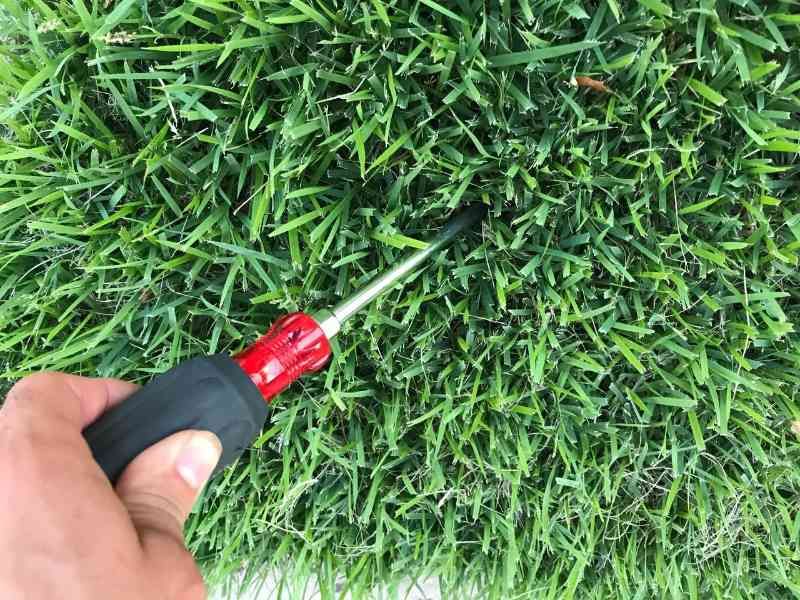
Try a simple screwdriver test after a decent rain. Push a long screwdriver into the lawn, and if it fights you after just an inch or two, compaction may be a problem.
Other warning signs are easy to spot once you start looking.
Puddles that sit for hours, thin patches along walking paths, and grass that struggles even with good care can all point to tight soil. Clay is common in parts of Ohio, and it tends to pack down more easily than looser, sandy ground.
Some lawns honestly do not need aeration every fall.
Yards with loose soil and light foot traffic may do fine with aeration every two or three years. Busy lawns with heavy clay might benefit from more frequent attention.
Late in the season, this difference becomes even more important when you are deciding what to do.
A badly compacted lawn might justify squeezing in late aeration if the grass is still growing. A healthy, loose lawn can usually wait until the next suitable aeration window without much harm.
4. Core Aeration Works Better When Soil Is Slightly Damp
Bone-dry ground is the enemy of a good aeration job.
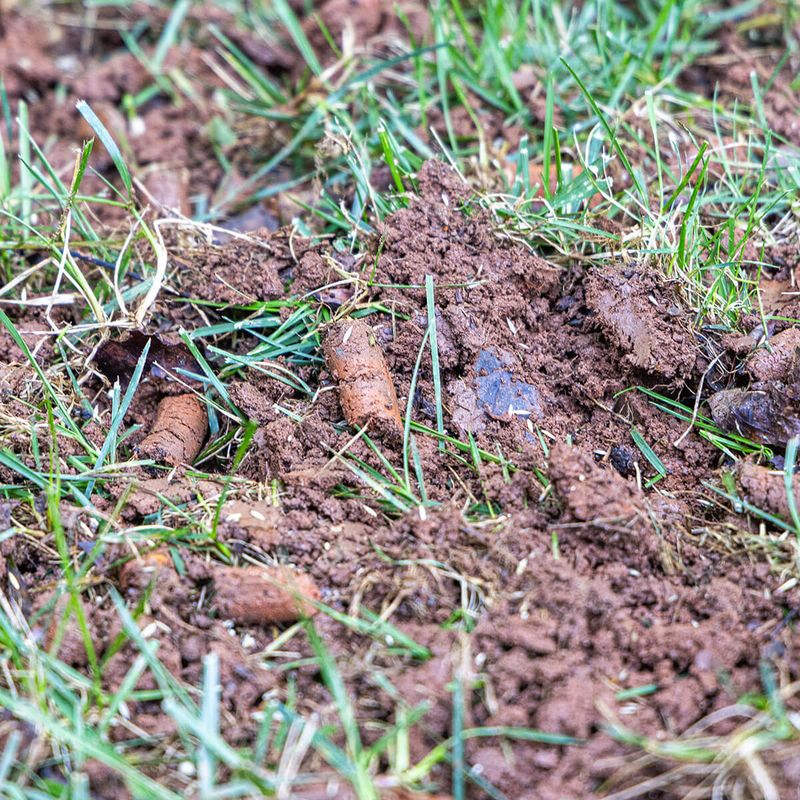
Hollow tines tend to bounce off hard soil or pull only shallow, crumbly plugs. Soaking wet ground causes the opposite trouble, turning into a muddy mess that can smear and compact the holes.
Aim for soil that feels moist but not soggy when you press it with your fingers.
A day or two after a soaking rain often works well. If fall has been dry, watering the lawn about an inch the day before can help soften things up enough for the tines.
Fall weather in Ohio swings back and forth, so a dry September can turn into a rainy October fast.
Keep an eye on the forecast and plan around it. Rushing out the morning after a downpour might leave ruts from the machine, especially on heavy clay.
Good plugs are usually two to three inches long.
Leave them on the lawn after you finish. They break down over a week or two with rain and mowing, and the soil returns to the surface in a helpful way.
Late-season moisture can work in your favor, since cooler days dry the soil more slowly than summer heat does.
5. Frozen Ground Signals That The Fall Window Has Closed
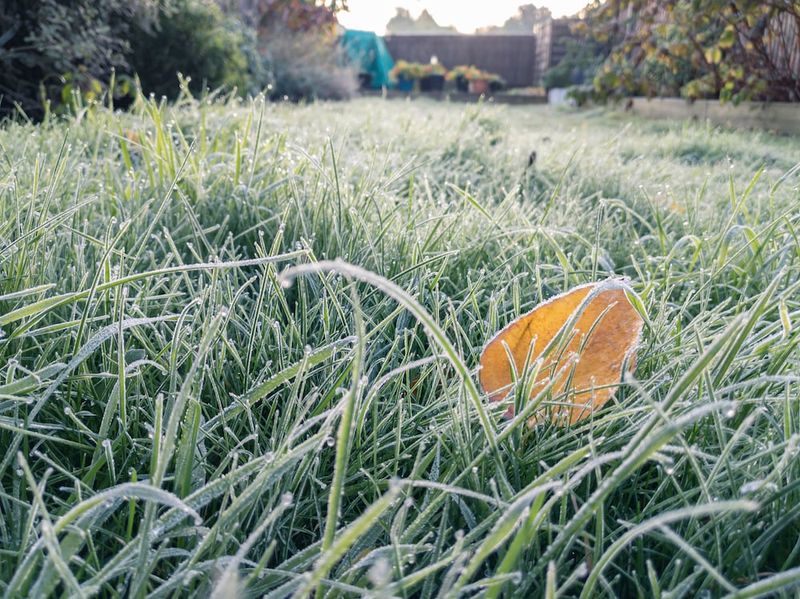
Once the soil locks up with cold, the aerator should stay in the garage.
Tines cannot push through frozen ground in any useful way. Forcing a machine across it may also damage the grass crowns and leave the lawn more exposed to winter stress.
A light morning frost is different from frozen soil, and the two often get confused.
Frosty grass that thaws by noon may still have workable ground underneath. Even so, it is wise to stay off frosted blades until they thaw, since walking on them can bruise the grass.
Timing for that hard freeze varies a lot across Ohio.
Northern counties and snowbelt areas east of Cleveland often see colder soil earlier in the season. Southern parts of the state may keep softer ground for several weeks longer, depending on the year.
Areas right along Lake Erie can be tricky, because the lake can keep shoreline spots a bit milder in fall than inland towns nearby.
Check the ground yourself with a shovel or a screwdriver if you are unsure. If the soil feels stiff and icy just under the surface, consider the fall season finished for aeration.
6. Aerating Too Late Leaves Less Time For Turf To Recover
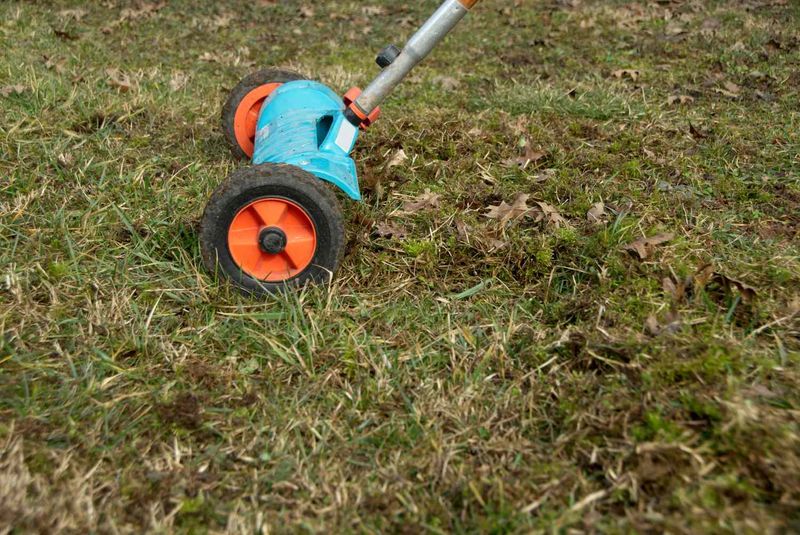
Every hole you punch is a small wound that grass needs to close.
Roots usually spread into those openings over the next few weeks when growth is strong. Late in fall, that healing slows down as the days shorten and temperatures drop.
Picture a lawn aerated right before winter settles in across Ohio.
Aerating very late gives cool-season turf less active growing time to recover before winter conditions arrive. Weeds are another possible concern when timing runs late.
Bare soil in the holes can give weed seeds a spot to settle, especially if the grass cannot fill in before spring. Thick, healthy turf usually crowds weeds out much better than thin, stressed turf.
Seed added late may struggle too, since young grass needs time to toughen up before hard cold arrives.
As a loose guide, try to leave at least four weeks of active growth after aerating. That stretch is not a strict rule, but it gives most cool-season lawns a fair shot at bouncing back.
If you cannot count on that much time, holding off may be the kinder choice.
7. Waiting Until Spring Is Better Than Forcing A Poor Fall Timing
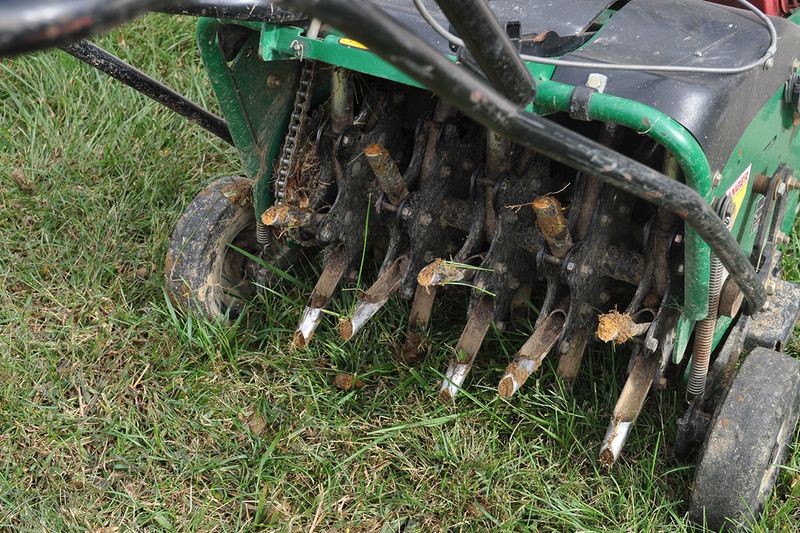
Missing fall aeration is not a disaster.
Spring can provide another opportunity to aerate if fall timing was missed, although fall is generally preferred for cool-season Ohio lawns.
Cool-season grass wakes up as soil warms, which gives roots another good growing period to work with.
Aim for a time after the ground thaws and dries out a bit but before summer heat arrives. Mid spring often fits that window, though a soggy year might push it back a little.
One catch involves crabgrass control, and it trips up a lot of homeowners.
Pre-emergent weed products form a barrier at the soil surface, and aerating afterward may disturb it. Some people aerate first and then apply the product, so read the label carefully and follow its timing advice.
Spring seeding tends to be less reliable than fall seeding.
Young grass planted in spring has to face summer heat and dry spells before it fully matures. If thickening the lawn is your main goal, next fall may give you better results for new seed.
Meanwhile, use the off months to plan, service your mower, and maybe rent an aerator early before the spring rush hits local shops.