A Bird Feeder Can Become A Bear Feeder In Florida This Fall
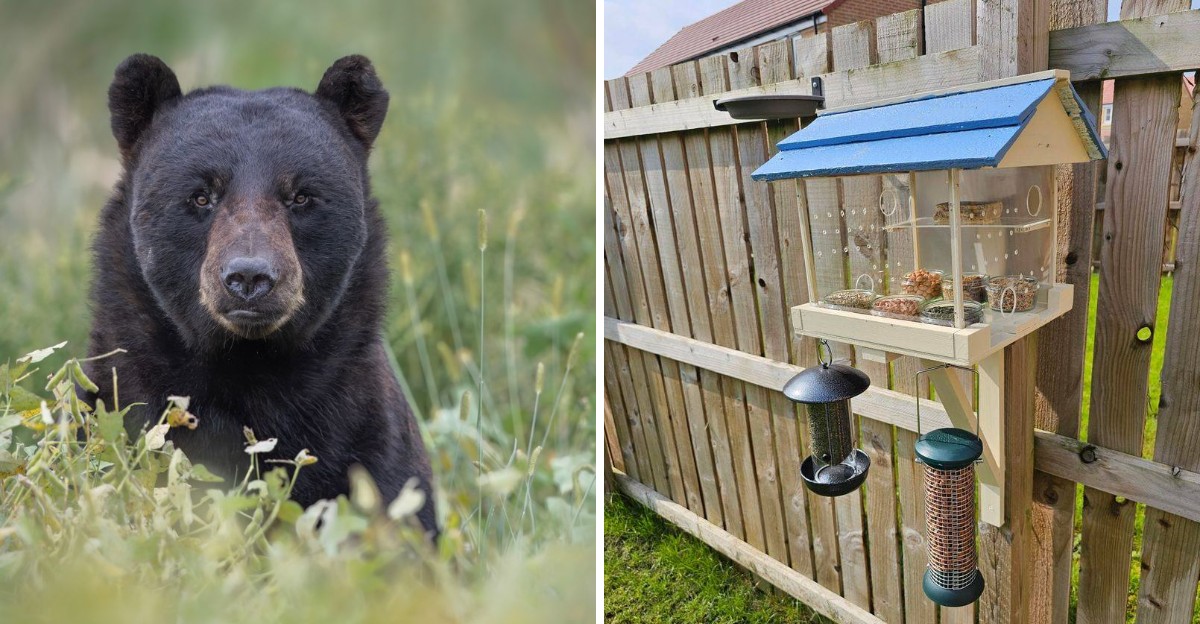
Florida black bears can spend more time feeding in fall as they build fat reserves, which can increase their interest in easy food sources.
A feeder full of sunflower seed or suet is about as easy as it gets.
Bears can smell it from far away, and one successful visit can bring them back again and again.
Bent poles and torn-down feeders are often the first clues that a bear found yours. If you live near woods or have heard of bears nearby, consider bringing feeders in for the season.
Removing that easy meal protects the bear too, since bears that get used to human food often run into trouble.
Your birds will have plenty of natural seeds and berries to find in the meantime.
1. Your Bird Feeder Offers Exactly The Kind Of Meal Bears Want
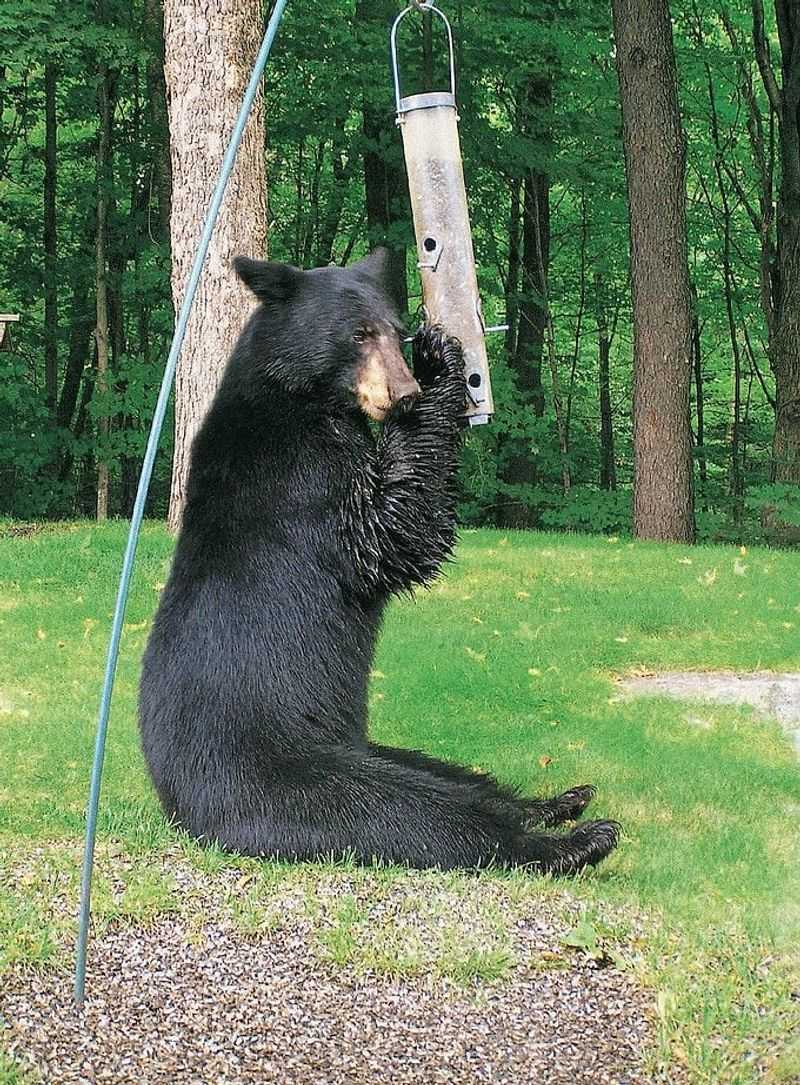
Picture walking out with your coffee and finding your feeder pole bent nearly flat. Florida black bears can be attracted to bird feeders and the seed that spills beneath them.
Sunflower seeds, peanuts, and suet are packed with fat and calories, which is exactly what a hungry bear wants.
A bear has a powerful sense of smell, and it can pick up the scent of seed from a good distance away. That means even a feeder tucked behind the house may not stay hidden.
Bears are found in many parts of the state, including North Florida, the Ocala area, and pockets of Central and Southwest Florida.
If you live near woods, swamps, or large stretches of pine forest, your odds of a visit tend to be higher. Bird feeders can attract bears in bear range, especially in neighborhoods near suitable bear habitat.
A bear that finds a feeder is not being bad or aggressive by nature.
It is simply following its nose toward the easiest calories around. Our job as homeowners is to make sure that easy meal is not sitting in our yards.
Check with the Florida Fish and Wildlife Conservation Commission to see whether bears are commonly reported near you. Their maps and local updates can help you decide how careful to be.
2. Fall Sends Bears Searching For More High-Calorie Food
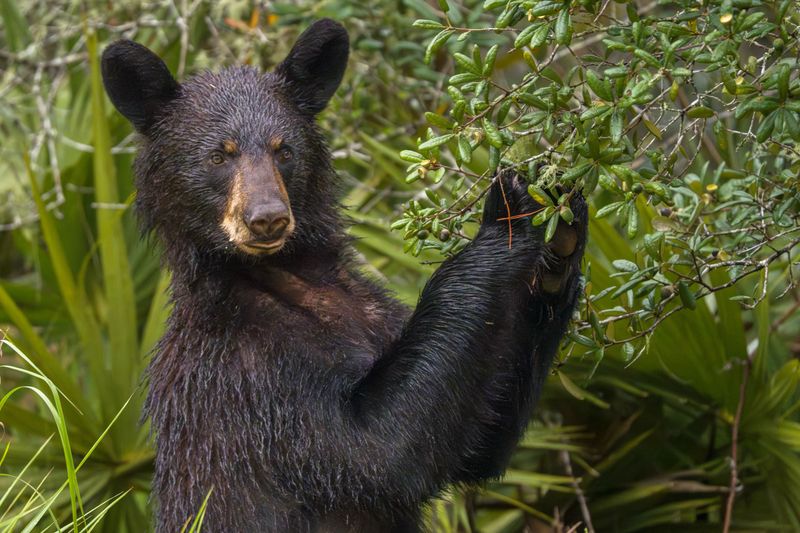
Autumn is eating season for bears. Before the cooler months, they work hard to build up fat reserves.
Wildlife experts describe this stage as a period of heavy feeding, when a bear may eat far more than usual each day.
Acorns, saw palmetto berries, and other wild foods make up much of a bear’s fall diet in Florida. When those natural foods are scarce, bears may travel farther and wander into neighborhoods.
Yards start looking like snack bars at that point.
A full feeder offers more calories in one stop than an hour of searching through the woods. Bears are smart about saving energy, so they tend to choose the easier option.
Activity can vary from year to year and from one region to another.
A good acorn crop might keep bears in the forest, while a poor one could push them closer to homes. Weather, local habitat, and nearby development all play a part.
Your Florida Garden Changes Every Week. Your Plan Should Too.
Gardening in Florida changes quickly throughout the season. Every Friday you’ll receive a simple weekly plan showing exactly what to plant, prune, fertilize, harvest, and protect so you never miss the right timing.
Young bears dispersing from their mothers can explore new areas and encounter food sources around homes.
Paying attention during September through December gives you a head start on avoiding trouble.
3. Seed On The Ground Can Be Just As Tempting As The Feeder
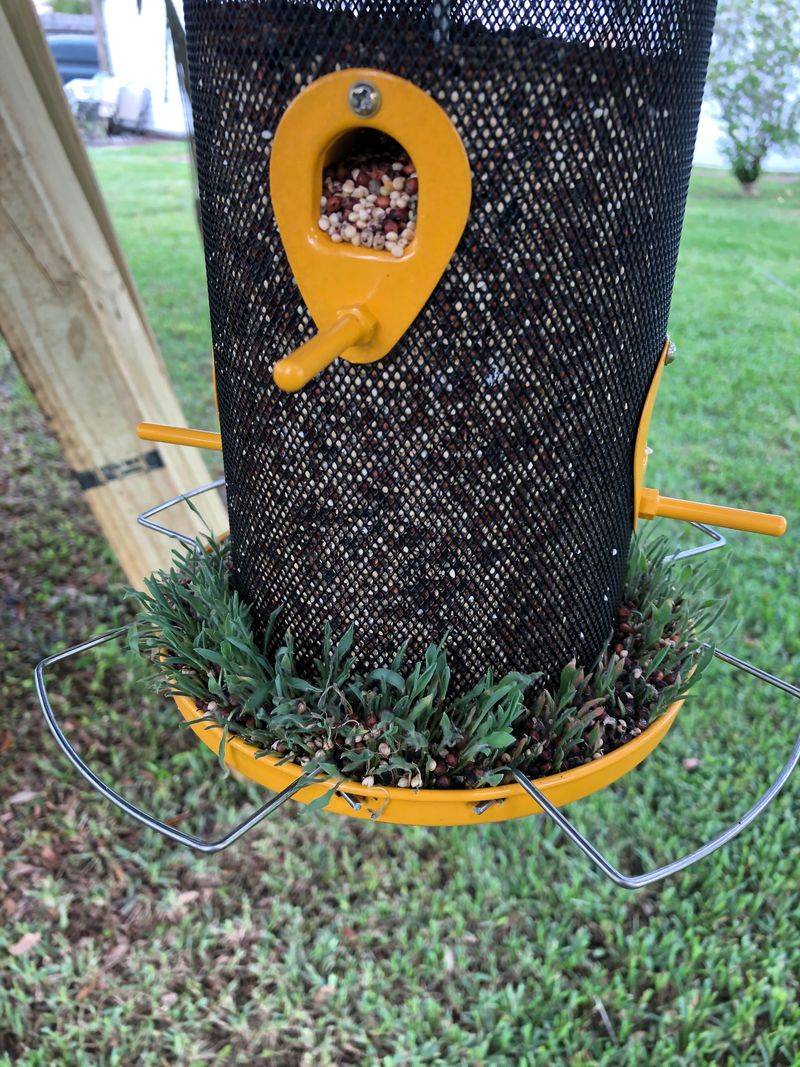
Raising your feeder higher solves only half the problem. Birds are messy eaters, and they fling seed everywhere.
That pile of hulls and kernels under the pole can draw a bear even if the feeder itself is out of reach.
Squirrels add to the mess by knocking seed loose as they climb and dig. Over a week or two, a surprising amount of food can build up in the grass.
Ground seed also attracts raccoons, rats, and other critters that bears may notice.
Some people try seed catchers or trays to reduce spills. They can help, but they still hold food and may not stop a curious bear.
Raking up spilled seed regularly is a simple habit that lowers the scent around your yard.
Sandy soil, which is common in much of Florida, can hide seed just under the surface after a rain. Give the area a good sweep or rake rather than a quick glance.
No-mess blends with hulled seeds leave less waste behind, though they still carry a smell.
Cleaning up the ground is a good step, but it works best alongside other changes. A tidy feeder area is less inviting, yet it may not keep a determined bear away by itself.
4. One Easy Meal Can Encourage A Bear To Return
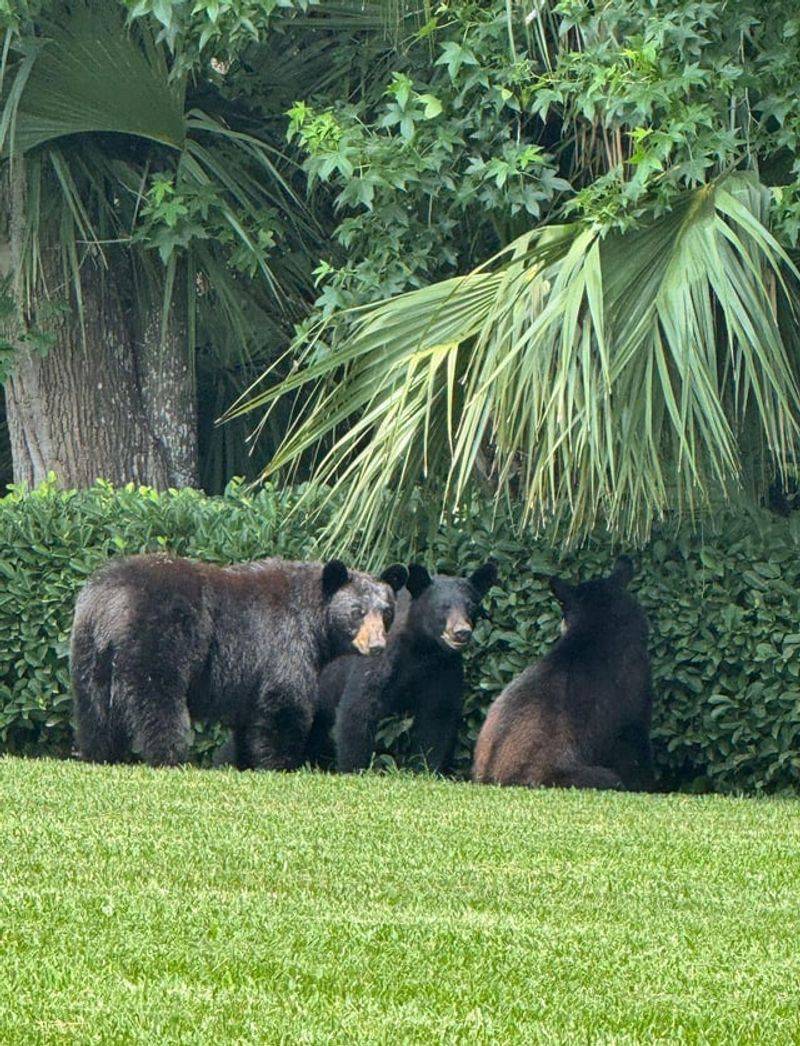
Bears remember where they ate. A single successful feeder raid can put your yard on a bear’s mental map.
Once a bear connects a place with food, it may come back night after night to check again.
Repeat visits are where problems start to grow.
A bear that keeps finding food near homes can lose some of its natural caution around people. Wildlife officials often point to human food as the main reason bears become bold in neighborhoods.
Bold bears can cause damage, tear into garages, or frighten neighbors and pets.
Sometimes a bear that becomes too comfortable around homes may need to be removed by wildlife officials. Removal is a poor outcome for the animal, and it usually traces back to easy food.
Your neighbors matter here too. If one house offers seed and another leaves trash out, the bear simply moves along the street from meal to meal.
Talking with people on your block can make a real difference.
Some Florida communities have formed bear-wise groups that share tips and remind each other about food storage. When a whole neighborhood cooperates, bears have fewer reasons to linger.
Preventing that first meal is far easier than breaking a habit later.
5. Taking Feeders Down Removes An Accessible Food Source
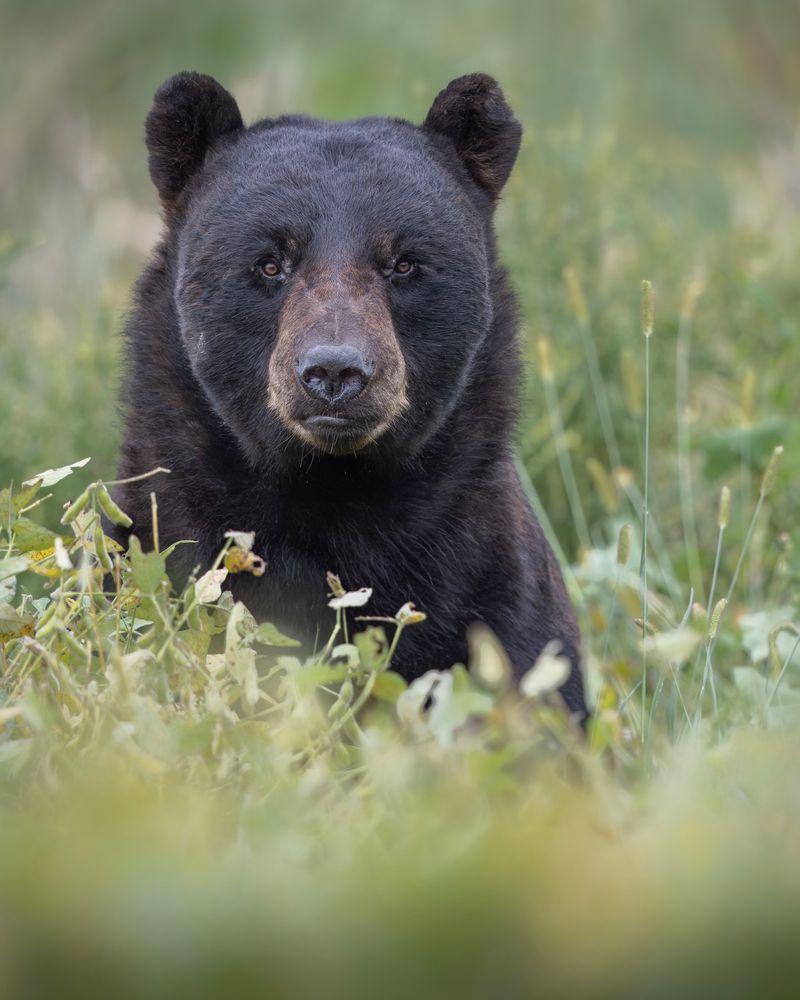
Sometimes the smartest move is the simplest one. Bringing feeders inside removes one of the easiest meals in your yard.
Wildlife agencies in bear country commonly suggest taking feeders down when bears are active nearby.
Bear-resistant feeders and tall poles exist, and some work better than others. Still, a strong and patient bear can often bend, climb, or pull them down.
Store the feeders in a closed garage or shed, not on the porch.
Bags of seed need the same care. A sealed metal can inside a locked building is much safer than a paper sack by the back door.
Wash the feeders before storing them, since leftover seed and residue still smell like food.
Birds will be fine without you for a while. Fall offers plenty of natural food like seeds, berries, and insects across Florida.
You can keep enjoying your backyard birds in other ways during this time.
Native plants such as beautyberry, firebush, and coontie can attract wildlife while offering food birds find naturally. Growing conditions vary by region, so check what suits your area before planting.
A birdbath with fresh water also brings in visitors without adding much bear appeal.
6. Pet Food And Unsecured Trash Can Keep Bears Coming Back
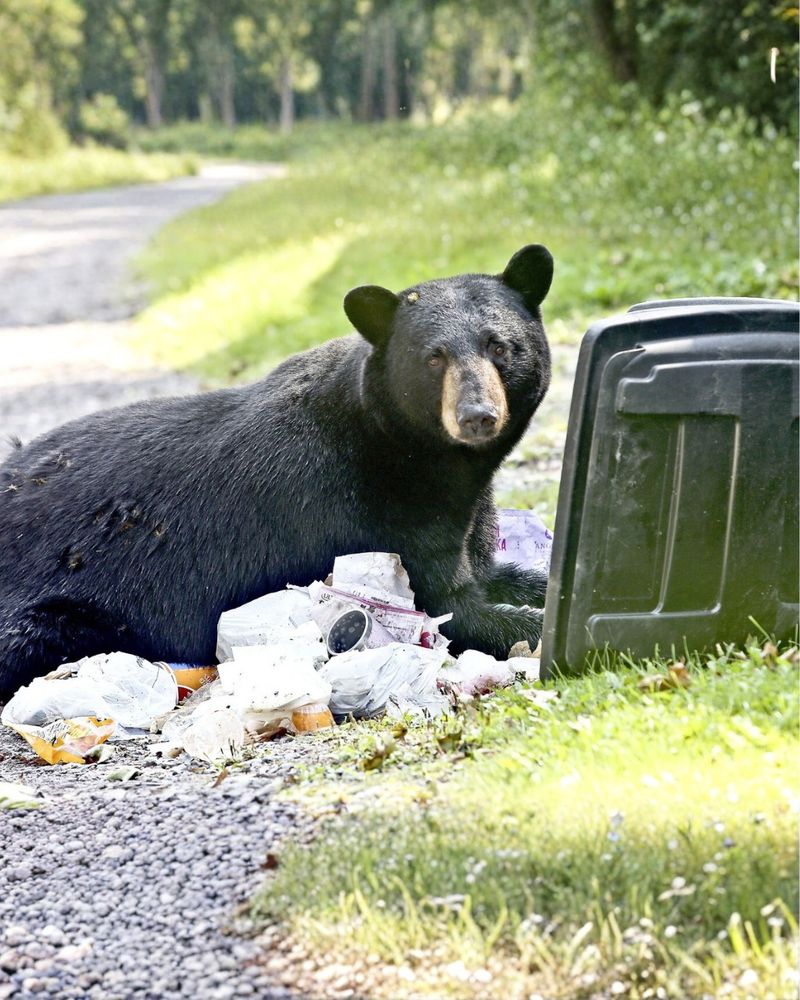
Birdseed is only one piece of the puzzle. Garbage is one of the top attractants for bears in residential areas.
Trash cans full of food scraps can smell like a feast to a passing bear, especially on a warm evening.
Keep garbage inside a garage or shed until the morning of pickup.
Bear-resistant trash cans are offered in some areas, and certain Florida counties have rules about storing waste in bear range. Check with your local government to see what applies where you live.
Pet food left outside is another easy target. A bowl of kibble on the porch can bring a bear surprisingly close to your door.
Feed pets indoors whenever possible, and bring in empty bowls too.
Grills deserve a quick scrub after cookouts, since grease and drippings hold strong smells. Store them in a closed space if you can.
Outdoor freezers, compost piles, and fallen fruit from backyard trees can also attract bears.
Picking up fallen citrus or other fruit helps reduce the draw. Compost should be managed carefully, and meat or greasy scraps are best kept out of it.
Removing one attractant helps, yet clearing all of them gives your yard the best chance of being ignored.
7. Feeders Can Return Once Bear Activity In The Area Has Passed
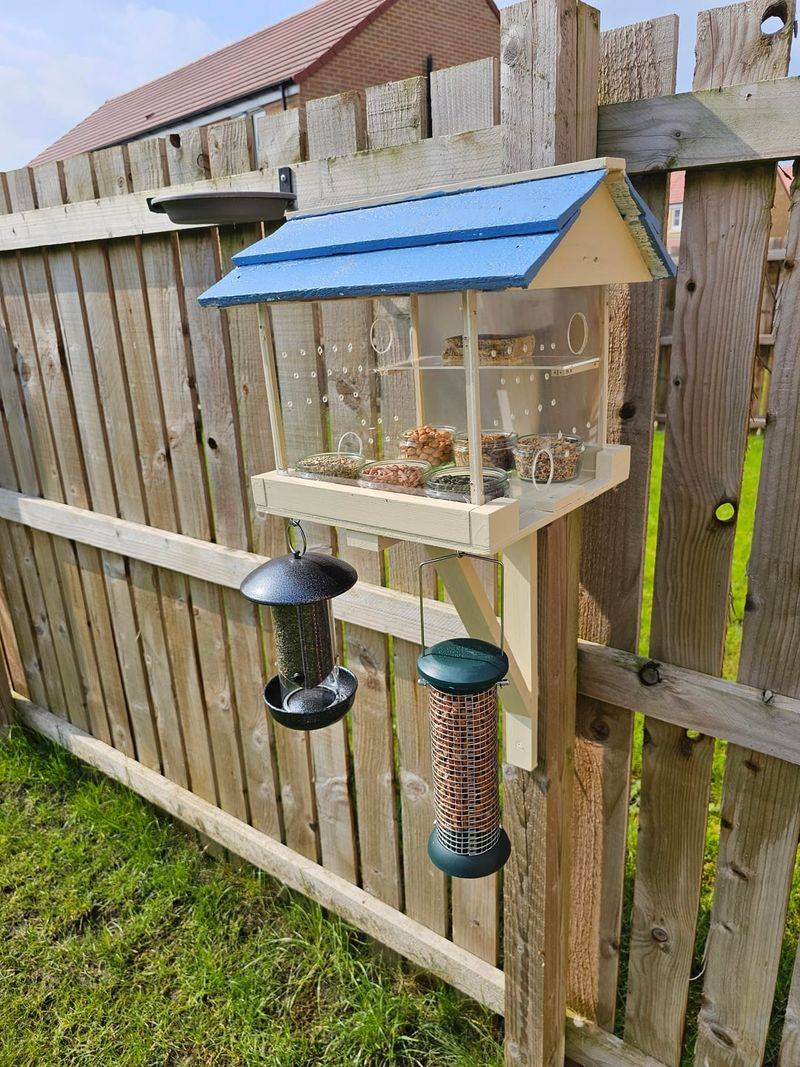
Good news for bird lovers. Taking feeders down does not have to mean giving them up for the whole year.
Only put feeders back out when bears are no longer active around your property, and remove them again if bear activity returns.
Timing depends heavily on where you live. Bears in Florida do not hibernate the way bears up north do, so some stay active through winter.
Pregnant females may den for part of the cooler months, while males and other bears often keep moving around.
Watch for signs of recent visits before rehanging anything. Tracks, tipped cans, scat, and neighbor reports are all useful clues.
Your local wildlife office or neighborhood group can be a helpful source of updates.
If bears are active in your area, removing bird feeders and other accessible food sources is safer than relying on feeder height or bringing them inside only at night.
Keep raking up spilled seed, even when bears seem gone.
If a bear shows up again, take the feeders down right away and wait a few weeks before trying again. Being flexible lets you enjoy your birds while respecting the larger wildlife around you.
A little patience helps protect both the songbirds and the bears.