The Fall Job That Can Prevent Hundreds Of Bagworms Next Spring In Ohio
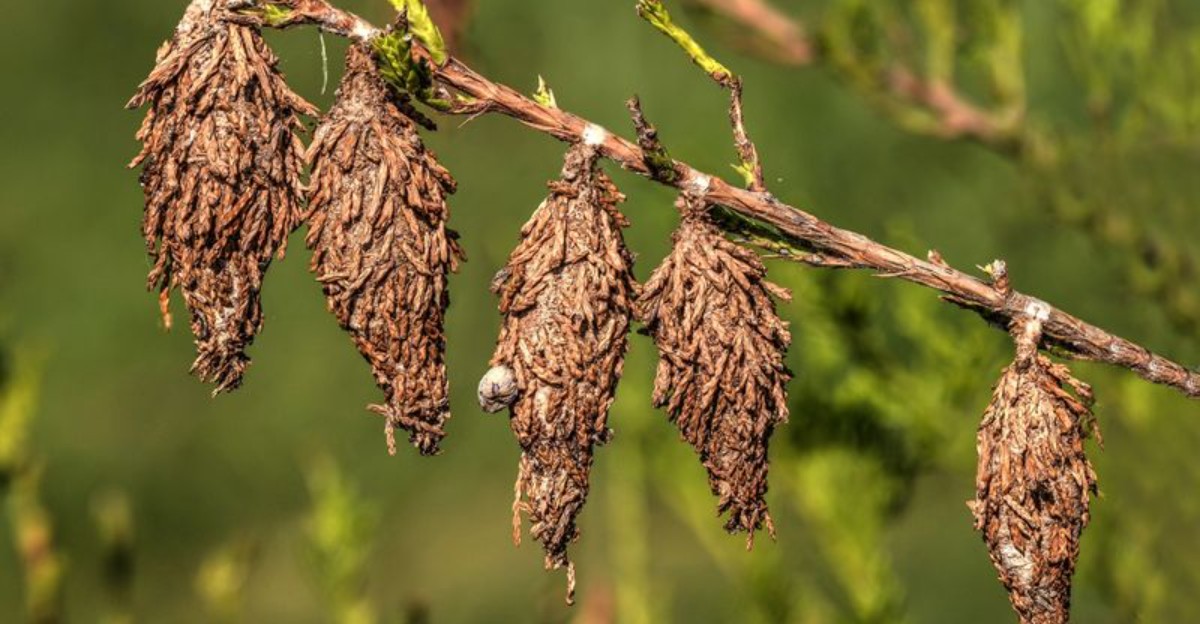
Walk past evergreens in Ohio this October, and odd brown ornaments may sway in the chilly breeze. They look like small crunchy pinecones, but they hold a secret that waits for warmer days.
Inside many of those hanging packages sit hundreds of eggs, tucked away from wind and snow. Next spring, those eggs hatch into hungry caterpillars that feed on needles for weeks.
The fix needs no sprays or fancy machines, just a free afternoon and steady, patient hands. Think of it as a scavenger hunt played under crisp skies and the smell of fallen leaves.
Gardeners across Ohio often overlook this chore because the bags blend so well with bark and twigs. After a little practice, your eyes will start catching them on shrub after shrub.
Handpicking Bags From Branches
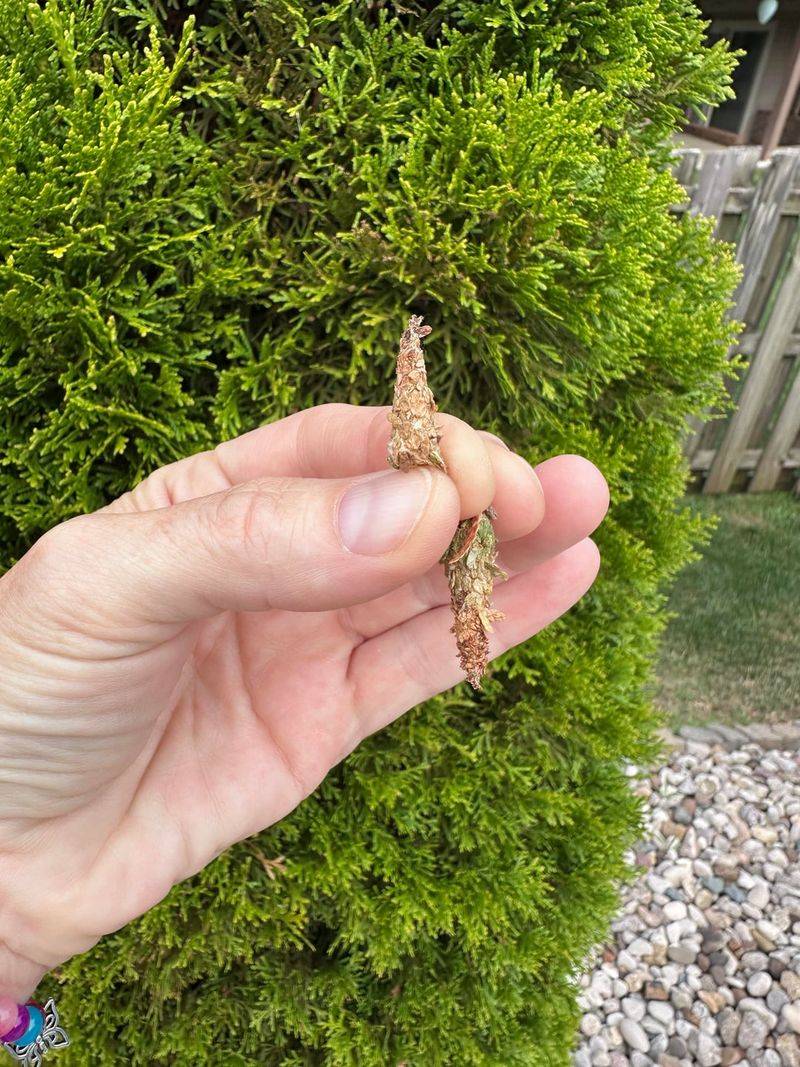
Picture a cool October Saturday, a mug of warm cocoa nearby, and a shrub dotted with brown spindles. Those spindles are bagworm cases, and each female case can hold hundreds of eggs waiting for spring.
Handpicking is the simplest way to stop that next wave, and it costs nothing but a little time. Insect sprays work poorly on bags in fall, since the eggs sit sealed inside a tough silk shell.
Start by grabbing the bag gently near the top, where silk wraps tightly around the twig like tape. A firm tug sometimes works, but the silk band is often stronger than it looks at first glance.
If it resists, snip the band rather than pulling hard, because tearing can strip bark from young stems. Removing that silk loop matters too, since it can slowly tighten around a branch and restrict its growth over the next few years.
Work from the bottom of the plant upward, circling slowly so you can view every side in daylight. Kids often enjoy this job, and their sharp eyes catch small bags hiding deep inside the branches.
Drop each bag straight into a bucket instead of the ground, where eggs could still hatch next year. A single afternoon of picking can mean far fewer chewed needles once warm weather returns to Ohio.
Small shrubs may take just minutes, while a tall hedge might need a few sessions spread across October. Pace yourself, enjoy the crisp air, and count your bags for a fun sense of progress.
Signs That Mark An Occupied Bag On Branches
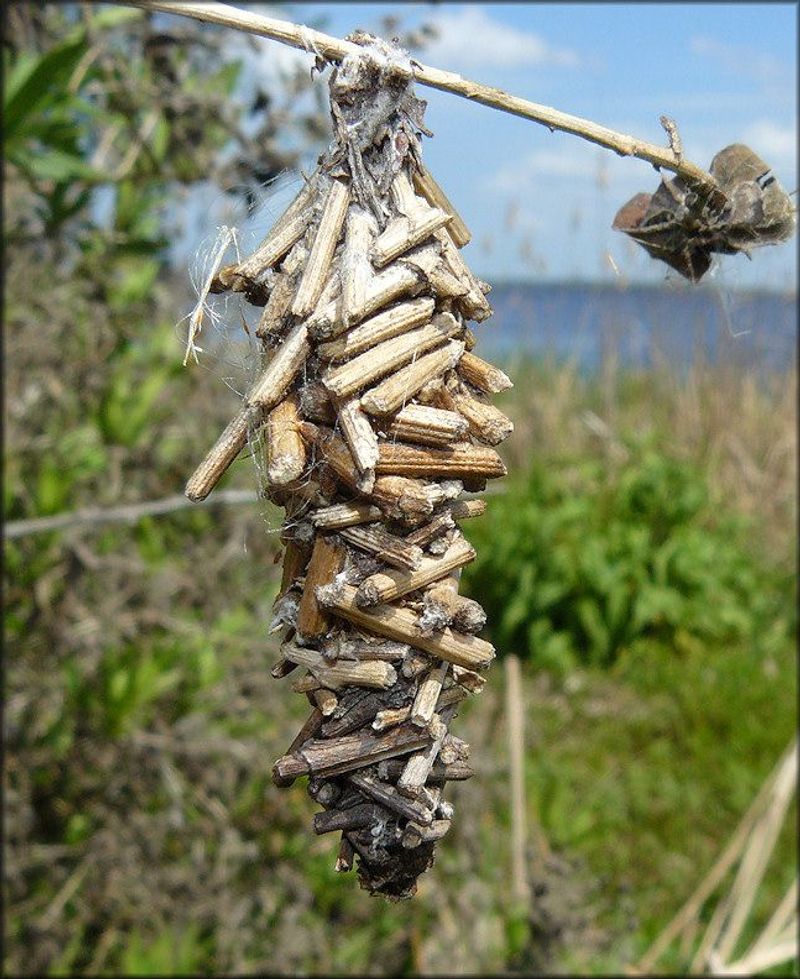
Not every bag you find is a threat, and learning the difference saves time on a busy weekend. Male bagworms fly away as moths in late summer, leaving behind empty cases that pose little risk.
Females, on the other hand, stay inside their bags their whole lives and lay eggs right there. Spotting which bags still hold eggs helps you focus your energy on the ones that truly matter.
Weight is the first clue, since an egg-filled bag feels plump and firm when you squeeze it lightly. Empty male cases often feel hollow and papery, almost like a dry leaf crumpling between your fingers.
Look at the bottom tip next, because males exit through the lower end and leave a ragged hole. Sometimes a thin, empty pupal skin pokes out of that opening, which marks the bag as vacant.
Your Ohio Garden Changes Every Week. Your Plan Should Too.
Gardening in Ohio changes quickly throughout the season. Every Friday you’ll receive a simple weekly plan showing exactly what to plant, prune, fertilize, harvest, and protect so you never miss the right timing.
Size can offer hints as well, since female bags are usually larger, often about one to two inches long. Smaller bags are more often male cases, though a gentle squeeze still gives the clearest answer.
For a closer look, slice one bag open carefully with garden snips over a white paper plate. A mass of tiny tan or yellowish eggs inside is a clear sign the bag was occupied.
When in doubt, though, remove every bag you find, since sorting them takes longer than simply picking. Empty cases still look messy on branches, and pulling them helps you track progress as you work along the hedge.
The Best Timing For The Task In Ohio
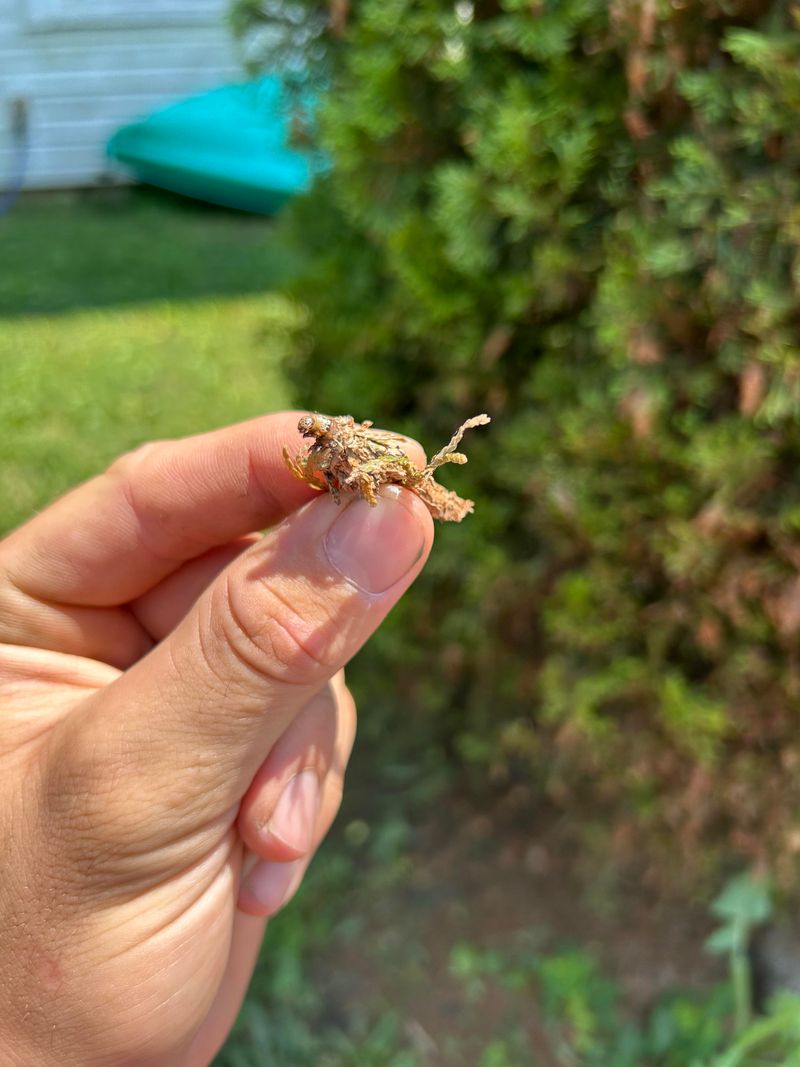
Early October hits a sweet spot in Ohio, when bags are finished growing but leaves still cling to branches. By this point, most female bagworms have finished laying eggs, so each full bag you pull removes a future crowd.
The window stays open through fall and winter, since eggs rest quietly inside the cases until late May. Hatching in Ohio usually begins around late May or early June, depending on how warm spring turns.
So why rush now instead of waiting for a bare January afternoon with nothing else to do outside? Mild fall weather makes the job pleasant, and you can work without numb fingers or icy ladder rungs.
Deciduous trees like maples and locusts start dropping leaves soon, which makes hidden bags much easier to spot. Plan a second check in November, once those branches are bare and every brown spindle stands out clearly.
Snow and ice can make winter picking risky, especially if branches turn brittle in sharp January cold. Frozen twigs snap easily, so finishing most of the work during October protects your plants from extra damage.
Pick a dry, calm day for the task, since wet bags feel slippery and wind makes branches sway. Late morning works nicely, after dew burns off and sunlight helps the brown cases pop against green needles.
Mark the job on your calendar right alongside raking leaves and cleaning gutters, so it becomes routine. A yearly October habit helps keep bag numbers low and cuts down on surprise chewing damage next June.
Tools That Make Removal Safer For Branches
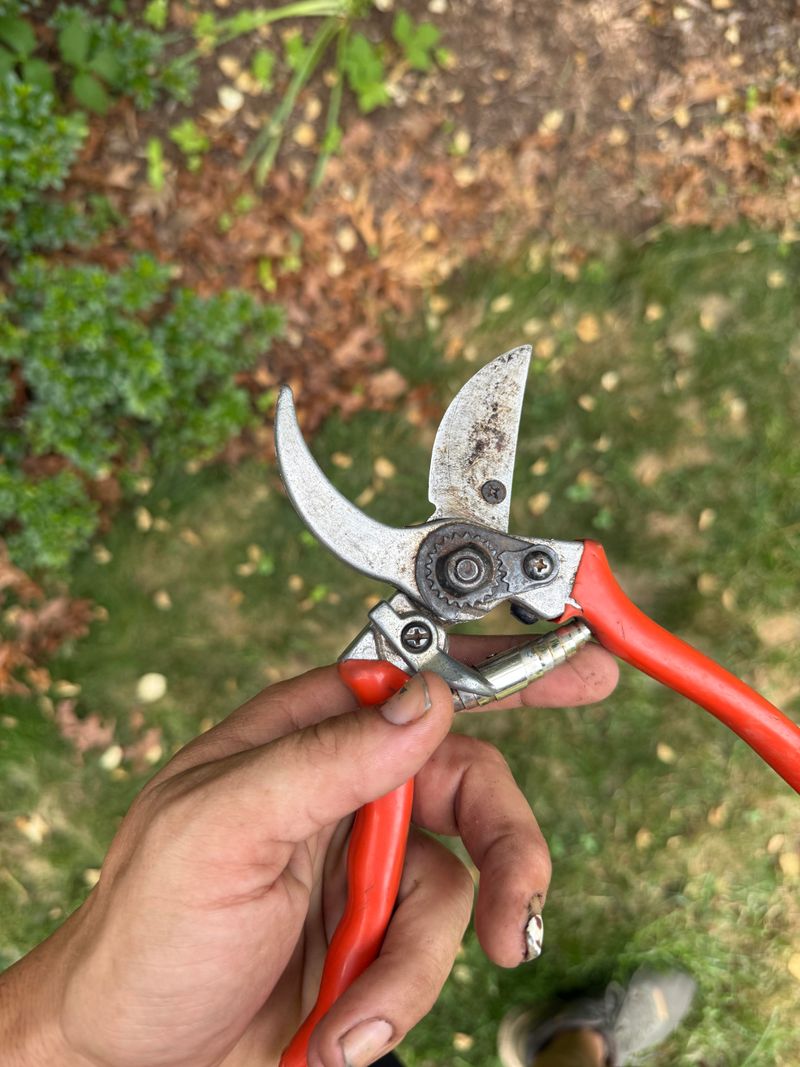
Bare hands can do the job, but a few simple tools make the work faster and kinder to plants. Most of them are probably sitting in your garage right now, collecting dust next to the lawn mower.
Sharp bypass pruners top the list, because they slice through tough silk without crushing tender bark underneath. Small scissors or floral snips also work well for tight spots deep inside dense shrubs and hedges.
Garden gloves protect your hands from prickly needles and sticky sap, which some evergreens release when brushed. Choose a snug pair with grippy fingertips, since bulky gloves make it tricky to grab small cases.
Tall trees bring their own challenge, and a pole pruner lets you reach high bags from the ground. Many models extend eight to twelve feet, which reaches the lower and middle branches of many Ohio spruce, juniper, and arborvitae.
Ladders can help too, but set them on firm, level ground and keep someone nearby to steady them. Avoid leaning a ladder against thin branches, since they can bend or snap under your weight.
A bucket or sturdy bag clipped to your belt keeps both hands free while you work around the plant. Some gardeners use an old apron with deep pockets, which feels surprisingly handy on crowded hedges.
Wipe blades clean with a disinfecting solution after each session, especially when moving between different plants in the yard. Clean, sharp tools make smoother cuts and help limit the spread of plant diseases nearby.
Disposal Methods That Keep Bags From Returning
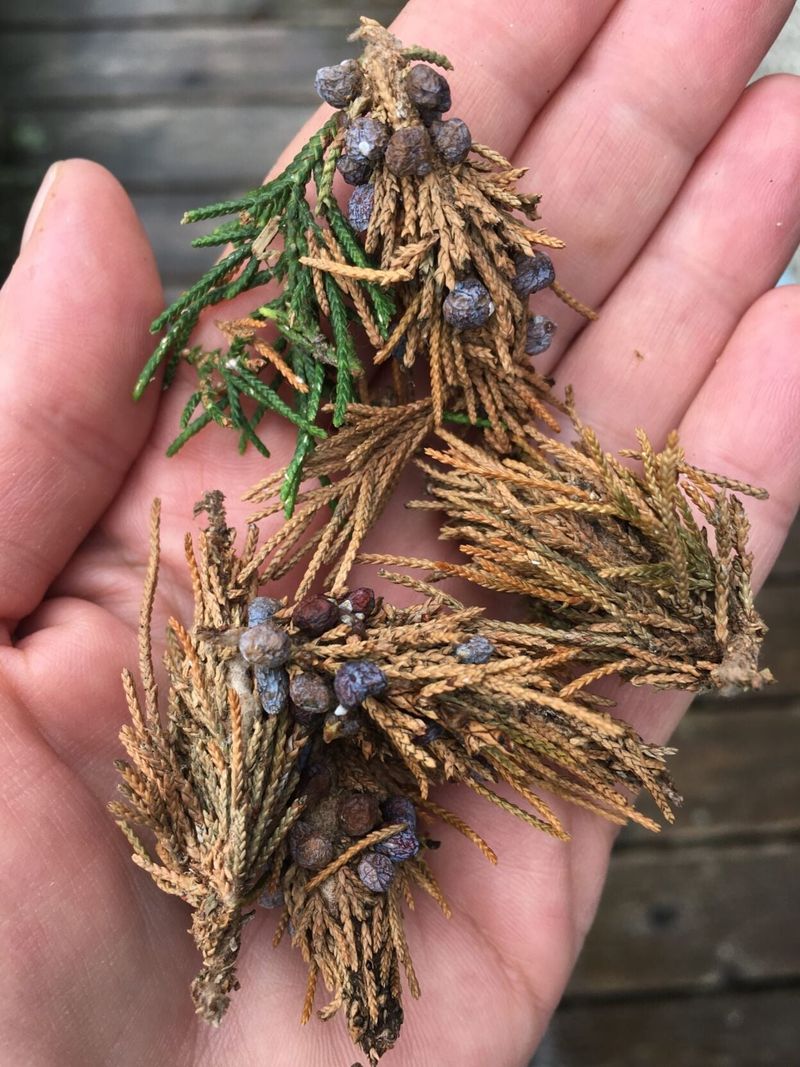
Tossing picked bags onto the lawn feels harmless, yet it simply gives the eggs a new place to hatch. Young caterpillars can crawl or drift on silk threads right back onto your shrubs next spring.
Proper disposal finishes the job, and it only takes a few extra minutes once your bucket is full. Think of it as locking the door after chasing an uninvited guest out of your garden for good.
Soapy water is a favorite method, made by mixing a squirt of dish soap into a bucket. Let the bags soak for several days, so the liquid seeps through the silk and spoils the eggs.
Sealing bags inside a plastic trash bag works well too, especially when you have dozens to handle. Tie the top tightly and place it in your regular garbage bin for pickup on trash day.
Keep the bucket in a shaded spot with a lid on while the bags soak. A snug lid keeps stray caterpillars and curious pets out until disposal day.
Skip the compost pile for this job, since home piles rarely get hot enough to spoil the eggs. Yard waste bins that go to large municipal facilities may be fine, but check local rules first.
Burning bags can seem tempting, yet many Ohio communities restrict open burning, especially during dry autumn weeks. Soapy water or sealed trash bags offer safer, simpler options that fit nicely into any weekend routine.
Plants Worth Checking First In Ohio Yards

Bagworms are not picky eaters, munching on more than one hundred kinds of trees and shrubs across the eastern United States. Still, a handful of favorites attract them far more often, so start your search with those plants.
Arborvitae is among the most common targets in Ohio, and a heavily infested hedge can turn brown within weeks. Since evergreens rarely regrow needles on bare branches, heavy feeding can leave lasting gaps in your privacy screen.
Junipers and red cedars come next, with their scaly foliage giving the caterpillars plenty of material for sturdy cases. Bags on these plants blend in remarkably well, so take your time and look closely at each branch.
Spruce, pine, and hemlock also draw these pests, and bags on tall trees are easy to miss from the ground. Blue spruce, a common landscape tree in Ohio, can hold bags near its upper limbs where eyes rarely wander.
Deciduous trees get targeted too, including honeylocust, maple, sycamore, linden, and even some fruit trees in backyards. Such hosts usually recover after leaf loss, but bags still overwinter there and spread to nearby evergreens.
Walking your property with a notepad helps, since you can jot down which plants carried the most bags. Next fall, that list becomes a handy map showing exactly where to begin your October search.
Do not forget to peek over the fence, because neighboring hedges can send young caterpillars drifting your way. A friendly chat and a shared picking afternoon can lower the pressure across the whole block before winter settles in.