Dangerous Pests New York Homeowners Should Watch For This Fall
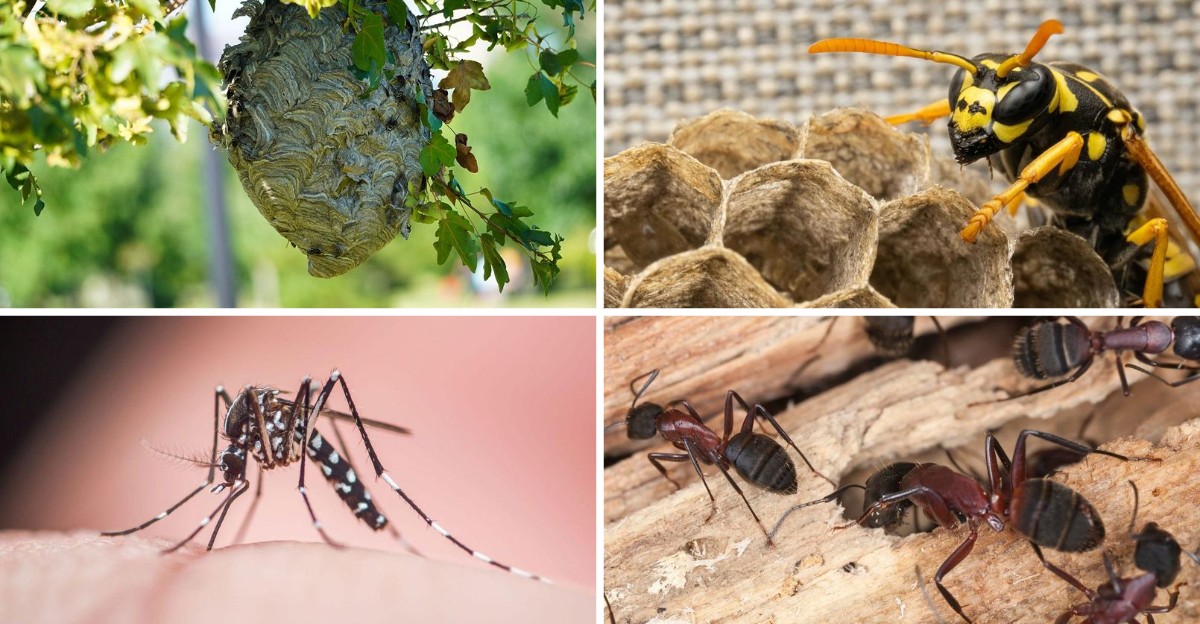
Picture a crisp October afternoon in New York, with crunchy leaves and cinnamon donuts warming the porch. Then something tiny buzzes past your ear, crawls up your sock, or marches across the counter.
Fall feels peaceful, yet plenty of small creatures are active as the weather slowly cools down. Some hunt for warm hiding spots, while others grab one last meal before the first hard frost arrives.
A few of these visitors carry germs, deliver painful stings, or tunnel through the wood around your home. Others damage the trees and gardens that make New York backyards so lovely this time of year.
Spotting trouble early makes a big difference, because small problems in autumn can grow into bigger ones by spring. Learning what each one looks like helps you act fast and stay calm.
1. Blacklegged Ticks Lurking In Leaf Piles
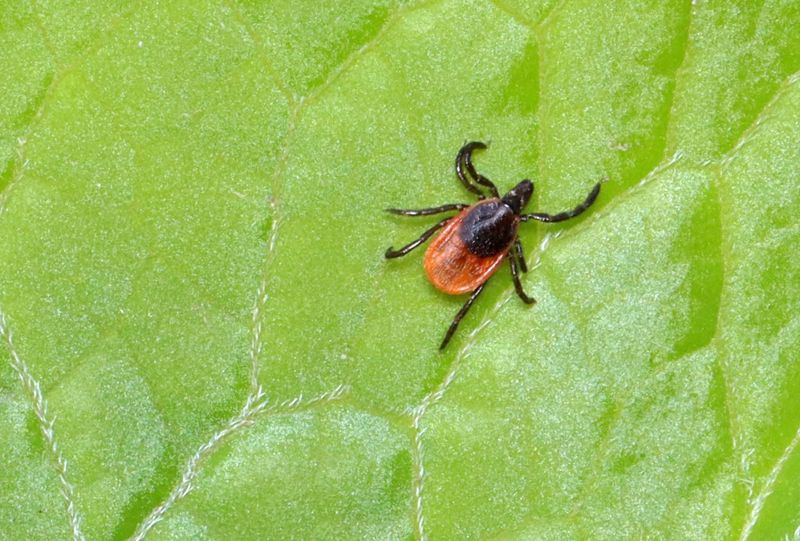
Tiny as a sesame seed, this hitchhiker waits on tall grass and leaf litter with its front legs stretched out. Scientists call this pose questing, and it lets the tick grab onto anyone who brushes past.
Blacklegged ticks, often called deer ticks, are the main spreaders of Lyme disease across the state. They can also carry anaplasmosis and babesiosis, two illnesses that can cause fever, chills, and lasting tiredness.
Many people think ticks vanish when summer ends, but adult blacklegged ticks become very active in October. They keep searching for hosts on mild fall days, even into winter, when temperatures stay above freezing.
Raking is a great place to start, since leaf piles near the lawn edge create cozy tick hideouts. Move leaves away from play areas, keep grass short, and lay a wood chip border along wooded edges.
After yard work or a hike, check your whole body, especially behind knees, around ears, and along the hairline. Toss dry clothes in a hot dryer for ten minutes, since high heat dries out any ticks hiding in the fabric.
If you find one attached, grab it close to the skin with fine tweezers and pull straight up. Save it in a sealed bag, and call your doctor if a rash or fever appears later.
Pets need protection too, so ask your vet about a fall tick preventive for dogs and outdoor cats. A few minutes of checking each evening can lower your family’s chances of getting sick.
2. Bald-Faced Hornets Hanging Paper Lanterns In Trees
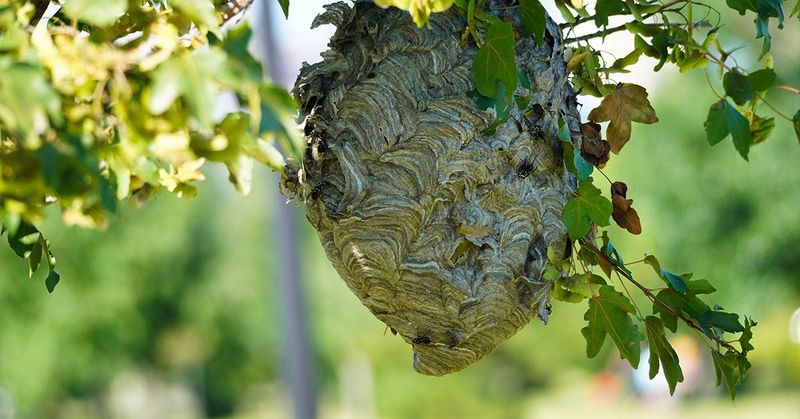
Imagine a gray paper balloon, as big as a football or even a basketball, dangling quietly from a maple branch above your driveway. Many people first spot these nests in October, when falling leaves reveal what was hidden all along.
Bald-faced hornets are actually a type of yellow jacket, dressed in black with bright white face markings. They chew wood into pulp and build those layered nests in trees, shrubs, sheds, and under roof eaves.
These hornets guard their nests closely and may follow anyone who gets too near for a surprising distance. Their stings are painful, and they can also spray venom toward the eyes of a person standing close by.
Your New York Garden Changes Every Week. Your Plan Should Too.
Gardening in New York changes quickly throughout the season. Every Friday you’ll receive a simple weekly plan showing exactly what to plant, prune, fertilize, harvest, and protect so you never miss the right timing.
Bumping a low nest with a hedge trimmer or ladder can turn a simple chore into a painful scramble. Before trimming bushes this fall, walk around slowly and scan branches carefully for that telltale gray shape.
Spraying a nest yourself with a garden hose or store spray usually ends with upset hornets and a ruined afternoon. A licensed pest pro has protective suits and can treat the nest safely after dark when hornets rest.
If the nest sits high in a tree far from doors and paths, waiting it out is another option. Hard November freezes close out the season for the colony, and only new queens remain, sheltering under bark or logs.
Fun fact: these hornets eat plenty of flies and caterpillars, so they help gardens when kept at a distance. Near kids, pets, or busy walkways, though, removal is the smarter move for everyone’s safety.
3. Asian Longhorned Ticks Spreading Across Lawns
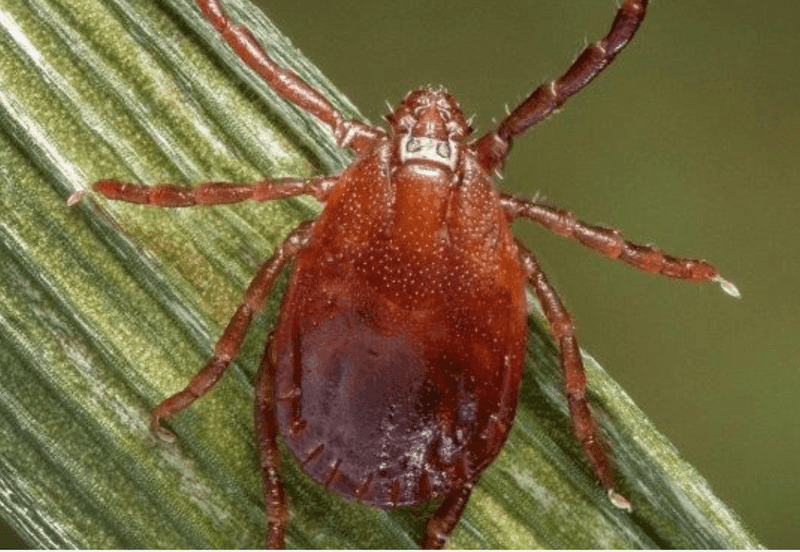
Back in 2017, a sheep in New Jersey carried the first Asian longhorned ticks confirmed in the United States. The species was later found in Westchester County and on Staten Island.
What makes this pest so tricky is that females can lay eggs without any males at all. A single female can start a whole population, leaving hundreds or even thousands of young ticks in one yard.
They are small and reddish brown, so they blend into soil and fallen leaves easily. Dogs, livestock, and wildlife are favorite targets, though they will also bite people.
Researchers are still learning how often these ticks spread illness to humans in the United States. Even so, heavy infestations can weaken farm animals by draining blood, which worries farmers across the region.
Ticks stay active well into fall, so keep your lawn trimmed short. Clear brush along fences and stone walls, since those shady strips hold moisture these ticks like.
Check your dog after every walk, running your fingers slowly through the fur on ears, legs, and belly. Finding several tiny ticks clustered together may mean this species has moved into your yard.
Unusual ticks are worth documenting, so snap a clear photo of any you find. Your local Cornell Cooperative Extension office can help identify the species and suggest safe yard treatments for your property.
4. European Paper Wasps Tucked Into Cozy Corners
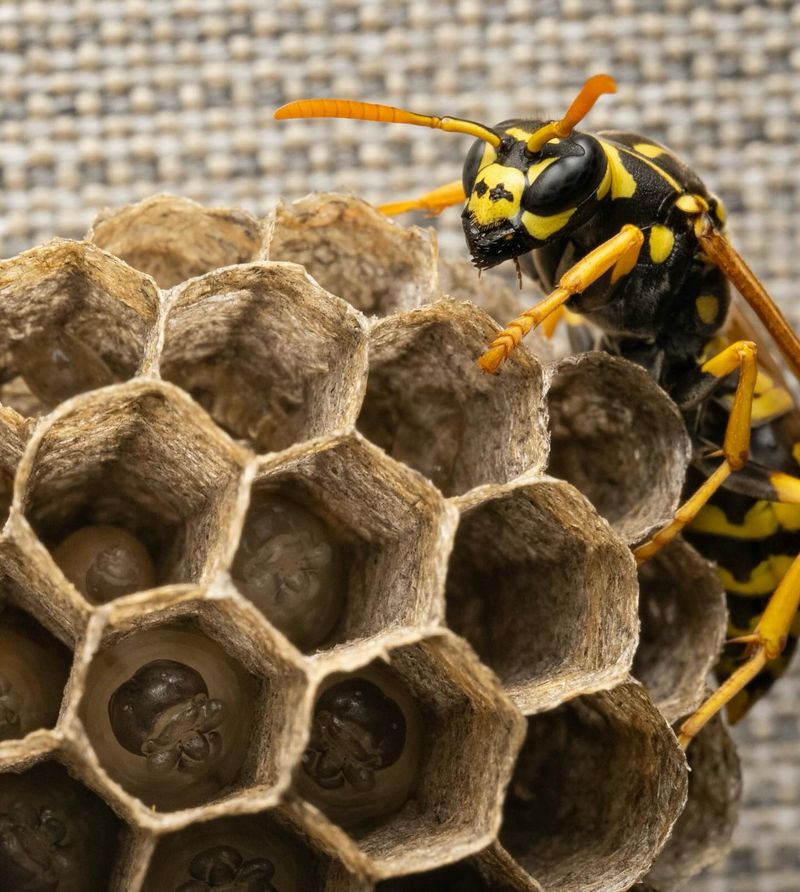
Open a patio umbrella in early fall, and you might find a tiny open-celled nest hanging from the ribs. European paper wasps adore these sneaky spots, from mailbox lids and grill covers to children’s swing sets.
Arriving from Europe in the 1970s, they spread quickly and now compete with native paper wasps in many neighborhoods. Slim waists, bright yellow markings, and orange antennae help separate them from the chunkier yellow jackets.
Their nests stay small, but the location causes trouble, since they often sit right where hands reach without looking. Grabbing a hidden nest inside a grill handle can earn you a painful sting.
As October cools things down, new queens look for shelter in attic corners, wall voids, and window frames. Sealing cracks around siding and windows now keeps them from overwintering inside your home.
Before storing patio gear, give chairs, umbrellas, and toys a good shake and quick look underneath. Small nests found early can be knocked down on a chilly morning, when the wasps feel cold and sluggish.
Wear long sleeves, gloves, and eye protection, and use a long stick or broom to stay at arm’s length. Larger or hard-to-reach nests under eaves are better left to a pest expert with the proper tools.
Quirky fact: a queen often starts each nest alone in spring, building every paper cell by chewing wood fibers. Admire that hard work from afar, then remove the nest before anyone in the family gets a nasty surprise.
5. Asian Tiger Mosquitoes Biting In Broad Daylight
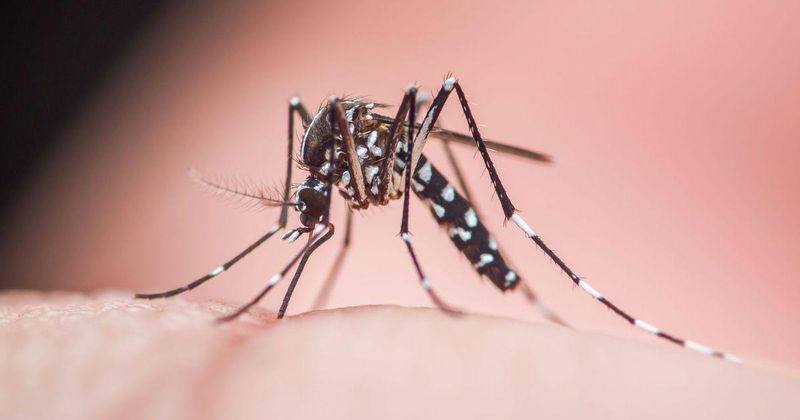
Many mosquitoes wait for dusk, but this striped species bites during the day while you rake leaves or watch soccer practice. Bold black and white stripes on its legs and body make the Asian tiger mosquito easy to identify.
It first reached the United States in the 1980s, likely riding inside used tires shipped from overseas. Warmer winters may have helped it settle into downstate counties, Long Island, and parts of the Hudson Valley.
Beyond itchy welts, this mosquito can carry certain viruses that are more common in warmer parts of the world. Local spread in New York has been very limited, yet health officials keep a close eye on it.
Early fall still brings plenty of these biters, since warm afternoons can keep them active until the first frost. Their eggs can survive winter stuck to container walls, ready to hatch when water returns next year.
Females lay eggs in tiny pockets of water, and even a bottle cap can raise a fresh batch. Walk your yard weekly and dump water from buckets, flowerpot saucers, kiddie pools, tarps, and clogged gutters.
Scrub birdbaths and pet bowls, because eggs cling to the sides and survive a simple refill. Before putting containers away for winter, flip them upside down or store them inside a dry shed.
When working outside, wear an EPA-registered repellent with DEET or picaridin, plus long sleeves on warmer days. Tight window screens keep them out, and a small fan on the porch makes flying much harder for them.
6. Carpenter Ants Chewing Through Your Home
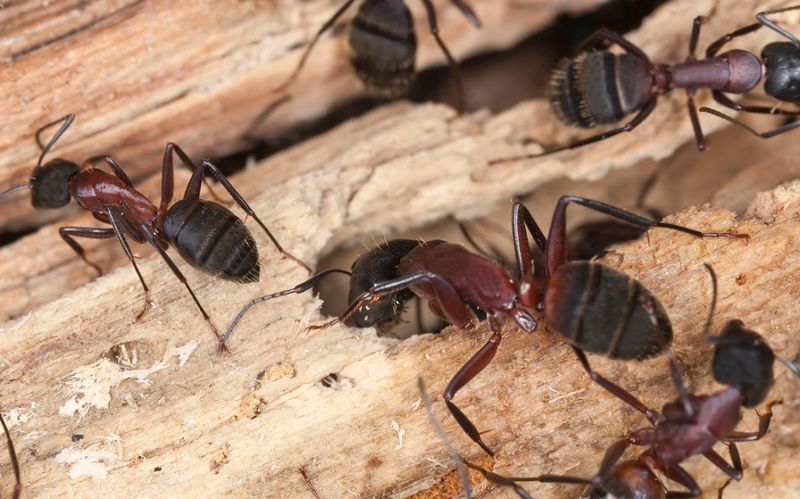
Small piles of sawdust beneath a window sill might look harmless, yet they often signal busy carpenters at work. Carpenter ants are among the largest ants in New York, often black and up to half an inch long.
Unlike termites, they do not eat wood, but they carve smooth tunnels through it to build their nests. Damp or rotting wood around leaky roofs, gutters, and windows makes their digging job much easier.
Left alone for years, a large colony can weaken beams, door frames, and porch supports. Repairs can cost far more than catching the problem early, which makes quick action a smart investment.
In early fall, colonies are still active, so look for ant trails at night near trees touching the house. Quiet rustling inside walls, along with winged ants indoors, can point to a nest hidden behind the drywall.
Trim branches back so they do not brush your roof, since ants use them like little highways. Stack firewood at least twenty feet from the house and keep it raised off the damp ground.
Fix leaks, replace soft wood, and seal gaps where pipes and wires enter the walls of your home. Slow-acting ant baits often work better than sprays, because workers carry the bait back and share it with the colony.
If ants keep showing up after a few weeks, a pest professional can locate the main nest. Finding it now, before winter slows the colony, makes spring far less stressful for you and your house.
7. Yellow Jackets Crashing Your Fall Picnics
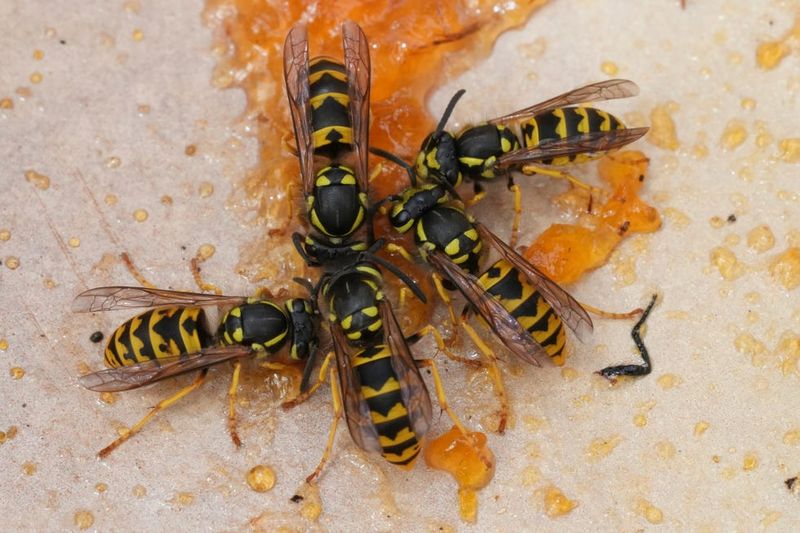
Ever had a soda can buzz back at you while you relaxed at a sunny backyard cookout in October? That rude little surprise was most likely a yellow jacket, and fall is when they get pushiest.
During warmer months, workers hunt insects to feed their young, but by autumn that job winds down. Suddenly they crave sugar, which sends them straight toward fruit, juice boxes, trash cans, and sweet drinks.
Large colonies can hold a few thousand wasps by early October, packed into nests underground or inside wall gaps. Unlike honeybees, each yellow jacket can sting more than once, and a disturbed nest responds as a group.
Mowing over a hidden ground nest is a classic fall mistake that sends many homeowners running for cover. Watch for a steady stream of wasps flying in and out of one small hole in the lawn.
Keep trash cans tightly closed, cover food outdoors, and pour drinks into cups with lids instead of open cans. Pick up fallen apples and pears quickly, since rotting fruit acts like a dinner bell for hungry wasps.
Hanging a few wasp traps away from patios can pull foragers off your seating area and reduce visits. For an actual nest, especially one inside a wall, calling a licensed pest professional is the safest choice.
Anyone allergic to stings should carry prescribed medicine outdoors and let family members know where it is. When hard frosts arrive, the colony fades away, and the old nest is rarely used again next year.
8. Spotted Lanternflies Laying Eggs Before Winter
With polka-dotted wings that flash bright red when they take flight, spotted lanternflies look almost too pretty to be pests. Don’t let the fancy colors fool you, because these planthoppers can damage crops and weaken trees.
Native to Asia, they first appeared in Pennsylvania in 2014 and were first found in New York in 2020. They feed on sap from maples, black walnuts, and grapevines, which worries orchard owners and fruit growers statewide.
While feeding, they drip a sugary goo called honeydew, which coats patio furniture, cars, and decks below. Black sooty mold soon grows on that sticky film, and it attracts wasps hunting for sweets.
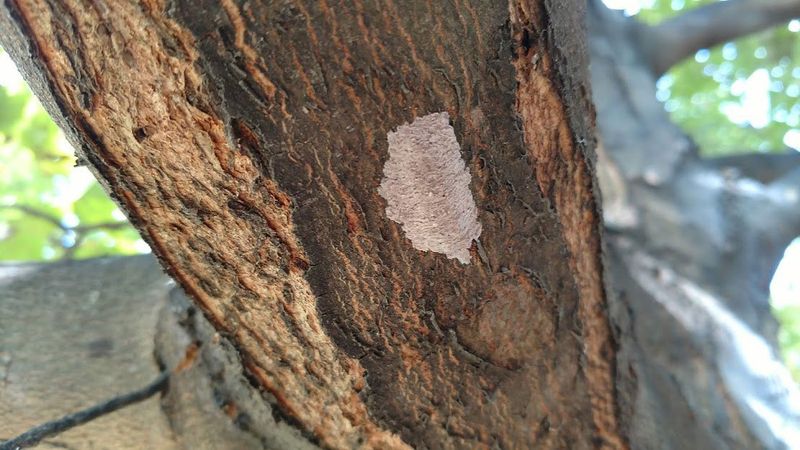
Early October is egg-laying season, when adults smear gray, mud-like egg masses on almost any flat surface. Check tree trunks, fences, outdoor grills, lawn chairs, and trailers, especially before moving anything to another town.
Scrape egg masses into a zip bag with a plastic card or putty knife, then seal it tightly and toss it in the trash. Each mass you remove can hold dozens of eggs.
Adults still crawling around this month should be dealt with on sight, which state officials encourage residents to do. Circle traps wrapped around tree trunks catch climbing lanternflies with less risk to birds than sticky bands.
Tree of heaven, a weedy invasive tree, is their favorite host, so removing it from your yard can help reduce their numbers. Check the state agriculture department’s website to see whether your county still needs sighting reports, since every report helps slow their spread.