A Simple DIY Stink Bug Trap You Can Make Tonight
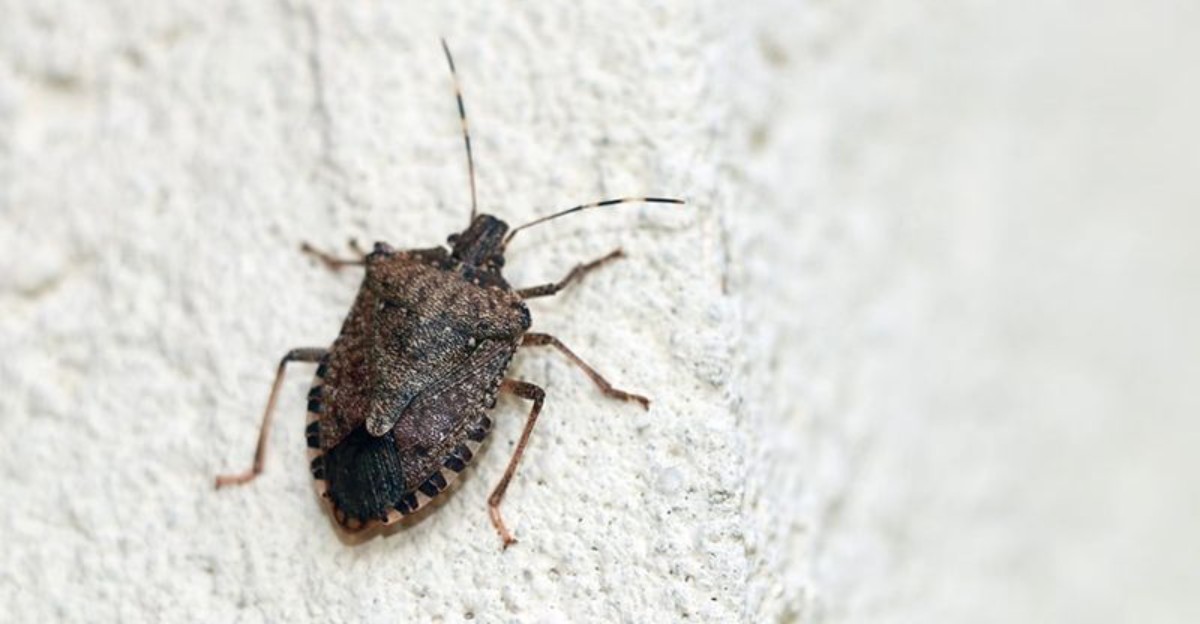
Something crunchy is crawling across your kitchen ceiling, and it smells like old cilantro and dirty socks. Each fall, these shield-shaped bugs head for warm houses to wait out the winter.
Squishing them seems smart until the stinky smell fills the room and lingers for a while afterward. Store sprays can work, but many families prefer something gentler to use near kids and pets.
A simple trick using kitchen items can catch some of these pests overnight. You probably have every piece in a cupboard already.
The setup takes about ten minutes, costs very little, and works while you sleep. Many people find a few bugs in the pan the next morning.
Below, you will find simple materials, easy steps, and placement tips. Grab a flashlight, and let’s start.
A Shallow Pan Of Soapy Water Under A Lamp
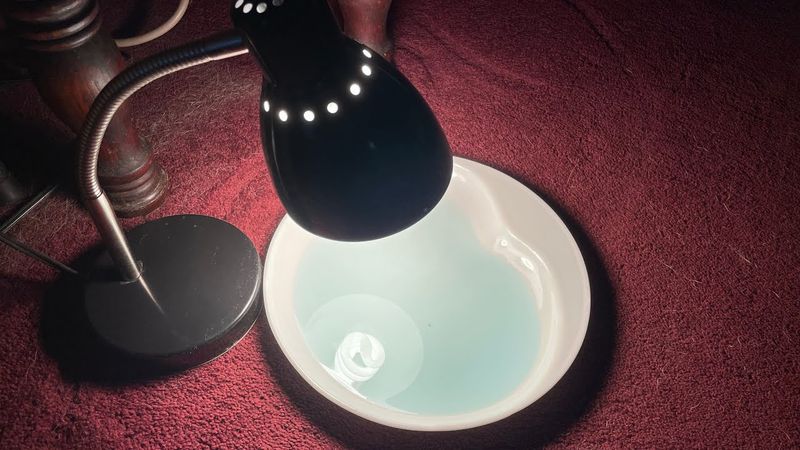
Picture a small glowing lamp in a dark living room, with a shiny pan of water waiting below. That simple setup is the whole trap, and many homeowners use it during fall bug season.
Stink bugs tend to be drawn to light at night, so they fly or crawl toward the glow. Once they get close, some bump into the lamp and fall into the soapy water below.
Plain water alone does not work well, because the bugs can float on the surface and climb out. A few drops of dish soap break the surface tension, so the bugs sink and cannot escape easily.
A wide, low pan like a baking sheet or pie tin gives falling bugs a bigger target to land in. It also keeps the water easy to see and refill.
Light color may matter too, and many people report better results with bright white or slightly blue bulbs. Soft yellow bulbs tend to be less attractive to insects, so save those for your front steps.
Fun fact: the brown marmorated stink bug was first collected in Allentown, Pennsylvania, in 1996, and was officially identified in 2001. It likely arrived hidden in shipping crates from Asia. Since then, it has spread across much of the country, and its fall house-hunting habits are well known.
Keep the setup simple and safe, using a sturdy lamp that will not tip over, and keep the cord well away from the water. Place the pan where pets and small children cannot reach it, especially during the busy evening hours.
Materials Found In Most Kitchens
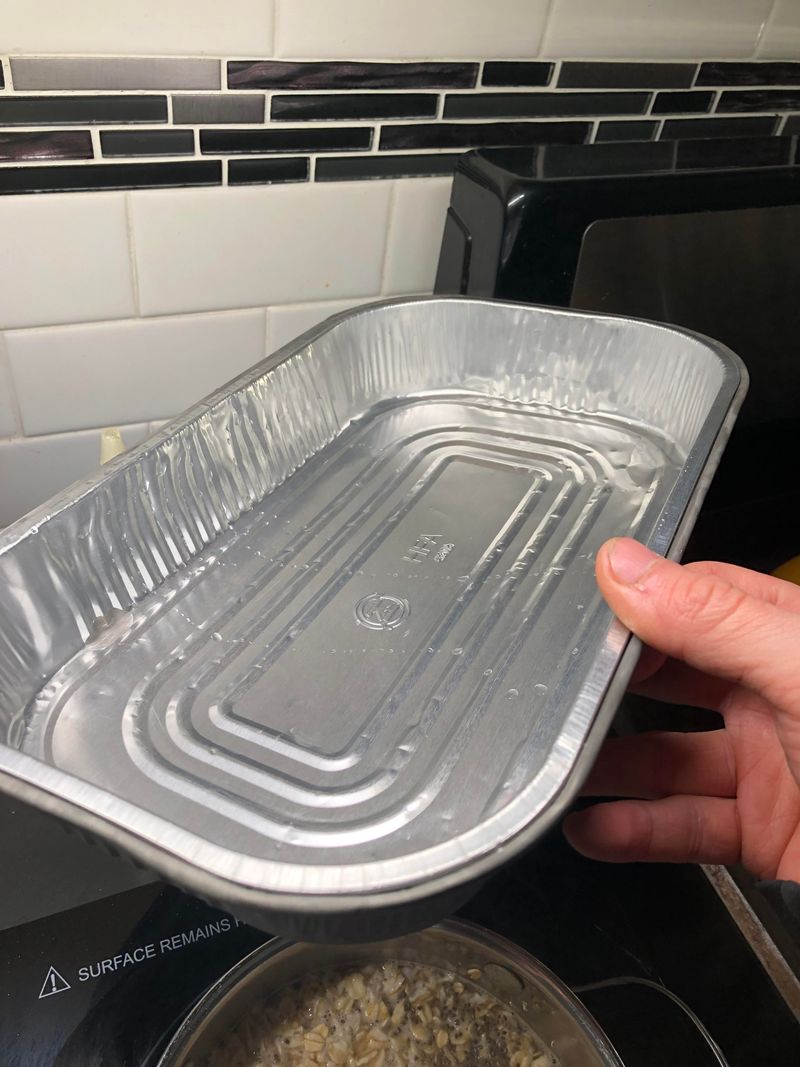
Think of this as a scavenger hunt where every prize is probably already in your kitchen cabinets. No special store trips are needed, and the whole kit usually costs less than a fancy coffee.
First, grab a shallow pan, such as a cookie sheet, pie tin, or an old disposable roasting tray. A light-colored pan may help the lamp glow show up better, but any shallow pan will do.
Next, find regular liquid dish soap, since almost any brand will break the water surface just fine. Unscented soap is a safe pick, in case strong fragrance puts off the bugs.
Warm tap water mixes with soap more easily, so fill the pan about one inch deep. Use roughly one tablespoon of soap for every few cups of water, then stir it gently with a spoon.
The light source can be a desk lamp, a small reading lamp, or even a battery-powered camping lantern. Clip-on lamps are handy, because you can aim the bulb toward the center of your pan.
Some folks add a sheet of aluminum foil under the pan to reflect a bit more light. Foil is optional.
Finally, keep a pair of rubber gloves and an old towel nearby for easy cleanup each morning. With these simple supplies gathered, you are ready to build a trap.
Setup Steps That Take Ten Minutes
Set a timer for ten minutes, because that is about all the time this project should take. Even busy parents juggling homework and dinner can build one before the evening news starts on television.
Step one is choosing a spot, ideally a flat table or floor area in a room where bugs gather. Clear away clutter, since stray papers or cords near water can cause spills later that night.
Step two is filling your shallow pan with about one inch of warm water from the kitchen faucet. Carry it slowly to the chosen spot, or fill it in place using a pitcher to avoid spills.
Step three means stirring about one tablespoon of dish soap into the water with a spoon. You want a few small bubbles, but too much foam can hide the water and confuse landing bugs.
Step four involves placing the lamp right beside or above the pan so light shines across the water. Keep the bulb at least several inches away from the liquid, since safety comes before catching any insects.
Step five is simple: turn off other lights in the room so your trap becomes the brightest spot. Bugs tend to ignore weak glows when bigger lights compete, so darkness helps your lamp stand out.
Leave the trap running overnight, then check it in the morning while sipping orange juice or warm tea. Many first timers find a few bugs floating there, which feels oddly satisfying after weeks of buzzing frustration.
Placement Near Windows Or Doors
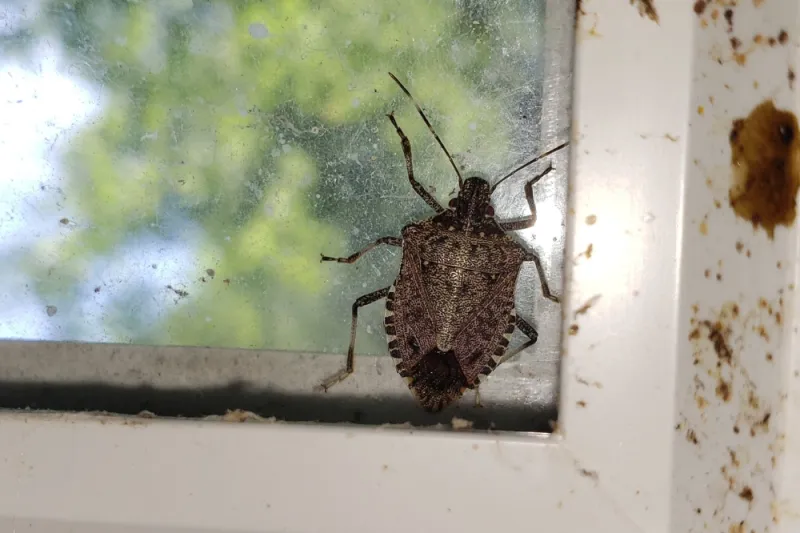
Like uninvited guests, these bugs sneak in through cracks around windows, door frames, and loose screens each autumn. Following their favorite entry points is a smart way to decide where your trap should sit.
Start by watching which windows get the most visitors, especially those facing south or west in October. Sunny walls stay warm in the afternoon, so bugs cluster there before squeezing inside as evenings cool down.
Place the pan on the floor or a low table just a few feet from that busy window. Bugs that slip through at night may notice the glow and head toward your waiting trap.
Doors deserve attention too, especially back doors, garage entries, and sliding glass doors that people open often. A trap near the garage entry can catch bugs that hitch a ride inside on coats or bags.
Attics and sunrooms are also popular hangouts, since bugs love quiet, warm spaces for their long winter rest. Setting a second trap in these spots can catch stragglers before they settle into walls for months.
Avoid placing the trap right against the glass, because outdoor bugs may gather outside instead of coming in. Closing the curtains behind the lamp helps keep the glow focused inside, where the actual problem bugs hide.
Try moving the trap every few nights and keep notes about which location catches the most bugs. A little trial and error helps you find the hot spots.
Light Attraction Behind The Trap’s Success
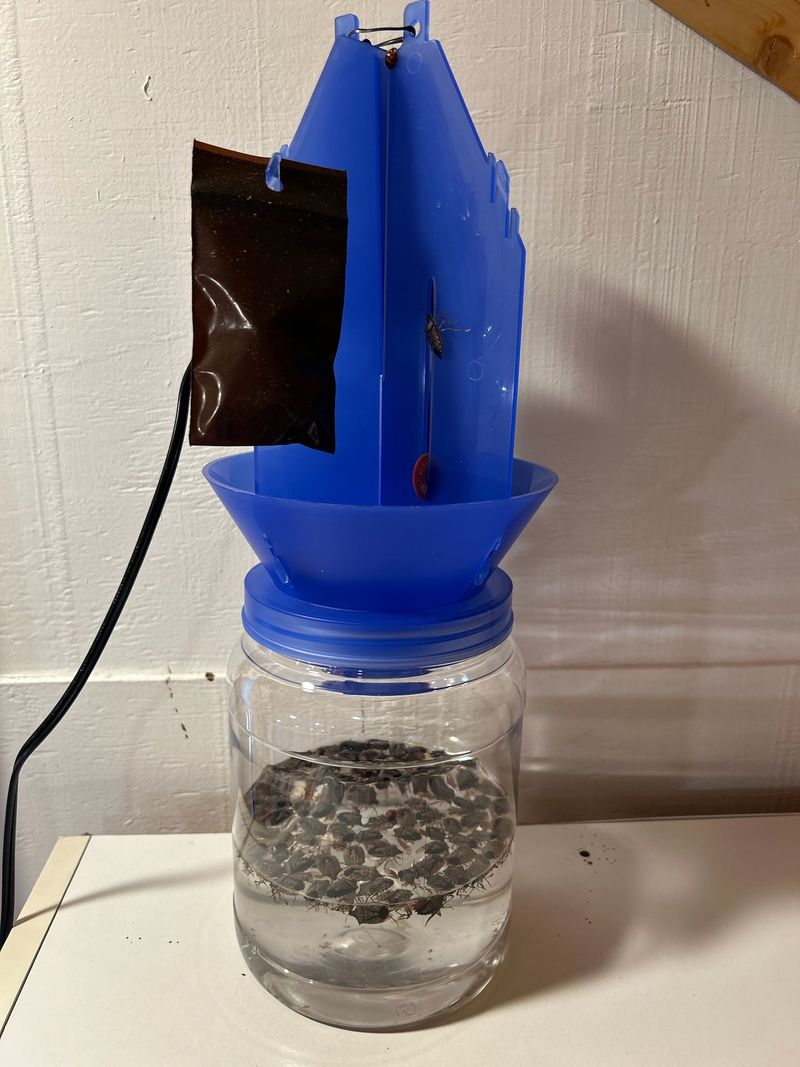
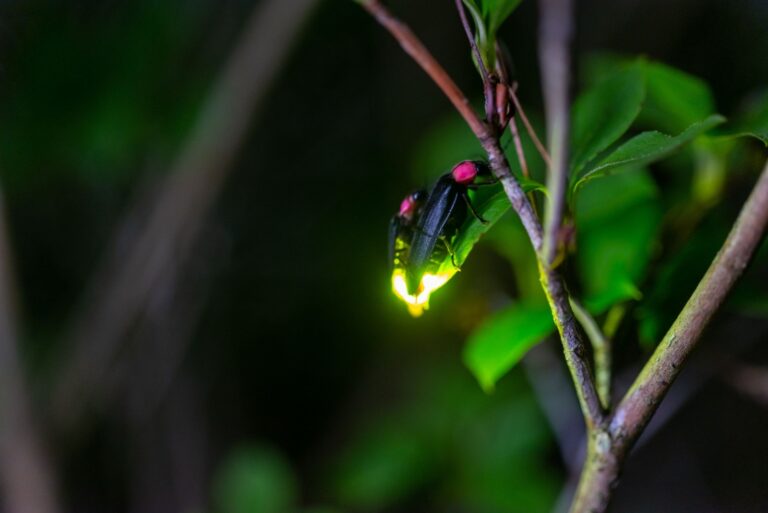
Scientists call it phototaxis, which simply means moving toward or away from light, and many night-flying insects show it. Bright sources can guide their path, so a glowing lamp can pull them in.
Some researchers think insects steer by keeping light above them, a habit that works well with sunlight and moonlight. Indoor lamps can confuse that system, so bugs circle and bump around the bulb until they drop down.
Bulbs that give off blue or white light usually attract more insects than warm yellow ones. Insects see shorter wavelengths well, which helps explain why cooler glows are often used for trapping.
Warmth may also play a part, since stink bugs seek cozy shelter as October nights grow chilly outside your windows. A lamp gives off a little heat along with its glow.
Darkness around the trap helps, because a single bright point stands out more clearly to bugs. Turning off televisions, nightlights, and hallway lamps removes the competition.
Some gardeners use LED bulbs labeled daylight and say they work well. LED bulbs also stay cooler than older bulbs, which makes your morning check safer.
Understanding this light science turns a simple pan into a tool that works with bug instincts, not against them. Once you see how the glow guides them, adjusting your trap feels much easier.
Cleaning Habits That Keep The Trap Effective
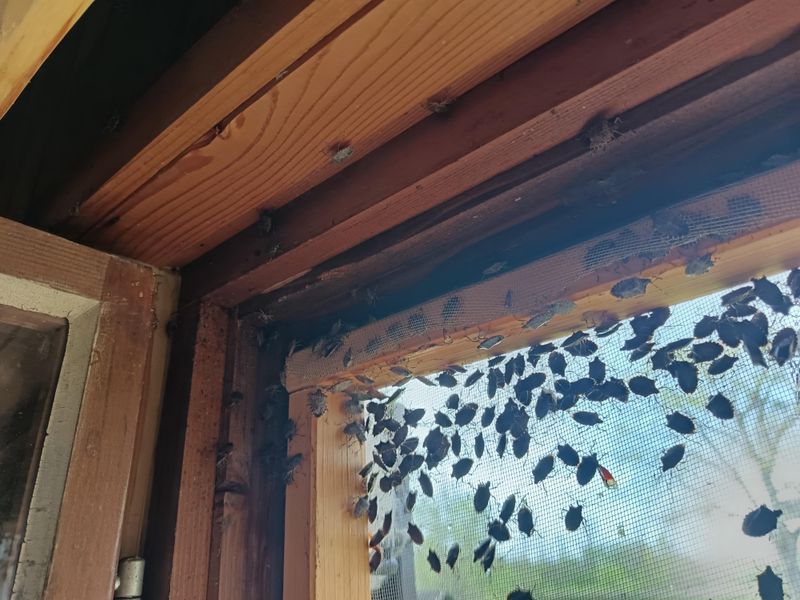
Morning coffee or not, a quick trap check each day keeps the whole system working smoothly all season. A dirty pan full of floating bugs can stink, and it may catch fewer new visitors each night.
Put on rubber gloves first, then carry the pan carefully to a sink, toilet, or outdoor garden spot. Pour out the water and bugs together, since picking them out one by one is slow and smelly.
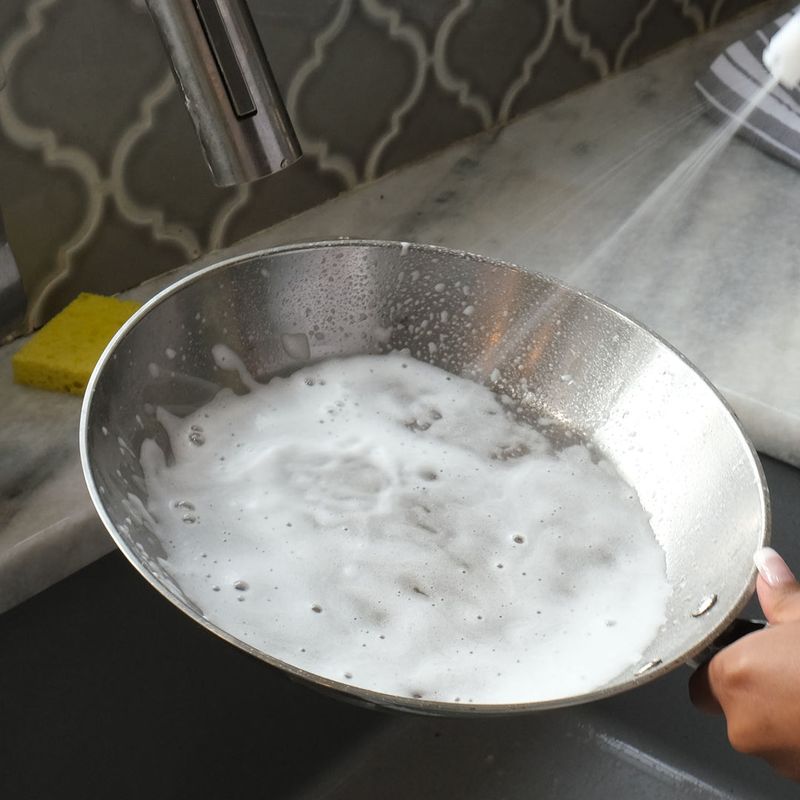
Rinse the pan with warm water, and use a little extra soap to remove any lingering odor. Stink bug smells can cling to surfaces, so a good scrub helps keep the next batch from smelling.
Refill the trap every evening with fresh soapy water, because old water gets dirty and bugs may crawl back out. Evaporation also lowers the water level, and a shallow puddle gives bugs a chance to escape.
Wipe the lamp shade and bulb once a week, since dust and bug smudges can dim the glow. Unplug the lamp and let the bulb cool before cleaning, then use a soft, dry cloth for safety.
Keep a simple tally on a notepad or phone, writing down how many bugs you catch each morning. Watching the numbers drop through late October shows when your efforts are paying off.
Pairing the trap with sealing cracks around windows and doors helps reduce how many bugs reach your rooms. Together, these habits make a quick kitchen project a steady helper through the rest of fall.