Why The Baking Soda Lawn Trick Is Spreading Across Virginia This Fall
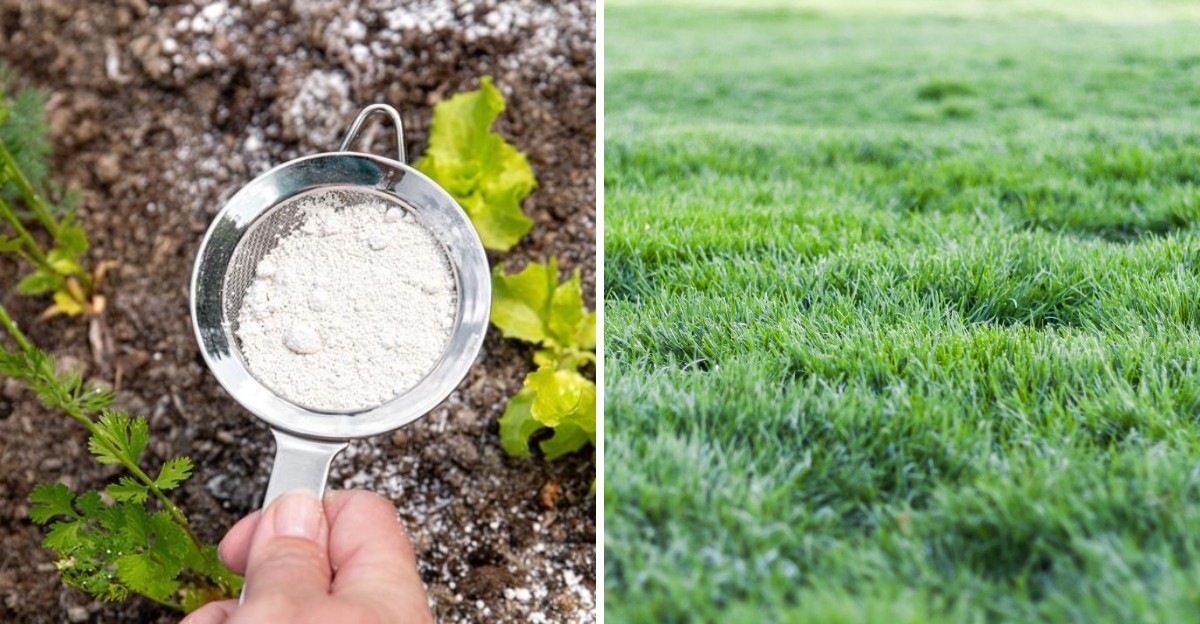
Why are your neighbors heading outside at dawn with spray bottles? You spot them from Roanoke to Virginia Beach, clutching orange boxes from their kitchens.
Brown patches have crept across lawns, and you are tired of paying for fixes. Garden center prices climb, so you check your own cabinets instead.
Word travels fast, and you hear the results are turning heads. Slippers, flannel robes, and serious faces become your uniform.
Even the cat studies your front lawn like a brand new cooking show. Maybe you doubt that a kitchen staple can ease mild fungus.
Cheap, quick, and on your shelf, this remedy is drawing attention across Virginia. Frost arrives soon, and fungus activity slows as nights turn cold.
Healthy habits can help you greet next spring with a thicker lawn. Test the spray on a small patch first, then compare.
1. Humid Virginia Nights Feed Fungus
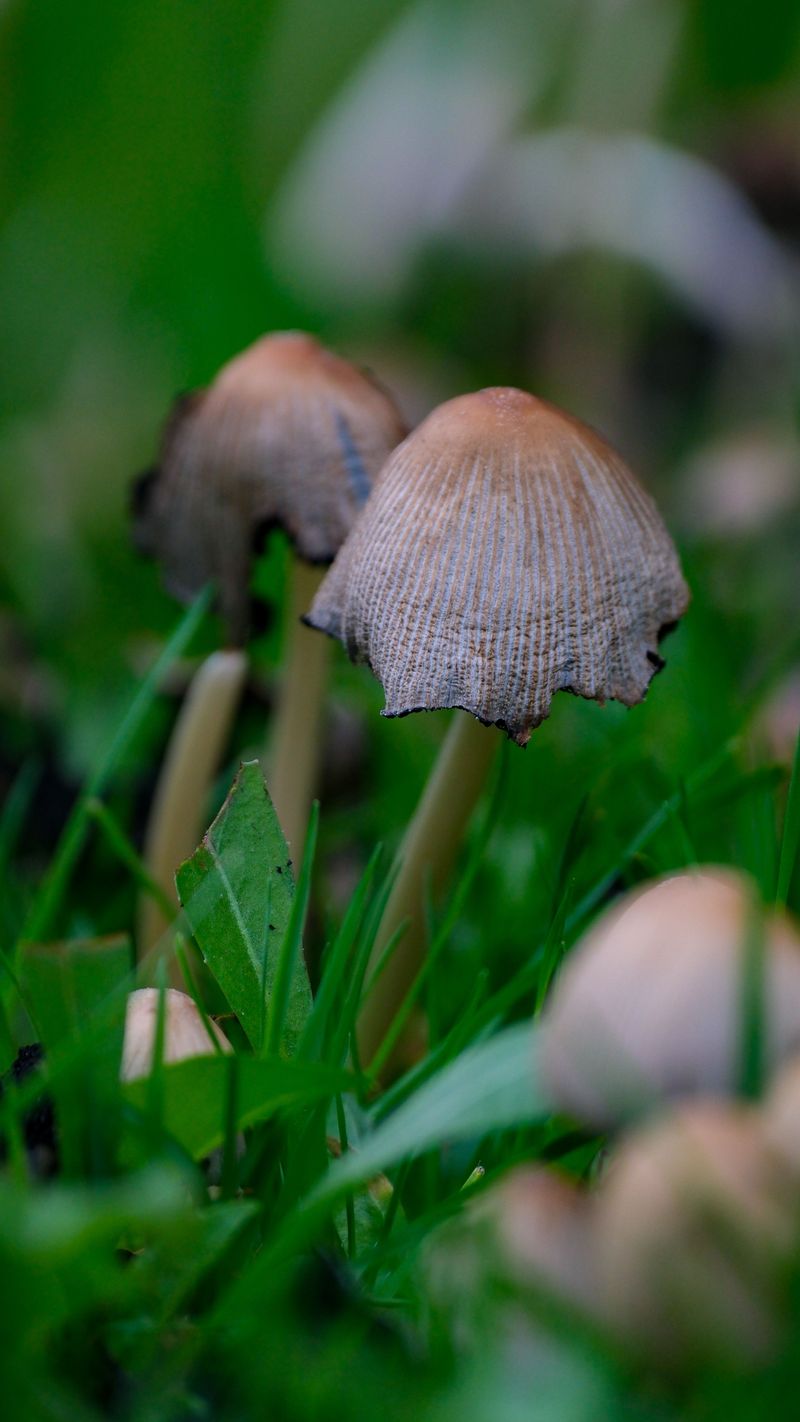
Picture a cool October morning where grass blades sparkle with dew until almost lunchtime. That lingering moisture is a condition lawn fungus favors.
Virginia sits in what experts call the transition zone, between the hot South and the chilly North. Our falls often bring warm afternoons followed by damp, foggy nights.
Fungal problems like powdery mildew, red thread, and dollar spot can thrive in those wet, mild conditions. You might spot tan circles, gray dusty coatings, or thin, weak areas.
Many homeowners notice these troubles right when they want their yards looking nice for fall gatherings. Most want a tidy lawn behind the Halloween decorations.
Baking soda may change the surface of the leaf, making it less friendly to fungus. Spores have a harder time settling in and spreading across the yard.
It is not a cure, and turf research is limited, but it may slow mild outbreaks when used early. Think of it as prevention rather than treatment.
Check your lawn in the morning, when dew makes fungal threads easier to see. Fuzzy, cobweb-like patches are a strong sign trouble is starting.
Catching problems early gives the simple pantry spray its best chance to help. Before spraying, confirm the cause, since drought, grubs, and pet urine can also leave brown patches.
Rake away soggy leaves so sunlight and air can reach the surface. Drier blades mean fewer places for fungus to settle.
Small habits like this can support the baking soda method. Your lawn may look healthier as a result.
2. Kitchen Pantries Offer An Option
Picture a Lynchburg grandmother who swears she has used the orange box for everything except fixing her car. Now her grandkids are using it on the lawn too.
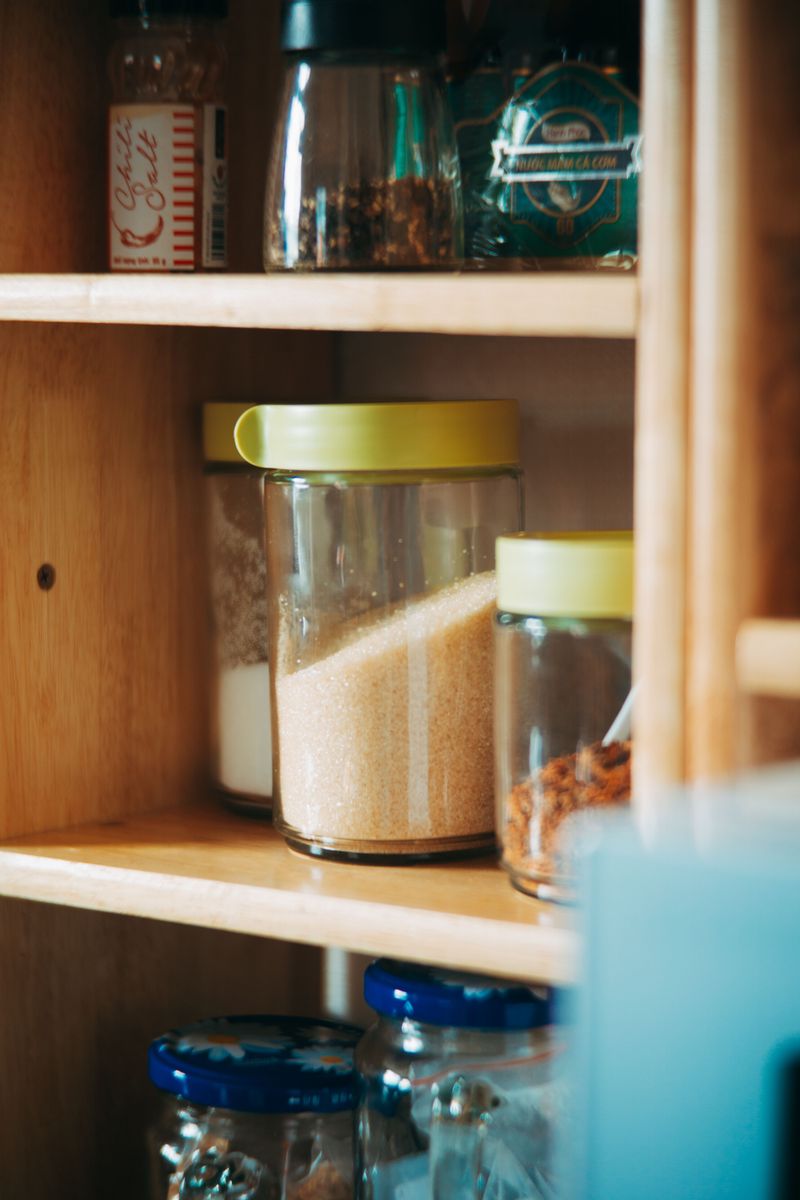
Part of the trend’s charm is how easy it is to find the main ingredient. Many kitchens in Virginia have a box sitting in the fridge or cupboard.
Baking soda has been around American homes since the 1840s. Families used it for baking, cleaning, and soothing bug bites long before lawn care.
People like solutions that feel familiar and easy to handle. A product you cook with seems lower-risk than many commercial fungicides, though caution still applies.
Your Virginia Garden Changes Every Week. Your Plan Should Too.
Gardening in Virginia changes quickly throughout the season. Every Friday you’ll receive a simple weekly plan showing exactly what to plant, prune, fertilize, harvest, and protect so you never miss the right timing.
Commercial fungicides can cost twenty dollars or more per bottle. A large bag of baking soda often costs less than a fancy coffee drink.
That price difference matters, especially when grocery bills keep climbing each month. Families are looking for clever ways to save without giving up a nice yard.
Warehouse stores sell big bags that can last an entire season of spraying. Splitting a bag with a neighbor stretches your money even further.
Keep the box you use for the lawn separate from your baking supply. Label it clearly so nobody accidentally adds it to Sunday pancakes.
Store it in a dry spot, because moisture makes the powder clump into hard lumps. A sealed plastic tub in the garage works well.
Simple storage keeps the powder fresh and ready whenever fungus shows up. That grandmother would likely approve of that kind of planning.
3. Neighbors Share Results Over Fences
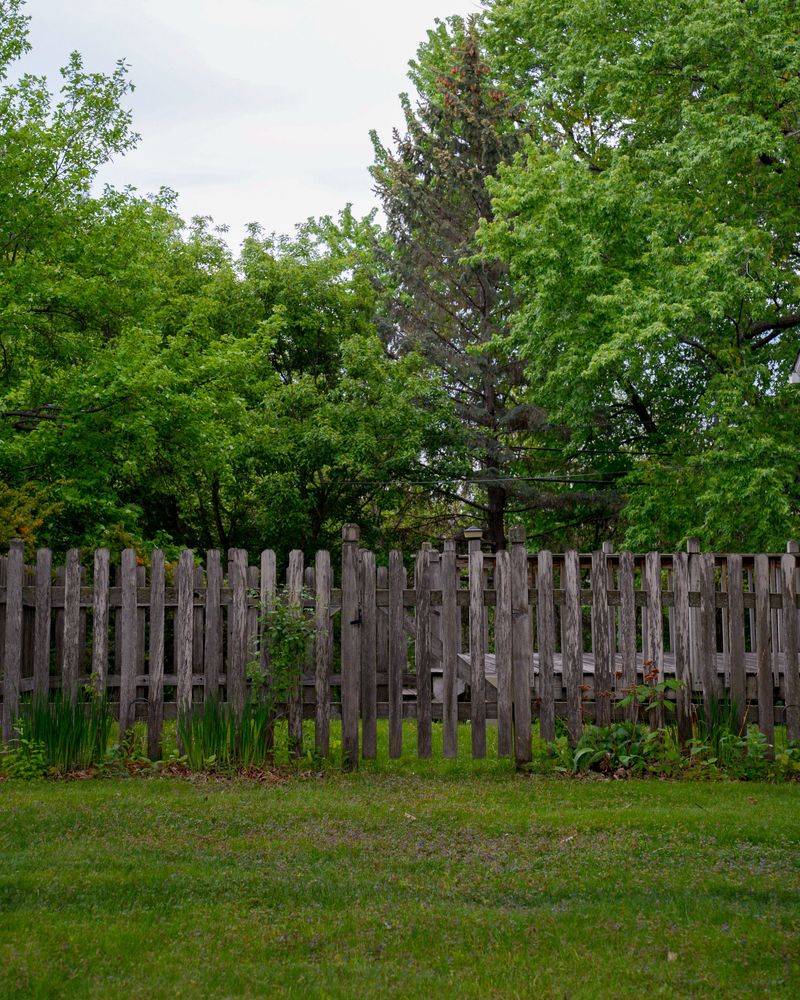
Some trends start on television, but this one started over backyard fences and in neighborhood chat groups. Virginians often swap lawn tips the way they swap recipes.
When a homeowner posts a before-and-after photo, several neighbors often ask for details. Within days, spray bottles appear on porches down the block.
Social media has sped things up even more this fall. Short videos showing quick backyard mixes are circulating widely online.
Seeing a real neighbor succeed can feel more convincing than an advertisement. Folks trust the person who waves at them each morning while walking the dog.
Still, not every online claim is accurate, so watch out for big promises. Some videos say baking soda cures every lawn problem, which is not true.
It may help with mild fungal issues on leaf surfaces. It will not fix poor drainage, grubs, or soil that badly needs nutrients.
Ask neighbors what exact mix they used and how often they sprayed. Details like these help you copy their success instead of guessing.
Your local Virginia Cooperative Extension office is another great resource. Its agents can explain how to send soil samples to the Virginia Tech Soil Testing Lab and plant samples to the Plant Disease Clinic.
Extension offices provide soil sample boxes, and the lab charges a small testing fee. Results can show whether your lawn needs lime, fertilizer, or something different.
Pairing neighborly advice with expert facts gives you a sensible plan. Then you can be the one sharing photos over the fence next year.
4. Simple Recipes Keep Costs Low
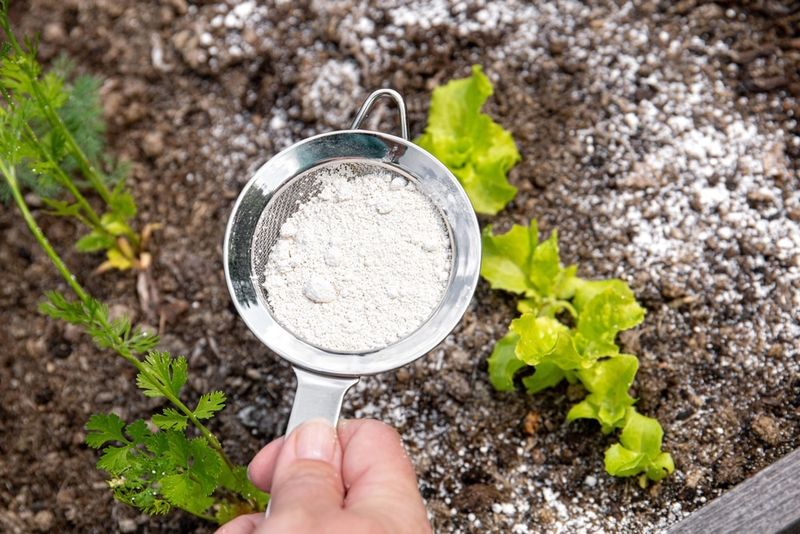
One tablespoon, one gallon, a few drops of soap, and you are basically done. That short list is the biggest reason people keep trying it.
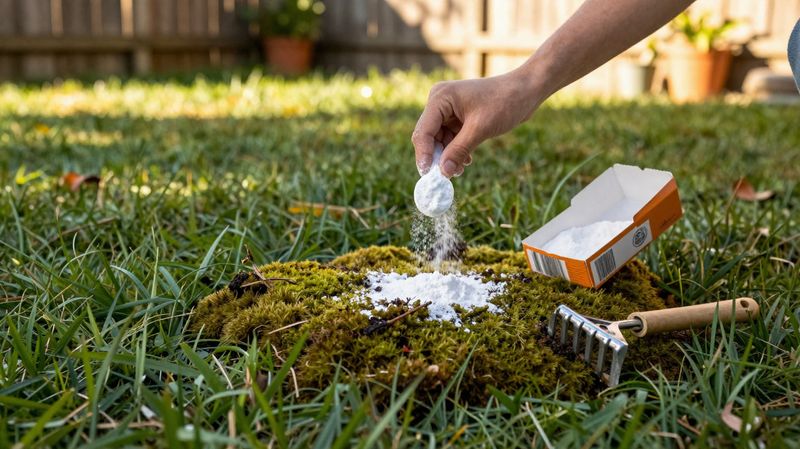
A common home mix is one tablespoon of baking soda in one gallon of water. Adding about half a teaspoon of mild dish soap helps the mix stick to blades.
Some folks add horticultural oil, but it can burn turf in warm sun, so skip it unless a label says otherwise. Shake the sprayer well, since the powder likes to settle at the bottom.
A pump sprayer from the hardware store makes the job quick and even. Hose-end sprayers work too, though measuring can be trickier with them.
Spray in the early morning, not during hot midday sun or in the evening, since wet blades overnight invite fungus. Strong sunlight on wet blades can cause light burning in some cases.
Focus on trouble spots first instead of soaking the whole yard. Treating only what needs help saves both powder and your soil.
Repeat the spray about once a week if fungus keeps showing up. Stop when the patches stop spreading and new growth looks healthy.
Test a small area first and wait two days before spraying more. Every lawn reacts a little differently, especially in dry or stressed spots.
Rinse your sprayer with clean water after each use to prevent clogs. Dried powder can gum up nozzles faster than you might expect.
With a few cheap tools, the whole routine takes less than twenty minutes. That leaves plenty of time for football games and pumpkin carving.
5. Fescue Lawns May See Less Disease

Walk through many Virginia subdivisions and you will likely step on tall fescue. It is the most popular cool-season grass across much of the state.
Fescue grows strongest in fall, when temperatures cool down and roots get busy. That same weather can also welcome fungal problems such as red thread and dollar spot.
Brown patch, which peaks in summer heat, shows up as rings or circles of tan, wilted grass. Sometimes the edges look darker, almost like a smoky border around the spot.
A light baking soda spray may slow the spread on the leaves. It works best as part of a bigger plan, not as the only step.
Fall is also prime time for overseeding fescue lawns in Virginia. Many homeowners spread new seed in September or early October to fill thin areas.
Hold off on spraying freshly seeded spots until the new grass is established, and ask your extension office for timing. Young sprouts are tender and do not need extra stress.
Mow fescue at about three to four inches tall during fall. Taller blades shade the soil, hold moisture better, and grow deeper roots.
Water deeply but less often, ideally early in the morning before work. Evening watering keeps blades wet overnight, which hands fungus a welcome mat.
Go easy on nitrogen fertilizer while fungus is still active. Too much quick-release food can actually make the fungus spread faster.
Healthy habits and a careful spray together give fescue its best shot. By Thanksgiving, your yard could look thick, green, and ready for guests.
6. Safety Considerations For Pets And Kids
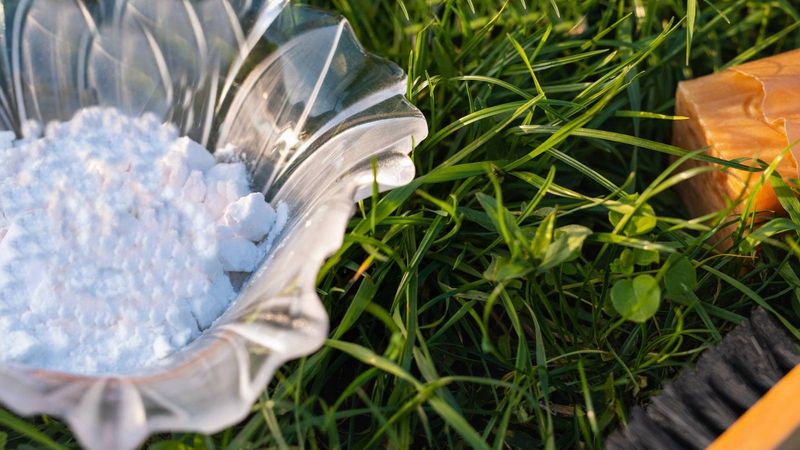
Ask any parent with a toddler and a Labrador what worries them about lawn care. Chances are, the answer involves chemicals on tiny hands and curious paws.
Many families love that baking soda is a common household item. Kids eat it in cookies, and families use it to freshen pet beds.
The mixture seems lower-risk than strong fungicides to some parents, though the dish soap still calls for caution. That peace of mind is part of its appeal.
Still, lower risk does not mean you can skip common sense. Large amounts of baking soda can make a dog seriously ill if eaten, so call your veterinarian if your pet swallows some.
Keep pets and children off the grass until the spray has fully dried. That usually takes an hour or two in sunshine.
Store your mixing bucket and sprayer out of reach after each use. Curious puppies love chewing on anything with a nozzle or handle.
The dish soap in the recipe should be mild and unscented. Skip soaps with bleach, degreasers, or antibacterial ingredients, which can harm grass.
Rinse muddy paws after playtime outside, especially right after spraying. A quick wipe with a damp towel keeps residue off carpets and couches.
Kids can even help mix the batch with an adult watching closely. Measuring spoons and gallon jugs turn lawn care into a little science lesson.
Talk with them about why fungus grows and how the spray helps. Curious young gardeners learn quickly when their hands get a little dirty.
Your veterinarian is a smart contact if you have specific pet concerns. A short phone call can calm your worries before you start.
7. Careful Doses Protect The Soil
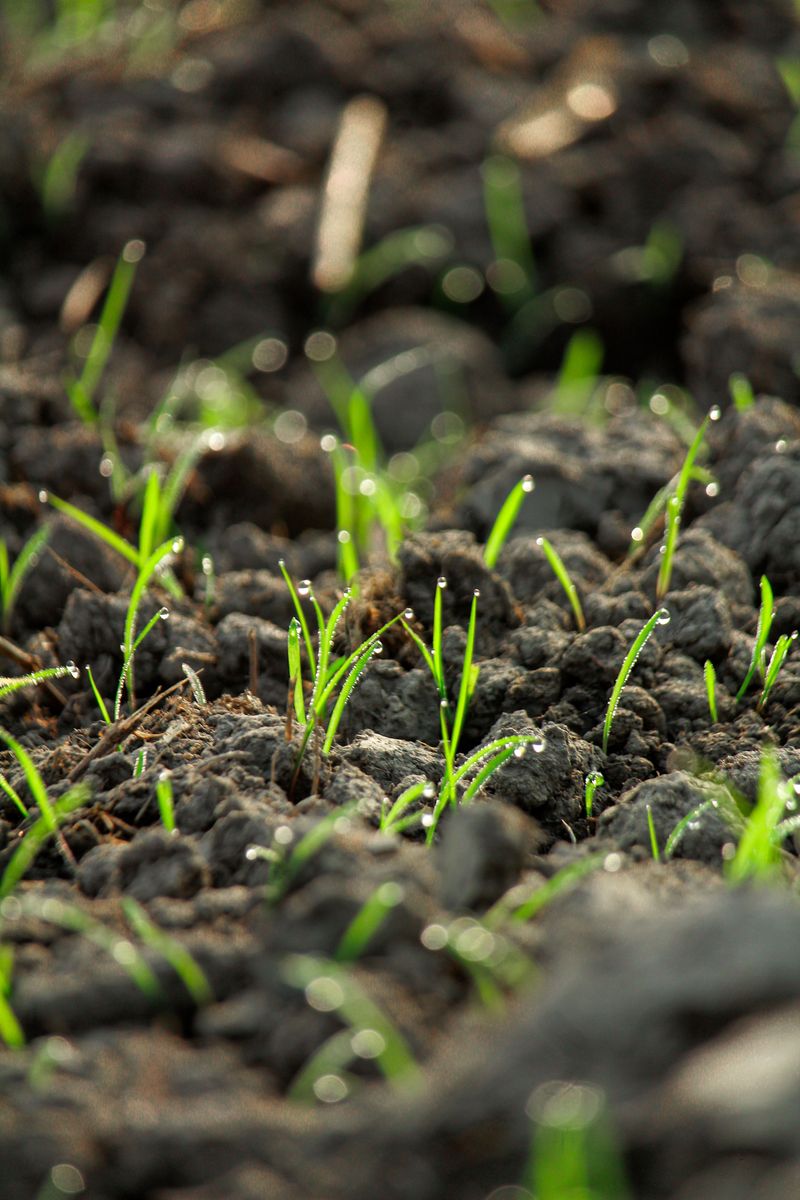
Here is the part many viral videos skip over. Baking soda contains sodium, and soil does not love sodium in large amounts.
Too much salt can build up over time and make it harder for roots to drink. Grass may turn yellow, thin out, or struggle to recover from stress.
Virginia soils, especially red clay in the Piedmont, already drain slowly in many neighborhoods. Sodium can tighten clay even more, which traps water near the surface.
Stick to the recommended one tablespoon per gallon instead of adding extra for good luck. More powder does not mean better results, just more risk.
Spray only where fungus appears, not across every square foot. Spot treatments limit how much sodium reaches your soil each season.
Potassium bicarbonate is a close cousin that extension sources often recommend. It fights fungus in a similar way, and potassium feeds plants instead of harming soil.
Garden centers sell it under several brand names for a few dollars more. Some Virginians switch to it once they see how the basic method works.
Getting a soil test every two or three years helps you track changes. Ask the lab whether sodium is in your report, since routine tests may leave it out, and treat odd pH levels as a sign to ease up.
Fall rains in Virginia help wash some salt deeper into the ground. Even so, steady overuse can outpace what nature can rinse away.
Treat baking soda like hot sauce, where a little goes a long way. This approach can help keep your soil healthier in the springs ahead.
8. Timing Matters Before Winter Arrives
Mid-October is a sweet spot on the Virginia lawn calendar. Days are still mild, but frost is creeping closer each week in the mountains.
Fungal diseases slow down once nights get truly cold, usually by November in most areas. Treating problems now helps your grass head into winter stronger.
Spray on a dry day with no rain expected for at least twenty-four hours. Rain washes the mix away before it has time to work.
Check the forecast for wind as well, since breezy days scatter spray everywhere. Calm mornings give you the best control and the least waste.
Western Virginia near Blacksburg cools off weeks earlier than Norfolk or Virginia Beach. Adjust your schedule to match your own region’s weather instead of a friend’s.
Once temperatures stay below fifty degrees, brown patch activity drops sharply, though snow mold and a few other diseases stay active in cold weather. That is a good signal to pack the sprayer away for the season.
Keep raking leaves through November so matted piles do not smother the grass. Wet leaf layers can invite snow mold during long, gray winter weeks.
A final mowing at a slightly lower height helps prevent matting under snow. Just avoid scalping, which weakens roots right before the coldest months.
Write down what worked, how often you sprayed, and which spots improved. Notes like these make next fall’s lawn care much easier.
The baking soda method appeals to homeowners because it is cheap, simple, and easy to try during Virginia autumns. Used wisely, it can help your yard greet spring looking fresh.