Why Dark-Eyed Juncos Pick Certain Virginia Yards For The Whole Winter
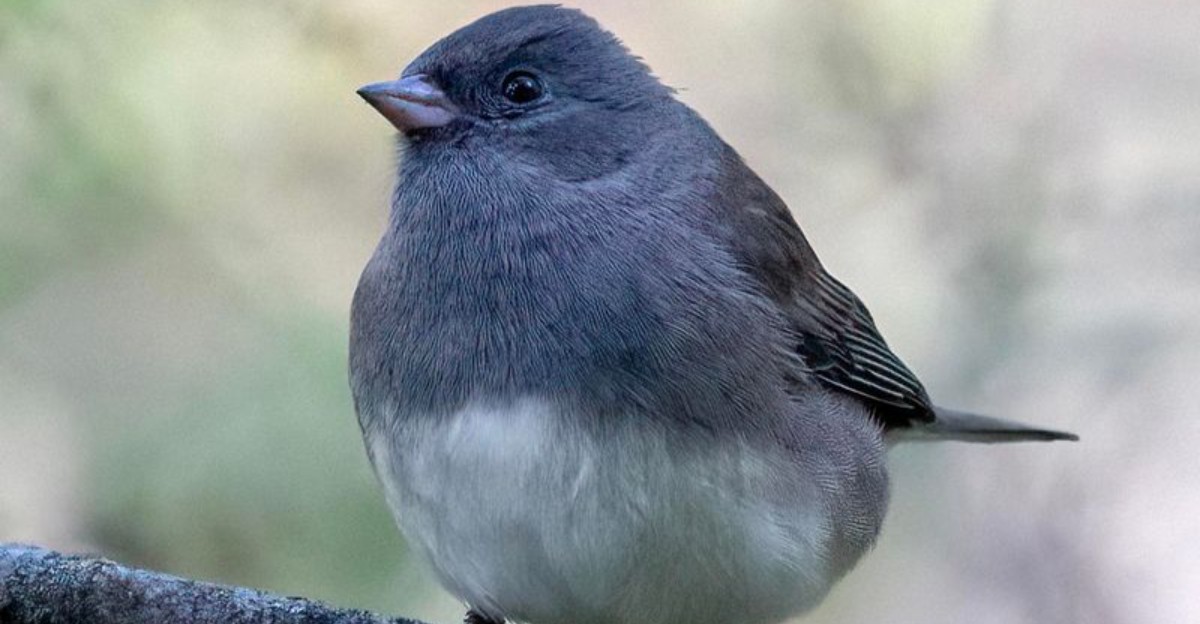
One frosty morning, a tiny gray bird with a pink beak hops under your feeder like it owns the place. Meet the dark-eyed junco, the famous snowbird of Virginia winters.
You might hear its soft ticking call before you spot a flash of white tail feathers. That little show usually means the cold season has officially arrived.
Some yards win juncos over for the whole winter, while others barely get a visit. Food matters, but shelter, safety, and even memory play a part too.
Some of these birds may have spent last winter in your yard. A few may have simply flown down from a nearby mountain.
The signs below explain what their arrival says about your yard. Once you know them, a quiet winter window can turn into a daily show.
1. Winter Is Settling In Farther North
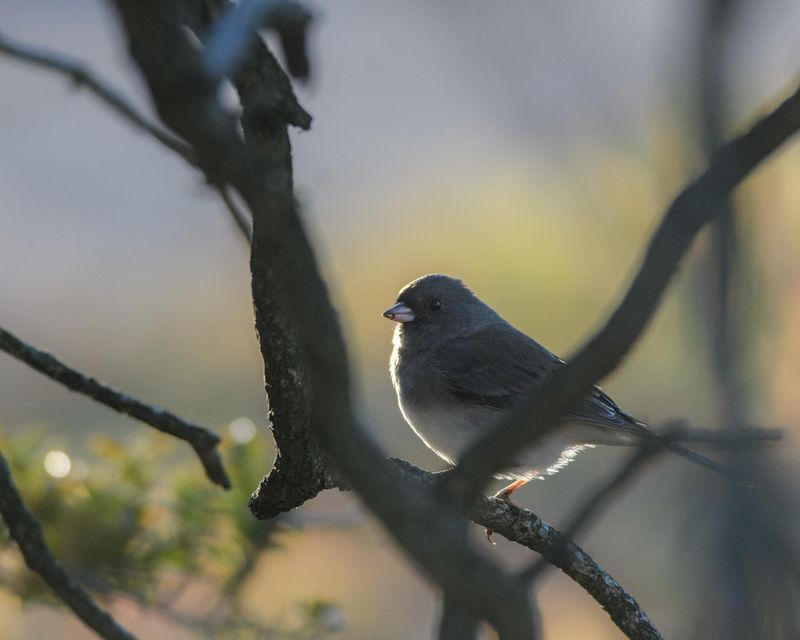
Picture a snowstorm burying a Canadian forest while a small gray bird packs up and heads south. Juncos earn the nickname snowbirds because their arrival often matches the first real chill.
Most of these birds breed in the forests of Canada and Alaska during summer. Once the days shorten and food grows scarce, they start moving toward milder places.
Virginia sits in a sweet spot for these travelers. Our winters feel cold, but the ground usually stays open enough for hungry birds to find seeds.
Many people notice juncos showing up in October or November. Their timing tends to follow cold fronts sweeping down from the north.
Watching the weather can help you predict their arrival. A strong north wind after a warm spell often brings fresh waves of migrating birds.
Juncos usually travel at night, resting and feeding during the day. You might wake up to find a small group already scratching under your shrubs.
Here is a handy tip for early fall. Start scattering a little millet in late October so traveling birds discover your yard quickly.
Keep a simple notebook by the window as well. Writing down the first junco sighting each year creates a fun record you can compare later.
Fun fact time for curious readers. Some older folks call juncos snowbirds because they believed snow followed soon after the birds appeared.
Whether that saying holds up or not, their arrival marks a real change. When juncos appear, winter is officially knocking on the door.
2. Your Yard Just Became Their Winter Home
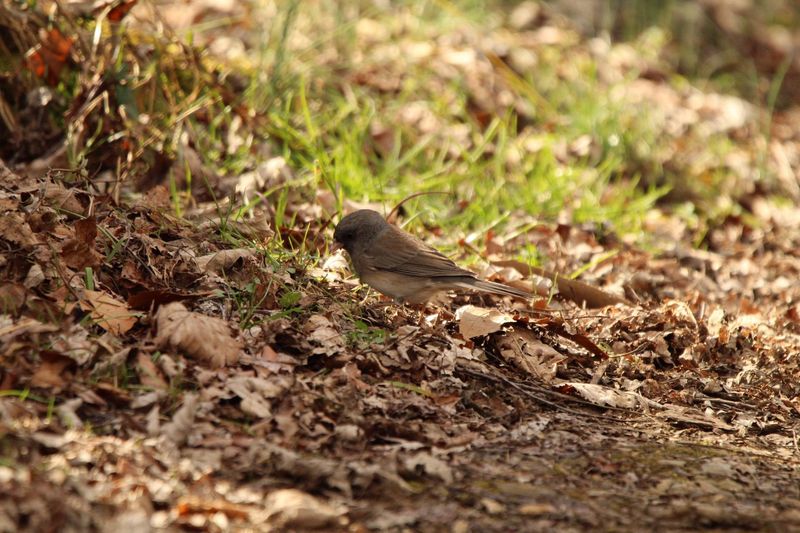
Congratulations are in order if juncos keep hopping around your lawn. Your yard passed a tough test that many neighborhood spaces fail.
Juncos are ground feeders by nature. You will see them hopping, pausing, and scratching backward with both feet to uncover hidden seeds.
Food alone rarely seals the deal for them. They also want nearby cover where they can dash when a hawk swoops overhead.
Good winter spots mix open ground with low plants close by. Think of a lawn edge beside shrubs, or a garden bed next to a hedge.
Suburban yards across Virginia often offer that combination by accident. Foundation plantings, fence lines, and wooded edges all create welcoming corners.
Your Virginia Garden Changes Every Week. Your Plan Should Too.
Gardening in Virginia changes quickly throughout the season. Every Friday you’ll receive a simple weekly plan showing exactly what to plant, prune, fertilize, harvest, and protect so you never miss the right timing.
Once juncos settle, they usually stick to a small area all season. Researchers call it a winter home range, and it can be surprisingly tiny.
Want to make your space even more inviting? Keep one area of lawn open and slightly messy rather than raked perfectly clean.
Placing feeders about ten feet from shrubs also helps. Birds get quick shelter without giving sneaky predators an easy hiding spot.
Juncos also appreciate a steady water source. A shallow heated birdbath can become a favorite stop when puddles freeze solid.
Pay attention to where they gather most often. Those favorite spots tell you exactly what your visitors like, so you can add more of it.
3. They May Be The Same Birds That Visited Last Year
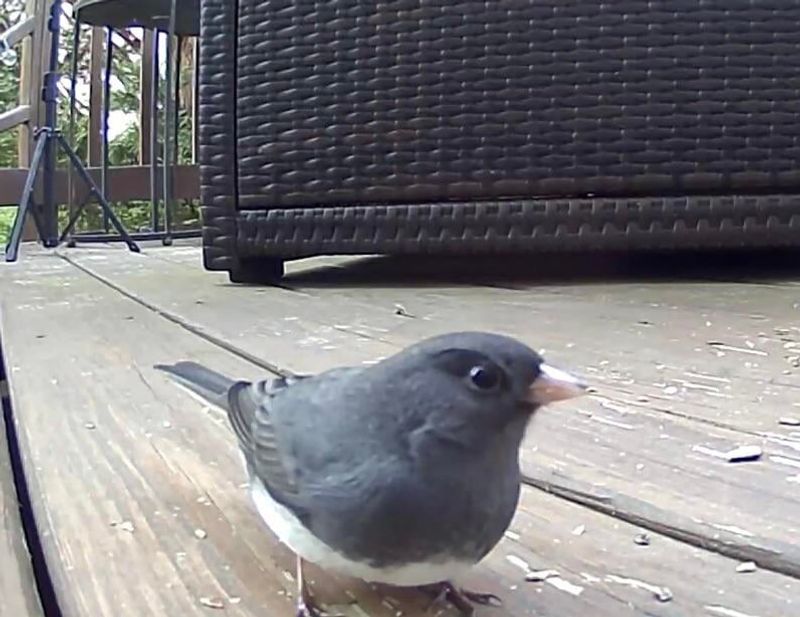
Ever get the feeling you have met a bird before? With juncos, that hunch might be correct.
Scientists who band birds have found something charming. Many juncos return to the very same wintering spots year after year.
Loyalty like that makes good sense for a small bird. Returning to a known place saves energy and lowers the risk of surprises.
A familiar yard means known food, known shelter, and known escape routes. Your backyard becomes a trusted map inside a tiny bird brain.
Banding studies show some juncos live several years in the wild. That means the same bird could visit you for many winters.
Consistency is your best tool here. Keeping feeders, shrubs, and brush piles in similar spots helps returning birds recognize their old haunt.
Big yard makeovers in fall may confuse them. If you plan to remove shrubs, try doing it in late spring after they head north.
Telling individual juncos apart takes patience. Some show slight differences in color, like browner backs or grayer heads.
Snap photos through the window each season. Comparing pictures can become a fun family puzzle during long winter afternoons.
Knowing your guests might be old friends adds a warm touch. It turns a routine bird feeder into a kind of yearly reunion.
4. Seeds On The Ground Are Doing Their Job
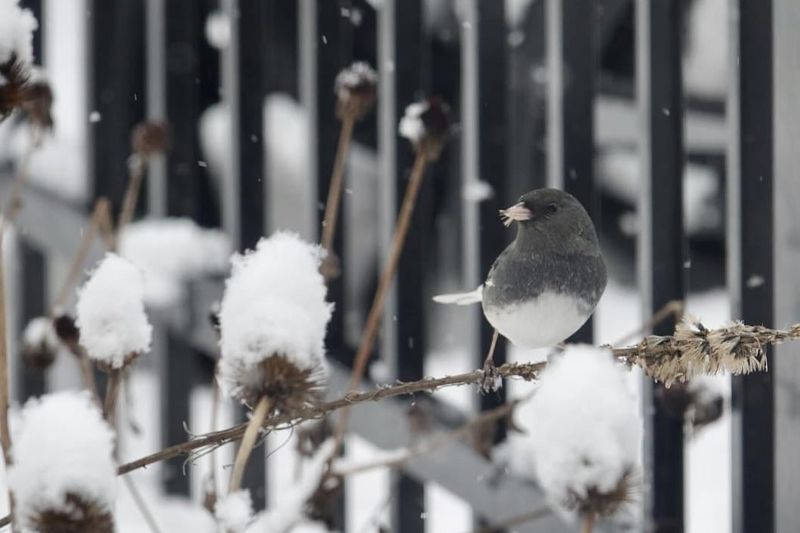
Seventy-five percent is a big number for such a small bird. That is roughly how much of a junco diet comes from seeds.
Weeds you might pull without thinking are junco treasure. Chickweed, lamb’s quarters, and ragweed produce loads of tiny seeds.
Grass seeds count too, especially from lawns left a bit shaggy. Juncos pick through stems and scratch the soil for anything that fell.
Leaving flower heads standing through winter helps a lot. Coneflowers, black-eyed Susans, and native grasses hold seeds well into cold months.
Many gardeners in Virginia now wait until spring to cut back beds. That small delay creates a free buffet for juncos and other sparrows.
Fallen seed under feeders matters too. Juncos happily clean up what messy eaters like cardinals and finches drop.
Think of that spilled seed as a feature, not a problem. Rake it lightly now and then to prevent moldy piles.
In summer, juncos also eat insects and feed them to their chicks. Winter menus lean heavily on seeds since bugs are hard to find.
A quick practical tip helps here. Plant a small patch of native wildflowers this spring so next winter brings natural seed.
Your garden does not need to look wild everywhere. Even one relaxed corner can keep your snowbirds fed and busy.
5. Leaf Litter And Brush Piles Offer The Shelter They Need
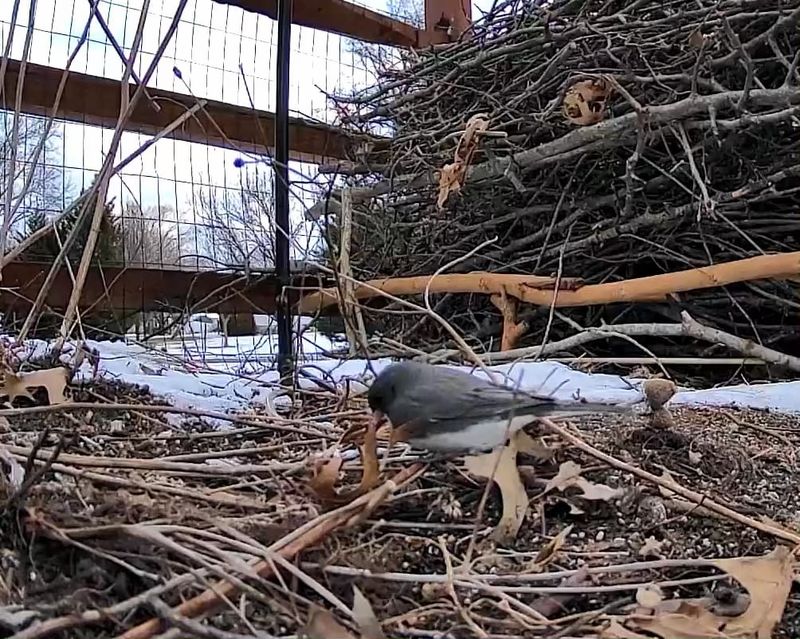
Messy yards win the junco popularity contest, and that is great news for tired rakers. Shelter ranks right up there with food on their wish list.
Cold nights and hungry hawks make cover essential. Juncos slip into dense shrubs, hedges, and low evergreens to stay safe and warm.
Brush piles work like tiny bird hotels. A loose stack of branches gives plenty of nooks where wind cannot reach.
Building one is simple and costs nothing. Start with thick logs on the bottom, then layer thinner branches crosswise on top.
Place the pile near feeders but not right beside them. About ten to fifteen feet gives birds a quick escape route.
Leaf litter pulls double duty for these birds. It hides seeds and insects while offering cover for scratching around.
Try leaving leaves in garden beds instead of bagging them all. Your soil gets natural mulch, and juncos get a feeding ground.
Evergreen plants like American holly and eastern red cedar shine here. Both are native to Virginia and keep their protective leaves all winter.
Discarded holiday trees can help too. Lay your old tree in a sheltered corner after the season for instant bird cover.
Small changes add up quickly. A few scruffy spots can turn an ordinary yard into a cozy winter hideout.
6. More Are Likely On The Way
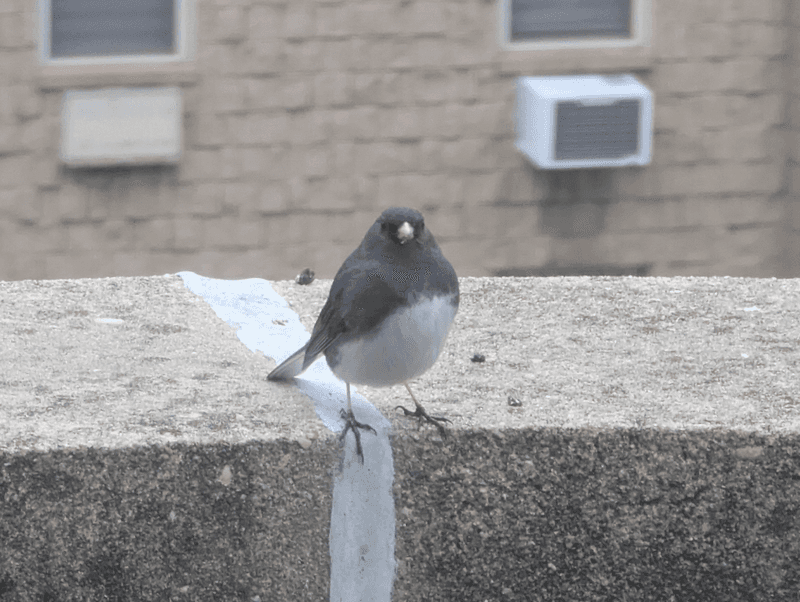
One junco rarely stays lonely for long. Spot a single bird, and a whole crew often shows up soon after.
Winter juncos travel in loose flocks. Groups usually range from six to thirty birds, and sometimes even more gather together.
Flocking offers safety in numbers. More eyes mean someone spots a predator faster, giving everyone time to flee.
Juncos often mix with other sparrows too. White-throated sparrows and chipping sparrows may forage right alongside them.
Here is a quirky bit of bird drama. Earlier arrivals tend to rank higher in the flock pecking order.
Watch closely and you may see small squabbles. A dominant bird might flash its white tail feathers to chase a rival off.
Birds lower in rank sometimes wander farther to find food. That can mean new flocks drifting through your yard all winter.
Spreading seed over a wider area reduces fights. Scatter millet in several spots so lower-ranking birds also get a turn.
Counting your flock can be a fun activity. The Great Backyard Bird Count each February welcomes counts from families everywhere.
Your numbers help scientists track how junco populations change. Kids and adults alike can join from their own kitchen windows.
7. Mountain Juncos May Simply Be Moving Downhill
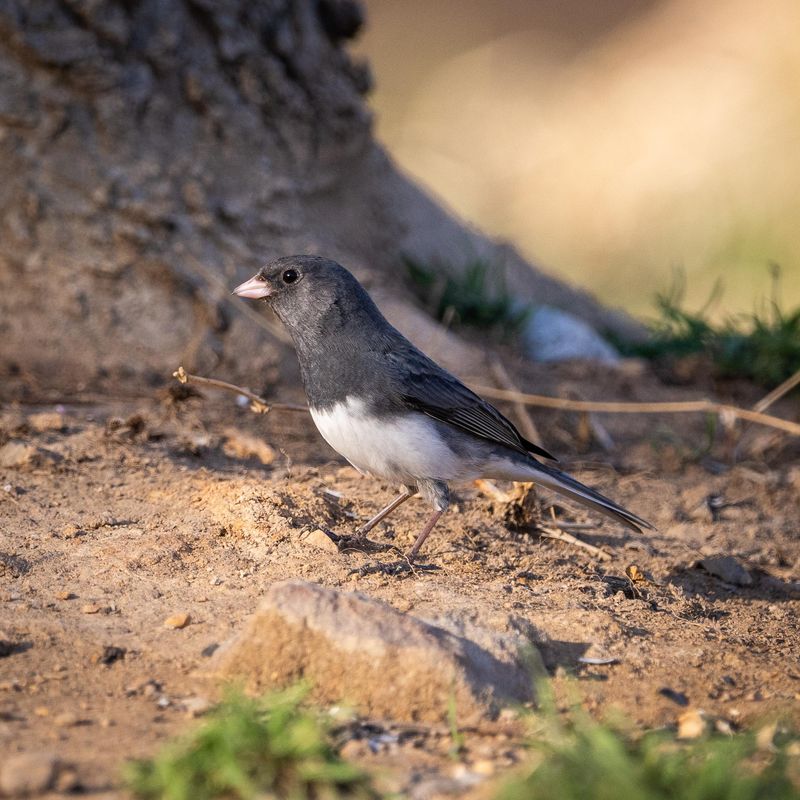
Not every junco flies thousands of miles. Some of your visitors might have spent summer just a short drive away.
Virginia hosts a year-round population in the Appalachian Mountains. High ridges like Mount Rogers and parts of Shenandoah offer cool summer homes.
These mountain birds nest at higher elevations during warm months. Cooler air and thick forests suit them well for raising chicks.
When winter hits the peaks, they head downhill instead of heading far south. Valleys and foothills give them milder weather and easier food.
Scientists call it altitudinal migration. Instead of moving by distance, the birds move by height.
Hikers along the Blue Ridge Parkway often see juncos in summer. Many flatland folks only notice them when cold weather arrives.
Mountain juncos in the Appalachians belong to a subspecies nicknamed the Carolina junco. It tends to be slightly larger with a paler, grayish bill.
Spotting the difference takes a good look. A pair of binoculars and a field guide can make the hunt much easier.
Plan a summer hike if you want to see juncos year-round. Listen for their bright, musical trill echoing through spruce and oak woods.
It feels special to know your winter guests might be neighbors. They simply took the elevator down for the season.
8. Low Platform Feeders And Millet Will Keep Them Around
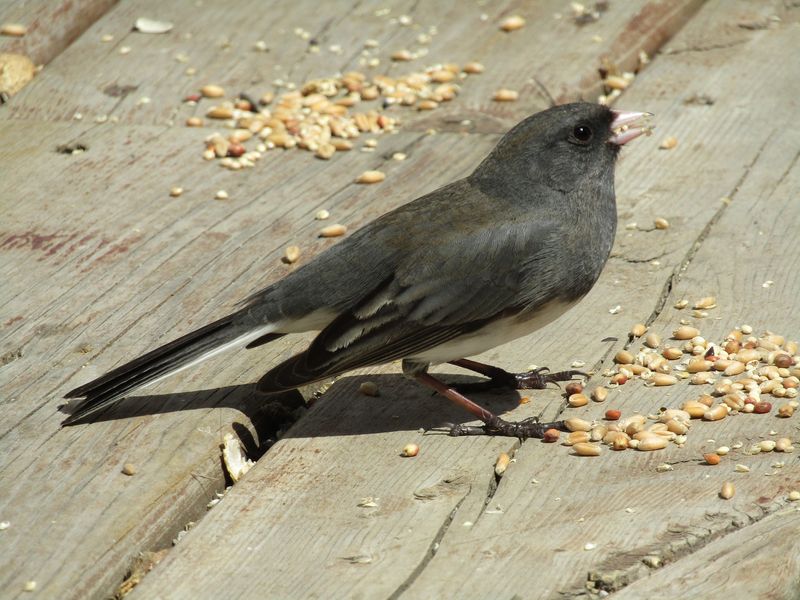
Hanging tube feeders look nice, but juncos often ignore them. These birds prefer eating close to the ground where they feel at home.
A low platform feeder solves that easily. Look for a flat tray that sits a few inches off the ground.
Mesh bottoms help rain drain away quickly. Wet seed spoils fast, so good drainage keeps meals fresh and safe.
White proso millet ranks as a top junco favorite. Small round seeds fit their little beaks perfectly.
Cracked corn and hulled sunflower chips also work well. Hulled seeds save birds energy since they skip the shell-cracking step.
Scattering seed on a cleared patch of ground works too. After snow, sweep a small area and toss a handful of millet down.
Timing matters on cold mornings. Juncos feed heavily at dawn to refuel after long, chilly nights.
Fill feeders in the evening so food waits at sunrise. Your early birds will thank you with busy activity outside the window.
Clean trays every week or two. Warm soapy water and a quick rinse help prevent illness from spreading among flocks.
Skip mixes loaded with red milo or filler grains. Juncos tend to leave those behind, which only wastes money and attracts pests.
9. Outdoor Cats Put These Ground Feeders At Risk
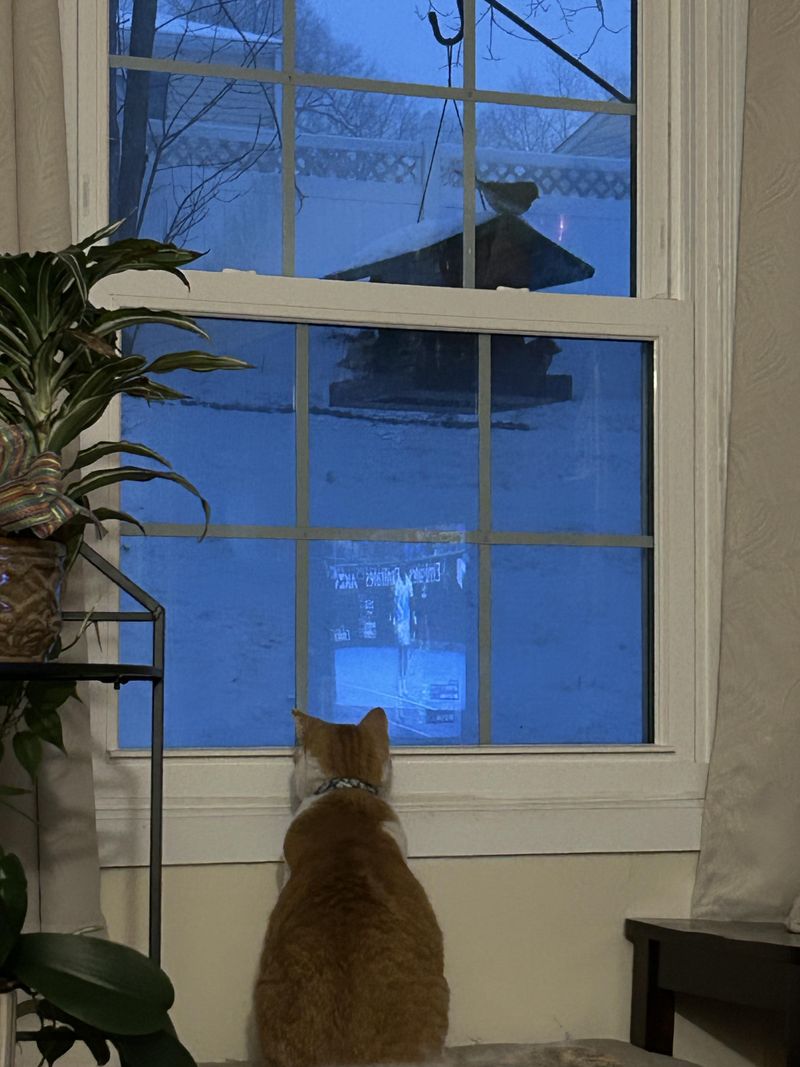
Fluffy may look sweet on the couch, but outside, instincts take over. Ground-feeding birds like juncos are easy targets for curious cats.
Juncos spend most feeding time low to the ground. That habit leaves them open to sneak attacks from bushes nearby.
Outdoor and feral cats rank among the biggest threats to songbirds. Studies estimate cats take billions of birds each year across the country.
Keeping pet cats indoors helps protect your feathered guests. Indoor cats also tend to live longer, healthier lives.
Want to give your cat some fresh air? A screened catio lets kitties enjoy the view without bothering birds.
Harness training works for some cats too. Short supervised walks can satisfy curiosity safely.
Neighborhood cats may still wander in. Placing feeders in open spots makes it harder for them to hide and pounce.
Thorny shrubs near feeding areas also help. Birds can dart inside, while cats think twice about pushing through.
Talking kindly with neighbors can make a difference. Many cat owners simply do not realize how much wildlife their pets affect.
Your window cat can still enjoy the show. Many indoor cats spend happy hours chattering at juncos from a comfy sill.
10. Spring Is Close When They Suddenly Disappear
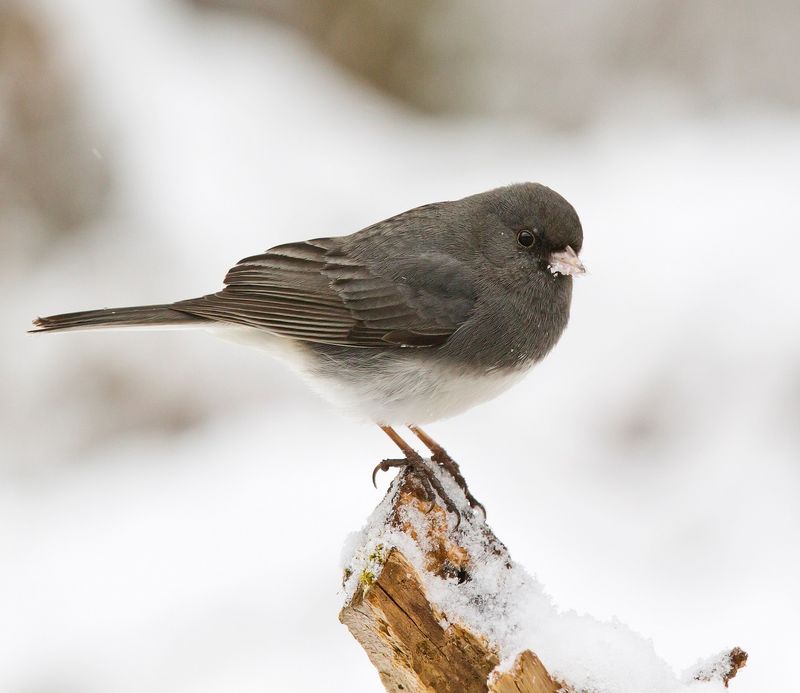
One morning the lawn feels strangely quiet. Your busy little flock has vanished, and the feeder sits almost untouched.
Do not worry, because nothing bad has likely happened. Juncos simply head north to their breeding grounds as spring approaches.
Departure usually happens in March or April. Longer days trigger changes in their bodies that tell them it is time to travel.
Before leaving, males often start singing more. Listen for a steady, musical trill that sounds a bit like a tiny sewing machine.
Across Virginia, their exit lines up with other seasonal signals. Redbuds bloom, spring peepers call, and robins get chatty.
Treat their departure as a cleanup cue. Scrub feeders, rake old seed piles, and refresh birdbaths for new spring visitors.
Leave brush piles and some leaf litter in place. Other birds, toads, and helpful insects will happily move in.
Write down the date you see your last junco. Paired with arrival notes, you will have a full record of their winter stay.
Over time, your notes may reveal patterns. Warmer winters sometimes shift arrival and departure dates slightly.
Missing them is part of the fun. Come next fall, the first gray flash under your feeder will feel like welcoming an old friend home.