Plant These Deer-Resistant Natives This Fall And Give Ticks Fewer Rides Into Your Ohio Yard
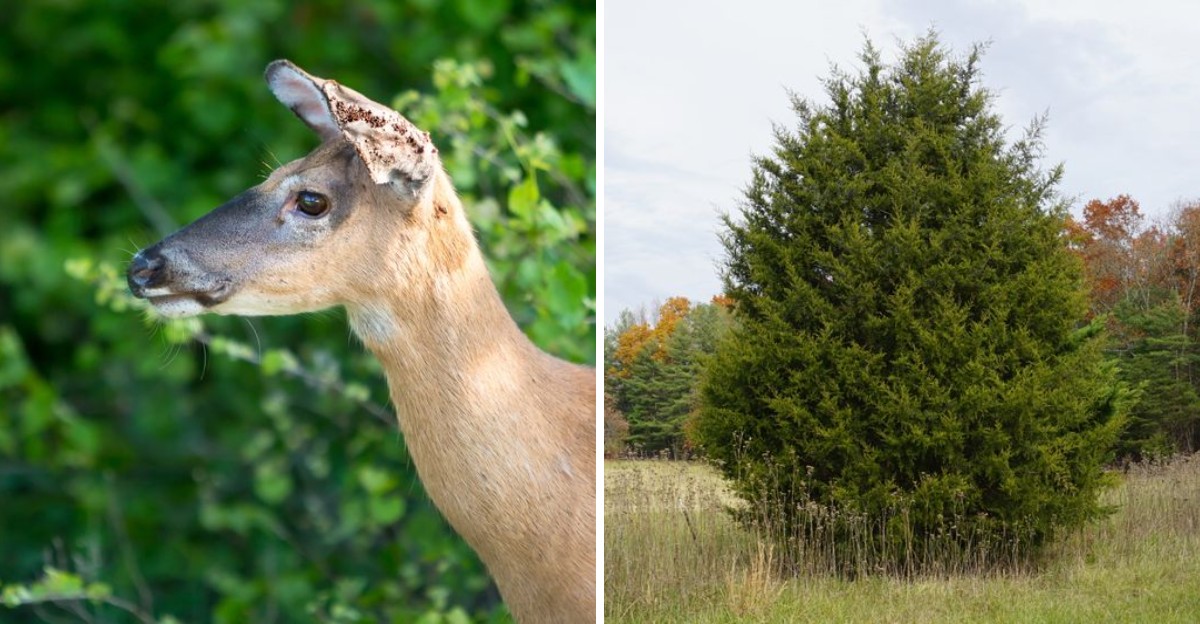
Ticks don’t leap onto your ankles out of nowhere. They hitch a ride on deer first, then drop off wherever the snacks are.
That turns your flower beds into more than a free salad bar. Every deer that strolls through your Ohio yard leaves a few unwanted guests behind.
Some native plants taste awful to deer. They still look great, feed the bees, and fill a bed without a fence or a spray bottle.
Fewer deer at the buffet means fewer ticks on your lawn.
Fall is the right time to plant them. Roots settle in while the air cools, and spring starts with a lead.
Pick your lineup this week, before the nursery shelves go bare.
1. Serviceberry Needs A Little Help Against Deer At First
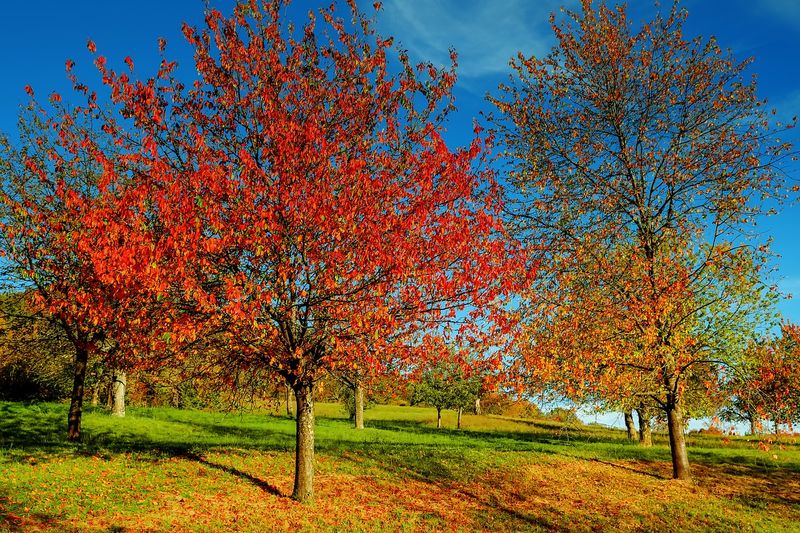
Picture a tree that throws three parties a year. Serviceberry opens with white spring blossoms, serves berries in June, and ends with fiery fall leaves.
This small native tree grows wild across Ohio. Deer do browse it, especially young plants, so wrap the trunk or add a wire cage for the first few years.
Once its branches grow above a deer’s reach, it holds its own. Until then, a little protection keeps it from becoming a snack stop that draws deer, and their ticks, toward your patio.
Serviceberry usually reaches 15 to 25 feet tall and up to 14 feet wide. It fits nicely near a corner of the house or along a property line.
It is also an easygoing plant. It handles full sun or shade and adapts to many soil types, from clay to loam.
Fall is a smart time to plant it. Cool air and warm soil help roots settle in before winter arrives.
Dig a hole twice as wide as the root ball but no deeper. Water it well each week until the ground freezes.
Fun fact for curious readers: early settlers sometimes called it Juneberry. The name came from the sweet fruit that ripens right as school lets out.
Birds adore those berries too. You may need to race the robins if you want a handful for your morning cereal.
2. Arrowwood Viburnum Makes A Sturdy Native Hedge
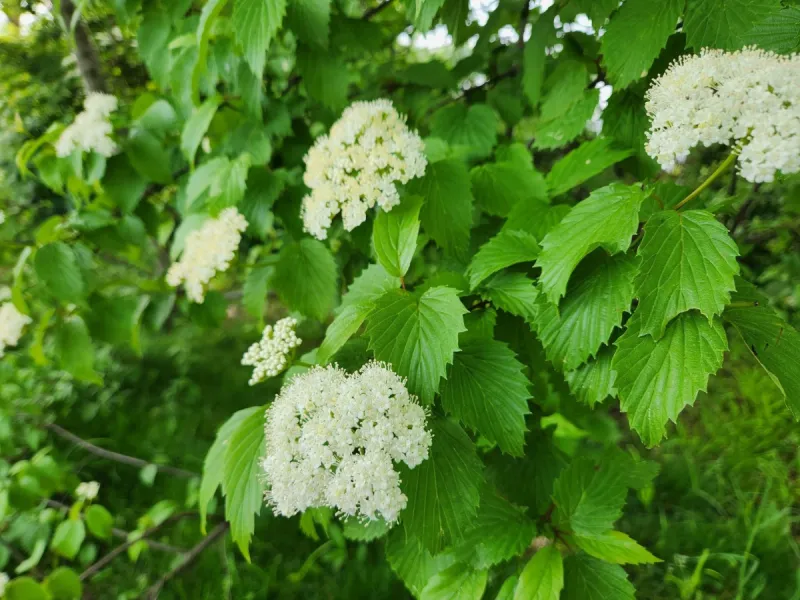
Long ago, Native Americans used the straight stems of this shrub to make arrow shafts. That is how arrowwood viburnum earned its name.
Today it works great as a living fence. Plant several in a row, and you get a thick green wall along your yard’s edge.
Arrowwood is native to Ohio and much of the eastern United States. Deer usually find it unappealing, although no plant is fully safe from a starving herd.
A solid hedge also helps with ticks. Deer like open paths, so a dense border can nudge them to wander somewhere else.
Each shrub grows about 6 to 10 feet tall and wide. In late spring, flat clusters of white flowers bring butterflies and bees buzzing around.
By late summer, those flowers turn into blue-black berries. Birds gobble them up, which makes your yard a lively spot to watch.
Your Ohio Garden Changes Every Week. Your Plan Should Too.
Gardening in Ohio changes quickly throughout the season. Every Friday you’ll receive a simple weekly plan showing exactly what to plant, prune, fertilize, harvest, and protect so you never miss the right timing.
This shrub is not fussy at all. It grows in moist clay or dry sandy soil and handles sun or partial shade.
For a hedge, space plants about 5 to 6 feet apart. Add a layer of mulch around the base to hold moisture through winter.
Keep tall grass trimmed away from the hedge line. Short grass gives ticks fewer places to hide and wait.
3. Spicebush Thrives In Shady Spots
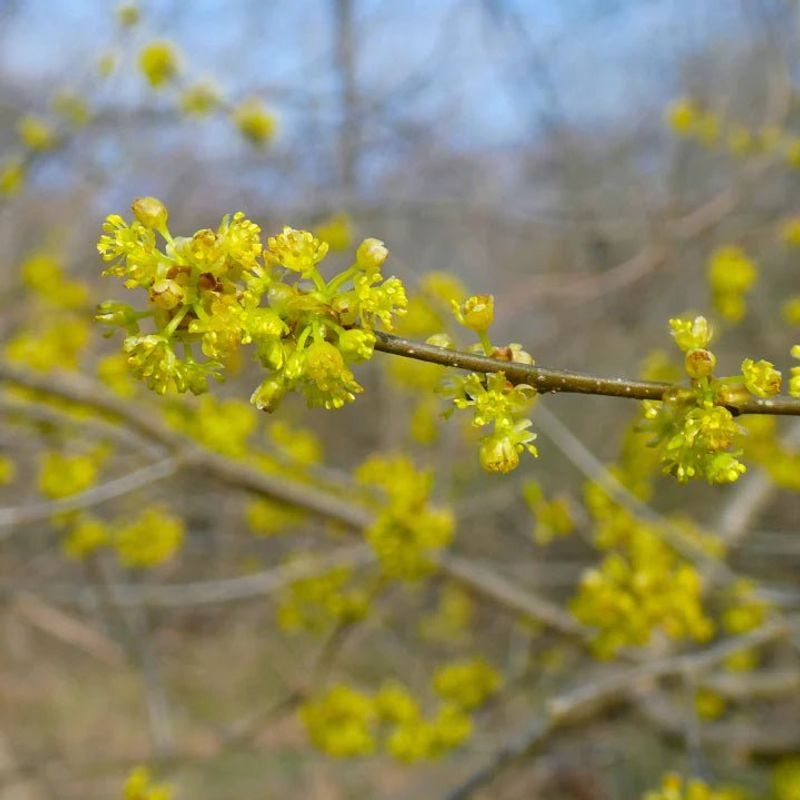
Crush a leaf and take a sniff. Spicebush smells sweet and peppery, almost like a kitchen spice jar.
That scent is one reason deer usually leave it alone. Strong-smelling plants are a great tool for gardeners tired of chewed shrubs.
Got a dim corner where little else grows? Spicebush is native to every part of Ohio and feels right at home in moist, shady woodland spots.
It can grow in sunnier areas too. There, it tends to grow thicker and bloom even more.
Spicebush is one of the first shrubs to flower each year. Tiny greenish-yellow blooms show up in late winter or early spring, feeding early insects.
Female plants grow shiny red berries in late summer and fall. Migrating birds snatch them up fast, so enjoy the show while it lasts.
The shrub reaches 6 to 12 feet tall and wide. Plant a few together if you want berries, since you need both male and female plants.
Here is a fun bonus. Spicebush feeds the caterpillars of the Spicebush Swallowtail butterfly, which look like tiny green snakes with fake eyes.
Plant it in fall and keep the soil damp. Next spring, you might spot those quirky caterpillars munching away.
4. Flowering Dogwood Adds Spring Blooms And Fall Color
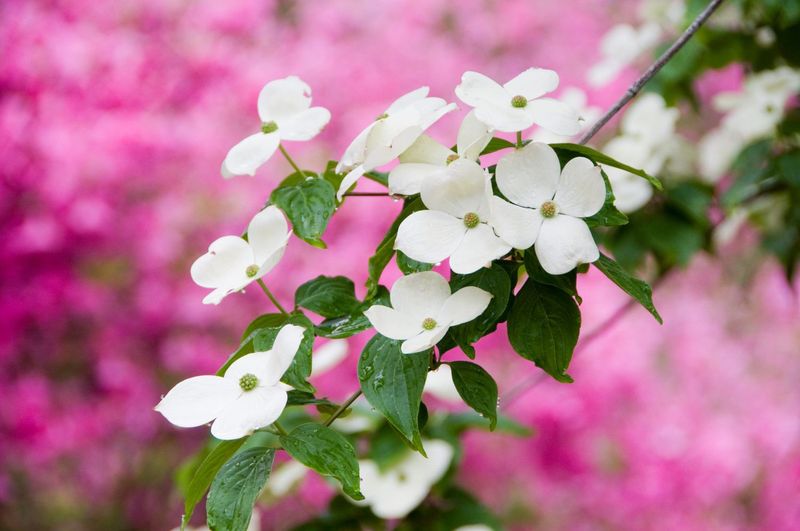
Grandma’s yard probably had one. Flowering dogwood is a classic, with white blooms that float like snowflakes every spring.
This small tree grows wild in Ohio forests. It often sits at the edge of the woods, under taller oaks and maples.
Deer do sometimes browse young dogwoods, so this pick needs a little help. Wrap the trunk or add a simple wire cage for the first few years.
Once it grows taller than a deer can reach, the tree holds its own. Its upper branches stay mostly out of munching range.
Fall is when dogwood truly shines. The leaves turn a deep wine red, and glossy red berries appear for hungry birds.
Dogwoods like partial shade and rich, well-drained soil. Hot afternoon sun can stress them, so an east-facing spot works well.
Plant at the same depth it grew in the pot. Burying the trunk too deep is a common mistake.
A ring of mulch helps keep roots cool. It also keeps the lawn mower away from the thin bark.
Place your dogwood away from shaded, leafy paths where you walk often. Ticks love damp leaf piles, so rake them toward beds instead of walkways.
With a bit of care, this tree becomes a family favorite for decades.
5. Eastern Red Cedar Brings Year-Round Green
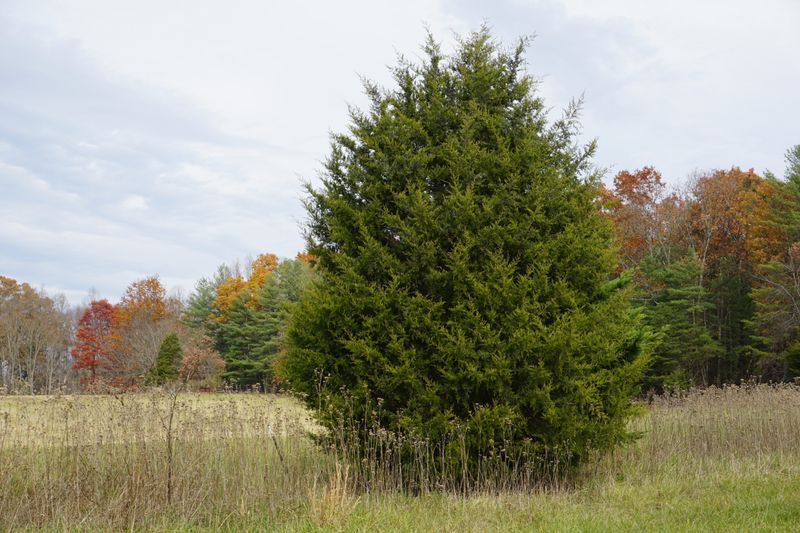
When snow covers everything else, eastern red cedar stays green. It is a tough evergreen that grows across Ohio, especially in the southwest.
Deer usually skip it for softer, tastier plants. Its sharp, scaly needles just are not much fun to chew.
This tree grows in a neat pyramid shape. It can reach about 40 feet tall and 20 feet wide, so give it room.
Many cedars live 70 years or more. Plant one now, and your grandkids might sit in its shade someday.
The foliage ranges from green to bluish-green. In fall and winter, it can take on a coppery bronze glow.
Look closely and you will see small silvery-blue berries. They are actually tiny cones, and birds like cedar waxwings love them.
Cedars also make a fine windbreak. Plant a row along the north side of your yard to block chilly winter gusts.
They handle dry soil, rocky soil, and everything in between. Just give them plenty of sun.
One tick tip: keep the ground under cedars clear of tall weeds. A tidy, sunny space dries out fast, and ticks prefer damp hiding spots.
Fun fact: the fragrant wood has been used for pencils and cedar chests for generations.
6. Little Bluestem Holds Up Where Deer Roam
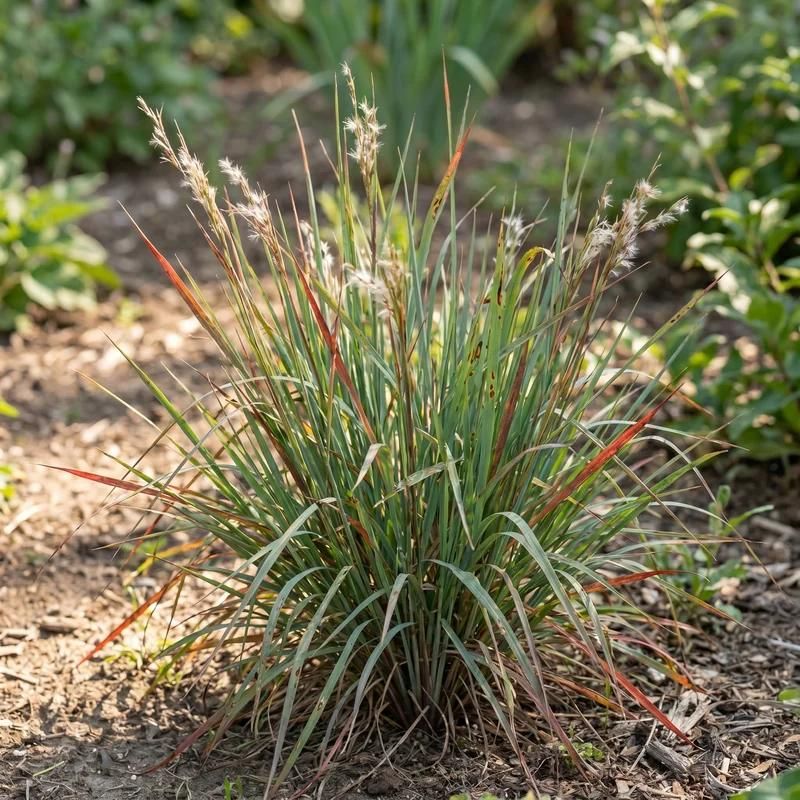
Don’t let the name fool you. Little bluestem turns from blue-green in summer to a warm orange and bronze by fall.
This native grass forms tidy clumps about 3 feet tall and wide. It looks lovely swaying in a breeze, like a tiny prairie in your yard.
Deer mostly ignore it. The coarse blades and grassy scent do not make a tempting meal.
Its dense growth helps too. Deer have a harder time pushing through thick clumps to reach other plants.
Little bluestem loves full sun. It grows best in well-drained soil and can handle poor, dry ground once settled in.
That means less watering for you. After the first year, it can mostly take care of itself.
Leave the stems standing through winter. The color stays bright, and small birds snack on the seeds during cold months.
Cut it back to a few inches in early spring. Fresh blades will pop up soon after.
Use it along a sunny walkway or in front of shrubs. Just keep a short mowed strip between grass beds and play areas, since ticks tend to wait on tall stems.
That simple buffer gives your family a safer path while still letting you enjoy a native showpiece.
7. Switchgrass Fills In Sunny Borders
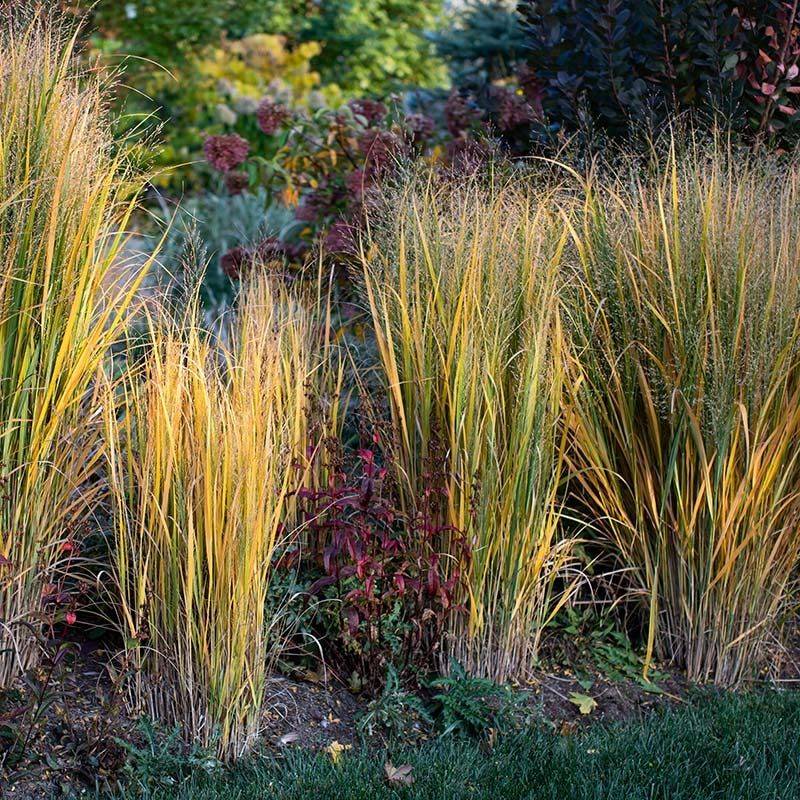
Some plants whisper, and switchgrass sways. Its tall, airy plumes catch the light like soft smoke drifting over a garden bed.
This native prairie grass is very deer resistant. Hungry deer rarely give it more than a sniff.
Switchgrass forms upright clumps about 3 to 6 feet tall. Leaves can be green, blue, purple, or even red, depending on the type you choose.
From late summer into fall, it sends up clouds of tiny flowers. They range from burgundy to pink or silver.
Talk about tough! Switchgrass handles drought, flooding, and poor soil once it gets established.
Full sun keeps it happiest. Medium to moist soil helps it grow thick and strong.
Use it to fill a long, sunny border along a fence. It creates a soft screen without blocking the whole view.
In winter, the stems stay standing. Birds hide among them and nibble on the seeds.
Plant switchgrass in fall about 2 to 3 feet apart. Water during dry spells until the ground freezes.
For tick safety, place it at the back of beds, not right next to a swing set. Kids can admire it from a short, mowed lawn instead of brushing past tall stems.
8. Prairie Dropseed Edges Beds Neatly
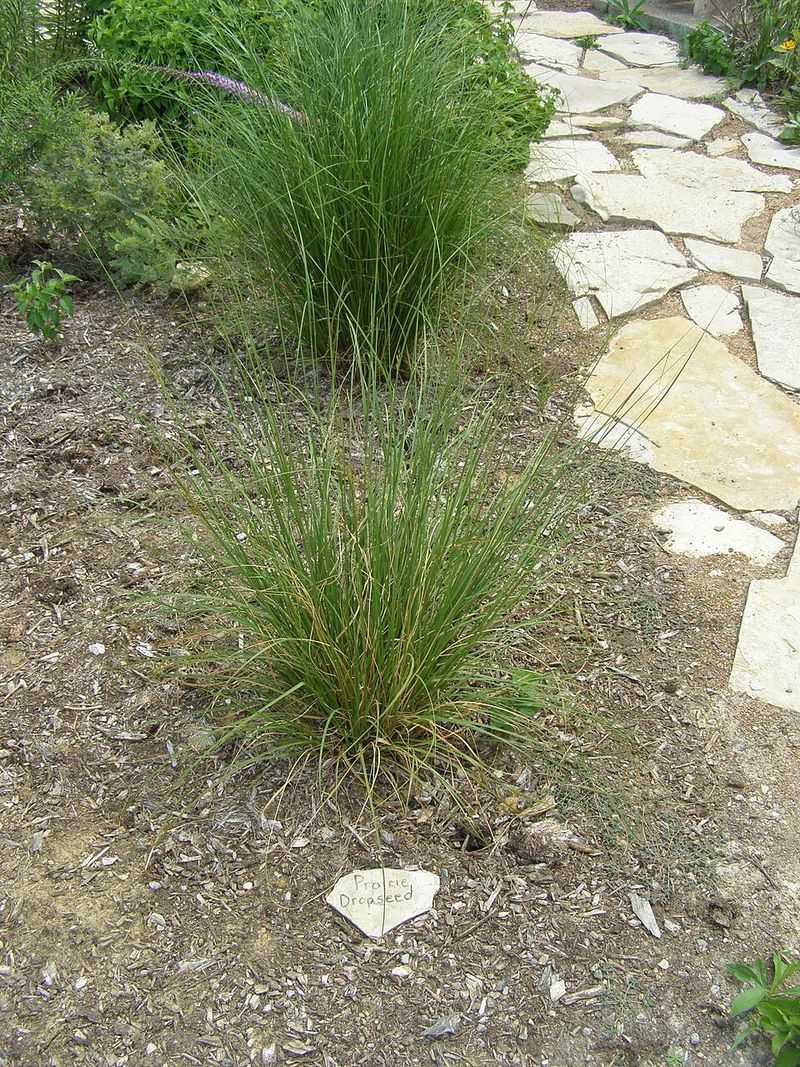
Brush your hand across it in September, and you may smell something surprising. Prairie dropseed gives off a sweet scent, a bit like fresh hay or popcorn.
This native grass makes a great edge for flower beds. Its fine, threadlike leaves form neat mounds about 2 feet tall.
Deer generally steer clear of it. That makes it a handy border plant where deer like to wander.
In late summer, delicate flower sprays rise up to 3 feet. They start out with an orange tint and turn to tan seed heads.
Fall brings a golden glow to the leaves. Lined up along a path, they look like a ribbon of sunshine.
Prairie dropseed is low maintenance. It handles drought and grows in full sun or partial shade.
It likes well-drained soil, whether dry or a little moist. Just avoid spots where water puddles for days.
Be patient with it at first. It grows slowly the first year or two, then fills in beautifully.
Space plants about 18 inches apart for a tidy line. Because it stays short and clumpy, it leaves fewer shady hideouts for ticks than sprawling plants.
That makes it a neat and practical choice near walkways.
9. Christmas Fern Covers Shady Ground
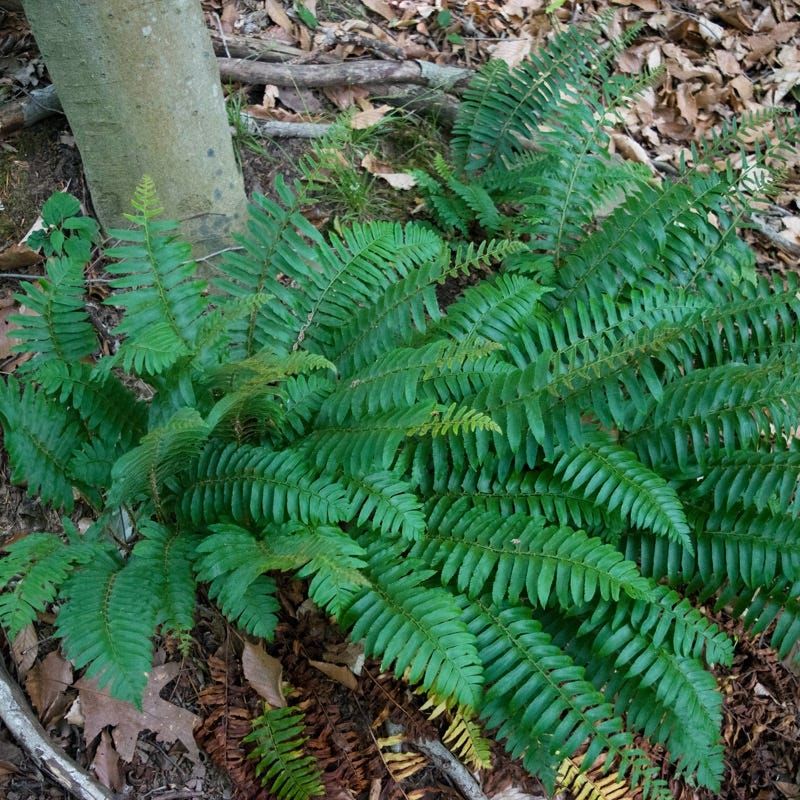
Look closely at one tiny leaflet. Many people say it looks like a little Christmas stocking, which may explain the fern’s festive name.
Christmas fern is native to Ohio and much of eastern North America. It stays green through much of winter, adding life when other plants fade.
Deer and rabbits rarely bother it. Browsing animals seldom cause any real harm to these leathery fronds.
The fern grows in fountain-shaped clumps about 1 to 2 feet tall and wide. Plant several, and they create a soft green carpet.
It loves partial to full shade. Rich, well-drained soil helps it thrive, but it can also handle dry shade.
Got a shady slope that washes out after rain? Christmas fern roots help hold soil in place.
Fall planting gives roots time to settle before spring. Tuck each fern in at the same depth as its pot and water well.
Shady areas can be tick hot spots, so plan ahead. Keep a clear mulch or stone path through the ferns rather than walking through them.
Also rake leaves out of nearby play areas. Ticks love damp leaf litter.
With these steps, your shady corner looks lovely and stays easier to enjoy.