What Squirrels Burying Acorns Near Your California Foundation Are Really Telling You
Fall brings a flurry of small, mysterious holes to many California yards. They show up in mulch, along flower beds, and especially close to the walls of the house.
The culprits work quickly and rarely stay long, darting off before anyone can ask what they’re up to.
Plenty of old sayings claim this busy autumn activity carries a hidden message about the months ahead.
The real meaning turns out to be far more practical, with clues about local oaks, garden beds, and even the safety of a home’s foundation.
Learning to read those little holes reveals which visitors are harmless neighbors and which ones deserve a much closer look before winter settles in.
Squirrels Bury Food To Eat Later
A pantry with no shelves, no fridge, and no door sounds impractical. Tree squirrels face exactly that challenge every fall, so they use the ground itself as storage.
Acorns are packed with fat and starch, which makes them excellent fuel. Oaks drop far more acorns in autumn than any squirrel can eat at once.
Instead of overeating, a squirrel tucks the extras into the soil for leaner months ahead. Buried nuts stay hidden from many hungry animals, and cool earth slows spoilage.
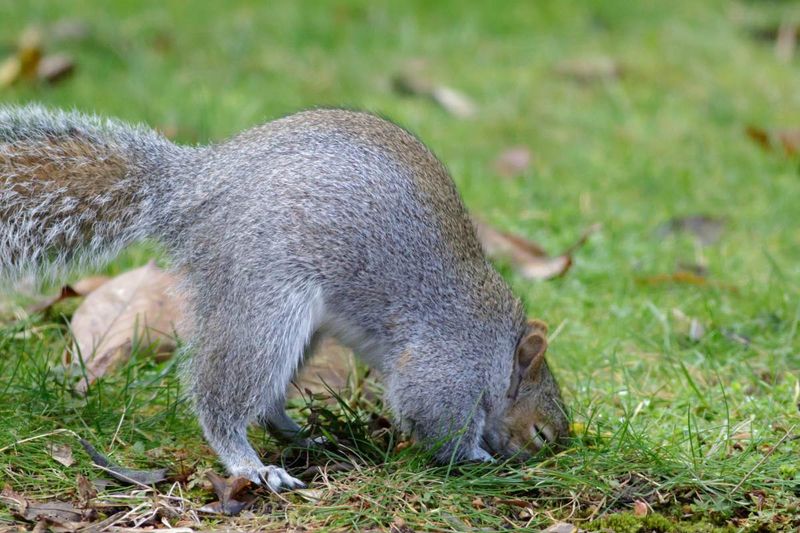
The process follows a clear routine. A squirrel often carries each acorn a short distance, digs a shallow hole a few inches deep, pushes the nut in, and pats soil over the top.
Some even fake a burial when another squirrel is watching. That sneaky trick may fool would-be thieves.
Finding these treats later involves more than luck. Squirrels rely on spatial memory, landmarks like fences and trees, and a strong sense of smell that detects acorns under soil and thin mulch.
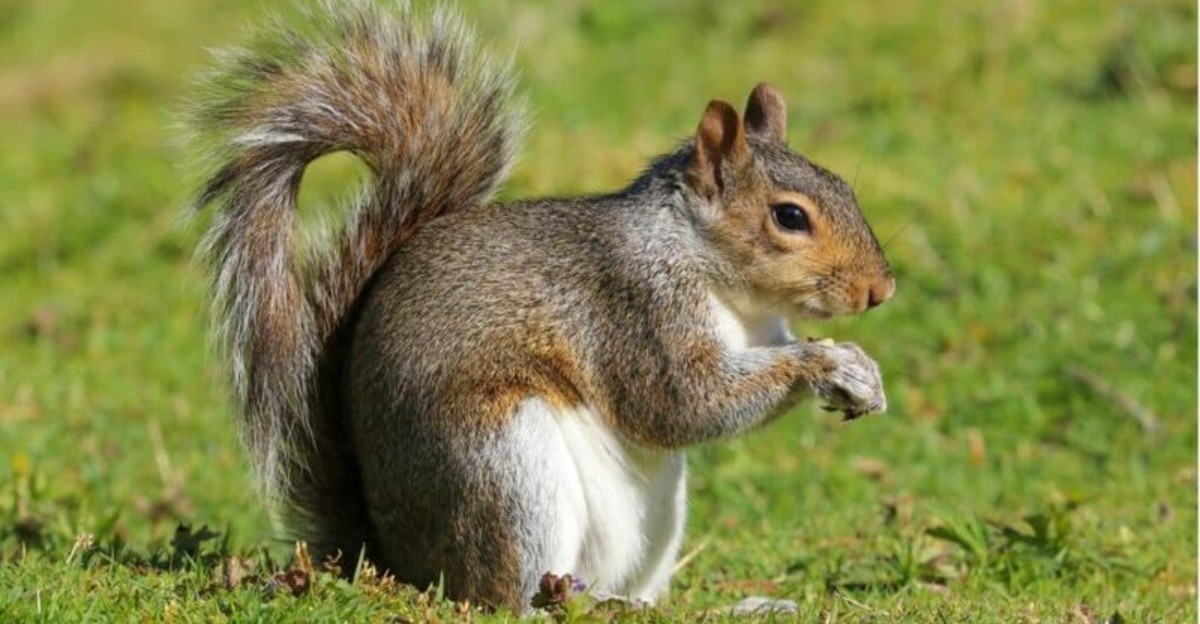
Around California homes, the main acorn buriers are tree squirrels. Western gray squirrels, eastern fox squirrels, and eastern gray squirrels all appear, depending on the area.
These species nest in trees and spend plenty of time on fences and rooftops. Their digging tends to stay shallow and scattered.
A squirrel burying acorns by the wall is essentially doing its grocery shopping, just with dirtier paws. That simple errand rarely signals any trouble for the house.
Scatter Hoarding Is Normal Fall Behavior
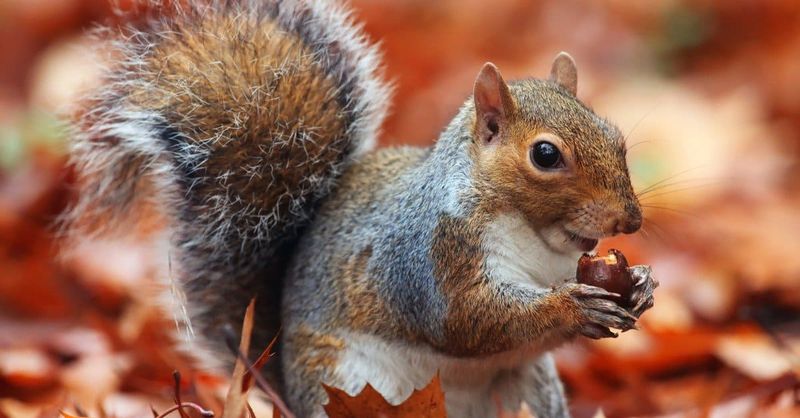
Fall in many California neighborhoods comes with its own soundtrack. Acorns ping off car roofs, leaves crunch, and squirrels race across lawns as if late for an appointment.
Wildlife biologists call this behavior scatter hoarding. Instead of piling every nut in one big stash, a tree squirrel buries single acorns in many different spots.
One animal may make hundreds or even thousands of caches across a single season. That number surprises plenty of homeowners.
Spreading food out makes good sense. When a jay, rat, or another squirrel raids one hiding place, only one nut disappears.
A single giant pile would hand any thief a jackpot. Scatter hoarding works like keeping savings in many small piggy banks rather than one big one.
The busiest season matches the acorn crop. Most California oaks drop their nuts from late summer through fall, so digging peaks then.
Your California Garden Changes Every Week. Your Plan Should Too.
Gardening in California changes quickly throughout the season. Every Friday you’ll receive a simple weekly plan showing exactly what to plant, prune, fertilize, harvest, and protect so you never miss the right timing.
Some years bring an especially heavy crop, often called a mast year. Squirrel activity tends to climb noticeably when food seems to be everywhere.
Once the pattern makes sense, the little holes popping up across a yard stop seeming mysterious. They reflect a normal seasonal routine rather than any problem with the soil or the house.
That routine has helped squirrels thrive for a very long time. A few minutes watching from a window, counting how many trips one squirrel makes, can turn a minor nuisance into surprisingly good entertainment.
Buried Acorns Are Lunch, Not A Forecast
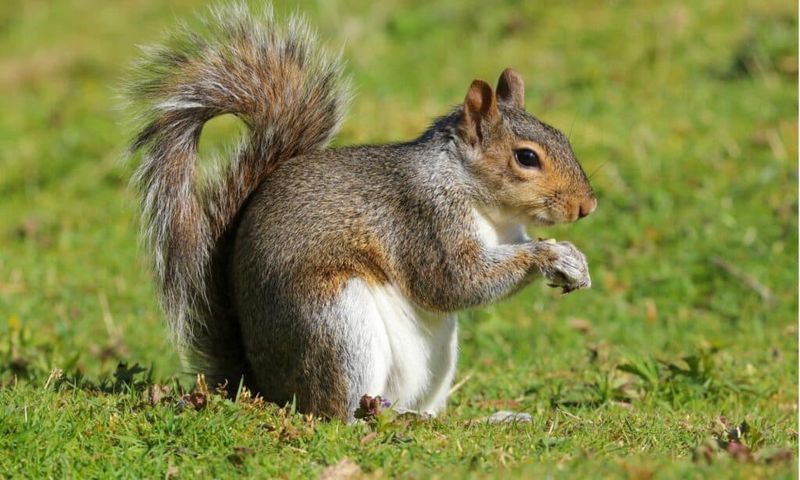
Old folk wisdom often claims that busy squirrels signal a brutal winter ahead. The story makes for charming conversation and gets passed around every fall.
No scientific research, however, shows that squirrels burying acorns can predict a harsh or mild winter. Squirrels have no way of knowing the weather months in advance.
They respond to what’s in front of them right now. The size of the acorn crop and the shortening days drive most of their behavior.
A huge acorn crop leads to plenty of burying simply because there’s so much food to store. Oak crops rise and fall from year to year.
Spring rain, temperatures during flowering, and the trees’ own natural cycles all shape the size of each crop. Extra digging, then, reveals more about last spring than about next January.
California makes the myth even shakier. Many coastal and valley areas barely see frost, yet squirrels still bury acorns every single fall.
They’re planning meals rather than predicting storms. The National Weather Service remains the best source for an actual winter outlook.
For a sense of how local oaks performed this year, squirrels make surprisingly reliable reporters. Their digging works like a walking acorn report.
Setting the myth aside leaves room to focus on what matters near the foundation.
Plants, mulch, and whether some digging belongs to a different animal entirely all deserve attention, and the rest of this list covers each one.
Soft Soil Near Foundations Is Easy Digging
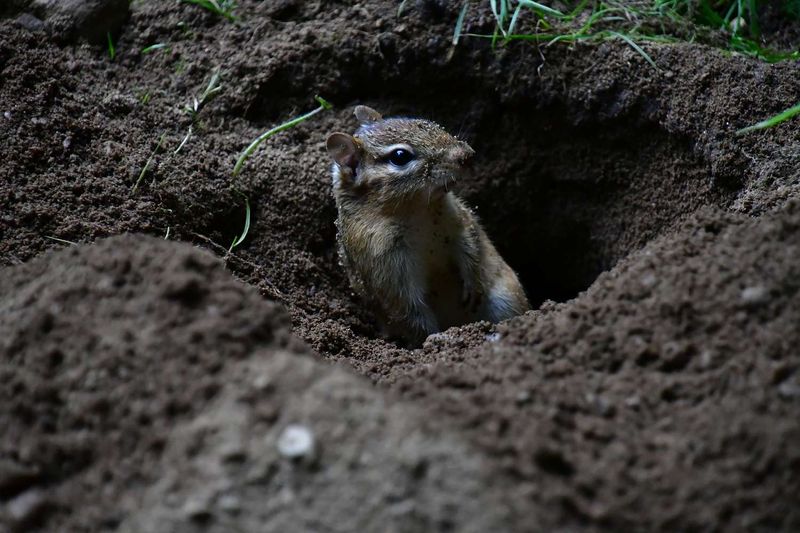
Hard summer clay and fluffy garden mulch offer very different digging experiences. Anyone handed a spoon would pick the mulch, and squirrels feel exactly the same way.
Planting beds along a house often hold the softest ground on the whole property. Compost, bark mulch, and regular watering keep that soil loose and inviting.
Sprinklers and drip lines keep foundation beds damp and crumbly, even while the rest of the yard bakes hard under the California sun. That makes them prime real estate for burying.
Foundation beds also offer cover. Shrubs, walls, and eaves give a squirrel some protection from hawks while it works.
A quick dash from the fence to the flower bed feels far safer than digging in the middle of an open lawn. Landmarks matter, too.
Corners, downspouts, and steps are easy for a squirrel to remember when returning for a snack. The house becomes a giant map covered in handy signposts.
Small scrapes and shallow holes from tree squirrels usually reach just a few inches deep. They create a cosmetic nuisance rather than a threat to the foundation, and a quick rake smooths them over.
The bigger picture still deserves attention. Moist soil pressed against a foundation isn’t ideal for the house anyway, so sprinklers soaking the wall deserve an adjustment.
Many experts suggest keeping mulch a few inches below siding and away from wood. Squirrels may still visit, though the home stays better protected.
Some Forgotten Acorns Sprout Into Oak Seedlings
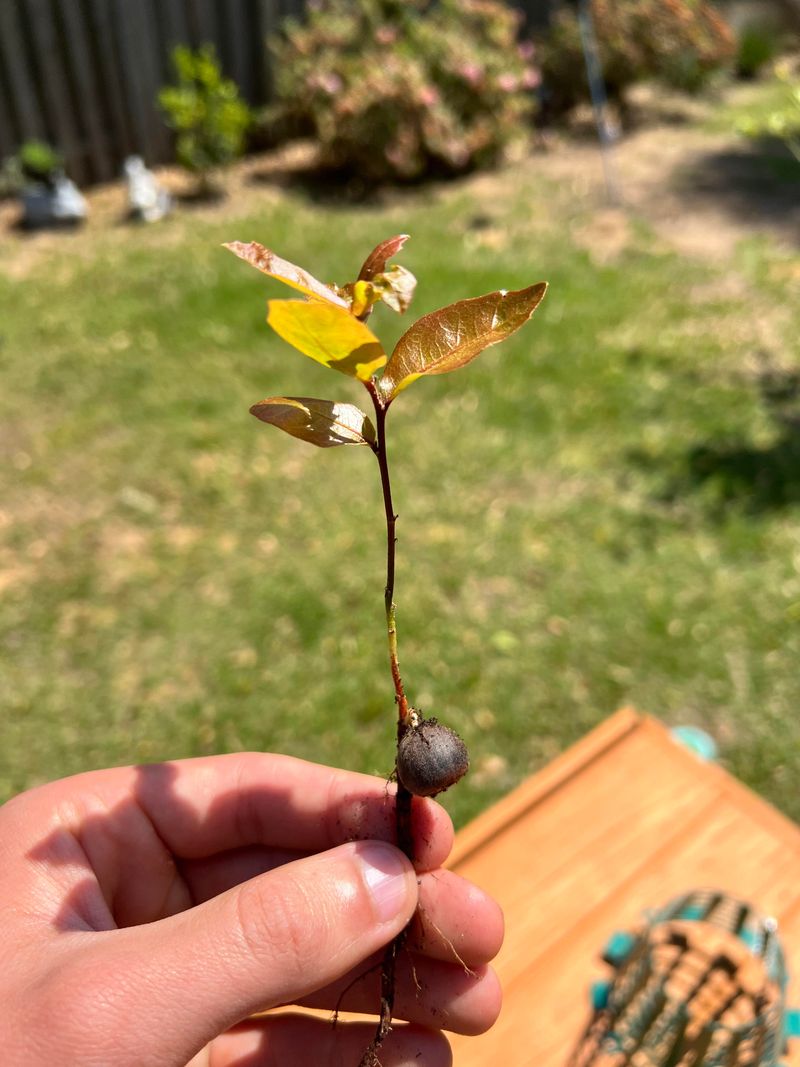
Every squirrel leaves a few nuts behind. Maybe it got full, got chased off, or simply moved on, and those leftovers can turn into something much bigger.
A forgotten acorn buried an inch or two deep sits in a great spot to grow. The soil keeps it moist and hides it from many hungry critters.
In winter or spring, a root pushes down, and soon a small oak seedling pokes up through the mulch.
Scientists view squirrels and jays as important helpers for oaks. By moving acorns away from the parent tree and planting them, these animals spread oak woodlands across the landscape.
UC ANR oak woodland experts note that natural oak seedlings help keep these habitats going in California. A coast live oak or valley oak can live for hundreds of years.
That tiny sprout by the porch could easily outlast the house. Even so, an oak right next to a foundation creates problems over time.
Roots and heavy limbs can cause trouble as the tree grows. Seedlings pulled early, while the root is still small, slide right out of damp soil.
Transplanting offers another option. A young seedling dug carefully with plenty of soil can move to an open spot well away from buildings, pipes, and sidewalks.
UC ANR resources and local native plant groups offer tips on caring for young oaks. A little effort turns a squirrel’s forgotten snack into a lasting gift for the neighborhood.
Digging Can Disturb Mulch And Plants
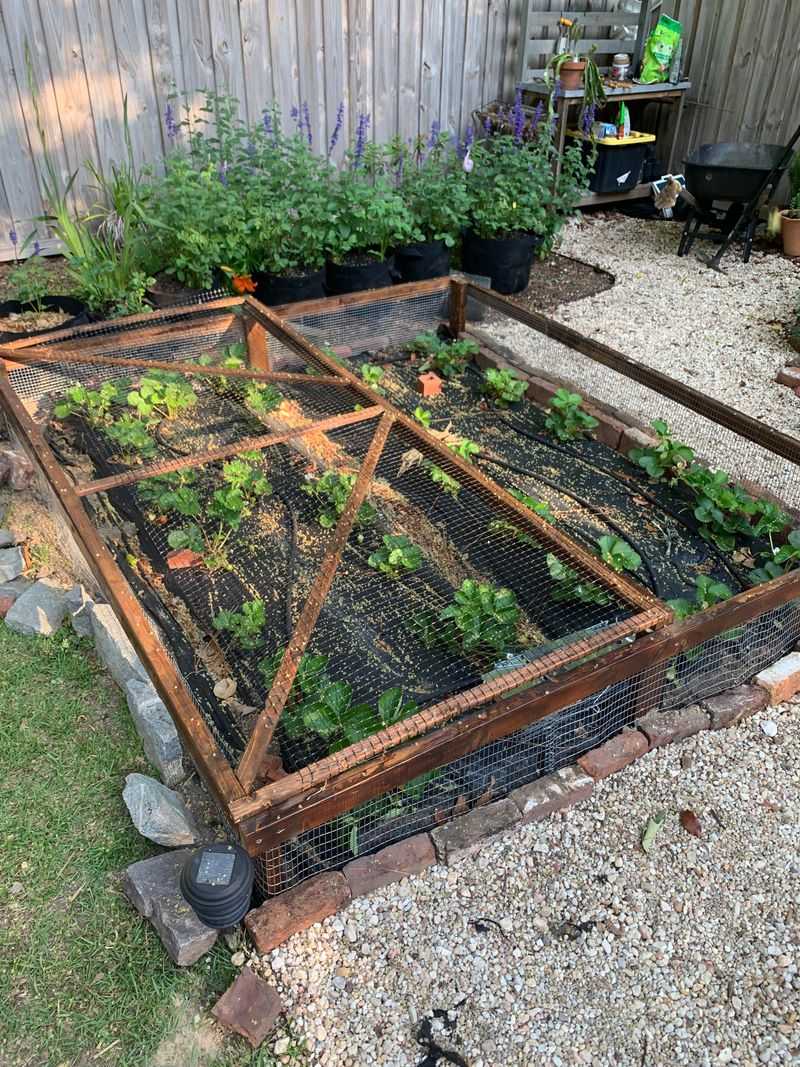
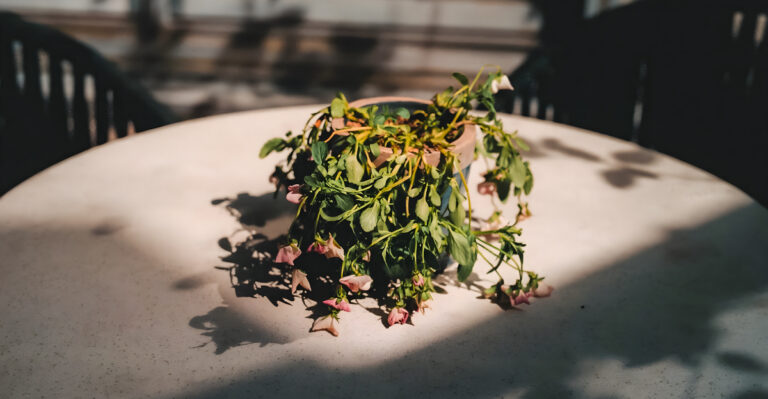
A tray of fresh pansies planted on Saturday can look very different by Monday. Two may lie on their sides with roots in the air, while mulch sprinkles across the walkway like confetti.
Squirrels aren’t trying to wreck the garden. Freshly turned soil simply looks like a perfect hiding place, and new plantings often smell interesting.
While digging or searching for old caches, they may toss mulch, uproot seedlings, or nibble bulbs. A few simple barriers help a great deal.
Wire mesh ranks among the easiest fixes. Hardware cloth or chicken wire laid flat over newly planted beds and lightly covered with mulch lets plants grow through while blocking easy digging.
Bulbs benefit from a wire basket lining the planting hole.
Cages work well for young plants and vegetables. A small dome or box of mesh over a seedling keeps busy paws away until roots settle in, especially with edges pinned down by garden staples.
Timing helps, too. Late winter or spring planting, after acorn burying slows, avoids the peak fall rush.
Watering new plants in well firms the soil so it looks less like fresh digging. Heavier, chunkier mulch or a top layer of small stones in key spots also proves tougher to move.
Sprays or homemade mixes that could harm animals or pets are best avoided, and UC IPM Pest Notes outline proven methods. A little planning keeps beds tidy without turning the yard into a fortress.
Burrows Near The House Deserve A Closer Look
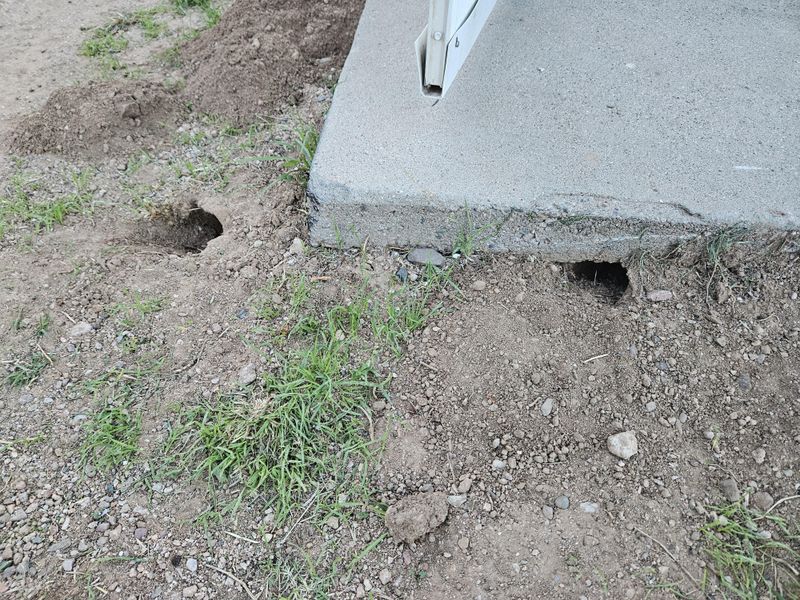
Shallow scrapes are one thing. Round holes about four inches wide, with dirt mounds and well-worn paths, tell a very different story.
Many burrow openings near a house point to California ground squirrels rather than tree squirrels. Ground squirrels sport speckled brownish-gray fur and a less bushy tail.
When startled, they dart into holes in the ground, while tree squirrels race up trunks and fences. That quick escape route helps with identification.
Their food habits differ, too. Tree squirrels scatter acorns across the yard, while ground squirrels carry seeds and nuts into their burrows.
Those tunnels can stretch many feet underground and include several entrances. According to UC IPM, ground squirrel burrows can damage landscaping and even undermine structures.
Foundations, walkways, retaining walls, and irrigation lines all face risk. Holes in a lawn can also become trip hazards for kids and pets.
A slow walk around the home reveals plenty. Counting holes, noting fresh soil, and checking under decks, along slabs, and near patios builds a clear picture.
Midday checks work best, since ground squirrels stay most active above ground then. Clusters of active burrows near the foundation call for prompt attention.
UC IPM Pest Notes on ground squirrels explain identification and management options in detail. The county agricultural commissioner or a licensed pest professional can also help choose a safe, legal plan.
Good advice up front protects the foundation and saves plenty of frustration.