The Yard Features New York Suburbs Could Soon Ban
That roaring leaf blower next door may be living on borrowed time. Across the New York suburbs, local leaders are taking a hard look at what happens in backyards.
Some rules are already on the books, while others are being debated at village board meetings. The changes touch noisy tools, invasive plants, lawn care habits, and even the trees that shade your patio.
For some neighborhoods, a quiet Saturday morning without buzzing engines is already the law. In others, a surprise fine could arrive with the mail if you miss the update.
Knowing what’s changing helps you plan ahead, save money, and keep the peace with neighbors. Rules differ from one village to the next, so your local code has the final say.
The yard features below are the ones New York towns are restricting right now. Check them against your own property before the next village meeting.
1. Gas-Powered Leaf Blowers In Westchester And Long Island Villages
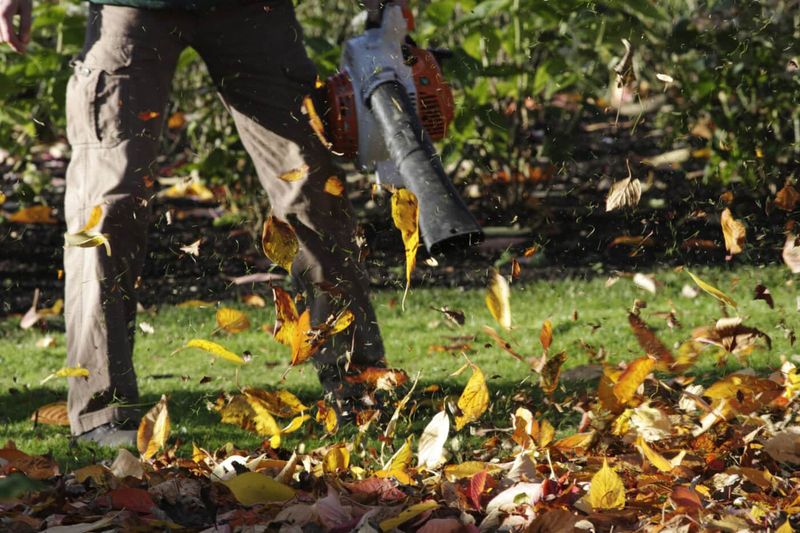
Ask any parent trying to get a baby to nap, and they will tell you about leaf blowers. Few yard sounds spark more complaints in suburban New York.
Southampton Village on Long Island banned gas blowers fully in May 2024. It became the first Long Island community to take such a bold step.
Huntington leaders plan to propose a similar ban, possibly in 2026. North Hempstead already blocks commercial crews from using them between June 15 and September 15.
Westchester County has moved even faster. By December 2025, 33 of its 47 municipalities had some kind of leaf blower rule.
Both the Town and Village of Mamaroneck now have year-round bans. Scarsdale and Larchmont have also put their own bans into effect.
Ossining started a ban in January 2023 for lots half an acre or smaller. Bedford mostly prohibits gas blowers but allows a six-week window each fall.
Greenburgh took a softer approach in May 2023. Its rules limit noise levels and the hours blowers can run.
Officials are even discussing a countywide summer ban for Westchester. Such a rule would make the patchwork of local laws much easier to follow.
Thinking about a new blower? A battery-powered model is quieter, cleaner, and legal in far more places.
Hiring a landscaper works too, but ask about their equipment first. Some towns fine property owners, not just the crew holding the blower.
2. Running Bamboo That Spreads Onto Neighbors’ Land
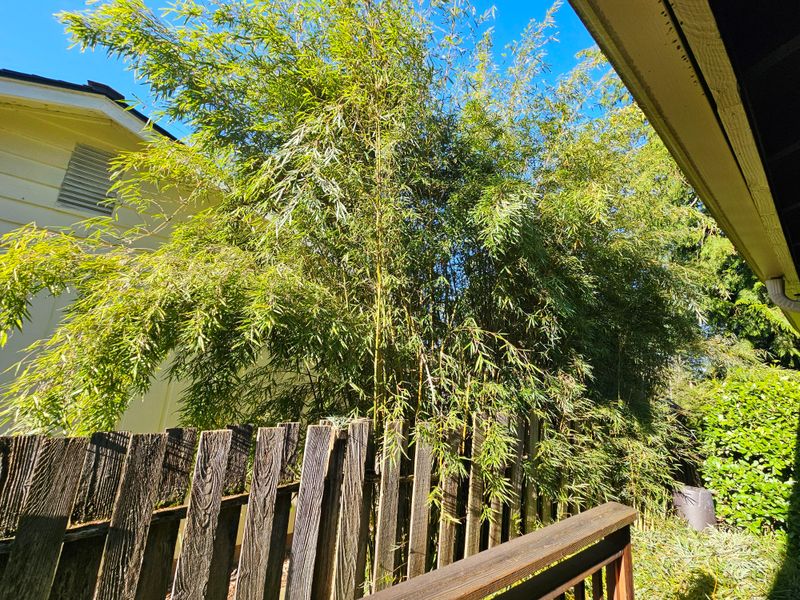
Bamboo looks peaceful swaying in the breeze, like a little slice of a Japanese garden. Underground, though, it can behave like an uninvited houseguest that refuses to leave.
Running bamboo sends out roots called rhizomes that travel far and fast. Shoots can pop up through lawns, patios, and even cracks near foundations.
New York State bans two types outright. Golden bamboo and yellow groove bamboo cannot be bought, sold, planted, or moved anywhere in the state.
Local towns often go further with their own rules. Malverne on Long Island banned growing bamboo back in May 2013.
Violators there could face fines or even jail time for letting it spread. Brookhaven passed a 2020 law requiring owners to install barriers that contain bamboo.
Your New York Garden Changes Every Week. Your Plan Should Too.
Gardening in New York changes quickly throughout the season. Every Friday you’ll receive a simple weekly plan showing exactly what to plant, prune, fertilize, harvest, and protect so you never miss the right timing.
Islip asks residents to get a permit before planting running bamboo. Owners must also keep existing patches under control.
Here is the scary part for homeowners. Bamboo that damages a neighbor’s yard can lead to lawsuits in many suburban areas.
Already have a patch? Install a buried plastic barrier at least two feet deep around the clump.
Mowing new shoots each spring also weakens the plant over time. Clumping bamboo varieties offer a tamer choice if you love the look.
Greenburgh in Westchester shares guides on handling invasive species like bamboo. Checking your town website first can save a pricey headache later.
3. Japanese Barberry Hedges On The State Prohibited List
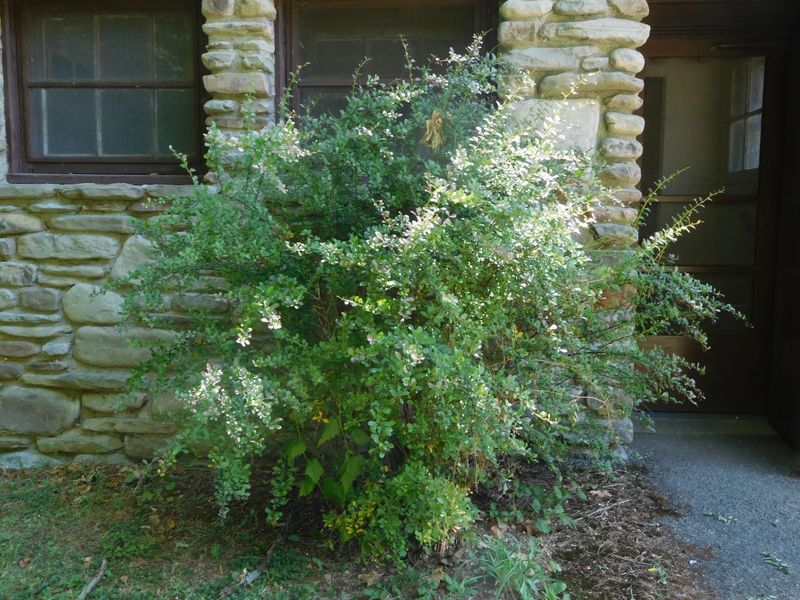
Fun fact: that pretty red shrub by your mailbox might be a tick hotel. Japanese barberry has been linked to higher numbers of Lyme disease ticks.
The dense, thorny branches trap moisture near the ground. Mice and ticks love that humid shelter, which raises the risk for families and pets.
New York lists Japanese barberry as a prohibited species. The rule falls under state regulation 6 NYCRR Part 575, effective March 10, 2015.
Under that rule, nobody may knowingly sell, buy, import, move, or plant it. Nurseries got a grace period to clear out their existing stock.
Here is a twist many gardeners miss. The state DEC later approved the sale of four sterile barberry varieties.
Research showed those sterile types do not spread like the regular plants. Birds eat the berries of fertile barberry and drop seeds into nearby woods.
Planning a new hedge? Native options like inkberry holly or winterberry give color without the trouble.
Removing old barberry takes patience and thick gloves. Pull small plants by the roots, and cut larger shrubs low before digging them out.
Spring is a smart time to tackle the job. Barberry leafs out early, so it stands out against bare woods and is easy to spot.
Ask your local garden center which sterile varieties they carry. Staff can point you toward plants that keep your yard both stylish and legal.
4. Invasive Plants Like Autumn Olive And Knotweed
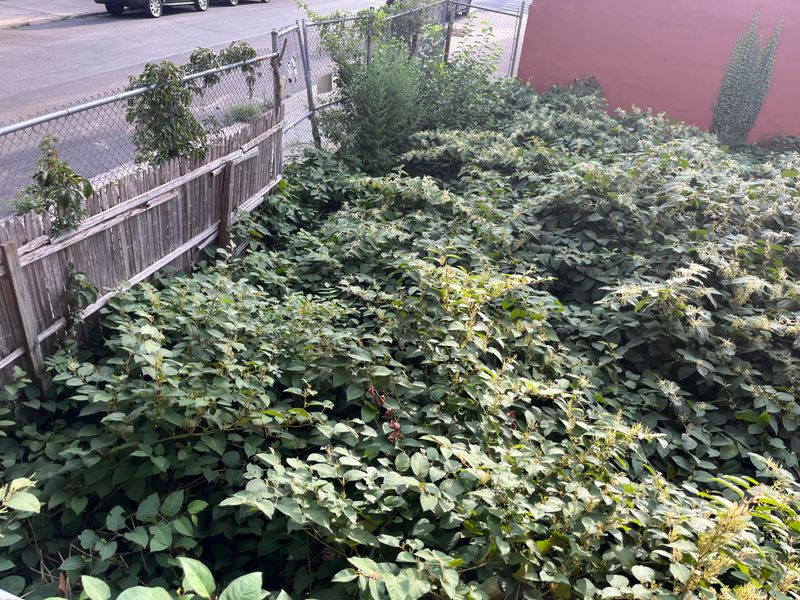
Some plants arrive in a yard looking innocent and then take over the whole block. Autumn olive and Japanese knotweed are two of the worst troublemakers.
Autumn olive has silvery leaves and loads of speckled red berries. Birds gobble the fruit and scatter seeds across parks, fields, and roadsides.
Japanese knotweed grows hollow stems that resemble bamboo. Its roots can push through asphalt and crowd out nearly every other plant nearby.
Both appear on the New York State prohibited species list. They fall under the same 6 NYCRR Part 575 rules that began in March 2015.
So what does the law actually require? Selling, buying, moving, or planting these species on purpose is not allowed.
Good news for homeowners with older patches already growing. The rules do not force removal of plants established before the regulations started.
Still, getting rid of them is a smart move for your property. Knotweed can lower home values and scare off buyers during an inspection.
Cutting knotweed often weakens it, but tossing clippings in compost is a mistake. Even tiny pieces can sprout, so bag them for trash pickup.
Young autumn olive shrubs pull out easily after a soaking rain. Larger ones may need a weed wrench or help from a pro.
Native shrubs like serviceberry and gray dogwood make cheerful replacements. Birds enjoy their fruit without spreading a botanical bully.
5. Lawn Fertilizer During Winter Months
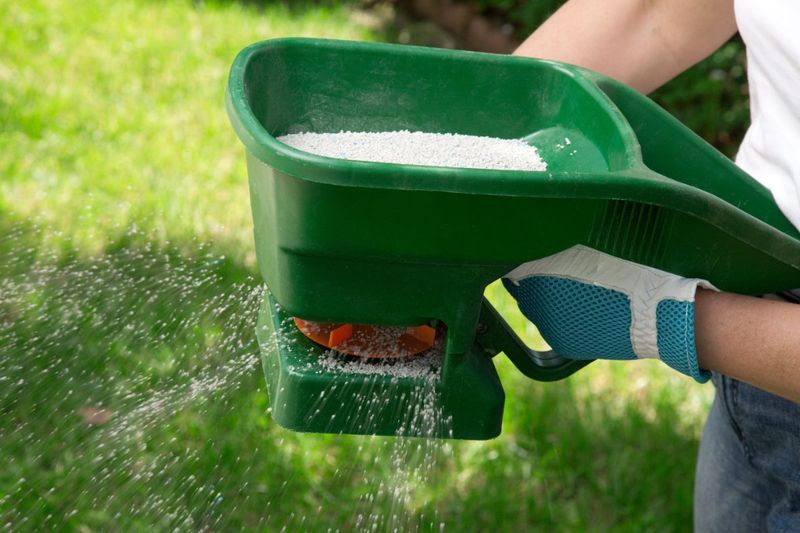
Picture a frozen lawn in January with a fresh dusting of fertilizer on top. Sounds a little silly, right?
Grass barely grows in winter, so it cannot soak up those nutrients. Melting snow and rain carry the extra fertilizer straight into storm drains.
New York decided to stop that waste years ago. Since January 1, 2012, state law bans lawn fertilizer from December 1 to April 1.
The rule covers any product with nitrogen, phosphorus, or potassium. Lawns and other non-farm turf both fall under the ban.
Why so strict? Phosphorus runoff feeds algae blooms that cloud lakes and steal oxygen from fish.
Suffolk County on Long Island sets an even earlier cutoff. Its ban runs from November 1 to April 1, with fines reaching $1,000.
Timing matters for healthy grass anyway. Early fall feeding helps roots grow strong before cold weather arrives.
Mark your calendar with the final legal date for your county. A simple phone reminder keeps you from making a costly mistake.
Spring eagerness trips up plenty of homeowners too. Wait until April and until the grass starts greening before feeding again.
Leftover fertilizer can stay in the garage until then. Store bags off the floor in a dry spot so they do not clump or leak.
6. Fertilizer Spread Near Water Or Pavement
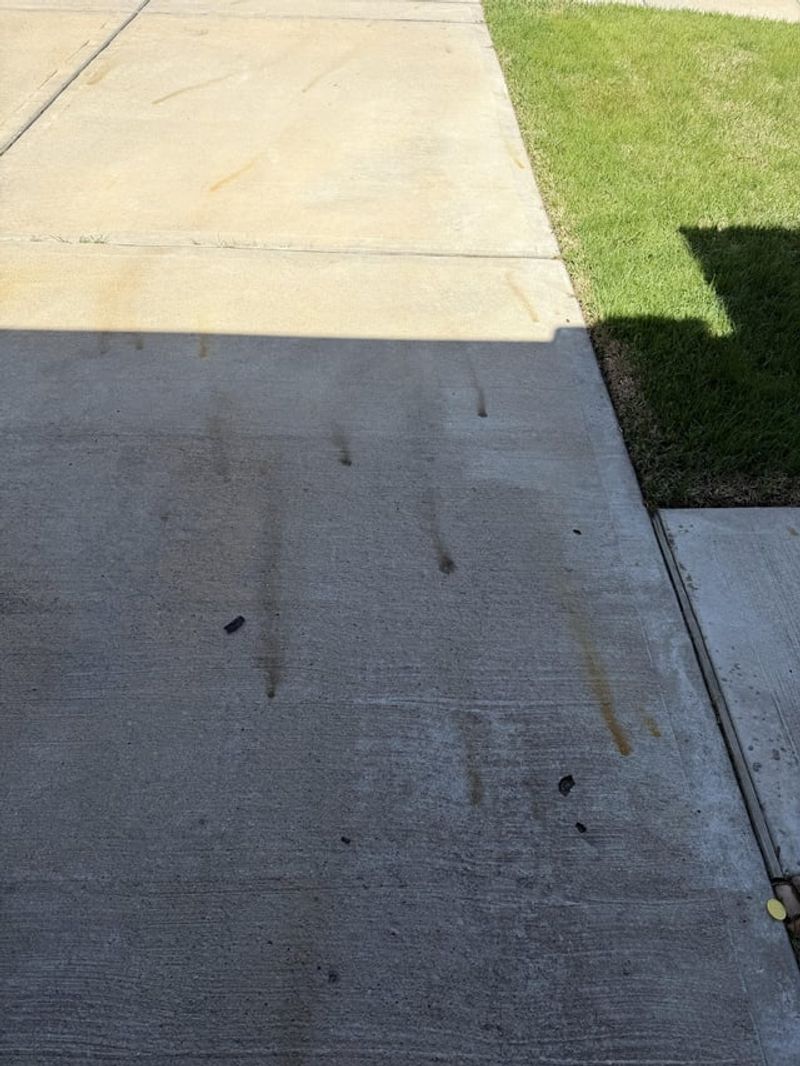
Those little fertilizer pellets bouncing onto your driveway seem harmless. Rain, though, can wash them into the nearest storm drain within minutes.
New York law forbids spreading fertilizer on hard surfaces like sidewalks, driveways, and parking areas. Spills must be swept up right away.
Grabbing the garden hose instead is against the rules. Water simply pushes the granules toward drains that lead to local streams.
Homes near ponds, creeks, or bays face extra limits. Fertilizer cannot be applied within 20 feet of any water body.
A natural plant buffer can shrink that gap. With a strip of vegetation at least ten feet wide, the limit drops to three feet.
Working that close requires special gear. A spreader guard, deflector shield, or drop spreader keeps pellets on target.
New lawns get a break during their first growing season. Those rules relax so fresh grass can establish itself.
The DEC also suggests phosphorus-free products for most lawns. Use phosphorus only if a soil test shows a shortage or you are seeding.
Soil tests are cheap through Cornell Cooperative Extension offices. Results tell you exactly what your yard needs, which can save money.
Keep a stiff broom near the spreader every time you feed the lawn. A quick sweep afterward protects water and keeps you on the right side of the law.
7. Wood-Burning Fire Pits And Backyard Burning
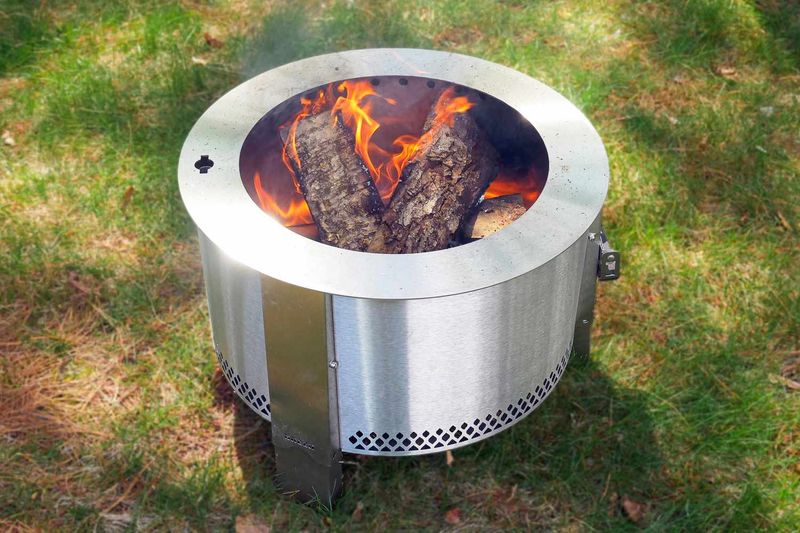
Few things beat roasting marshmallows under the stars with crackling logs nearby. Even so, backyard fires come with more rules than many families realize.
State regulations allow small fire pits and campfires. Fires must stay under three feet high and four feet across.
Only charcoal or clean, untreated wood is allowed as fuel. Burning trash or leaves is banned all year across the state.
Someone must watch the fire the entire time. Before heading inside, make sure the flames and embers are fully out.
Spring brings a separate restriction. Residential brush burning is banned from March 16 to May 14 to prevent wildfires.
Outside that window, brush fires are mostly allowed in towns under 20,000 people. Larger suburbs often ban them, so check local codes.
Placement matters as well. The state fire code calls for wood-burning pits at least 25 feet from structures or anything that can catch fire.
Some communities also recommend staying ten feet from neighbors’ yards. Smoke drifting into an open window can quickly sour a friendship.
Planning a permanent or gas fire feature? Suffolk County may skip a state permit, but local building permits and a licensed plumber are often needed.
Keep a bucket of water or a hose close by every time. A quick soak before bed is the easiest safety habit you can build.
8. Tree Removal Without A Village Permit
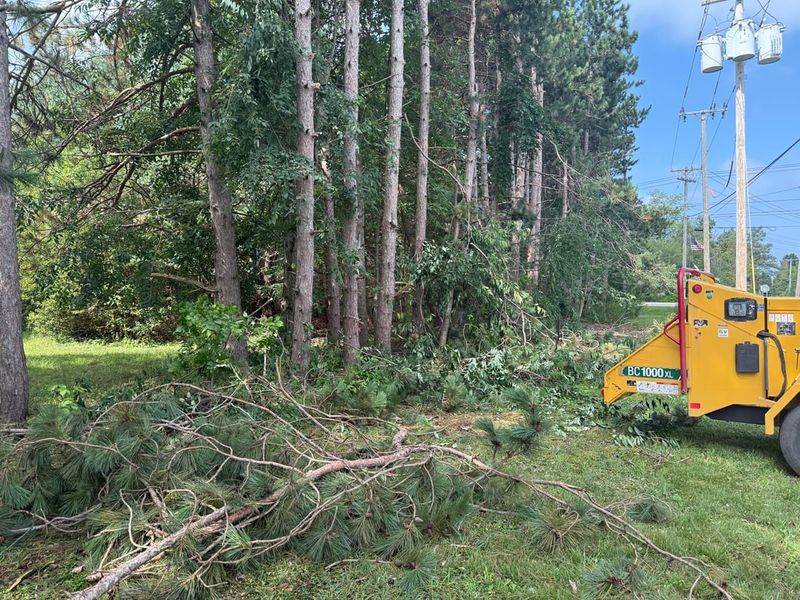
Cutting down a tree on your own land sounds like a personal choice. In many villages, it requires paperwork first.
Permit rules usually depend on trunk size measured at chest height. Harrison and Greenburgh often require permits for trees six to eight inches wide.
Mamaroneck Village sets the bar at eight inches, measured four and a half feet up. Bedford only requires permits for trees 18 inches or larger.
Wetland areas follow tighter rules. In Mamaroneck Village, trees over three inches near wetlands may need approval.
Certain native species earn extra protection too. American holly and flowering dogwood can require special permits before removal.
Trees on public land or the right-of-way need official permission. Heritage trees with historic value demand strong reasons before anyone cuts them.
Penalties can sting. Removing one or two protected trees without a permit in Mamaroneck Village can cost $1,050 to $5,000.
Violators may also see building, demolition, or excavation permits suspended. That delay can wreck a renovation timeline.
Emergencies involving hazardous or diseased trees can move faster. Owners usually must provide photos or reports soon afterward.
Villages like Nyack often require replacement plantings based on the size of removed trees. Ask your arborist about permit help before the chainsaw starts.
A quick call to village hall clears up confusion. Rules change often, so a few minutes of checking beats a big fine.