8 October Mowing Rules For A Greener New York Lawn Next Spring
Cold air fools you into thinking your lawn has gone quiet. Underground, roots across New York are still racing to build energy reserves.
You can steer that growth with a few precise moves. Soil stays warm long after your jacket comes out.
Fescue and bluegrass take advantage, storing fuel that powers a green spring surge. Mow lower on your final passes, so sunlight reaches the crowns.
Aerate compacted patches, then overseed next late summer while soil stays warm. Check local fertilizer rules, then feed with measured nitrogen as top growth slows.
Wet leaves left in heaps block light and invite snow mold. Mulch them with your mower instead, and you return organic matter to the soil.
Spring in New York arrives fast, and you want thick turf waiting. Act now, and April rewards you with a lawn that turns heads.
1. Lower The Height A Little At A Time
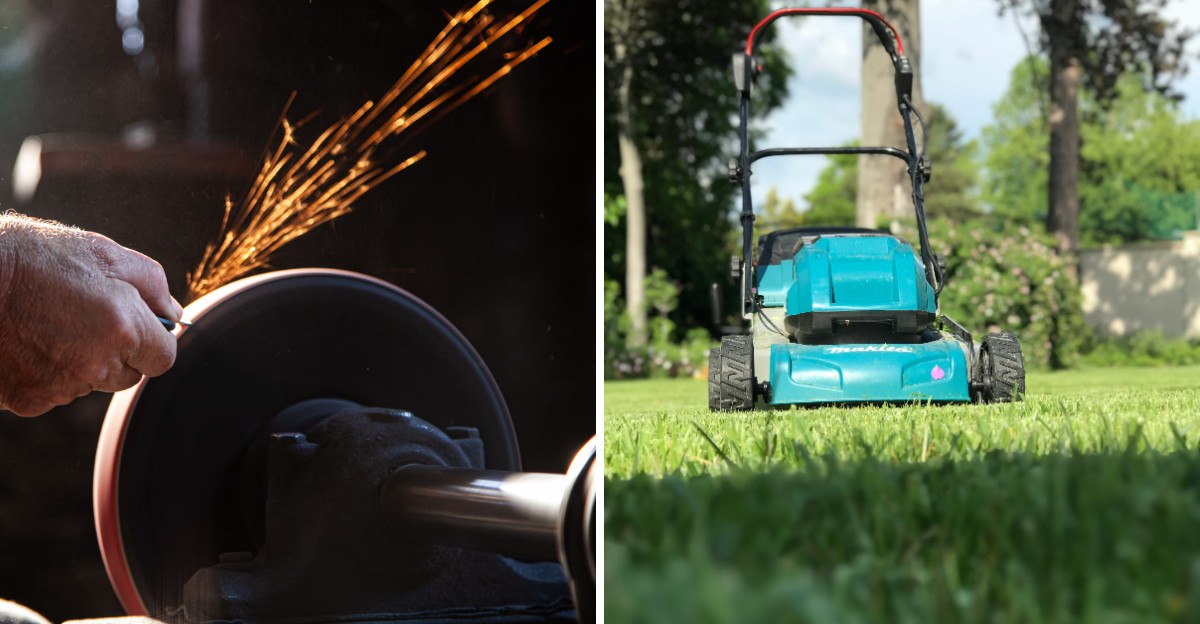
Picture your lawn as a nervous kid getting a haircut right before school picture day. Take too much off at once, and the results look rough for weeks.
Throughout summer, most New York lawns do best at about three to three and a half inches tall. Taller blades shade the soil and help roots handle July heat.
October brings a shift in how you mow. For your last few cuts, slowly bring the height down to around two and a half inches.
Shorter turf heading into winter is less likely to flop over under heavy snow. Matted blades trap moisture, and that soggy mess invites snow mold come March.
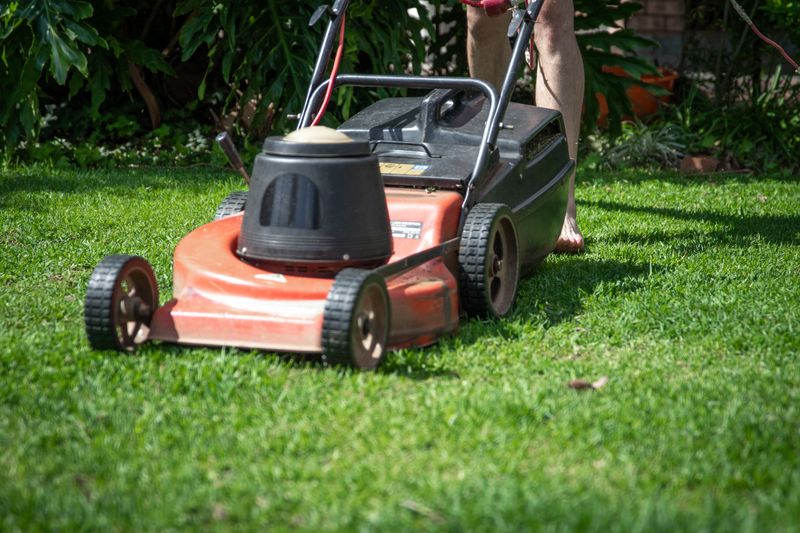
The trick is patience, not a single dramatic chop. Drop your mower deck by about half an inch per mowing, spaced a few days apart.
Gradual steps let the plants adjust without stress. Roots keep storing food, which fuels that bright green burst in early spring.
Going too low is a mistake too, so avoid cutting the grass too short. Turf cut under two inches loses energy and leaves bare soil open for weeds.
Check your mower manual if the height settings seem confusing. Most models use simple numbered notches or a lever near each wheel.
A ruler pushed into the lawn after cutting gives you a quick reality check. It takes ten seconds and saves plenty of spring guesswork.
Small changes, steady pace, happy lawn. That simple formula suits most of New York, from Long Island to Buffalo.
2. Keep Your Mower Blade Sharp
A dull blade does not slice grass, it tears it like wet paper. Look closely after mowing, and you might spot ragged, whitish tips across the yard.
Those frayed ends turn brown within a day or two. Worse, ragged cuts make it easier for fungus to enter each plant.
Fall weather in New York brings cool nights, heavy dew, and plenty of damp mornings. Disease spores love those conditions, so clean cuts matter more than ever.
A common guideline is to sharpen once or twice a season, or about every 20 to 25 hours of use, and October is a good time for a check. Your blade has probably hit sticks, acorns, and a buried toy or two.
Your New York Garden Changes Every Week. Your Plan Should Too.
Gardening in New York changes quickly throughout the season. Every Friday you’ll receive a simple weekly plan showing exactly what to plant, prune, fertilize, harvest, and protect so you never miss the right timing.
Before touching anything, pull the spark plug wire or remove the battery. Safety first helps prevent injuries and keeps weekend plans on track.
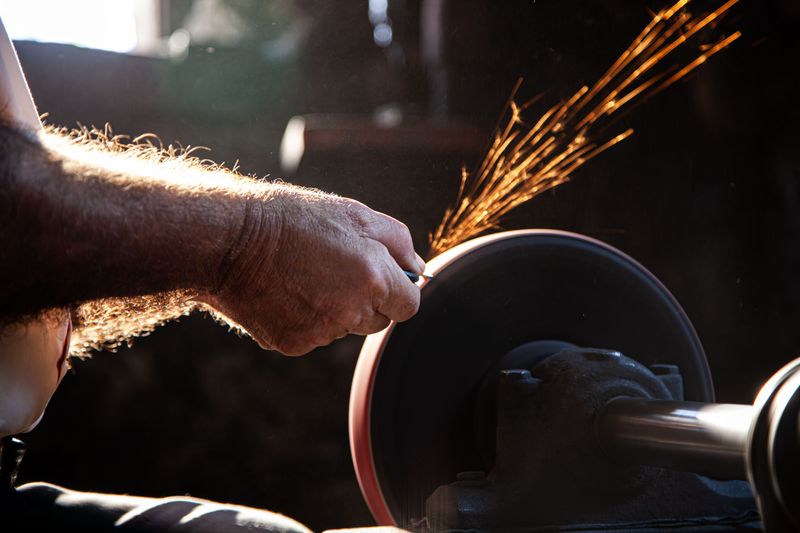
A metal file works fine for small nicks, while a bench grinder handles bigger damage. Many hardware stores will also sharpen blades for a small fee.
After sharpening, balance the blade on a nail or a cheap blade balancer. A lopsided blade shakes the mower and wears out the engine faster.
Keeping a spare blade in the garage is a clever move too. Swap it in, then sharpen the old one on a rainy afternoon.
Your lawn will thank you with crisp, even tips heading into winter. Come spring, that tidy look turns into strong, healthy new growth.
Think of it like brushing your teeth for the yard. Skipping it once is fine, but skipping it all year shows.
3. Mulch The Fallen Leaves Instead Of Bagging Them
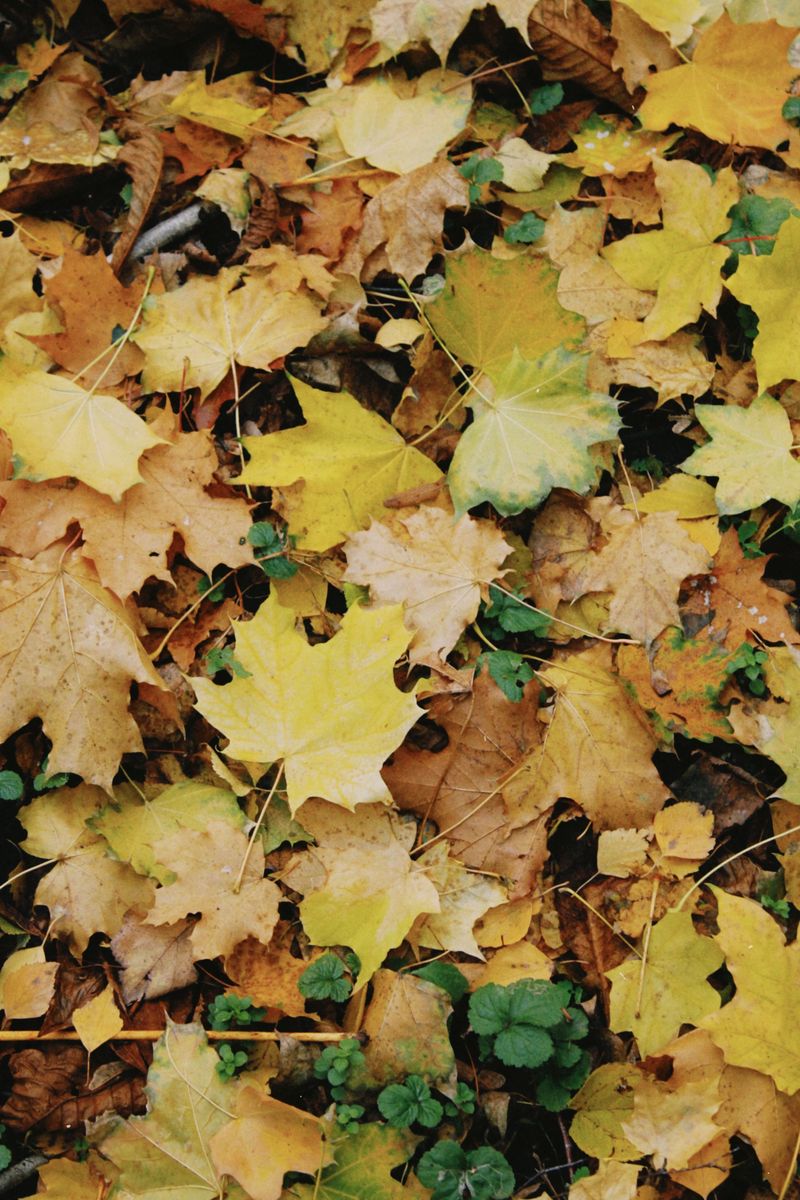
Each fall, many New Yorkers set out paper leaf bags at the curb. Many of those bags hold organic matter and nutrients that your lawn can use.
Instead of raking for hours, try running your mower right over the leaves. A mulching blade chops them into tiny flakes the size of a dime.
Those little pieces slip down between the blades and settle onto the soil. Worms and microbes break them down gradually, adding nutrients and organic matter.
Researchers at Michigan State University tested this idea over several years. Lawns with mulched maple and oak leaves showed fewer dandelions and greened up faster the next spring.
The key is to mow often enough that leaves do not pile up too deep. A light layer works great, but a thick blanket smothers the turf below.
After mulching, you should still see some green poking through the bits. If the ground looks buried, mow again or rake a little away.
Oak leaves are tough and leathery, so they may need two passes. Maple and birch leaves crumble and break down faster.
Extra shredded leaves can also go into a compost pile or garden beds. Your tomatoes and tulips will enjoy the bonus snack next year.
Skipping the bags saves money, time, and strain on your back. It also reduces the amount of yard waste that has to be collected and processed.
Few chores feel this satisfying, honestly. You get to play with a loud machine and help the planet in one afternoon.
4. Mow When The Grass Is Dry
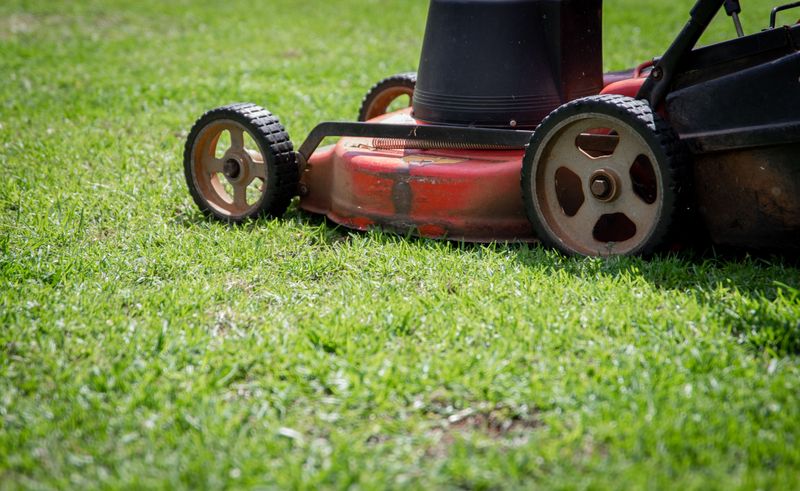
Ever stepped out at 7 a.m. and found your sneakers soaked in seconds? That heavy fall dew is a big reason to wait before firing up the mower.
Wet grass clumps together and sticks under the deck like oatmeal in a pot. The mower struggles, leaves uneven stripes, and spits out soggy piles.
Those clumps sit on the lawn and block sunlight from the blades below. In cool October weather, they dry slowly and can spread fungal problems.
Wet blades also bend over instead of standing tall for a clean cut. The result looks shaggy, even right after you finish.
Slippery slopes are another worry, especially in hilly spots upstate. Damp ground can make your feet slide and leave wheel ruts in soft soil.
Late morning to mid-afternoon usually offers the driest window in fall. Aim for somewhere between 11 a.m. and 3 p.m. on clear days.
A simple test helps if you are unsure. Drag your hand across the lawn, and if it comes back wet, give it another hour.
After a rainy stretch, waiting a full day before mowing often makes sense. Grass grows slower in fall, so a short delay will not hurt anything.
Your mower stays cleaner too, which means less scraping gunk off the deck later. That alone feels like a small victory on a chilly afternoon.
Patience pays off here in a very real way. Dry cuts now lead to a healthier, tidier lawn when spring arrives.
5. Keep Mowing Until The Grass Stops Growing
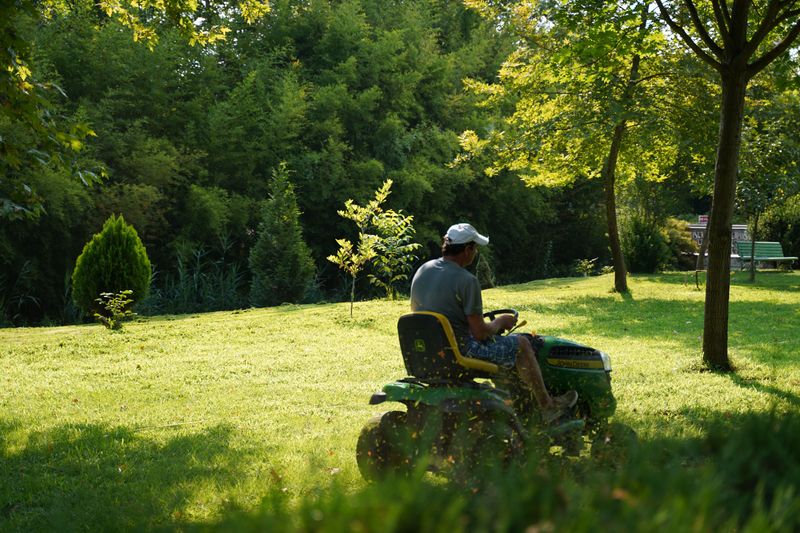
Some homeowners park the mower soon after Labor Day and call it a season. Cool-season grasses in New York have other plans, though.
Kentucky bluegrass, ryegrass, and fescue actually love crisp fall weather. They keep growing steadily until daytime temperatures stay below about 50 degrees.
In much of the state, that often means mowing into late October. Around New York City and Long Island, growth may continue into November, depending on the weather.
Stopping too early leaves tall, floppy grass heading into the snowy months. Long blades fold over, trap moisture, and create cozy homes for voles.
Those small rodents tunnel under snow and chew winding trails through your turf. Come spring, you may find squiggly brown paths that look like a maze.
So how do you know when to quit? Watch the lawn after a cut, and see if it needs trimming again within a week or two.
Once growth slows to a gentle crawl, you are nearly done for the year. Many homeowners notice this shift after the first few hard frosts.
Keep an eye on local weather reports for steady cold spells. A few warm days in a row can wake the grass up briefly.
If you plan to fertilize this fall, finish before December 1. New York law bans lawn fertilizer from then until April 1.
That final cut should land at your lowered fall height. Then the mower can finally rest, and so can your arms.
Think of these late sessions as bonus time outside before winter settles in. Crunchy leaves, crisp air, and maybe a warm cider waiting afterward make it worthwhile.
6. Follow The One-Third Rule
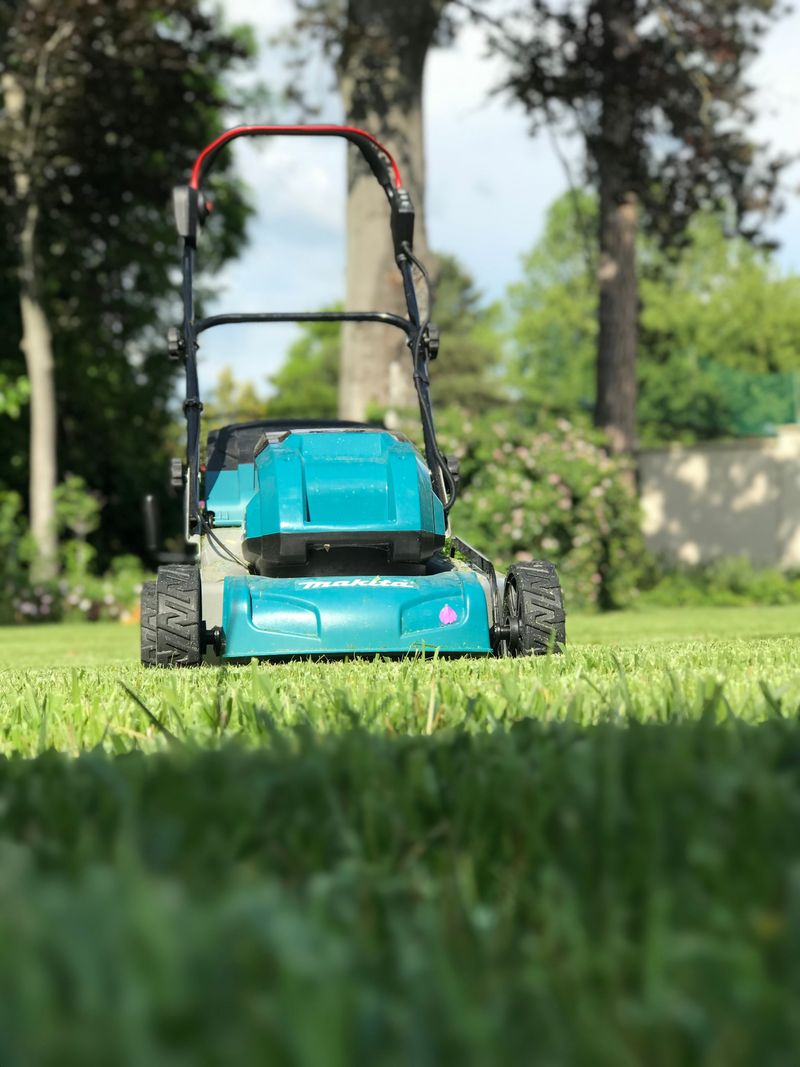
Turf experts commonly recommend one simple number, and it is one-third. Cutting off more than a third of each blade at once stresses the plant.
Grass blades work like tiny solar panels, making food from sunlight. Chop off too much, and the plant suddenly runs short on energy.
In October, that energy matters a lot. Roots are busy storing sugars that help the lawn survive winter and green up fast in spring.
Here is how the math works in real life. If your lawn stands four and a half inches tall, cut no lower than three inches.
When you want to reach your final fall height, take it in steps. Two or three mowings spaced a few days apart do the job nicely.
Vacations, rainy weeks, and busy school schedules can let the lawn get shaggy. Resist the temptation to scalp it all back in one go.
Instead, raise the mower deck for the first pass and trim just the top. A few days later, lower it again for a neater finish.
Your lawn recovers faster and avoids that yellow, stubbly look. Weeds also have a harder time sneaking into thin, stressed patches.
Some people find it helpful to mark the target height on a paint stick. Pushing it into the turf shows quickly how much needs to come off.
It may feel slow, but steady trims build a sturdier lawn. Professional groundskeepers follow the same basic idea.
7. Change Your Mowing Pattern Regularly
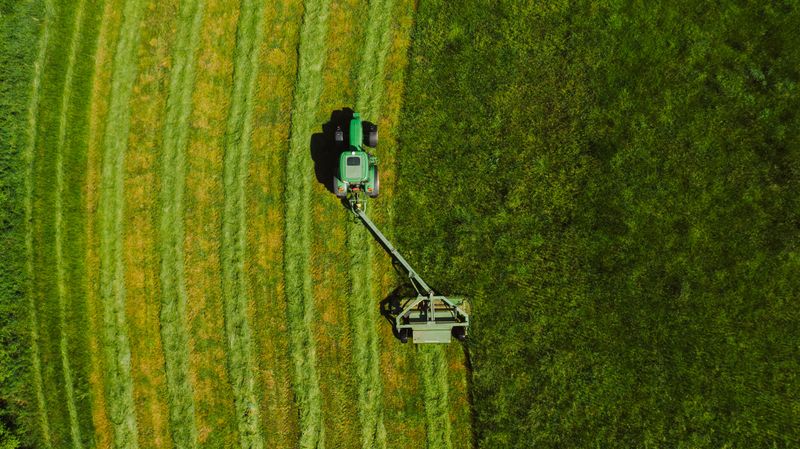
Walk across a lawn mowed the same way all season, and you can feel the grooves. Wheels pressing the same path week after week leave real marks behind.
Those ruts squeeze the soil tight, which makes it hard for roots to breathe. Water also runs off packed ground instead of soaking in.
Grass also starts to lean in the direction you mow most often. Over time, that leaning creates a grainy, uneven look and patchy cuts.
October soil tends to be soft and wet after fall rains. That makes it even easier to leave dents that last through winter.
Switching directions is easy and kind of fun. Go north to south one week, then east to west the next.
Diagonal lines make a nice third option and give the yard a sporty, ballpark feel. Rotating through all three spreads out the wear evenly.
Kids often enjoy picking the pattern for the day. Turning a chore into a little design project keeps everyone more interested.
Heavy riding mowers cause the most compaction, so this tip matters even more for them. Push mowers still leave tracks, just a little lighter.
If you notice hard, packed spots already, core aeration, ideally in early fall, can help loosen them. If it is too late this year, plan it for next September. Next spring, the loosened soil lets roots spread deep and wide.
A lawn with varied stripes looks sharp from the street, too. Neighbors might think you hired a pro, and that secret can stay between us.
8. Clean And Store The Mower After The Last Cut

A mower that refuses to start can spoil a sunny April Saturday. Many of those springtime problems begin with poor storage the previous fall.
Once your final October or November cut is done, give the machine some attention. Start by disconnecting the spark plug so it cannot fire by accident.
Next, wear gloves, tip the mower with the air filter and carburetor side up, and scrape the caked grass from under the deck with a putty knife or stiff brush. Wet clippings left there all winter cause rust and spread lawn diseases.
Fuel is another common problem. Old gasoline can thicken over the winter and clog the carburetor.
Either run the tank dry or add a fuel stabilizer and run the engine for a few minutes. Both options keep the fuel system clean until spring.
Changing the oil now is smart too, since used oil holds acids that eat at engine parts. Fresh oil sitting all winter is much gentler on the motor.
Battery-powered mowers need care as well. Store the battery indoors, away from freezing garage temperatures, with a partial charge.
Finally, tuck the mower in a dry corner and toss a breathable cover over it. Mice love cozy engine spaces, so check for nests before spring.
An hour of work today saves a frustrating trip to the repair shop later. Plus, your mower will roar to life on the first warm weekend.
Repair shops in New York are often busy in spring with mowers that sat full of old gas. Skip that long line and spend the time enjoying your bright green yard.