Green Shrubs Heavy With Red Berries Are Crowding Missouri Woods Edges
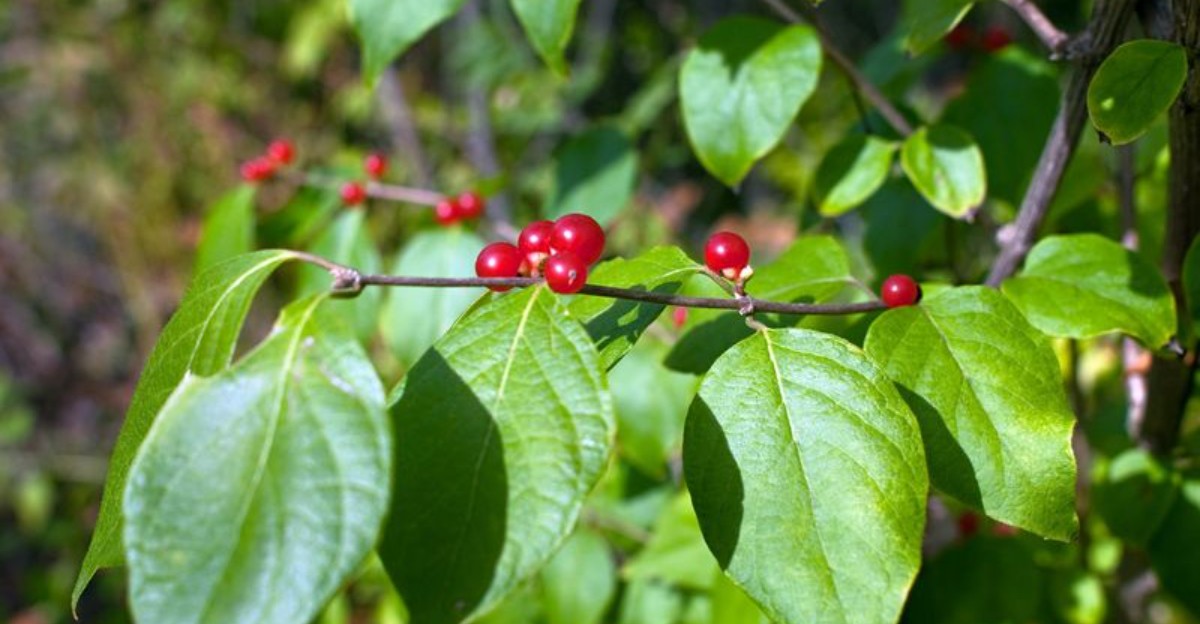
Take a fall walk along almost any Missouri woods edge, and something cheerful might stare back at you. Bright red berries cluster along green branches while nearby oaks and hickories start fading to gold and brown.
The scene looks festive, almost like nature decorated early for the holidays with tiny shiny ornaments. Yet those cheerful shrubs hide a sneaky story that foresters and landowners across the state talk about often.
These plants stay green long after neighbors drop their leaves, and they crowd out wildflowers and young trees. Walk under a thick patch, and you may notice cool shade and bare dirt below.
Birds eat the berries, then carry the seeds far away before dropping them along fences, trails, and creeks. That means one shrub in your backyard can quietly start a new thicket somewhere down the road.
A Long Leaf Season That Gives Them A Head Start
Picture a race where one runner starts weeks early and keeps jogging long after everyone else has stopped. Bush honeysuckle plays that exact game in Missouri forests, and it often wins by a wide margin.
Its leaves open in early spring, sometimes two or three weeks before native shrubs and trees wake up. Then in fall, those same leaves hang on and often stay green into November.
Right now in early October, you can see this pattern clearly on many woodland hikes and drives. Native dogwoods and spicebush are turning red or yellow, while honeysuckle thickets still look fresh and leafy.
Those extra weeks of green leaves mean extra weeks of sunshine turned into food for the plant. Scientists call this a longer growing season, and it helps honeysuckle grow faster and spread wider.
Meanwhile, the plants underneath get shaded out during the exact weeks when they usually soak up light. Spring wildflowers like bloodroot and trout lily depend on that short bright window before trees leaf out.
A long leaf season also gives you, the landowner, a helpful advantage when spotting these shrubs. Once most native leaves fall, green honeysuckle stands out like a bright flag along the woods edge.
Take a slow walk in late October or November and jot down every green shrub you spot. That simple list becomes your treasure map for removal work later this fall and through the winter months.
Red Berries That Spread Through Birds
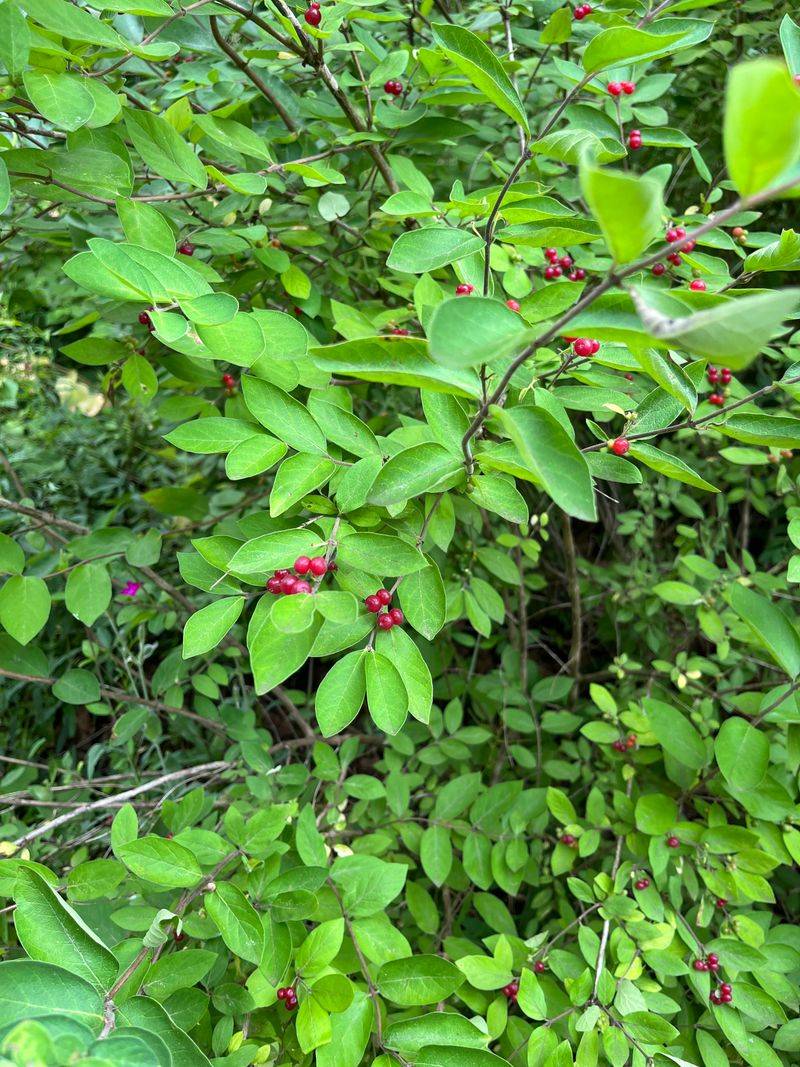
Did you know a hungry robin can swallow a whole handful of honeysuckle berries in one quick snack? Those glossy red berries ripen from late summer into fall, right when birds are fueling up for winter.
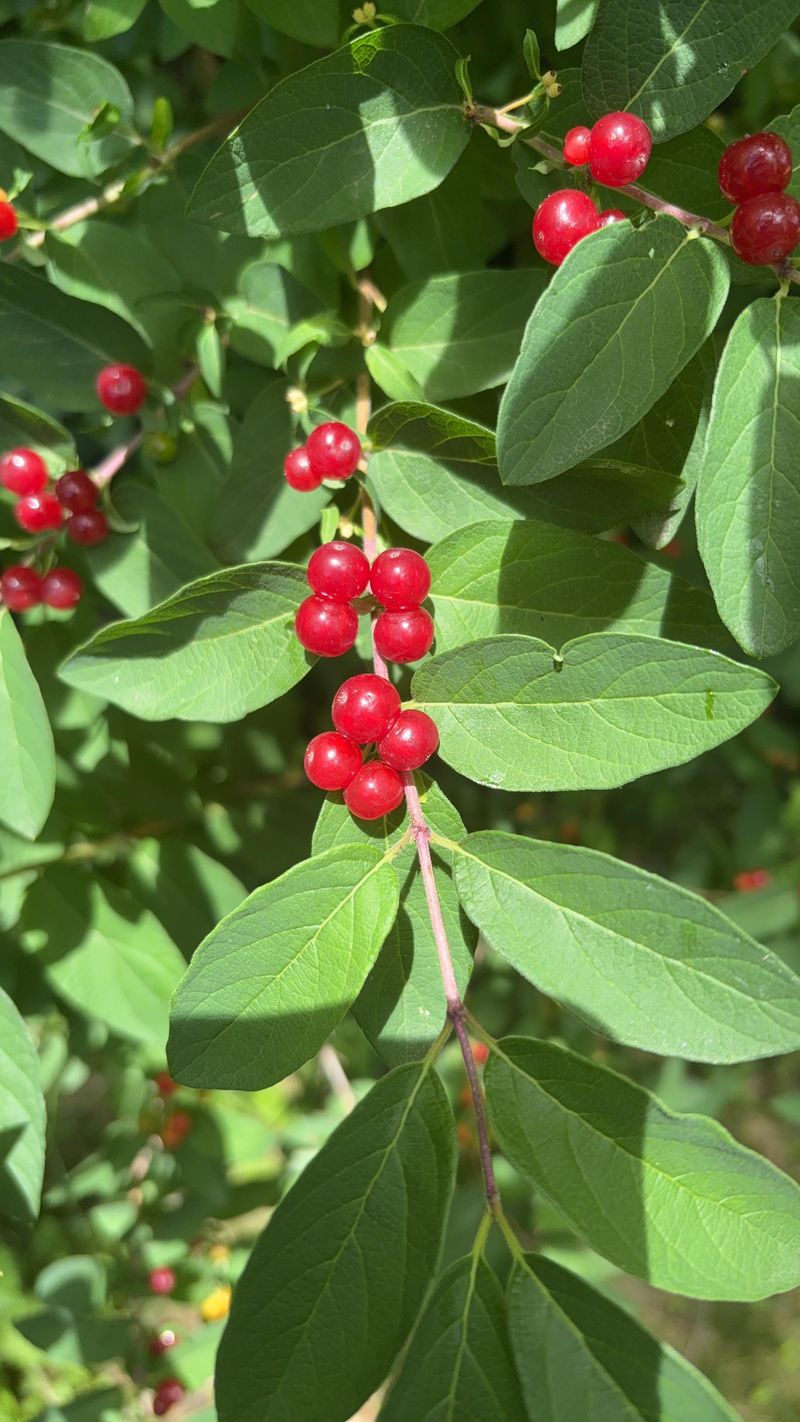
Each berry is about the size of a pea and usually grows in pairs tucked close to the stem. A big shrub can produce a huge crop, which makes the branches look sprinkled with bright red beads.
Robins, mockingbirds, thrushes, and cedar waxwings all eat the fruit, then fly off to rest somewhere else. The seeds pass through their bodies and land in a fresh spot with a little natural fertilizer.
Your Missouri Garden Changes Every Week. Your Plan Should Too.
Gardening in Missouri changes quickly throughout the season. Every Friday you’ll receive a simple weekly plan showing exactly what to plant, prune, fertilize, harvest, and protect so you never miss the right timing.
That is why you often find honeysuckle lined up beneath fences, power lines, and lone trees in fields. Birds love to perch in those places, so the seeds drop in neat rows right below them.
Sadly, the berries are a bit like junk food for birds, tasty but low in fat. Native fruits such as dogwood and spicebush berries pack more energy for long migration flights south.
Because birds carry seeds so far, one neglected yard can help seed new thickets in nearby parks. Removing berry-heavy shrubs in your own space helps protect public forests and conservation areas down the road.
If you cannot remove a large shrub right away this fall, try clipping off the berry clusters first. Bag them up and toss them in the trash, not the compost pile, so seeds stay out of reach.
Identifying Features Along The Stems
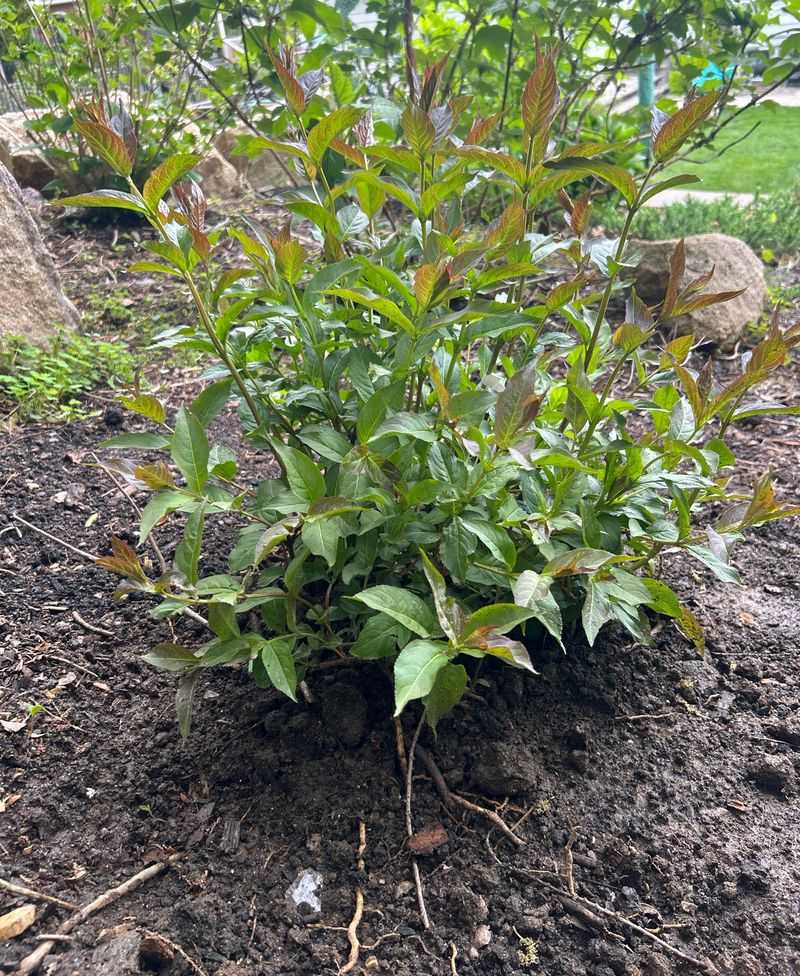
Think of yourself as a plant detective, because a few simple clues can help confirm a honeysuckle in seconds. Grab garden pruners, and head out to that suspicious green shrub by the woods.
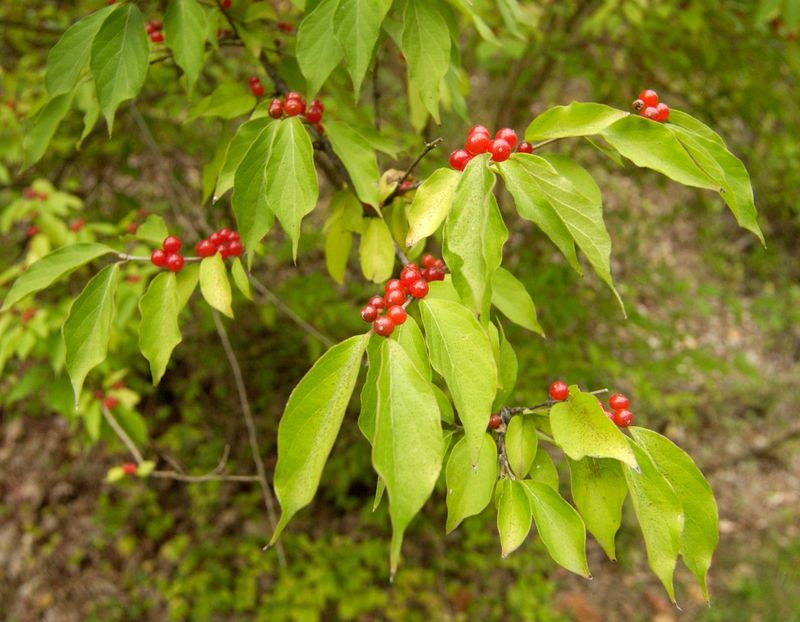
Clue number one is the leaf arrangement, since honeysuckle leaves grow in pairs directly across from each other. The leaves are oval with smooth edges and a pointed tip, roughly two to three inches long.
Clue number two is the bark on older stems, which looks light tan, shaggy, and a bit striped. Long strips peel away like old string cheese, which makes mature shrubs easy to recognize even from afar.
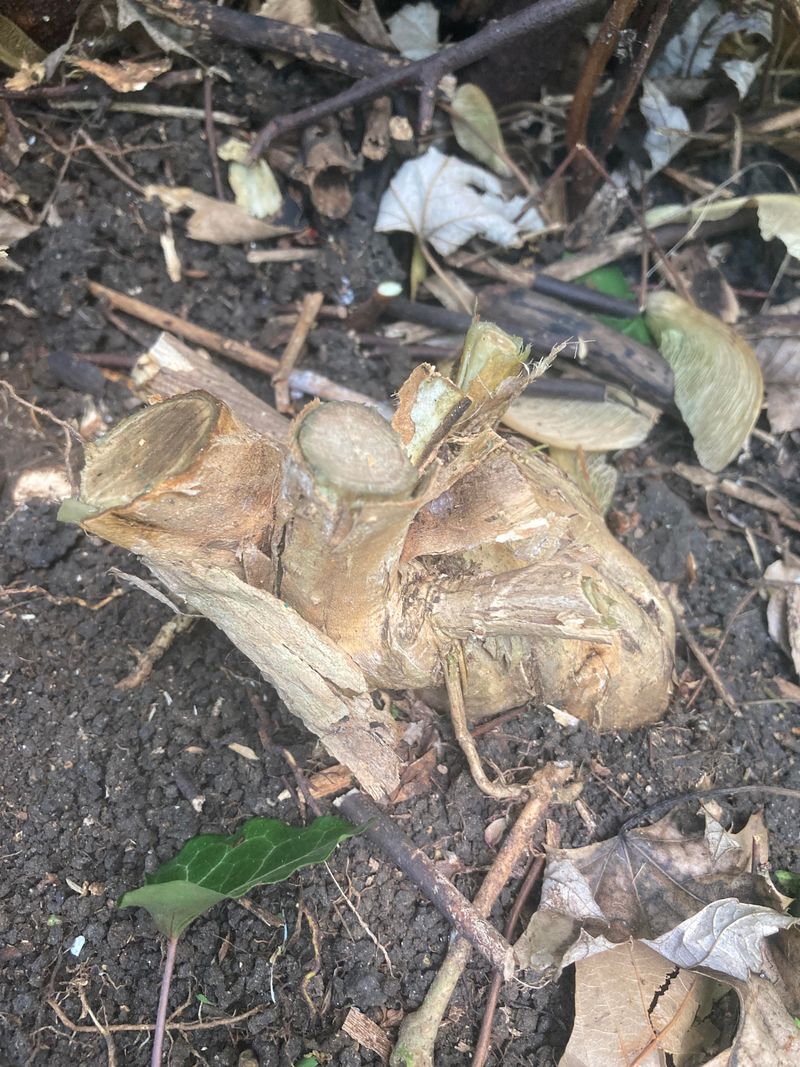
Clue number three is the most reliable, so snip a small branch and look closely at the center. Bush honeysuckle stems are hollow inside, while many native look-alikes have solid centers.
Native honeysuckle vines, for example, usually have solid stems filled with pith. That test helps sort out many mix-ups, so it is worth doing before you start cutting anything.
Shape offers another hint, since mature plants form a wide vase with arching branches up to about fifteen feet tall. In early October, the pairs of red berries sit right where the leaves join the stem.
Snap a few phone photos of leaves, bark, and stem centers so you can compare them later. The Missouri Department of Conservation also offers free guides that show these features side by side.
Shaded Understory Losses Beneath The Thickets
Step inside an old honeysuckle thicket, and the forest floor suddenly feels quiet, dim, and strangely empty. Instead of ferns, wildflowers, and tiny oak seedlings, you mostly see bare soil and scattered fallen leaves.
Heavy shade is the main reason, since dense honeysuckle can block most sunlight from reaching the ground. Young trees like oaks and hickories struggle to grow, which means fewer big trees for future generations.
Researchers have also found that honeysuckle roots and leaves release chemicals that may slow nearby plant growth. That sneaky trick may give the shrub even more room to spread while its neighbors decline year after year.
Wildlife feels the change too, since fewer native plants usually means fewer insects for birds to eat. Some studies show songbird nests in honeysuckle face more predators because the branches sit low and open.
Creeks and streams may be affected as well, because honeysuckle leaves dropping into water can change aquatic food webs. Researchers have studied how frogs and small water creatures respond, and some results raise concerns.
Deer also play a role, since they often prefer native plants over honeysuckle and browse the natives growing nearby. Some studies link thick honeysuckle patches with more ticks, possibly because deer like resting in that cozy cover.
The hopeful part is that forest floors often bounce back once the shrubs are cleared and light returns. Many landowners report seeing wildflowers return within a few seasons after removal, which feels wonderfully rewarding.
Removal Timing For Missouri Landowners
Early fall is a great time to take on honeysuckle, and the calendar is on your side. From October through early winter, the shrubs often stay green while native plants go brown, so they are easy to spot.
Small seedlings come out easily by hand, especially after a soaking fall rain loosens up the soil. Grab them low near the base and pull slowly, wiggling a bit so the roots slide out whole.
Medium shrubs may need a weed wrench, a sturdy tool that grips the stem and levers out roots. Larger shrubs usually require cutting near the ground with loppers or a small saw for best results.
Cut stumps often sprout right back, so many experts treat them with an approved herbicide immediately afterward. Fall treatments tend to work well because the plant is pulling energy down into its roots this time of year.
Read the product label carefully, wear gloves, and follow local rules before using any chemical near water. The Missouri Department of Conservation shares free advice, and some areas even loan out weed wrenches.
Plan on follow-up visits next year, because hidden seeds in the soil often send up new sprouts. A quick fall walk each season lets you catch those youngsters while they are still small and easy.
Working with neighbors can make a big difference, since birds may keep dropping seeds from untouched yards nearby. Some Missouri towns host honeysuckle removal days in fall, which turn hard work into a friendly community event.
Native Shrubs Worth Planting Afterward
Clearing honeysuckle leaves an open space, and nature loves to fill empty spaces with whatever arrives first. Planting native shrubs this fall gives your yard a head start before new honeysuckle seedlings sneak back in.
Early October is a good planting window in Missouri, since cooler air and warm soil help roots settle. Water new shrubs deeply about once a week when rain is scarce, and spread a little mulch around them.
Spicebush is a wonderful choice for shady spots, with bright yellow fall leaves and shiny red berries on female plants. Its leaves smell spicy when crushed, and it feeds the caterpillars of the striking spicebush swallowtail butterfly.
Gray dogwood and roughleaf dogwood grow along woods edges and produce white berries that migrating birds adore. Those fatty fruits give thrushes and vireos the fuel they need for long journeys south each autumn.
Coralberry, also called buckbrush, stays low and spreads gently, making it handy for slopes and bare ground. Its pinkish purple berries hang on through winter, adding a cheerful splash of color to snowy woods.
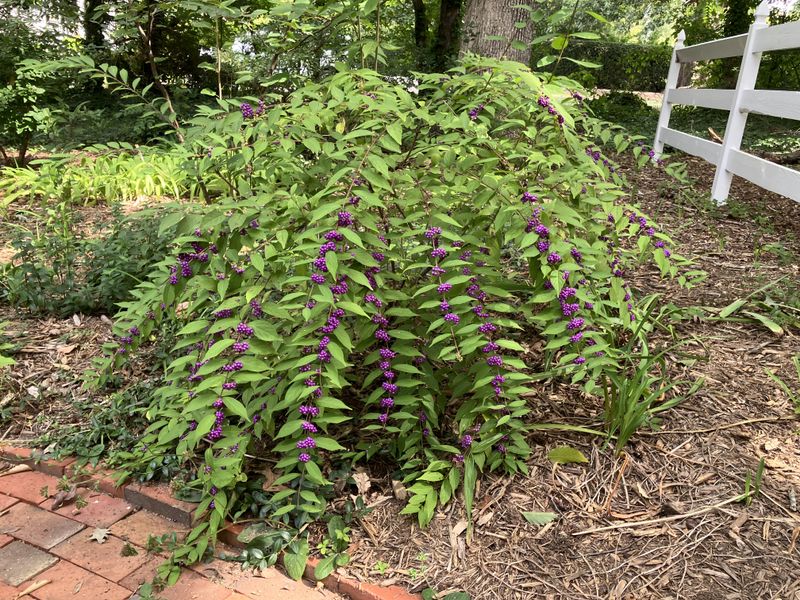
American beautyberry steals the show in fall, with clusters of glowing purple berries wrapped around each stem. Possumhaw holly and wild plum are also strong picks if you want variety and plenty of wildlife visitors.
Look for these plants at native nurseries or through the George O. White State Forest Nursery. With a little patience, your cleared woods edge can become a lively buffet buzzing with birds and butterflies.