This Porch Plant Thrives Through Missouri’s Toughest Afternoons
Missouri front porches turn into furnaces by July, and most annuals throw in the towel before the month is over. Petunias sulk, impatiens shrivel, and hanging baskets start looking like something you’d rather hide than show off.
One plant does the opposite. It treats a scorching afternoon like a mild Tuesday, pushing out fresh blooms while everything around it wilts.
Midwest gardeners have been quietly obsessing over this one for years, and once you grow it, you’ll understand why. It shrugs off thick humidity, skips complaining during dry spells, and still looks camera-ready in a container on a brick step.
Skip the thermometer checks and the guilt trips over a missed watering day. Ahead: what keeps this plant blooming through the worst of August, and how to set it up for a graceful exit once the first frost hits.
This Plant Was Built for Missouri’s Toughest Afternoons
Picture your porch at 3 p.m. in August, and the air feels like a hair dryer. Most flowering plants look wilted, crispy, and completely done for the season.
Angelonia does not flinch at that scene at all. This tough little bloomer was originally found in Mexico and the Caribbean, where brutal heat is just Tuesday.
That native background is exactly what gives it an edge over most garden-center favorites. That deep genetic toughness is exactly what makes it so perfect for Missouri’s punishing afternoons.
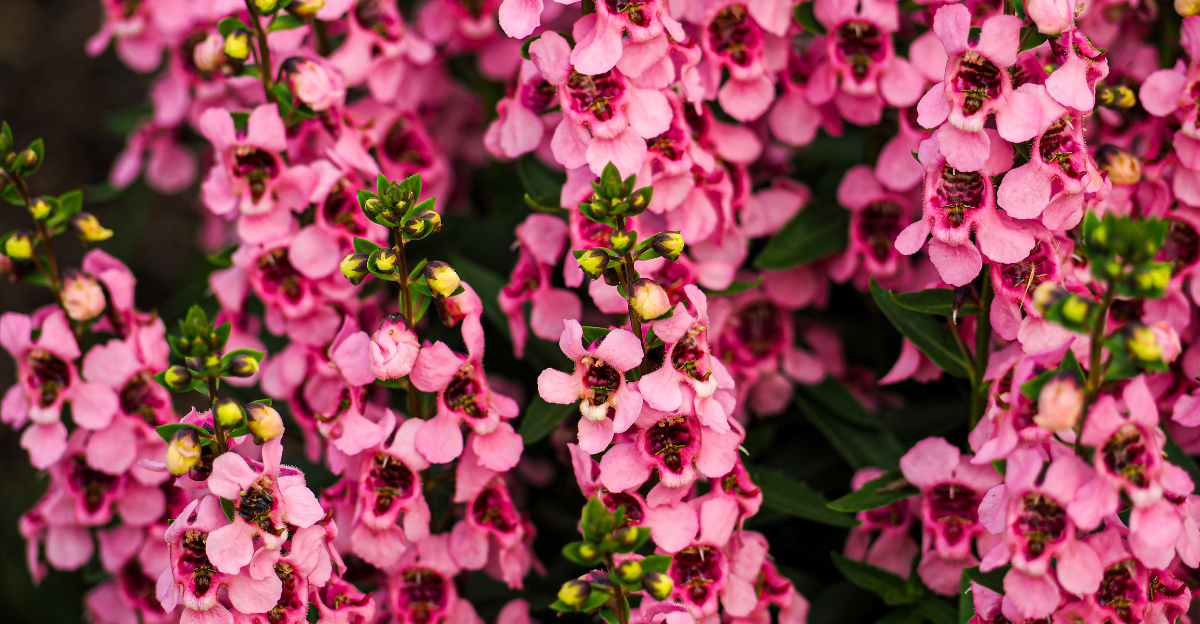
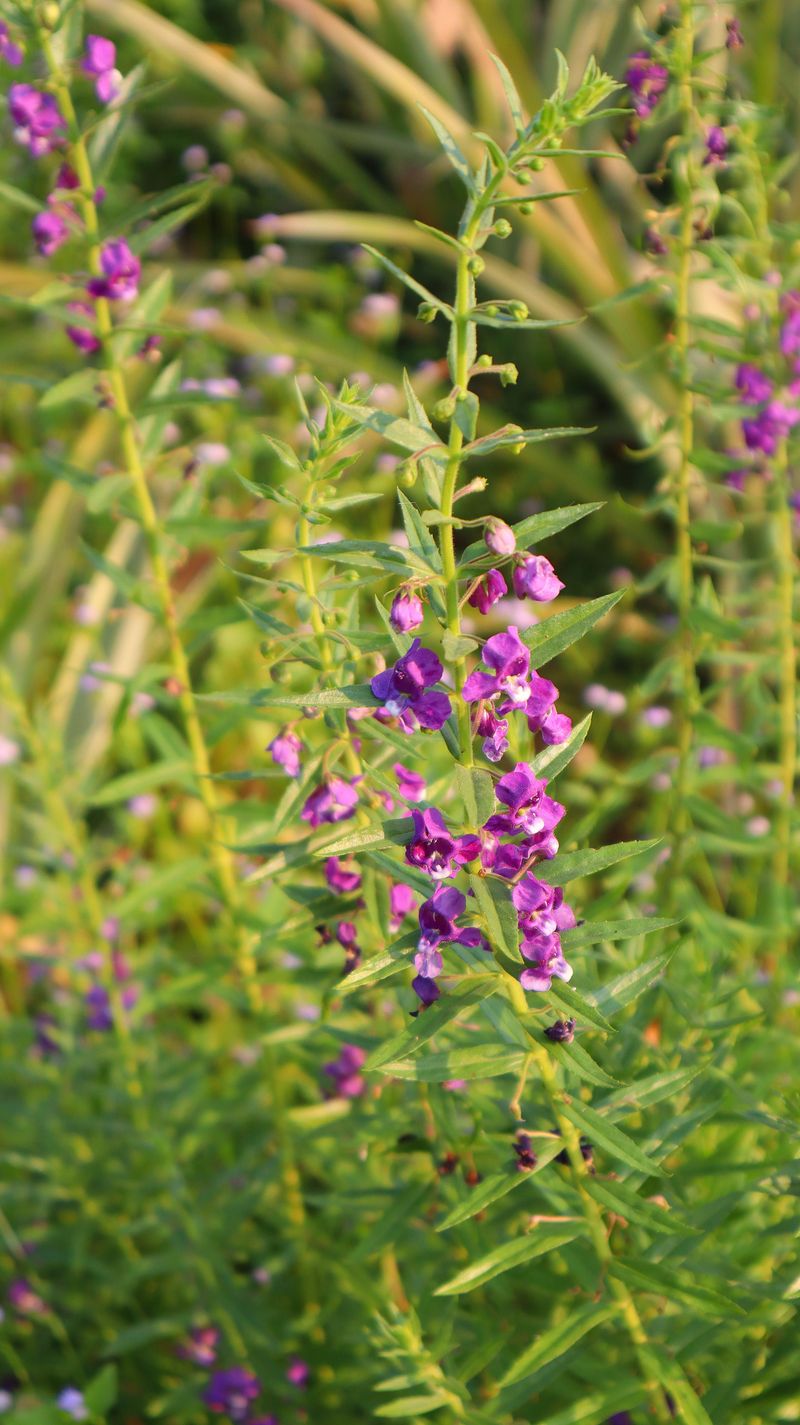
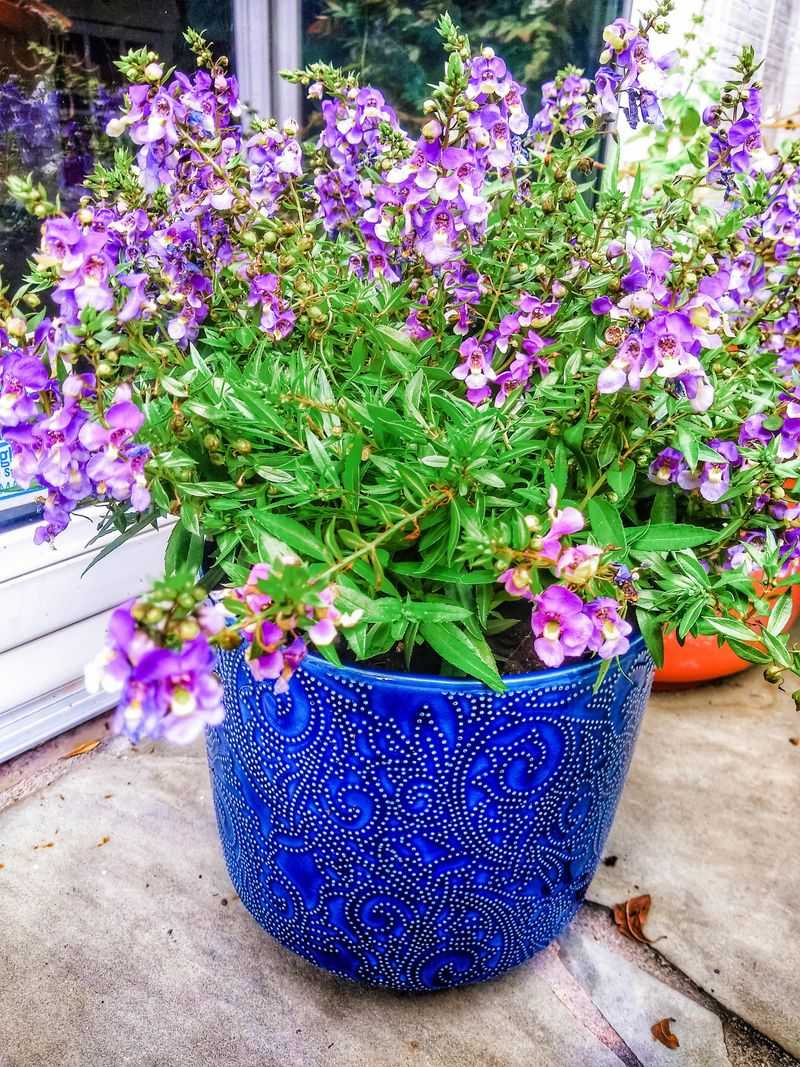
The plant produces tall, slender spikes covered in small, orchid-like blooms. Colors range from deep purple and lavender to hot pink, white, and bicolor blends.
Beyond the looks, angelonia releases a faint apple-like scent when the leaves are brushed. That surprise detail makes it a genuinely sensory experience on a warm evening.
Pollinators love it too, so expect bees and butterflies to become regular porch visitors. Some gardeners even spot hummingbirds checking out the blooms on occasion.
Unlike petunias, angelonia does not get leggy or stop flowering mid-summer. It just keeps pushing out fresh blooms without you doing much at all.
The plant thrives in full sun, meaning six or more hours of direct light daily. A south- or west-facing porch is basically its dream home.
If you have tried and failed with other summer annuals, angelonia is your second chance. Your porch deserves a plant that actually shows up.
Angelonia Thrives Where Other Porch Plants Struggle
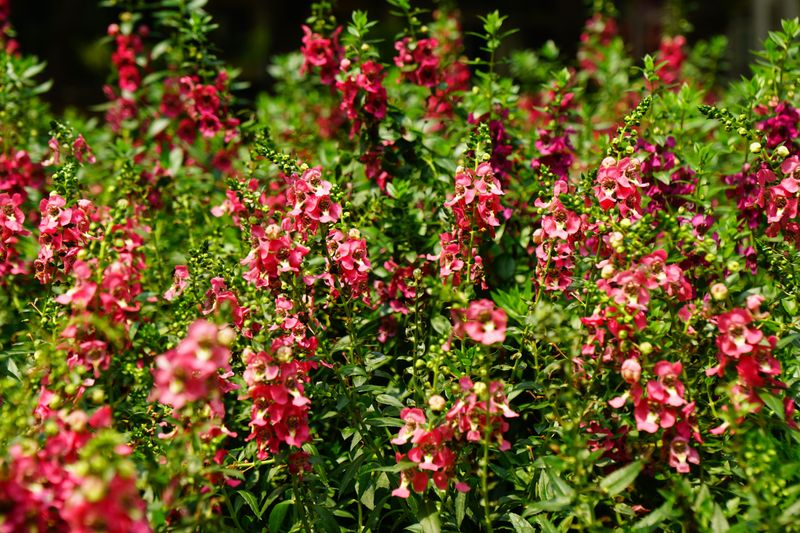
Walk down any garden center aisle in June, and you will see petunias everywhere. By late July, those same petunias look exhausted, sticky, and half-bare.
Angelonia, on the other hand, hits its stride right when summer gets mean. While neighbors are replacing wilted containers, yours are still putting on a show.
The secret is in how the plant handles heat stress at the cellular level. It has waxy, narrow leaves that lose less moisture than broad, soft foliage does.
That structure means less water evaporates during those scorching afternoon hours. Your plant stays hydrated longer without needing you to run outside with a watering can every day.
Your Missouri Garden Changes Every Week. Your Plan Should Too.
Gardening in Missouri changes quickly throughout the season. Every Friday you’ll receive a simple weekly plan showing exactly what to plant, prune, fertilize, harvest, and protect so you never miss the right timing.
Impatiens wilt fast in full sun and need constant moisture to survive. Begonias do better, but they still slow way down when temperatures push past 90 degrees.
Angelonia actually seems to bloom harder as the heat increases. Gardeners in Kansas City and St. Louis both report the same thing every single summer.
It also shrugs off humidity, which is a big deal in Missouri from June through September. Fungal issues that plague other plants rarely bother angelonia at all.
Container gardening works especially well because you control the soil quality completely. Use a fast-draining potting mix and your plant will reward you generously.
Skipping removing spent blooms is another bonus most gardeners appreciate quickly. Spent blooms drop on their own, keeping the plant tidy without any extra work from you.
Simple Care Tips to Keep It Blooming All Summer
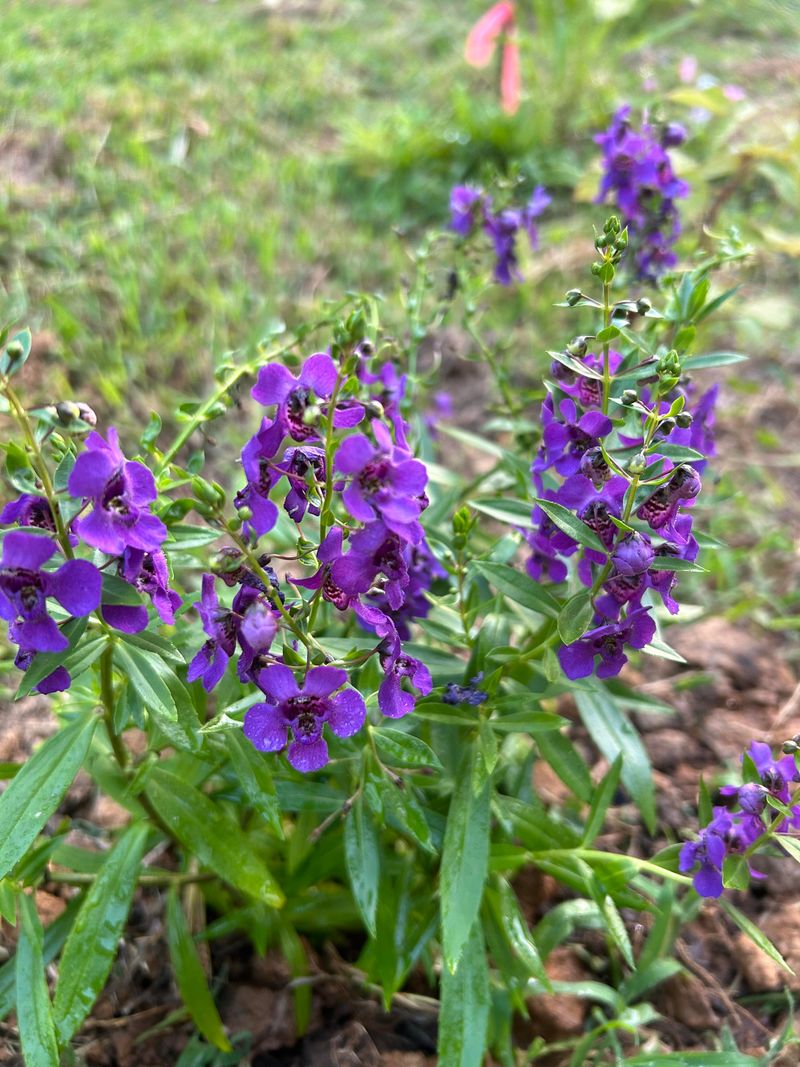
Angelonia happens to be one of the least demanding plants you can grow in a pot. You do not need a green thumb, just a few consistent habits.
Watering is the most important part of keeping it happy and blooming. Aim to water deeply two to three times per week during hot, dry stretches.
Stick your finger about an inch into the soil before watering. If it feels dry at that depth, go ahead and water thoroughly until it drains from the bottom.
Avoid letting the pot sit in standing water inside a saucer. Soggy roots cause more damage to container plants than dry soil ever will.
Fertilizing every two weeks with a balanced liquid fertilizer keeps blooms coming strong. A 10-10-10 or bloom-booster formula both work well for containers throughout summer.
Pinching back the tips in early summer encourages bushier, fuller growth. Just snip off the top inch or two of each stem with clean scissors.
After that first pinch, the plant mostly takes care of itself for weeks. You get more branching, more bloom spikes, and a tidier shape without much effort.
Full sun placement makes the biggest difference in performance all season long. A shaded porch will produce weak, stretched stems and far fewer flowers than you want.
Repotting into a larger container mid-summer gives roots more room to expand. More root space equals more energy for producing those colorful blooms you love.
Signs Your Angelonia Needs More Water or Sun
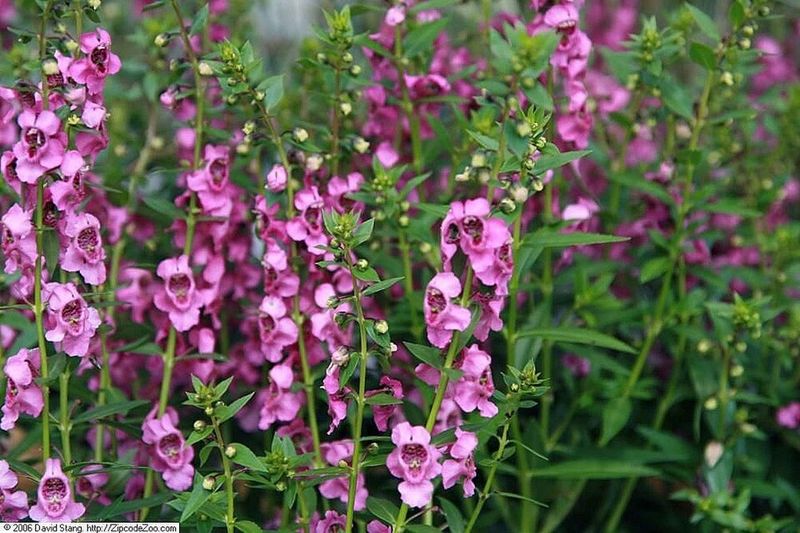
Plants cannot talk, but they send clear signals when something is off. Learning to read those signs early saves your angelonia before problems get serious.
Drooping stems in the morning are a clear cry for water right away. If the plant perks up after watering, you caught the problem at the right time.
Drooping that continues even after watering points to root rot from overwatering. Check the drainage holes to make sure water is not trapped at the bottom.
Yellowing lower leaves usually signal inconsistent watering or a nutrient shortage. Add a dose of liquid fertilizer and adjust your watering schedule to fix it fast.
Pale, washed-out flower color often means the plant is not getting enough sun. Move the container to a brighter spot and watch the color intensity return within days.
Leggy, stretched stems reaching outward are another sign of insufficient light. The plant is literally hunting for more sun when it grows in that lanky pattern.
Brown leaf tips can indicate dry air or salt buildup from tap water over time. Flushing the pot with extra water once a month helps clear out those mineral deposits.
Fewer blooms than expected mid-summer usually means the plant needs feeding. A bloom-booster fertilizer with higher phosphorus numbers can restart the flowering cycle quickly.
Checking your angelonia every few days builds the habit of catching issues early. A two-minute inspection on your morning coffee walk keeps your plant performing all season long.
Pairing Angelonia With Other Heat-Tolerant Varieties
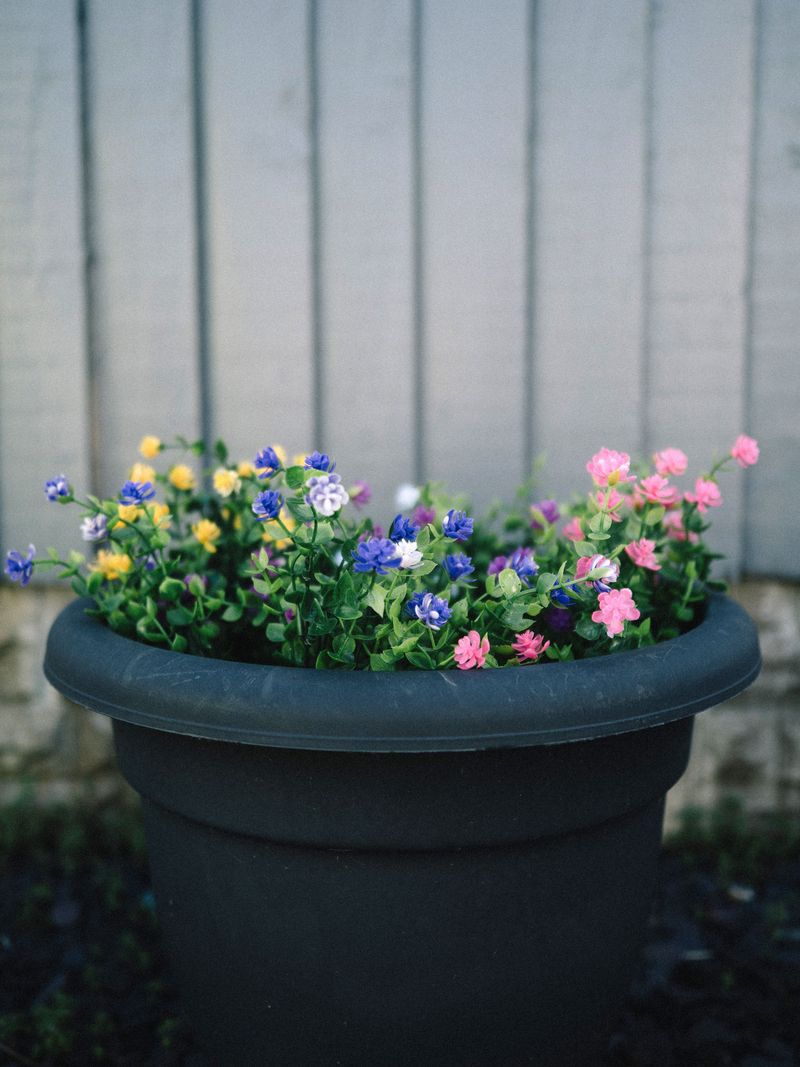
One pot of angelonia looks lovely, but a mixed container stops people in their tracks. The trick is choosing partners that love the same conditions.
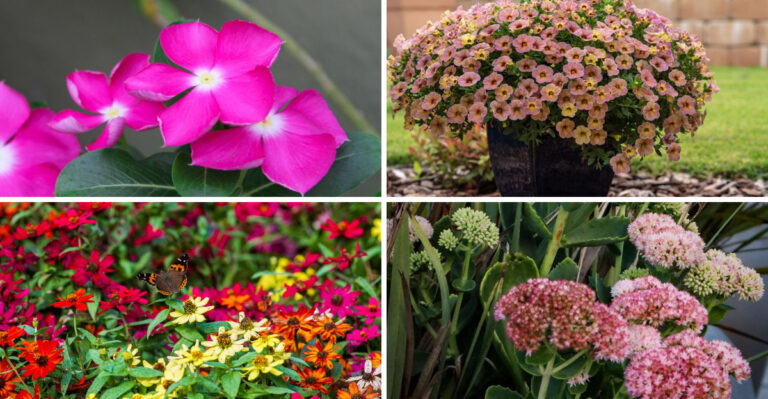
Lantana is a natural companion because it craves full sun and handles drought with ease. The bold, clustered blooms of lantana contrast beautifully with angelonia’s tall, airy spikes.
Vinca, also called periwinkle, mounds up nicely and fills in gaps perfectly. Its glossy leaves and bright blooms complement the vertical structure angelonia naturally provides.
Portulaca, or moss rose, adds a low-growing, jewel-toned layer to any mixed pot. It loves dry, hot conditions even more intensely than most summer annuals do.
For a thriller-filler-spiller arrangement, use angelonia as your thriller in the center. Let vinca fill in around the base and tuck portulaca or lantana in between as the filler.
Color coordination makes mixed containers feel intentional rather than random. Try pairing purple angelonia with yellow lantana for a bold, high-contrast combination that pops from the street.
Soft pink angelonia paired with white vinca creates a romantic, cottage-garden feel. Add a silvery dusty miller for texture contrast and a cooler overall color palette.
Make sure all plants in one container share similar watering needs. Mixing drought-tolerant plants with moisture-lovers in the same pot usually leaves one of them struggling.
Bigger containers hold more soil, which means more stable moisture and temperature levels. Go with at least a 14-inch pot when creating a mixed summer display.
Bringing Container Plants Through the Fall Transition
September arrives and the light shifts, the mornings get cooler, and your porch plants face a new challenge. Angelonia handles the transition better than most, but it still needs a little guidance.
As temperatures drop below 50 degrees at night, growth will naturally slow down. Blooming continues on warm days, but the pace becomes gentler and more relaxed.
Cut back on fertilizing in early September to avoid pushing tender new growth. Fresh growth that appears late in the season is more vulnerable to early cold snaps.
Keep watering consistently, but slightly less often as evaporation rates drop with cooler air. The soil stays moist longer in fall, so check before watering each time.
Angelonia is a tender perennial, meaning it cannot survive frost in Missouri’s climate. Plan to bring containers indoors before the first frost warning hits your area.
A sunny south-facing window indoors can keep it going a few more weeks. Supplemental grow lights extend that indoor season even further if natural light is limited.
Some gardeners take stem cuttings in September to root new plants for next year. Place four-inch cuttings in moist potting mix and keep them warm until roots develop.
Refreshing your container soil each spring gives next season’s plants a strong start. Old soil compacts over winter and loses the drainage quality that angelonia absolutely needs.
This porch plant thrives in Missouri because of how well it handles extremes. Give it one more season, and it will earn a permanent spot on your porch.