Late September Is The Right Moment For Missouri Gardeners To Dig Up Their Peonies
Picture a September afternoon in Missouri, when the air finally drops its sticky summer weight like a wet towel. The garden smells like crunchy leaves, warm dirt, and the first sweet hint of sweater weather.
Somewhere along the fence sits a plant your grandmother swore by, fat and happy for decades. Lately, though, it hands out far fewer flowers than it used to.
Old garden favorites can grow crowded, tired, and a bit grumpy down in the dark soil. Luckily, early fall opens a short window when a shovel, some patience, and a free afternoon can work wonders.
Your hands will get muddy, and your knees may protest along the way. Still, come May, the bees will fight over your yard like shoppers at a clearance sale.
Warm Soil Beneath Cooling Air Favors Root Repair
Think of late September soil as a cozy blanket that still holds summer’s heat. Above ground, the air cools off, but a few inches down, roots are enjoying something like a warm bath.
That gap between air and soil temperature is the secret behind fall timing. Peony roots grow new feeder roots when the ground stays warm, even while the leaves above start fading.
In Missouri, soil usually stays warm enough for root growth until late October or early November. Dividing in late September gives each piece about six weeks to settle in before the first hard freeze.
Spring digging is a different story, and not a happy one. Plants moved in spring spend their energy on leaves and buds, so the roots barely have time to recover.
Summer is no better, since hot, dry weather stresses fresh cuts and damaged roots. Wait too long into fall, though, and frozen ground can push new divisions right out of the soil.
A handy trick is to check the soil with a cheap kitchen thermometer. Soil that reads above 50 degrees at four inches deep tells you roots still have time to grow.
Fall rains help too, keeping the ground moist without soaking it like spring storms can. Put simply, nature does half the work for you if you pick the right weeks.
Many Missouri gardeners aim for the last two weeks of September as their target. Mark it on the calendar now, and your future self will thank you in June.
Signs A Clump Has Outgrown Its Spot
My neighbor once called her peony a lazy teenager, all leaves and no effort. She was not wrong, since the plant had grown in one spot for twenty years without a break.
Fewer flowers is the biggest clue that a clump needs dividing. When a healthy plant that once gave dozens of blooms now gives just a handful, crowding is often to blame.
Look closely at the center of the plant, too. A hollow middle with stems only around the outer edges means the old crown is worn out.
Floppy stems and small, weak buds can also point to a crowded root system. Sometimes the plant has simply spread wider than its space, bumping into shrubs, walkways, or other flowers.
Your Missouri Garden Changes Every Week. Your Plan Should Too.
Gardening in Missouri changes quickly throughout the season. Every Friday you’ll receive a simple weekly plan showing exactly what to plant, prune, fertilize, harvest, and protect so you never miss the right timing.
Shade creep is another sneaky problem that many busy gardeners tend to miss. A tree that was tiny when you planted your peony may now block the six hours of sun it needs.
Here is a fun fact to keep things in perspective. Some peonies have bloomed in the same spot for more than 50 years, so dividing is not a yearly chore.
If your plant still blooms well and looks full, leave it alone and enjoy the show. Most healthy clumps only need attention every ten years or so, if at all.
Keep a simple garden notebook and jot down bloom counts each spring. A steady drop over two or three years is your clearest signal to grab a shovel this fall.
Foliage Cut Back Before The Crown Comes Up
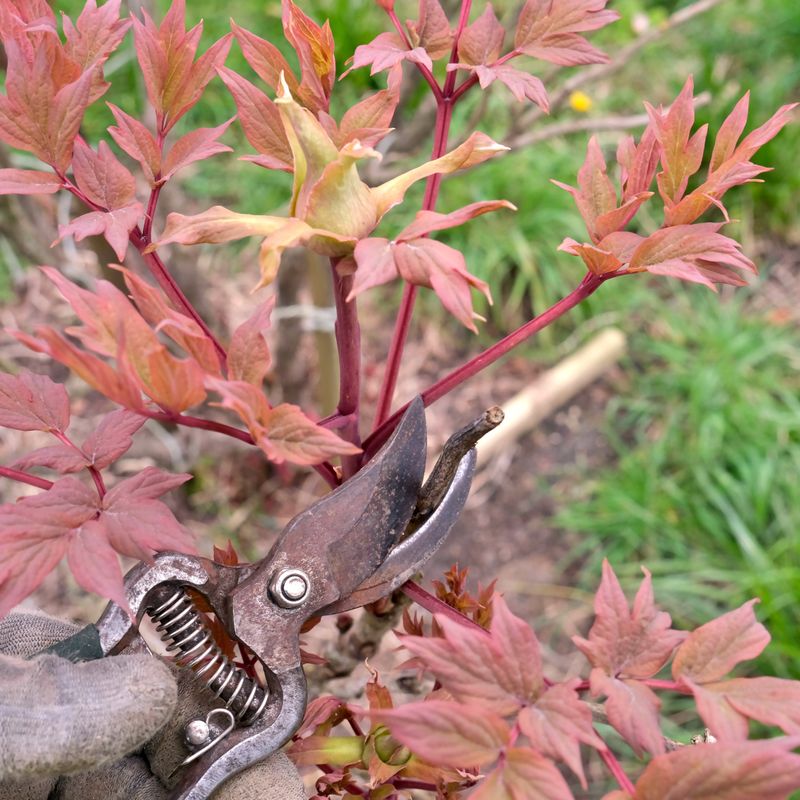
By late September, most peony leaves look tired, spotted, and ready for retirement. Cutting them back before you dig clears the view and makes the whole job much easier.
Grab sharp, clean pruners and cut each stem down to about two or three inches tall. Leaving short stubs helps you find the crown and gives you something to grip later.
Wipe your blades with a disinfecting solution between plants to avoid spreading problems. Peony leaves often carry fungal spots by fall, and dirty tools can pass them along.
Toss the old foliage in the trash instead of the compost pile. Home compost rarely gets hot enough to destroy fungus spores, and they can return next spring.
Next, start digging in a wide circle about a foot away from the stubs. Peony roots are thick and brittle, so a wide path keeps you from snapping them.
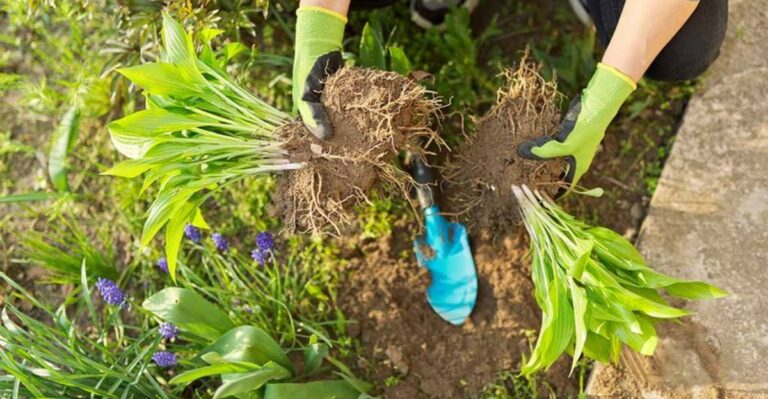
Work your spade or garden fork around and under the clump, rocking it gently. Once it loosens, lift the whole thing out and set it on a tarp.
A mature clump can weigh as much as a heavy sack of dog food. Ask a friend for help, and promise them a bouquet next spring as payment.
Finally, hose off the soil so you can see every root, bud, and crack clearly. Clean roots make the next step, choosing where to cut, much simpler.
Let the washed clump rest in the shade for an hour or two. Slightly wilted roots bend more and snap less when you start slicing.
The Three-Eye Standard For Every Division
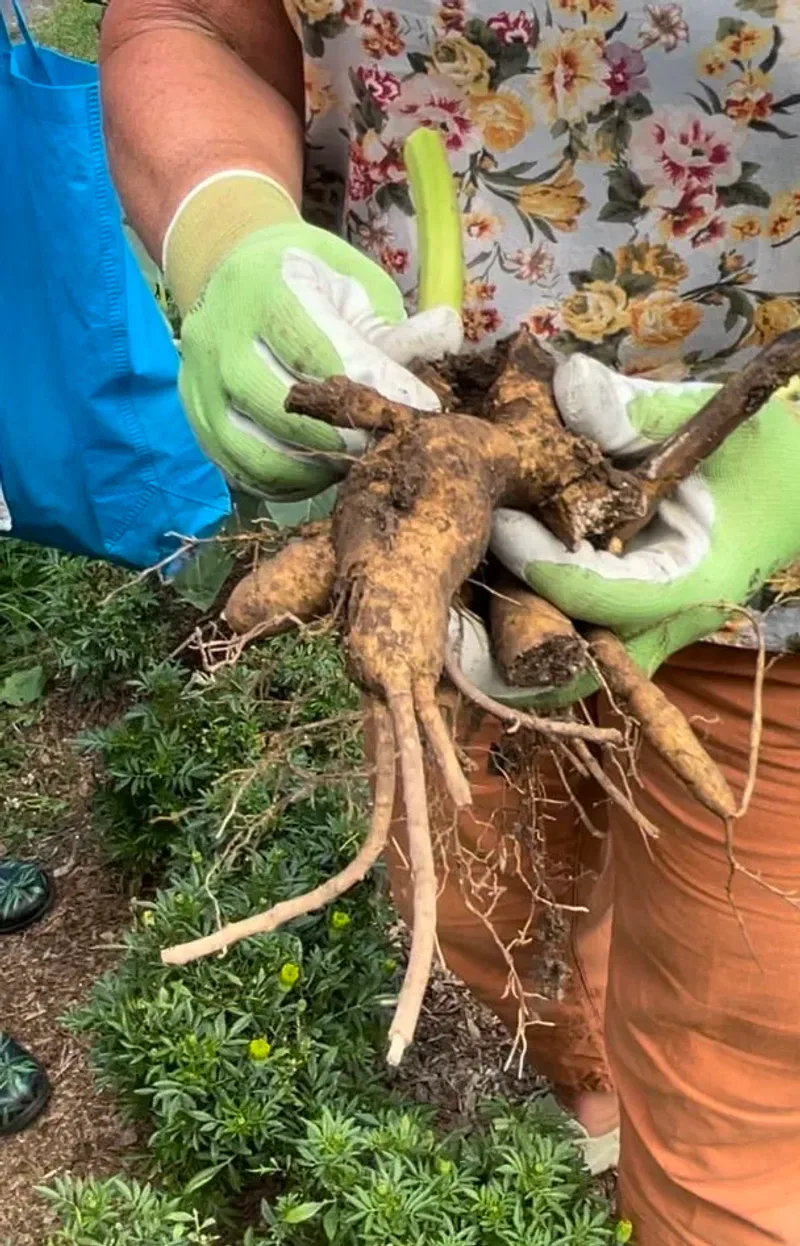
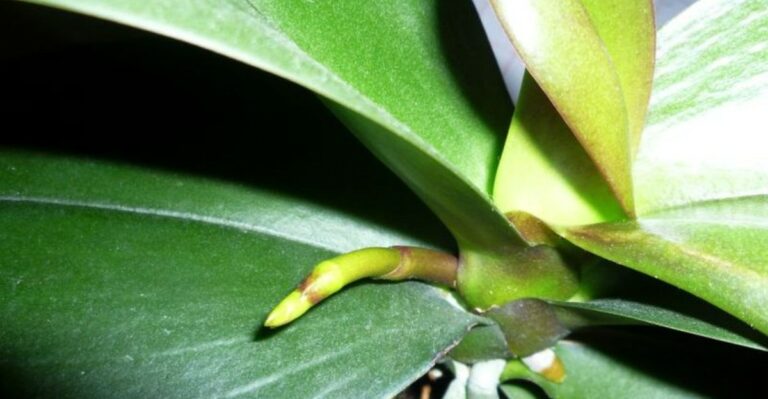
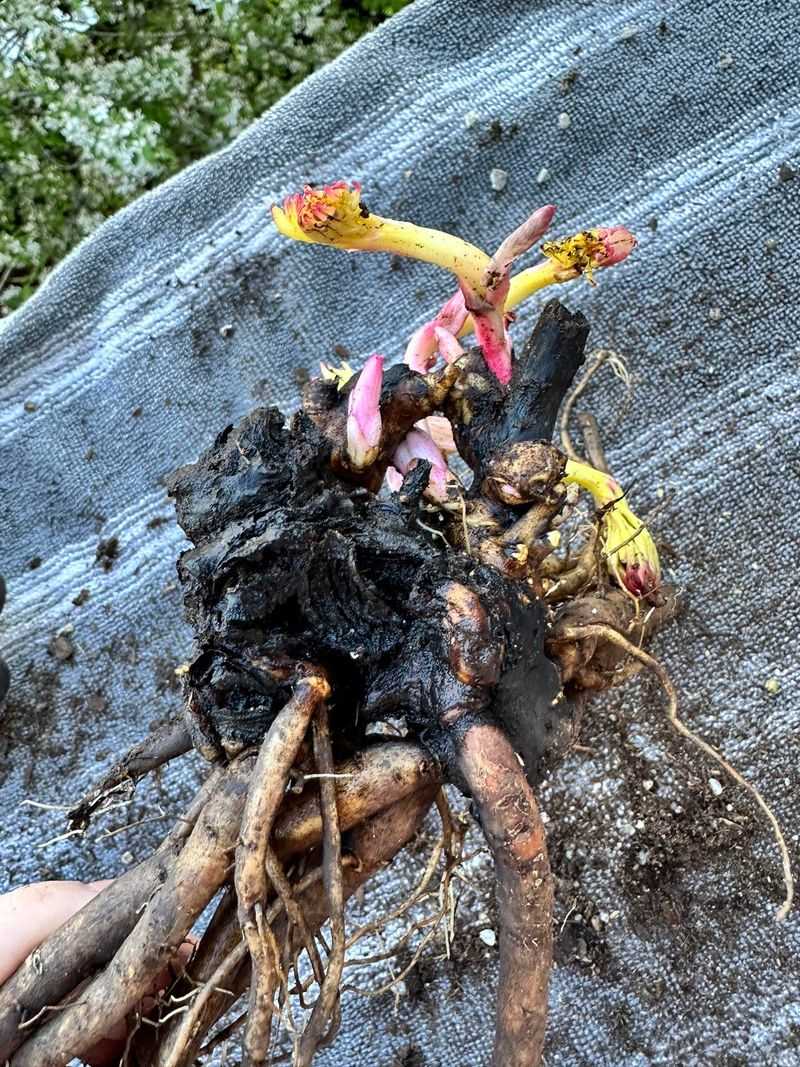
Ever noticed little pink or red bumps on a peony crown that look like pencil erasers? Gardeners call these eyes, and they are the buds for next year’s stems.
Every stem you see in spring starts as one of these tiny eyes. Count them, and you can predict how full your plant will look next year.
The golden rule is simple: each new division should have three to five eyes. Pieces that size carry enough stored food in their roots to settle in quickly.
Go smaller, with just one or two eyes, and the plant may sulk for years. Go too big, and the new clump can stay crowded and bloom poorly.
To divide, look for natural gaps between groups of eyes and cut there with a sharp knife. A clean bread knife or a small pruning saw works well on tough crowns.
Each piece also needs a healthy chunk of root, ideally several thick roots about six inches long. Think of those roots as a packed lunchbox that feeds the plant until spring.
While you work, trim away any soft, mushy, or dark roots with your knife. Healthy peony roots feel firm and look pale or creamy inside.
One large old clump can often produce four to six new plants. That means free flowers for your yard, plus a few extras to share with friends and neighbors.
Label each piece with its color or variety name before planting. Six months from now, every chunk will look the same, and it’s easy to forget which is which.
Planting Depth That Decides Next Season’s Blooms
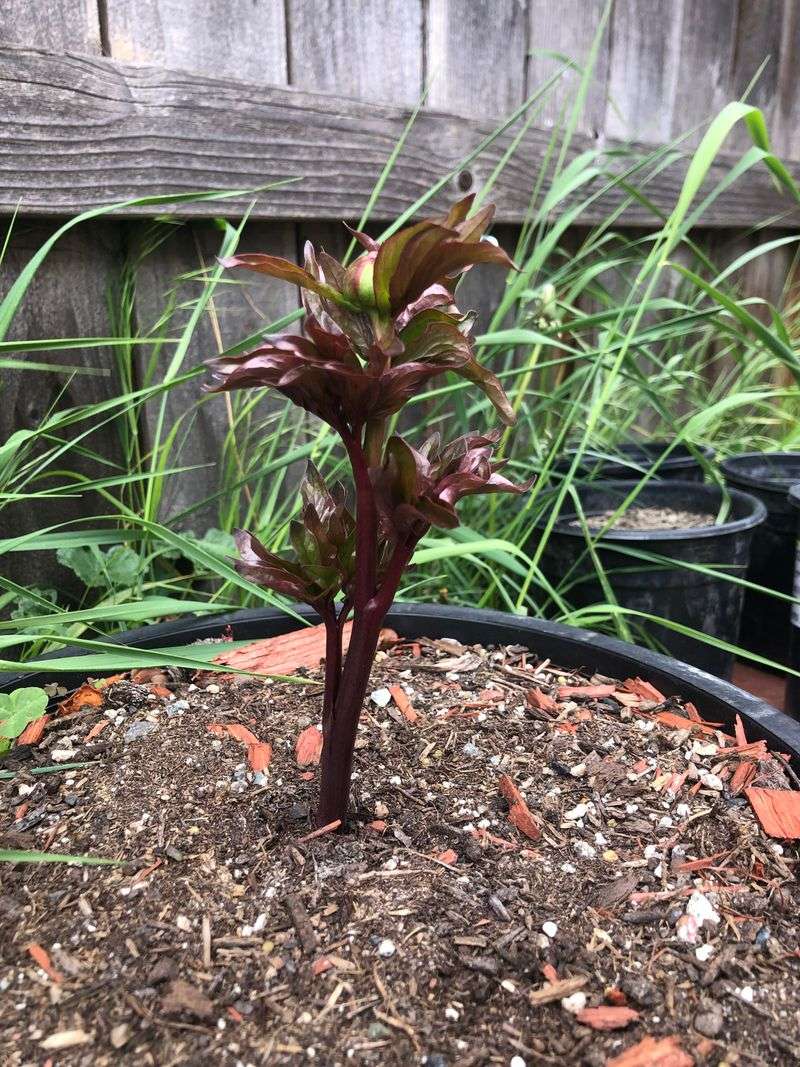
Two inches can separate a showstopper from a plant that pouts all spring. Peonies are famously picky about depth, and planting too deep is the top reason they refuse to bloom.
In Missouri, set the eyes no more than two inches below the soil surface. Farther south, gardeners go even shallower, but our colder winters call for that little extra cover.
Peonies need a good winter chill to form flower buds. Bury the eyes too deep, and the cold cannot reach them well enough to trigger blooming.
Start with a sunny spot that gets at least six hours of light each day. Dig a hole about 18 inches wide and deep, then mix in some compost.
Missouri clay can hold water like a sponge, so good drainage matters a lot. Raising the bed slightly or adding compost helps keep roots from sitting in soggy soil.
Backfill the hole partway, set the division on top, and lay a ruler across the hole. The ruler shows exactly where the ground level sits compared to the eyes.
Fill in around the roots, press gently, and water deeply to settle the soil. Check the depth again afterward, since soil often sinks and drags the crown lower.
After the ground freezes, add a light layer of straw or shredded leaves for the first winter. Pull it away in early spring so the new shoots can reach the sunlight.
Space each new plant about three feet from its neighbors. Good airflow keeps leaves drier and helps prevent the fuzzy gray mold peonies sometimes get.
The Two-Year Wait After Division
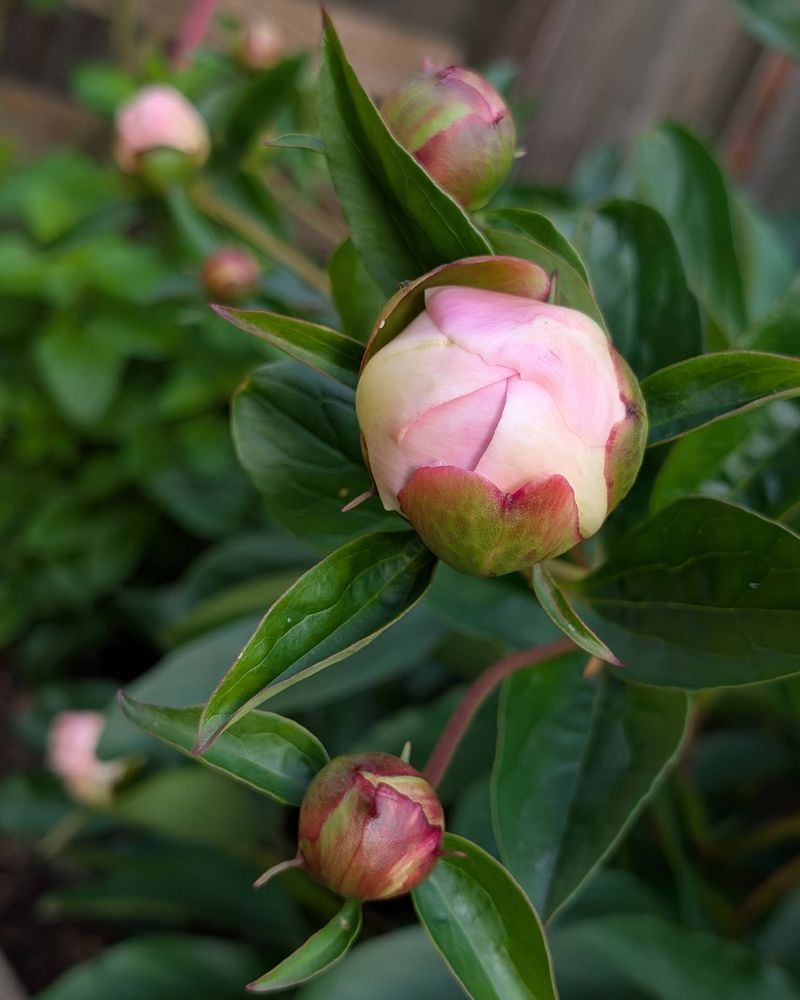
Old-time gardeners had a saying: first year it sleeps, second year it creeps, third year it leaps. Few plants prove that line better than a freshly divided peony.
Right after division, your peony puts nearly all its energy into growing roots. Up top, you may see only a few short stems and maybe no flowers at all.
That can feel disappointing, especially if you remember the big blooms your grandmother cut for the kitchen table. Hang in there, because the plant is busy building a strong base underground.
By the second spring, expect more stems and perhaps one or two flowers. By the third or fourth year, most divisions return to full, bouquet-worthy glory.
During the waiting years, water deeply once a week if rain is scarce. Skip heavy fertilizer, since too much nitrogen gives you leafy plants with few buds.
Some gardeners pinch off any buds that appear the first year. That small sacrifice lets the plant save its strength for bigger shows later on.
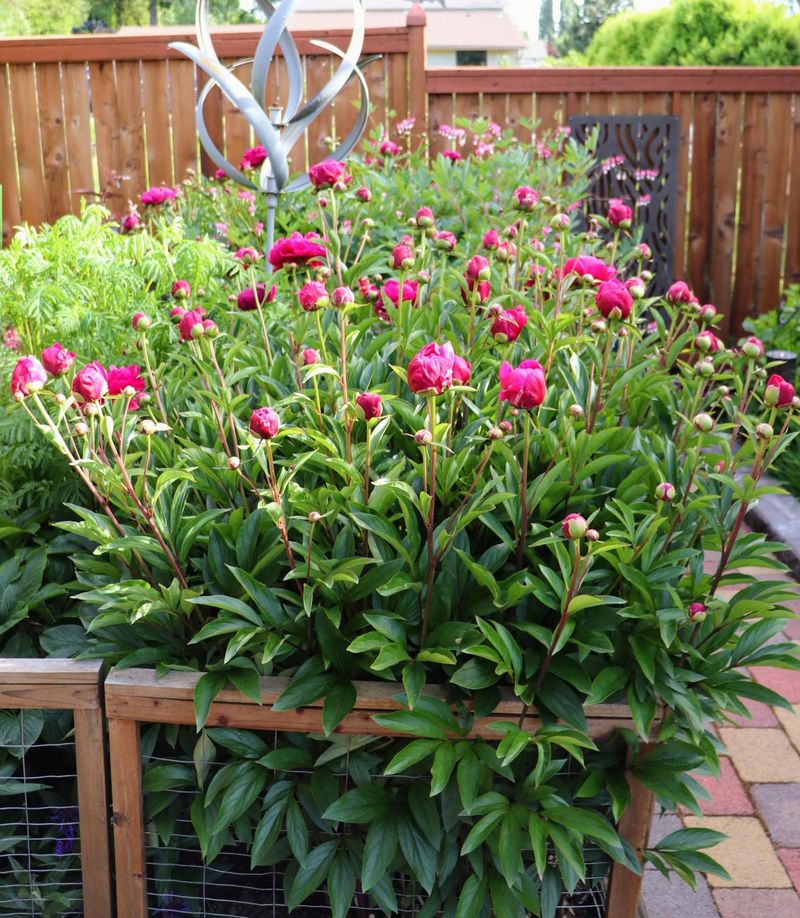
Once established, peonies are among the longest-lived perennials you can grow. Many families pass down clumps that bloomed in great-grandma’s yard nearly a century ago.
Each fall, cut the leaves back after frost and keep the bed free of weeds. Little chores like these keep your divisions healthy while they gather strength.
Think of this wait as tucking a gift into the ground for later. A little patience now means armloads of fragrant blooms for decades of Missouri springs.