That Beautiful Purple Vine On Your Texas Fence Could Be Invasive
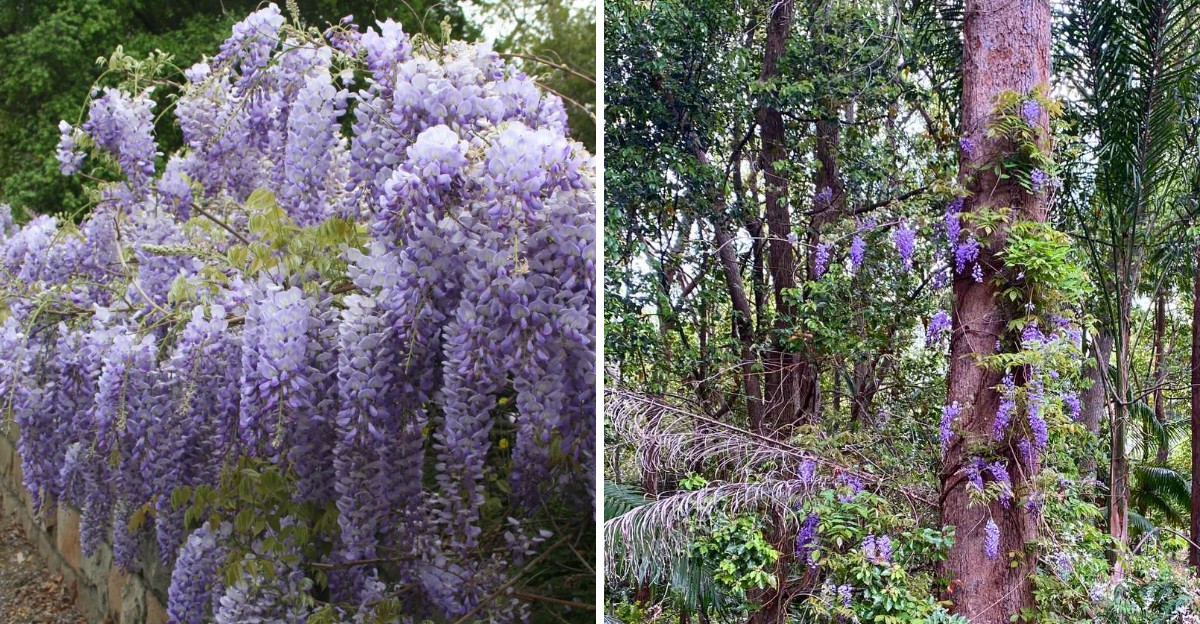
Every spring, it steals the show. Long, drooping clusters of purple flowers cascade over fences and pergolas, filling the air with a sweet, heady fragrance.
It’s no surprise so many Texans fall in love with it. But that gorgeous vine has a darker side.
Brought over from Asia as an ornamental, it grows far faster and stronger than most homeowners expect. Its thick, woody stems wrap around anything they touch and tighten over time.
They can bend fences, pry apart trellises, slip under siding, and even strangle nearby trees. Underground runners send up new shoots across the yard, while seedpods spread it into nearby woods.
In parts of East Texas, it has already escaped into forests and smothered native plants. Before your fence turns into a full-time battle, it’s worth figuring out exactly what’s growing on it.
A Pretty Vine With A Problem
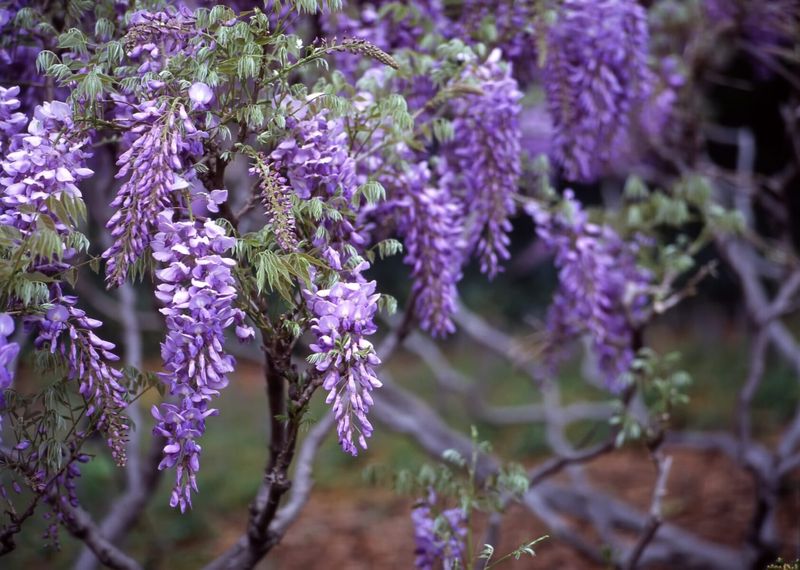
Long before it reached Texas fences, Chinese wisteria grew wild in the forests of China. Its scientific name is Wisteria sinensis. Plant lovers brought it to the United States in the early 1800s because it looked so stunning.
Back then, nobody worried much about plants that spread on their own. Gardeners just wanted something showy for their porches and arbors. Chinese wisteria fit the bill perfectly, and nurseries sold it everywhere.
Fast forward about 200 years. The vine has slipped out of gardens and into woods, fencerows, and roadsides across the Southeast. East Texas is one of the places where it has made itself right at home.
So what makes a plant invasive? An invasive plant comes from another part of the world and spreads without help.
It crowds out native plants that local wildlife depends on. Chinese wisteria checks every one of those boxes.
Here is a fun fact. Some wisteria vines can live for more than 50 years. A famous one in Sierra Madre, California, was once called the largest blooming plant in the world. It covered about an acre!
That long life sounds charming in a storybook. In a Texas backyard, though, it means a vine that keeps growing year after year. Without control, it can spread far beyond where it was first planted.
Sadly, you can still buy Chinese wisteria at some garden centers today. Many shoppers have no idea it causes trouble. Labels often just say wisteria, which makes things confusing.
Before buying any wisteria, check the tag for the full scientific name. If it says sinensis, walk on by. Your yard and your neighbors will thank you later.
Why Everyone Falls For Those Purple Blooms
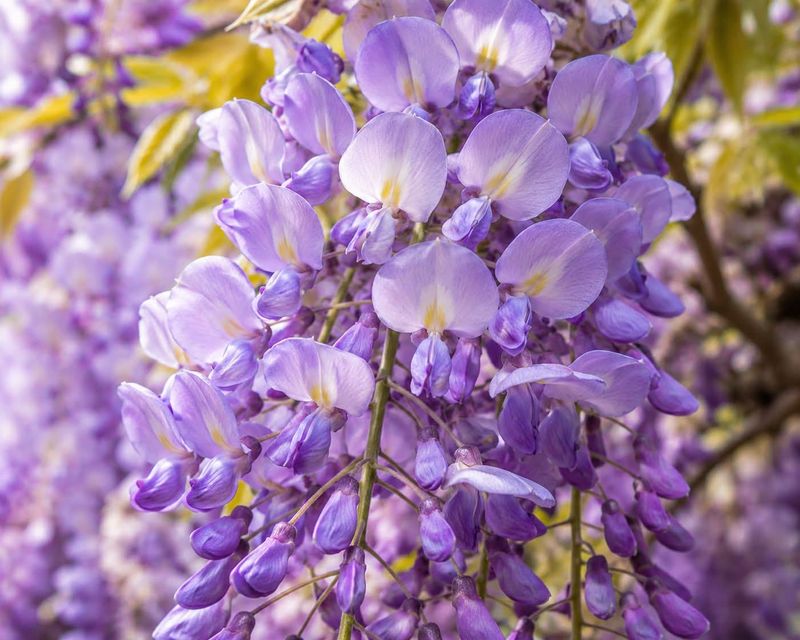
Honestly, who could blame anyone for loving it? On a cool spring morning, a wisteria in full bloom looks like a purple waterfall. The sweet smell drifts across the whole yard.
Chinese wisteria puts on its big show early in the season. The flower clusters can hang down a foot or more. They come in soft lavender, deep violet, and sometimes white.
One neat trick makes the display even bolder. The flowers usually open before the leaves appear. With no green to block the view, the whole vine looks like it is dripping in color.
Your Texas Garden Changes Every Week. Your Plan Should Too.
Gardening in Texas changes quickly throughout the season. Every Friday you’ll receive a simple weekly plan showing exactly what to plant, prune, fertilize, harvest, and protect so you never miss the right timing.
Bees go crazy for those blossoms too. You might hear a steady buzz as they move from flower to flower. For a few weeks, the vine feels like the center of the neighborhood.
All that beauty creates a sneaky problem. People see the flowers and think the plant must be a gift. They rarely look closer at how fast it grows or where it goes.
Homeowners often plant it to cover an ugly chain-link fence or shade a pergola. At first, it seems like a smart choice. A few seasons later, they find themselves trimming it nonstop.
Neighbors notice too. A friend admires your vine and asks for a cutting. Before long, the plant has quietly hopped to another yard down the street.
So here is some friendly advice. Enjoy the blooms you see in parks and photos. But think twice before planting a vine based on looks alone. A pretty face does not always mean a good neighbor for your garden.
How It Takes Over Fences And Trees
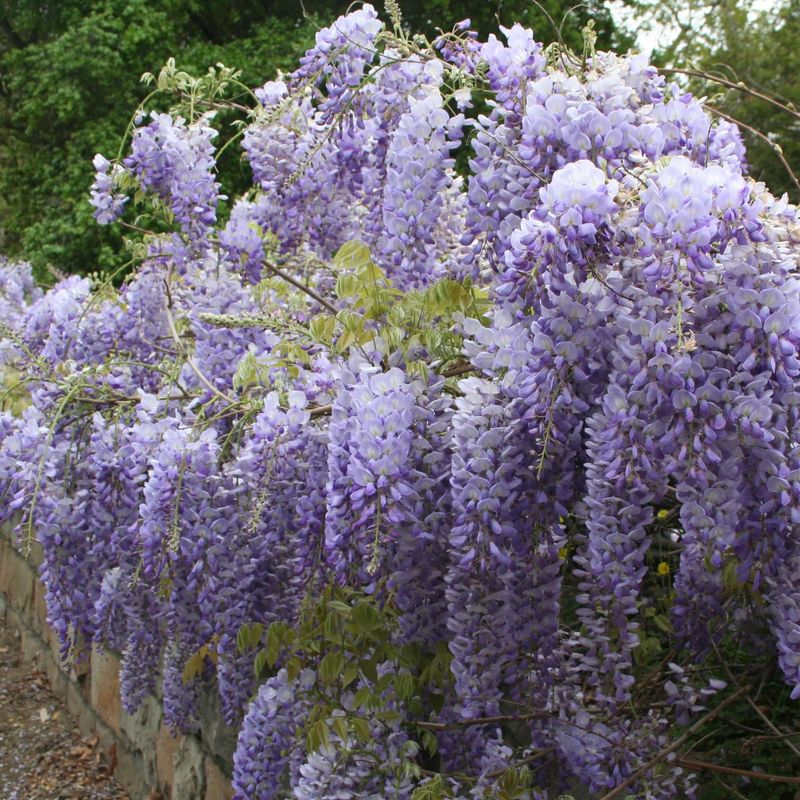
Think of Chinese wisteria as a slow-motion boa constrictor. It wraps around whatever it touches and keeps squeezing. Year after year, the grip only gets tighter.
The vine twines in a counterclockwise spiral as it climbs. Young stems are thin and bendy. Over time, they turn into thick, woody trunks that can be as wide as your arm.
That extra weight adds up fast. A mature vine can weigh hundreds of pounds. Wooden fences start to lean, and gutters or trellises can snap right off.
Trees suffer even more. As the vine wraps around a trunk, it cuts into the bark and blocks the flow of water and food. The tree weakens, and heavy vines can pull it down during a storm.
Up in the treetops, wisteria spreads its leaves like a giant blanket. That shade steals sunlight the tree needs. Smaller plants on the ground below also struggle to grow.
Above ground is only half the story. The plant also sends out runners along the soil. These creeping stems root as they go and pop up as new vines several feet away.
Birds and water can carry seeds too. Pods may drift down creeks and sprout far from home. That helps explain how the vine reaches wild woods.
Want to check your own yard? Walk your fence line once a month. Look for stems wrapping around posts or creeping through the grass.
Catching it early is much easier than wrestling a vine that has grown for ten years. A quick pair of pruners can save you a big headache.
Watch Out, It Is Toxic To Kids And Pets
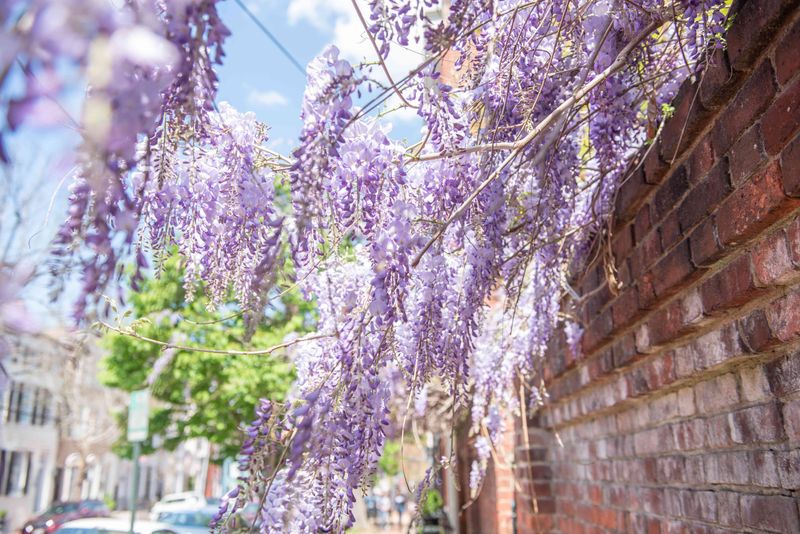
Here is something most garden centers will not tell you. Every part of Chinese wisteria contains compounds that can be harmful if swallowed. That includes the leaves, bark, flowers, pods, and seeds.
The seeds and fuzzy pods cause the most worry. They look a bit like green beans or pea pods. To a curious toddler or a hungry dog, they can seem like a tasty snack.
Eating them can cause an upset stomach, vomiting, and diarrhea. Some kids feel dizzy or confused. Even a few seeds can lead to a trip to the doctor.
Dogs and cats face the same risks. Dogs are known for chewing anything that falls on the ground. Pods that drop in late summer and fall become an easy target.
So what can you do? Start by picking off the pods before they ripen. Wear gloves and toss them in the trash, not the compost pile. That one step lowers the risk a lot.
Next, teach children that garden plants are not for eating unless a grown-up says so. Keep an eye on pets when they play near the vine. Rake up fallen pods often.
If someone does eat part of the plant, stay calm and act fast. Call Poison Control at 1-800-222-1222 for people. For pets, call your vet or the ASPCA Animal Poison Control Center.
Write those numbers on a sticky note and put it on your fridge. It takes ten seconds and could make a real difference someday. A safe yard is a happy yard for everyone, including your furry friends.
Spotting The Difference From Native Wisteria
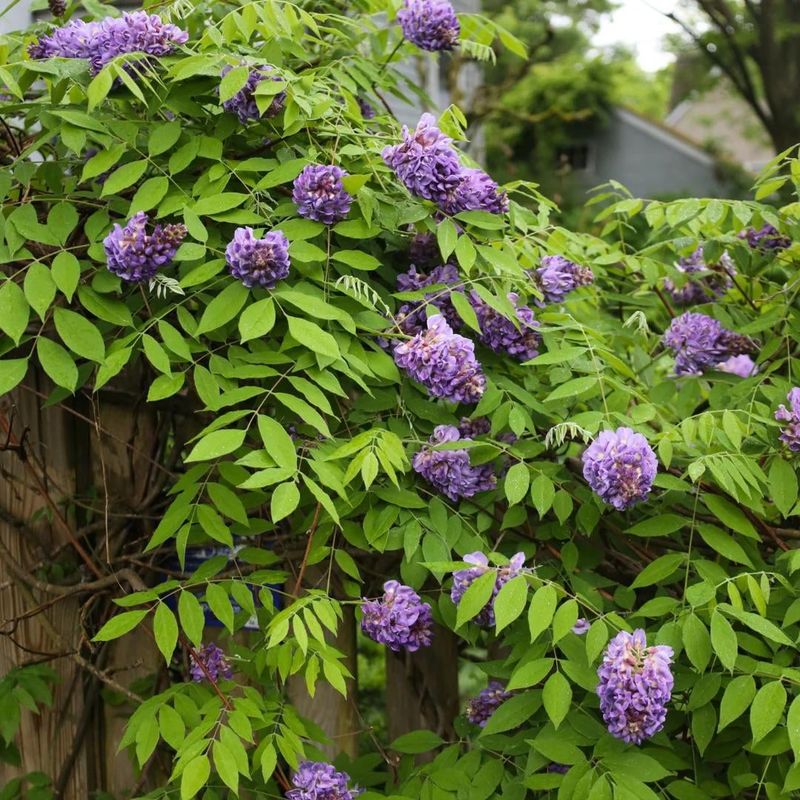
Good news, plant fans! Texas has its own wisteria, and it is a real sweetheart. American wisteria, or Wisteria frutescens, grows naturally in East Texas swamps and along creeks.
The two vines look alike at first glance. But a few simple clues can help you tell them apart. Think of it like a fun backyard detective game.
Clue number one is timing. Chinese wisteria blooms in early spring, often before its leaves show up. American wisteria waits until mid to late spring, after its leaves have already opened.
Clue number two is the flower clusters. Chinese wisteria has long, droopy clusters that can stretch a foot or more. American wisteria has shorter, chunkier clusters, usually around four to six inches.
Clue number three is the seed pods. Run your gloved fingers over one. Chinese wisteria pods feel velvety and fuzzy, almost like a peach. American wisteria pods are smooth and hairless.
There is one more bonus clue. American wisteria grows more slowly and stays a manageable size. It will not swallow your shed or topple your oak tree.
Native wisteria also supports local wildlife. It feeds native bees and serves as a host plant for certain butterflies, like the silver-spotted skipper. That makes it a win for your garden and for nature.
Shopping for one? Look for named types like Amethyst Falls, which is popular and easy to find. Always double-check the scientific name on the tag. A quick look can keep the wrong vine out of your yard for good.
How To Get Rid Of Chinese Wisteria For Good
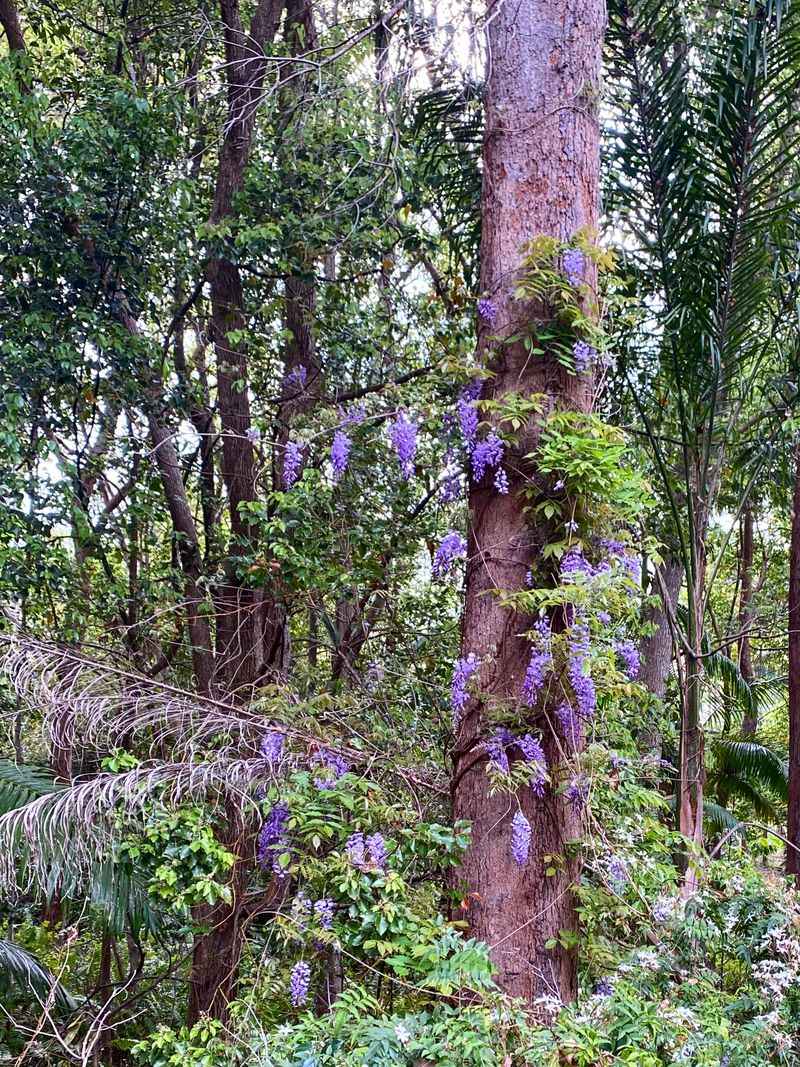
Ready to roll up your sleeves? Removing Chinese wisteria takes some effort, but you can absolutely win this fight. The secret is patience and doing each step the right way.
First, grab gloves, long sleeves, and a sturdy pair of loppers or a small saw. Cut each vine close to the ground, about two to four inches up. Do not try to yank vines out of tall trees, since that can hurt the tree.
Now comes the most important part. Right away, paint or spray the fresh cut with an herbicide labeled for woody vines.
Products with triclopyr or glyphosate are common choices. Untreated stumps will sprout back fast, sometimes within weeks.
Always read and follow the label closely. Keep kids and pets away while you work. Try to treat stumps on a dry, calm day.
The upper vines left in trees will dry out and turn brown over time. You can pull them down later once they become brittle. Many will simply fall apart on their own.
Next, watch for sneaky runners and new sprouts. Check the area every few weeks for at least a year or two. Pull small ones by hand or treat them as needed.
Once the area is clear, fill the space with something better. American wisteria gives you purple blooms without the drama. Crossvine offers bright orange flowers, and coral honeysuckle draws hummingbirds like a magnet.
Your local Texas A&M AgriLife Extension office can offer extra tips. Swapping one vine for a native choice keeps your fence pretty and your neighborhood healthier for years to come.