What Spider Plants Really Do With Formaldehyde in Arizona Homes
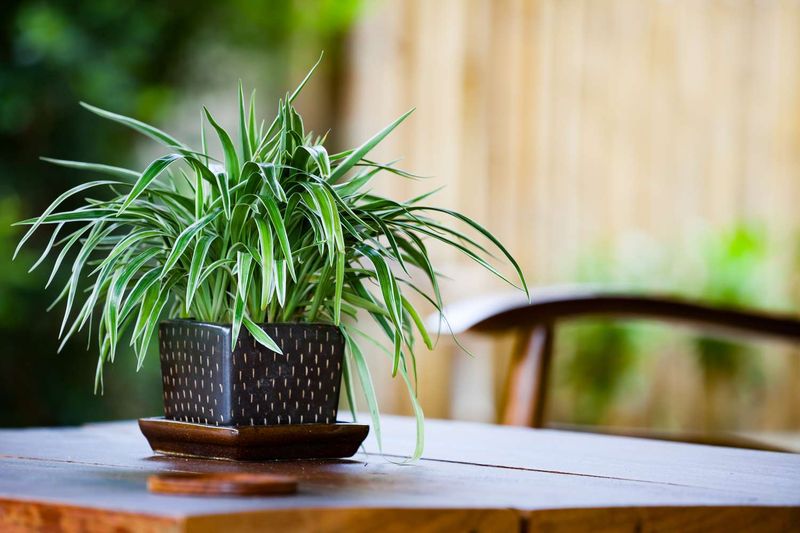
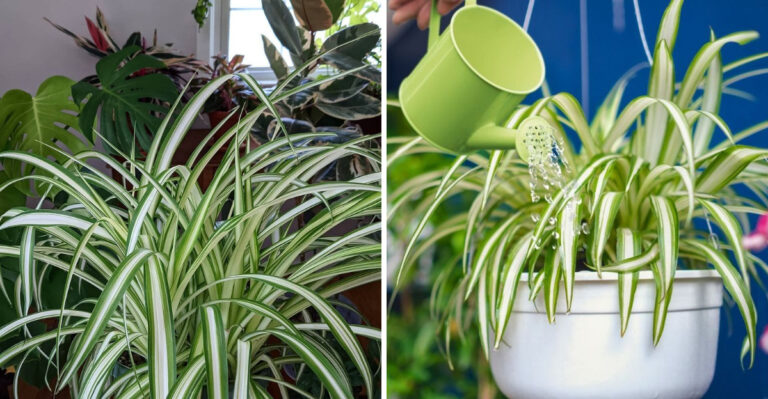
Spider plants have a reputation as tiny air purifiers that sit quietly on a shelf. The real story is narrower and more interesting, because researchers have watched these plants take in one specific chemical, formaldehyde, and process it inside their leaves.
That finding is a long way from cleaning a whole Arizona house, though. Here is what the plant can do, what it cannot, and what works better for the air you breathe at home.
What a spider plant does with formaldehyde
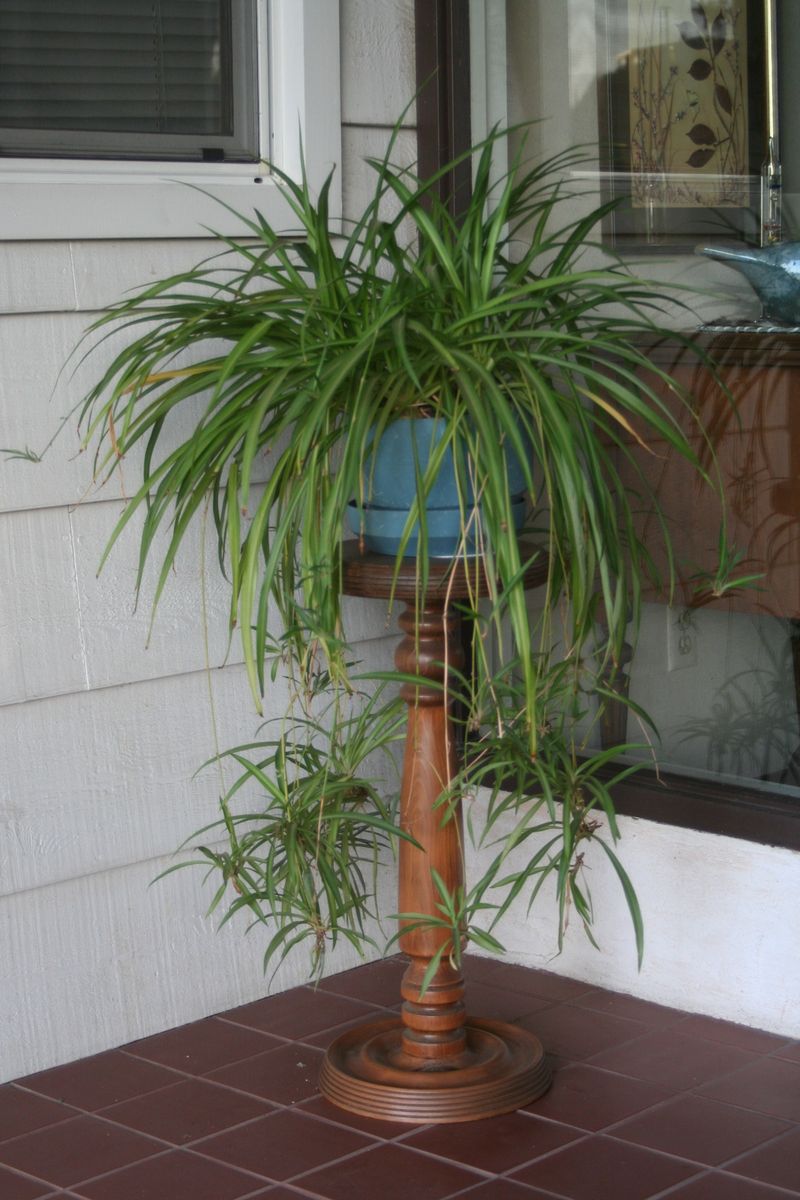
Formaldehyde is a gas that can come from some pressed-wood furniture, cabinets, and similar products. Spider plants, known to scientists as Chlorophytum comosum, have a documented link to it.
In a peer-reviewed study of short formaldehyde exposure, the leaves took up the chemical, and the plant’s cellular metabolism changed as it processed it.
That is a neat bit of plant biology. The plant does not just let the gas pass by; it handles it inside its tissue.
Still, the finding is narrow. It covers one chemical under set experimental conditions.
It does not show that a mix of household fumes works as food for the plant, and it does not show that a spider plant on your bookshelf cleans a room. Think of it as a small, real ability that has been observed in a controlled setting, not a home air system with leaves.
What chamber tests can—and cannot—show
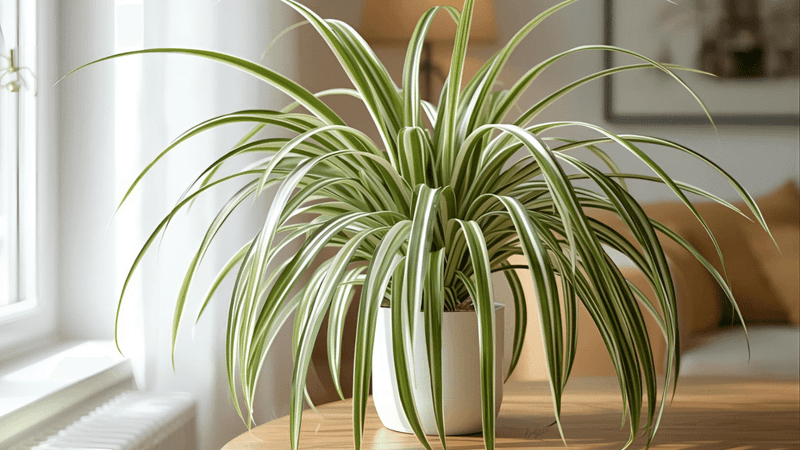
Many people first heard about plants and indoor air from NASA. NASA’s 1989 report describes plant tests run in experimental chambers, which are small, closed spaces built for measurement.
A chamber is useful for one question: does a plant take up a chemical at all? Under those conditions, the answer can be yes.
The setup is simple on purpose, with a known amount of one chemical and a controlled space.
A lived-in home is a different story. Doors open, air shifts, cooking adds new fumes, and many pollutants are present at once.
A chamber result tells you uptake can happen, but not how much a plant removes from a real living room. So the test is a starting clue, not a household promise.
Why the scale matters
Numbers help here. A peer-reviewed analysis converted chamber results into the kind of air-cleaning rate a building needs.
That review estimated that roughly 10 to 1,000 plants per square meter of floor would be needed to match the pollutant removal tied to typical air exchange in buildings.
That range is the review’s comparison, not a measured requirement for every home. Even so, the gap is huge.
A few pots on a windowsill are nowhere near that scale.
EPA reaches a matching conclusion in its indoor air quality guidance: there is no evidence that a reasonable number of houseplants removes significant amounts of pollutants in homes or offices. Enjoy the plant, but do not count on it as a cleaner.
Does air-conditioning mean a sealed Arizona home?
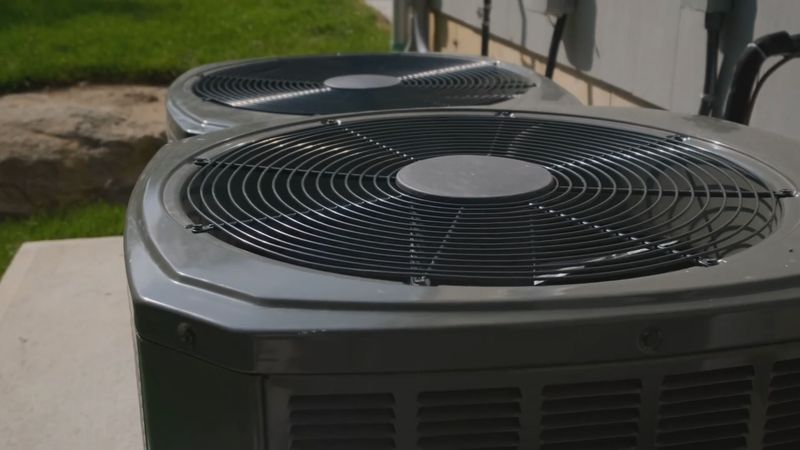
Running the A/C for months does not automatically mean a house is sealed. Some homes leak air through gaps, doors, and ducts.
Your Arizona Garden Changes Every Week. Your Plan Should Too.
Gardening in Arizona changes quickly throughout the season. Every Friday you’ll receive a simple weekly plan showing exactly what to plant, prune, fertilize, harvest, and protect so you never miss the right timing.
Others have a ventilation setup that brings in outdoor air. Equipment varies a lot from house to house.
What EPA does say, in its indoor air quality guidance, is that most home heating and cooling systems do not mechanically bring fresh air indoors. So limited fresh-air exchange is possible in some homes, but it is not a rule for all of Arizona.
A practical clue is to check what your system does. Look at whether you have a fresh-air intake, a ventilating fan, or only recirculating equipment.
A technician can tell you. If fresh air is low, a spider plant will not fix that; the answer lies in how the house is ventilated.
Use more reliable steps to improve indoor air
Start at the source. If a product, material, or habit adds fumes or particles, remove it, swap it, or use it less.
That step beats anything you do after the pollution is already in the air.
Next comes ventilation. Bring in outdoor air when the weather and outdoor pollution make it a good idea.
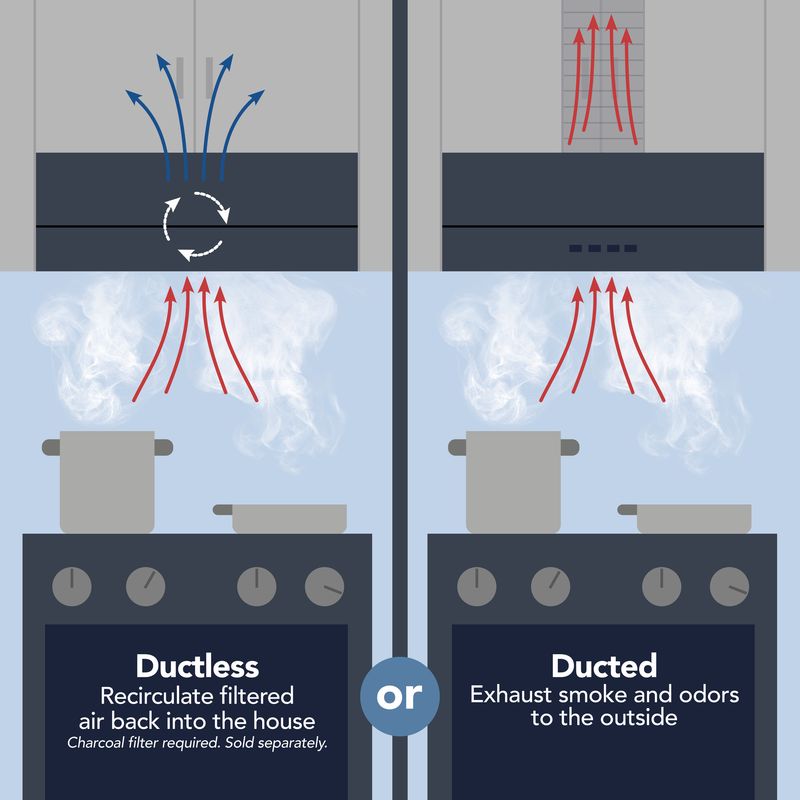
In Arizona, that means not opening windows automatically, since dust, smoke, or ozone days can make the outside air worse. Exhaust fans that vent outdoors, like those in kitchens and bathrooms, are a good tool when conditions allow.
Filtration is a helper, not the main plan. EPA’s guidance on air cleaners and filters explains how they fit in as a supplement to source control and ventilation.
Plants do not replace any of this. They also cannot stand in for radon testing or carbon-monoxide alarms, which protect you in ways no houseplant can.
Keep the spider plant healthy indoors
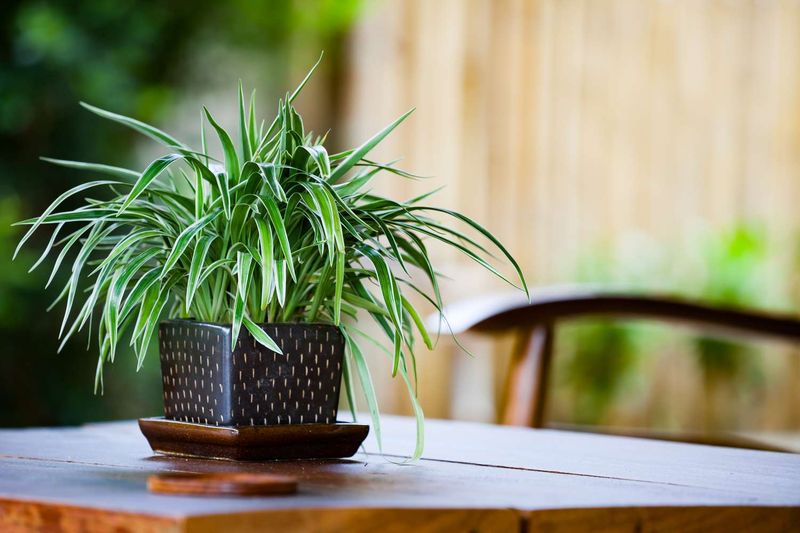
Treat the spider plant as an indoor ornamental, not a desert landscape plant. Match it to the light you have.
Arizona extension guidance stresses fitting the plant to available light and adjusting watering for warm, dry, sunny spots.
Spider plants like medium light and dislike direct sun, which can scorch the leaves. They can handle soil that dries out a bit between drinks, so water when the top of the soil feels dry rather than on a rigid schedule.
Do not keep the soil soggy. EPA warns that overwatering can encourage microorganisms that may affect people with allergies, so let the pot drain well.
Pet owners can relax a little, since the ASPCA lists spider plants as non-toxic to cats and dogs. That says nothing about air quality.
Grow it because it is easy and cheerful, and let fans, filters, and source control handle the air.