The Most Underrated Texas Native Herb That Helps Keep Mice Away From Vegetable Gardens
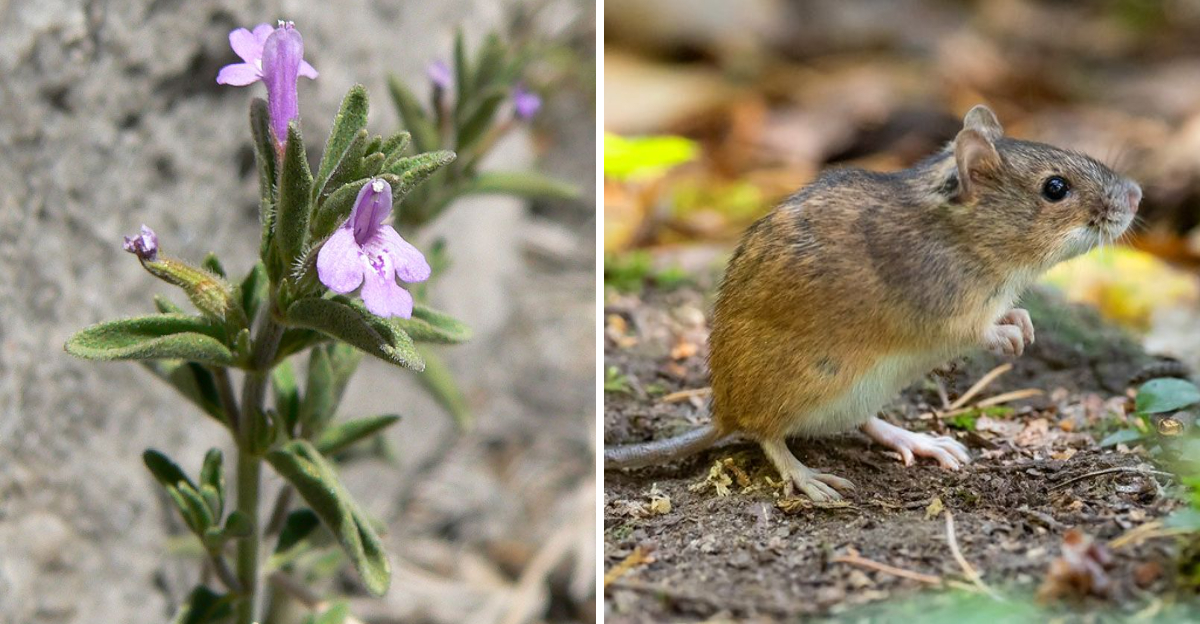
Mice in a vegetable garden are a quiet disaster. They work at night, they’re hard to catch in the act, and the damage they leave behind is beyond frustrating.
Chewed tomatoes, hollowed out squash, seedlings that simply disappear. And once mice discover your vegetable garden, they share the information with every other mouse in the neighborhood.
Traps and bait stations work, but they require constant management and come with risks around kids and pets. There’s a better option that most Texas gardeners have never considered.
There’s a native Texas herb that mice genuinely want nothing to do with. It produces natural compounds that overwhelm their sensitive noses and make your vegetable garden a place they actively avoid.
And it grows beautifully alongside vegetables, brings pollinators in, and thrives through the Texas heat without demanding much in return. One underrated herb doing serious work. Here’s what it is and how to use it in your vegetable garden.
Meet Drummond’s False Pennyroyal
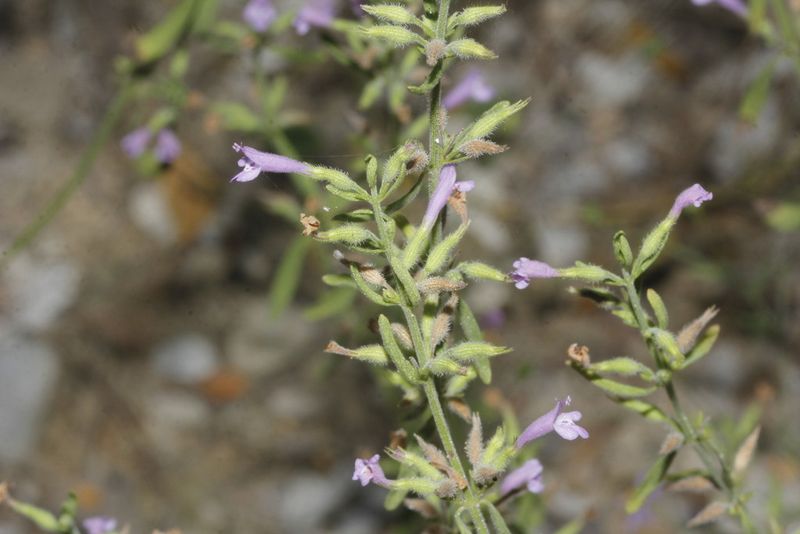
Picture a small, tough little plant pushing up through rocky Texas soil, filling the air around it with a sharp, clean peppermint smell. That plant is Drummond’s false pennyroyal, known by scientists as Hedeoma drummondii.
Locals sometimes call it limoncillo or mock pennyroyal, and it has been part of the Texas landscape for a very long time.
It belongs to the mint family, which means it shares that bold, aromatic quality that makes mint so recognizable. The leaves are tiny, the stems are wiry, and the plant stays fairly compact.
It does not take over your garden the way regular mint can, which is actually a big plus for most home gardeners.
Drummond’s false pennyroyal tends to grow in dry, rocky, or sandy soils across central and western Texas. It handles heat well and does not need much water once it gets settled in.
That toughness makes it a natural fit for Texas vegetable gardens, where summer conditions can be brutal on softer plants.
The strong scent comes from natural oils in the leaves. When you brush against the plant or crush a leaf between your fingers, that minty fragrance bursts out immediately.
Gardeners have noticed for generations that strongly scented herbs tend to keep certain pests from settling in nearby areas.
Even though this herb has been growing wild in Texas for ages, most gardeners have never intentionally planted it. It often gets overlooked in favor of flashier or more familiar herbs.
Getting to know this underrated native could be one of the most useful things you do for your vegetable garden this season.
Why Mice Notice Scent
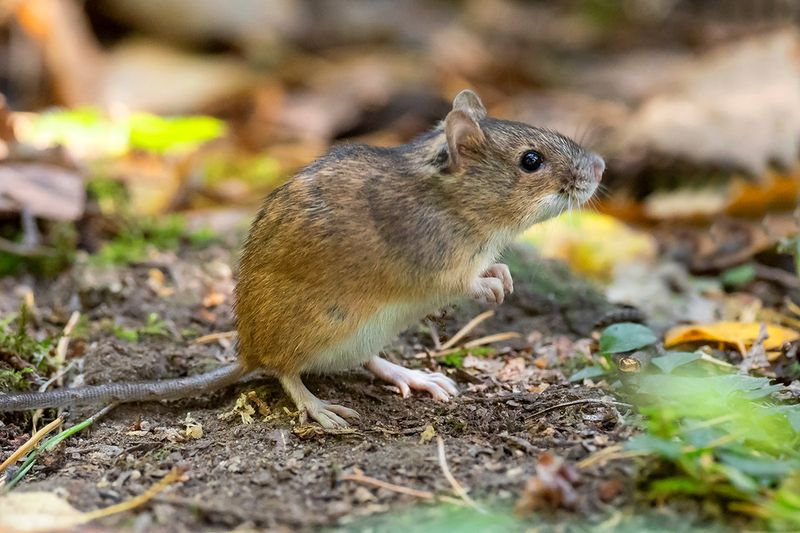
Mice rely on their noses far more than humans do. Their sense of smell guides almost every decision they make, from finding food to choosing safe paths through a yard.
Strong or unfamiliar scents can make a mouse hesitant to move through an area, especially when those scents are sharp and chemical-heavy.
Peppermint oil has been studied as a possible rodent repellent, and some research suggests that concentrated menthol and herbal oils can discourage mice from hanging around treated areas. The key word there is concentrated.
Your Texas Garden Changes Every Week. Your Plan Should Too.
Gardening in Texas changes quickly throughout the season. Every Friday you’ll receive a simple weekly plan showing exactly what to plant, prune, fertilize, harvest, and protect so you never miss the right timing.
A bottle of pure peppermint oil is far more powerful than a living plant growing in a garden bed.
Drummond’s false pennyroyal does release real aromatic oils from its leaves. When conditions are warm and the plant is brushed or disturbed, those scents become more noticeable.
That ambient scent may make the area feel less comfortable or familiar to a mouse scouting for food or shelter nearby.
Still, it would not be accurate to say this plant creates an invisible wall that mice cannot cross. A hungry mouse with a good food source nearby will push through a lot of discomfort.
The scent from a living plant is simply one small environmental signal among many that a mouse will weigh.
Think of it less like a fence and more like a mild inconvenience. Mice prefer easy, safe, low-stress routes.
Adding an unfamiliar, sharp scent along garden edges and entry points may nudge them toward choosing a different path. Combined with other smart habits, that nudge can actually matter quite a bit over time.
Where It Helps Most
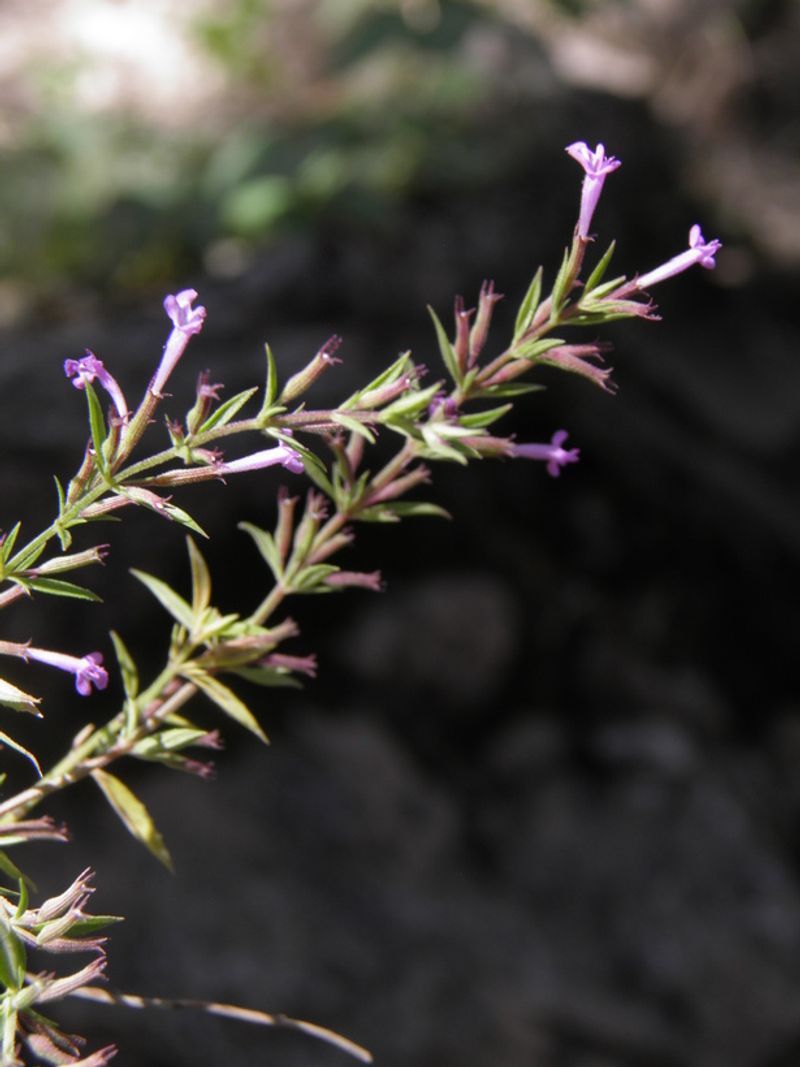
Placement matters a lot when you are using a scented plant as part of your pest prevention strategy. Drummond’s false pennyroyal works best when it is positioned in spots where mice are most likely to travel, rest, or sneak into your garden space.
Thinking about mouse movement patterns will help you decide exactly where to put it. Garden edges are a great starting point. Mice tend to run along walls, fences, and borders rather than crossing open ground.
Planting a row of false pennyroyal along the outer edge of your vegetable beds puts the scent right in the path mice are most likely to use. Raised bed corners are especially good spots since mice often pause and investigate corners before moving forward.
Walkways between beds are another smart location. If mice are cutting through your garden at night, a strip of aromatic plants running along those pathways adds a layer of sensory disruption to their usual route.
The same logic applies to spots near compost bins, where food smells attract rodents regularly.
Shed corners and areas where garden tools or supplies are stored can also benefit. Mice love cluttered, sheltered spots near food sources.
Tucking a few false pennyroyal plants near those areas adds scent where it can actually reach a mouse’s nose at ground level.
The goal with placement is not to surround your garden in a perfect ring. Instead, focus on the realistic entry points and travel lanes that mice would naturally use.
Strategic placement in high-traffic rodent zones gives this humble herb the best possible chance to do its small but meaningful part in your overall garden protection plan.
What It Cannot Do
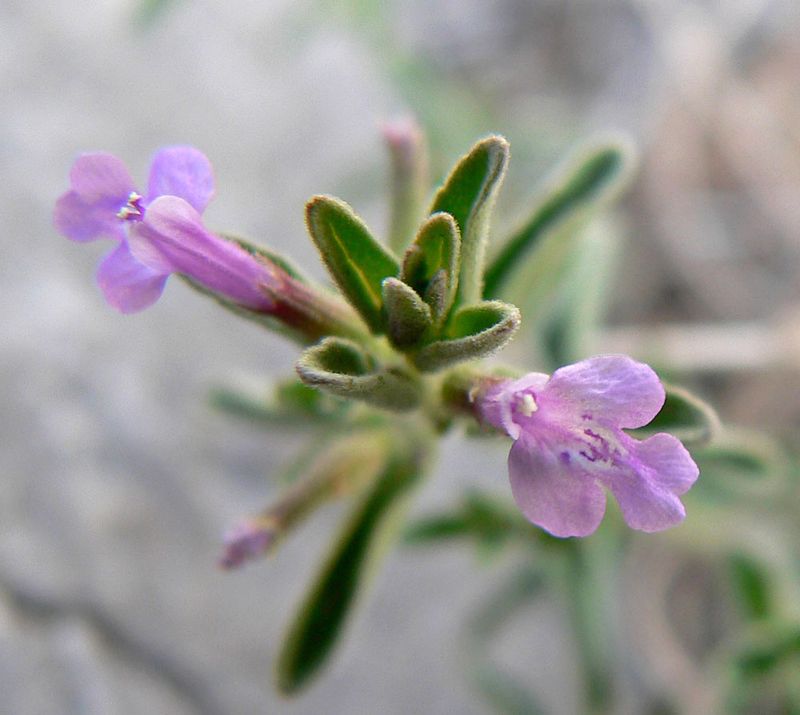
Honesty matters when it comes to garden pest control. Drummond’s false pennyroyal is a genuinely useful plant, but it has real limits that every gardener should understand before relying on it.
Expecting too much from any single plant will leave you frustrated when mice still show up, and they likely will if conditions are right.
An active mouse population will not pack up and leave simply because you planted a few aromatic herbs nearby. Mice that have already found food, water, and shelter in or near your garden are motivated by strong survival instincts.
A mild scent is not going to override those instincts on its own. Rodent management works best as a combined approach. That means doing a proper inspection of your yard and garden to find entry points, burrows, and nesting spots.
It means managing habitat by removing clutter, wood piles, and dense weedy cover that gives mice safe places to hide during the day.
When a real mouse problem is present, trapping is often necessary. Snap traps placed along walls and in sheltered spots where mice travel are one of the most reliable tools available to home gardeners.
Monitoring those traps regularly tells you whether the population is shrinking or holding steady.
False pennyroyal fits into this picture as a preventive layer, not a standalone solution. It may help make your garden less appealing before a problem starts or during early stages when mouse activity is light.
Thinking of it as one piece of a larger puzzle is the healthiest and most realistic way to use this herb effectively in your vegetable garden space.
Pair It With Clean Beds
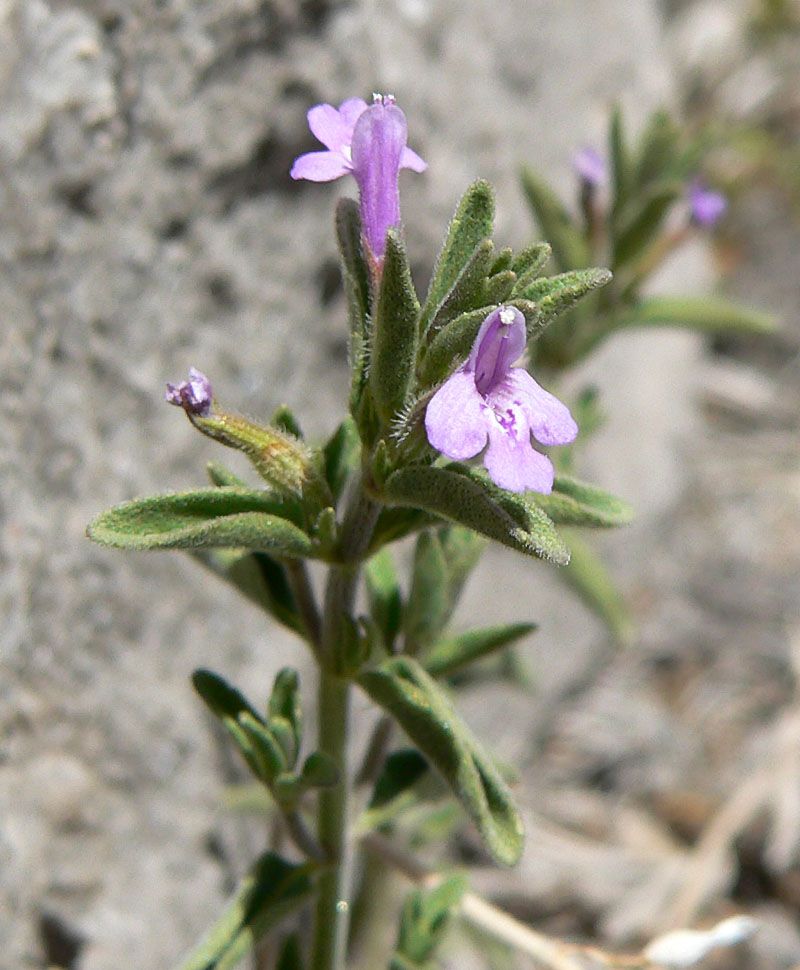
A garden that is easy for mice to hide in and eat from will attract them no matter what you plant nearby.
Drummond’s false pennyroyal works best when it is paired with good garden hygiene habits that reduce the food and shelter mice are searching for in the first place. Clean beds make the herb’s scent more effective by removing competing attractions.
Fallen tomatoes, rotting squash, and overripe fruit left on the ground are like open invitations to rodents. Picking up dropped produce every day or two removes one of the biggest mouse attractants in a vegetable garden.
It takes only a few minutes but makes a real difference in how appealing your garden looks to a hungry mouse at night.
Seed storage and pet food are two other common problems. Bags of seeds or birdseed left in a shed or garage without sealed containers are easy targets.
Switching to airtight metal or thick plastic containers removes that food source quickly and cheaply.
Dense weeds and overgrown areas near your vegetable beds give mice safe daytime cover. Thinning those weedy patches and clearing clutter like old pots, boards, and tarps reduces the number of sheltered spots available. Mice feel exposed in open, tidy spaces and tend to avoid them.
When your garden is clean, organized, and free of easy food and hiding spots, the scent from false pennyroyal has a much better chance of tipping the balance. The herb becomes part of a broader prevention plan rather than a last hope.
Together, these habits create an environment that is genuinely less welcoming to mice all season long.
Grow It As A Native Bonus
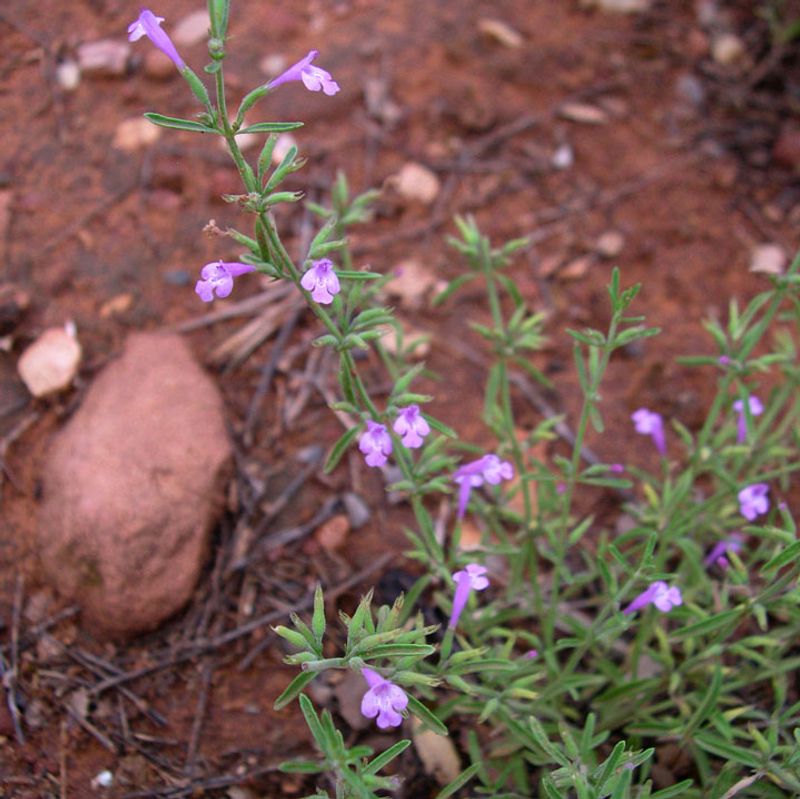
Beyond its role in discouraging mice, Drummond’s false pennyroyal brings a lot of quiet charm to a Texas garden on its own merits.
Native plants carry a kind of old-fashioned resilience that imported herbs simply cannot match, and this one has been proving its toughness in Texas soil for centuries without any help from gardeners.
The plant stays compact and manageable, which makes it easy to tuck into borders, raised bed edges, or containers without worrying about it taking over. Unlike common mint, which spreads aggressively through underground runners, false pennyroyal stays in its lane.
That makes it a much friendlier neighbor for vegetable plants that need their own space to thrive.
Texas summers can be punishing, with long stretches of intense heat and dry spells that stress out many garden plants. Drummond’s false pennyroyal handles those conditions naturally because it evolved right here.
Once established, it needs very little extra watering, which is a genuine bonus for gardeners trying to conserve water during hot months.
The tiny flowers it produces attract pollinators, adding another layer of garden value beyond scent and pest deterrence.
Bees and small beneficial insects appreciate native flowering herbs, and having more pollinators visiting your vegetable beds is always a good thing for fruit and vegetable production.
Growing this herb is a small act of supporting local plant heritage while also making your garden work a little smarter.
Use it as a supporting player around your vegetable beds, appreciate it for what it genuinely offers, and let it be part of a thoughtful, layered approach to growing food in Texas. That is exactly the kind of garden wisdom that never goes out of style.