10 Things To Do When Your Arizona Citrus Drops Fruit Early (And 3 Mistakes)
Few things sting like finding tiny green oranges scattered under your tree after weeks of hoping for a big harvest. In the low desert, early fruit drop usually points to heat, water, or care stress, not a scary disease.
The good news is that most causes are easy to fix once you know what to look for. Here are ten smart moves to help your tree hold on to its fruit, plus three common mistakes that quietly make things worse.
1. Water Deeply and Consistently
Picture a sponge left out in a Phoenix July. It dries fast, cracks, and stops holding anything.
Shallow-watered citrus roots behave the same way, and a thirsty tree will often shed fruit to save itself.
The fix is deep, steady soaking. Aim to wet the soil 2 to 3 feet down for mature trees, then let the top 6 inches dry before watering again.
A long metal rod or screwdriver pushed into the ground after irrigation shows how far the water actually reached.
Timing shifts with the seasons. Established trees usually want water about once a week in summer, every 10 to 14 days in spring and fall, and every 14 to 21 days in winter.
Young trees need more frequent drinks while their roots are still small.
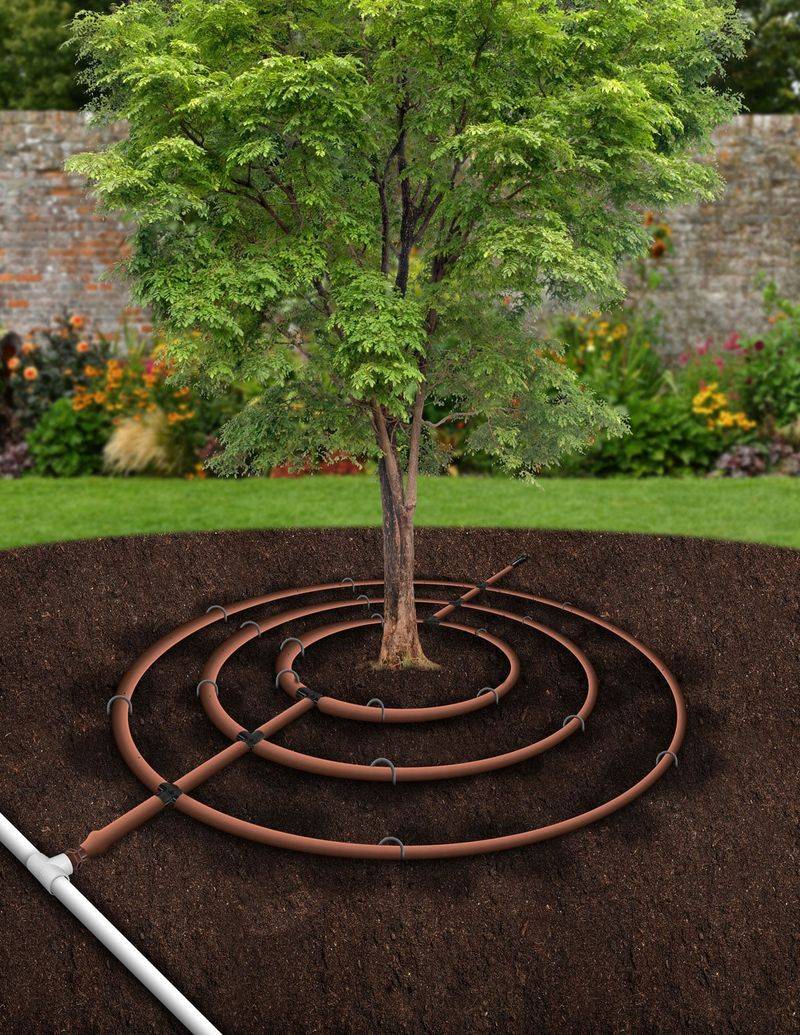
Placement matters too. Feeder roots spread out near the drip line, so extend water about a foot past the edge of the canopy rather than soaking the trunk.
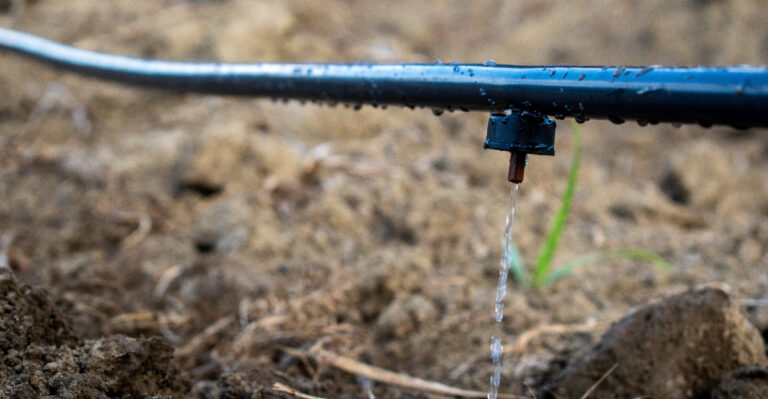
Moving drip emitters outward as the tree grows keeps water where it counts. A raised soil berm that forms a basin also works well and helps every gallon sink in instead of running off across the yard.
2. Feed on the Desert Holiday Schedule
Valentine’s Day, Memorial Day, and Labor Day. Arizona gardeners love this easy memory trick because it lines up perfectly with when citrus needs a nutrition boost.
Citrus trees are heavy eaters. Developing fruit pulls a lot of energy, and a hungry tree may let go of part of its crop rather than struggle to finish it.
Splitting your yearly feeding into three portions keeps the supply steady instead of dumping it all at once.
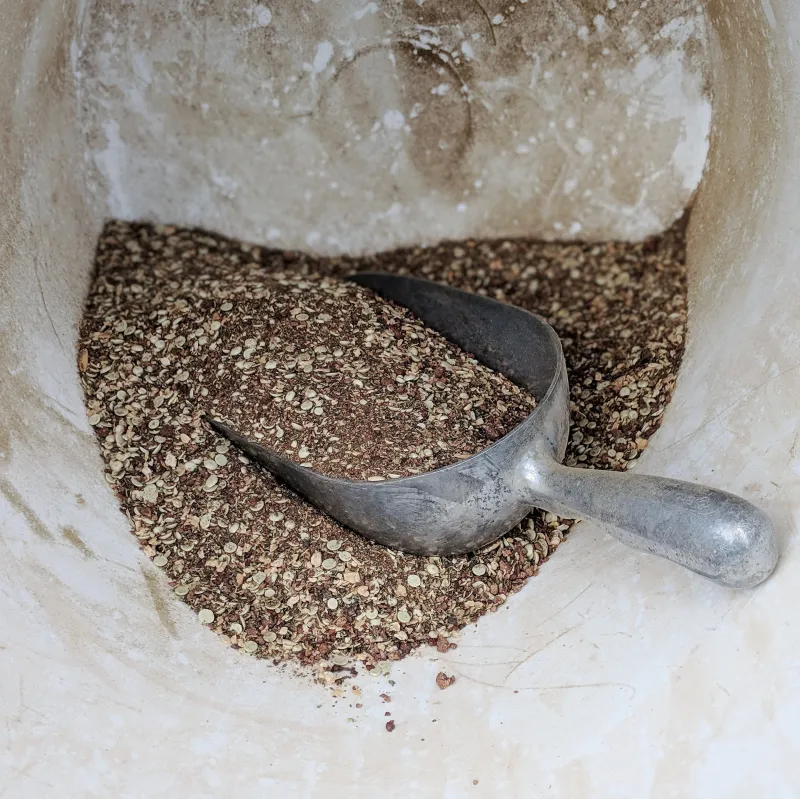
Pick a fertilizer made for citrus. These blends usually lean on nitrogen and often include iron, zinc, and manganese, which tend to get locked up in our alkaline desert soil.
Yellowing leaves with green veins are a common clue that micronutrients are running short.
Follow the label for amounts based on tree age and size, and spread the granules around the drip line rather than piling them against the trunk. Then water deeply right away.
Dry fertilizer sitting on hot ground can scorch roots and does little good until moisture carries it down.
Skipping a feeding now and then is not a disaster. Still, sticking with the three holiday dates is one of the simplest ways to support a fuller, steadier harvest year after year.
3. Spread a Ring of Mulch
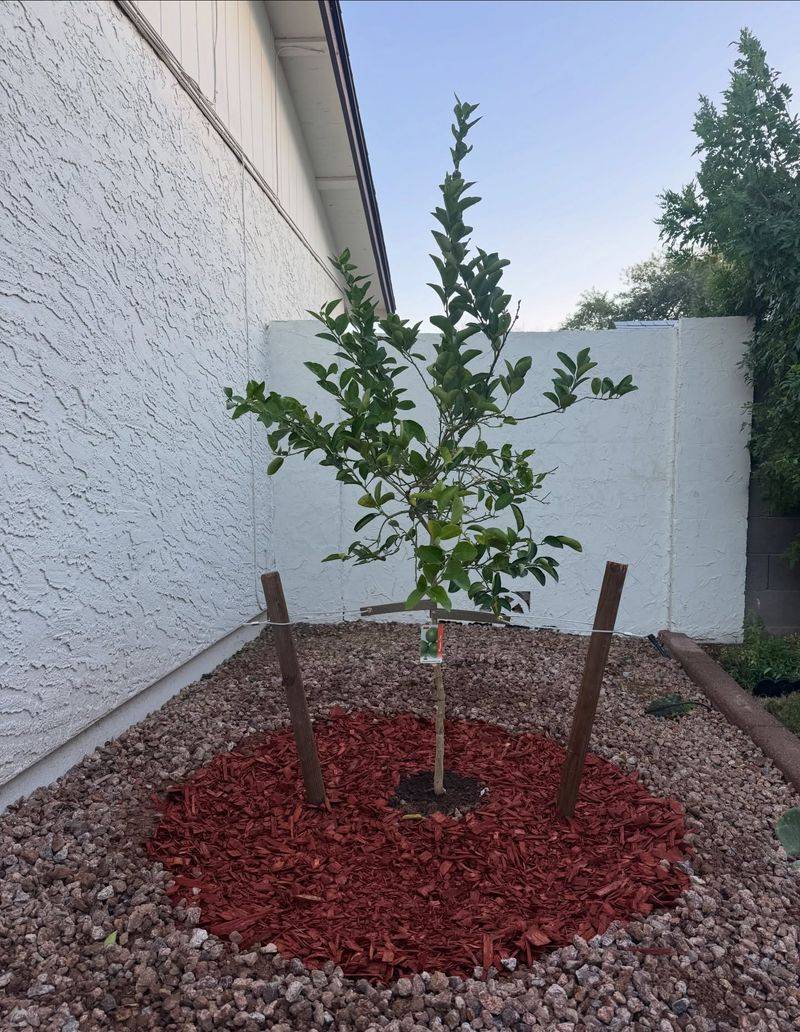
Bare dirt in the low desert can hit temperatures that would make you yank your hand back. Roots sitting under that blazing surface get stressed, and stressed trees drop fruit.
Your Arizona Garden Changes Every Week. Your Plan Should Too.
Gardening in Arizona changes quickly throughout the season. Every Friday you’ll receive a simple weekly plan showing exactly what to plant, prune, fertilize, harvest, and protect so you never miss the right timing.
A layer of organic mulch acts like a sun umbrella for the soil. Shredded bark, wood chips, or composted leaves spread several inches deep across a wide circle help keep roots cooler and slow evaporation.
Many growers find they can stretch time between waterings once mulch is in place.
Keep the material pulled back a few inches from the trunk. Mulch piled against bark holds moisture right where you do not want it and may invite rot or bugs.
Think donut, not volcano.
Here is a bonus for habitat lovers. As organic mulch slowly breaks down, it feeds soil life like earthworms and beneficial fungi, and it may draw ground-foraging birds that snack on insects.
Over time, it improves our tough, caliche-heavy soil in a way rock mulch never will.
Refresh the layer once or twice a year as it thins. Fall is a nice time to top it off, so the soil stays insulated heading into winter and ready for the next round of summer heat.
4. Shield the Tree From Brutal Heat
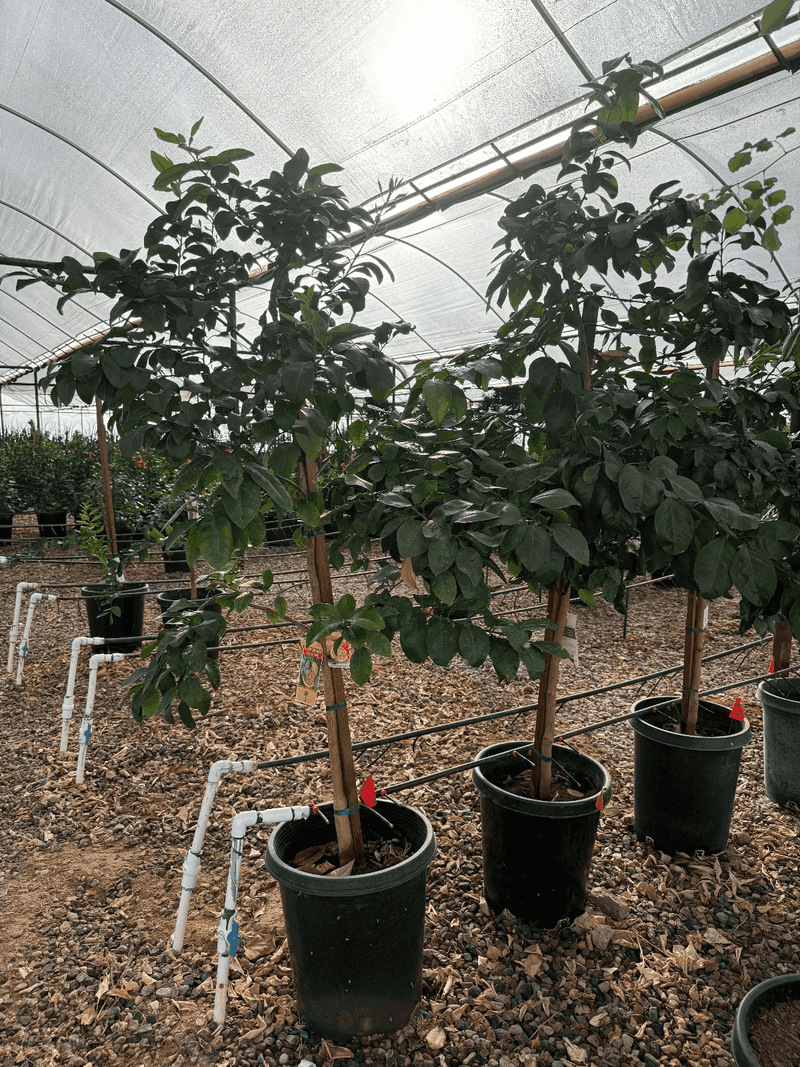
When afternoon highs sit at 110 and nights barely dip below 90, even tough citrus starts sweating. Long stretches like that are a classic trigger for June drop, when trees shed small fruit they cannot support.
Water comes first. A well-hydrated tree handles heat far better, so check soil moisture more often during heat waves and never let roots dry out completely.
Young trees benefit from a little cover. A 30 to 50 percent shade cloth on a simple frame during the hottest months can cut sun stress and protect tender bark.
Some growers also paint exposed trunks with diluted white latex paint to reflect light, or use a kaolin clay spray on leaves and fruit.
Smart planting helps for years to come. Placing citrus where it gets some afternoon relief, such as east of the house or near a desert-adapted shade tree like palo verde or desert willow, can soften the worst exposure.
Those native trees may also pull in pollinators and birds, adding life to the yard.
Some fruit drop in early summer is normal and nothing to panic about. The goal is simply to keep stress low enough that the tree hangs on to a healthy crop.
5. Flush Salts and Check Soil pH
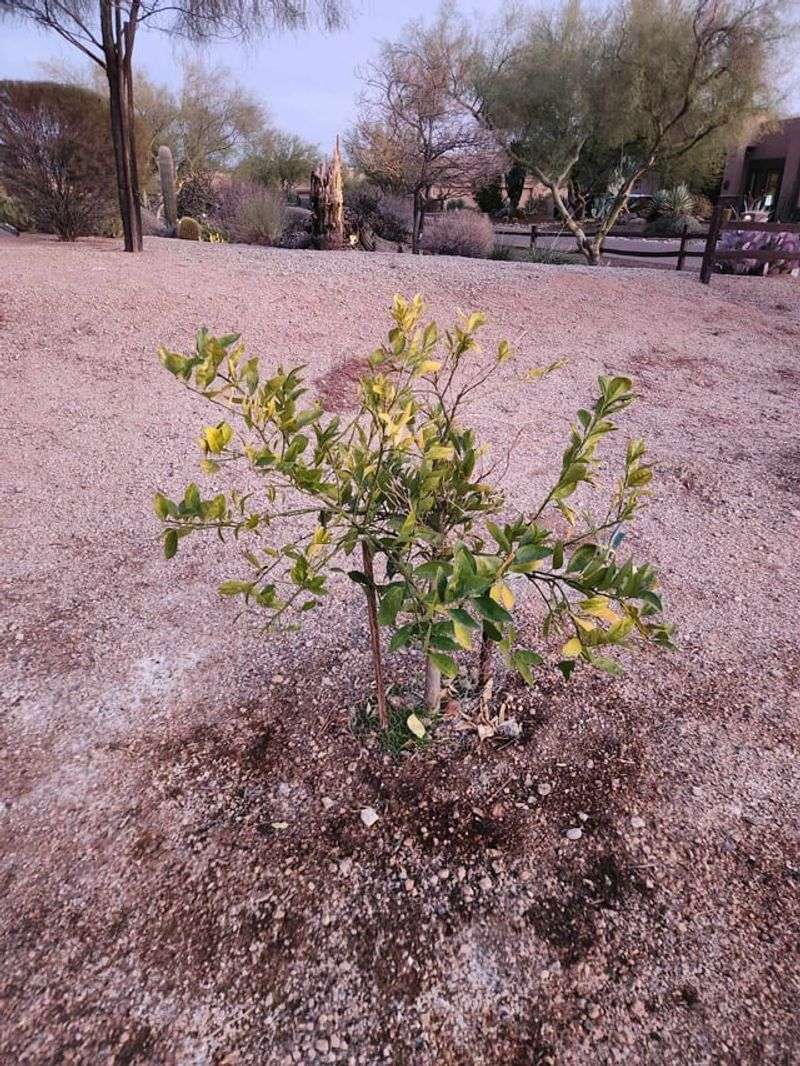
See a white, crusty film on the ground near your tree? That is likely salt, a sneaky problem in Arizona thanks to mineral-heavy water and soils that rarely get a good natural rinse.
Salt buildup can burn root tips and make it harder for the tree to absorb water, even when the ground feels damp. Leaf edges turning brown and crispy are another hint.
A tree dealing with that kind of root trouble may respond by dropping fruit.
Deep, infrequent watering is your best cleanup tool. Each long soak pushes dissolved salts below the root zone, while light sprinkles leave them right near the surface.
Monsoon rains help too, so let those storms do some of the work.
Alkalinity is the other half of the puzzle. Citrus generally does best in a pH between about 5.5 and 7.5, with 6.5 as a sweet spot, but many desert yards run higher.
At high pH, iron and zinc become harder for roots to grab.
A simple soil test tells you where you stand. If numbers are off, soil sulfur and steady organic mulch can nudge conditions in a better direction over time.
6. Prune Lightly and at the Right Time
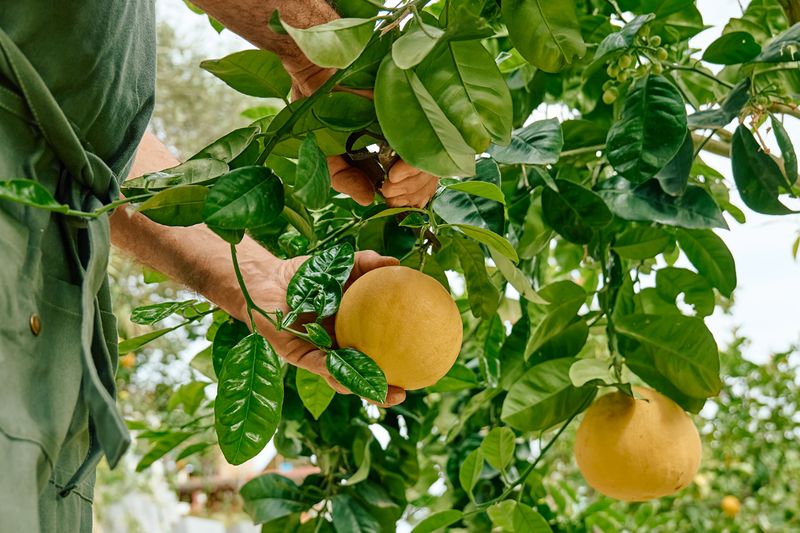
Citrus is not a rose bush. Folks moving from cooler states often grab the loppers and go wild, but these trees prefer a light touch.
Every leaf is a tiny food factory feeding the fruit. Cut away too much, and the tree may decide it cannot support its crop.
Heavy pruning in summer is especially rough, since it also exposes bark that can sunburn quickly in desert light.
So what should you cut? Remove broken, damaged, or clearly unhealthy branches whenever you spot them.
Suckers popping up from below the graft line should go too, since they come from the rootstock and steal energy.
Save any shaping work for mid-February through March, once frost danger has passed in the low desert. That window lets fresh growth harden off before the big heat arrives.
A good rule of thumb is to remove no more than about a fifth of the canopy in a single year. Clean, sharp bypass pruners make neat cuts that seal faster.
Step back often while you work, and remember that a slightly shaggy citrus tree is usually a happier, more productive one than a neatly sheared tree.
7. Thin Fruit on Young Trees
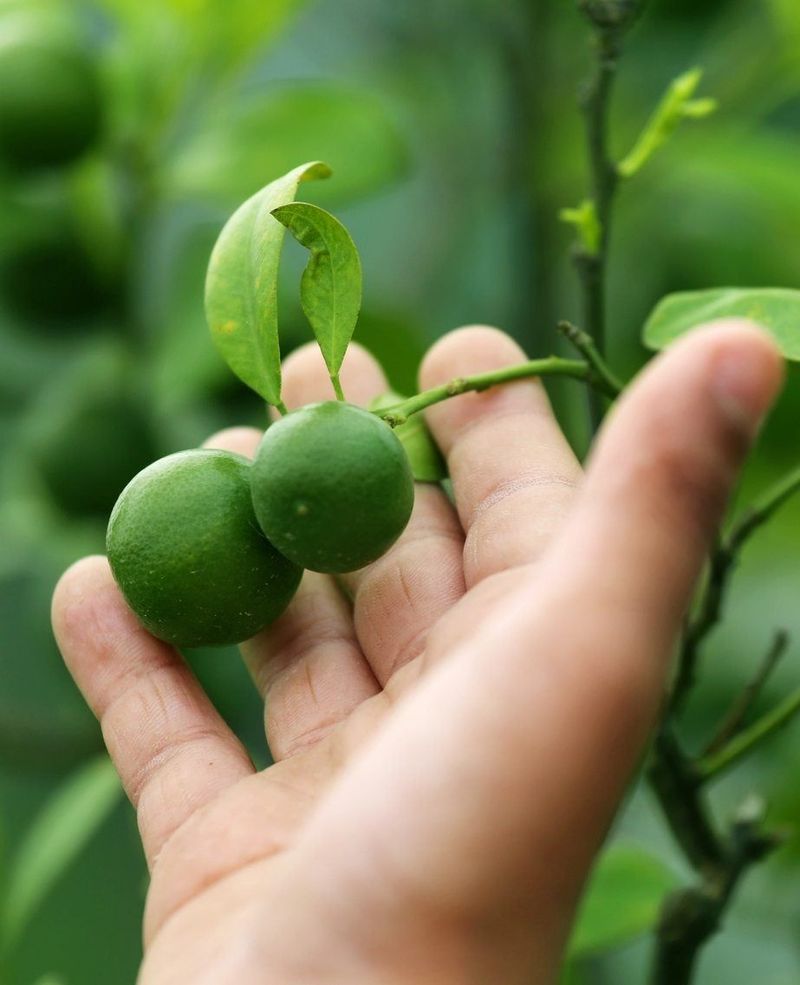
It feels backwards, almost cruel, to pull baby fruit off a tree you just planted. Yet patient gardeners know it pays off with bigger harvests down the road.
Newly planted citrus is busy building roots, branches, and leaves. Producing fruit takes a lot of energy, and a young tree often drops most of it anyway as it sorts out priorities.
That shedding is usually normal, not a warning sign.
Many growers choose to help the process along by removing developing fruit for the first two to three years. Pinch off the tiny fruit soon after the petals fall.
Without that heavy load, the tree can channel energy into a sturdy frame that will hold plenty of oranges or lemons later.
Want a small taste in the meantime? Leaving just a few fruit on a vigorous young tree is fine, as long as the branches are not bending.
Here is a fun fact: citrus trees often set far more flowers than they could ever ripen into fruit. Natural drop is simply their way of matching crop size to what roots and leaves can support.
Your job is just to keep that balance tipped toward healthy growth.
8. Scout for Pests and Lean on Natural Allies
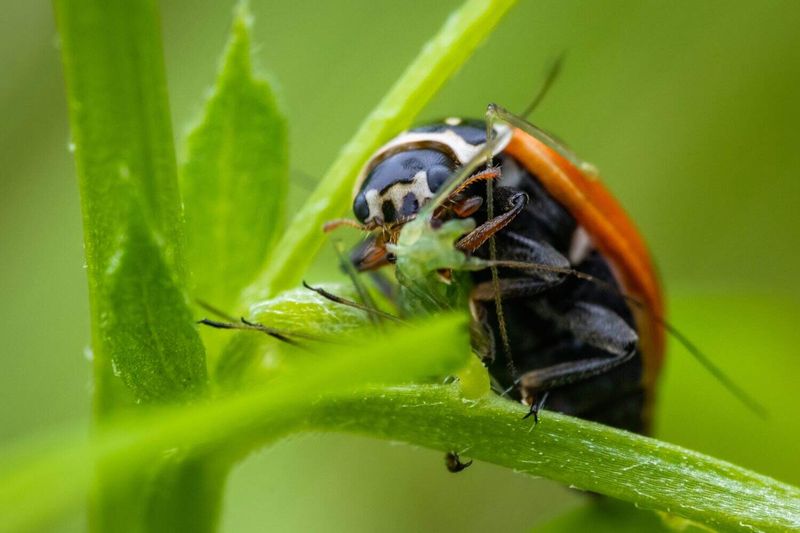
A quick walk around your tree each week can save a lot of heartache. Flip a few leaves, peek at new growth, and look closely at young fruit.
Aphids, citrus thrips, mites, and scale insects can stress a tree and sometimes play a part in fruit drop. Sticky residue, curled leaves, scarred rinds, or ants marching up the trunk are all clues something is feeding.
Small infestations often respond to a strong blast of water from the hose, which knocks soft-bodied bugs off branches. Repeating every few days may be all it takes.
Insecticidal soap is a gentle next step if numbers climb.
Here is where a habitat-friendly yard really shines. Ladybugs, lacewings, and tiny parasitic wasps hunt many citrus pests, and birds like verdins and lesser goldfinches pick insects off foliage.
Planting native flowers such as penstemon, desert marigold, and brittlebush nearby may help draw in these helpers.
Skip broad-spectrum sprays whenever possible. They tend to wipe out good bugs along with the bad, which can actually make pest problems bounce back worse.
Letting nature handle part of the patrol usually means less work and a healthier backyard ecosystem overall.
9. Pick the Right Rootstock Next Time
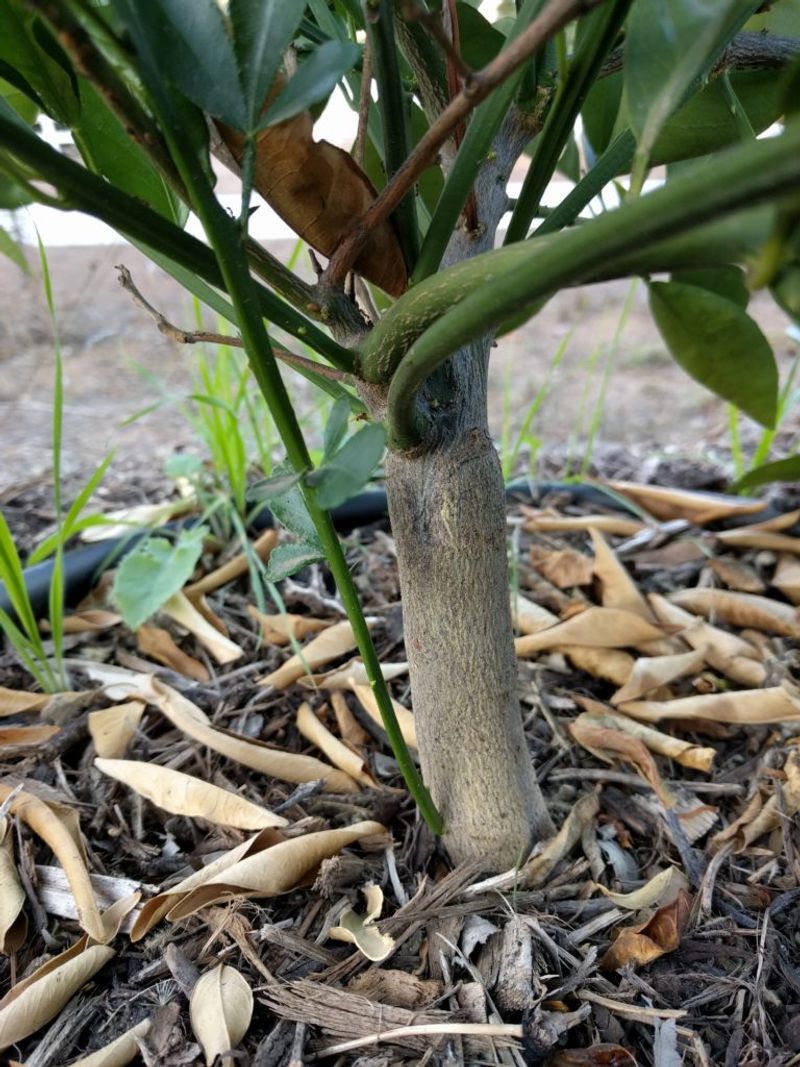
Underneath every grafted citrus tree is a hidden partner doing the heavy lifting. That partner is the rootstock, and choosing well can head off years of struggle.
Most citrus sold today is a fruiting variety grafted onto separate roots. Those roots decide how well the tree handles soil, salt, and water stress.
In the low desert, that choice matters a lot.
Sour orange rootstock has long been a favorite here because it tends to tolerate high pH and salty conditions common in Phoenix and Tucson yards. Trifoliate types, on the other hand, generally struggle in alkaline desert soil and are best avoided.
Ask your local nursery which rootstock sits under any tree you consider.
Here is a quick history bit: sour orange earned its long run in Arizona partly because it adapted so well to the region’s tough ground decades ago. Many old backyard trees still thriving in Phoenix neighborhoods sit on those roots.
When shopping, look for the graft union, a slight bump or line a few inches above the soil. Make sure it stays above ground when planting.
Fall and early spring are ideal planting windows in the low desert, giving roots time to settle before summer arrives.
10. Open the Canopy for Light and Air
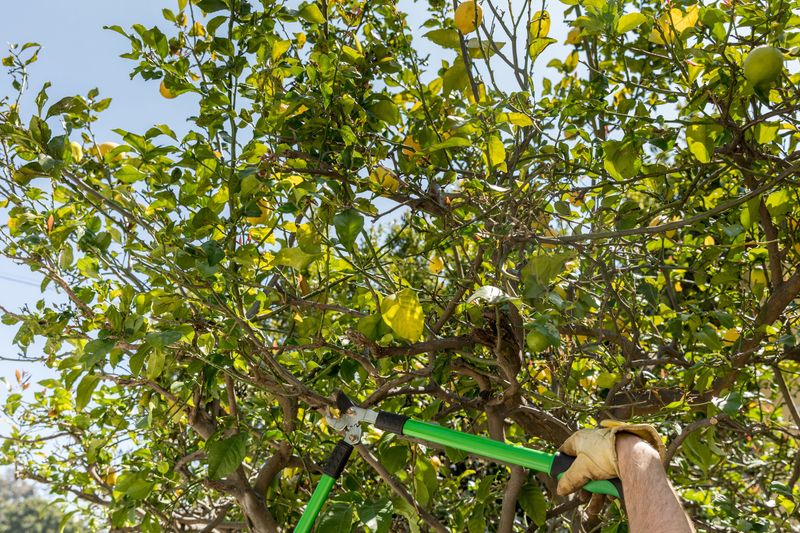
Step under a dense citrus tree and you might notice a shadowy tangle of brittle twigs near the trunk. That interior clutter is worth a closer look.
Small branches deep inside the canopy often die back naturally once outer leaves block their light. Leaving piles of them can trap still, humid air during monsoon season and give pests a cozy hiding place.
Fruit tucked in deep shade may also ripen unevenly.
A careful cleanup helps. Snip out thin, leafless twigs from the inside, focusing only on growth that is clearly spent.
You are not thinning healthy outer branches, just clearing the attic.
The result is a canopy where breezes can move and sunlight reaches more of the fruit. Many gardeners find leaves stay cleaner and fruit colors more evenly once this is done.
It also makes it far easier to spot pests during your weekly checks.
Keep the outer shell of foliage intact, since that layer protects fruit and bark from sunburn. Late winter, alongside other light pruning, is a convenient time for this chore.
Think of it as tidying up rather than reshaping, and your tree will reward the effort.
11. Mistake: Watering Too Little, Too Much, or Too Shallow
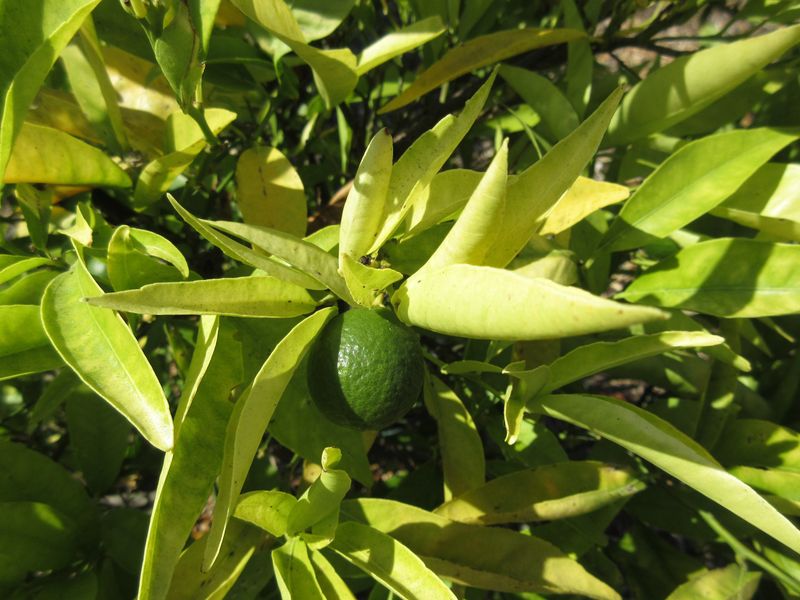
Ask any desert citrus grower about their biggest early slip-up, and many will confess it involved the hose. Watering trouble tops the list for a reason.
Underwatering is the obvious one. A tree left dry during a heat wave will often shed fruit fast.
But overwatering causes problems too, suffocating roots in soggy soil and opening the door to root rot. Both extremes stress the tree.
Inconsistency may be the sneakiest version. Swinging between bone dry and flooded keeps roots constantly off balance, and fruit drop or split rinds often follow.
A steady rhythm matters more than any single big soak.
Then there is shallow watering, often from lawn sprinklers or short drip cycles. Water only reaches the top few inches, roots stay near the hot surface, and salts pile up right where they do the most harm.
Avoiding this mistake is simple once you know it. Use a timer with separate zones for trees, run longer cycles less often, and adjust with the seasons instead of setting it once and forgetting it.
Checking soil moisture with a probe before each watering takes seconds and removes much of the guesswork.
12. Mistake: Feeding at the Wrong Time or in the Wrong Amount
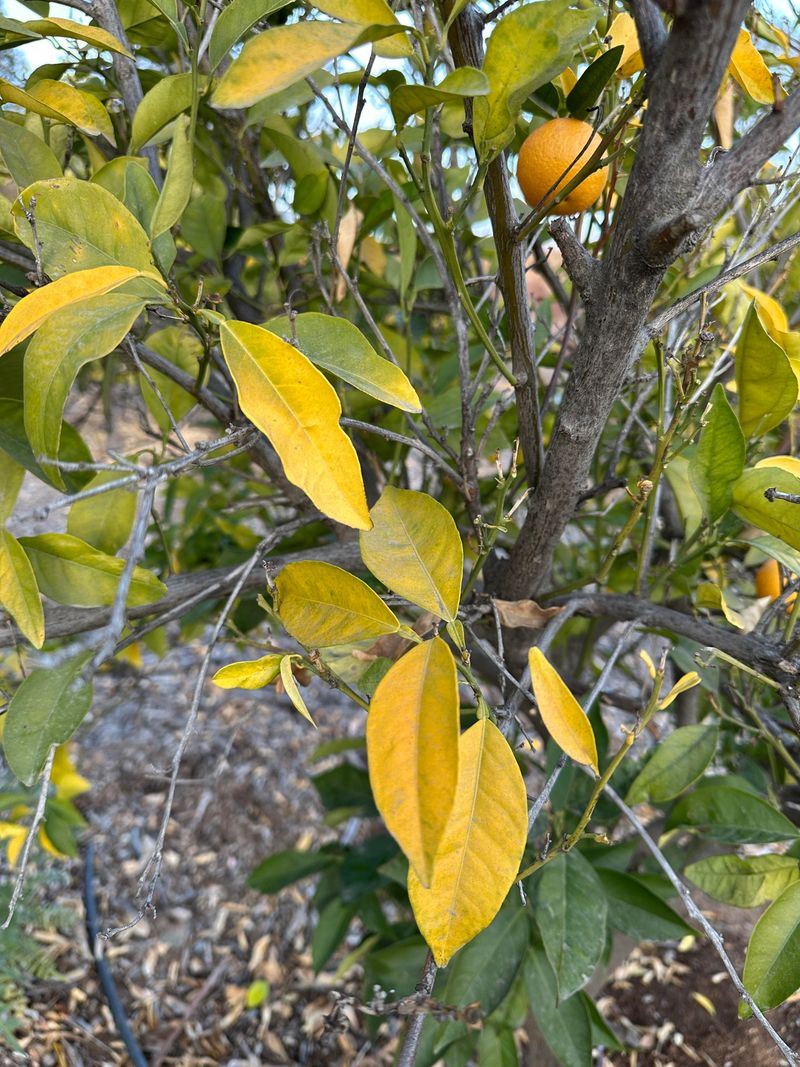
More fertilizer must mean more fruit, right? Not quite.
That hopeful thinking trips up plenty of well-meaning gardeners.
Overdoing nitrogen can push a tree into leafy overdrive. You get a gorgeous, deep green canopy but fewer fruit, since energy goes toward foliage instead.
Excess salts in heavy feedings may also burn roots, adding stress that leads to dropping.
Timing errors cause their own headaches. Feeding during the peak of summer, when trees are already struggling with heat, can do more harm than good.
Late fall feeding may spur tender growth right before frosty nights. Stick to the February, May, and September rhythm.
Going too light is a mistake as well. Trees that never get fed slowly run short on nutrients, and pale leaves plus small, sparse fruit often follow.
Brand-new trees need special care here. Fertilizing right at planting can stress fragile roots, so many growers wait until fresh growth appears, then start with small doses.
Always read the label, measure by tree size, and water deeply before and after feeding. A little restraint usually beats a heavy hand.
13. Mistake: Skirting or Over-Pruning Lower Limbs
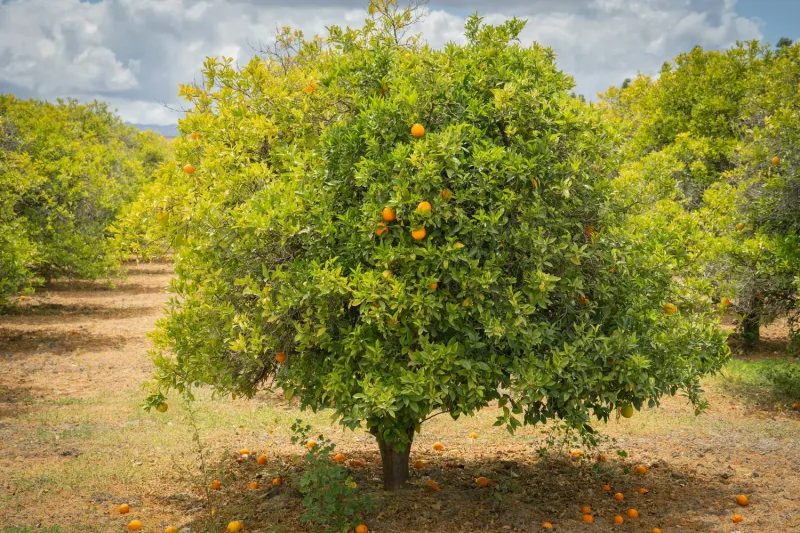
Those low, droopy branches brushing the ground might look messy, but in the desert they are working hard. Cutting them all off, a practice called skirting, is a common move borrowed from orchards and cooler climates.
Lower limbs shade the trunk and root zone from punishing sun. Without them, bark can sunburn, crack, and invite borers or decay.
Shaded soil also stays cooler and holds moisture longer, which matters a lot when summer stretches on.
Many of the sweetest fruit also hang on those lower branches. Removing them means sacrificing part of your harvest, and the extra stress may nudge the tree into dropping even more.
There is a habitat bonus too. A full skirt creates a shady pocket where lizards and quail may shelter during the heat of the day.
Some gardeners worry about pests hiding underneath, but keeping fallen fruit and debris picked up helps make the space less inviting to unwanted critters like roof rats.
If branches block a path, trim just enough for access. Otherwise, let your tree wear its skirt proudly.
Fuller canopies tend to mean happier trees and steadier crops through the desert year.