How Warm October Soil Helps California Plants Root In Before Winter Rain
October soil in California carries a secret that rarely gets the attention it deserves. Long after summer fades from the air, the ground beneath the garden still holds onto something valuable.
That hidden advantage shapes how quickly new plants settle in, especially in a climate built around dry summers and wet winters.
Timing becomes everything this month. Plants set out now can quietly prepare for the season ahead while the rest of the garden seems to slow down.
The same conditions bring a few unwelcome guests, along with some simple chores that make a big difference.
With a little planning, the coming storms can arrive to find a garden already rooted, ready, and eager to drink in every drop.
Soil Holds Summer Heat Into October
A palm pressed flat on bare garden soil on an October afternoon often feels a gentle warmth rising up. That heat lingers even when the breeze feels crisp, left over from months of strong summer sun.
Soil works much like a big, slow battery. All summer long, it soaks up sunshine and stores heat below the surface.
Air temperatures can drop quickly after sunset, while the ground releases its warmth far more slowly. So while October evenings feel like fall, the root zone still feels like late summer.
California makes the most of this lag. Long, sunny, and usually dry summers let the ground bake for months with few clouds or rain to cool it.
In many inland valleys, soil stays toasty well into autumn. Coastal gardens warm less in summer, though they also cool gently, so the timing still works there.
A simple soil thermometer pushed a few inches deep shows the pattern clearly. Morning and late afternoon readings over a week reveal how steady the ground stays compared with the air.
Those readings skip the big swings felt on bare skin. Soil temperature shifts gradually, giving roots a far more stable environment.
That steady, stored warmth sets the stage for everything else in fall planting. Every new plant benefits from it.
October soil works like a heated nursery that nature has already paid for. Gardeners simply need to take advantage of the gift before winter cools things down.
Warm Soil Wakes Roots Up Fast
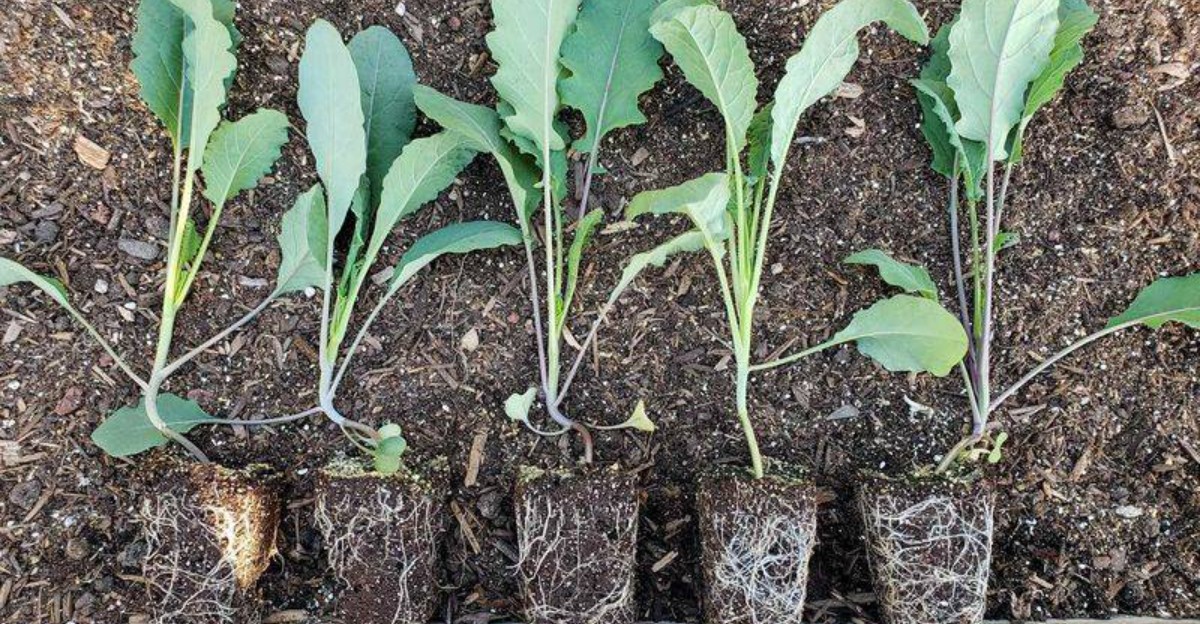
A fall-planted shrub lifted from the ground a few weeks later often reveals something exciting. Bright, fresh root tips poke out past the edges of the old root ball, moving quickly thanks to warm soil.
Roots are living tissue, and like most living things, they work faster in comfortable conditions. Warmth speeds up chemical activity inside root cells.
Cells divide sooner, tips stretch farther, and tiny root hairs form to gather water and nutrients. Cold soil slows all of that dramatically, which explains why early spring planting can feel sluggish.
A plant fresh from a nursery pot needs to escape that pot shape fast. Its roots have been circling inside a small container, and the plant depends on them reaching new soil.
Warm October ground gives those roots the push to explore right away. Tightly wound roots gently loosened at planting time head outward instead of spinning in place.
Your California Garden Changes Every Week. Your Plan Should Too.
Gardening in California changes quickly throughout the season. Every Friday you’ll receive a simple weekly plan showing exactly what to plant, prune, fertilize, harvest, and protect so you never miss the right timing.
Helpful soil life stays busy in warm ground, too. Fungi and microbes that partner with roots keep working, helping new plants settle into their surroundings.
The whole underground neighborhood remains awake and open for business. That activity gives young plants a real advantage.
Hole size matters as well. A hole about as deep as the root ball and roughly twice as wide gives roots plenty of loosened soil to stretch into.
Warm, open ground makes for an easy start. Those first few weeks of fast root growth often set the tone for the plant’s future.
Roots Grow While Tops Rest
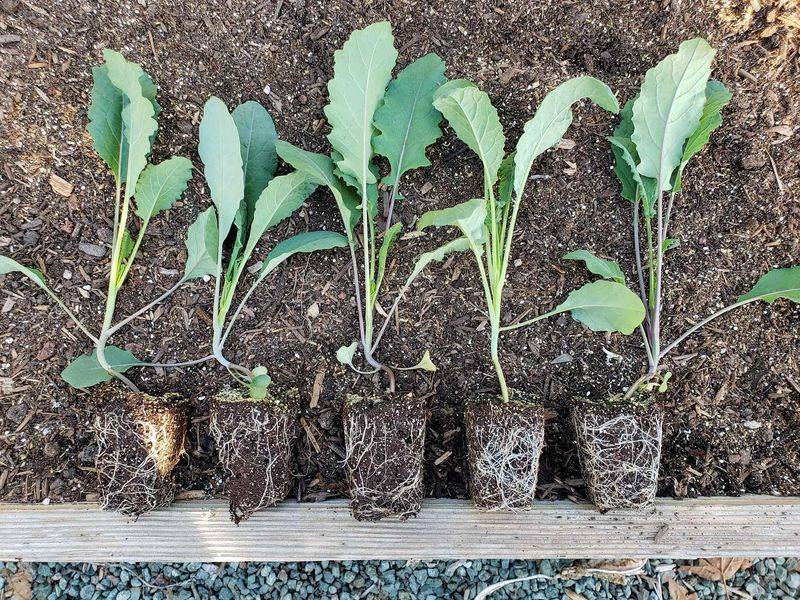
A fall-planted shrub that just sits there for weeks can worry new gardeners. No new leaves, no flowers, and nothing much to see, yet the real action happens out of sight.
Shorter days and cooler air send a signal to the top of the plant. Leaf and stem growth slows as the plant shifts into a calmer mode.
Meanwhile, warm soil below tells the roots to keep going. The plant spends its energy underground instead of pushing out fresh shoots.
That split schedule offers a sweet deal for a young plant. Leafy growth uses plenty of water, and tender new shoots wilt easily in heat.
With the top taking a break, the plant asks for less while its roots spread. The process resembles building a house’s foundation before adding the upper floors.
Spring planting often flips that order. Warm air pushes leaves out fast, while roots may lag behind in cooler ground.
Summer heat then arrives, and the plant struggles to drink enough to support all that greenery. Fall planting avoids that mismatch by letting roots lead.
Heavy fertilizer meant to force new leaves is best skipped. A quiet top is normal and healthy right now.
Time and patience bring their own reward. A burst of growth often appears once spring rolls around, backed by a root system that already knows its way through the soil.
Rain Arrives To Find Roots Ready
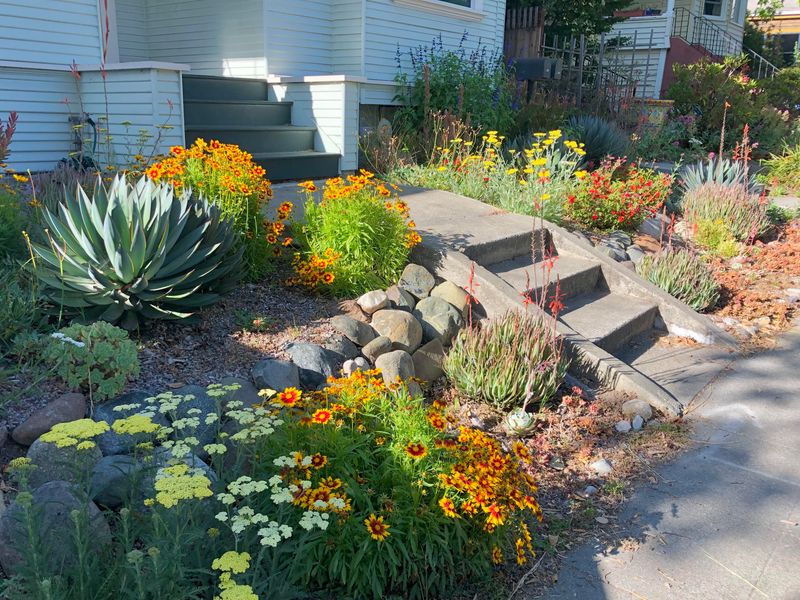
The first big storm of the season often rolls over the hills in November or December.
Water sheets off rooftops and soaks into the ground for hours, and a plant set out in October stands ready to drink it in.
Roots that spread during those warm weeks now reach a much wider patch of soil. More root area lets the plant capture more of the rainwater soaking in around it.
A plant still stuck in its original root ball can only use water right at its base. The rest seeps past, unused.
Winter serves as California’s main wet season. Most of the year’s rain usually falls between late fall and early spring, before summer turns dry again.
Plants established during the rainy months stand a better chance of handling that first dry summer. Their roots keep growing through the cool, damp season and push deeper as the soil stays moist.
Nature handles much of the watering once storms settle in. Hand watering can often ease off, saving time and lowering the water bill.
That perk matters in a state where every drop counts. Drainage still deserves attention, though.
Soggy soil that never drains can trouble many plants. Spots with good drainage work best, while low areas where puddles linger for days are best avoided.
Ready roots need air as well as water to stay healthy. Choosing the right spot from the start keeps them breathing through even the wettest winters.
Plant Natives Now To Use That Window
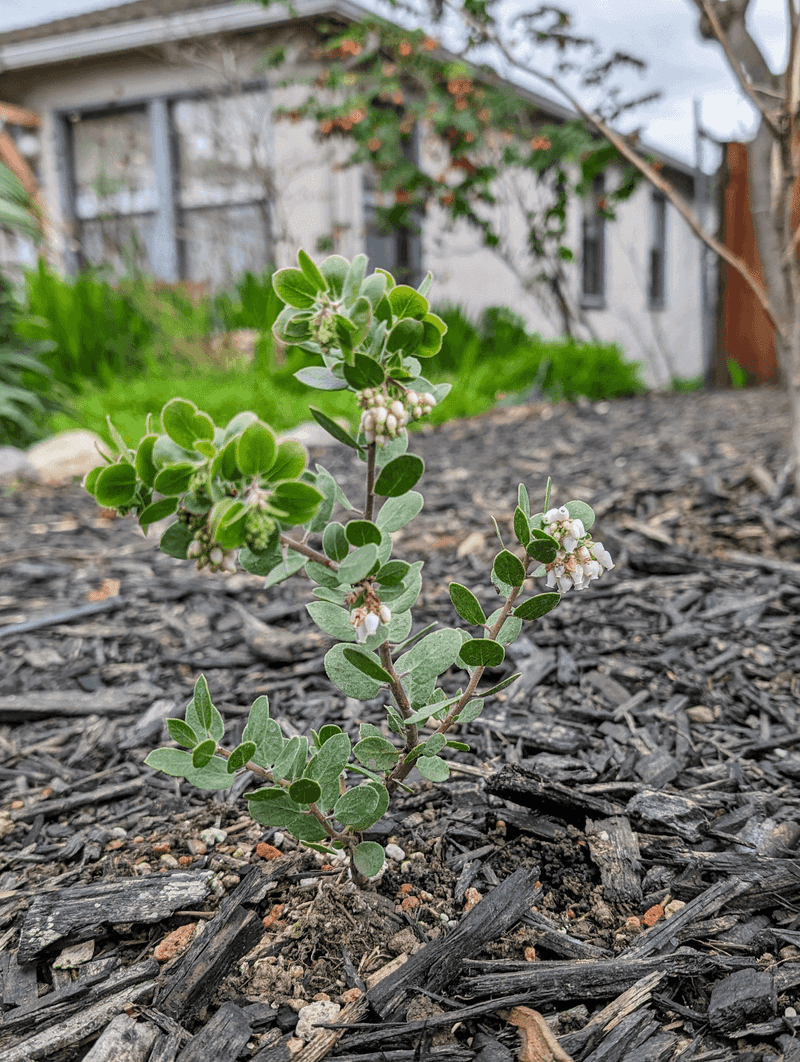
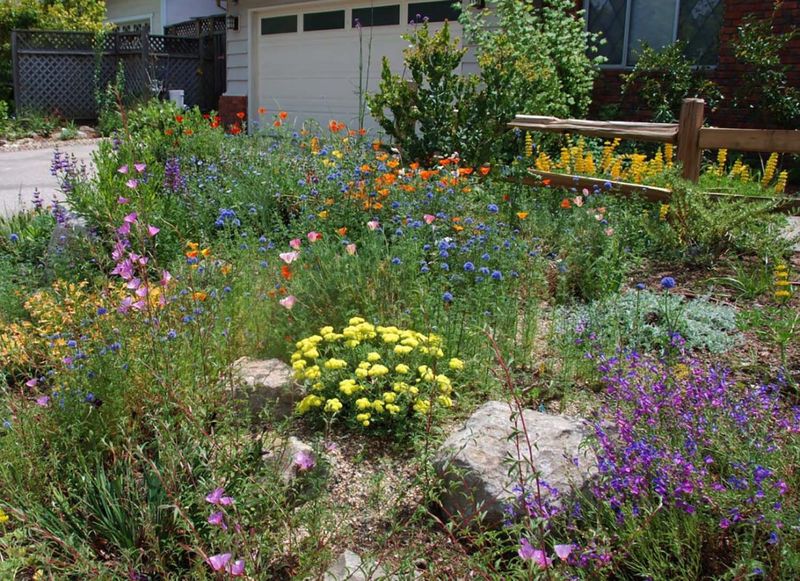
A native plant nursery in October hums with activity. Shelves fill with sages, buckwheats, ceanothus, and manzanitas, while native plant sales pop up all over the state.
That timing happens for good reason. California natives evolved with a pattern of dry summers and wet winters.
In the wild, many of them do most of their growing during the cool, rainy months. Fall planting lines them up with that natural rhythm.
The California Native Plant Society often calls fall the best time to plant natives for exactly this reason. Timing within the season matters, too.
Earlier fall planting gives roots more weeks of warm soil before winter cools things down. Many gardeners aim for October through early winter, adjusting for local weather.
In hotter inland areas, waiting until a heat wave passes helps young plants settle in without stress. A cooler week makes a gentler start.
Matching plants to the exact spot pays off. Coastal sage scrub plants may struggle in heavy, wet clay, while others handle it fine.
Sun, shade, drainage, and soil type all deserve a look before buying. Local native nursery staff can point toward good matches for each garden.
Smaller plants often catch up surprisingly fast. A one-gallon pot may root in more quickly than a big container plant and grow just as large over time.
That makes fall a smart, budget-friendly season to fill a yard with plants that truly belong here.
Water Until The Rains Truly Begin
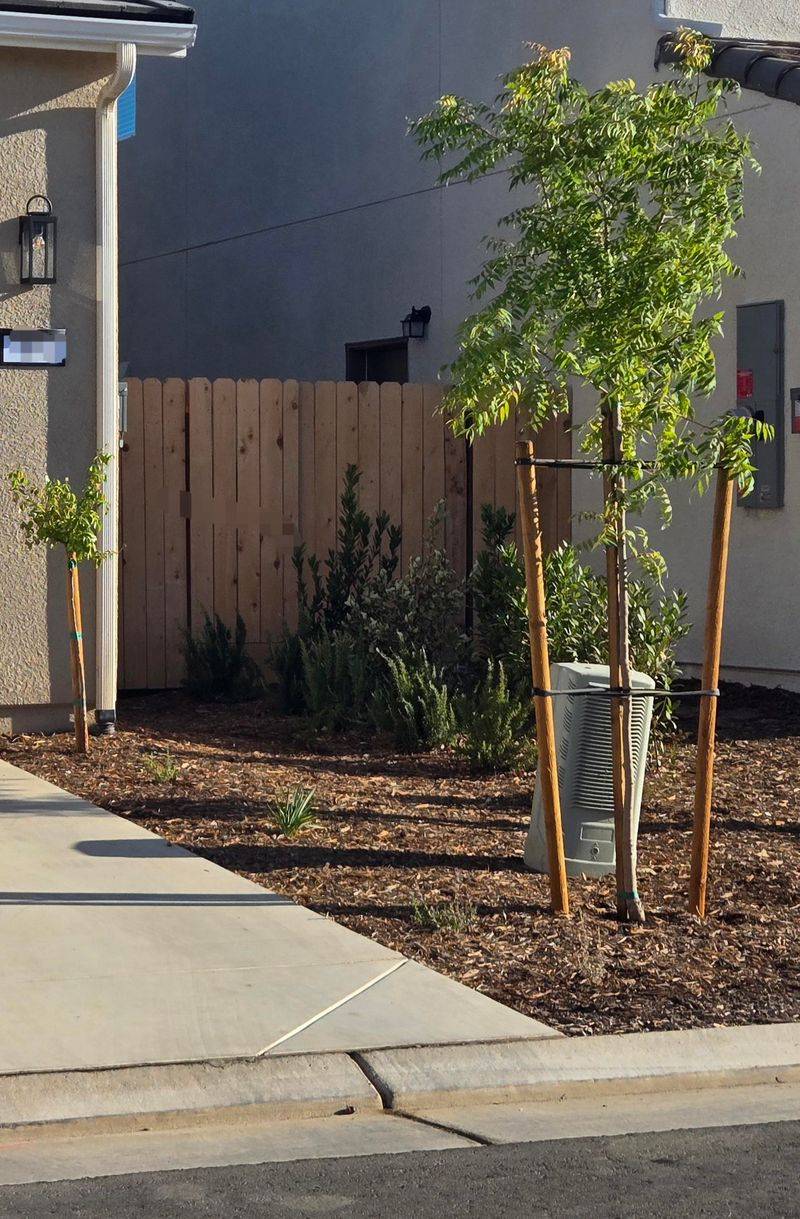
A light October sprinkle can fool anyone. The sidewalk gets damp, the air smells fresh, and the rainy season seems to have begun, until the sun returns and dries the soil by afternoon.
New plants can’t rely on that kind of drizzle. Their roots are still young and sit mostly close to the original root ball.
Even with warm soil helping them grow, they need steady moisture to stretch out. Regular watering until rains turn frequent and soaking keeps them on track.
A deep watering at planting time settles the soil around the roots. Many gardeners build a small basin around each plant to hold water in place.
After that, a finger pushed a couple of inches into the soil every few days gives a quick check. Dry soil at that depth calls for a slow, deep drink.
Natives add a twist here. Many dislike summer-style watering that keeps them wet all the time.
Constant moisture in warm soil can invite root rot in plants adapted to dry summers. Watering aims to establish them rather than keep them soaked, so letting the top layer dry a bit between sessions works best.
Once storms arrive often and soak the ground, watering can usually ease off. Dry spells in winter still deserve attention, though.
A few weeks without rain can leave young roots thirsty. A quick check now and then pays off, keeping new plants comfortable until steady rain takes over for good.