Why Garlic Planted Now Outperforms Everything In A Pennsylvania Garden
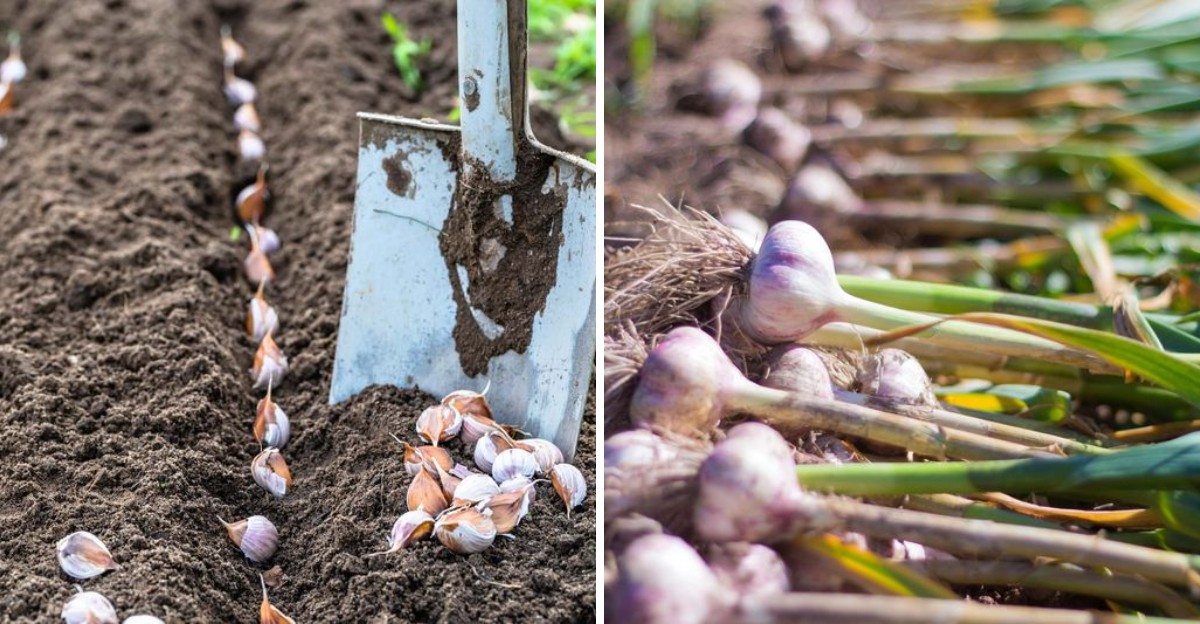
Plant a single clove, and next summer you’ll dig up a whole bulb. That’s eight, ten, sometimes a dozen cloves from one small piece tucked into the soil. Few crops give back that generously.
Garlic is one of the hardest-working plants a Pennsylvania gardener can grow. Deer and rabbits usually ignore it, and most garden pests want nothing to do with it.
In early summer, it hands you a bonus harvest of curly green scapes, perfect for pesto and stir-fries. Once the bulbs are pulled in July, that same bed is free for a second crop of beans or fall greens.
The rewards keep going, too. Properly cured garlic can last for months in the pantry, and you can save your biggest cloves to replant next fall. All of that starts with a little planting this month.
1. Fall Planting Produces Bigger Bulbs
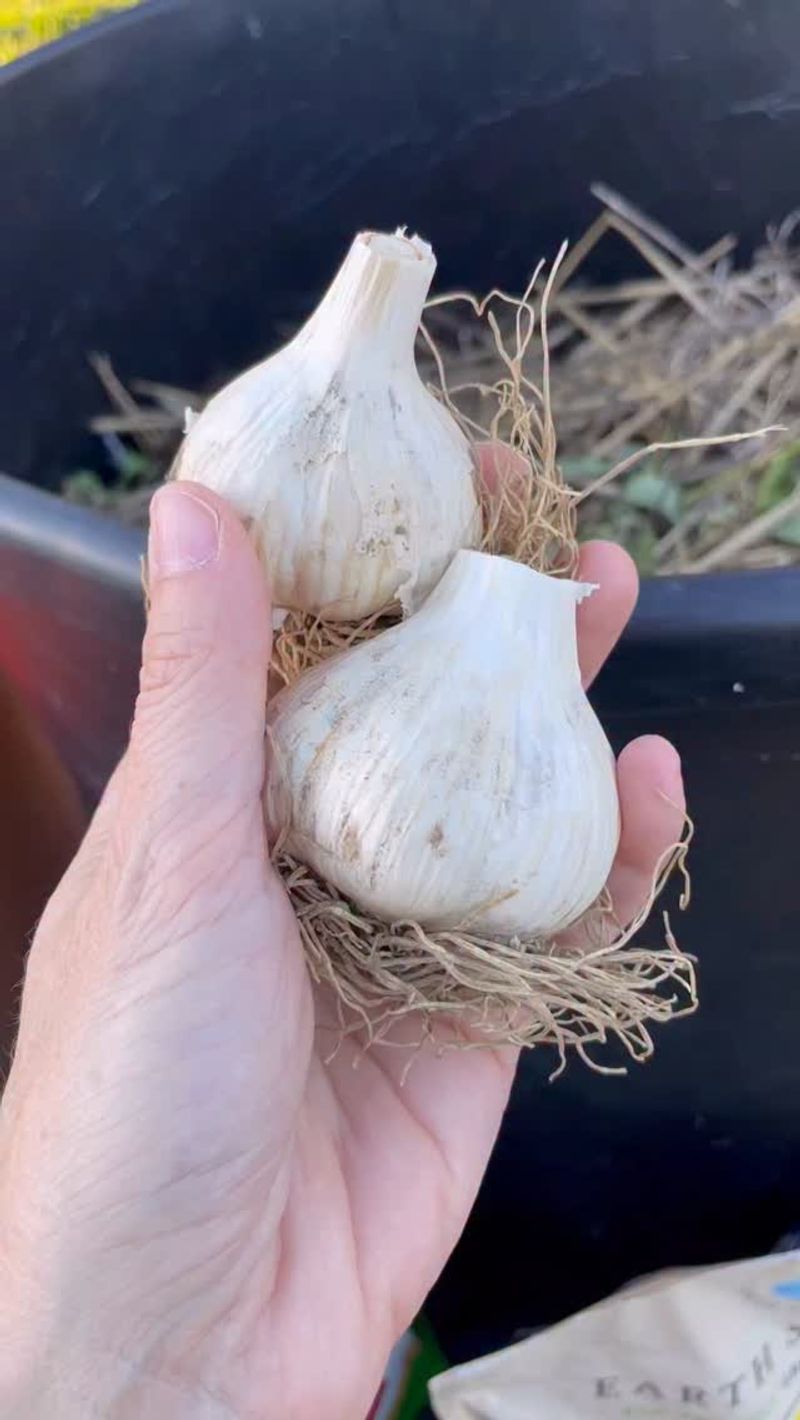
Size really does matter when it comes to garlic. Ask any Pennsylvania grower who has tried both spring and fall planting, and they will tell you the fall bulbs win by a mile. The difference often shows up the moment you pull them from the ground.
Timing is the secret. When you plant cloves in mid to late fall, usually from early October to early November in most of Pennsylvania, they have a few weeks to grow roots before the ground freezes.
Those roots anchor the clove and get it ready for a strong start. Then winter does something special. Garlic needs a long cold spell to trigger bulb formation.
Scientists call this vernalization, but you can think of it as a wake-up call from Mother Nature. Without enough cold, garlic often grows into a single round clove or a small, weak head.
Spring-planted garlic simply misses out on much of that chilly period. It has less time to grow leaves, and each leaf matters.
Every leaf on a garlic plant connects to a layer of wrapper around the bulb. More leaves usually mean a bigger, fuller head.
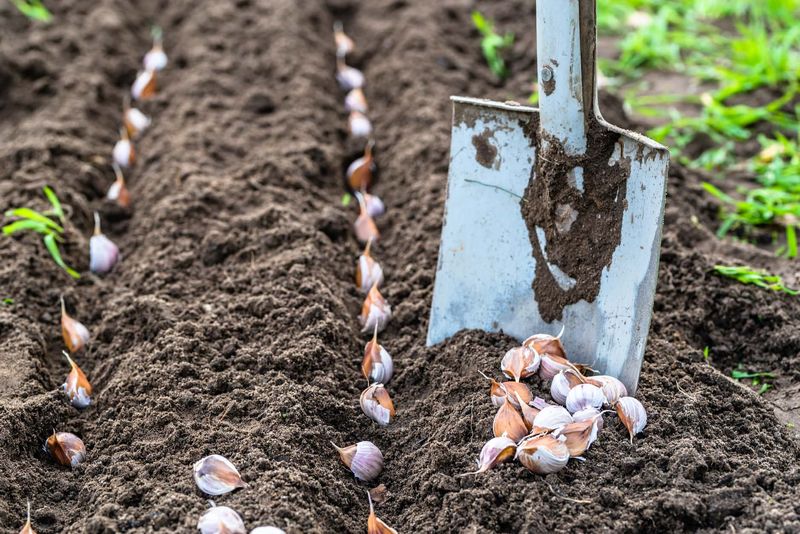
Want the best results? Pick the largest cloves from your seed garlic and plant them pointy side up, about two inches deep.
Space them six inches apart in rows that are about a foot apart. Loose, rich soil mixed with compost helps roots spread easily.
Skip garlic from the grocery store, since it may be treated to stop sprouting. Instead, buy seed garlic from a local farm or garden center. Plant it now, and next summer you could be holding heads as big as your fist.
2. It Gets A Jump On Spring Before Anything Else
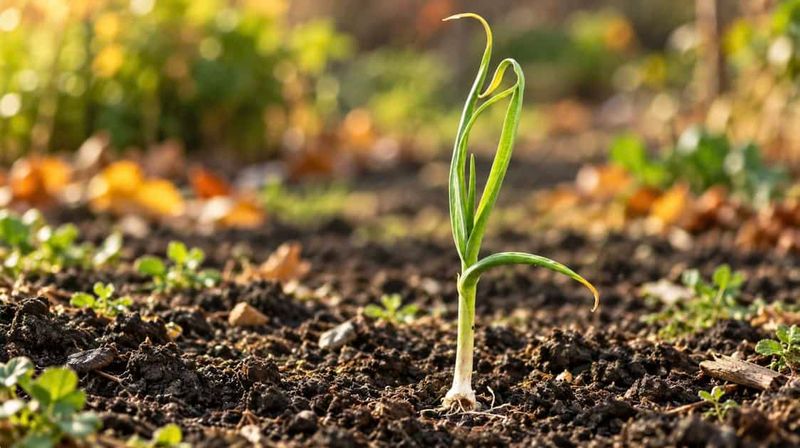
Snow is still melting in shady corners. The robins have barely returned. Yet there they are, neat rows of green spears poking up through the straw like tiny soldiers reporting for duty.
Fall-planted garlic is often the very first crop to show life in a Pennsylvania garden. As soon as the soil starts to thaw in March, the shoots begin to rise.
Many gardeners say seeing those green tips is the moment they know winter is finally losing its grip.
Your Pennsylvania Garden Changes Every Week. Your Plan Should Too.
Gardening in Pennsylvania changes quickly throughout the season. Every Friday you’ll receive a simple weekly plan showing exactly what to plant, prune, fertilize, harvest, and protect so you never miss the right timing.
Why so early? The answer sits underground. Those cloves spent the fall building a strong root system before the freeze.
When the soil warms even a little, the roots are ready to pull up water and food right away. There is no waiting around.
Compare that to a spring crop. Seeds have to sprout, grow roots, and then push leaves up. Even transplants need time to settle in. Garlic skips all of that because the hard work is already done.
As days get longer in April and May, garlic grows fast. By the time you plant tomatoes after the last frost, usually around mid-May in much of the state, your garlic may already be knee high. That puts it weeks ahead of nearly everything else.
Here is a helpful tip. Once shoots are a few inches tall, give the plants a light feeding of nitrogen, such as blood meal or fish fertilizer. Do it again a few weeks later. Garlic loves a snack in spring while it builds leaves.
Stop feeding by late May, though. At that point, the plant should switch its focus to growing bulbs.
3. It Needs Almost No Care Over Winter
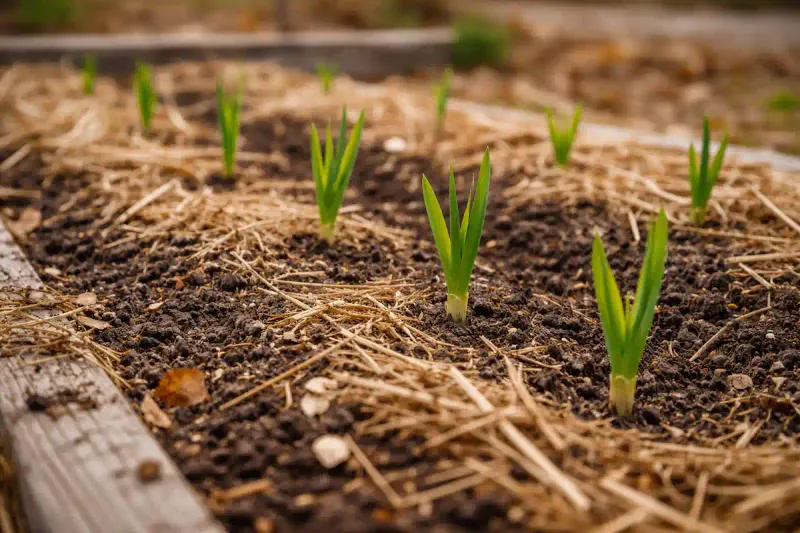
Lazy gardeners, rejoice. Garlic might be the most low-maintenance crop you will ever grow, especially during the cold months when you would rather be inside with hot cocoa.
After planting, your main job is simple. Spread three to four inches of straw mulch over the bed. Shredded leaves work well too, and they are free if you have trees in your yard. The mulch acts like a cozy blanket for the cloves.
What does that blanket do? It keeps the soil temperature steady. In Pennsylvania, winters can swing from freezing to mild and back again in a single week.
Those swings can push cloves up out of the ground, a problem called frost heaving. Mulch helps stop that from happening.
It also blocks weeds. Garlic does not like competing with weeds, so a thick mulch layer saves you from lots of pulling come spring. Plus, it holds in moisture so you rarely need to water.
Then there is the smell. That strong garlic scent is great in pasta sauce, but deer and rabbits find it pretty unpleasant. Many hungry critters will walk right past your garlic bed to munch on something else. Lots of insects stay away too.
Fun fact: some gardeners plant garlic around roses and other flowers to help keep pests at bay. It is an old trick that many people still swear by today.
So once the mulch is down, you can mostly forget about your garlic until spring. Just check now and then after big storms to make sure the mulch has not blown away. That is about it. Truly, it is gardening on easy mode.
4. You Get Two Harvests From One Crop
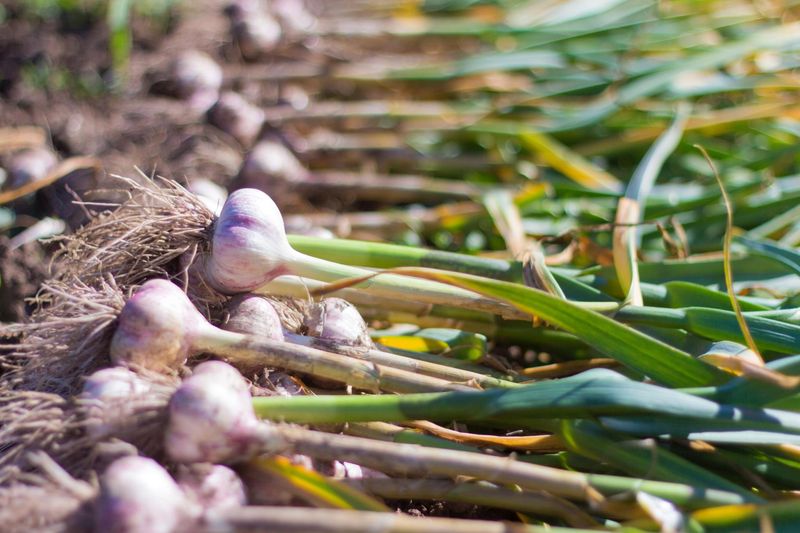
Curly, twisty, and a little bit silly looking, garlic scapes are one of the best surprises in the garden. If you have never seen them, think of a green stem that loops around like a pig’s tail.
Scapes come from hardneck garlic, the type that grows especially well in Pennsylvania’s cold climate.
Hardneck varieties like Music, German Extra Hardy, and Chesnok Red handle tough winters better than softneck types. In early to mid-June, each plant sends up a flower stalk. That stalk is the scape.
Here is the clever part. If you leave the scape alone, the plant spends energy trying to make flowers and tiny bulbils at the top.
If you cut it off, the plant sends that energy down into the bulb instead. Many growers say snipping scapes can make bulbs noticeably bigger.
The best time to cut is when the scape has made one full curl. Use clean scissors or just snap it off with your fingers near the top leaves. It is quick and kind of fun.
Now you have a bonus harvest, and it tastes amazing. Scapes have a mild, fresh garlic flavor that is a little sweeter than the bulbs. You can chop them into stir-fries, toss them on the grill, or add them to scrambled eggs.
One favorite way to use them is scape pesto. Blend scapes with olive oil, Parmesan cheese, nuts, and a pinch of salt. It freezes well too, so you can enjoy it for months.
Farmers markets often sell scapes for a few dollars a bunch. Growing your own means you get them for free.
5. It Frees Up Garden Space By Midsummer
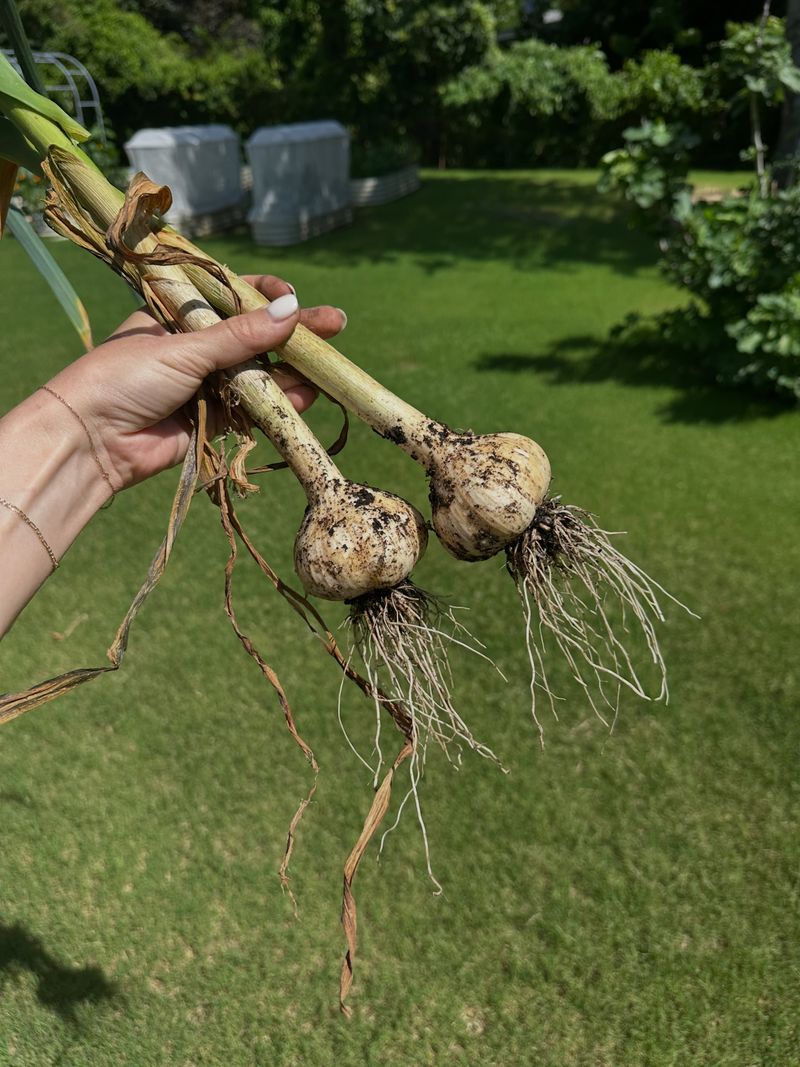
Garden space is precious, especially in small backyards. That is why garlic’s schedule is such a gift. It grows while most beds sit empty, and then it gets out of the way just when you need room.
Most fall-planted garlic in Pennsylvania is ready to dig in early to mid-July. Watch the leaves for your signal.
When the bottom three or four leaves turn brown but five or six green ones remain at the top, it is harvest time.
Do not wait too long. If all the leaves brown, the bulb wrappers break down and the cloves can split apart.
Those bulbs will not store as well. Use a garden fork to gently loosen the soil, then lift the plants out instead of yanking them.
Once the bed is empty, you still have plenty of growing season left. Pennsylvania usually stays frost free until October, which gives you a good two to three months. That is enough time for a whole second crop.
So what should you plant? Bush beans are a great choice since many varieties are ready in about 55 days.
Lettuce, spinach, kale, and other fall greens love the cooler weather that comes in September. Radishes and carrots work well too.
Before planting your next crop, mix in an inch or two of compost. Garlic takes nutrients from the soil, so a refresh helps the next plants thrive.
Think about it. One bed, two harvests of vegetables, plus a batch of scapes. Few crops let you squeeze that much food out of the same patch of dirt. Your garden works double time, and you barely have to lift a finger.
6. It Keeps Paying Off For Months And Years
Grandparents across Pennsylvania have done it for generations. They hang their garlic in a barn or shed, save the best heads, and plant them again each fall. That simple habit has kept some family garlic lines going for decades.
The first step is curing. After harvest, do not wash the bulbs. Just brush off loose dirt and hang them in bunches or lay them on screens in a shady, dry spot with good airflow. A garage, porch, or barn works well.
Leave them there for two to three weeks. The outer skins will dry and turn papery, and the necks will tighten. Once cured, trim the roots and cut the stems about an inch above the bulb.
Store your garlic somewhere cool, dark, and dry. A basement shelf or a mesh bag in the pantry is perfect.
Hardneck garlic usually lasts four to six months, so your summer harvest can flavor meals well into winter. Softneck types often last even longer.
Now for the best part. Before you start cooking, set aside your biggest, healthiest bulbs. Those become next year’s seed garlic. Plant their cloves in the fall, and the cycle starts again.
Did you know that garlic slowly adapts to the place it grows? Each year you replant, it gets a little more used to your soil, weather, and winters. After a few seasons, many gardeners find their garlic performs better than any they could buy.
Seed garlic can cost twenty dollars a pound or more. Saving your own means you only buy it once, and you get a homegrown crop that truly belongs to your garden.