Spiky Gumballs Are Covering New Jersey Lawns Again And Smart Cleanup Starts Now
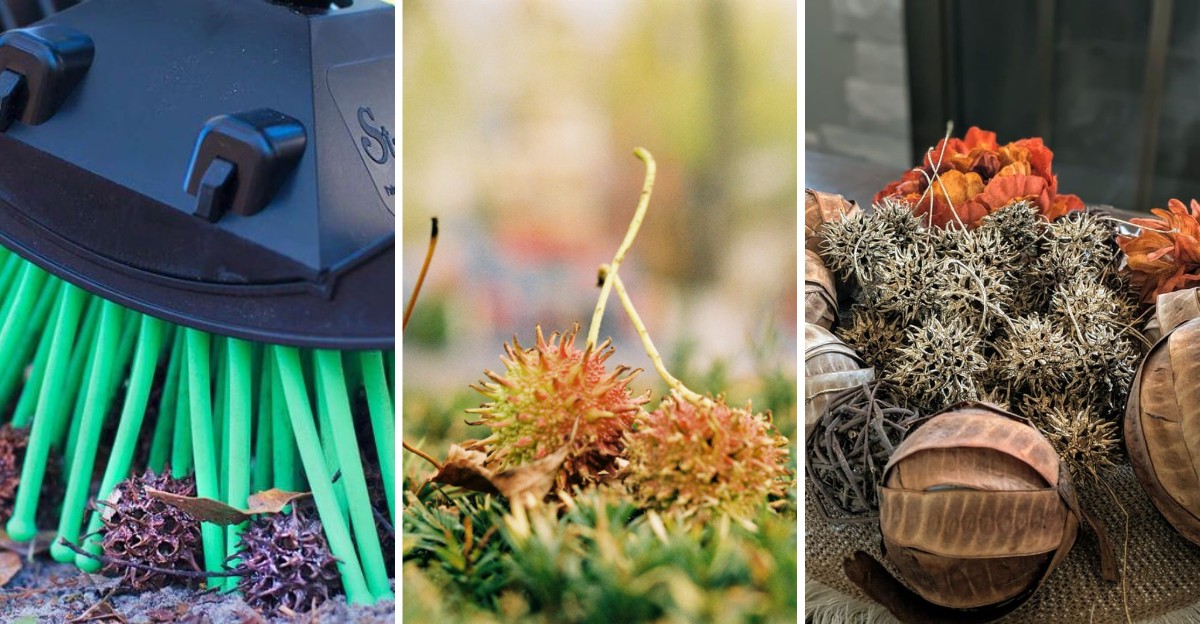
A loud crunch greets you before you spot the source. You just stepped on a sweetgum seed pod.
Spiked spheres coat your driveway across New Jersey this October. Walk across them in thin socks and you will notice each ridge.
Inspect one ball and you will find tiny seed holes. Bushels drop from a mature sweetgum onto your lawn each autumn.
Mowers spit them out, so you should sweep the lawn first. Dogs tiptoe past while you step around the patches.
Rakes fill fast, and wheelbarrows overflow before you finish the walkway. Some neighbors across New Jersey shrug, but you deserve a smarter plan.
Smart cleanup protects your knees, your mower, and your feet. Grab a rolling nut gatherer and you clear sections quickly.
Then you step outside again with confidence. Your favorite sneakers deserve a comfortable stroll across grass.
1. Learn Why The Spiky Balls Keep Falling
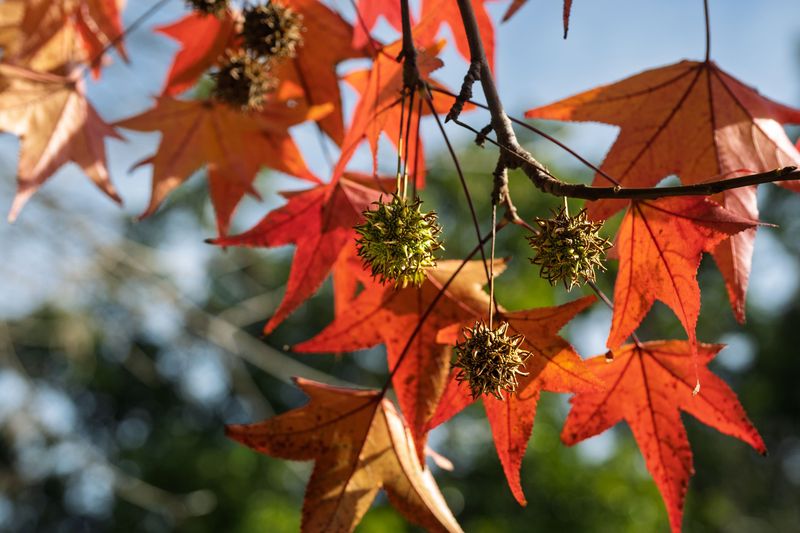
Picture a tree that drops spiky seed pods for months, not just one tidy week. American sweetgum trees do exactly that, and many New Jersey neighborhoods have them.
Each ball is really a cluster of tiny capsules that once held winged seeds. By October, the pods turn brown, dry out, and start letting go of their branches.
A single mature tree can produce thousands of these pods in one season. Some keep falling well into February, so one cleanup will not finish the job.
Builders and towns planted sweetgums widely decades ago because they grow fast and adapt to many urban conditions. Their star-shaped leaves also turn red, orange, and purple each autumn.
Squirrels, chickadees, and goldfinches pick at the pods to snack on leftover seeds. So the mess you find frustrating is a winter buffet for local birds.
Knowing the timeline helps you plan smarter instead of raking in a rush every weekend. Expect heavy drops from now through December, then a slower trickle afterward.
Once you accept that the pods are part of the tree’s yearly rhythm, the work feels less personal. You can then pick the cleanup method that suits your yard and energy.
Sweetgum wood was once prized for furniture and even sold as satin walnut. Your front-yard tree has a more refined history than its pods suggest.
2. Rake Them Up With The Right Tools
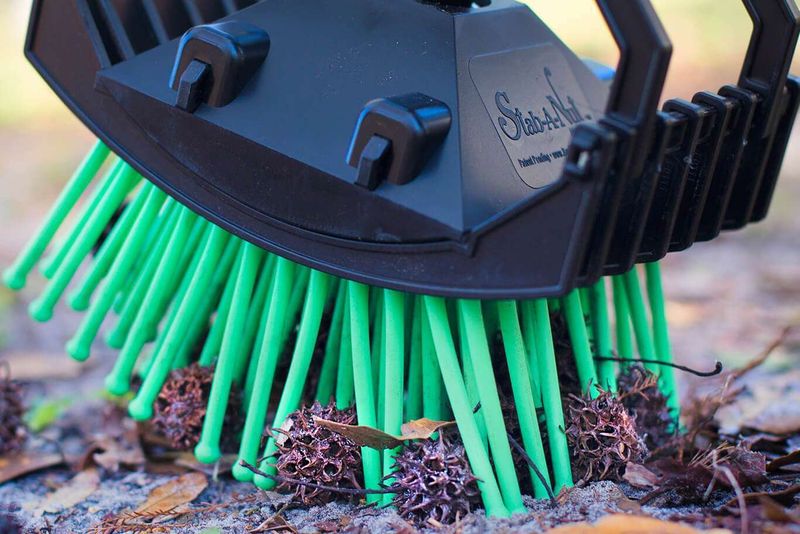
Anyone who has dragged a flimsy plastic rake through sweetgum balls knows the frustration well. The pods roll, bounce, and slip right between the wide tines.
A shrub rake with tight tines works far better. Narrow gaps trap the round pods instead of letting them roll away.
Rake in short strokes toward a tarp spread flat on the lawn. When the pile grows, fold the corners together and haul everything away in one trip.
Wear thick gloves, because the spikes can poke through cotton work gloves surprisingly fast. Leather or rubber-coated gloves will protect your fingers.
Timing matters more than most people think. Rake on a dry afternoon, since wet grass makes raking heavier and slower.
A strong leaf blower can help move pods off driveways and patios into one corner. Skip blowing them into the street, where they can clog storm drains, and check your town’s rules on blowing debris.
Your New Jersey Garden Changes Every Week. Your Plan Should Too.
Gardening in New Jersey changes quickly throughout the season. Every Friday you’ll receive a simple weekly plan showing exactly what to plant, prune, fertilize, harvest, and protect so you never miss the right timing.
Many New Jersey towns collect yard waste during fall, but rules on bags, piles, and pods vary. Check your municipal calendar so your hard work does not sit on the curb for weeks.
Set a timer for twenty minutes and tackle one section at a time. Short sessions feel much easier than one long Saturday session. Put on some music to keep the rhythm going. The yard will look tidy before you know it.
3. Try A Rolling Nut Gatherer For Big Jobs
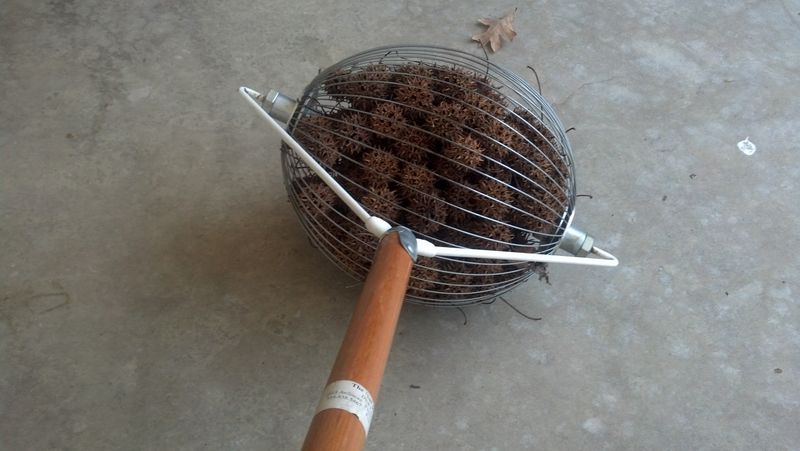
Imagine scooping up hundreds of spiky pods without bending over even once. A rolling nut gatherer makes that possible and saves your back.
The tool looks like a wire cage attached to a long handle. As you roll it across the grass, the flexible wires spread apart and snap shut around each pod.
Brands like Garden Weasel and Bag-A-Nut sell models in different sizes. Check the manufacturer’s size chart, since sweetgum balls are roughly pecan-sized.
Emptying the basket is simple. Many models include a bucket or release slot that pulls the wires apart and drops the pods out.
A rolling gatherer works best on short, dry grass. If your lawn has grown shaggy, clear the heaviest patches and mow first, so the cage can reach pods hiding near the soil.
Anyone with knee or back trouble may find this tool a big help. Kids also enjoy pushing it around, which turns a chore into a quick game.
Prices vary by size and brand, so compare options at hardware stores or online. That cost can pay off quickly if you have one or more sweetgums nearby.
Keep the tool in a dry shed so the wires do not rust over winter. With basic care, a good gatherer can last for many autumns. Store a spare bucket next to it for quick dumps.
4. Protect Your Mower Before You Cut The Grass
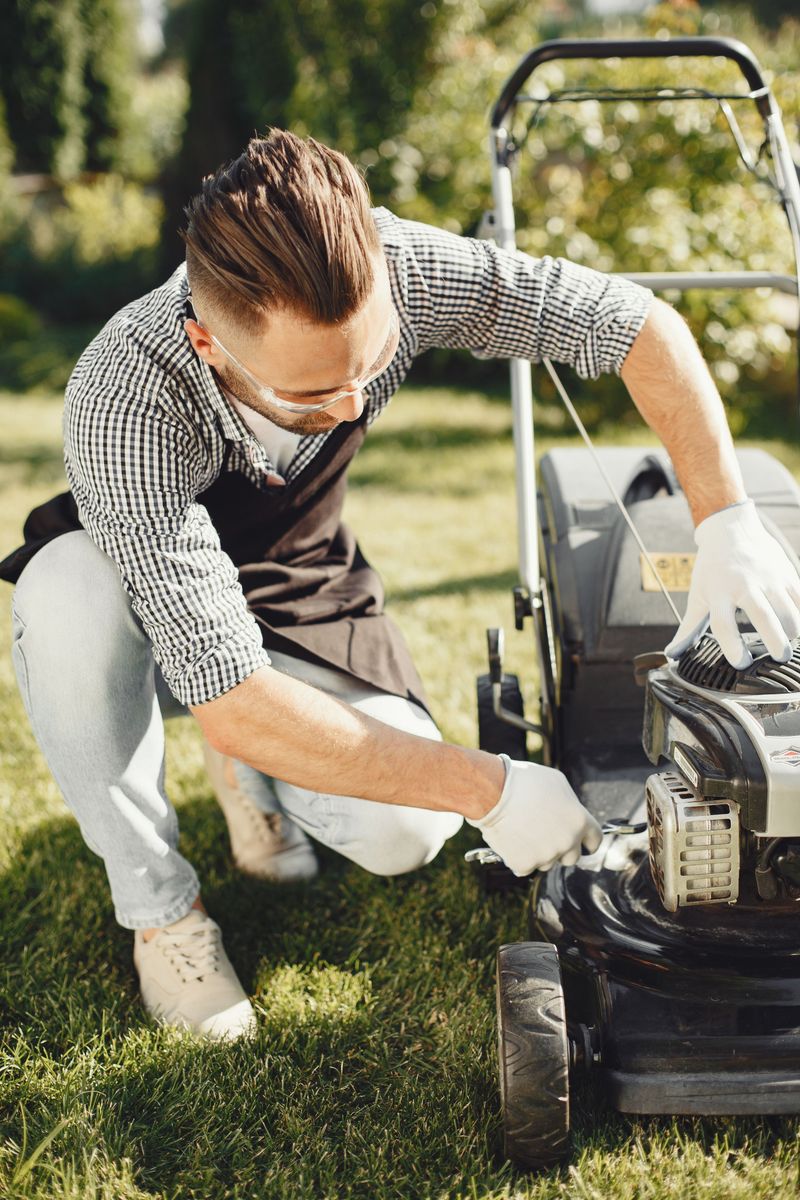
Ever heard a lawn mower throw something hard? Sweetgum pods can fly out of the discharge chute at high speed.
Flying pods can damage windows or car paint and hit legs hard. Before mowing, clear the heaviest patches so the blade is not cutting through piles.
Hard pods can also dull mower blades faster than regular grass clippings. A dull blade tears grass tips, leaving brown, ragged edges across your lawn.
Check the blade every few weeks during fall and sharpen it when the edge looks rounded. Many local hardware shops sharpen blades for a modest fee.
A mulching mower may break a light scattering of pods into smaller bits. That works fine for a thin layer, but thick piles may clog the deck.
Follow your local extension office’s guidance on final cutting heights before winter. Mowing leaves small pod pieces in the grass, so plan to rake or gather again afterward.
Point the discharge chute away from your house, cars, and people. Ask kids and pets to stay inside or well back while the engine runs.
After mowing, scrape packed pods and grass from under the deck once the engine cools. Disconnect the spark plug wire on gas mowers, or remove the battery on electric models, first.
A bagging attachment also helps by catching pods as you cut. Empty the bag often, since spiky pods fill it quickly.
5. Keep Paws And Bare Feet Safe
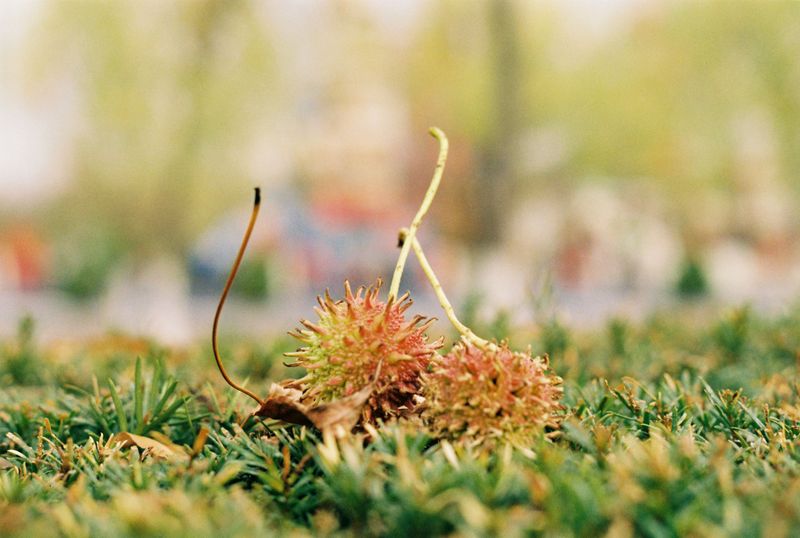
Stepping on a sweetgum ball barefoot is a mistake many people make once. The spikes are not venomous, but they feel sharp underfoot.
Dogs feel that sting too, and some start limping or licking their paws after a walk. Check between their toes, where broken spikes can get stuck.
Some curious pups chew or swallow the pods, which can upset their stomachs. Large amounts might even cause a blockage, so call your vet if vomiting starts.
Watch for drooling, repeated gagging, or a sudden loss of appetite, and contact your vet if symptoms last.
Clear a pod-free path from your back door to the dog’s favorite potty spot. Even a small cleared zone makes daily trips much more comfortable.
Kids playing tag or football in the yard can twist ankles when pods roll underfoot. Sweep play areas before games, and keep sneakers on until the season ends.
A stiff push broom works great for walkways and porches. Keep one by the front door so quick morning sweeps become part of your daily routine.
Indoor mats help catch pods that hitch rides on shoe treads. Shake the mats outside every few days to keep floors spike-free. Check your own soles too before you head indoors.
Long-haired pets can pick up broken pod bits in their fur too. A quick brush after outdoor time catches stray bits before they reach the couch.
6. Turn The Pods Into Mulch Or Compost
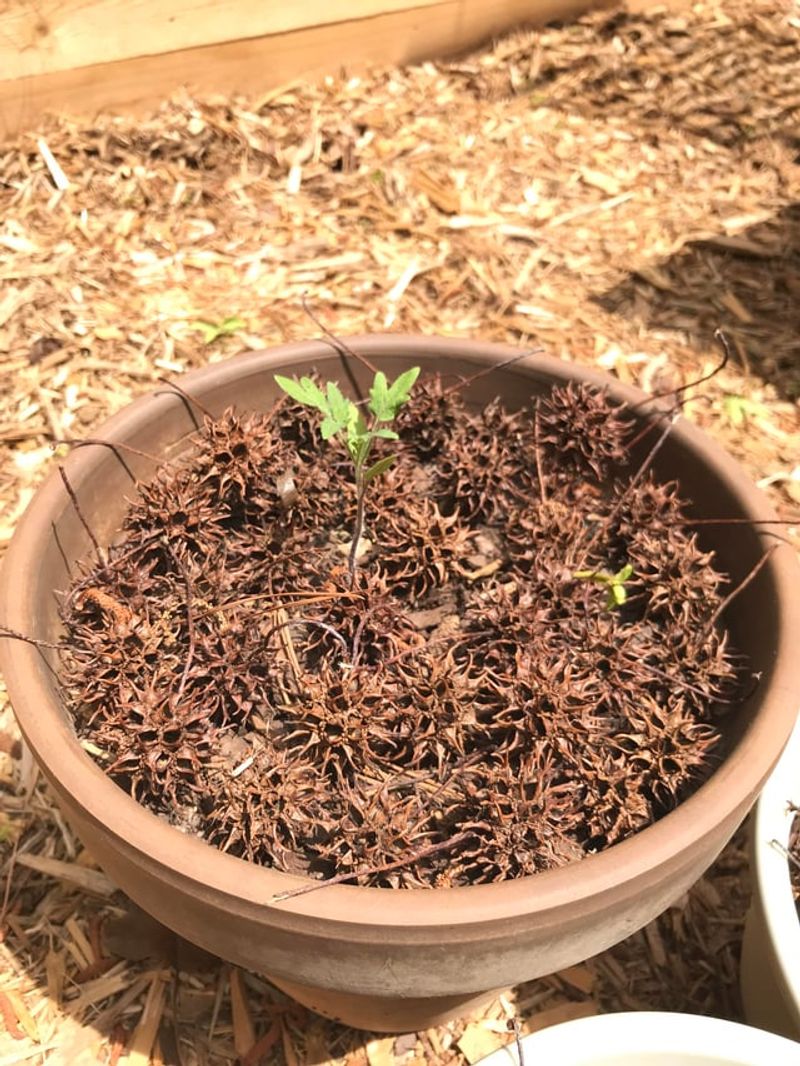
Throwing every pod in the trash feels wasteful once you learn what they can do. Those prickly balls are plant material, so they can return to the soil.
Whole pods break down slowly, often taking a year or more in a compost pile. Crushing them first speeds things up a lot.
If your driveway allows, spread pods on it and roll over them with a car a few times. You can also run them through a mulching mower or a sturdy leaf shredder, but check your manual first, since hard pods can damage some models.
Mix the crushed bits with green materials like kitchen scraps and grass clippings. Turn the pile every couple of weeks to keep air moving inside.
Some gardeners use whole pods as a spiky barrier around tender plants and report that slugs, rabbits, and digging squirrels avoid the sharp points.
Pods can serve as lightweight space filler at the bottom of large outdoor planters, though they will not improve drainage. Fill the lower third with pods, then add potting soil on top.
Avoid using fresh pods on paths where people walk barefoot or pets play. Shredded pods are safer there, since the spikes soften as they break down. Ask your town about leaf composting programs if your pile gets too big.
Some New Jersey municipalities turn collected yard waste into free mulch for residents, so ask whether your town accepts pods. Crushed and composted, last fall’s pods can return to your garden as rich mulch.
7. Reuse Them In Crafts And Holiday Decor

Grandma might have called them gumballs and painted them gold for the holiday table. Crafters still love sweetgum pods for their star-like texture and sturdy shape.
Start by collecting dry, unbroken pods and rinsing off dirt. Bake them on a sheet at 200 degrees Fahrenheit for about thirty minutes to dry them and remove insects.
Spray paint turns them into shiny ornaments in silver, copper, or bright red. Hot glue a ribbon loop on top, and they hang easily on a tree.
Glue dozens of pods onto a foam ring to create a rustic fall wreath. Tuck in a few pinecones and dried leaves for extra autumn color.
Kids can turn pods into tiny hedgehogs, spiders, or snowmen with googly eyes and pipe cleaners. That keeps little hands busy on rainy October afternoons.
Fill a clear glass vase or bowl with painted pods for a simple centerpiece. Add a battery string light inside for a cozy glow at dinner.
Some people even drop a few drops of essential oil on pods to make natural air fresheners. Cinnamon or clove scents pair nicely with the woodsy look, but keep them away from pets, since these oils can harm cats and dogs.
Local craft fairs sometimes sell gilded pod ornaments for a few dollars each. Your lawn may supply craft material for the holidays. Store finished crafts in a dry box with tissue paper. They can last for many years.
8. Consider Fruitless Varieties Or Tree Removal
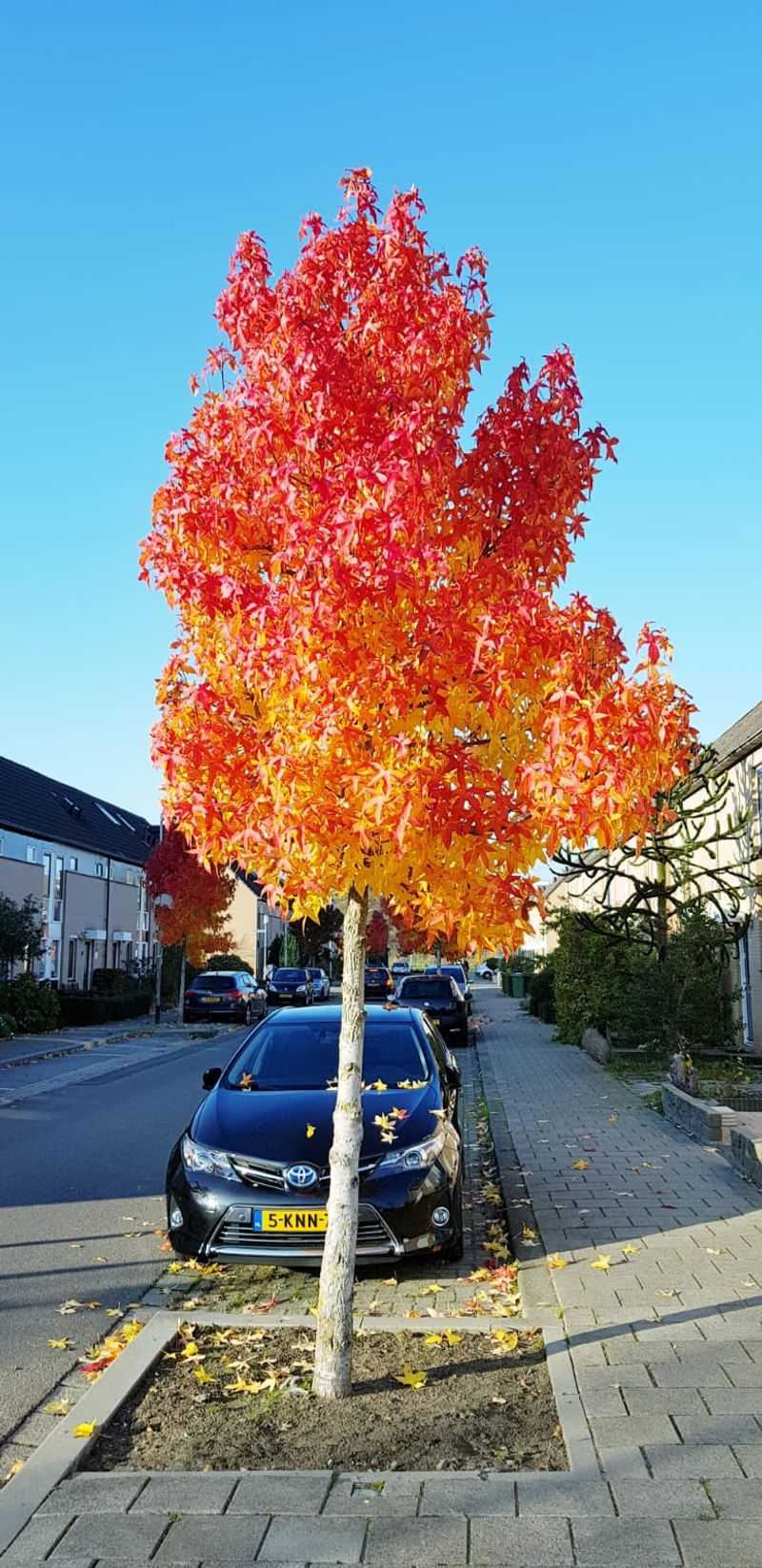
Some homeowners reach their limit after years of sweeping up spiky pods. Before calling a tree crew, though, weigh the benefits that big sweetgum provides.
Mature trees shade homes in summer, lowering cooling bills and cooling hot sidewalks. They also soak up stormwater and give birds safe places to nest.
If you are planting new trees, look for fruitless types like Rotundiloba. This variety has rounded leaves and produces few or no seed balls.
Happidaze is another low-fruit sweetgum cultivar marketed for fall color, so confirm details with the nursery. Local nurseries in New Jersey can order these if they are not in stock.
Some arborists offer growth regulator sprays that reduce pod production when applied in spring. Results vary, and treatments often need repeating every year.
Removal costs vary widely with tree size and location, so get several written quotes. Many towns also require permits before cutting trees on private property.
Check with your municipality and hire a licensed, insured tree expert. New Jersey licenses tree experts and tree care operators, so ask to see a state license.
Talk with neighbors too, since a shared tree near property lines can spark disputes. A friendly chat over the fence beats a disagreement later.
Whatever you decide, plan for long-term shade and beauty, not just a quick fix. Your future self will appreciate a thoughtful choice made this October.