When To Overseed Your Alabama Lawn This Fall Depending On Where You Live And What Grass You Have
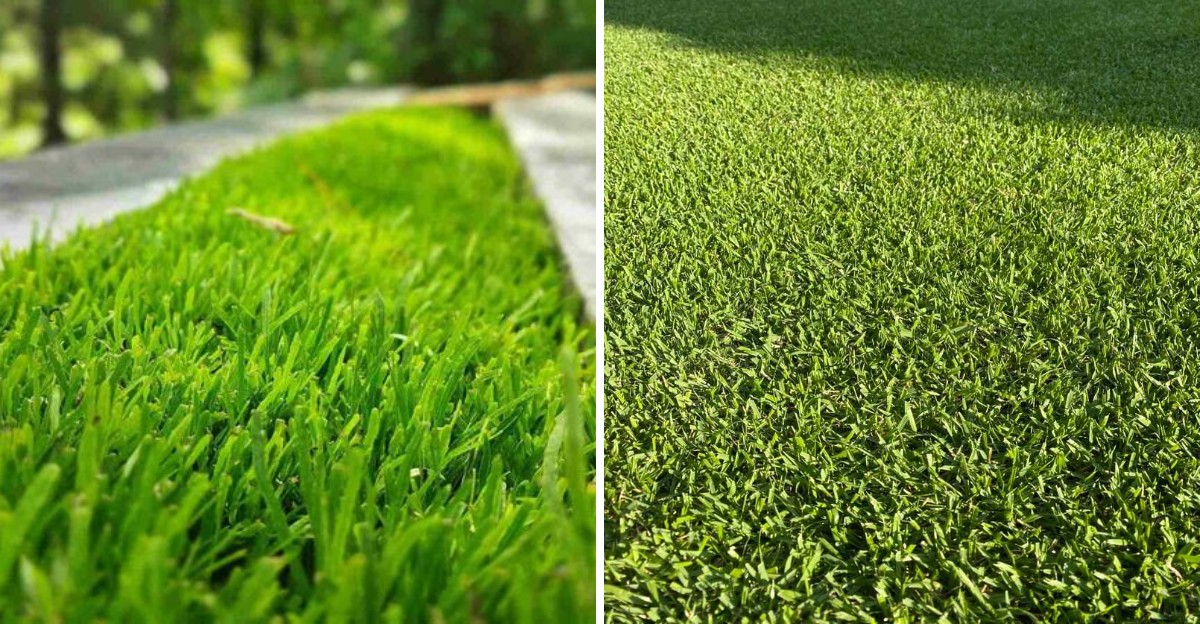
Why does that lawn across the street glow green in January while yours dims? Timing, more than luck, explains it.
Those owners picked the right week, and you can too. Alabama reaches from Tennessee to the Gulf, so your soil feels that gap.
Huntsville cools down weeks before Mobile does. Rainfall, soil temperature, and your current turf variety then move your target date.
Bermuda goes dormant and turns tan, while ryegrass seed needs mild soil to sprout. Sow too early and you lose seed on sweltering ground.
Wait too long and frost slows germination. Fertilizer applied in the mistimed window feeds weeds, and you pay for their banquet.
Pre-emergent herbicide requires the same precision. Smart timing helps your spending produce thicker, winter-ready turf.
Winning in Alabama starts with your calendar. Budget bows to timing, so choose your week, move fast.
1. Seed Tall Fescue In North Alabama By Mid October
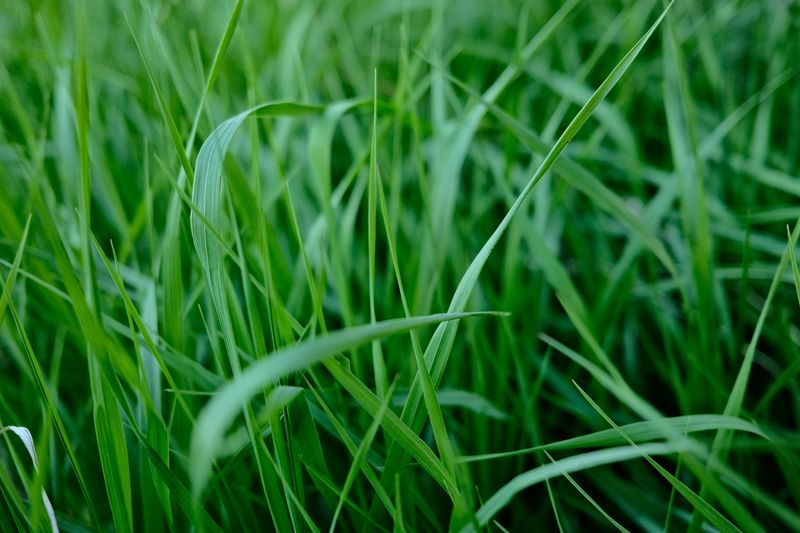
Huntsville folks get a cool-season advantage that other parts of the state do not share. Tall fescue grows happily up north, and fall is its favorite time to sprout.
The sweet spot runs from mid-September through mid-October across the Tennessee Valley. Soil temperatures between 50 and 65 degrees help fescue seed wake up fast.
As October moves along, the window is narrowing. Seed soon if your lawn looks thin.
Start by mowing your fescue down to about two and a half inches. Rake out old clippings and loose thatch so seed can touch bare soil.
Core aeration helps too, since it opens little pockets for seed to settle into. Many garden centers rent aerators by the day for a fair price.
Spread about three to five pounds of seed per thousand square feet on existing turf, or six to eight pounds on bare soil. A starter fertilizer gives the young roots an early boost.
Keep the top inch of soil moist with light watering once or twice a day. Fescue typically sprouts within seven to fourteen days.
Wait until the new blades reach about four inches before the first mow. Your lawn will reward you with green color through much of the winter.
Many weed preventers also block fescue seed from sprouting, so check the label before applying any at seeding. Save those products for spring, after your new grass is established.
Mountain areas like Fort Payne can lean toward the earlier end of the window. Frost arrives sooner up there, so give seedlings extra growing time.
2. Early October Suits North Alabama Bermuda
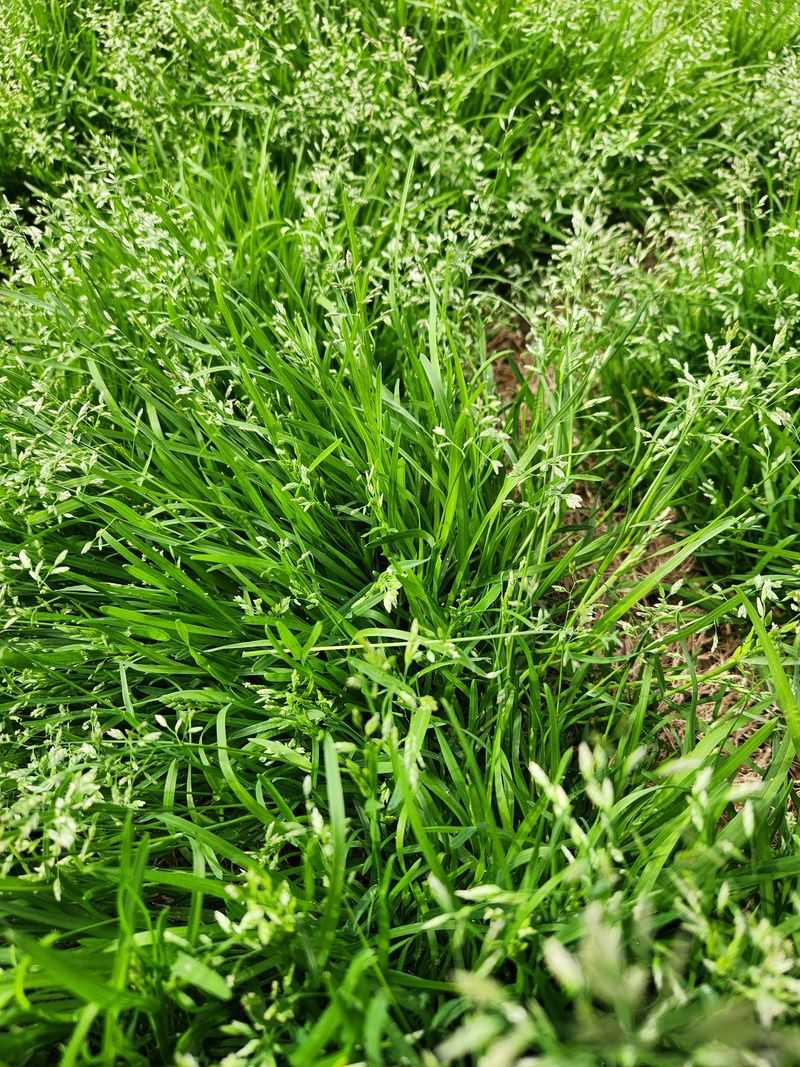
Picture a Decatur yard turning tan as nights grow chilly in October. Bermuda goes dormant once cold weather settles in, and that brown look lasts months.
Plenty of homeowners fix that by overseeding with perennial ryegrass for winter color. Ryegrass is temporary here and fades away when summer heat returns.
For north Alabama, early to mid-October is the best window for this job. Wait until nights settle into the 50s and soil temperature drops to about 70 degrees.
Seeding too early lets your bermuda compete with the ryegrass for sunlight and water. Seeding too late means cold soil and slow, patchy sprouting.
Your Alabama Garden Changes Every Week. Your Plan Should Too.
Gardening in Alabama changes quickly throughout the season. Every Friday you’ll receive a simple weekly plan showing exactly what to plant, prune, fertilize, harvest, and protect so you never miss the right timing.
Before you spread anything, scalp the bermuda lower than usual, around one inch. Bag the clippings so the seed lands on soil instead of debris.
Perennial ryegrass is usually seeded at roughly five to ten pounds per thousand square feet, so follow the seed bag. Use a broadcast spreader and walk in two crossing directions.
Water lightly every day until seedlings appear, usually within a week. After that, cut back to deeper watering two or three times weekly.
Ryegrass loves nitrogen, so feed it lightly about a month after it sprouts. Mow it at around two inches through the winter months.
One trade-off deserves a mention before you buy seed. Ryegrass can slow your bermuda’s spring green-up a bit, so plan to mow it short in April.
That lower cut lets sunlight reach the waking bermuda underneath. Think of it as handing the stage back to your summer star.
3. Central Alabama Bermuda Fits Late October
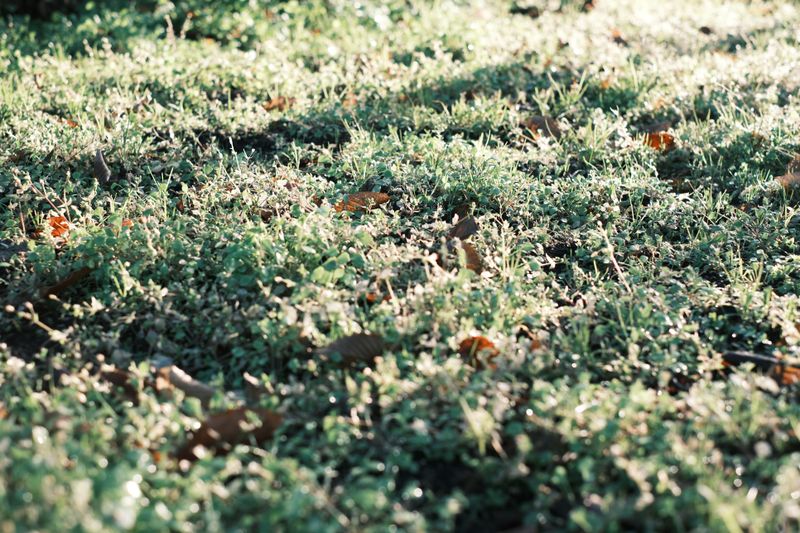
Birmingham and Montgomery sit in a lawn middle ground, between the Tennessee Valley and the Gulf Coast. That middle position shifts your timing about two weeks later than the north.
Mid to late October is the target for overseeding bermuda in central Alabama. Soil temperatures near 65 to 70 degrees give ryegrass its best start.
Grab a cheap soil thermometer from a hardware store to check. Push it about two inches deep in the morning for an honest reading.
Soil in central Alabama often reaches that range between mid and late October, depending on the year. Warm spells can push it later, so watch the forecast closely.
Annual ryegrass is a budget choice that works fine for one season of color. Perennial ryegrass costs more but looks finer and handles foot traffic better.
Mow your bermuda short and rake hard to loosen the surface. A thin layer of compost spread on top helps the seed stay moist.
Spread seed evenly, then roll or lightly rake so it touches the soil. Birds love free snacks, so a thin straw cover can help.
Water once or twice daily in short bursts for the first ten days. Puddles wash seed into clumps, which leaves odd stripes across the yard.
Hold off on any weed preventer, since it blocks ryegrass from sprouting too. Check the herbicide label for how many mowings to wait before treating weeds, since requirements vary.
Fertilizer follows the same rule, so apply it only after the ryegrass has sprouted. By Thanksgiving, your neighbors may wonder how your yard stayed so green. Feel free to act humble about it, at least a little.
4. Zoysia In Central Alabama Usually Skips Seed
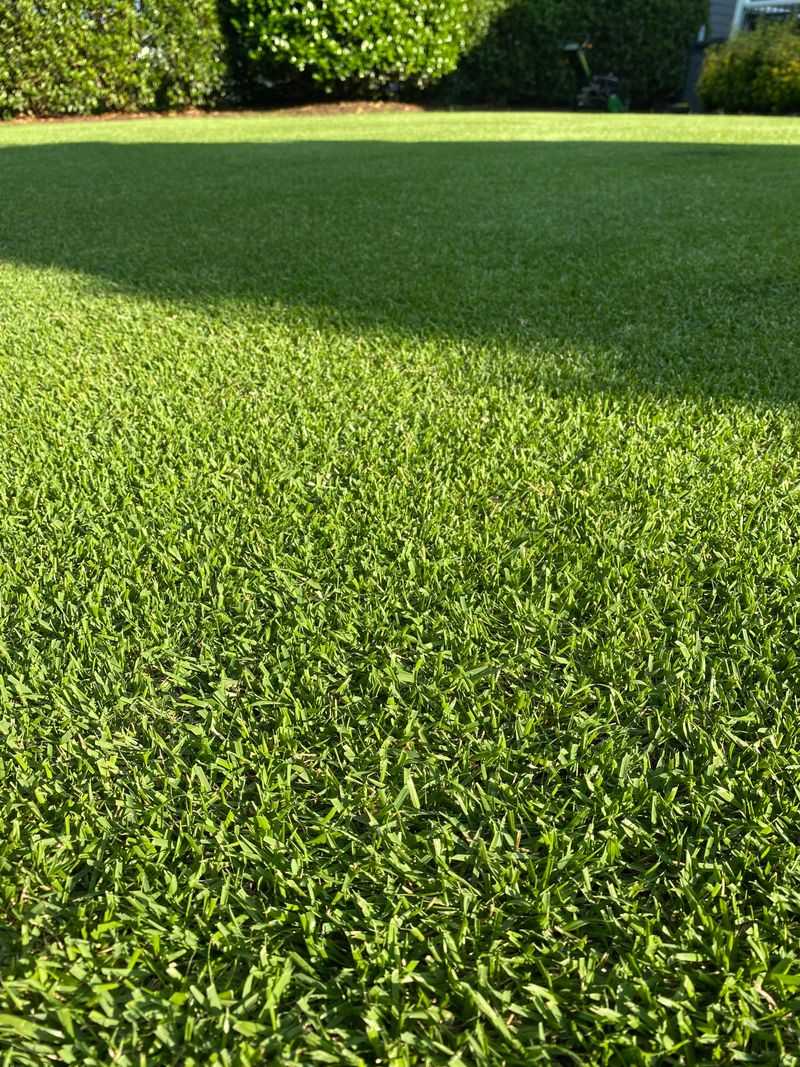
Zoysia owners, this one comes with a friendly warning label. Your thick, carpet-like turf does not welcome visitors very easily.
Zoysia grows so dense that ryegrass seed struggles to reach the soil. Extension specialists generally discourage overseeding zoysia lawns.
Still want winter green in Tuscaloosa or Auburn? Aim for late October, after the zoysia slows down and nights stay cool.
Use a lighter rate of perennial ryegrass, around five to six pounds per thousand square feet. Too much seed creates heavy competition when spring arrives.
Vertical mowing or dethatching helps open the canopy before seeding. You can rent a dethatcher or hire a lawn service for a quick pass.
Keep the seedbed moist but not soggy for about two weeks. Zoysia can develop large patch disease when fall soil stays too wet.
That fungus shows up as brown circles with orange edges in cool, damp weather. Water early in the morning so blades dry before evening.
Come spring, ryegrass can shade zoysia and delay its green-up for weeks. Lower your mower in late April to help zoysia green up.
A lawn colorant spray is another option worth a look. It tints dormant zoysia green without any seed, water, or extra mowing.
Either choice works, so pick what fits your energy level. Your zoysia will forgive you for a tan winter coat.
Many folks find a tan lawn looks tidy once it is mowed evenly. Brown is not a sign of trouble, only a sign of rest.
5. Late October Works For South Alabama Bermuda
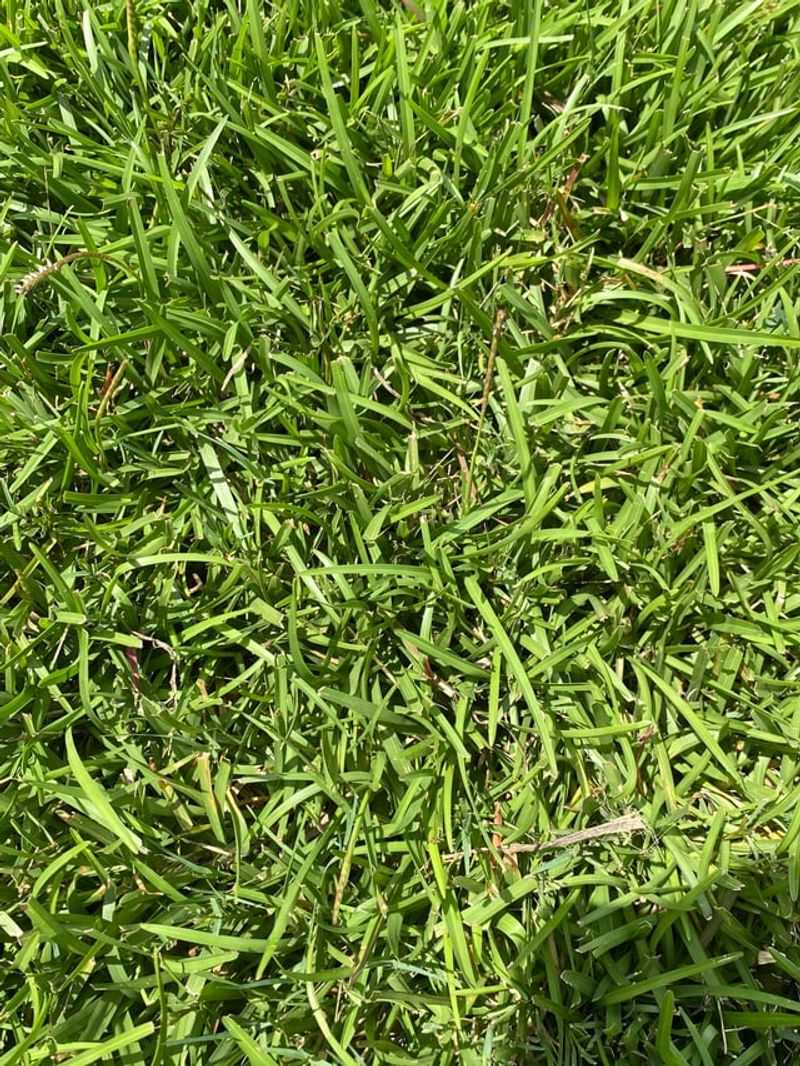
Down in Mobile and Dothan, October still feels like summer forgot to leave. Early October afternoon highs in the 80s keep bermuda growing longer than up north.
That warmth pushes your overseeding window to late October through mid-November. Seeding during a hot spell may reduce your return on seed that struggles to sprout.
Watch for nighttime lows that settle into the low 60s or 50s. Soil near 70 degrees or cooler is your green light.
Coastal humidity brings one extra concern for young ryegrass. Pythium blight thrives in warm, wet conditions and can damage seedlings within days.
Buying seed treated with a fungicide coating lowers that risk. Waiting for cooler nights helps too.
Scalp the bermuda low and remove clippings to expose soil. Sandy Gulf Coast soil drains fast, so seed may need water two or three times daily.
Keep each watering short, about five to ten minutes. You want the surface damp, not a soggy beach.
Perennial ryegrass at roughly five to ten pounds per thousand square feet works well here. Annual ryegrass also does fine and costs less for a short season.
South Alabama winters are short, so your ryegrass may fade by April or May. That quick exit makes the spring transition easier on bermuda.
Take a stroll outside on a crisp November morning to check progress. Fresh green blades feel like a small victory.
6. St. Augustine In South Alabama Prefers Sod Or Plugs
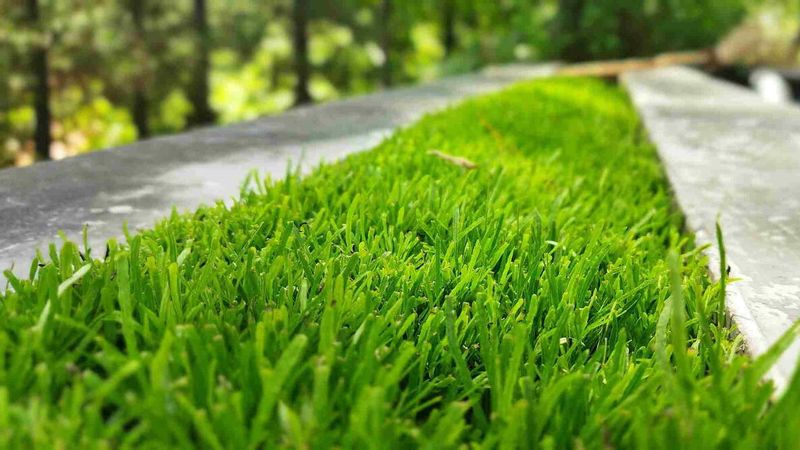
St. Augustine is the lush, wide-bladed grass lining many yards near the Gulf. It spreads by runners and makes very little viable seed of its own.
Overseeding St. Augustine with ryegrass is a risky move that Extension specialists generally discourage. Ryegrass competes strongly and can thin your St. Augustine by spring.
Brown patch flares up when fall lawns stay wet. Extra watering for new seed raises the chance of that problem.
So when should you fill bare spots? Late spring through early summer is the real window, using sod or plugs.
Soil needs to be warm, around 70 to 75 degrees, for runners to root well. In Mobile, that usually means late April through early summer.
For October, focus on keeping your current grass healthy instead. Raise your mower to about three and a half inches for winter.
Apply a potassium-rich fall fertilizer to strengthen roots before cooler weather. Skip heavy nitrogen now, because it can encourage fungal disease.
Rake up fallen leaves so sunlight can reach the blades. St. Augustine stays semi-green in mild winters if it gets enough light.
Mark thin areas with small flags so you remember them next spring. Photos on your phone work too, and they will not blow away.
Patience pays off with this grass. Think of fall as rest time, with a to-do list saved for May. Neighbors spreading seed in October might tempt you to join them. Resist the urge and let your St. Augustine nap in peace.
7. Centipede Skips Ryegrass And Reseeds In Late Spring
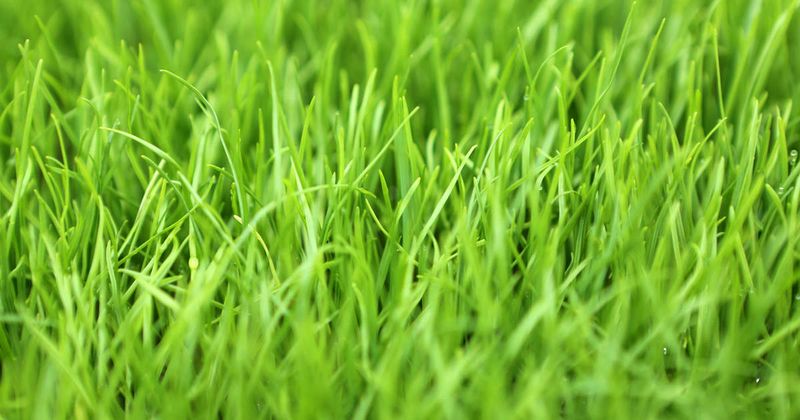
Centipede grass earned the nickname lazy man’s grass for good reason. It needs little fertilizer, little mowing, and very little fuss.
That easygoing nature has a catch when fall comes around. Centipede does not handle competition well, and ryegrass competes strongly.
Overseeding centipede with ryegrass in October is generally a poor plan anywhere in Alabama. The ryegrass uses large amounts of water and nutrients just as centipede heads into dormancy.
Centipede also struggles with cold injury in north Alabama winters. Weakening it with competition makes that risk even higher.
Thin spots in centipede are best repaired in late spring. Seed it from May through July when soil stays above 70 degrees.
Centipede seed is tiny and pricey, so a little goes a long way. About a quarter to half pound covers a thousand square feet.
For now, mow at about one to two inches. Avoid fall nitrogen, since centipede prefers a lean diet heading into winter. Add potassium only if a soil test recommends it.
Check your soil pH if the grass looked yellow this summer. Centipede likes acidic soil, around 5.5 to 6.0.
A soil test from the Alabama Cooperative Extension System gives clear advice for your yard.
Let your centipede go tan and quiet over the winter months. It may look sleepy, but it is saving energy for a strong comeback.
Pine needles make a tidy mulch for nearby beds this season. Keep them off the lawn, though, since centipede wants sunlight on its blades.
8. Soil Temperature Guides You Better Than The Calendar
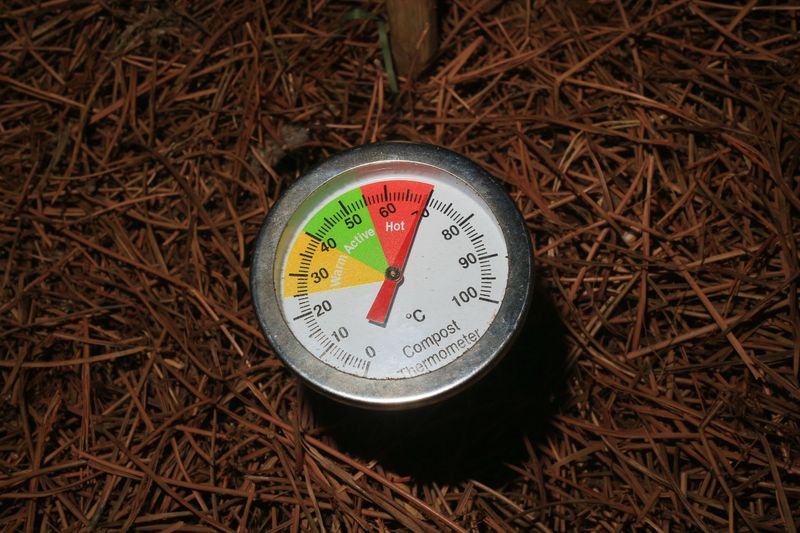
Calendars are handy, but Alabama weather loves to break the rules. A warm October can feel like August, while a cold snap arrives early.
Soil temperature is a more reliable guide than a calendar date. Cool-season seed like ryegrass and fescue sprouts best between 50 and 70 degrees.
A soil thermometer is inexpensive at most garden stores. Check readings for three or four mornings in a row before deciding.
Several weather websites post soil temperature maps for different regions. They make a handy backup when you misplace your thermometer.
Rain forecasts matter just as much as heat. Seeding right before a heavy downpour can wash your seed away.
Aim for a stretch with light showers or a few dry days you can water yourself. Steady, gentle moisture beats one heavy storm.
Frost dates set the latest day you can seed this season. Seedlings establish best with several weeks of growth before the first hard freeze, so seeding early in your window is safer.
North Alabama often sees its first frost by late October or early November, while the coast may wait until December or later. Count backward from your local average to plan.
Keep a small notebook with seeding dates and results each year. Over time, you will learn your yard’s own personal schedule.
Mistakes happen, and a patchy start is fixable with a second pass. Grass seed is forgiving when you give it another try.
Shady corners warm up slower than sunny spots, so check them separately. Under big oaks, shade-tolerant fescue blends often handle low light better than ryegrass.