A Gila Monster in Your Arizona Yard: What the Sighting Can and Cannot Tell You
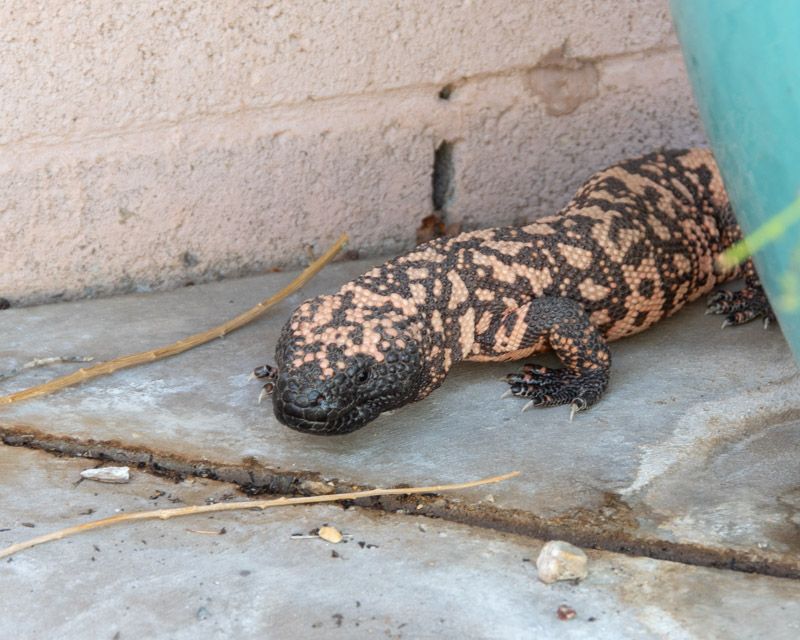
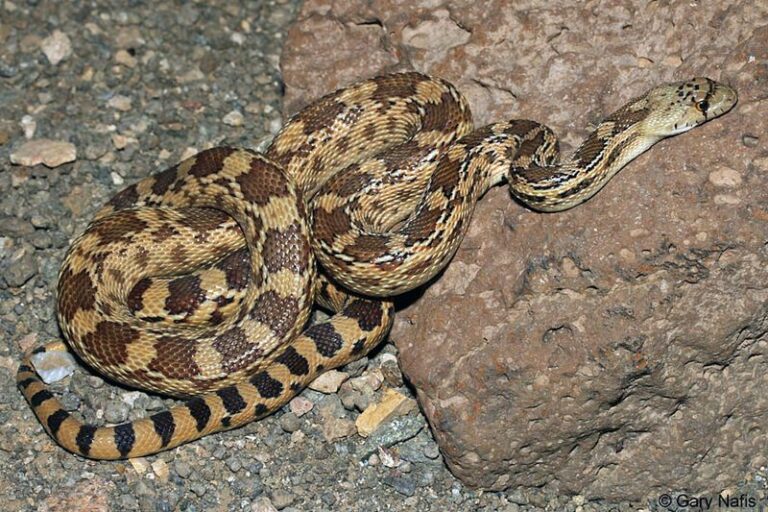
Few Arizona wildlife encounters feel as memorable as spotting a Gila monster crossing your property. It is natural to wonder what the visit says about your yard.
A sighting can tell you something real, but not as much as many people assume. Here is what it may reveal, and what it cannot.
A sighting is evidence of presence, not a yard grade
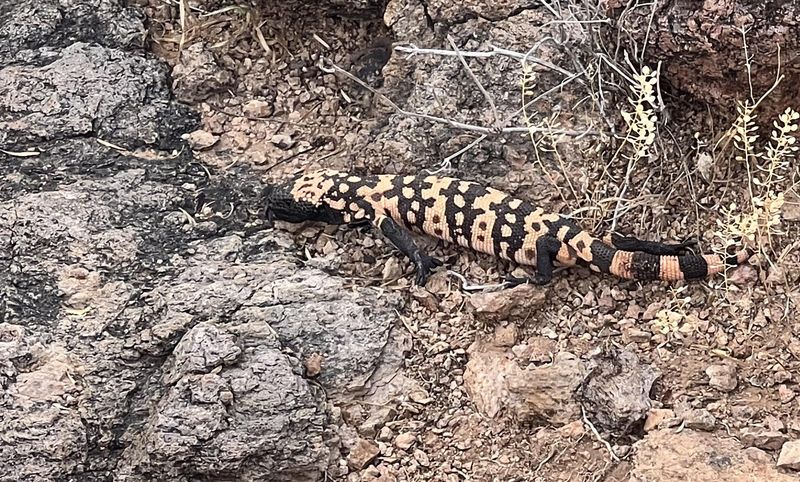
Seeing a Gila monster tells you one solid thing: the animal was at that spot at that moment. That is the whole finding, and it is a cool one.
It does not tell you the lizard lives on your property. These animals spend most of their time hidden, and Smithsonian’s National Zoo notes they spend long stretches underground.
A visitor passing through looks exactly the same as a resident for the few minutes you watch it.
A single sighting also cannot show that the yard is a breeding site, that the local population is healthy, or that a thriving food web surrounds your home. Nobody has a validated yard score built on Gila monster sightings, so there is no pass or fail here.
Even the word rare needs care. Gila monsters are rarely seen, but that does not tell you how uncommon a sighting is in your neighborhood.
Think of your sighting as a single data point, a snapshot worth enjoying. Studies of urban Gila monsters, such as this USGS study, show animals moving through developed areas without anyone grading the yards.
A refuge may help explain the visit
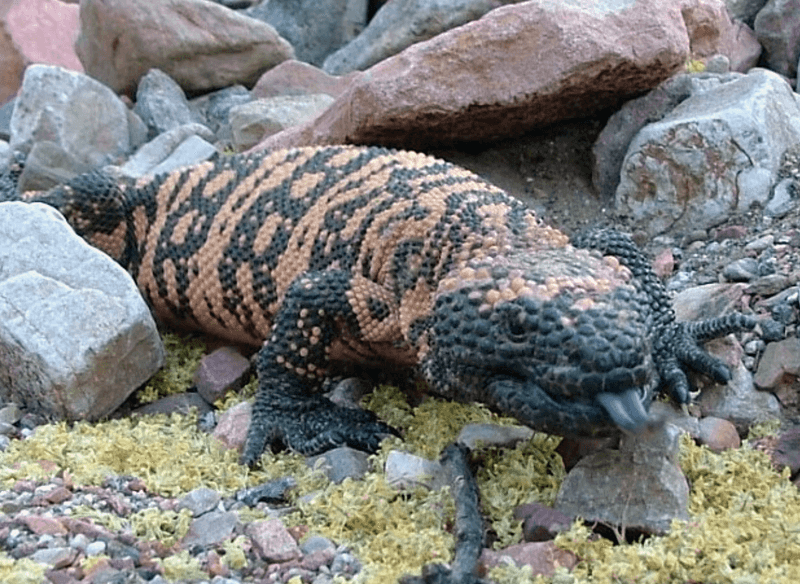
Shelter is a believable clue. Gila monsters rely on retreats such as burrows and rock crevices to get out of heat and cold, and a long-running telemetry project found that they spent more time in areas with more potential shelters.
Researchers also found that the lizards picked retreats partly based on rockiness, slope, entrance direction, depth, humidity, and temperature. In plain terms, a good hideout stays steadier than the surface does on a scorching afternoon.
So if your yard has a rock pile, a rocky slope, or a deep burrow, it is reasonable to say those features could be part of why one showed up. That is a hunch, not a finding.
A good-looking crevice is consistent with refuge use, but it does not prove the lizard lives there. It may have used the spot once, or only walked by on its way somewhere else.
Treat shelter as one possible piece of the puzzle.
Prey access is not proof of pest control
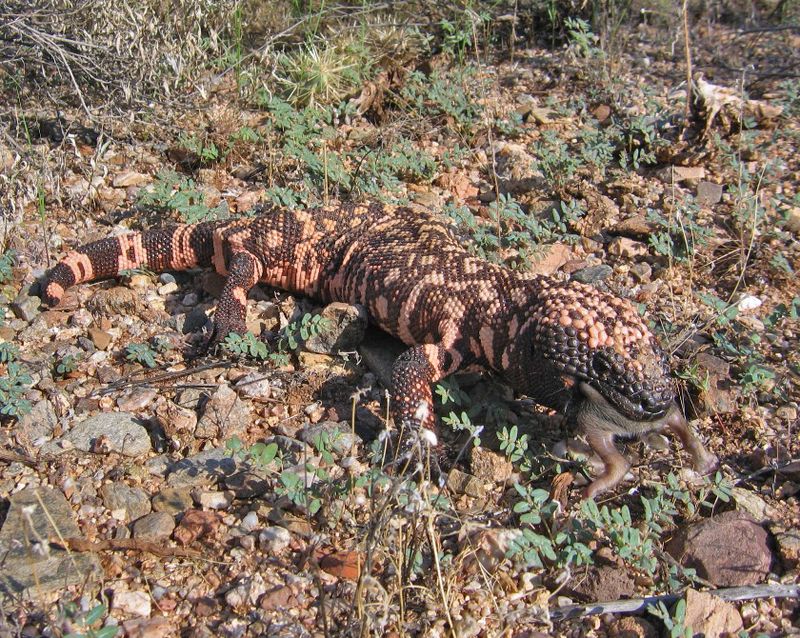
Food may be one reason an animal wanders through an area, and that is where the story gets tempting. Many homeowners hope a Gila monster means fewer scorpions.
The facts do not go that far.
Gila monsters actively search for meals. Arizona State University’s explainer describes a diet that includes the eggs and young of birds, reptiles, and small mammals, along with other small animals.
They also eat only occasionally, and they store fat, as the National Zoo profile points out. That makes them poor candidates for a steady cleanup crew.
Your Arizona Garden Changes Every Week. Your Plan Should Too.
Gardening in Arizona changes quickly throughout the season. Every Friday you’ll receive a simple weekly plan showing exactly what to plant, prune, fertilize, harvest, and protect so you never miss the right timing.
A sighting does not show that the lizard is eating scorpions, rodents, or any other household pest. It also does not suggest that your yard has fewer of them.
If scorpions are your worry, rely on proven steps like sealing gaps and trimming debris, and see the lizard as an interesting visitor, not a service.
Developed areas can be part of its movements
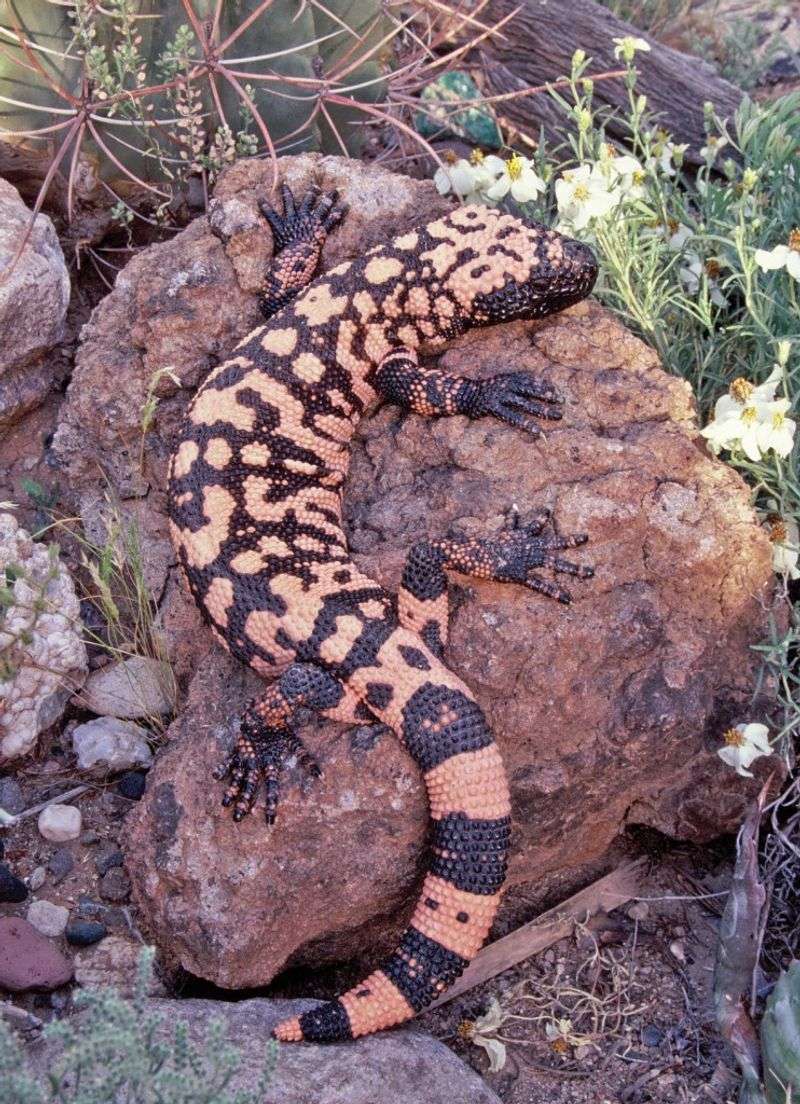
Houses, walls, and landscaping do not always keep wildlife out. In a Sonoran Desert study, researchers followed Gila monsters at three sites with different levels of urbanization.
The USGS summary says the animals used artificial structures as refuges at the urban site, and their home range and movement patterns did not vary with urbanization.
For homeowners, the takeaway is simple. A Gila monster in a developed neighborhood is not shocking, because these animals may use or cross built areas.
The takeaway stops there. Using a human-made shelter does not mean your yard is pristine, packed with species, or especially high-quality habitat.
A lizard crossing a gravel yard may simply be getting from one place to another.
One practical example: a pile of cinder blocks or a gap under a shed might serve as a hiding spot. That tells you animals can be flexible, not that you have earned a grade.
Seasonal activity can shape when you see one
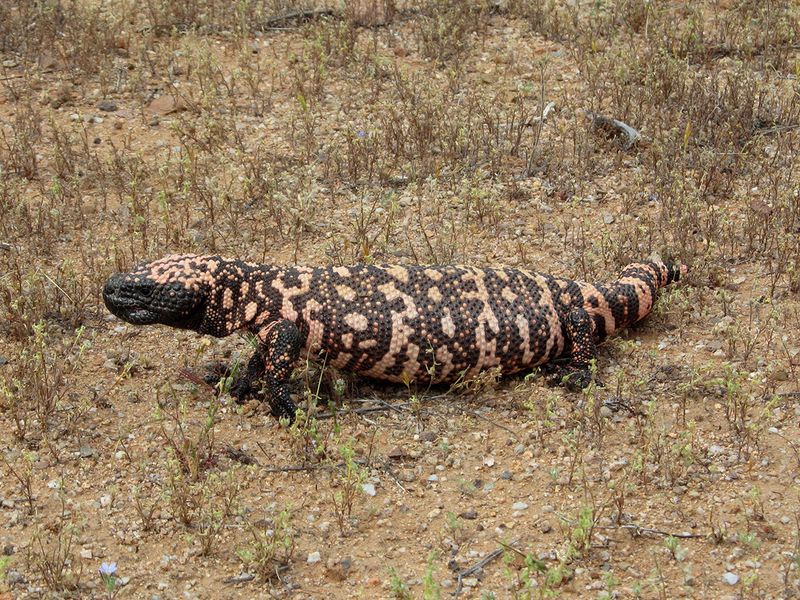
Timing matters as much as place. Gila monsters spend much of their lives out of sight, so most days a yard can host one without anyone noticing.
Activity also changes through the year. An Arizona State University explainer describes more activity around the summer monsoon, and a U.S.
Forest Service field report from southeastern Arizona found the largest share of recorded activity during the summer rainy season.
So if you spot one in July or August after storms roll in, the season may be a big part of the story. Cooler, wetter conditions can coax animals out of their retreats.
That is a reason not to read too much into the date. A sighting does not mean your yard suddenly improved or declined.
If you want a better sense of what is going on, note the date, weather, and time of day, then see whether it repeats in future seasons.
Give the lizard space
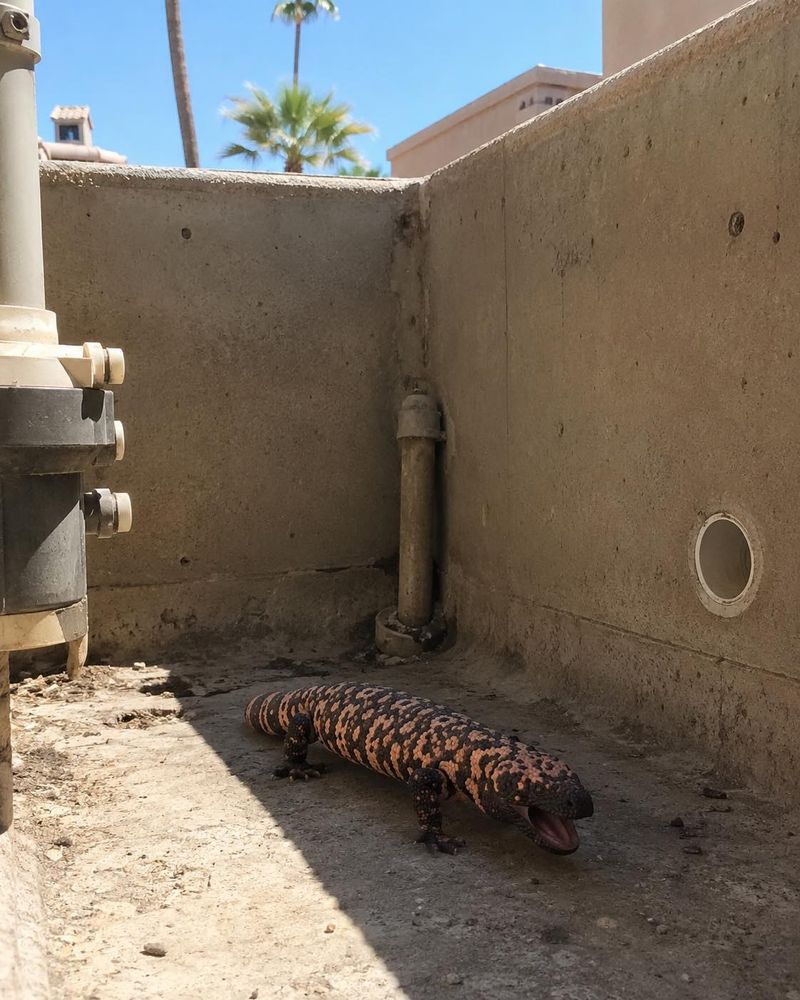
The best response is a quiet one. Keep people and pets well back, and let the lizard move on at its own pace.
Do not touch, harass, capture, or try to move it.
The National Park Service explains that state and federal protections prohibit possessing or relocating Gila monsters. That means scooping one into a bucket and driving it elsewhere is not an option.
Bring pets indoors or onto a leash, and give children a simple rule: watch from far away. Gila monsters are venomous and can bite.
If someone is bitten, get immediate medical care. The Arizona Poison and Drug Information Center lists 1-800-222-1222 for poison-center help.
A visit is a good story and a fair observation. It is not a verdict on your property, and the lizard needs no reply.