10 Arizona Cool-Season Crops You Sow in October That Keep Your Kitchen Stocked All Winter
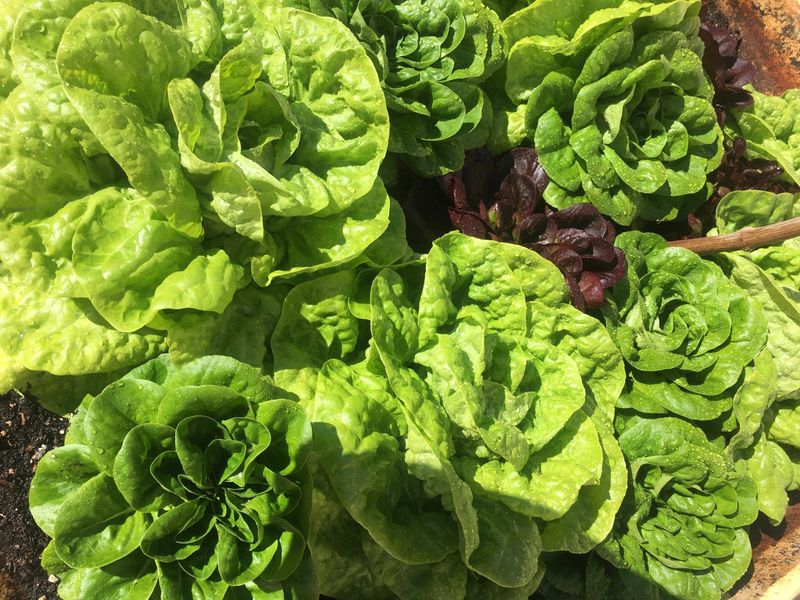
While most of the country is packing away garden tools, Arizona gardeners are just getting started. October brings warm days, cooler nights, and soil that finally feels friendly to seeds.
Sow the right crops now, and you can pick fresh greens, roots, and herbs from December through early spring. Here are ten easy, water-wise winners that turn a small desert bed into a winter grocery aisle.
1. Arugula
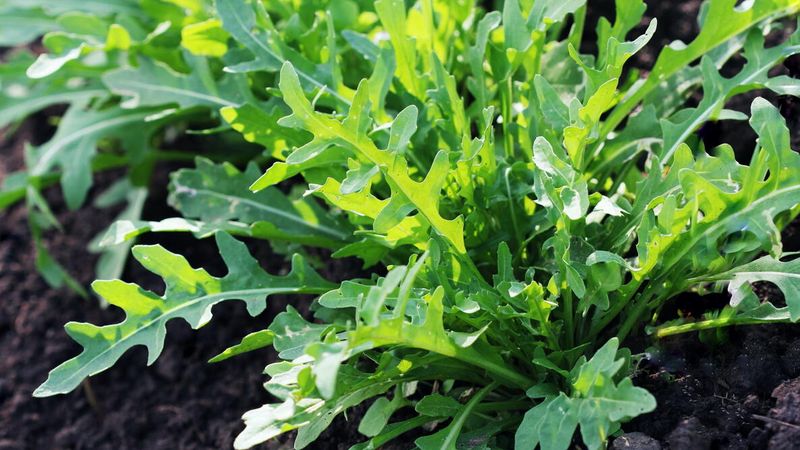
Impatient gardeners, meet your new best friend. Arugula can go from bare soil to a salad bowl in about four weeks, which makes it the speediest green on this list for tasting your first win of the season.
Scatter seeds thinly across a raised bed or wide pot, then press them lightly into the soil. Keep the surface damp for the first week while seedlings pop up, which usually happens within a few days in warm October soil.
After that, a deep watering every few days is often enough as nights cool down.
The flavor is bold and nutty, with a peppery kick that gets milder in cold weather. Desert winters actually help here, because cool temperatures tend to keep leaves tender instead of sharp and bitter.
Light frosts rarely bother it, so you can keep snipping well into January.
Fun fact: ancient Romans grew arugula and tossed it into their meals for its spicy bite. Today it works great on pizza, in eggs, or blended into pesto.
For a nonstop supply, sow a short new row every two to three weeks through November. Once spring heat arrives, the plants bloom with small white flowers that bees and other pollinators may visit happily.
2. Carrots
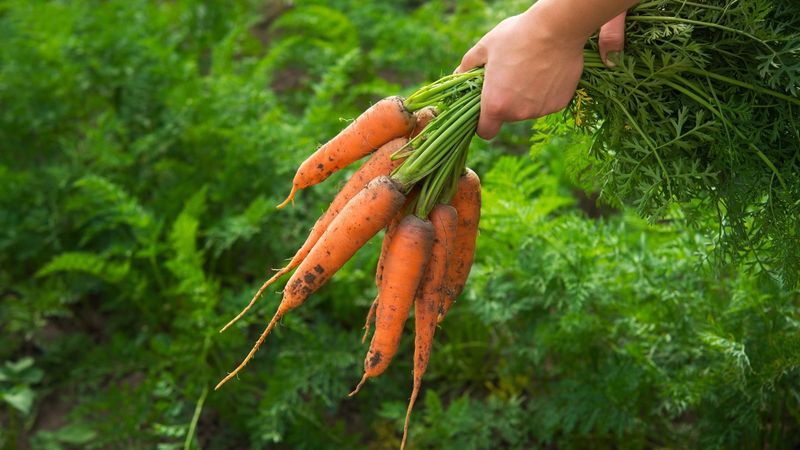
Ever bitten into a carrot so sweet it tasted like candy? Winter-grown carrots in the low desert have a reputation for exactly that, because chilly nights push the roots to store extra sugar.
Arizona soil can be a challenge, though. Caliche and heavy clay tend to make roots fork, twist, or stay stubby.
A raised bed filled with loose, sandy mix and some compost solves most of that trouble quickly.
Shorter varieties like Danvers, Chantenay, or round Paris Market are forgiving choices if your soil is shallow. Sow seeds about a quarter inch deep, and keep them evenly moist until they sprout, which can take up to two weeks.
A board or piece of burlap laid over the row helps hold moisture, just lift it once green threads appear.
Thinning feels painful, but it matters. Give each seedling about two inches of space, and you will be rewarded with straighter, fatter roots.
The tiny thinnings make a cute garnish too.
Most carrots are ready in 70 to 80 days, so an October sowing lands right around the holidays. Leave extras in the ground and pull them as needed, since the soil acts like a natural fridge through winter.
3. Peas
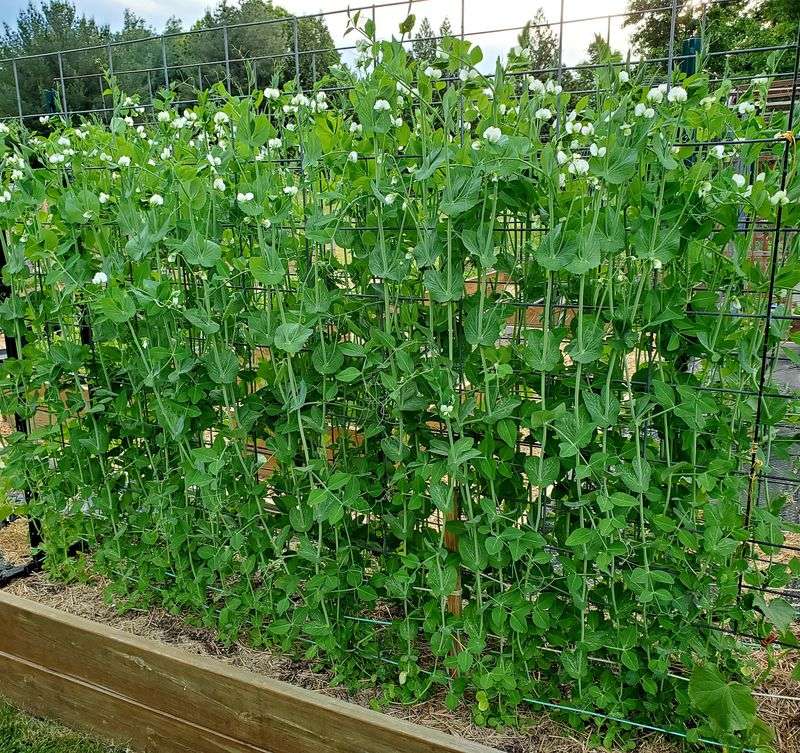
Picture a February afternoon, standing by the garden and eating sugar snap peas straight off the vine. That simple pleasure starts with a handful of seeds planted in October.
Your Arizona Garden Changes Every Week. Your Plan Should Too.
Gardening in Arizona changes quickly throughout the season. Every Friday you’ll receive a simple weekly plan showing exactly what to plant, prune, fertilize, harvest, and protect so you never miss the right timing.
Peas are climbers, so set up a trellis, fence panel, or even a few stakes with twine before sowing. Plant seeds about an inch deep and two inches apart.
Soaking them overnight beforehand can help them sprout faster in dry desert soil.
Here is a bonus many gardeners love. Peas work with helpful soil bacteria to add nitrogen to the ground, which can give whatever you plant next in that spot a little boost.
In alkaline Arizona soils that often run low on nutrients, that is a quiet but welcome perk.
Snap peas, snow peas, and shelling peas all perform well here. Snap types are the most snackable, since you eat the whole pod.
Snow peas shine in stir-fries, and shelling peas reward patience with sweet little green pearls.
Expect harvests from late winter into early spring. Pick pods often, because frequent picking encourages the vines to keep producing.
When temperatures climb near 85 degrees in spring, the plants will slow down, and that is your signal to pull them up.
4. Kale
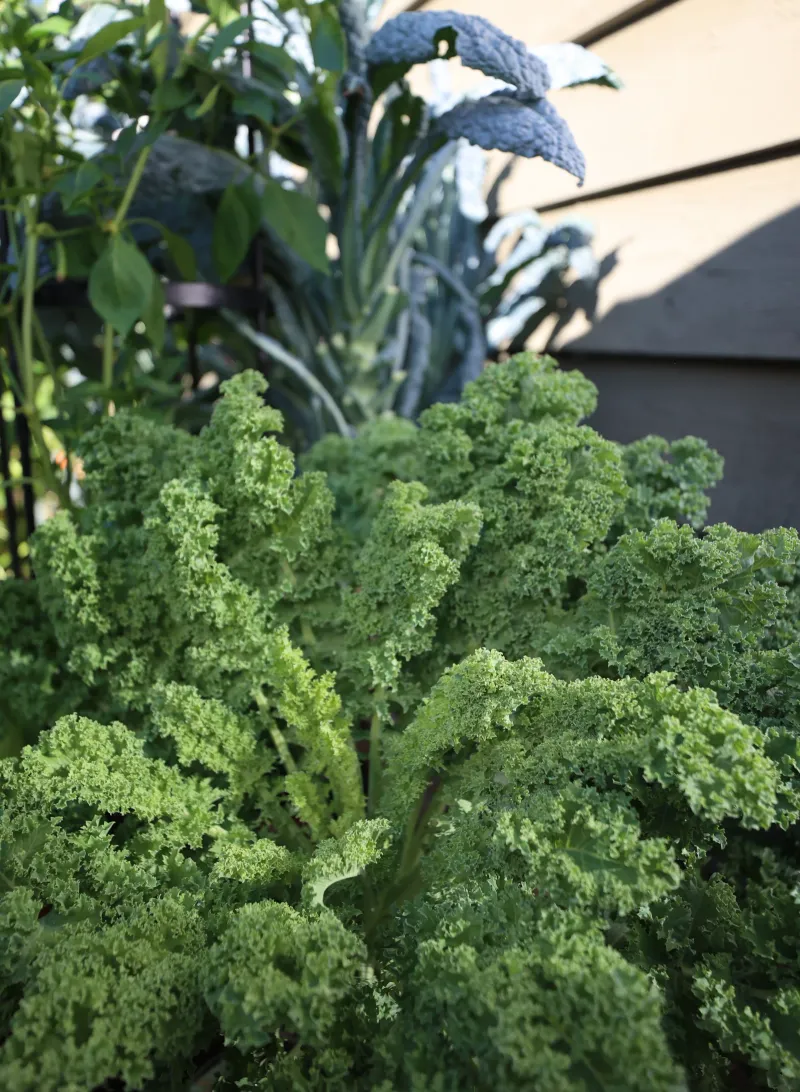
Some vegetables sulk when the weather turns. Kale just shrugs.
Even when a rare cold snap dips Phoenix below freezing, this tough green keeps standing tall and often tastes sweeter afterward.
That grit makes kale one of the most dependable crops for a winter kitchen. One healthy plant can give you leaves for months if you harvest smart.
Pick the lower, outer leaves and leave the center crown alone, so the plant keeps pushing new growth upward like a little palm tree.
Curly kale is the classic choice for chips and smoothies. Lacinato, sometimes called dinosaur kale, has bumpy dark leaves that hold up beautifully in soups.
Red Russian has purple stems and tender leaves that work well raw.
Start seeds in October, or grab transplants if you want a head start. Space plants about 18 inches apart, since they get bigger than most people expect.
A layer of mulch around the base helps the soil hold moisture and keeps water use low.
Watch for aphids clustering under leaves. A strong spray from the hose often knocks them back, and ladybugs drawn to your garden may help handle the rest.
With a little care, kale may keep producing until April.
5. Swiss Chard
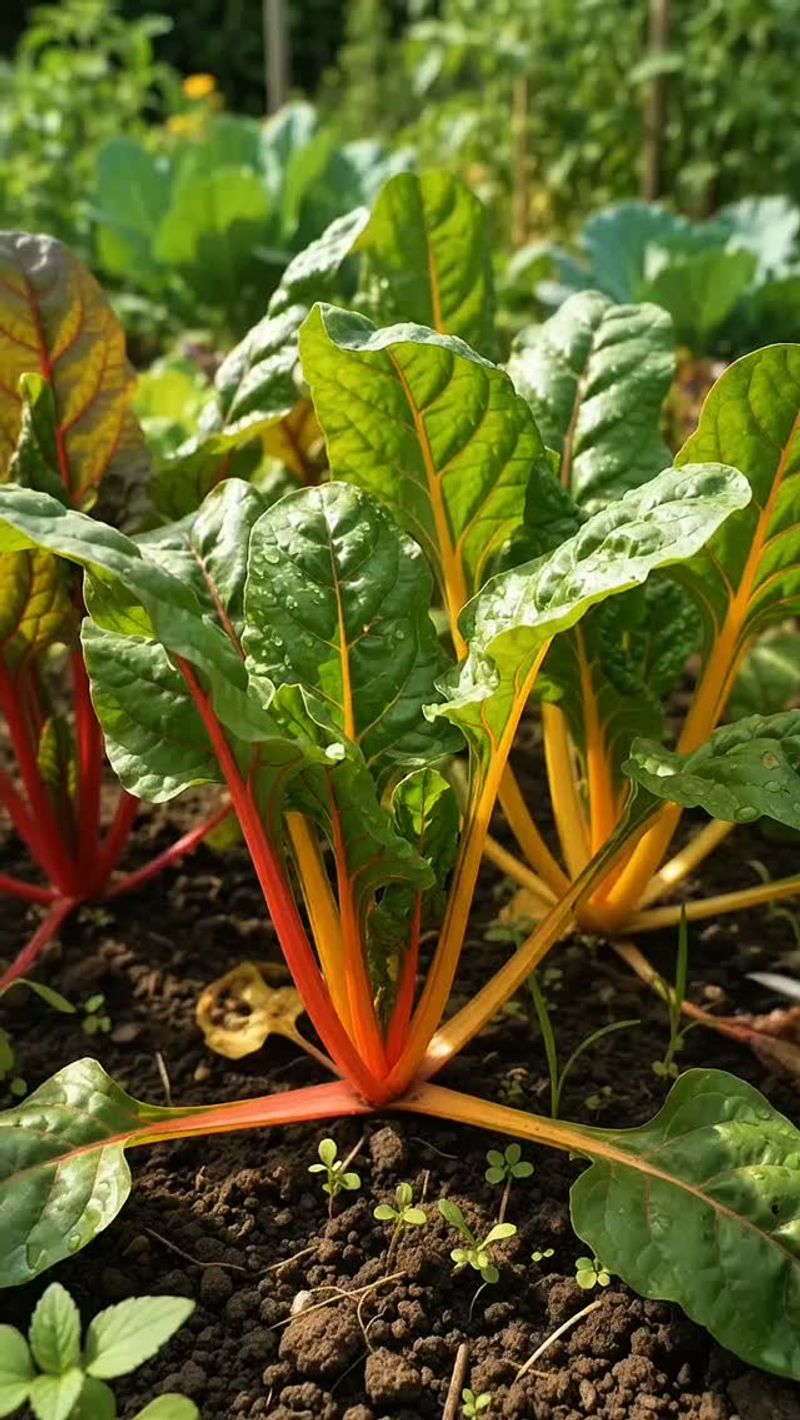
If a vegetable could throw a party, it would be rainbow chard. Bright red, yellow, orange, and pink stems light up a winter bed so well that some Arizona gardeners tuck it right into front yard landscaping.
Looks aside, chard earns its spot by being incredibly easygoing. It handles cool nights, warm afternoons, and the wild temperature swings the desert loves to throw around in fall.
Many plants even keep going into late spring, long after lettuce gives up.
Each wrinkled seed is actually a cluster holding several seeds, so expect a few sprouts per spot. Thin them to one strong plant every 10 to 12 inches.
The extra seedlings are tasty as baby greens.
In the kitchen, think of chard as two vegetables in one. The leaves cook down like spinach, and the crunchy stems can be sauteed separately like celery.
Both work great in omelets, pasta, and tacos.
Harvest outer leaves when they reach about eight inches long, and new ones will keep coming from the center. A drip line and some mulch keep watering simple.
For a plant that feeds you and decorates your yard at the same time, chard is hard to beat.
6. Lettuce
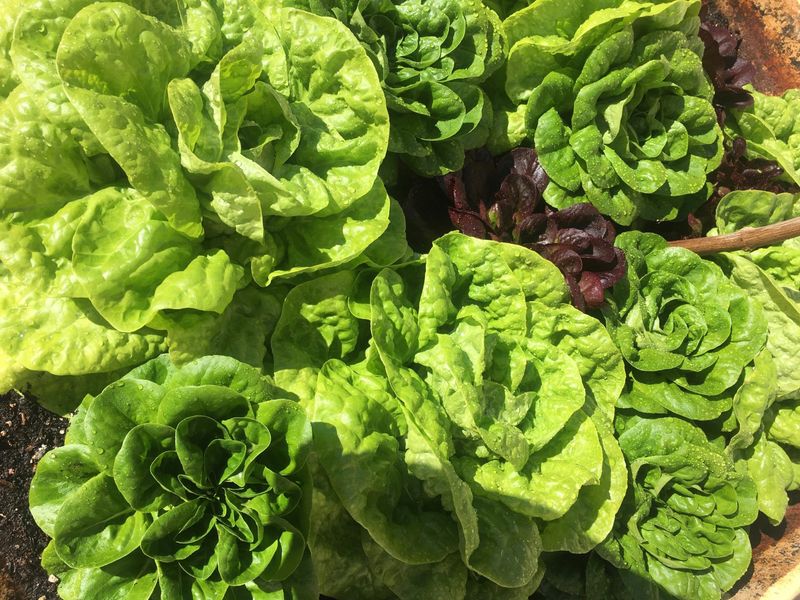
Store-bought lettuce often wilts in the fridge within days. Homegrown leaves, picked minutes before dinner, are a whole different experience, crisp and full of flavor.
Fall through early spring is prime lettuce season in the low desert. Loose-leaf types like Black Seeded Simpson and Red Sails are the easiest, since you can trim outer leaves and let the plant keep growing.
Heading types like butterhead take longer but form soft, buttery rosettes.
One variety stands out for Arizona. Jericho romaine was developed in a hot, dry region, and it tends to resist bolting longer when spring heat shows up early.
That means extra weeks of salads before the plants turn bitter.
Lettuce seeds are tiny and need light to sprout, so barely cover them with soil. Water gently and often at first, because a dry crust can stop germination.
Planting in early October may need a bit of afternoon shade while temperatures are still warm.
To avoid a glut followed by nothing, sow small batches every two weeks through December. Mixing colors and textures in one bed makes a living salad bar.
Grab scissors, a bowl, and dinner is basically handled.
7. Beets
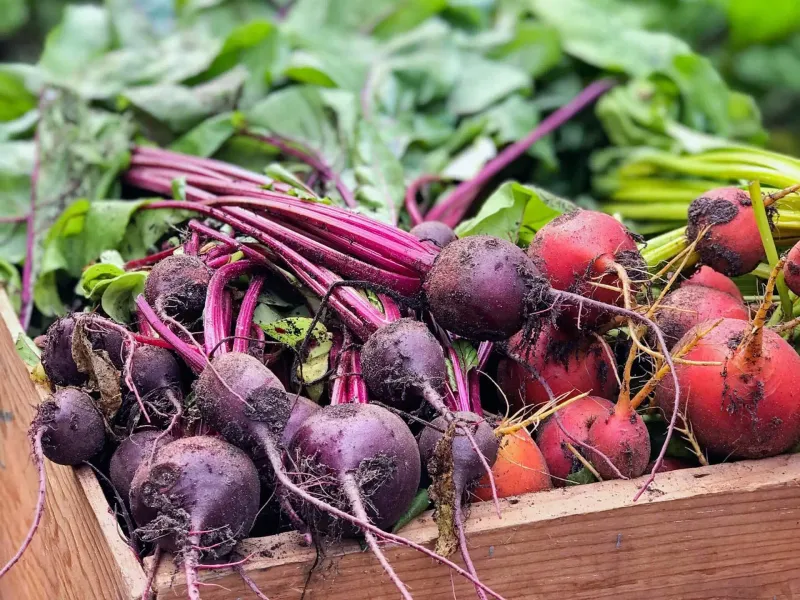
Two harvests for the price of one seed packet? Beets pull off that trick with style.
Above ground, you get tender greens. Below, sweet earthy roots in shades of ruby, gold, or candy stripe.
Many people think they dislike beets until they try a fresh one roasted from their own garden. Cool desert soil helps roots build sugar, giving them a sweeter, less muddy taste than many store versions.
Chioggia, with its pink and white rings, is a fun pick for kids.
Like chard, which is a close cousin, each beet seed is really a cluster. Sow them about half an inch deep, then thin to three or four inches apart once they sprout.
Toss the baby thinnings into salads instead of the compost.
Loose soil matters for nicely rounded roots, so mix in compost before planting. Even moisture helps too, because big swings between dry and soggy can cause cracking or woody texture.
Most beets mature in 50 to 70 days. Pull them when they are about golf ball to tennis ball size for the best tenderness.
Snip a few leaves along the way for sauteing, but leave enough so the root keeps growing.
8. Radishes
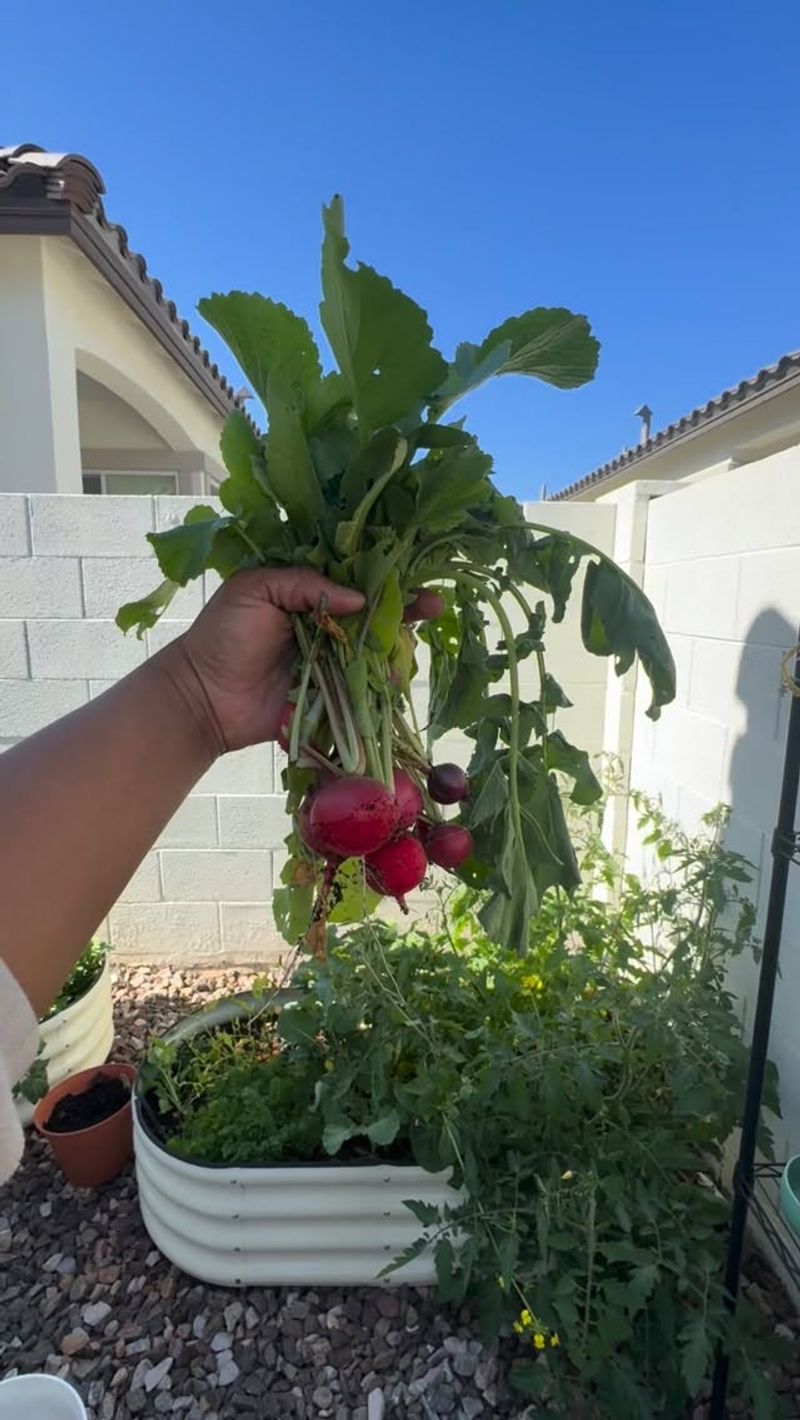
Kids get bored waiting for gardens to grow. Radishes fix that problem fast.
Some varieties go from seed to snack in around 25 days, which makes them the ultimate confidence builder for new growers.
Small spaces are no obstacle either. A shallow container on a sunny patio, the edge of a raised bed, or the gaps between slower carrots all work.
Gardeners sometimes sow radishes right alongside carrots, since radishes sprout quickly and help mark the row.
Cherry Belle is the classic round red type. French Breakfast grows long with white tips and a milder bite.
For something different, try Watermelon radish, which looks plain outside but reveals a bright pink center when sliced.
Sow seeds half an inch deep and about an inch apart. Keep the soil evenly moist, because dry spells make radishes woody and extra spicy.
That is the one rule worth remembering.
Do not let them sit too long after maturing, or they turn pithy and hollow. Pull a few to check size, and sow a fresh batch every couple of weeks through February.
Slice them onto tacos, quick-pickle them, or roast them for a surprisingly mellow side dish.
9. Bok Choy
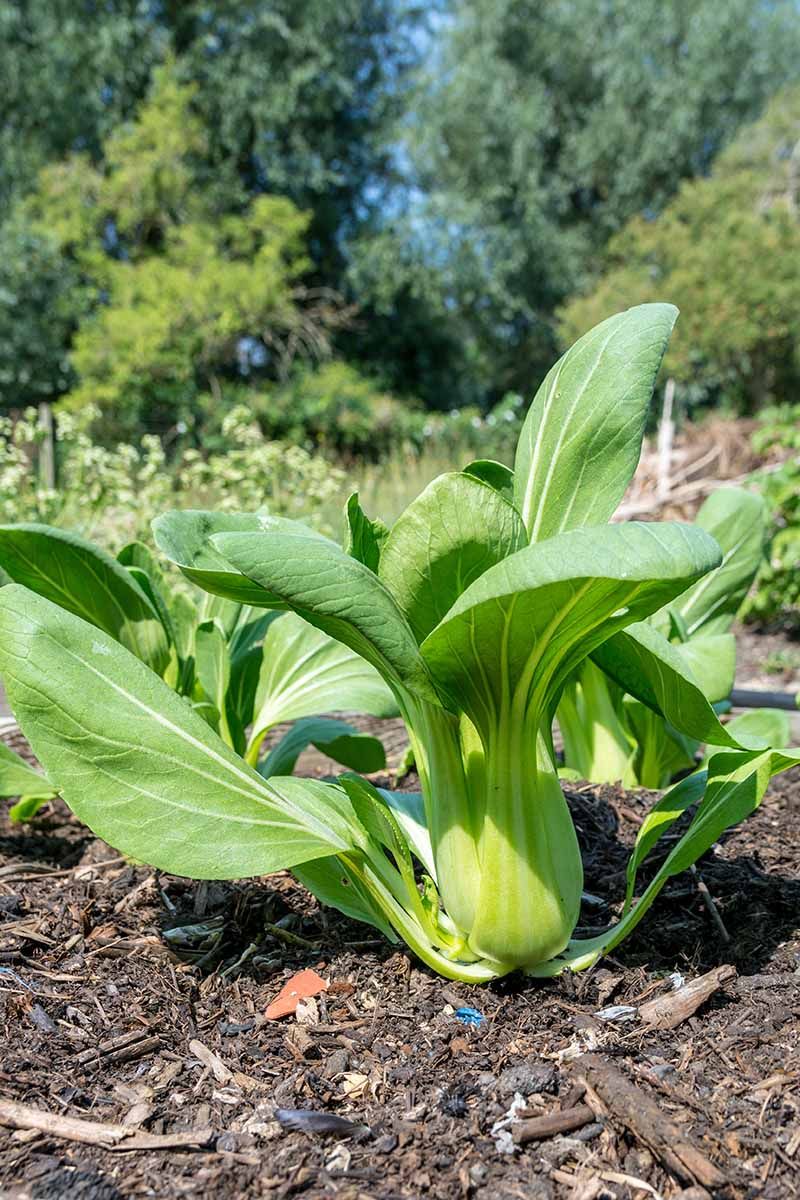
Stir-fry lovers, this one is for you. Bok choy grows fast, stays compact, and delivers crunchy white stems with tender green leaves that cook in about two minutes.
Originally from China, where it has been grown for well over a thousand years, bok choy is a type of cabbage that skips forming a tight head. Instead it makes an upright cluster of spoon-shaped leaves.
In Arizona, it thrives in exactly the mild winter conditions that October planting sets up.
Baby varieties are especially handy for small yards. They can be ready in around 30 to 45 days and fit nicely into containers.
Full-size types need a bit more room and time but give you hefty heads for family meals.
Sow seeds a quarter inch deep, then thin plants to six to ten inches apart depending on variety. A light frost usually does no harm and can even sweeten the flavor.
The biggest risk is bolting. Warm spells or stress from dry soil can push plants to flower early, so keep watering consistent.
Harvest the whole plant at the base, or pick outer leaves a few at a time. Toss them with garlic, ginger, and soy sauce for a quick weeknight dinner.
10. Cilantro
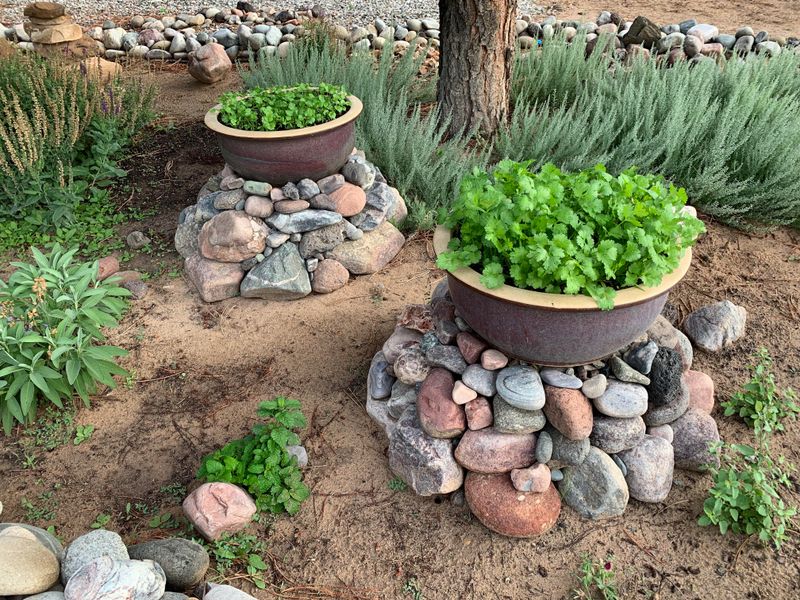
Anyone who has tried growing cilantro in an Arizona summer knows the heartbreak. It bolts almost overnight.
Winter is a totally different story, and October is when this herb finally gets its moment to shine.
Cool weather keeps cilantro leafy and bushy for weeks. Sow seeds directly where you want them, since the plants dislike being moved.
Gently crushing the round seed husks before planting can help them sprout a bit faster.
Fresh salsa, guacamole, tacos, and curries all taste brighter with a handful snipped from the yard. Harvest outer stems once plants reach about six inches tall, and they will keep pushing out more.
Here is a fun twist. Those round seeds are actually coriander, a completely different spice in your kitchen cabinet.
Let a few plants flower in spring, and you can collect your own.
Those lacy white blooms do more than make seeds. They tend to attract tiny beneficial insects like hoverflies and small wasps, which may help keep aphids in check on nearby greens.
That makes cilantro a helpful neighbor for your kale and lettuce.
Sow a small batch every three weeks through January for a steady supply until spring heat returns.