10 Things To Do When A Javelina Herd Shows Up In Your Arizona Yard
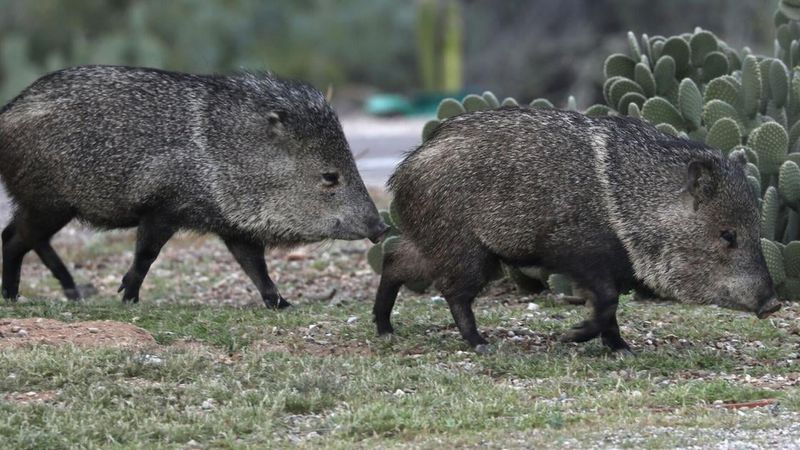
You step outside at dusk and smell something musky, then spot a row of bristly snouts rooting through your flower bed. Javelinas are common visitors in Phoenix, Tucson, and many desert neighborhoods, and a whole herd can show up without warning.
Knowing what to do keeps you, your pets, and the animals safe while protecting the plants you worked hard to grow. Here are ten smart moves that help send them on their way and make your yard less inviting next time.
1. Haze Them Off with Noise and Water
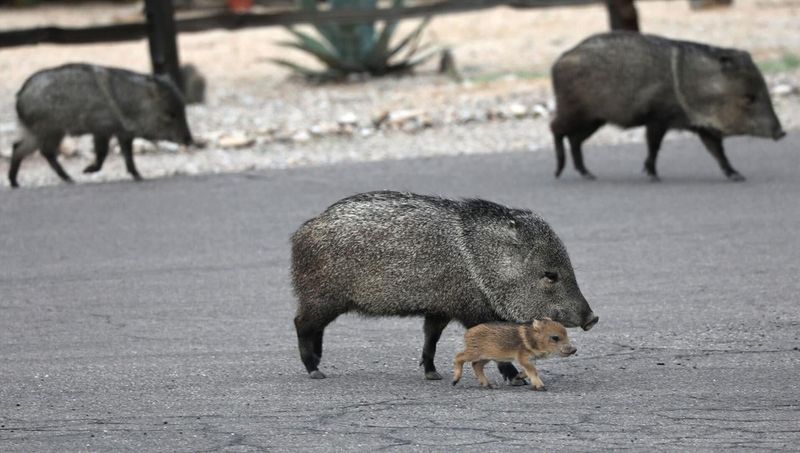
Picture a herd of javelinas nibbling your lantana while you stand there wondering what to do. The answer is surprisingly simple: make some noise.
Bang pots and pans, clap loudly, yell, or stomp your feet from a safe distance.
A spray from the garden hose works well too. A big squirt gun is another fun option, especially if the kids want to help from the patio.
Aim for a steady stream of water near the animals rather than chasing them around the yard.
Javelinas have poor eyesight, so they rely on sound and smell to judge danger. A sudden racket tells them your property is not a calm, easy place to hang out.
Over time, repeated hazing can make the herd wary of your yard and less likely to return.
Always leave them a clear escape route, like an open gate or an unblocked side path. Cornered animals may feel threatened and act defensively.
Never walk straight toward the herd or try to touch them.
Be patient, since they might not scatter instantly. Keep up the noise until the last bristly rump disappears around the corner, then check your plants for damage.
2. Eliminate Accessible Food Sources
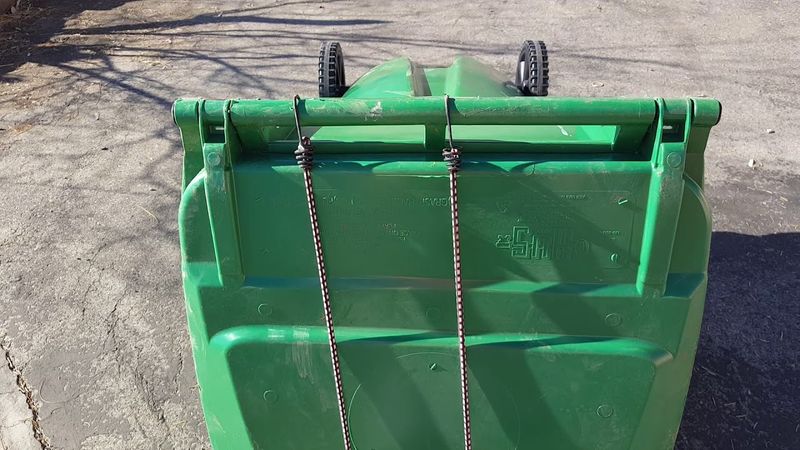
Here is the honest truth about javelinas: they show up because something smells like dinner. Their noses are incredibly sharp, and they can sniff out a snack from far away.
Start with your trash. Use cans with locking lids, or store them inside a garage or shed until pickup day.
A tipped can full of leftovers is like a buffet invitation for the whole herd.
Next, look up at your trees. Fallen oranges, grapefruit, dates, or mesquite pods can draw javelinas night after night.
Rake up dropped fruit regularly, especially during harvest season in late fall and winter.
Pet food is another big magnet. Feed dogs and cats indoors when you can, or offer only what they finish in one sitting.
Pick up the bowl right away instead of leaving kibble out on the porch.
Bird feeders deserve attention as well. Javelinas happily gobble up spilled seed under the feeder.
Add a catch tray or choose a no-mess feeder design to reduce what lands on the ground.
Cutting off the food supply may not work overnight, but it is one of the most effective long-term steps you can take.
3. Remove or Secure Water Sources
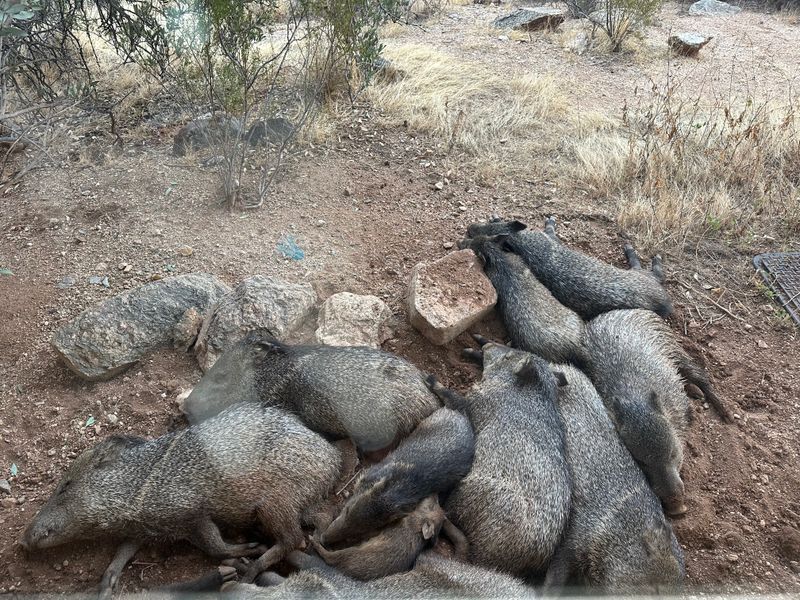
When it hits 110 degrees in July, every creature in the desert goes looking for a drink. Javelinas are no exception, and your yard might be the closest water stop in the neighborhood.
Your Arizona Garden Changes Every Week. Your Plan Should Too.
Gardening in Arizona changes quickly throughout the season. Every Friday you’ll receive a simple weekly plan showing exactly what to plant, prune, fertilize, harvest, and protect so you never miss the right timing.
Walk your property and look for hidden water. A dripping hose bib, a leaky irrigation emitter, or a bucket that filled up during monsoon season can all draw thirsty visitors.
Fix leaks and dump standing water after storms.
Birdbaths are lovely for hummingbirds and verdins, but a ground-level dish is easy for javelinas to reach. Raise it onto a tall pedestal or move it inside a fenced area.
That way birds still benefit while the herd moves on.
Pools and ponds need proper fencing too. A secure barrier keeps wildlife and small children safe at the same time.
Check gates often to make sure they close tightly.
Bonus tip: fixing leaks also lowers your water bill, which every Arizona homeowner appreciates. Fewer puddles can mean fewer mosquitoes, giving you another reason to tackle this chore.
Water is a basic survival need, so removing easy access can make your yard far less appealing to the herd during hot months.
4. Install Effective Fencing
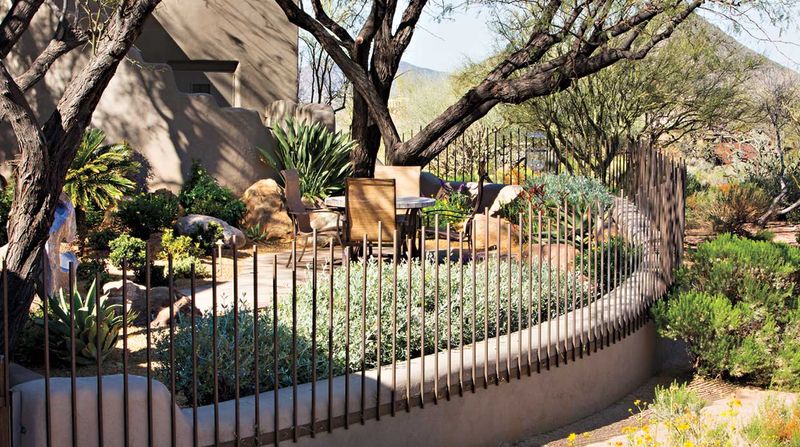
Ask any longtime Tucson gardener and they will tell you: a good fence beats almost every other trick. Physical barriers are often the most reliable way to keep a herd out for good.
A solid wall about four feet tall works well because javelinas are not big jumpers. A sturdy chain-link fence can also do the job if you keep it in good repair.
Check the bottom edge, since these animals will push through gaps or dig under loose spots.
For vegetable gardens or special plantings, many homeowners use a low-voltage electric fence. Place the bottom wire about 8 to 10 inches off the ground, then add a second strand 8 to 10 inches higher.
That height lines up with their sensitive snouts, giving a harmless but memorable zap.
Before you install any electric fencing, check your city or HOA rules. Some neighborhoods have specific guidelines you will need to follow.
Gates matter just as much as walls. Make sure they latch tightly and close on their own if possible.
A well-built fence protects plants, pets, and patio furniture while letting you enjoy desert wildlife from a comfortable distance.
5. Choose Javelina-Resistant Plants
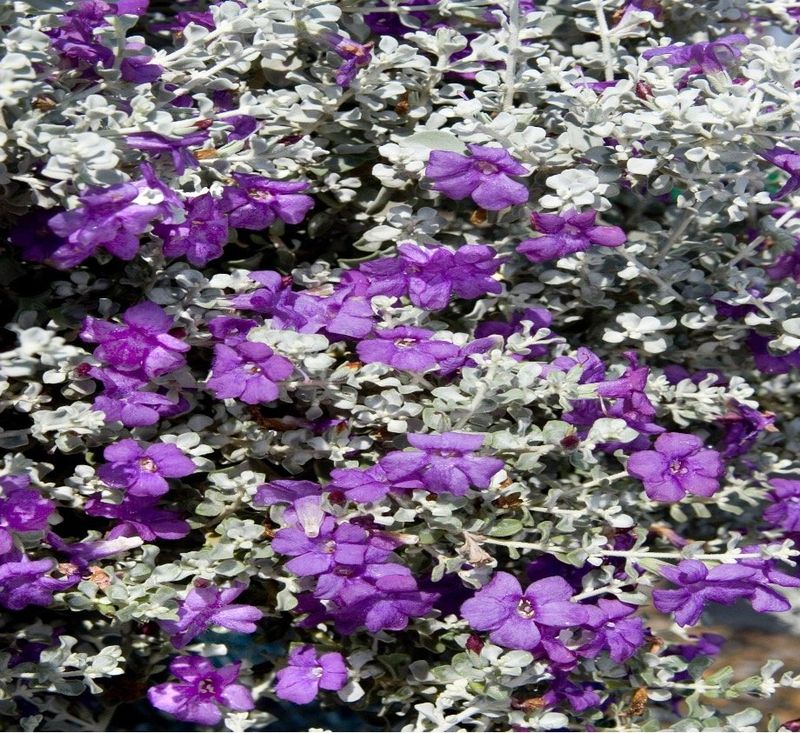
Some plants are basically salad to a javelina, while others get a hard pass. Smart landscaping can tip the odds in your favor and save you money on replacements.
Native and desert-adapted plants tend to be the best bets. Agave, red yucca, ocotillo, and creosote bush are tough choices that javelinas usually leave alone.
Texas sage, trailing indigo bush, and desert marigold add color while holding up to heat.
Penstemon is another winner, and its tubular blooms attract hummingbirds and native bees. That means you get a yard that works as pollinator habitat while being less inviting to hungry herds.
Strong-smelling herbs can help too. Rosemary, lavender, mint, and sage have aromas that javelinas may find unappealing.
Rosemary is especially hardy in the low desert once established.
Plant these natives in fall, from October through November, when cooler temperatures give roots time to settle before summer. Early spring works as a second planting window.
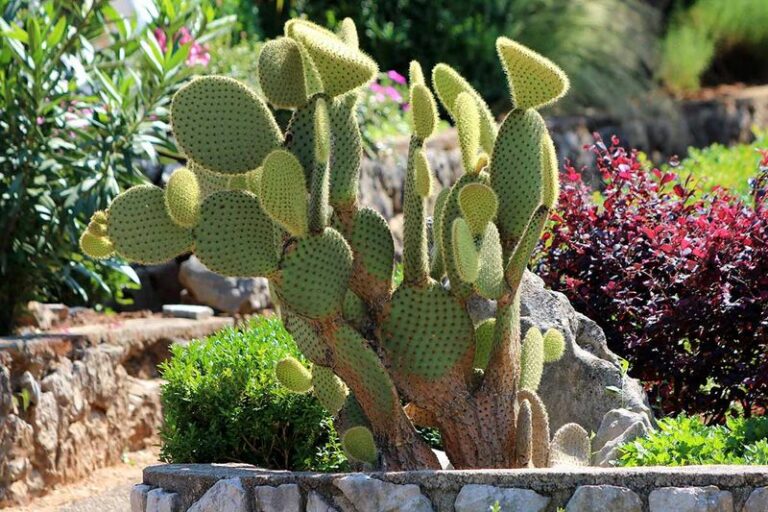
Fun fact: javelinas actually eat prickly pear pads, spines and all. So if you have cactus nearby, do not be shocked to see a few bite marks.
No plant is completely javelina-proof, but these choices lower the risk.
6. Protect Vulnerable Plants
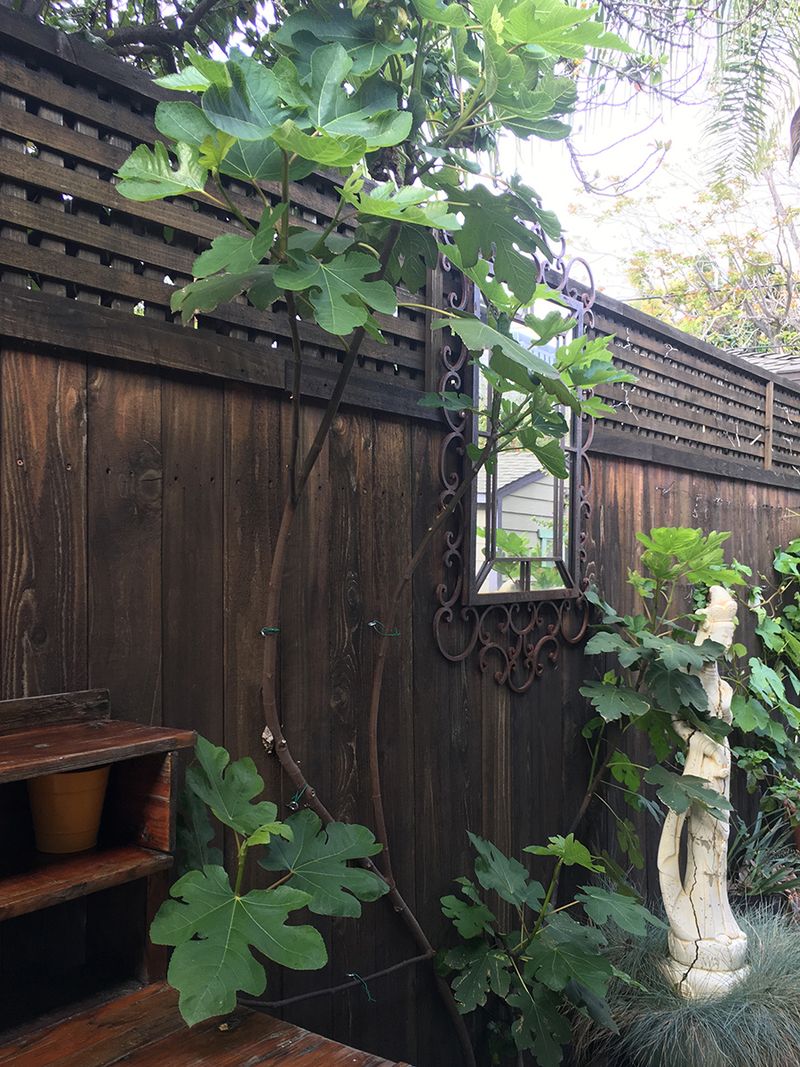
Nothing breaks a gardener’s heart quite like finding a brand-new shrub uprooted the morning after planting. Young plants are a favorite target, and there is a reason for that.
Fresh transplants have tender leaves and soft, recently dug soil. Javelinas root around in loose dirt looking for bulbs, grubs, and tasty roots.
Your neatly planted bed can look like an open invitation.
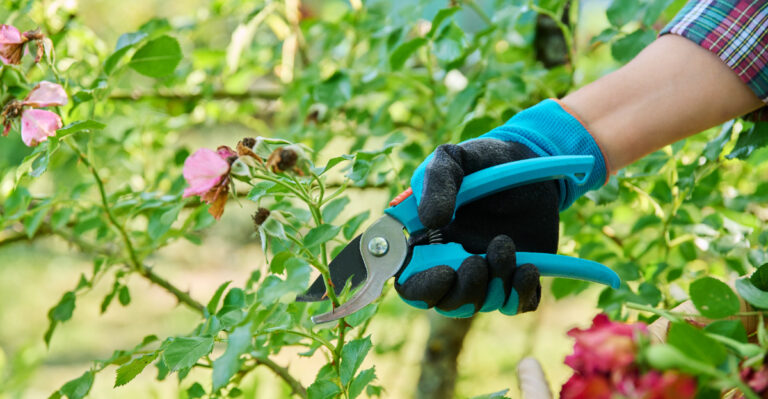
Wire cages are the simplest fix. Wrap hardware cloth or sturdy mesh around new plants and anchor it into the ground with stakes.
Leave the cages in place until the plants are established, which often takes a full season or more.
Potted flowers need a different plan. Move containers into an enclosed courtyard, onto a raised ledge, or inside a fenced patio.
Hanging baskets keep petunias and herbs well out of snout range.
Bulbs and succulents with juicy leaves are especially tempting, so give them extra protection. Grouping vulnerable plants in one fenced area makes the job easier.
Think of these barriers as training wheels. Once roots grow deep and stems toughen up, many desert plants can handle occasional visits without much trouble, and you can remove the cages.
7. Keep Dogs Leashed and Secure
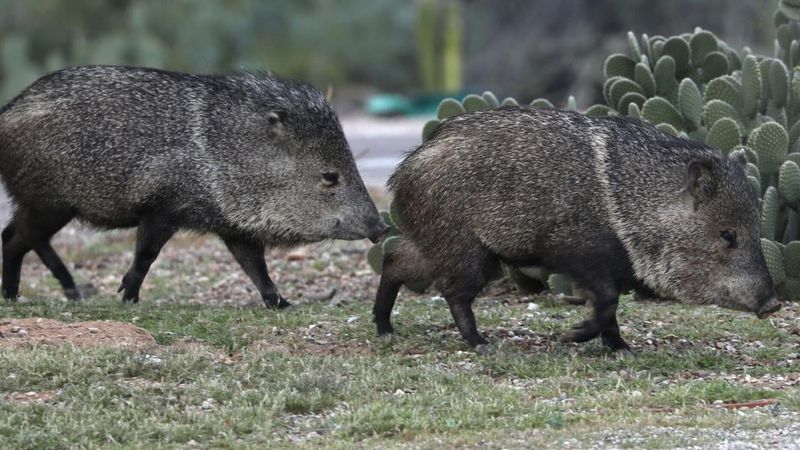
Your sweet Lab might think javelinas look like new friends, but the herd sees things very differently. To them, a dog looks a lot like a coyote, one of their natural predators.
That is why encounters between dogs and javelinas can turn tense fast. A herd that feels threatened may act defensively to protect its young.
Dogs can end up hurt, and vet bills add up quickly.
Keep dogs on a leash during walks, especially at dawn and dusk when javelinas are most active. At home, make sure your yard is fully fenced and gates stay latched.
Do a quick scan before letting pets out at night.
If you spot a herd on your walk, stay calm. Do not approach, and gently steer your dog in another direction.
Give the animals plenty of room to move along.
Small breeds deserve extra caution, since they can be more easily injured. Carrying a flashlight on evening walks helps you see wildlife before you get too close.
A little planning goes a long way. Keeping pets controlled protects your furry family members and keeps the javelinas calm.
8. Reduce Potential Shelter in Your Yard
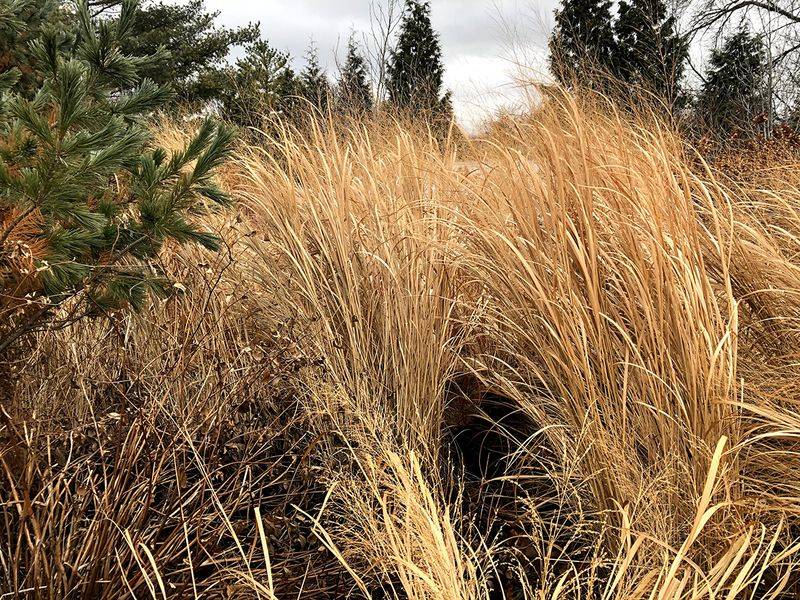
Javelinas love a cozy hideout. Thick, overgrown shrubs give them a shady spot to rest during hot afternoons and a hidden path to travel through neighborhoods.
Take a look around your property with fresh eyes. Are there dense hedges, tangled bushes, or low-hanging branches that create tunnels near the ground?
Those areas can feel like a safe bedroom to a herd.
Trimming them back opens up sightlines across the yard. When javelinas feel exposed, they tend to feel less secure and may choose somewhere else to nap.
Raise the canopy on mesquite and palo verde trees so you can see underneath.
Do your pruning in cooler months when possible. Late winter is a good time for many desert shrubs, and you will avoid working outside during brutal summer heat.
Clearing clutter helps too. Woodpiles, old boards, and debris can attract pests and create sheltered nooks.
Tidying up may also make your yard less inviting to scorpions, which like hiding under the same kinds of junk.
You do not need to strip away every bush. A balanced, open layout still supports birds and pollinators while giving the herd fewer reasons to linger.
9. Never Feed Javelinas
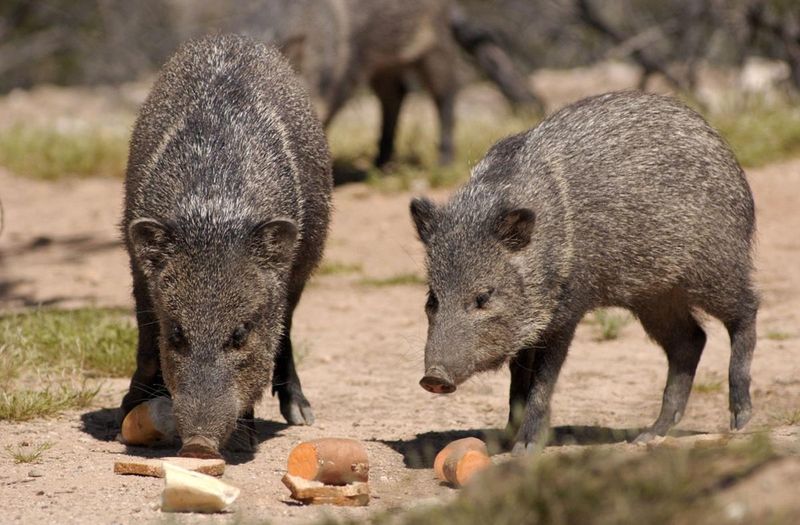
They look a little like fuzzy pigs, and it is tempting to toss them a carrot. Please resist the urge.
Feeding javelinas is the number one cause of problems with them in Arizona neighborhoods.
Once a herd learns your yard means free food, they will come back again and again. Soon they may bring friends, and your neighbors will notice too.
Regular visits often lead to torn-up landscaping and tipped trash cans.
The bigger issue is fear. Wild javelinas naturally keep their distance from people.
Animals that get fed lose that caution and may start approaching humans expecting snacks.
Habituated javelinas can bite if they connect people with food. That puts kids, pets, and adults at risk.
It also creates trouble for the animals themselves, since problem herds can face removal.
Feeding wildlife like javelinas is also against the law in parts of Maricopa County, so it can bring fines as well.
Talk with neighbors if you suspect someone is leaving food out. A friendly conversation can protect the whole street.
Keeping wild animals wild is truly the kindest choice you can make for them.
10. Contact Arizona Game and Fish for Aggressive or Confined Animals
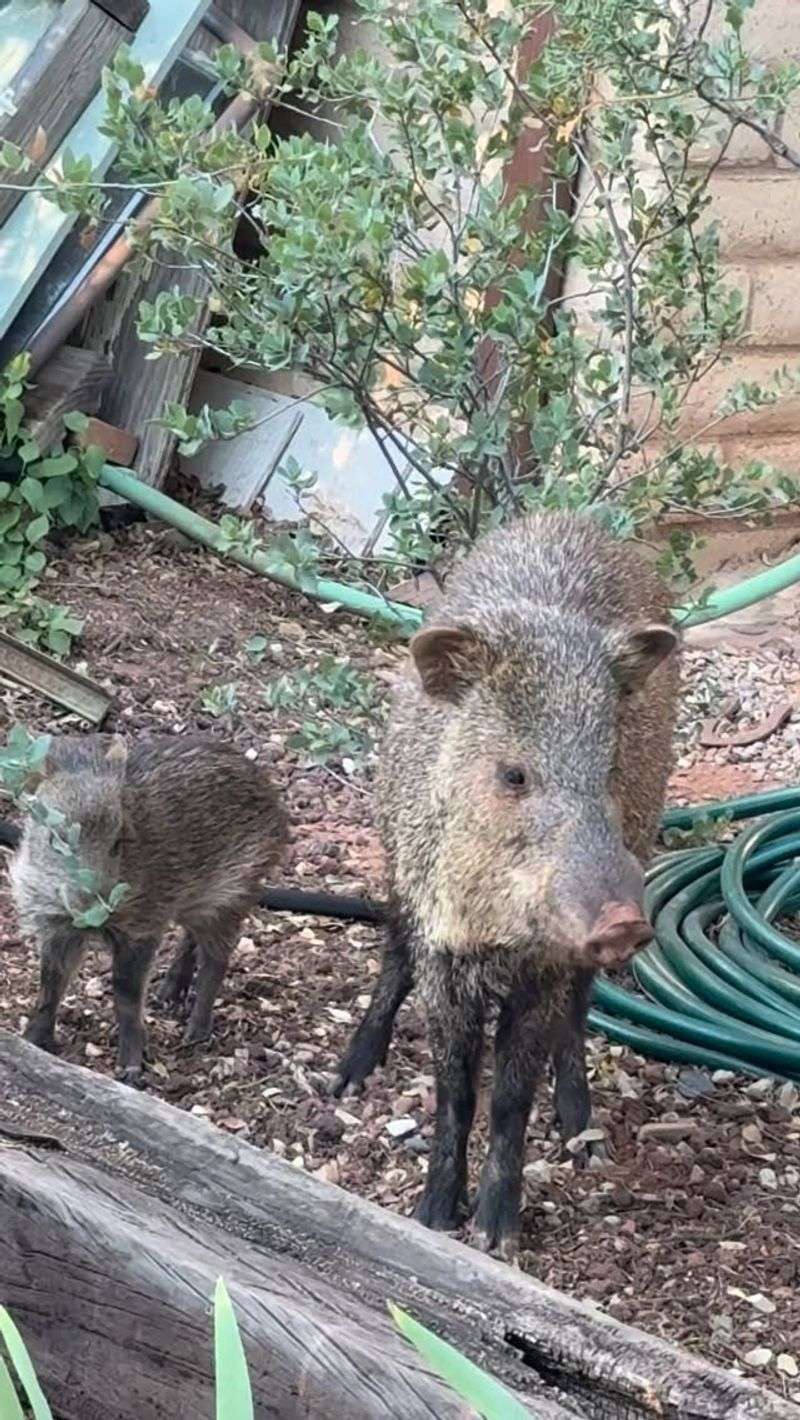
Most javelina visits end with the herd wandering off on its own. Every so often, though, a situation calls for expert help.
Call the Arizona Game and Fish Department if a javelina is acting aggressively, has attacked a person or pet, or seems stuck in your yard. Their wildlife staff know how to handle these situations safely.
Keep their number saved in your phone so you are ready.
Sometimes a javelina simply gets trapped inside a walled yard and cannot find the exit. If it is safe, open a gate and step away.
Give the animal space and quiet time to leave on its own.
While you wait, bring kids and pets indoors. Watch from a window rather than standing outside.
Never try to catch, corner, or move a javelina yourself.
A quick note for peace of mind: javelinas are not true pigs. They belong to a separate family called peccaries, native to the Americas.
Knowing when to step back and let the pros take over keeps everyone safe. With good habits and a little patience, you can share the desert with these unique neighbors without much drama.