The Spots Where You Should Never Hang A Bird Feeder In Michigan Right Now
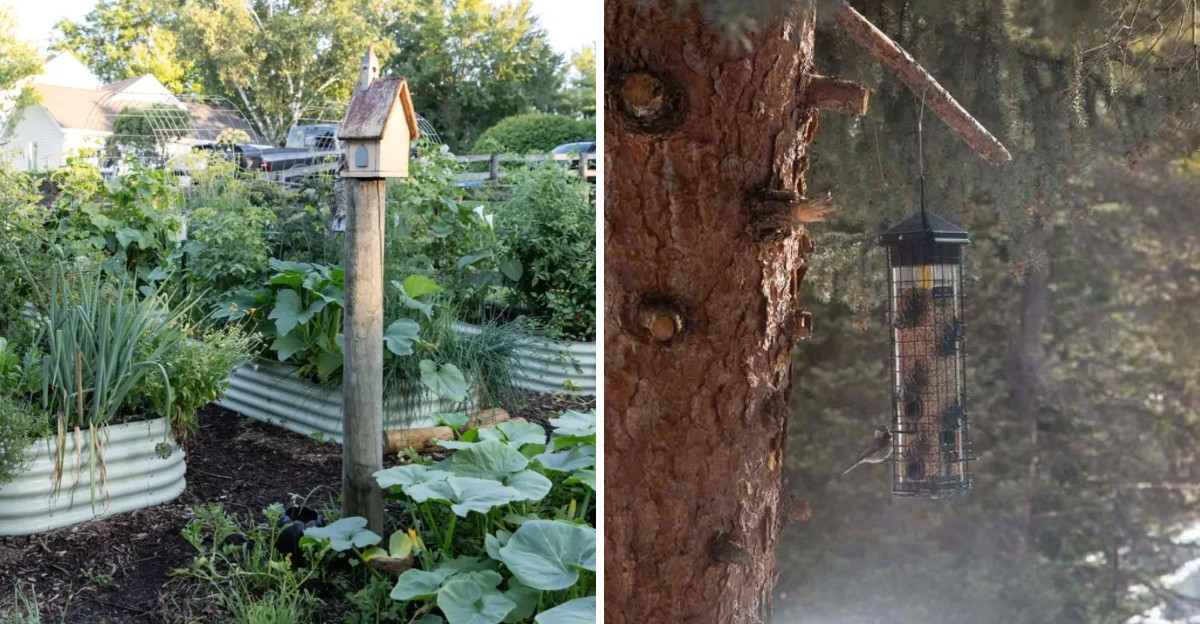
Bird feeders bring joy, but a poor location can turn a pleasant hobby into a problem. Fall brings more birds, more visitors, and more risks. Some spots invite window strikes.
Others put birds within easy reach of cats or hawks. A few attract squirrels, rodents, or even bears in northern Michigan. Weather matters too.
A feeder in the wrong place can get soaked, which spoils the seed and spreads illness among visitors. Many people hang a feeder wherever it looks nice and never think about it again. A small move of a few feet can change everything.
Walk around your yard with fresh eyes, and you may find spots that need rethinking. Birds will thank you with healthier visits.
1. A Few Feet To Several Yards From Your Windows
Most people never guess that the trickiest spot for a feeder is the one that seems most sensible.
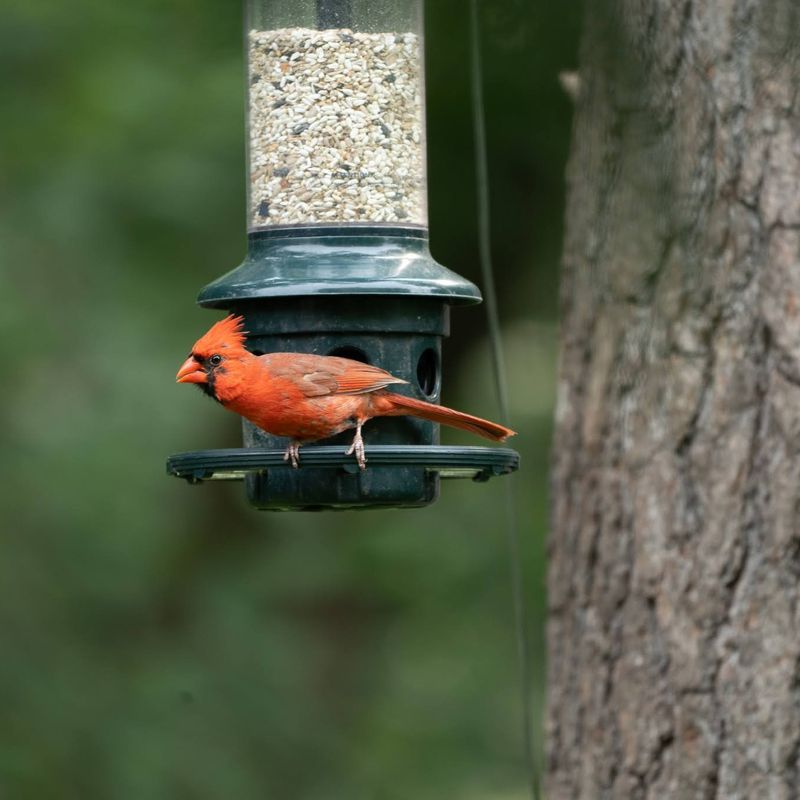
A feeder hung about 5 to 30 feet from a window looks perfect for viewing. Sadly, that middle distance gives birds just enough room to pick up speed before they reach the glass.
Birds see reflections of sky and trees in windows, so they often think the path is open. When a startled junco bolts from a feeder at that distance, it can hit the pane hard enough to be badly hurt.
Feeders placed within about 3 feet of a window work much better. Birds leaving them simply cannot build up much speed, so a bump against the glass is usually gentle.
You have two smart choices here. Go very close by using a suction-cup window feeder or a pole feeder set right beside the glass. Or go far by placing your feeder more than 30 feet from the house, where birds are less likely to aim toward windows at all.
Glass itself can also get a makeover. Window decals, outside screens, hanging cords, or patterned film help birds notice that a solid surface is there. Decals work best when spaced closely, about 2 inches apart, instead of one lonely sticker in the middle.
Michigan winters make this extra important. From November through March, many families spend long gray days watching feeders from the kitchen table or living room couch. That means feeders often end up right in that risky window zone.
A quick move closer or farther away keeps your winter bird show cheerful, safe, and full of happy visitors instead of worrying thumps against the glass.
2. Right Next To Dense Shrubs Where Cats Can Hide

Somewhere in your neighborhood, a sneaky orange tabby may already know exactly where your feeder hangs. Outdoor cats are patient hunters, and thick shrubs make the perfect hiding place. A feeder set right beside a dense hedge gives them a front-row seat.
Many birds, like sparrows, juncos, and mourning doves, love to eat seed that falls on the ground.
Those ground feeders are easy targets when a cat can creep within a pounce or two. Even birds flying in from above can get surprised before they ever notice danger.
Still, birds do need some cover nearby. Hawks such as Cooper’s hawks often patrol backyard feeders in Michigan, and small birds want a quick escape route into branches. Removing every bush is not the answer.
Your Michigan Garden Changes Every Week. Your Plan Should Too.
Gardening in Michigan changes quickly throughout the season. Every Friday you’ll receive a simple weekly plan showing exactly what to plant, prune, fertilize, harvest, and protect so you never miss the right timing.
The sweet spot sits about 10 to 12 feet away from shrubs or trees. At that distance, birds can dart into safety in a second or two. Cats, though, have to cross open ground to reach them, and the birds usually spot them coming.
Keeping your own cat indoors helps more than you might think. Studies show free-roaming cats are one of the biggest human-related threats to birds across the country.
An indoor cat can still enjoy the action by watching from a sunny window perch, which many cats find endlessly entertaining. Michigan neighborhoods, farms, and lake towns all have plenty of roaming cats.
If strays keep showing up, try low fencing around the feeder area or chat kindly with neighbors about keeping pets inside. A little spacing goes a long way toward a safer, busier feeder.
3. Under Branches Squirrels Can Jump From
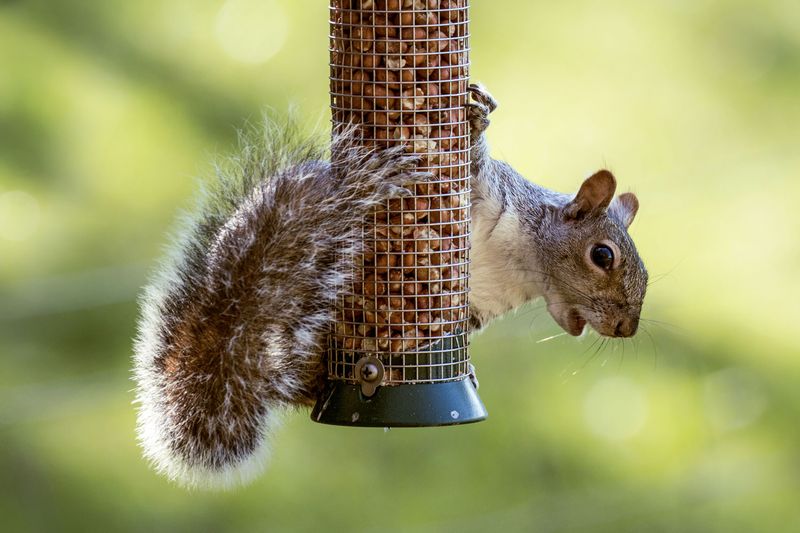
Ever watched a squirrel sail through the air like a tiny acrobat? Those furry athletes can leap around 8 to 10 feet sideways and climb almost anything. Hang a feeder under a tree branch, and it quickly becomes a squirrel buffet.
Squirrels do not stop at a snack. They can empty a full tube of sunflower seed in an afternoon, chew through plastic ports, and chase away the birds you hoped to see.
Fences, deck railings, and rooftops work just as well as branches for launching a sneak attack.
Outsmarting them starts with location. Mount your feeder on a sturdy metal pole placed at least 8 to 10 feet from trees, fences, buildings, and anything else a squirrel could jump from.
Keep the feeder about 5 feet or more off the ground so they cannot spring straight up to it. A baffle is your secret weapon. That cone or tube shape blocks squirrels from climbing the pole.
Place it below the feeder, roughly 4 feet high, and make sure it wobbles a bit, since a moving baffle is harder to grip.
Seed choice can help too. Safflower seed is enjoyed by cardinals and chickadees, but many squirrels do not care for it. Some people also use hot pepper suet, since birds do not react to the spicy taste.
Michigan is home to gray squirrels, fox squirrels, and feisty red squirrels, and all three stay busy at feeders through fall and winter.
Since they do not hibernate, they are hungry all season long. Smart placement saves you money and keeps your feeder full of feathers.
4. Near The House Foundation Or Doors
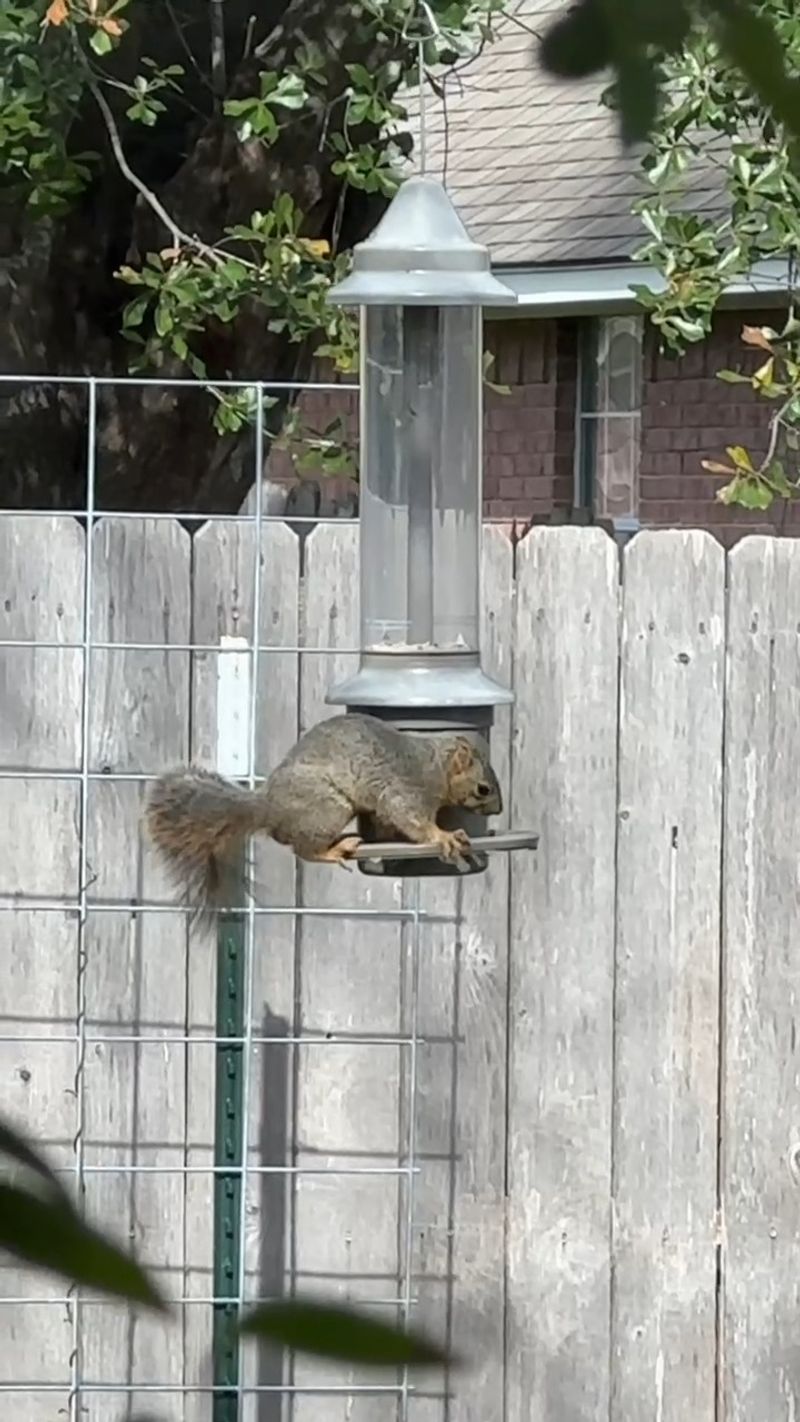
Mice have an amazing nose for free food. Hang a feeder beside your back door, and they will notice the spilled seed long before you do. That tiny pile on the patio can become a welcome sign for unwanted guests.
Birds are messy eaters. They toss shells, drop seeds, and kick extra food onto the ground below. When that mess builds up near your foundation, doors, or garage, it draws in mice and sometimes rats.
Once rodents are snacking close to the house, the next step is easy for them. A mouse can squeeze through a gap about the size of a dime. Cracks near doors, vents, and garage seals become little doorways into your warm home.
Moving your feeder away from the house is the simplest fix. Try a spot at least 20 to 30 feet out in the yard if possible. Adding a seed tray or catcher under the feeder will trap much of the falling seed before it reaches the ground.
Seed type makes a real difference. No-mess blends use hulled sunflower hearts and chips, so there are no shells left behind. They cost a little more, yet birds eat nearly all of it, which means less waste and fewer rodent visits.
Regular cleanup keeps things tidy. Sweep or rake spilled seed every few days, and store bags in metal cans with tight lids.
Michigan mice start hunting for shelter as soon as fall nights turn chilly, and they stay eager all winter. Keeping their food far from your doors helps keep them outside where they belong.
5. In Or Beside Your Garden Beds
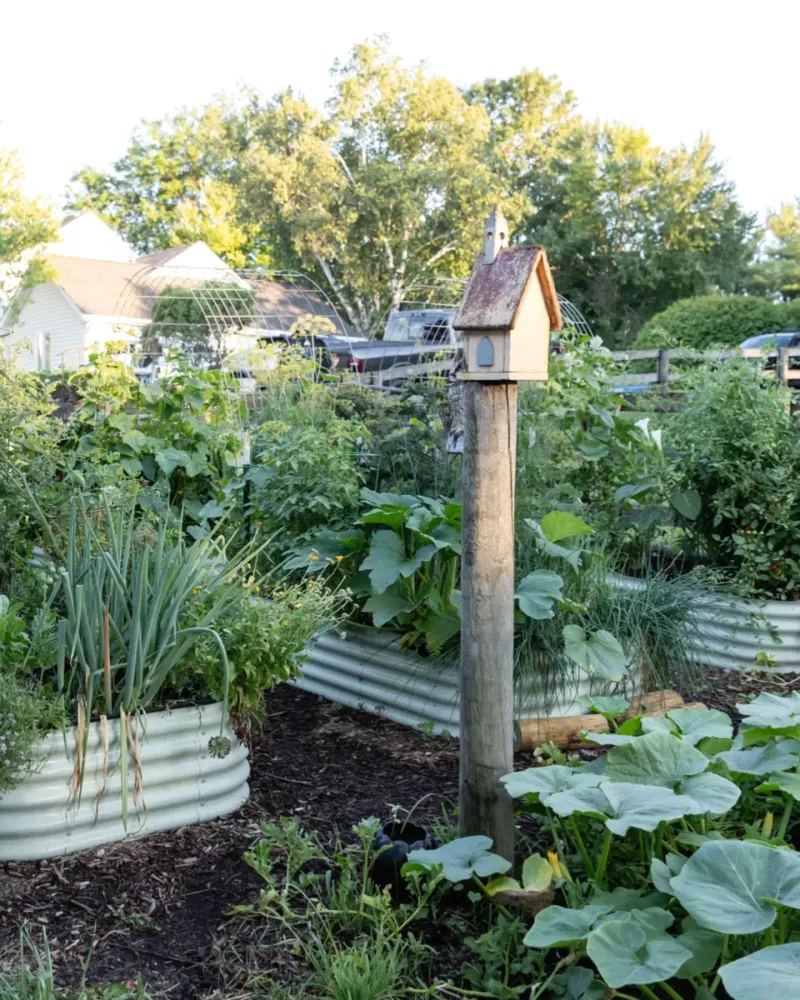
Gardeners often love birds just as much as blooms, so placing a feeder right in the flower bed feels natural. It looks charming at first. By spring, though, that cozy setup may cause more trouble than joy.
Spilled seed does not stay put. Millet, cracked corn, and sunflower seeds sprout quickly in rich garden soil, filling your beds with surprise weeds.
Sunflower hulls can also pile up and slow the growth of nearby plants, since they break down slowly and can cover the soil.
Hungry visitors are another problem. Seed on the ground pulls in mice, voles, chipmunks, rabbits, and deer. After filling up on bird food, they often move on to tender lettuce, hosta leaves, and the bulbs you worked so hard to plant.
A better plan is to set feeders on a lawn area or a mulched patch away from your beds. Gravel or wood chips under the feeder make cleanup easier and stop seeds from sprouting. A seed catcher tray adds extra protection.
Make raking a habit. Clear away hulls and spilled seed once or twice a week, and toss them in the trash instead of the compost pile. Composted seed can sprout later wherever you spread it.
Michigan gardeners plant tulips, daffodils, and crocus each fall, hoping for a bright spring. Squirrels and chipmunks are famous for digging up tulip and crocus bulbs, while deer browse tulip shoots.
Daffodils are a wise pick because most animals skip them. Keeping feeders apart from your beds protects both your birds and your future flowers.
6. Anywhere Bears Are Still Active
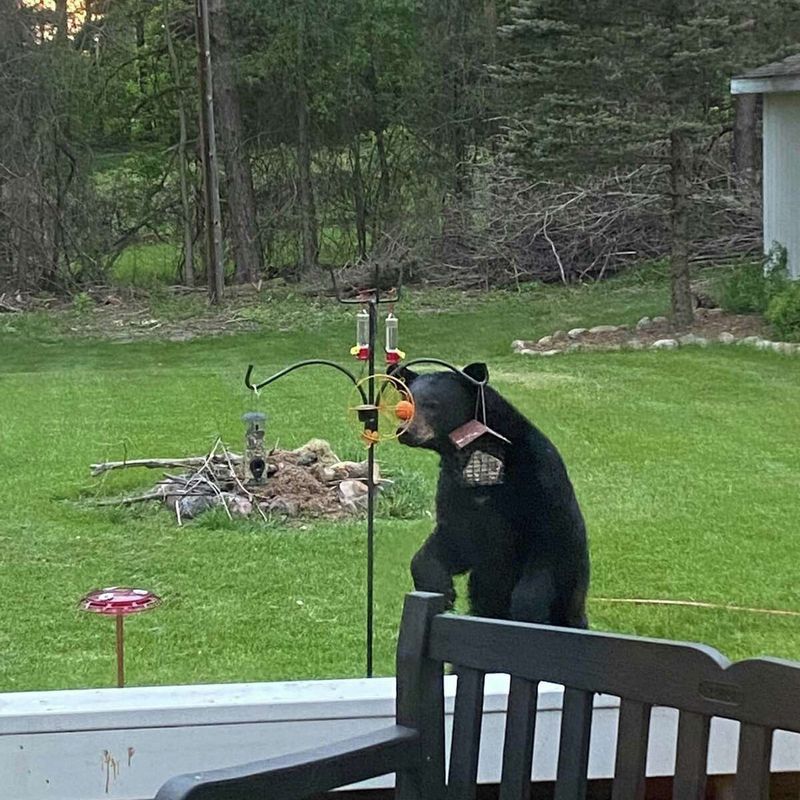
Imagine stepping onto your porch with your morning coffee and spotting a black bear licking your bird feeder clean. In northern Michigan, that scene happens more often than you might expect. Bird seed is a powerful bear magnet.
Sunflower seeds and suet are packed with fat and calories. In fall, bears enter a feeding stage where they eat as much as possible to prepare for winter, sometimes munching for most of the day. A full feeder is an easy, tasty prize.
The real trouble starts after that first visit. Bears remember food sources well, so they often return again and again.
Over time, they may lose their fear of people, which creates risky situations for families and can lead to serious problems for the bear too.
Safety here is simple. If you live in bear country, take feeders down from spring until bears settle into their dens for winter. Michigan DNR guidance suggests keeping them down from about April through November, and later during warm falls.
Storage matters as much as placement. Keep seed indoors in sealed containers, such as metal cans inside a garage or shed with the door closed. Clean up spilled seed under old feeder spots so no tasty scent lingers.
Michigan has an estimated population of more than 10,000 black bears. Most live in the Upper Peninsula and the northern Lower Peninsula, though sightings farther south are growing.
Checking the Michigan Department of Natural Resources website for bear updates helps you know when it is safe to hang feeders again.
7. A Spot You Can’t Reach Easily In Winter
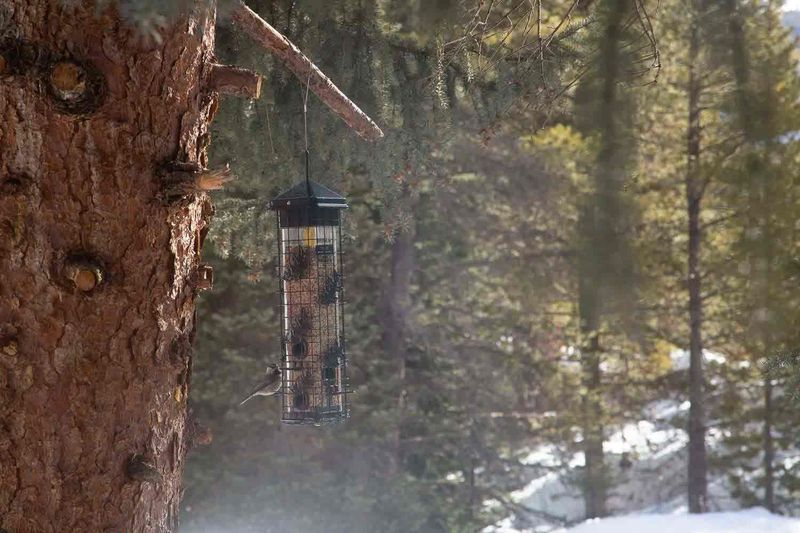
January in Michigan can bury a backyard under knee-deep snow. That pretty feeder you hung by the back fence in October suddenly feels miles away. Many feeders end up empty and dirty just when birds need them most.
Winter is tough on birds. Short days and freezing nights mean they must eat often to stay warm. A chickadee, for example, can lose a good chunk of its body weight overnight and must refuel quickly each morning.
Clean feeders matter just as much as full ones. Bird droppings, wet seed, and mold can spread illnesses like salmonella and conjunctivitis, which often shows up as crusty, swollen eyes in house finches.
Dirty feeders that never get scrubbed become hot spots for these problems. Placement solves most of this.
Hang your feeder near a path you already shovel or close to a door you use every day. You will refill it more often, notice problems sooner, and enjoy a better view while you are at it.
Cleaning does not have to be a big chore. Every couple of weeks, scrub the feeder with hot, soapy water or soak it in a mix of one part bleach to nine parts water. Rinse it very well, then let it dry completely before refilling.
Check seed after every storm. Wet, clumpy, or moldy seed should go straight into the trash. Michigan snow can pile up for months, especially in lake-effect areas near Lake Michigan and Lake Superior.
A handy feeder spot keeps your flock healthy, happy, and coming back all winter long.