Why North Carolina Gardeners Are Shaping Crape Myrtles Into Single Trunk Trees

A crape myrtle can grow as a bushy shrub with many stems. More and more North Carolina gardeners prefer a different look. They train it into a tree with one clean, graceful trunk.
The shape shows off the smooth, peeling bark and lets you walk or sit beneath the branches. It also opens the canopy so air and light move through. Getting there takes some patience and a few smart cuts.
You choose a strong stem, remove the rest, and keep removing the shoots that sprout at the base. Done well, the result looks elegant year round.
Done poorly, it can look awkward. Understanding how the process works helps you shape a tree you will enjoy for decades.
1. A Single Trunk Fits Tight Spaces
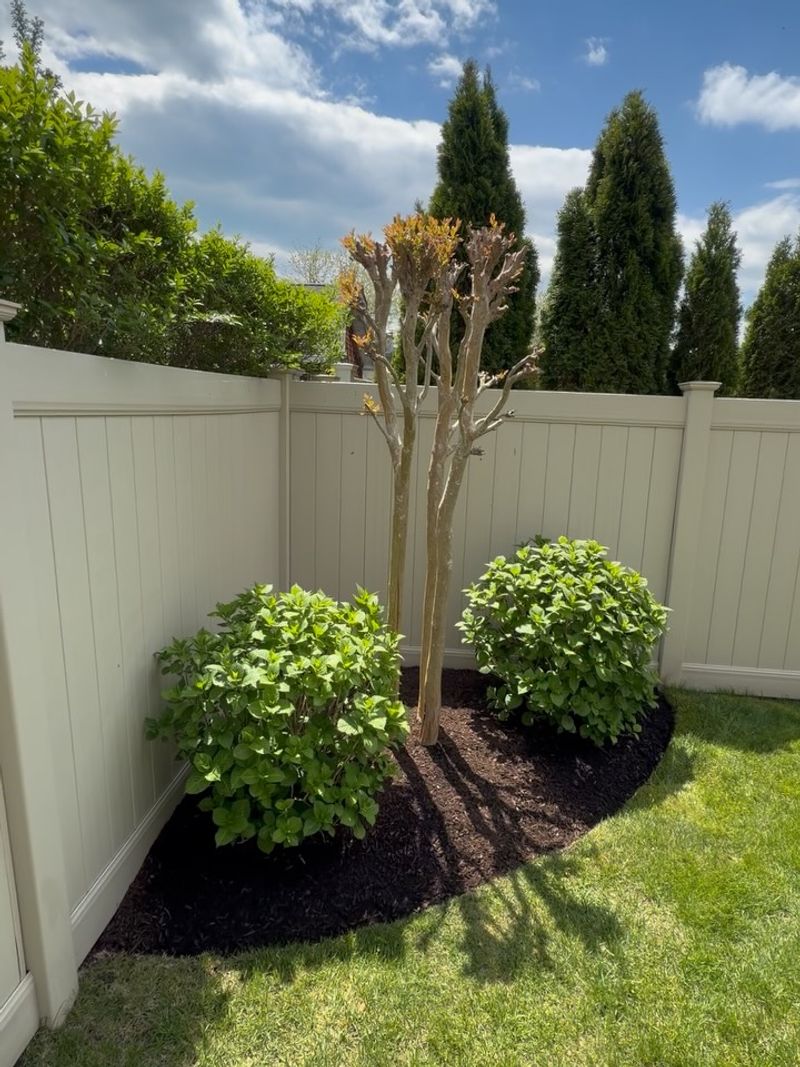
Small yards are everywhere in North Carolina, from new neighborhoods outside Raleigh to older streets in Greensboro.
A multi-trunk crape myrtle can spread its base several feet wide, and that bulky clump eats up precious ground. One trunk keeps the footprint slim and tidy.
That narrow base makes a big difference along driveways, beside patios, and in skinny planting strips between a sidewalk and the street.
A wide clump in those spots tends to lean over walkways, brush against cars, and press its roots and stems toward pavement. A single trunk rises straight up, then spreads its branches overhead where there is plenty of room.
Picking the right plant matters even more than pruning. Crape myrtles come in many sizes, from dwarf types that stay under 5 feet to tall ones that reach 30 feet or more.
Read the tag closely and choose a variety whose mature height and width match your space, so you never have to fight the tree later.
Spacing is the next step. Plant the tree several feet away from paving, walls, and your house foundation, giving the trunk room to thicken over the years. A good rule is to leave at least half the mature spread between the trunk and any hard surface.
Keep an eye on the ground, too. Crape myrtles love to send up suckers, which are little shoots that pop up around the base. Snip them off whenever you see them, and your slim trunk will stay slim.
Because crape myrtles line yards and streets across the whole state, a smart single-trunk shape lets you enjoy summer color without giving up valuable space.
2. It Shows Off The Beautiful Bark
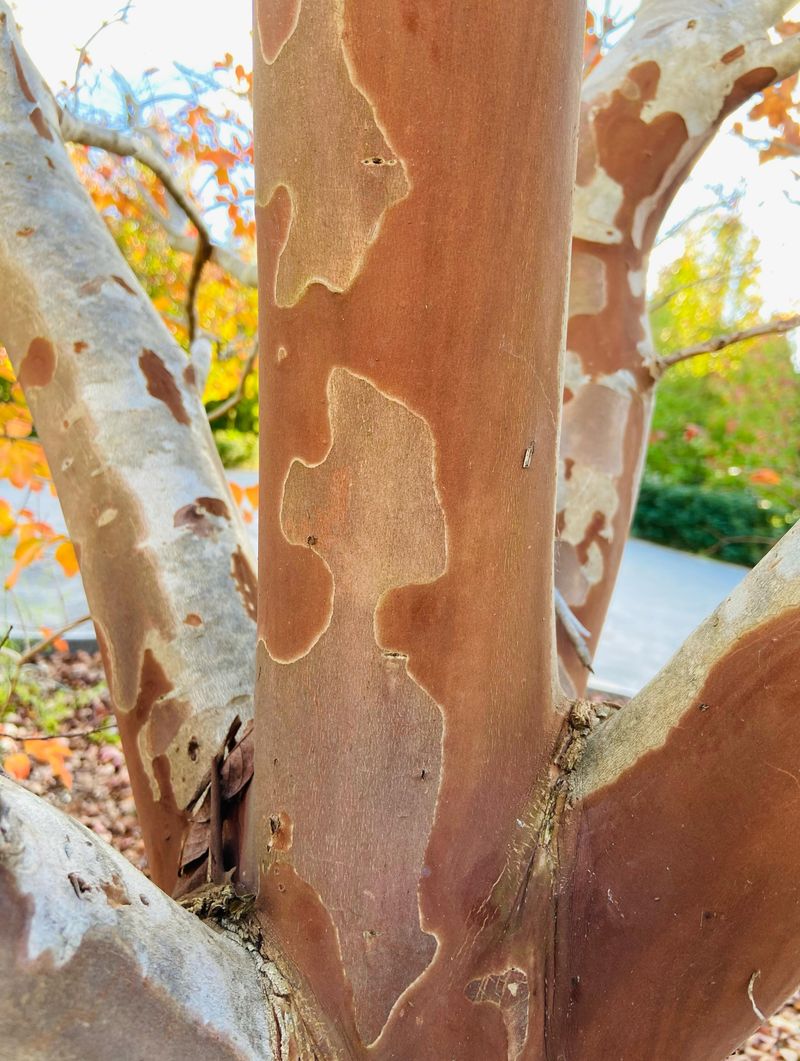
Flowers get most of the attention, yet many crape myrtle lovers say the bark is the real treasure.
Run your hand along an older trunk and you will feel how smooth it is, almost like polished wood. As the outer layer peels away, it reveals patches of tan, cinnamon, gray, and cream.
A crowded clump hides much of that color behind a tangle of stems and low branches. Once you remove the extras and keep a single trunk, the bark becomes the star of the yard. It looks a bit like a living sculpture standing in the garden.
Winter is when that beauty truly shines. With the leaves gone, the trunk catches sunlight and seems to glow, especially after a rain when the colors deepen. Few other trees offer this kind of show during the cold months.
Your North Carolina Garden Changes Every Week. Your Plan Should Too.
Gardening in North Carolina changes quickly throughout the season. Every Friday you’ll receive a simple weekly plan showing exactly what to plant, prune, fertilize, harvest, and protect so you never miss the right timing.
Some varieties have better bark than others, so choose wisely. Natchez is famous for its rich cinnamon-brown trunk and white summer flowers. Tuscarora, with its coral-pink blooms, also has lovely mottled bark in tan and light brown tones.
Patience pays off here. Remove low side branches a few at a time as the tree grows, rather than stripping the trunk all at once. Taking it slow helps the trunk grow thicker and stronger while you reveal more bark each year.
North Carolina crape myrtles stand bare from about late fall until spring, which is a long stretch. A single trunk with gorgeous bark turns those gray months into a season worth looking forward to.
3. An Open Canopy Improves Airflow

Anyone who has spent July in Charlotte knows the air can feel thick enough to drink. Plants feel that heavy humidity too. Crape myrtles with crowded, twiggy growth hold moisture around their leaves for hours.
Damp, still air is exactly what powdery mildew loves. You may have seen it before as a white, dusty coating on leaves and flower buds. It weakens new growth, makes leaves curl, and can reduce the number of blooms you get.
Training your crape myrtle into an open tree shape helps fix the problem. Well-spaced branches let breezes pass through the canopy, and sunlight reaches deeper inside.
Leaves dry off faster after rain or morning dew, giving fungus fewer chances to settle in. Late winter is the best time to open things up, usually February or early March.
Look for branches that cross or rub against each other, and remove one of them. Then cut out shoots that grow inward toward the center, since those mostly create clutter.
After that, step back and study the tree. If one area still looks packed, thin a few small branches there until the canopy feels airy and balanced. A simple goal is to see some sky through the branches.
Variety choice helps a lot as well. Many hybrids with Native American tribal names, such as Natchez, Muskogee, and Tuscarora, came from the U.S. National Arboretum and were bred for better mildew resistance.
Since North Carolina summers bring so much humidity, good airflow is one of the easiest ways to keep your crape myrtle looking fresh.
4. It’s Easier To Plant Under And Maintain Around
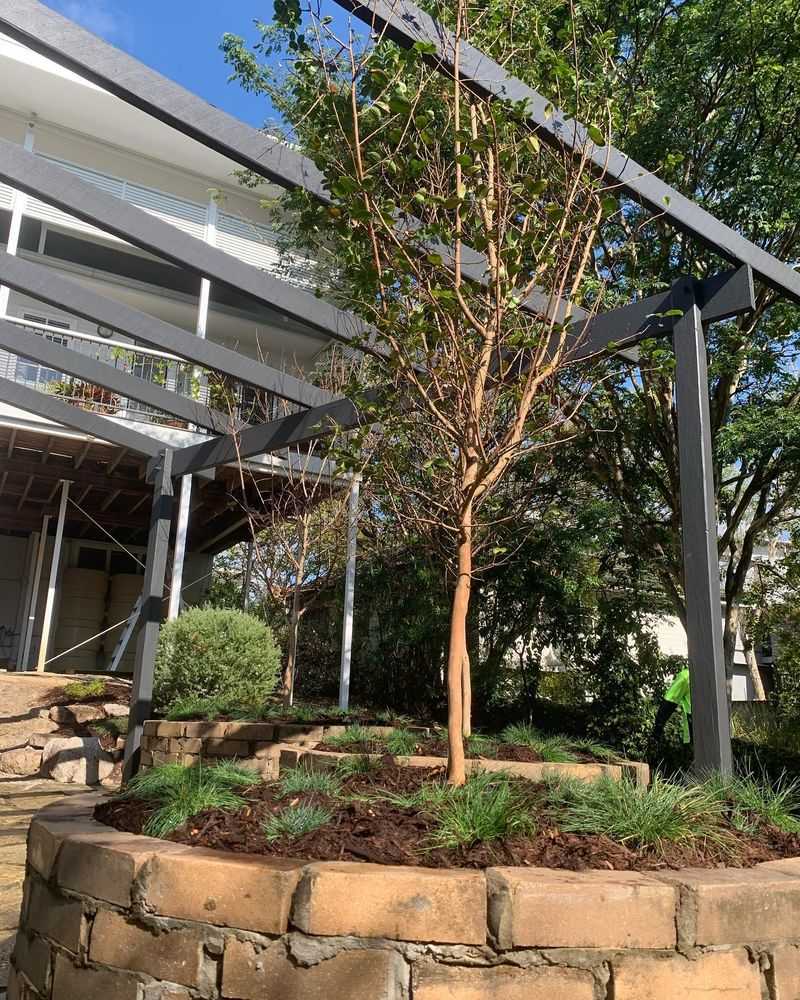
Mowing around a bushy crape myrtle can feel like a wrestling match. Low branches slap your face, and the mower bumps into stems you could not see. A raised canopy ends that struggle quickly.
When the lower branches are lifted off the ground, the space underneath opens up. Suddenly you can plant groundcovers, perennials, or even let the lawn grow right up near the trunk.
Mulching and weeding become much easier when you can reach the soil without crawling. Go slowly when raising the canopy.
Remove a few of the lowest branches each year over two or three years instead of cutting them all at once. Leaving some lower limbs for a while helps the trunk build strength and keeps the tree from looking bare.
Mulch is a friend, but only when used correctly. Spread it 2 to 3 inches deep in a wide circle, and pull it back a few inches from the trunk. Piling mulch against the bark, sometimes called a mulch volcano, traps moisture and invites rot and pests.
Underplanting adds charm and color. Crape myrtles cast light, dappled shade, so good partners include liriope, hostas, ajuga, and hellebores. Choose plants that handle some shade and do not need much digging, which protects the tree roots.
Many North Carolina homeowners want yards that look neat without eating every weekend. A single-trunk crape myrtle with a lifted canopy fits right into that kind of easy, polished landscape.
5. It Clears Walkways And Views

Ducking under branches every time you walk to the mailbox gets old fast. Guests notice it too, especially when wet leaves brush their shoulders after a summer storm. A clear trunk with a raised canopy lets everyone stroll beneath without a second thought.
Sight lines matter just as much as footpaths. A dense, shrubby crape myrtle planted near the house can grow right across a front window, blocking light and your view of the street.
Trained as a tree, the same plant lifts its leaves above eye level and frames the window instead.
Good results start with good placement. Before digging, think about the tree at full size, not the cute little one in the pot.
Stand at your windows and front door, then imagine a canopy 15 or 20 feet wide, and choose a spot where it will not hide what you love seeing.
As the tree grows, raise the canopy a little each winter. Aim for branches that clear about 7 to 8 feet over sidewalks so walkers can pass easily. Over driveways, keep limbs high enough that cars, trucks, and delivery vans will not scrape them.
Watch for drooping limbs in summer as well. Heavy flower clusters, especially after rain, can pull branches lower than normal, so a quick check in July keeps paths open.
Across North Carolina, crape myrtles often sit near entries, walks, and front windows. Shaping them into trees keeps homes welcoming, bright, and easy to walk around.
6. It Encourages Good Pruning Instead Of Topping

Drive past almost any shopping center in North Carolina in February and you will see it. Rows of crape myrtles chopped down to ugly stubs, standing like clenched fists.
Topping cuts large trunks back to the same spot year after year. The tree answers with a burst of skinny, crowded shoots that are too weak to hold heavy flowers, so branches droop and sometimes snap.
Over time, swollen knobs form at the cut points, and the natural graceful shape is lost. Training a single-trunk tree pushes you toward a smarter approach.
Instead of hacking the top, you focus on removing whole branches and suckers in the right places. The result is a sturdy frame with strong limbs and plenty of blooms.
Late winter is the ideal time for the job, before new growth starts. Begin with suckers at the base, then remove crossing branches and shoots growing toward the center.
When you cut, follow a branch back to the trunk or to a larger branch and cut just outside the slightly swollen collar.
One rule never changes. Do not cut the main trunk back to a stub, no matter how tall the tree has grown. If a crape myrtle is truly too big, the better fix is often choosing a smaller variety for that spot.
Since this practice shows up along so many streets and parking lots, a well-pruned single-trunk tree quietly shows neighbors a better way.
7. Know The Trade-Offs Before Choosing This Form
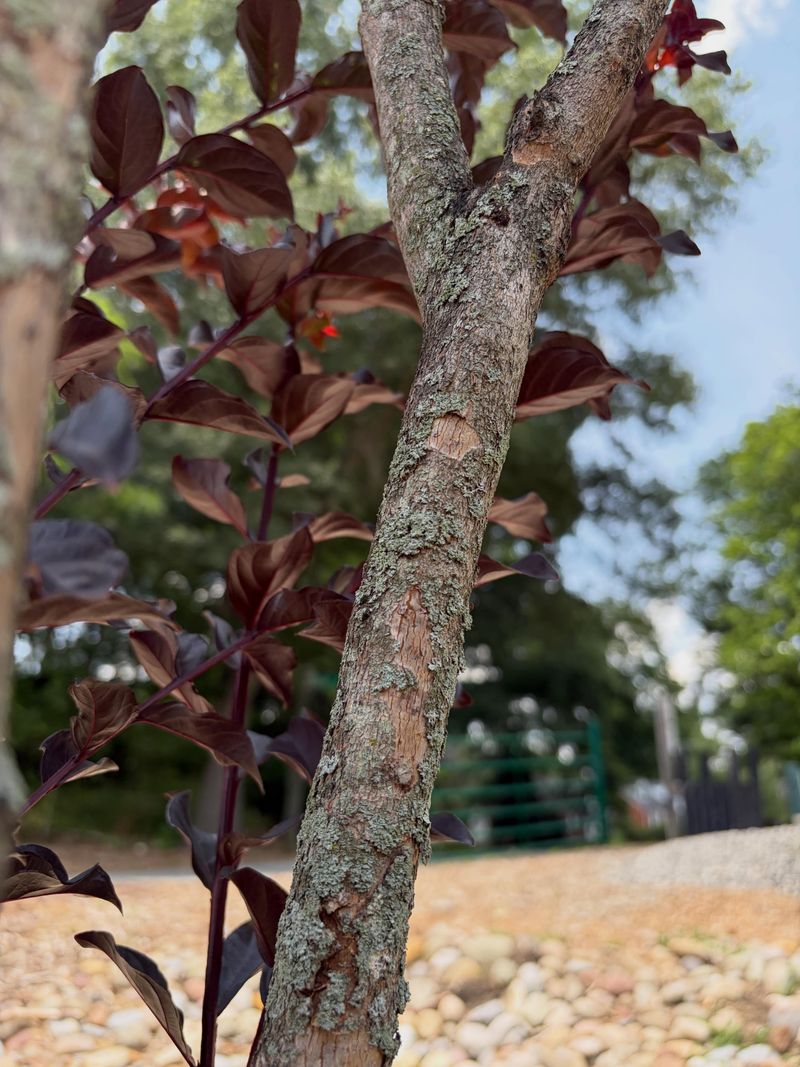
Honest gardeners will tell you that every choice comes with a catch. Single-trunk crape myrtles look elegant, but they do ask more of you. Knowing the downsides now saves frustration later.
Nature designed crape myrtles as multi-stemmed shrubs, so the plant keeps trying to return to that shape. Suckers sprout from the roots and base again and again. Keeping one clean trunk means regular trips outside with your pruners.
Risk is another factor. If a storm cracks that single trunk or disease attacks it, the whole tree is in trouble. A multi-trunk clump spreads that risk across several stems, so losing one still leaves a full-looking plant.
Starting young makes everything easier. Choose a small tree and pick the strongest, straightest stem as your leader, then cut the others off cleanly at the base. Young cuts heal faster and leave smaller scars than removing thick stems later.
Plan on checking for suckers several times a year, especially in spring and summer when growth is fast. Pull or snip them while they are small and soft. A few minutes each visit keeps the job from becoming a chore.
Sometimes the classic shape simply works better. In open lawns, large beds, or spots where size is not a worry, a multi-trunk crape myrtle can be the sturdier choice.
North Carolina sees strong summer thunderstorms and the occasional ice storm that coats branches with heavy ice. Weighing those weather risks helps you pick the form that suits your yard best.