9 Creatures You Can’t Just Evict From Your Virginia Home Or Garden
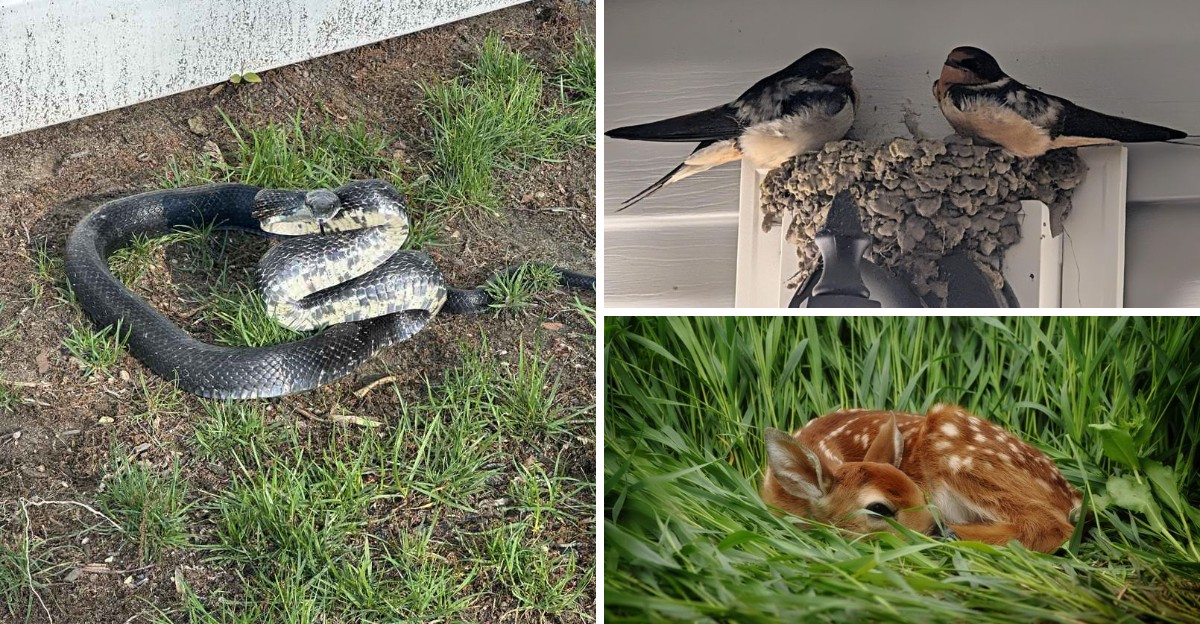
Something is scratching in the attic, chirping in the chimney, or slithering under the deck at 2 a.m. Before you grab that broom and go to war, stop right there.
Virginia law protects more backyard critters than most homeowners realize. Some carry federal protection, while others fall under strict state wildlife rules.
Trap, grab, or relocate the wrong one, and you could face hefty fines and a pile of headaches. Knowing the rules keeps your family safe and your wallet happy.
The upside? Most of these squatters are helpful neighbors in disguise.
They gobble bugs, keep rodents in check, and help gardens buzz with life.
The list below covers the creatures you should leave alone. A few might surprise you, and one could already be living in your yard.
1. Bats Roosting In Attics And Soffits
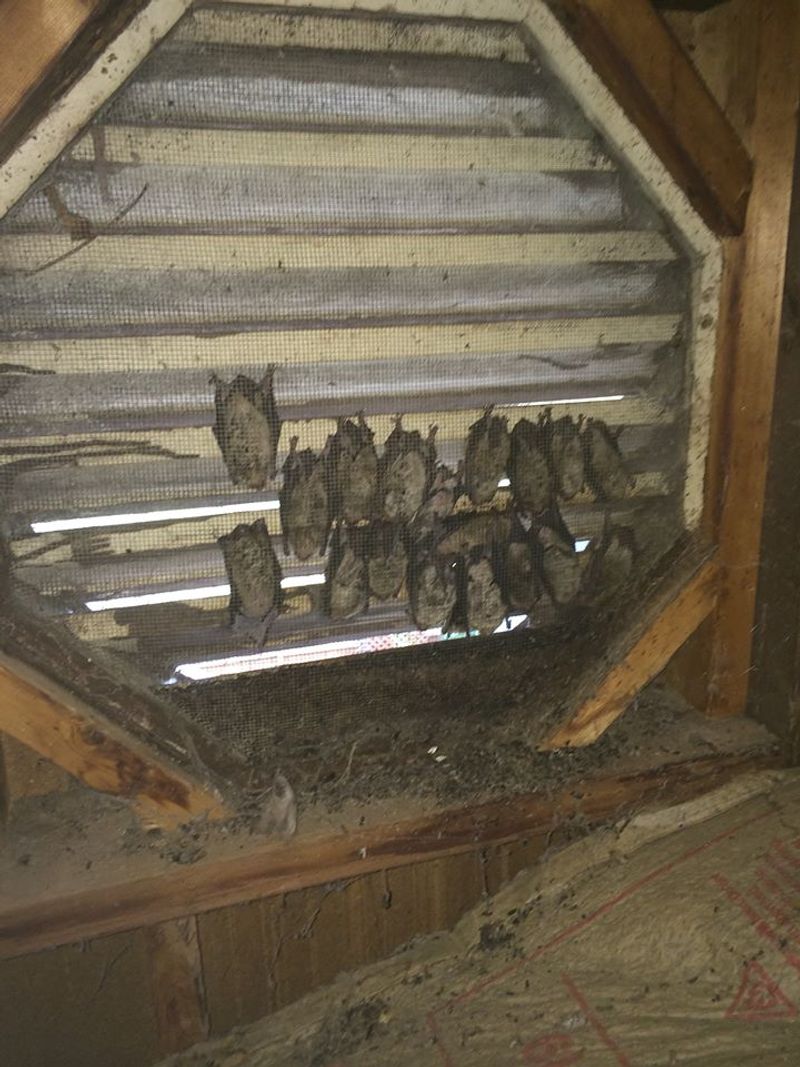
Picture a summer evening when dozens of small shapes stream out from under your roofline. Those flyers are bats heading out to eat mosquitoes and moths by the thousands.
Virginia bats get real legal protection, though one that’s truly damaging your home or creating a health hazard can be handled as a nuisance. Some, like the Gray Bat, Indiana Bat, and Virginia Big-Eared Bat, are federally endangered.
Poisoning them is against the law, since only rats and mice can legally be poisoned. Catching a bat and releasing it somewhere else is also unlawful in the state.
Timing matters most with bats. From roughly May through August, mother bats are raising flightless pups, so licensed pros won’t do exclusions then and you shouldn’t either.
Wait until you’re sure the babies can fly.
Sealing the home then would trap babies inside and separate them from their mothers. The result would be a smelly, sad mess and possible legal trouble for you.
Tree cutting has its own rules too. Bigger tree-clearing projects can face seasonal limits, often April 1 to November 14 where protected bats may roost.
Planning to drop a lot of trees? Check with DWR first.
Simply having bats nearby does not make them a nuisance under state rules. They must cause real property damage or a true health hazard first.
Your best move is calling a licensed wildlife pro who uses humane exclusion. Experts install one-way doors that let bats leave but block their return.
Plan that work for early spring or fall, outside the maternity season. Afterward, consider hanging a bat house on a sunny post to keep the bug control nearby.
2. Nesting Songbirds With Eggs Or Chicks
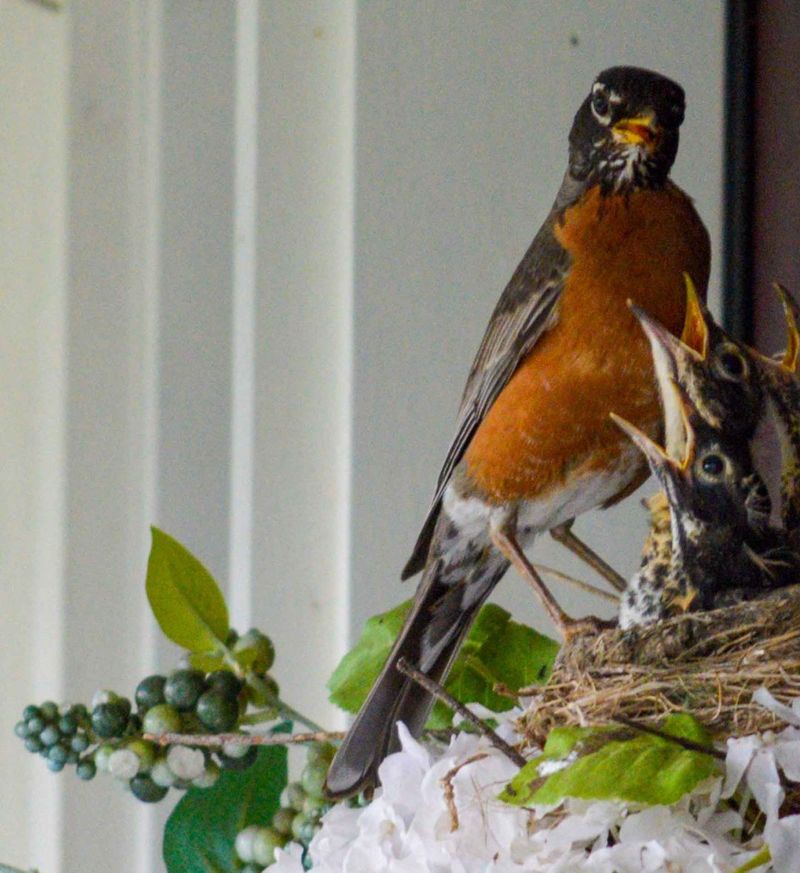
Robins love porch lights, wreaths, and hanging ferns. One morning you open the door and find four sky-blue eggs staring back at you.
Sweet as it is, that nest might feel inconvenient. Still, most songbirds in the state fall under the federal Migratory Bird Treaty Act.
Under that law, harming, capturing, or keeping a protected bird is illegal without a permit. Nests and eggs count too, along with feathers and other parts.
Federal officials define the word take very broadly. Knocking down an active nest or moving eggs can count as a violation.
Your Virginia Garden Changes Every Week. Your Plan Should Too.
Gardening in Virginia changes quickly throughout the season. Every Friday you’ll receive a simple weekly plan showing exactly what to plant, prune, fertilize, harvest, and protect so you never miss the right timing.
Virginia went further in 2021. State rules now address accidental harm and habitat disturbance, especially during construction and industrial projects.
So what can a homeowner do? Wait it out, because most songbirds leave the nest within two to three weeks after hatching.
Once the chicks fledge and the parents move on, you can remove the empty nest. Clean the spot and add a deterrent before next spring arrives.
Meanwhile, use a side door or skip that wreath for a while. Kids often enjoy watching the babies grow from a safe window view.
Here is a fun bonus for your patience. Songbird parents feed their chicks loads of caterpillars, which helps protect your garden plants and trees.
Got a ladder project planned near the nest? Postpone it a few weeks, and you avoid fines while giving a family of birds a fair start.
3. Barn Swallows Under Eaves
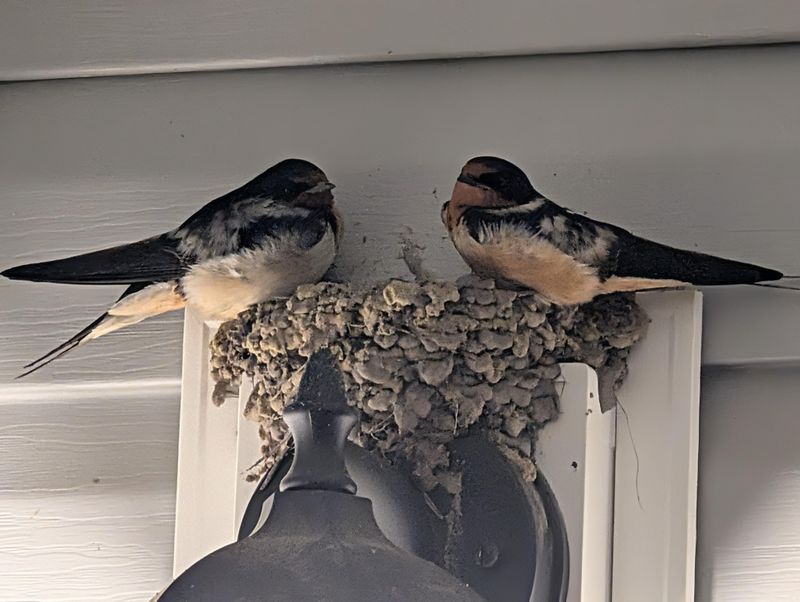
Swooping, chattering, and diving like tiny fighter jets, barn swallows put on quite a show. Their cup-shaped mud nests often appear under porch eaves and garage overhangs.
Federal law protects them under the Migratory Bird Treaty Act. Their nests, eggs, and chicks are safeguarded across Virginia and the rest of the country.
Knocking down an active swallow nest without a federal permit is unlawful. Hosing it off or scraping it away during nesting season counts too.
Fair warning: swallow parents can get bold. They may dive near your head if you walk too close to their babies.
Droppings are the bigger complaint for most homeowners. A simple fix is nailing a small board or shelf under the nest to catch the mess.
Flattened cardboard on the porch floor works as well. Toss it once the chicks leave, and your deck stays tidy.
After the swallows migrate south in fall, the nest is empty. That is a good time to remove it and block the spot if you prefer.
Bird netting or smooth flashing along the eaves can discourage new building. Install those barriers before swallows return in early spring.
Some folks gladly welcome these birds back each year. A single swallow can catch hundreds of flies and mosquitoes daily, which makes summer evenings far more pleasant.
Fun fact: barn swallows travel all the way to South America for winter. Many return to the very same barn or porch the next year.
4. Chimney Swifts Inside Flues
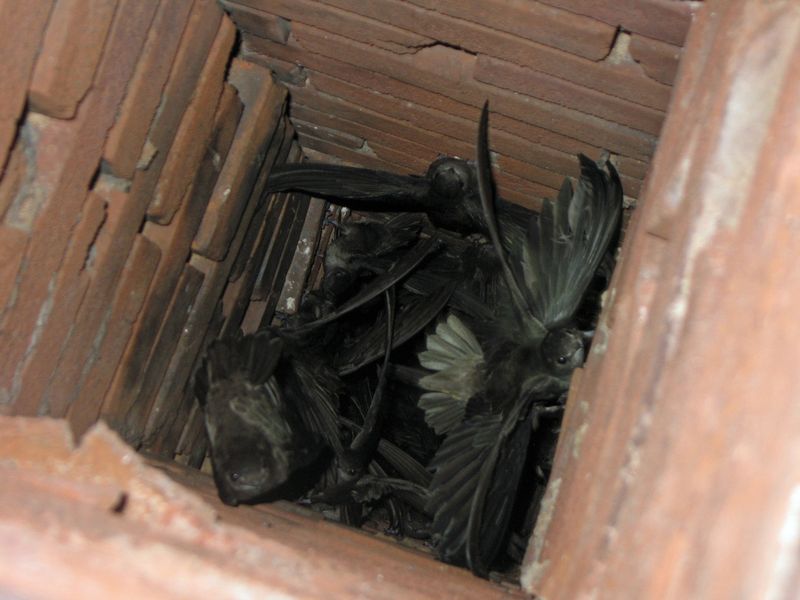
Ever hear a rattling, twittering noise coming from your fireplace in July? Odds are good that chimney swifts have moved into the flue.
Nicknamed flying cigars, these birds spend nearly all their lives in the air. They cannot perch like most birds, so they cling to rough vertical walls instead.
Long ago, swifts nested in hollow trees. Today, many rely on brick chimneys because big old trees are harder to find.
As migratory birds, they are protected under the Migratory Bird Treaty Act. Removing an active nest or disturbing nesting birds requires proper authorization.
Calling a chimney sweep mid-summer is a bad idea. Wait until fall, after the swifts head to South America for the winter.
Noise is usually the main problem. Young swifts get loud for about two weeks before they fledge, then things quiet down.
Close the fireplace damper during nesting season. Stuffing insulation near the damper can also muffle the chatter inside the house.
Planning a cap for your chimney? Install it between November and March, when the flue is empty.
Plenty of homeowners decide to keep their chimney open for swifts. The species has dropped sharply in numbers, so each available flue really helps.
Bonus perk: a single swift family may eat thousands of flying insects every day. Mosquitoes, gnats, and flies all make the menu above your yard.
5. Woodpeckers Drumming On Siding
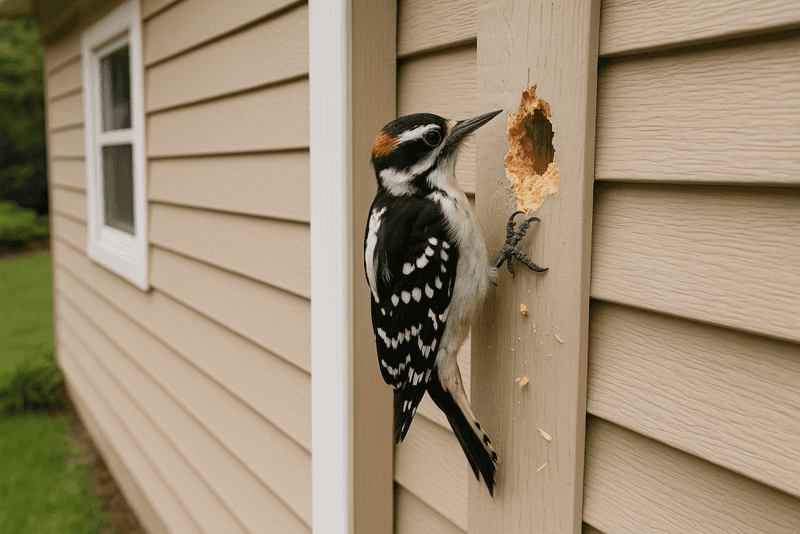
Rat-a-tat-tat at six in the morning is nobody’s favorite alarm clock. Yet a woodpecker hammering on your siding is probably just announcing its territory.
Every woodpecker in Virginia is a protected nongame species. Federal and state laws both apply, even to woodpeckers that stay put year-round.
Harming, trapping, hunting, or poisoning one is illegal. Destroying their nests or eggs breaks the law as well.
One species needs extra care. The Red-cockaded Woodpecker is federally threatened and listed as endangered by the state.
Removing a woodpecker requires a special permit. Most homeowners have better luck with simple deterrents instead.
Shiny objects work surprisingly well. Try hanging reflective tape, old CDs, or pinwheels near the damaged spot.
Plastic owl or hawk decoys may help, especially if you move them every few days. Sticky repellents and bird netting are other safe options.
Look closely at why the bird picked your house. Constant pecking may signal carpenter bees or insect larvae hiding inside the wood.
Fix the bug problem, and the woodpecker often loses interest. Filling holes with wood putty and painting over them also removes tempting targets.
Trim branches that touch your roof or walls. Fewer launching points can mean fewer visits.
Here is a quirky fact for you. Woodpeckers have special skull padding that acts like a built-in helmet during all that pounding.
6. Hawks, Owls, And Eagles Using Backyard Trees
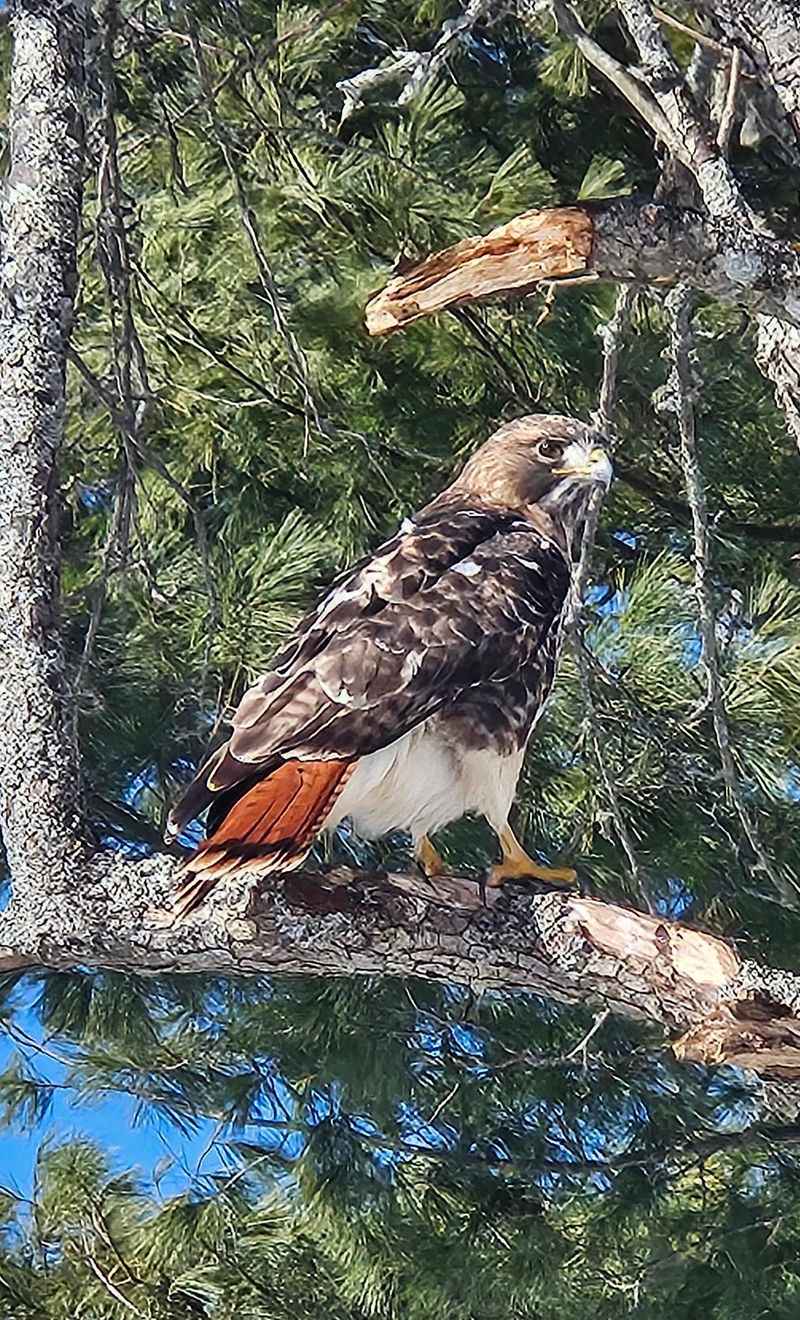
A red-tailed hawk perched on your oak looks majestic, until it eyes your chicken coop. Raptors stir up mixed feelings for many homeowners.
Still, these birds of prey are widely protected. Hawks, owls, and eagles fall under the Migratory Bird Treaty Act.
Eagles get even more coverage through the Bald and Golden Eagle Protection Act. Disturbing them can bring serious federal penalties.
Nests, eggs, and young are all off-limits without permits. The state’s incidental take rules add protection against accidental harm from human activities.
Thinking of cutting a tree that holds a big stick nest? Check first with the Virginia Department of Wildlife Resources before any chainsaw comes out.
Protecting pets and poultry is fully legal. Covered runs, sturdy coops, and netting over chicken yards make a world of difference.
Keep small pets close outside, especially from dusk through dawn. Hawks hunt by day, while owls take the night shift.
Bird feeders can attract hawks looking for an easy meal. Placing feeders near shrubs gives songbirds quick hiding spots.
On the bright side, raptors are amazing pest control. One barn owl family may eat over a thousand rodents in a single year.
Bald eagle numbers have bounced back impressively around the Chesapeake Bay. Spotting one near your home is a real treat and a conservation success story.
7. Native Snakes Under Decks And In Gardens
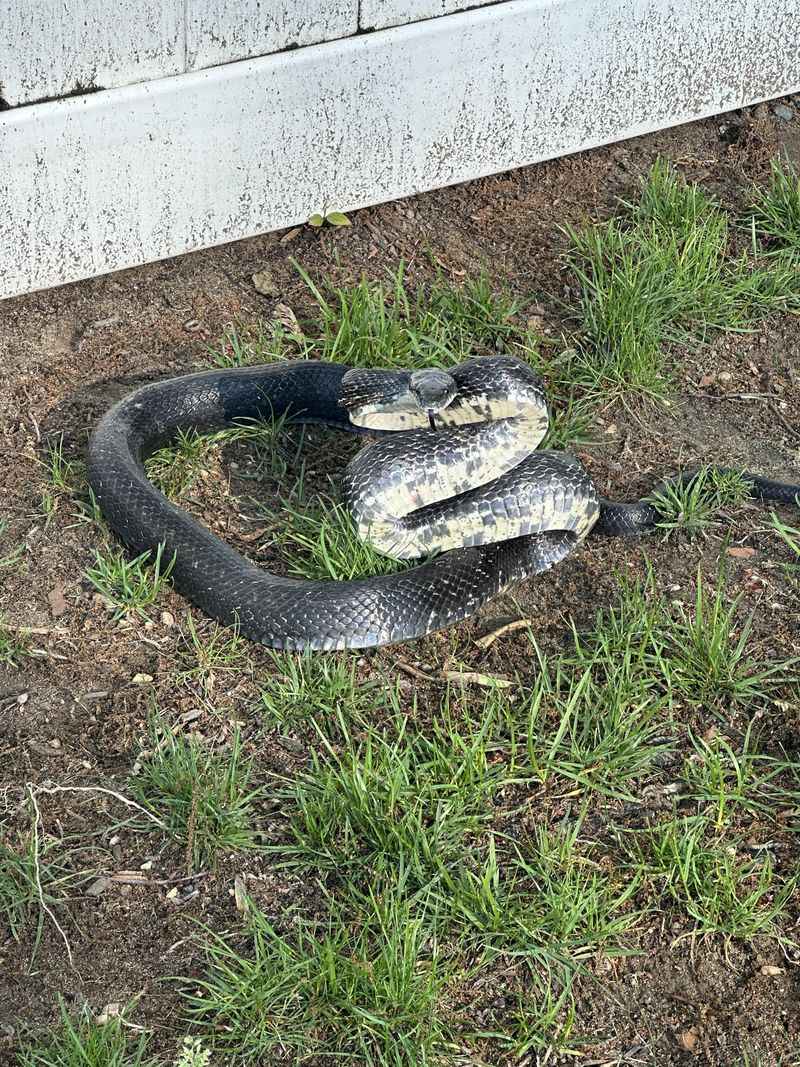
Nothing makes a gardener jump quite like a snake sliding past the tomatoes. Take a breath, though, because most snakes in your yard are harmless helpers.
In Virginia, harming a snake is illegal unless it poses an immediate threat to someone’s safety. Snakes are nongame species with full protection under state rules.
Only three venomous kinds live here. Those are the Copperhead, Timber Rattlesnake, and Cottonmouth.
The canebrake rattlesnake, a timber rattlesnake subspecies, is state endangered. Both the snake and its habitat are legally protected.
Moving a snake to another spot is generally illegal too. Releasing one into a park or field can break the rules.
Rat snakes, garter snakes, and black racers top the list of common visitors. They feast on mice, voles, and slugs that damage gardens.
Want fewer snakes near the deck? Clear brush piles, stacked boards, and tall grass where they like to hide.
Sealing gaps under porches and sheds helps as well. Controlling rodents removes their favorite food source, so snakes wander elsewhere.
Handling dangerous snakes in a way that endangers people is a Class 4 misdemeanor. For a venomous snake in a busy area, call a professional.
Quick tip for families: teach kids to back away slowly and alert an adult. Giving any snake a few feet of space usually ends the encounter peacefully.
8. Wild Turtles Crossing The Yard
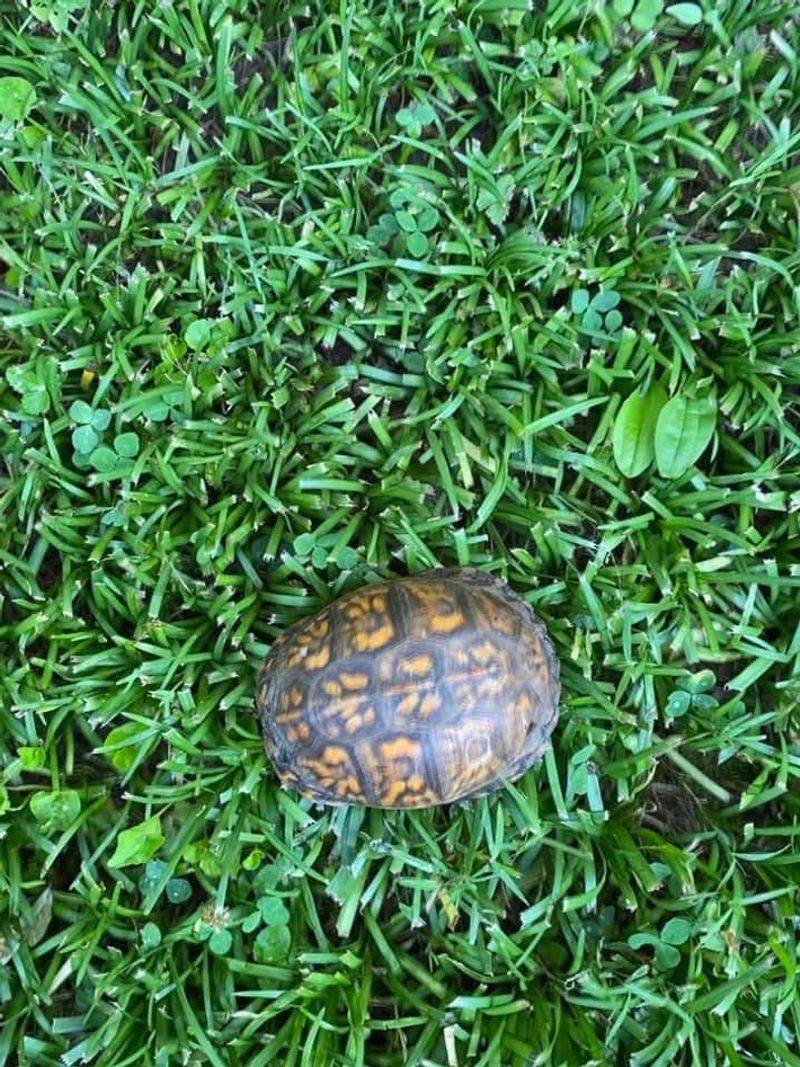
Slow and steady, a box turtle plods across your lawn like it owns the place. Kids often beg to keep it, but the law says otherwise.
Virginia passed stronger reptile and amphibian protections in 2021. Selling or buying native turtles is illegal, except snapping turtles under a commercial permit.
Several species cannot be possessed at all. The list includes the Woodland Box Turtle, Spotted Turtle, Bog Turtle, Wood Turtle, and Northern Diamond-backed Terrapin.
Red-eared sliders cannot be collected for personal use either. Endangered and threatened turtles are completely off the table.
Relocating turtles is also against the rules. Box turtles live in small home ranges and struggle when moved somewhere unfamiliar.
Found one far from water? Aquatic turtles often roam in late spring to lay eggs, so it likely knows exactly where it is going.
Leaving it alone is usually the best choice. If it is crossing a road, help it across in the direction it was already heading.
Captured a turtle by accident? You can release it within 30 days at the exact spot, if it stayed healthy and separate from other reptiles.
Mowing season is risky for turtles. Walk your lawn before cutting tall grass to spot any shelled visitors.
Here is a cool detail. Eastern box turtles can live over 50 years, so the one in your garden may be older than you.
9. Baby Wildlife You Shouldn’t Bring Inside
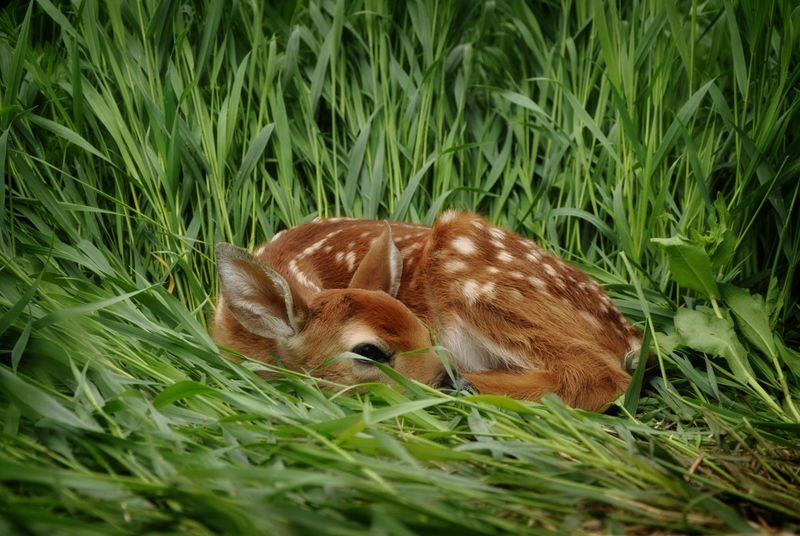
A spotted fawn curled in the grass tugs at every heartstring. Most people want to scoop it up and carry it inside.
Please resist that urge. In Virginia, keeping any wild animal without a permit is generally illegal, even with kind intentions.
Wild animals are considered a state-managed resource, not private property. Only licensed wildlife rehabilitators with DWR permits may care for them.
Many babies are not truly orphaned. Mother deer leave fawns hidden for hours and return to nurse them at dusk.
Fluffy fledgling birds hopping on the ground are usually fine too. Their parents keep feeding them nearby while they learn to fly.
Watch from a distance for several hours first. Keep pets indoors so the parents feel safe enough to come back.
Good Samaritan rules let you transport injured or orphaned animals straight to a permitted rehabilitator. You cannot keep them or feed them unless a rehabber directs you.
Raising wildlife at home often goes badly. Animals may become ill, lose wild instincts, or need to be humanely euthanized.
Skunks, foxes, and raccoons need extra caution because they can carry rabies. Improper handling might mean the animal must be tested for rabies.
Save a rehabber’s phone number in your contacts now. Quick, informed action gives baby wildlife the best shot at a wild future.