How Often To Water Your Texas Snake Plant During Fall And Winter
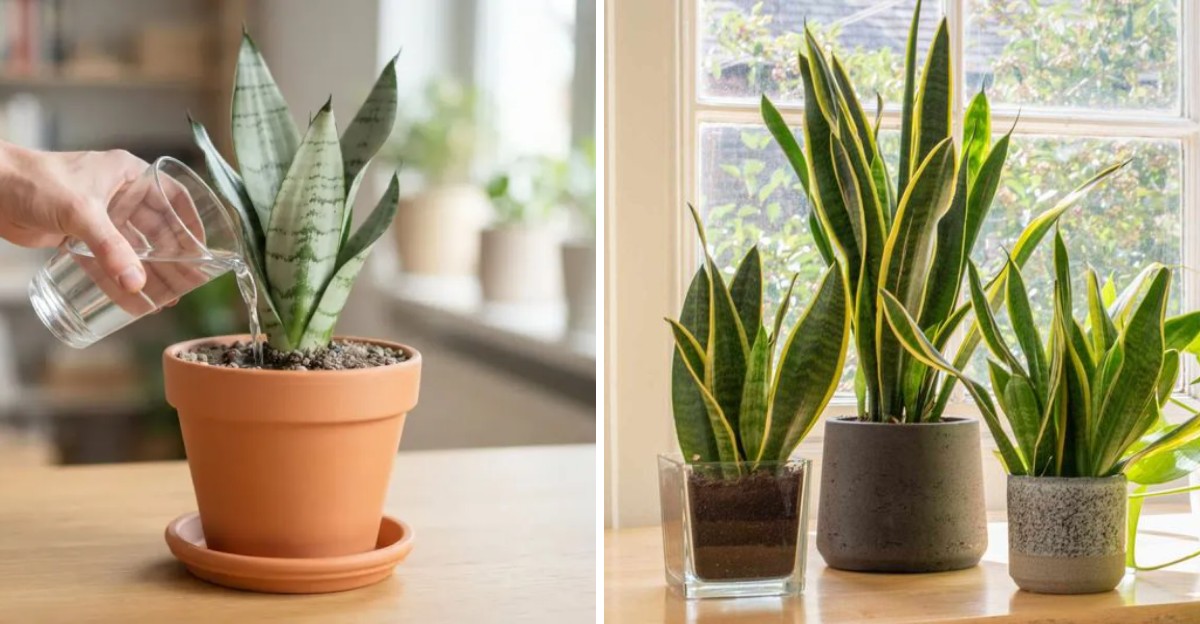
Snake plants have a reputation for being nearly impossible to mess up. They handle low light, dry air, and weeks of neglect without complaint. There’s one thing they can’t handle, though. Too much love from a watering can.
During spring and summer, these plants are actively growing, so they use water a bit faster. Once fall arrives and the days get shorter, everything slows down.
The plant rests, the soil stays wet longer, and those thick roots become much more likely to rot.
Many Texans keep watering on the same schedule all year, and that’s often when problems start. Soft, yellow leaves and a mushy base are usually the first warning signs.
Getting the timing right is easier than you might think. A few simple habits can keep your snake plant healthy and happy until spring.
Water About Every 3 To 6 Weeks
Slow and steady wins the race, and your snake plant knows that better than anyone. When fall arrives, it shifts into a quiet resting mode. Growth almost stops, so the plant needs much less water.
During spring and summer, you might water every week or two. In the cooler months, that changes a lot. Indoors, most snake plants do well with water about once every three to six weeks.
Why such a wide range? Every home is different. Light, room temperature, and pot size all change how fast the soil dries out.
A small pot dries faster than a big one. A plant in a warm, sunny room will drink more than one in a cool, shady spot. Clay pots also dry out quicker than plastic ones because the clay lets air pass through.
Here’s a simple trick that helps many plant owners. Write the date on a sticky note each time you water. Put the note on the pot or on your calendar. Over time, you’ll see a pattern that fits your plant and your home.
Fun fact for you. Snake plants store water in their thick, sword-shaped leaves. That’s why they can go weeks without a drink and still look great. They come from dry parts of West Africa, where rain can be rare for long stretches.
Think of the three to six week range as a guide, not a strict rule. Your plant is more likely to have trouble from too much love than too little.
When in doubt, wait a few more days. A thirsty snake plant bounces back quickly, but soggy roots are much harder to fix.
Let The Soil Dry Out Completely First
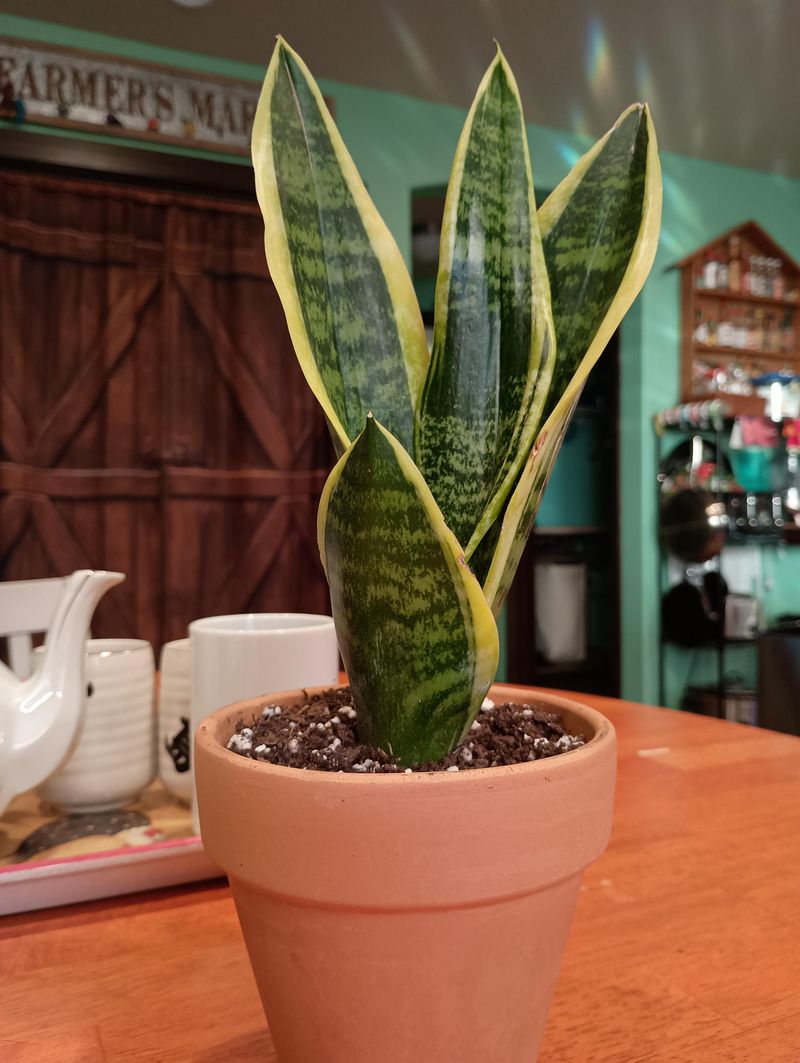
Ask any longtime plant grower about snake plants, and you’ll hear the same advice. Check the soil, not the calendar. Your plant’s real schedule is written in the dirt.
The golden rule is easy to remember. Only water when the soil is completely dry. Not a little dry on top, but dry all the way down where the roots live.
So how do you check? Push your finger two or three inches into the soil. If it feels cool or damp at all, wait a few more days and test again.
Your Texas Garden Changes Every Week. Your Plan Should Too.
Gardening in Texas changes quickly throughout the season. Every Friday you’ll receive a simple weekly plan showing exactly what to plant, prune, fertilize, harvest, and protect so you never miss the right timing.
For big or deep pots, a finger may not reach far enough. A wooden skewer or chopstick works great here. Slide it down near the bottom of the pot, leave it for a minute, and pull it out.
Look closely at the stick. If it comes out clean and dry, it’s time to water. If it has dark soil stuck to it or looks damp, your plant still has plenty to drink.
Another quick test is to lift the pot. Dry soil is much lighter than wet soil. After a few tries, you’ll be able to tell just by picking it up.
Some people like to use a cheap moisture meter. These little tools have a probe you stick in the soil, and a dial shows wet or dry. They’re handy, but your finger and a skewer work just as well.
Patience is the secret skill here. In winter, soil can stay damp for weeks. Waiting may feel strange, but your snake plant will thank you with firm, healthy leaves.
Adjust For Light And Indoor Heat
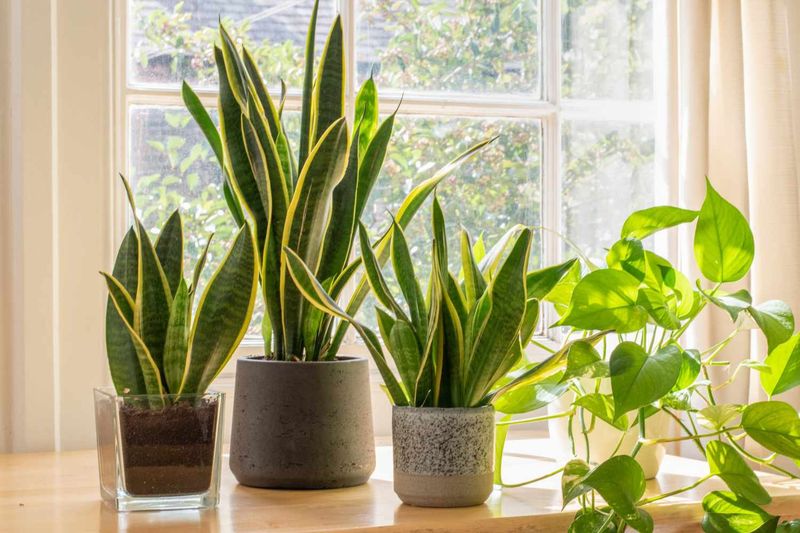
Two snake plants can live in the same house and need totally different care. One sits in a sunny window. The other hides in a dim hallway corner.
Light plays a huge role in how fast soil dries. A snake plant in bright light uses more water because it’s working harder to make food. The soil dries out sooner, so it may need a drink every three or four weeks.
Plants in low light are a different story. They grow very slowly, and the soil stays moist much longer. These plants may only need water every five to six weeks, or even less.
Heat matters too. In Texas, many homes run the heater on chilly nights. Warm, dry air from vents can pull moisture out of the soil faster than you’d expect.
If your plant sits near a heater vent, fireplace, or sunny south-facing window, check the soil more often. Just don’t let it bake. Hot air blowing right on the leaves can dry them out and leave brown tips.
On the flip side, cold spots slow everything down. A plant near a drafty door or chilly window will dry out slowly. It also becomes more likely to rot if the soil stays wet too long.
A smart move is to find a happy middle spot. Bright, indirect light and steady room temperature work best. Somewhere between 60 and 80 degrees keeps most snake plants comfortable.
Moving your plant around? Remember to watch the soil closely for a few weeks. A new spot often means a new watering rhythm.
Bring Outdoor Plants In Before Cold Nights
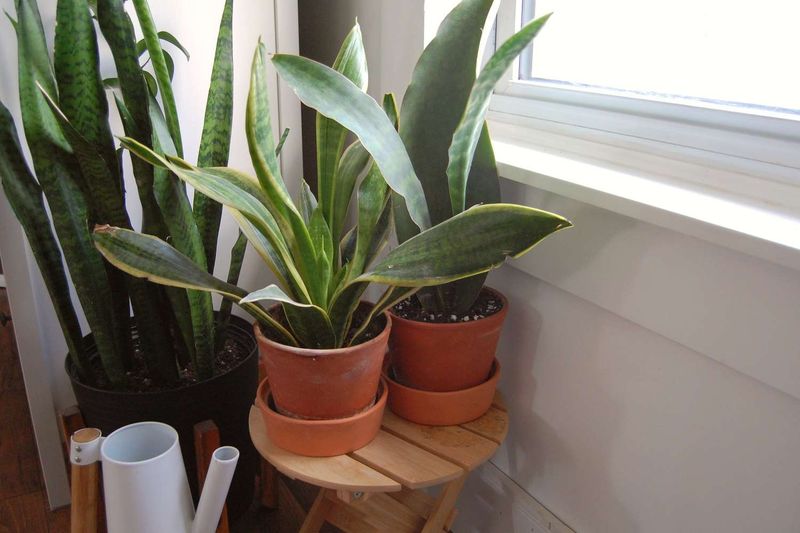
Texas weather loves surprises. A warm November afternoon can turn into a freezing night in just a few hours. If your snake plant spent summer on the porch, fall is the time to plan its trip back inside.
Snake plants are tropical. They like warmth and don’t handle cold well at all. Once temperatures drop below about 50 degrees, the leaves can get damaged.
Frost is even worse. Cold can turn leaves soft and mushy, and a hard freeze can wipe out the whole plant. The damage often shows up a few days later, when it’s too late to fix.
Keep an eye on the forecast as fall rolls in. When nighttime lows start dipping into the 50s, bring your potted plants indoors. In North Texas, that may happen in October, while South Texas might wait until later.
Before you carry the pot inside, take a quick look for bugs. Check under the leaves and around the soil. A gentle wipe with a damp cloth helps keep pests from joining your family.
Moving indoors is a big change for your plant. The light is softer, and the air is different. Give it a few weeks to settle in.
During this time, water sparingly. Indoor soil dries much slower than outdoor soil did during summer. Let it dry out completely before you even think about watering.
Planted in the ground? Cover it with frost cloth or an old sheet on cold nights. Some gardeners in warmer parts of Texas even dig up their snake plants and pot them for winter.
Water The Right Way
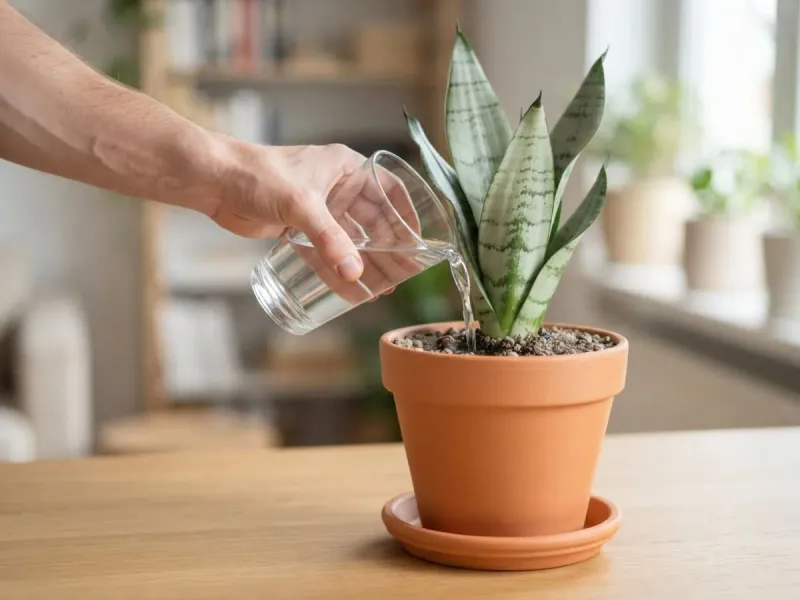
Believe it or not, how you water matters just as much as when you water. A few simple steps can protect your snake plant from a lot of trouble. Let’s walk through it together.
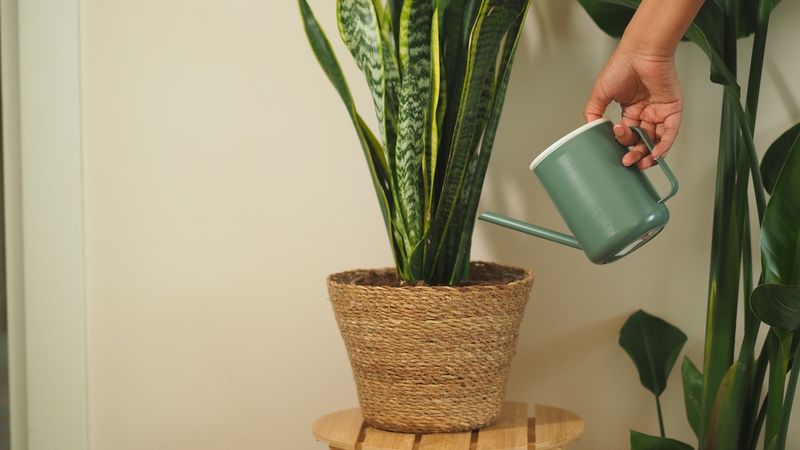
Start by grabbing room-temperature water. Cold water straight from the tap can shock the roots in winter. Letting it sit out for an hour or so does the trick.
Next, pour slowly at the base of the plant. Aim for the soil, not the leaves. Move the spout around the pot so the water spreads evenly.
Keep going until water drains out of the hole in the bottom. That tells you the whole root area got a good drink. Shallow sips only wet the top and leave the deeper roots thirsty.
Now comes the step many people forget. After about ten minutes, empty the saucer under the pot. Roots sitting in a puddle can start to rot quickly, especially in cool weather.
Watch where the water goes, too. Never pour it into the center of the leaf cluster. Water trapped between the leaves can sit there for days and cause rot right at the heart of the plant.
Your pot and soil also play a part. Always use a pot with a drainage hole. A gritty cactus or succulent mix drains much better than regular potting soil.
Some plant lovers prefer bottom watering. They set the pot in a tray of water for 15 to 20 minutes and let the soil soak it up. Both methods work well, as long as extra water drains away.
Know The Signs Of Too Much Or Too Little Water
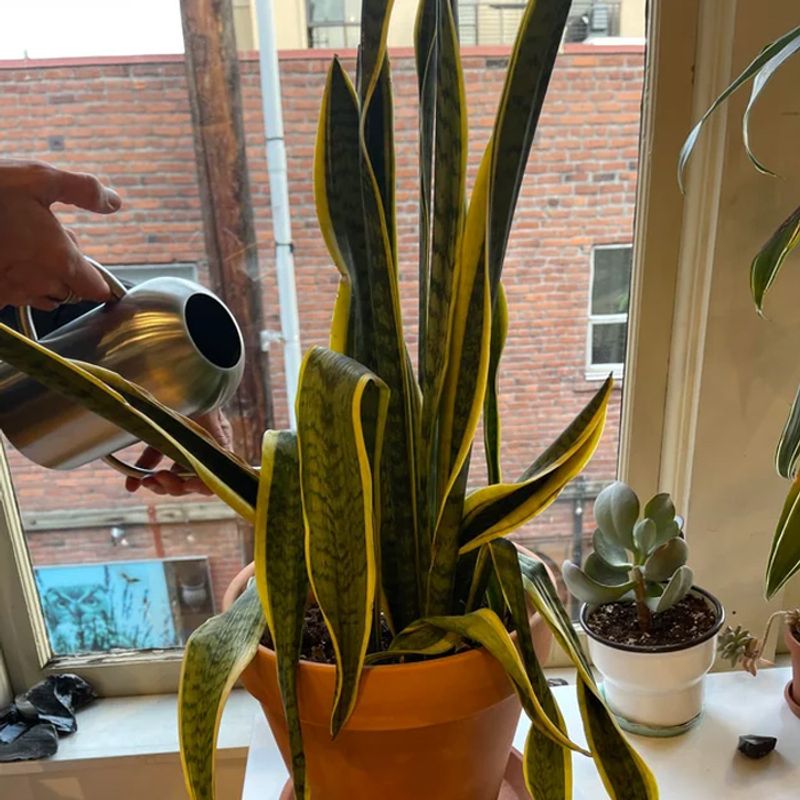
Your snake plant can’t talk, but it sure knows how to send messages. The leaves tell you almost everything. Learning to read them is like learning a secret plant language.
Let’s start with overwatering, the most common problem by far. Watch for leaves that feel soft or mushy when you squeeze them gently. Yellow leaves and a base that looks dark or soggy are big warning signs.
Sometimes the soil smells sour or musty. Leaves might start to droop or fall over. These clues often point to root rot hiding under the surface.
Caught it early? Stop watering right away and let the soil dry out fully. If things look bad, slide the plant out of the pot and check the roots.
Healthy roots are firm and light in color. Rotten roots are brown, black, or squishy. Trim away the bad parts with clean scissors and repot in fresh, dry cactus mix.
Now for the other side. Underwatering is much less common, but it does happen. Wrinkled, thin, or curling leaves usually mean your plant is thirsty.
The fix here is easy. Give the plant a deep, thorough drink until water runs out the bottom. Within a few days, the leaves should start to firm up again.
Brown, crispy tips can mean dry air or uneven watering. They won’t turn green again, but you can trim them for a neater look.
Check your plant once a week, even when you’re not watering. A quick glance helps you catch small problems before they grow into big ones.