Virginia Yards Hit By Summer Drought Need These Fixes Before Winter Arrives

Brown grass after a dry summer can worry any homeowner, but your yard may still have time to recover before winter. Thin patches and tired-looking plants are not always beyond saving.
For many homeowners, the lawn is where summer drought damage shows up first, leaving behind brown spots and weakened grass that needs attention before cold weather arrives.
In Virginia, fall brings cooler temperatures and better growing conditions that help lawns, trees, shrubs, and garden plants recover after drought. The key is knowing what needs attention and what simply needs more time.
So, instead of waiting for spring to fix summer damage, use this window to help your entire landscape regain strength and head into winter in better shape.
1. Check Your Lawn Before You Start Any Repairs
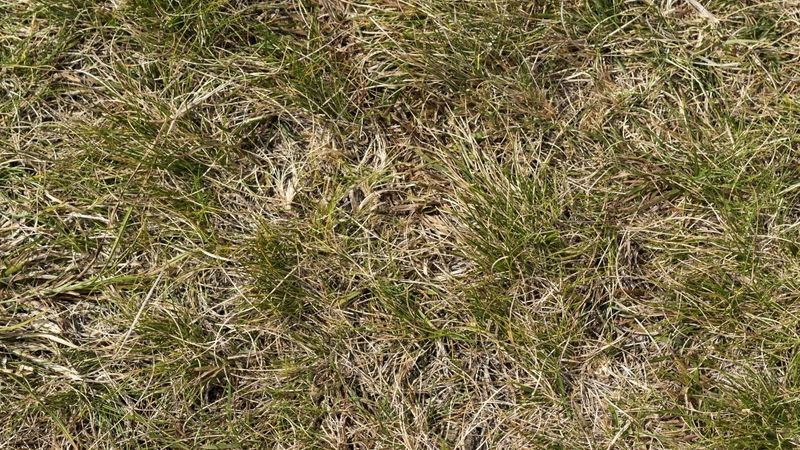
Before you rush out to buy seed and fertilizer, take a good look at what your lawn is really telling you.
Cool-season grasses like Kentucky bluegrass and fine fescue often go dormant in summer heat, which means they turn brown to protect themselves rather than fading away completely.
Once cooler fall temperatures and rain return, a lot of that brown grass can green up again from the crown. That is why waiting and watching pays off.
Walk across your yard and check your footprints. If they stay visible for a minute or longer, your grass is thirsty and stressed.
To test the soil, push a long screwdriver into the ground. If it only goes in an inch or two, your soil is likely dry and compacted.
Dig a small section and look at the roots too. Shallow roots can be a sign that drought, compacted soil, or other conditions are limiting healthy growth.
Spend time inspecting every part of your yard, noting the thin areas, bare patches, and spots that still look healthy. These clues help you decide which sections might recover on their own and which ones need real repair.
Many homeowners are surprised how much bounces back naturally after the first steady fall rains. Rushing to fix everything too soon can waste money and effort on grass that was simply resting.
A careful check now sets you up to make smart choices for the rest of the season and avoid unnecessary work.
2. Give Your Drought-Stressed Grass The Right Water Boost
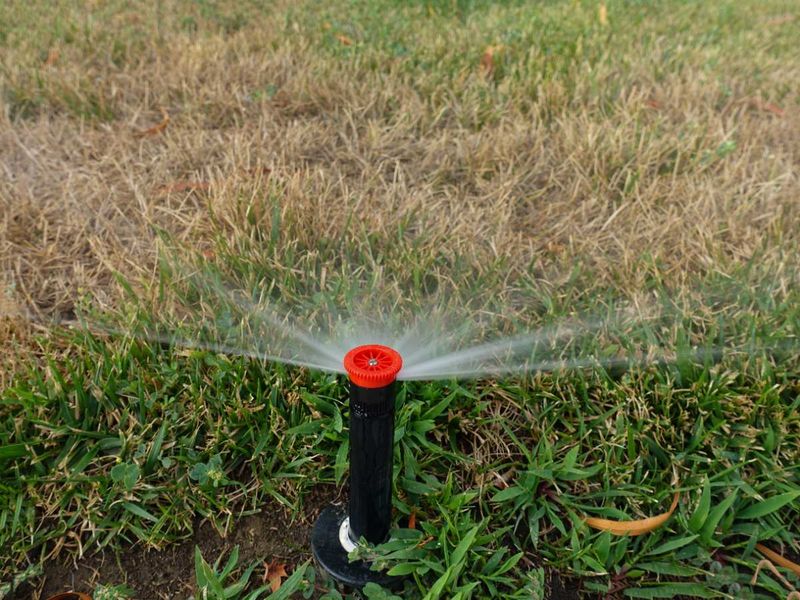
Watering the right way after a dry summer can make or break your lawn’s recovery. The golden rule is to water deeply but not too often, because consistent deep watering encourages roots to grow farther into the soil.
Those deeper roots make your grass tougher and far better at handling heat and stress later on. Shallow, frequent sprinkles do the opposite, keeping roots near the surface where they stay weak and vulnerable to disease.
During active growth, many lawns perform best with roughly one inch of water per week from rain or irrigation, adjusting based on weather, soil, and grass type. Aim to deliver that in just two or three sessions rather than a little every day.
Your Virginia Garden Changes Every Week. Your Plan Should Too.
Gardening in Virginia changes quickly throughout the season. Every Friday you’ll receive a simple weekly plan showing exactly what to plant, prune, fertilize, harvest, and protect so you never miss the right timing.
Running your irrigation for 30 to 60 minutes once or twice a week usually soaks the soil deeply enough.
Timing matters just as much as amount. Early morning, before temperatures rise, is the best time to water. The cooler air means less water is lost to evaporation, and the moisture has time to sink in before the sun heats things up.
Try to avoid watering in the evening or at night. When grass blades stay wet for hours in the dark, fungal diseases love to move in and cause trouble.
Keep an eye on the weather too. If fall rains are steady, you may need to water less.
Adjusting to what nature provides helps your recovering grass drink up exactly what it needs before winter.
3. Repair Thin Spots Before Cold Weather Arrives
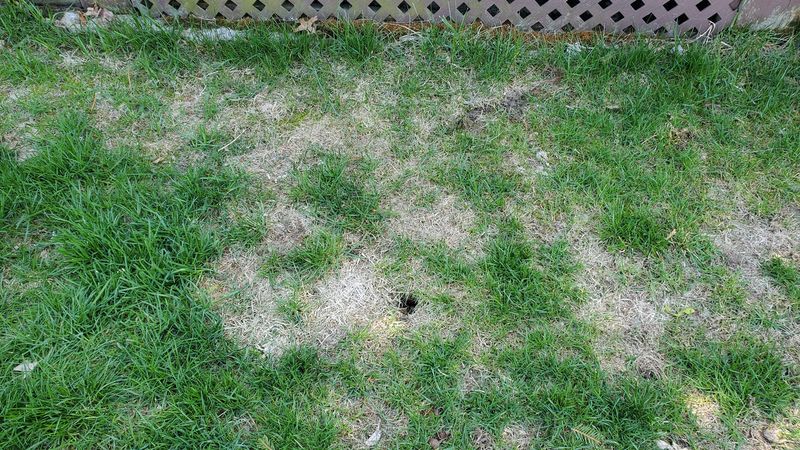
Fall is one of the best opportunities to help a tired lawn recover, especially when fixing thin or bare spots. Cool-season grasses like tall fescue, Kentucky bluegrass, and perennial ryegrass do most of their growing right now.
Early fall brings the ideal mix of warm soil, cooler air, and steadier moisture, all of which help new seed sprout and grow strong roots. Planting now also means less competition from summer weeds, which are fading away.
Overseeding is a simple way to make your lawn thicker and greener. Since tall fescue grows in bunches and does not spread to fill in gaps on its own, adding fresh seed is often the only way to restore density.
Pick a high-quality seed that matches your existing grass and suits Virginia’s climate. Check the label for a germination rate of at least 85 percent and very little weed content.
Before scattering seed, mow the existing grass a little shorter than usual and lightly rake or aerate the surface so seed makes good contact with the soil. For completely bare patches, remove debris and loosen the top layer of soil so the seed can make good contact.
After spreading the seed, gently tamp the ground to firm it up. That extra step presses the seed into the soil and gives it the close contact it needs to sprout quickly and evenly across your yard.
4. Loosen Compacted Soil So Roots Can Recover
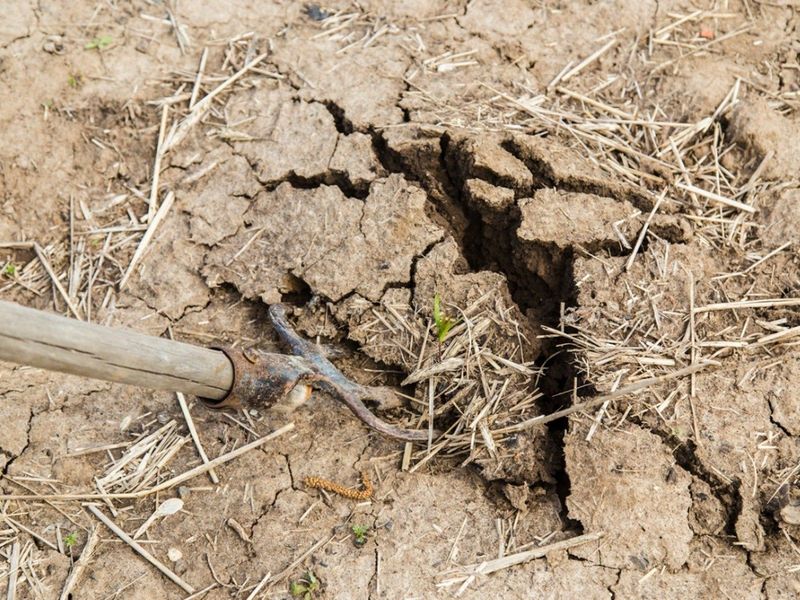
Summer drought has a way of exposing hidden problems, and compacted soil is one of the biggest culprits in yards. Many areas around the state have heavy clay soil, and years of foot traffic from kids, pets, and outdoor fun pack it down tight.
When soil gets compacted, there is little room left for air, water, and nutrients to reach the roots. The result is thin turf, shallow roots, and weak top growth that struggles to recover.
Core aeration is the best answer to this problem. A special machine pulls small plugs of soil out of the lawn, creating channels that let air, water, and nutrients travel deep into the root zone.
The benefits stack up fast. Aeration improves how water moves through the soil, boosts oxygen for the roots, and encourages a deeper, healthier root system. It also breaks down thatch and creates great seed-to-soil contact if you plan to overseed.
Fall is the ideal season to aerate cool-season grasses. You will get the best results when the grass is actively growing and the soil holds a little moisture.
Across the state, the best aeration window is usually late summer through early fall while cool-season grasses are actively growing. Just be sure to aerate at least four weeks before the coldest weather arrives so roots have time to grow and settle in before winter.
5. Feed Your Lawn When Fall Growth Returns
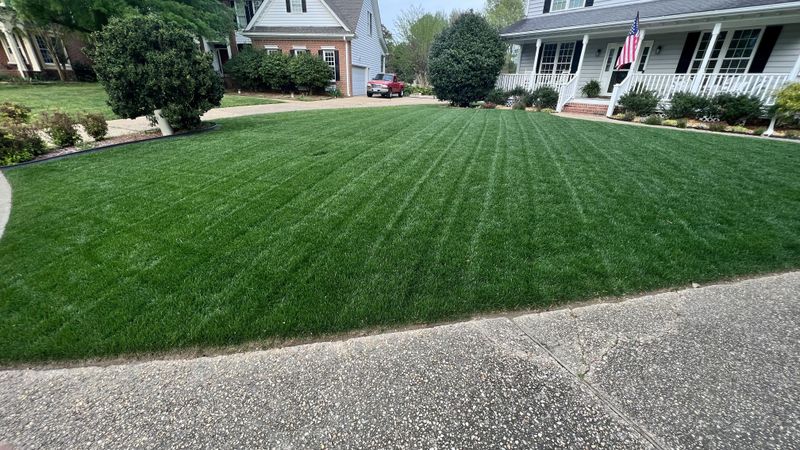
As the heat fades and your lawn wakes back up, fall becomes the most important time to feed it. Cool-season grasses use this season to recover from summer and build strength for the winter ahead.
A well-timed fall feeding does wonders. It strengthens the root system, encourages deeper roots, and helps the grass store carbohydrates that carry it through winter and fuel a fast, healthy green-up in spring.
You will likely notice thicker turf, a richer green color, and an earlier wake-up next year. The best window for fertilizing cool-season grass runs from early to mid-fall, roughly September through November, when the lawn is growing and can soak up nutrients.
The Virginia Cooperative Extension recommends a fall-heavy approach for tall fescue lawns. The first major fall application is usually best timed for early fall, when temperatures cool and the grass begins active growth again.
A follow-up winterizer application in November, before the ground freezes and often by Thanksgiving, further strengthens roots and sets up a vibrant spring. Just leave at least 30 days between applications so you do not overdo it.
One thing to remember is to skip heavy fertilizing during the summer, especially while the lawn is already stressed from drought. Feeding a struggling lawn in the heat can actually make things worse by inviting diseases and insect trouble.
Wait for that cooler fall growth to return before you feed, and your grass will thank you.
6. Avoid The Fall Mistakes That Slow Recovery
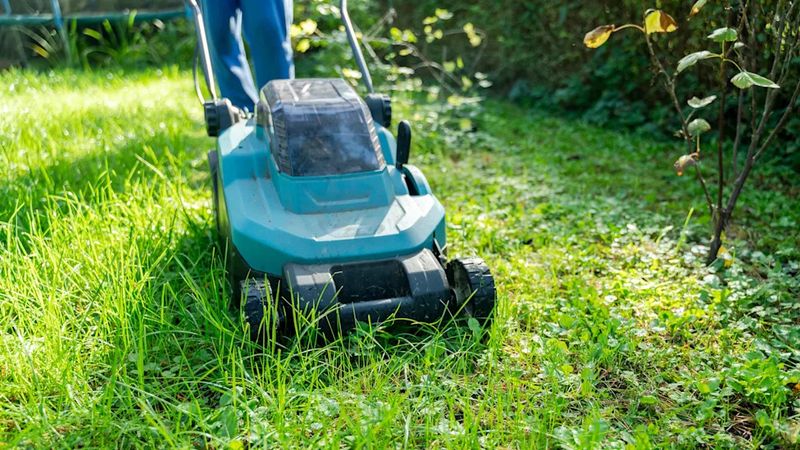
Even the most caring homeowner can accidentally slow down a lawn’s recovery with a few common mistakes. Mowing stressed grass too short is one of the biggest.
For cool-season grasses like tall fescue, keep mowing height around 3 to 4 inches through fall. Avoid cutting too short, especially while the lawn is recovering from drought.
Cutting too low, or scalping, weakens the plant and exposes soil where weeds love to sprout. Follow the one-third rule and never remove more than a third of the blade in one mowing.
Overwatering is another trap. Too much water leaves the soil soggy and invites disease, while frequent shallow watering keeps roots stuck near the surface and unprepared for dry spells.
Skipping a soil test before big repairs is a mistake too. Before spreading fertilizer or lime, test your soil through the Virginia Cooperative Extension. The results tell you exactly what your lawn needs and help protect local water quality.
Since many soils are acidic, a soil test may show that lime is needed. Apply it only according to the test recommendations.
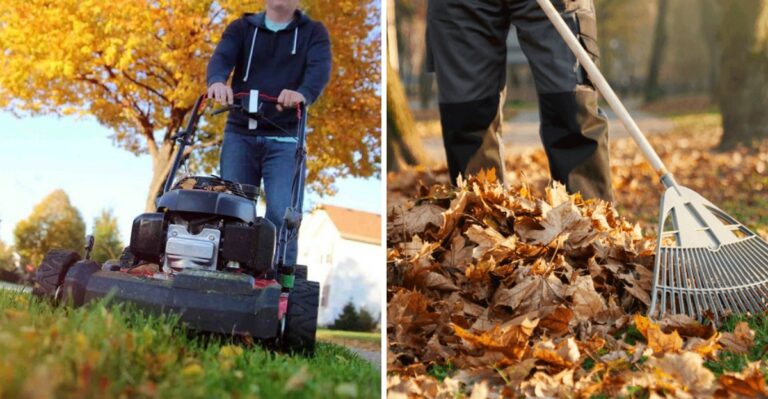
Do not ignore fallen leaves either, because thick piles block sunlight and air, trap moisture, and encourage mold and pests.
Rake regularly or mulch the leaves back into the lawn with your mower. When you are seeding or renovating, keep foot traffic off the new areas for several weeks so tender grass can settle in without being trampled and disturbed too soon.
7. Protect New Grass Before Winter Sets In
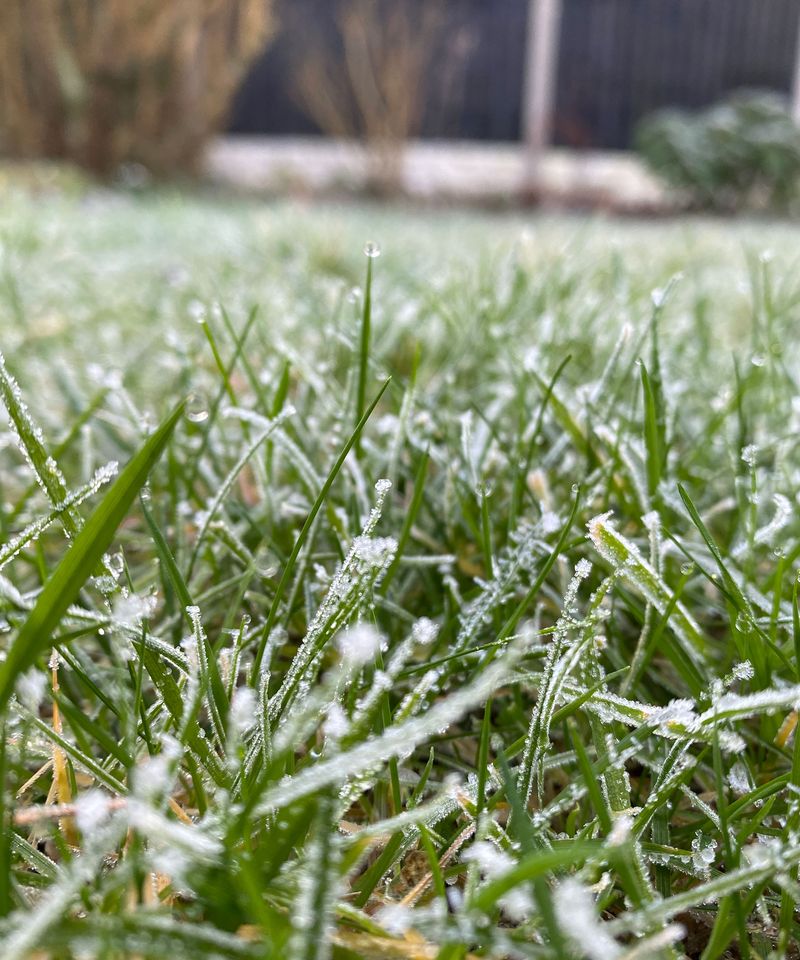
Getting new grass safely established before winter is one of the most rewarding parts of fall lawn care. The secret is keeping the soil consistently moist so seeds germinate and roots grow strong.
For the first one to two weeks, water daily to keep the soil damp but never waterlogged, right up until you spot tiny sprouts. Do not let those seeds dry out during this delicate stage.
Once the grass sprouts, switch to watering less often but more deeply, which encourages roots to reach further down. A starter fertilizer applied at seeding time gives young grass the nutrients it needs for a strong beginning.
You might add a second feeding about four to six weeks later once the grass is more settled. For extra protection over bare spots, spread a very thin layer, about three-eighths of an inch, of peat moss, compost, or topsoil across the seeded areas.
A light scattering of straw works well as mulch too, holding in moisture and shielding seeds from hungry birds. Give new grass as much time as possible to establish before harsh cold arrives, since earlier planting usually leads to stronger seedlings.
That head start helps young seedlings build the tough root systems they need to survive freezing weather. Watch your timing, though.
In some parts of the state, seeding after October 15th may be too late as soil gets too cold. Once the grass reaches three to four inches tall, it is safe to start mowing.
8. Bring Your Whole Yard Back After Summer Stress
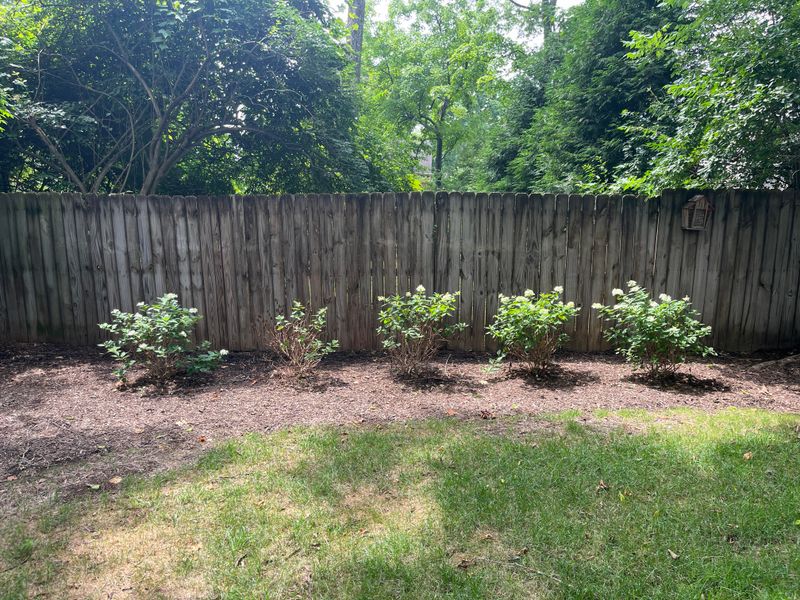
Summer drought does not only affect your grass. Trees, shrubs, flower beds, and ornamental plants can also carry the effects of a long, hot season into the fall.
Some plants may recover once moisture returns, while younger, recently planted, or more drought-sensitive plants may need extra attention before winter arrives.
Start by walking through your yard and looking for signs of stress. Wilting leaves, thinning growth, scorched edges, and early leaf drop can all be clues that plants struggled through dry conditions, although these symptoms can sometimes have other causes.
Trees and shrubs may also show the effects of drought later in the season, so keep checking them as temperatures begin to cool.
Pay special attention to newly planted trees and shrubs because their root systems are still developing. If dry weather continues, water slowly and deeply around the root zone rather than giving the soil a quick surface sprinkle or concentrating water only beside the trunk.
Established plants may also need supplemental water during extended dry periods, depending on the species and growing conditions.
Mulch is another simple way to protect moisture and moderate soil temperatures. Generally, a two- to four-inch layer works well around trees and landscape beds, although finer mulch should be applied more lightly.
Keep mulch several inches away from tree trunks and shrub stems rather than piling it against them.
Avoid unnecessary late-season pruning, especially if it could encourage a flush of tender new growth before winter. Focus instead on moisture, mulch, and monitoring stressed plants.
9. Prepare Your Yard Now For A Stronger Spring Comeback
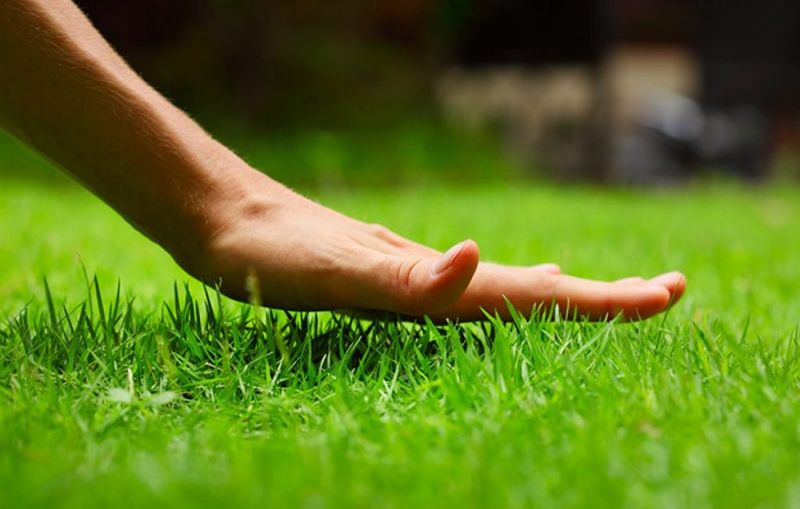
Everything you do this fall is really an investment in next year’s landscape, so a little effort now can pay off when spring arrives. Keep up with the basics as the cooler days settle in and give your yard the support it needs before winter.
Continue mowing until the grass naturally slows down, adjusting the height as needed, and clear away fallen leaves and debris regularly. Your lawn still needs moisture during fall, so keep an eye on rainfall and water when conditions turn dry.
A properly timed fall fertilizer application can help cool-season grass build strength before winter and support a healthier green-up next spring. Improving your soil is another smart long-term move that benefits lawns, trees, shrubs, and garden plants.
Combining core aeration with overseeding in fall is one of the best ways to grow a thicker, more resilient lawn for the following year.
Since many Virginia soils are naturally acidic, a soil test may show that lime is needed. Apply it only at the rate recommended by your test.
Adding organic matter like a light compost topdressing can gradually improve soil conditions, especially when combined with good watering, aeration, and other soil-care practices. Better soil structure helps water move more effectively and creates healthier growing conditions throughout your yard.
The result is a landscape better prepared to handle winter and return stronger when spring arrives. Keep notes on what worked and what gave you trouble, and your lawn, trees, shrubs, and garden plants will be easier to care for season after season.