That Mysterious Growth In Your Virginia Tree Isn’t A Bird’s Nest
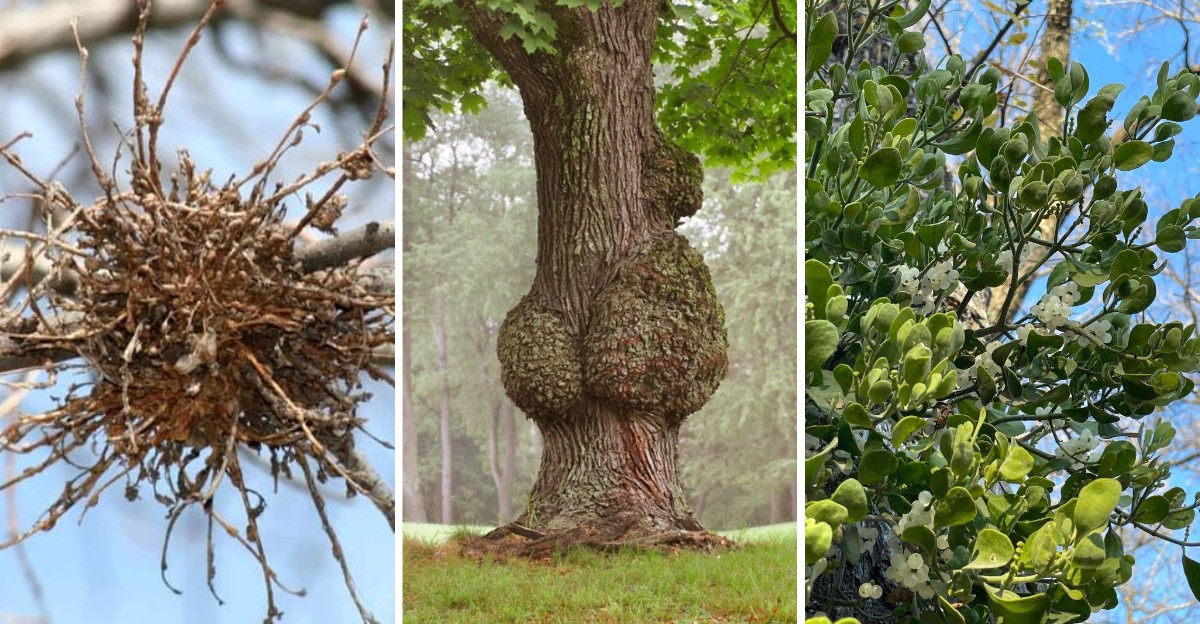
That lumpy, tangled blob on a bare branch looks just like a bird’s nest. Spoiler: it probably isn’t a robin’s cozy little home.
The wind rattles the twigs, a squirrel chatters nearby, and you start wondering what on earth is living up there. You’re definitely not the only one asking.
Virginia trees hold all sorts of strange bundles, bumps, and clumps that fool even the most sharp-eyed watchers. Some are harmless quirks of nature that come and go with the seasons.
Others deserve a closer look before they spread or cause real trouble. A few might sting, a few might munch your shrubs, and a few are simply beautiful oddities.
Knowing the difference protects your trees and your peace of mind.
1. American Mistletoe, A Leafy Plant Growing On Branches
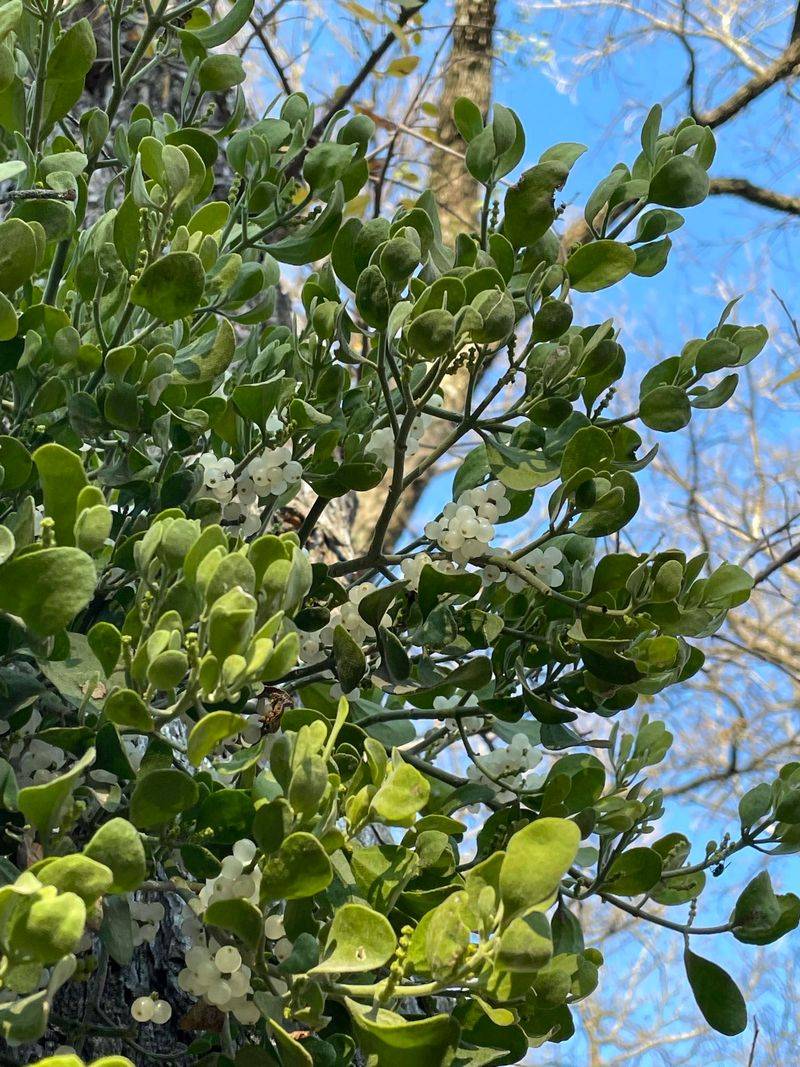
Picture a green, leafy ball perched high in a bare oak during January. Holiday kisses aside, American mistletoe is a living plant borrowing from its host.
Scientists call it Phoradendron leucarpum, and the genus name roughly means tree thief. Funny name, but it fits pretty well.
Mistletoe roots itself right into the branch instead of the ground. Special structures tap into the tree for water and minerals.
Look for thick, oblong leaves that stay green all winter long. Small, see-through white berries often cluster among those leaves.
Birds spread mistletoe by eating the berries and leaving sticky seeds behind. Those seeds glue onto branches and sprout right where they land.
It’s easiest to find in the eastern half of the state, often in oaks, maples, and coastal swamp forests. Head into the mountains, and it gets a lot scarcer.
Small clumps rarely bother a healthy tree very much. Large colonies, however, can stress a host and weaken certain limbs over time.
Wildlife loves this plant, so it isn’t all bad news. Birds snack on the berries, and some butterflies depend on mistletoe too.
Want to manage it? Prune infected small branches a foot below the clump during late winter.
Hiring an arborist makes sense for clumps growing high overhead. Climbing tall trees with saws is a job best left to trained pros.
Handle berries with care around pets and small children. Eating them can upset stomachs, so keep holiday sprigs out of reach indoors.
2. A Witches’ Broom Of Crowded, Twiggy Shoots
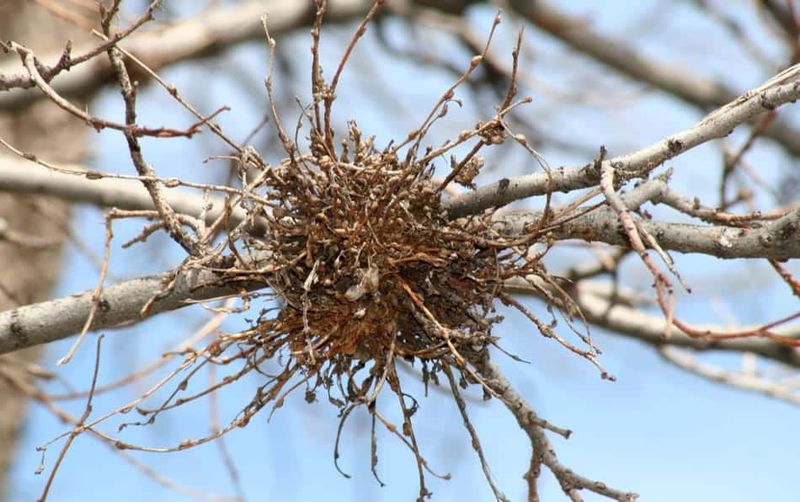
Spooky name, right? Folks long ago thought these bristly clumps looked like brooms that witches had parked in trees.
A witches’ broom is a dense cluster of small twigs sprouting from one spot. From the ground, it can resemble a messy, overstuffed bird nest.
Something interrupts the branch’s normal growth pattern and causes the bunching. Fungi, bacteria, viruses, mites, and insects can all trigger it.
Genetics play a role sometimes as well. A random mutation can make one branch suddenly produce dozens of crowded shoots.
Birch trees often get brooms from a fungus called Taphrina betulina. Conifers may form them because of dwarf mistletoe attacking the branches.
Leaves inside the broom can look small, twisted, or oddly colored. Comparing them to normal leaves nearby helps you confirm what you see.
Your Virginia Garden Changes Every Week. Your Plan Should Too.
Gardening in Virginia changes quickly throughout the season. Every Friday you’ll receive a simple weekly plan showing exactly what to plant, prune, fertilize, harvest, and protect so you never miss the right timing.
Here’s the good news for worried homeowners. Most brooms look strange but rarely cause serious harm to the tree.
If one bothers you, trim it off several inches below the cluster. Clean your pruners afterward so any disease doesn’t spread to other plants.
Plant lovers actually treasure some brooms on evergreens. Nurseries take cuttings from them to create unique dwarf conifers for gardens.
So that tangle in your pine might be a hidden treasure. A local extension office can help identify the cause if you feel unsure.
Snap a few photos from different angles before you call. Clear pictures help experts figure out the culprit much faster.
3. Bagworm Cocoons Dangling From Evergreens
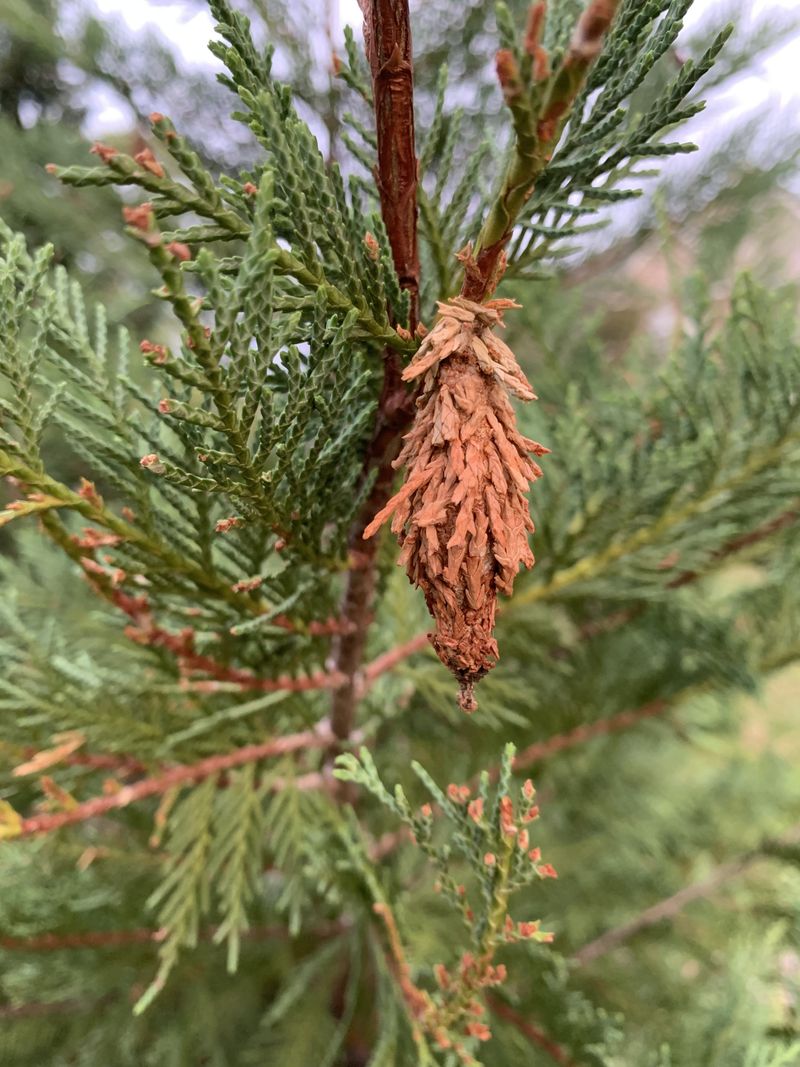
Ever noticed little brown pinecones hanging from your juniper? Look closer, because those tiny ornaments might be bagworm cases.
Bagworms are caterpillars that build spindle-shaped bags from silk and plant bits. Each caterpillar carries its home around like a cozy sleeping bag.
Virginia has plenty of them, especially on junipers, arborvitae, and cedars. Hungry larvae can strip evergreens fast when numbers climb high.
Eggs hatch around May or early June each year. Baby caterpillars start tiny bags and keep adding material as they grow.
By late summer, bags stretch to about one and a half inches. Pupation usually happens inside the bag around August.
Winged males fly off to find females, who stay put in their bags. Females lay hundreds of eggs inside and leave them there for winter.
Hand-picking is the easiest fix during fall and winter. Pluck every bag you see and drop them into soapy water or the trash.
Snip the silk band holding each bag while you work. Those tight loops can girdle twigs and choke them over time.
Spraying works best on young caterpillars in early summer. Products with Bt target caterpillars while sparing many helpful insects.
Badly damaged evergreens struggle to regrow lost needles. Catching bagworms early keeps your hedges full and green.
4. A Fall Webworm Tent Wrapped Around Branch Tips
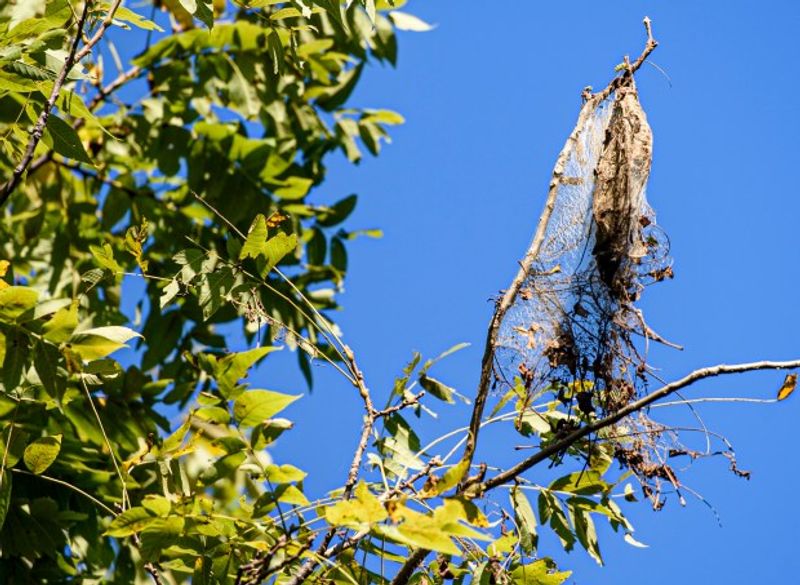
Late summer brings a ghostly sight to many backyard trees. Silky white webs suddenly wrap the ends of branches like cotton candy.
Fall webworms are the builders behind these messy tents. Native moths lay eggs, and the hatching caterpillars spin webs together.
In central Virginia, webs can show up from early summer into fall, with the biggest, most noticeable ones in mid to late summer. Pecans, cherries, persimmons, and walnuts are common targets.
The caterpillars are pale green to yellow with long, fuzzy white hairs. They feed as a group, chewing leaves down to skeleton-like veins.
Webs grow bigger as the hungry crew eats more leaves. A single tent can cover several feet of branch by autumn.
People often mix them up with eastern tent caterpillars. Tent caterpillars appear in spring and build nests in branch forks instead.
Relax a little, because damage is mostly cosmetic. Trees are already preparing to drop leaves when webworms do their munching.
Got a low web within reach? Tear it open with a rake or stick so birds and wasps can reach the caterpillars.
Pruning out small webbed tips works nicely too. Bag the cuttings and toss them rather than leaving them on the lawn.
Please skip burning webs in your trees. Torches harm bark far more than the caterpillars ever could.
Webworms feed on over 100 kinds of leafy trees. Conifers, however, seem to stay off their menu.
5. A Bald-Faced Hornet Nest Of Gray Paper
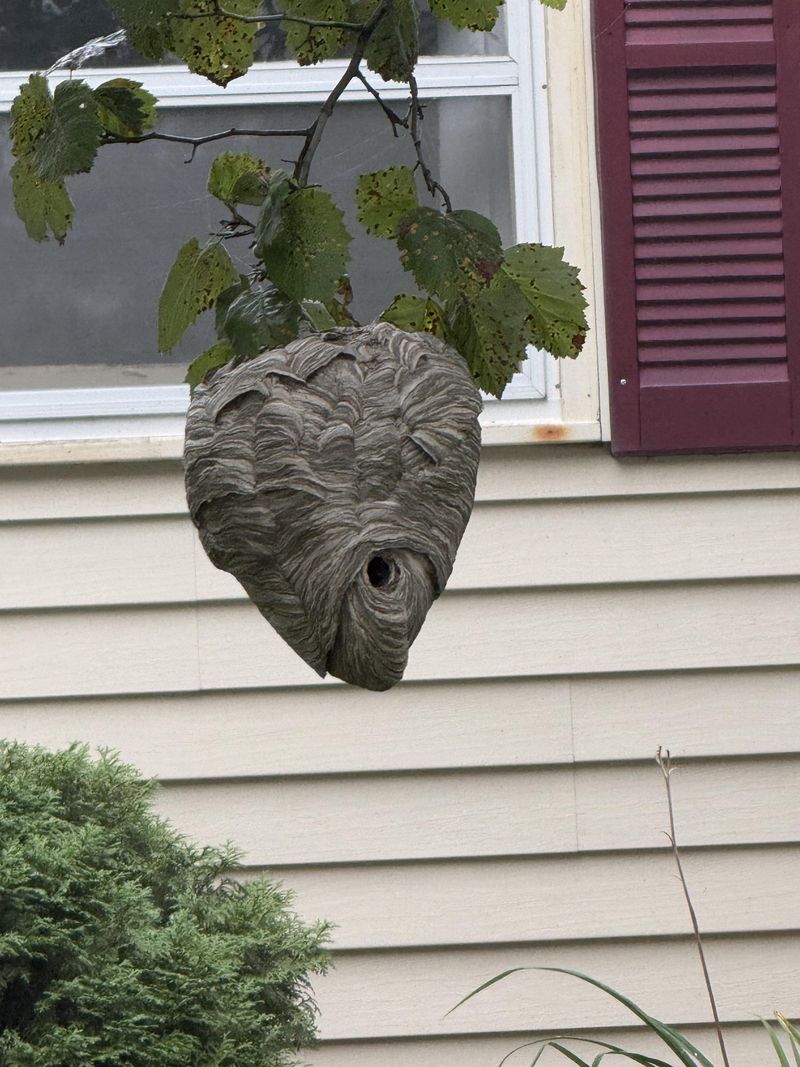
Stop right there and step back slowly. That gray, football-shaped lump in your tree could be packed with angry wasps.
Bald-faced hornets build these papery nests all across the state. Despite the name, they are actually a type of aerial yellowjacket.
You can spot them by their black bodies and bright ivory faces. They look dressed for a formal party, but they act like bouncers.
Each nest begins with a single queen in spring. She chews wood fibers, mixes them with saliva, and shapes gray paper layers.
By late summer, the nest may reach basketball size. Hundreds of workers live inside, guarding one entrance near the bottom.
Guards defend that home fiercely when disturbed. They can sting more than once and even spray venom toward faces.
Keep mowers, trimmers, and curious kids far away from occupied nests. Vibrations can trigger a fast, painful attack.
Nests high in trees can often be left alone. Hornets eat many pest insects, which helps your garden quietly.
For nests near doors or play areas, call a licensed pest pro. Protective suits and proper tools make removal much safer.
Fun fact: colonies only last one season. After fall frosts, the nest sits empty and won’t be used again.
Wait until winter if you want it as a souvenir. Bag it carefully, just in case a few stragglers remain.
6. Oak Galls Dotting Leaves And Twigs
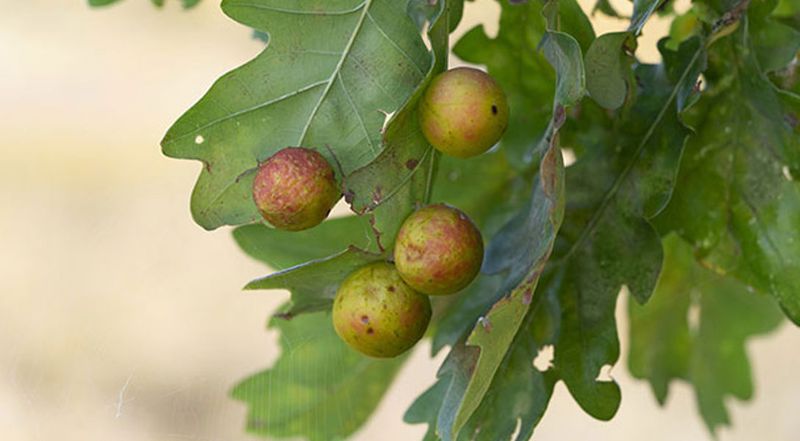
Did you know tiny wasps can trick an oak into building their nurseries? Those odd balls on oak twigs are proof.
Galls are swollen growths of plant tissue. Insects, mites, fungi, or bacteria cause them, but small stingless wasps lead the pack.
A female wasp lays eggs in a leaf, bud, or twig. Chemicals from the egg or larva change how the plant cells grow.
The oak then forms a protective chamber around the young insect. Inside, the larva gets food and shelter until it matures.
Oak galls come in a fun variety of shapes and colors. Some look like smooth marbles, while others sport spiky little horns.
Horned and gouty oak galls are common on twigs. They create knobby, woody lumps along small branches.
Button oak galls hide on leaf undersides as small, hard dots. Fallen ones sometimes hop on the ground as larvae wiggle inside!
Most galls cause only minor damage to a healthy tree. Heavy loads, however, can stress oaks and invite other pests.
Pruning out heavily galled twigs during winter can help. Remove and bag cuttings so emerging wasps don’t fly back up.
Spraying rarely helps because larvae stay sealed inside. Steady watering during dry spells keeps oaks strong enough to cope.
Kids love collecting galls for science projects. Slice an old one open to reveal the chamber where a wasp grew.
7. Burls Bulging Out Of Trunks And Limbs
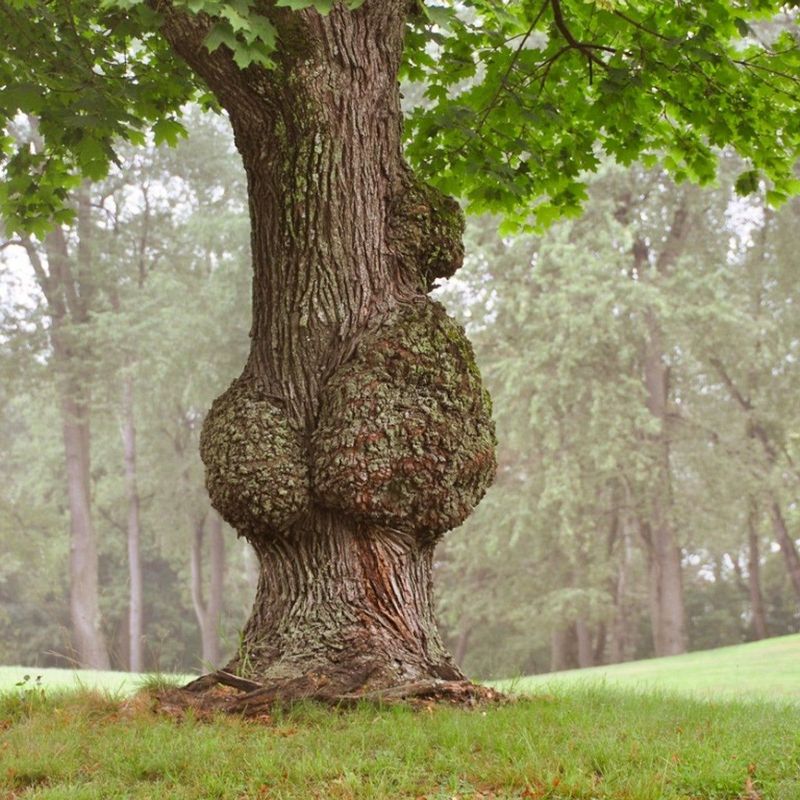
Woodworkers sometimes get giddy over a big, lumpy tree trunk. Those rounded bulges, called burls, hold some of nature’s prettiest wood.
A burl forms when cells inside the tree grow in a jumbled way. Instead of neat rings, the wood swirls in every direction.
Stress usually starts the process. Insects, fungi, bacteria, viruses, or old wounds can all spark that wild growth.
Genes can play a part as well. Some trees develop burls without any outside injury at all.
Sizes range from little knots to huge swellings around entire trunks. Maples, oaks, elms, and willows grow them more often than many trees.
Burls mostly look dramatic without causing major trouble. Bark still covers them, and the tree keeps moving water and nutrients normally.
Resist the urge to cut one off a living tree. A large wound invites rot and can weaken the trunk far more.
Do keep an eye out for cracks, oozing, or mushrooms nearby. Those signs suggest decay, so call a certified arborist to check.
Inside, burl wood shows twisting, eye-catching patterns. Artisans turn it into bowls, pens, and fancy furniture panels.
Sadly, burl poaching happens in some forests. Admire burls on public land with your camera, not a saw.
That bumpy tree in your yard deserves a second look. You may own a living piece of art.
8. Clusters Of Dry Leaves Clinging To Branches
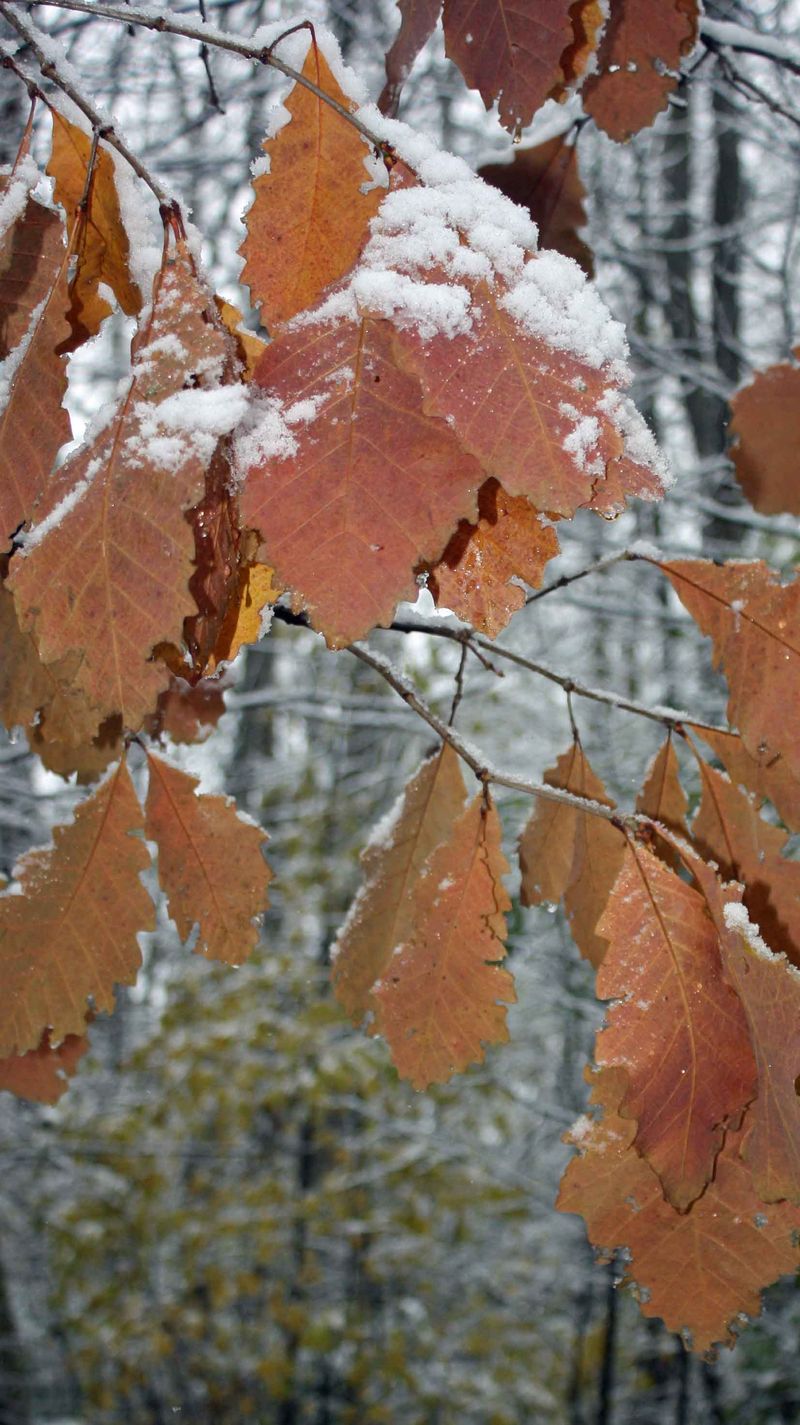
Winter woods can whisper and rustle strangely. Those crinkly brown bunches stuck on bare branches often get mistaken for nests.
Botanists call this habit marcescence. It’s a fancy word for trees holding onto dry leaves through winter.
Normally, a special layer forms where each leaf stem meets the twig. That layer lets leaves snap off cleanly in autumn.
Sometimes it never fully develops before cold weather arrives. The leaves turn brown but stay firmly attached until spring.
Oaks, beeches, and hornbeams show this trick most often. Young trees and lower branches on older trees hold the most leaves.
Nobody knows exactly why trees do it. Scientists have several fun theories, though.
One idea says dry leaves discourage deer from nibbling buds. Crunchy, tasteless leaves might make the twigs less appealing.
Another guess suggests the leaves block icy winds and frost. They may also drop in spring and feed the soil right on time.
Weather plays a role too. An early cold snap or long warm fall can leave more leaves hanging.
Should you worry? Not really, since the habit doesn’t harm the tree.
Walk a Virginia trail in January and listen closely. Beech leaves glow pale tan and rattle softly in the breeze.
Gently tug a cluster if you’re unsure what it is. Loose leaves on a twig confirm it’s not a nest at all.
9. Lichens Crusting Over Bark
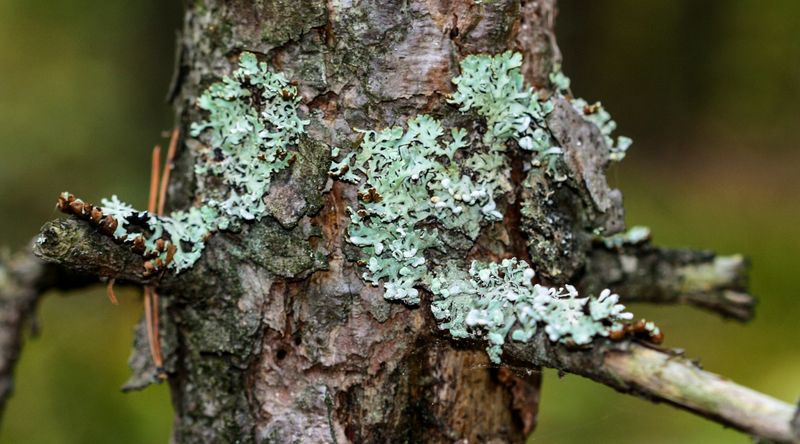
Here’s a team-up worth celebrating. Lichens are partnerships between a fungus and an alga or cyanobacterium, living together as one.
They show up as crusty patches, leafy flakes, or hairy beards on bark. Colors range from gray-green to bright yellow and orange.
Virginia hosts roughly 600 lichen species. Look closely on a walk and you’ll see a surprising rainbow.
Many people panic and think lichens are attacking their trees. Thankfully, these organisms don’t feed on bark at all.
Lichens pull water and nutrients straight from air and rain. The tree simply offers a handy place to sit.
Better yet, lots of lichen often hints at clean air. Many species struggle to grow where pollution runs high.
Sometimes a declining tree seems to sprout extra lichen. Thinning leaves let more sunlight reach the bark, so lichens spread.
The lichen isn’t causing the problem in that case. Check for other issues like root damage, drought, or insects instead.
Skip scraping or spraying lichens off your trees. Scrubbing can injure bark and does nothing to help the plant.
Birds use lichen bits to build and disguise their nests. Hummingbirds especially love it for that clever camouflage.
Grab a magnifying glass on your next nature stroll. The tiny cups and ruffles look like an alien landscape.
10. Squirrel Drey
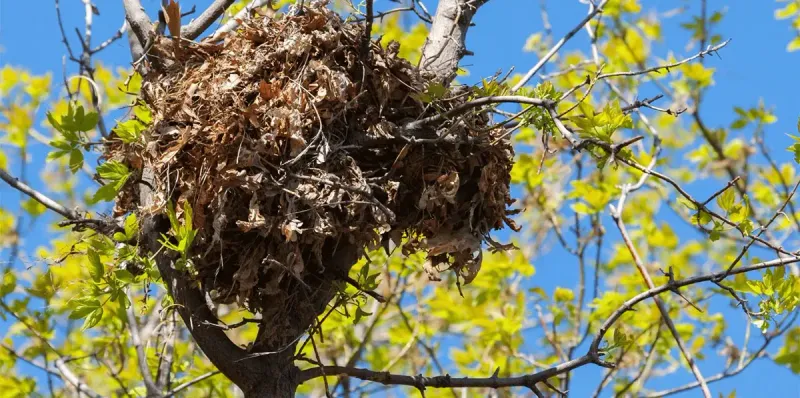
Finally, a growth that really is a nest! Just don’t expect a bird to pop out of this leafy bundle.
Squirrels build these homes, called dreys, high in tree forks. Most sit twenty to forty feet up, snug against the trunk.
Eastern gray squirrel dreys usually measure one to two feet across. From below, they look like messy balls of faded leaves.
Don’t be fooled by that sloppy look, though. The outside weaves sticks and leaves together for strength and insulation.
Inside, squirrels add soft moss, shredded bark, and pine needles. It works like a warm, fluffy sleeping bag.
Dreys are fully enclosed with a small entrance hole. That doorway often faces the trunk for a quick getaway.
Squirrels rest, sleep, and raise babies in these shelters. Many build several dreys so they always have a backup.
Fall and winter make dreys easy to spot. Once leaves drop, neighborhoods suddenly seem full of them.
Plan tree trimming outside the main baby seasons when possible. Early spring and late summer often have young tucked inside.
Keep branches trimmed several feet from your roof. That way, squirrels choose trees instead of your cozy attic.
So next time you spot a leafy clump overhead, watch for a bushy tail. Your yard might host a happy squirrel family.