What To Do When Eastern Moles Start Tunneling Under A Georgia Lawn This October
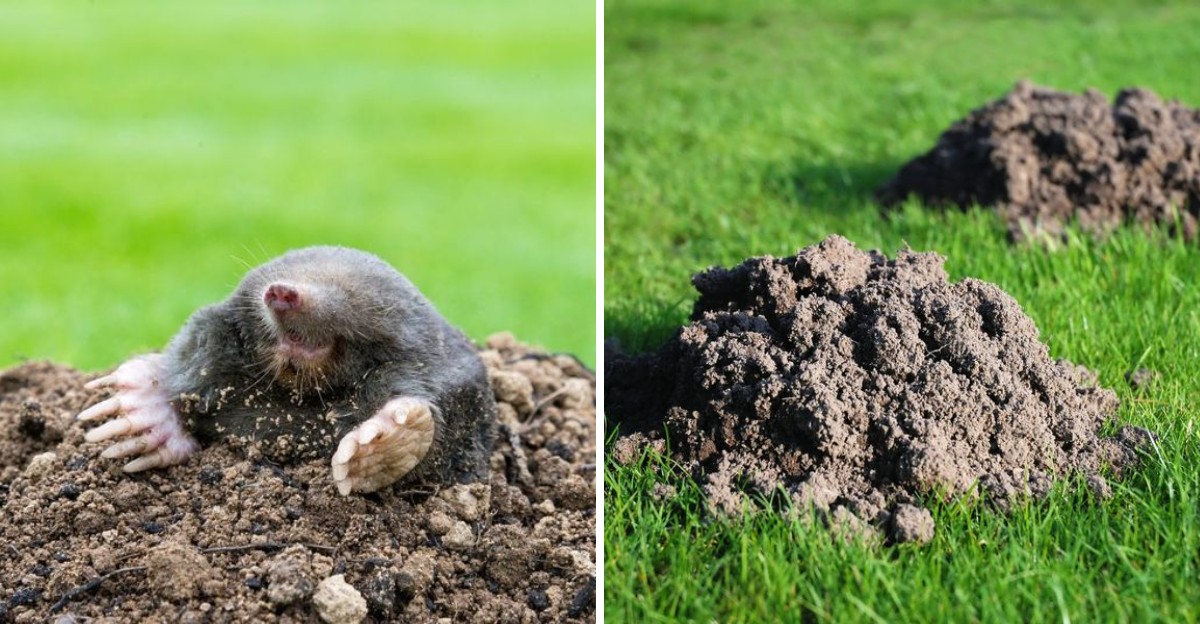
Raised ridges zigzagging across the lawn overnight can make it feel like the ground is shifting under your feet. Step on one, and the soil sinks right back down.
In Georgia, eastern moles often stay busy through fall while the soil is still soft and full of food.
They are hunting earthworms and grubs, not eating your grass roots. The tunneling still loosens turf and leaves the lawn uneven, which is frustrating to mow over.
Many of the remedies sold to homeowners have little solid evidence that they actually work.
Moles also move between active tunnels and old ones, so not every ridge tells you where they are right now.
Pressing down a few ridges and seeing which ones rise again a day later is a simple way to start.
1. Raised Ridges Across The Grass Often Show Up After Fall Rains
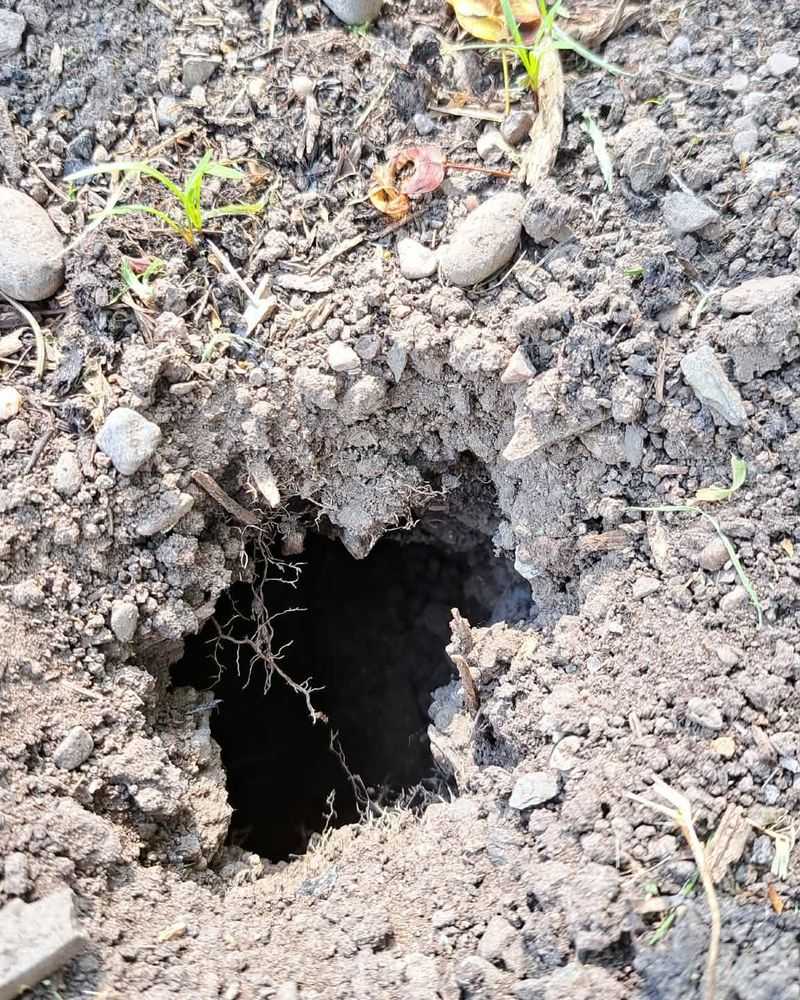
Soggy ground makes a mole’s job easy. After a good soaking, the soil softens and these diggers can push shallow feeding tunnels right under the turf with little effort.
Those tunnels lift the grass into ridges that feel spongy under your shoes.
In October, fall showers often follow drier late summer weeks in Georgia, so the change can seem sudden. One week the yard looks flat, and the next it looks like someone drew lines across it with a stick.
Surface ridges are mostly feeding runs, and moles may use some only once.
Deeper tunnels sit farther down, and you usually cannot see them at all. Moles use those lower runs to travel, rest, and stay protected from heat or cold.
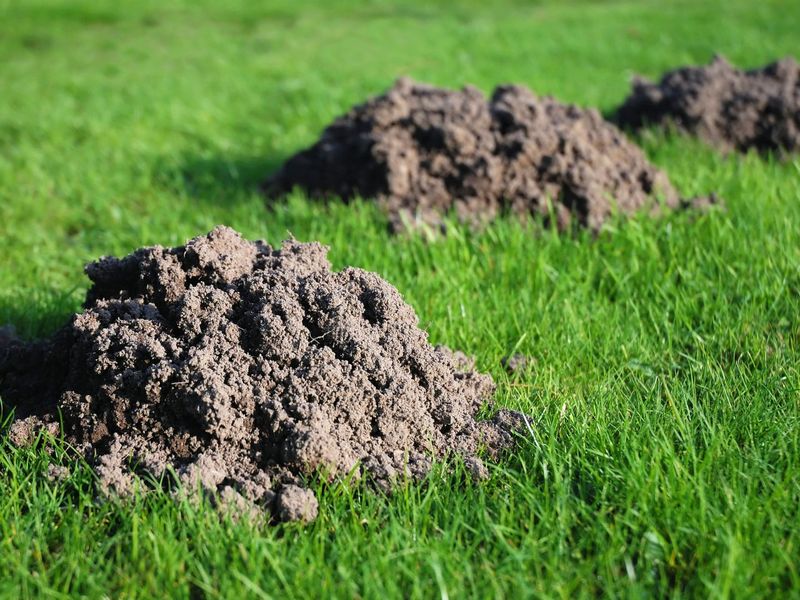
Volcano-shaped piles of loose soil may also appear, which are called molehills.
They form when a mole pushes extra dirt up from a deeper tunnel. Pocket gophers make similar mounds in other regions, but they are not native to most of the Southeast.
Timing still depends on your local weather and soil type, so not every yard sees a burst of activity after rain. Heavy clay may hold water longer than sandy soil, which can affect where moles dig.
Watching how the ridges appear over a few days gives you a clearer picture than reacting to the first one you spot.
2. Earthworms Make Up Much Of What They Eat
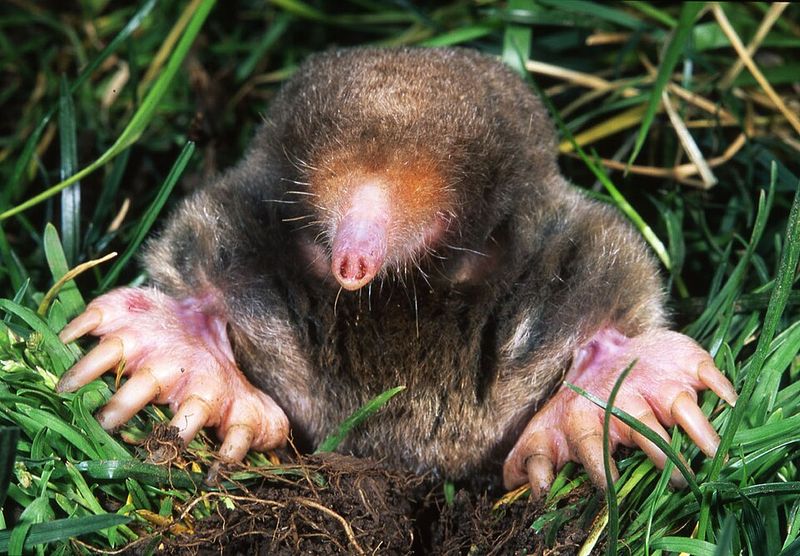
Forget the idea of a mole munching on grass. Eastern moles are insect-eaters, and earthworms are one of their favorite meals in most yards.
Grubs, beetle larvae, ant pupae, and other small soil creatures round out the menu.
A mole has a fast metabolism and needs to eat a lot for its size. That steady hunger explains why it keeps digging new runs instead of staying in one spot.
Healthy soil with plenty of organic matter often supports a large worm population.
So if moles show up in your yard, it may simply mean the ground underneath is full of life. Gardeners in Georgia who add compost or leave grass clippings in place sometimes notice more worms, and that can attract more mole visits.
Your Georgia Garden Changes Every Week. Your Plan Should Too.
Gardening in Georgia changes quickly throughout the season. Every Friday you’ll receive a simple weekly plan showing exactly what to plant, prune, fertilize, harvest, and protect so you never miss the right timing.
Earthworms help loosen soil, move nutrients around, and break down plant material.
Trying to wipe out worms to starve moles is not a smart trade. Products sold for that purpose can also harm helpful soil life and may not be labeled for home lawn use.
Thinking of moles as hunters following food changes how you approach the problem. Instead of fighting the soil itself, you can focus on methods that target the mole or make the area slightly less appealing.
That keeps your lawn’s underground helpers working while you deal with the tunneling.
3. They Don’t Eat Plant Roots, But Voles Using Their Tunnels Might
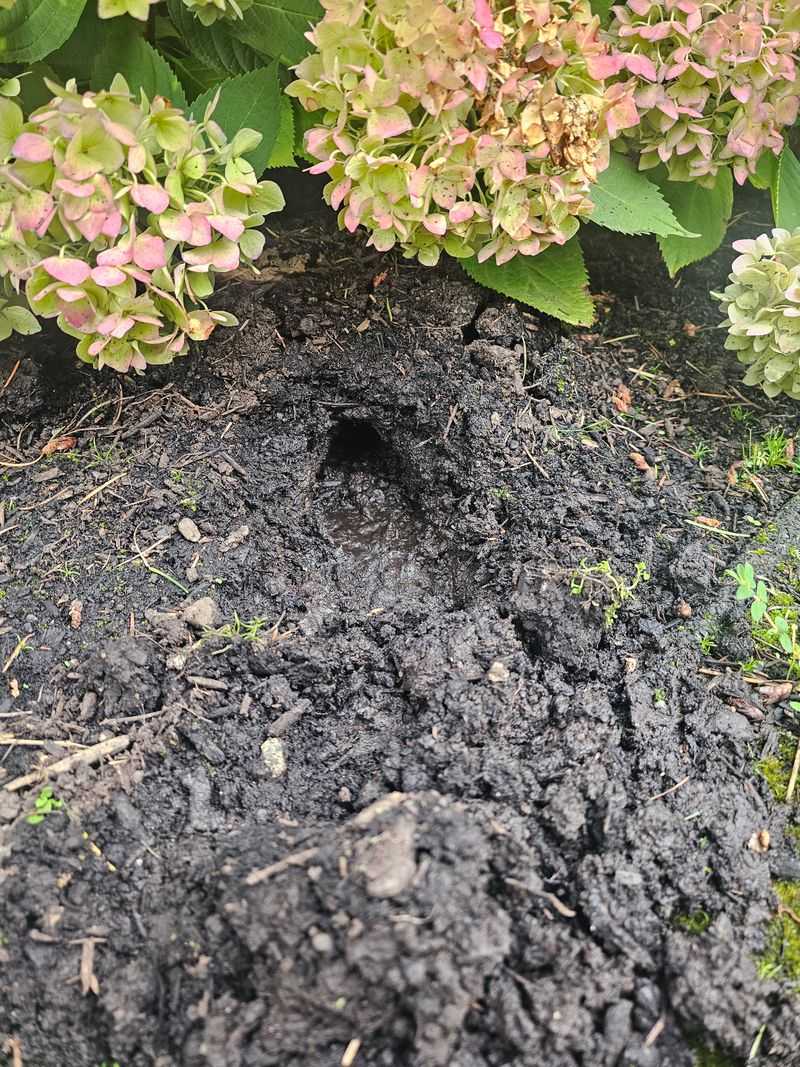
Here is a twist that surprises plenty of homeowners. When bulbs vanish or hostas wilt near mole runs, the mole usually is not the one chewing.
Moles feed on soil animals rather than roots, bulbs, or stems.
Voles are a different story. These small, mouse-like rodents eat plant material, and they may travel through tunnels that moles have already dug.
Pine voles are found across much of Georgia, and they often stay below ground near shrubs, perennials, and fruit trees.
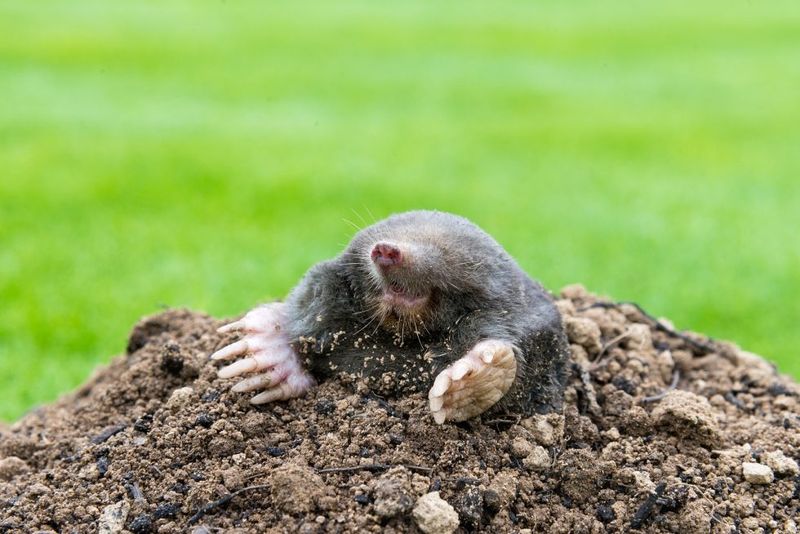
Telling the two apart can be tricky, since you rarely see either one. Moles have tiny eyes, large paddle-shaped front feet, and a pointed snout, while voles look more like stubby mice with short tails.
Small, clean holes about the size of a quarter can point to voles.
Roots that look gnawed, bulbs that disappear, or plants that wobble loosely in the soil are other clues worth checking. Moles can still cause trouble by lifting roots and drying them out, but chewed damage suggests a rodent.
Getting the right answer matters because control methods differ. A trap or bait meant for moles will not usually solve a vole problem, and the reverse is also true.
If you are unsure, your county Extension office can help you sort out which animal is causing the damage.
4. Flatten A Few Ridges To See Which Tunnels Are Active
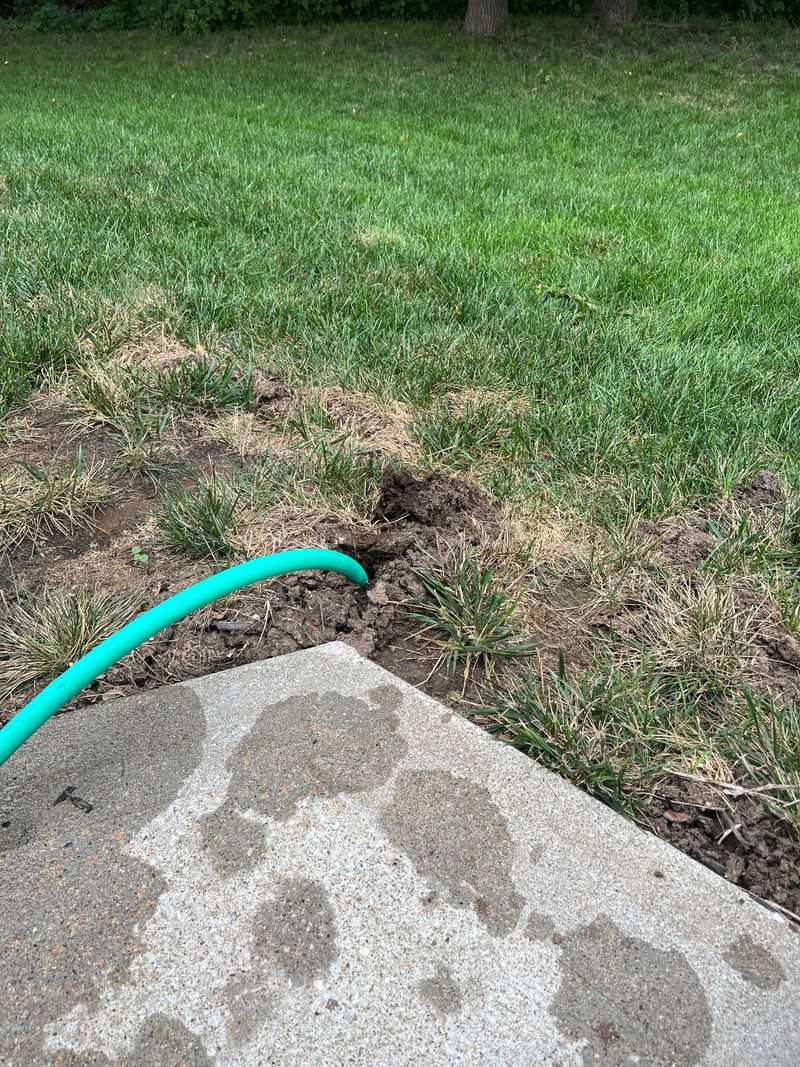
Your foot is the best tool you own for this step. Press down several ridges in different parts of the yard, then mark them with a flag or small stick.
Check those same spots again in a day or two.
Any ridge that pops back up is likely an active tunnel. Those lines are the ones a mole is still using, while flattened runs that stay down may have been abandoned.
Straight ridges that connect two areas, or that run along fences, sidewalks, and garden edges, are often used as travel lanes.
Wiggly, branching ridges in the middle of the lawn tend to be short feeding tunnels. Moles may visit those once and move on.
Knowing where the busy routes are saves time and effort.
If you plan to use traps, placing them on active tunnels is key, and guessing usually leads to frustration. Mole traps set in old runs may sit untouched for weeks.
Gently rolling or tamping the lawn also helps grass roots touch the soil again. That contact matters in fall, when cool-season grass and many lawns across Georgia are still trying to stay healthy before winter.
Be gentle in very wet soil, though, since heavy pressure can compact it. A light step is enough to tell you what you need to know.
5. Treating For Grubs Alone Seldom Solves The Problem
Grub control sounds like a clever shortcut. Remove the food, and the moles should leave, right?
Real yards rarely work that neatly.
Grubs are only part of a mole’s diet, and earthworms usually make up a large share. Even if you reduce grubs, worms and other soil creatures remain, so moles may keep hunting.
Some homeowners notice moles digging harder right after a grub product goes down.
One possible reason is that the mole is searching more widely for food. Results vary, though, and it is hard to predict how one yard will respond.
Grub treatments do have a place when grubs are actually damaging your turf.
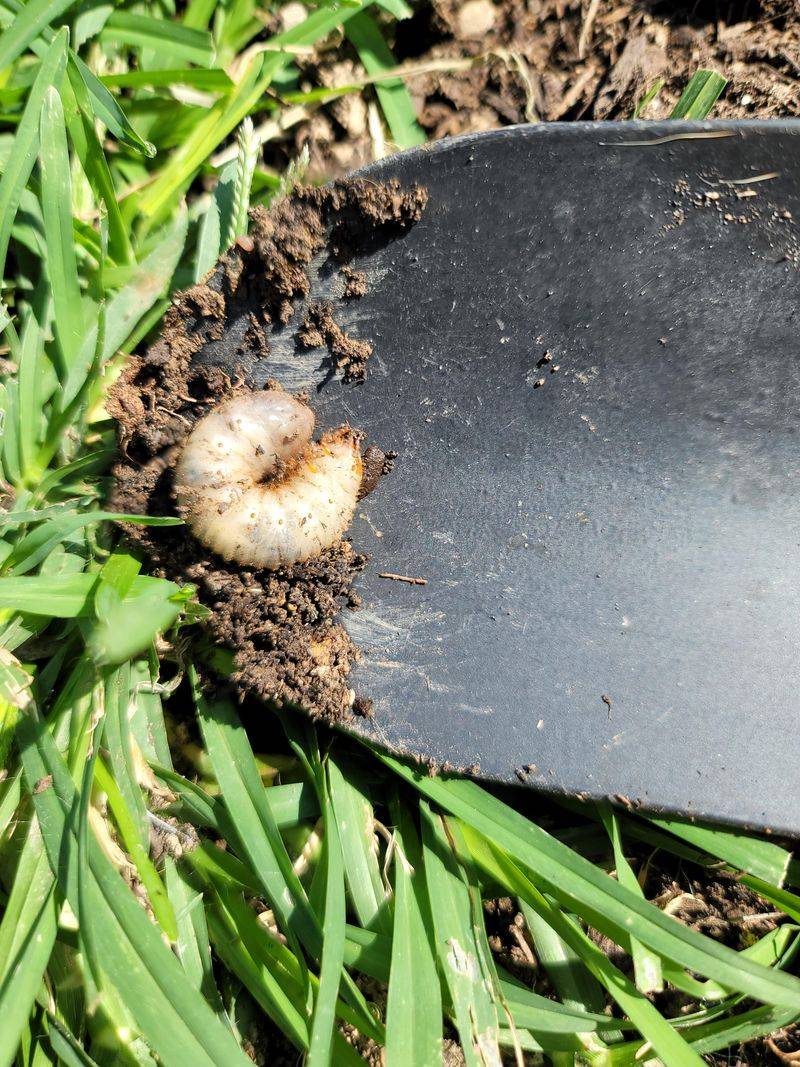
Signs include brown patches that peel back like a loose rug, with many C-shaped white larvae underneath. Extension guidance often suggests checking a few small squares of sod before treating, since a light grub count may not justify any product.
Timing matters too. In Georgia, many grub products work best on young larvae in late summer, so an October application may be less effective depending on the product and the pest.
Read the label carefully and follow it closely. If moles are your main concern, traps placed in active tunnels are generally the more direct option that wildlife specialists recommend.
6. Castor Oil Repellents Give Mixed Results
Walk into any garden center and you will spot bottles promising to chase moles away. Castor oil products are among the most common, sold as granules or hose-end sprays.
Some people swear by them, while others see no change at all.
Castor oil may irritate a mole’s digestive system or make treated soil less pleasant. The idea is that moles move elsewhere instead of feeding in that area.
Outcomes often depend on soil moisture, how deeply the product soaks in, and how often you reapply it.
Rain can wash it away, and dry soil may not let it reach the tunnels. Since fall weather in Georgia can swing between wet spells and dry stretches, you may need repeat applications to see any effect.
Even when it works, a repellent tends to push moles rather than remove them.
Your mole might shift from the front yard to the backyard, or simply move to a neighbor’s lawn and wander back later. Expect temporary relief at best.
If you want to try castor oil, treat it as one part of a broader plan. Water it in as directed and pay attention to whether ridges keep reappearing.
If the activity continues after a few weeks, trapping may be a more reliable choice.
7. Reducing Excess Watering Can Make Lawns Less Inviting
Sprinklers running every evening can turn a yard into a mole buffet. Constantly moist soil keeps earthworms near the surface, and that is exactly where moles like to hunt.
Cutting back on extra water may help a little.
Cooler October temperatures mean most lawns need less moisture than they did in summer. Warm-season grasses like Bermuda, zoysia, and centipede start slowing down as they head toward winter dormancy in much of Georgia.
Watering deeply but less often is usually healthier for turf anyway.
It encourages deeper roots and lets the top layer of soil dry out between soakings. Pushing a screwdriver into the ground is an easy way to check moisture before you turn the system on.
Rain also counts, so a rain sensor or simple gauge can keep you from doubling up.
Keep your expectations realistic, though. Drier soil will not force moles out on its own, and heavy fall rains can undo your effort quickly.
Leaky spigots, clogged gutters, and low spots that stay wet are worth fixing too. Those damp areas can attract worms and the moles that follow them.
Paired with trapping or other steps, smarter watering makes your lawn a little less appealing. It also saves water and money as the season winds down.