This Heirloom Shrub Can Change Its Flower Color In A Single Day In Georgia
A white flower in the morning and a deep pink one by evening sounds like two different plants.
One old-fashioned shrub does exactly that, and it tends to bloom right as many summer flowers fade.
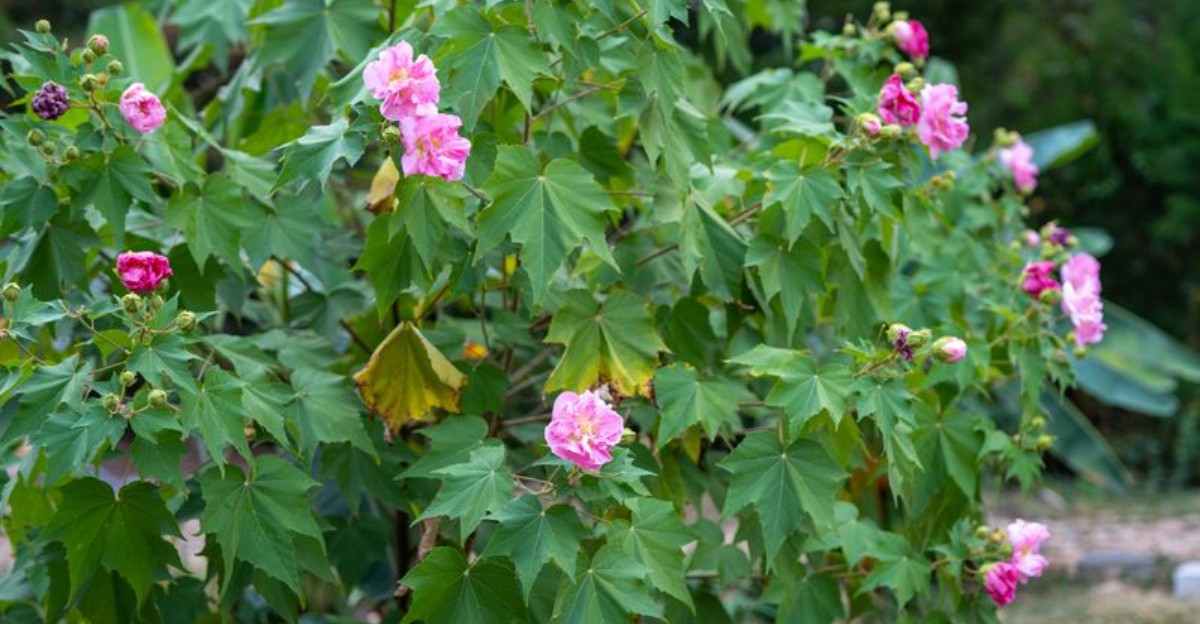
Its large blossoms open pale and gradually darken as the day goes on, which has made it a favorite in Georgia for generations.
Plenty of older homes still have one growing near a porch or along a fence. You may have walked past one without realizing what made it so unusual.
The color shifts on each flower over a single day, so a full plant can show several shades at once. Seen from the street, that mix draws attention.
Cuttings root easily, which is one reason this shrub has been passed between neighbors for decades.
1. White Morning Blooms Can Blush Deep Pink By Sundown
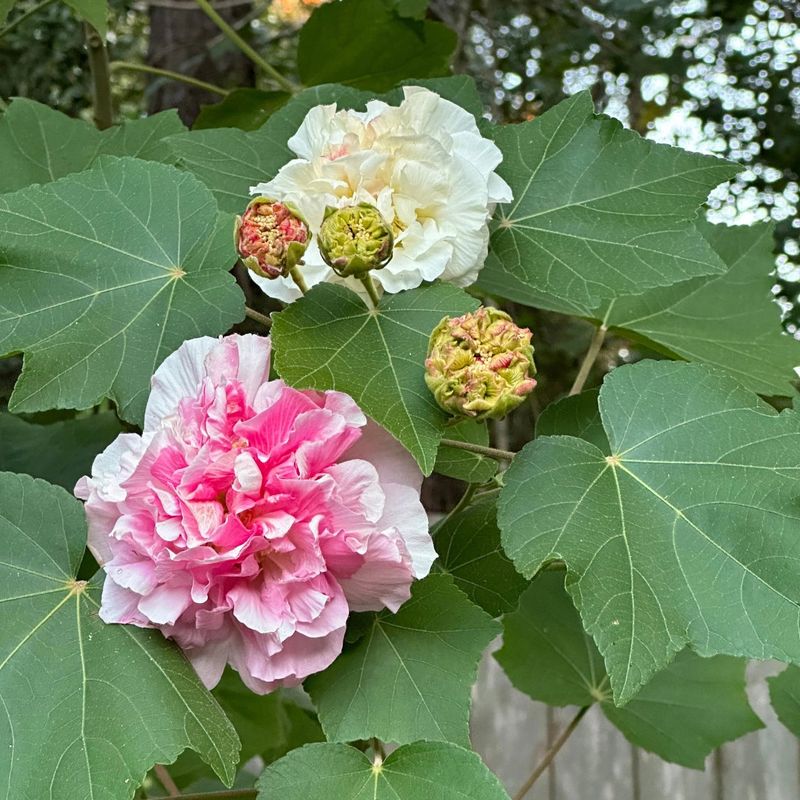
Breakfast and dinner can bring two very different flowers on the same branch. Gardeners call this shrub the Confederate Rose, and botanists know it as Hibiscus mutabilis.
Its species name, mutabilis, means changeable, which fits it perfectly.
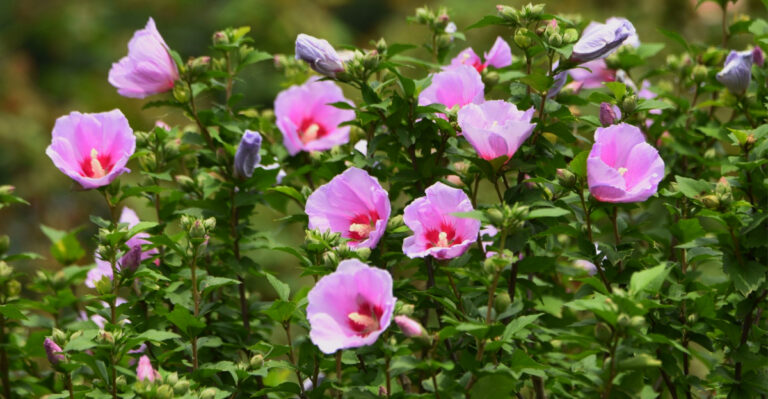
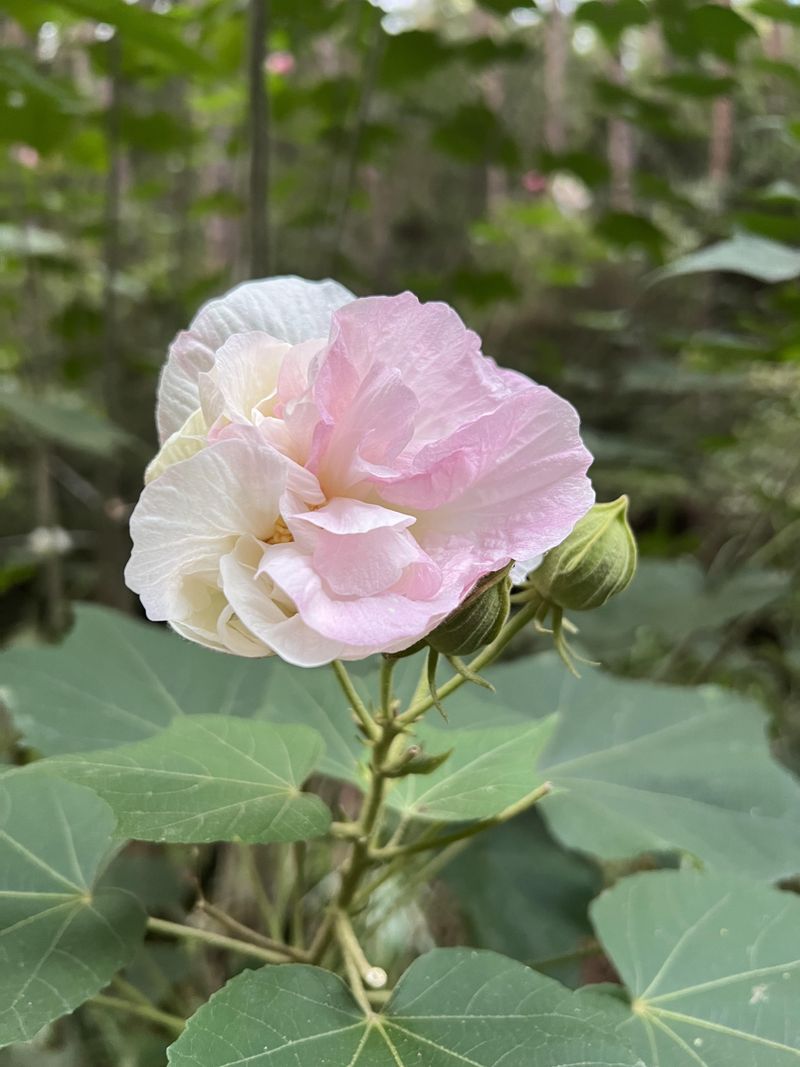
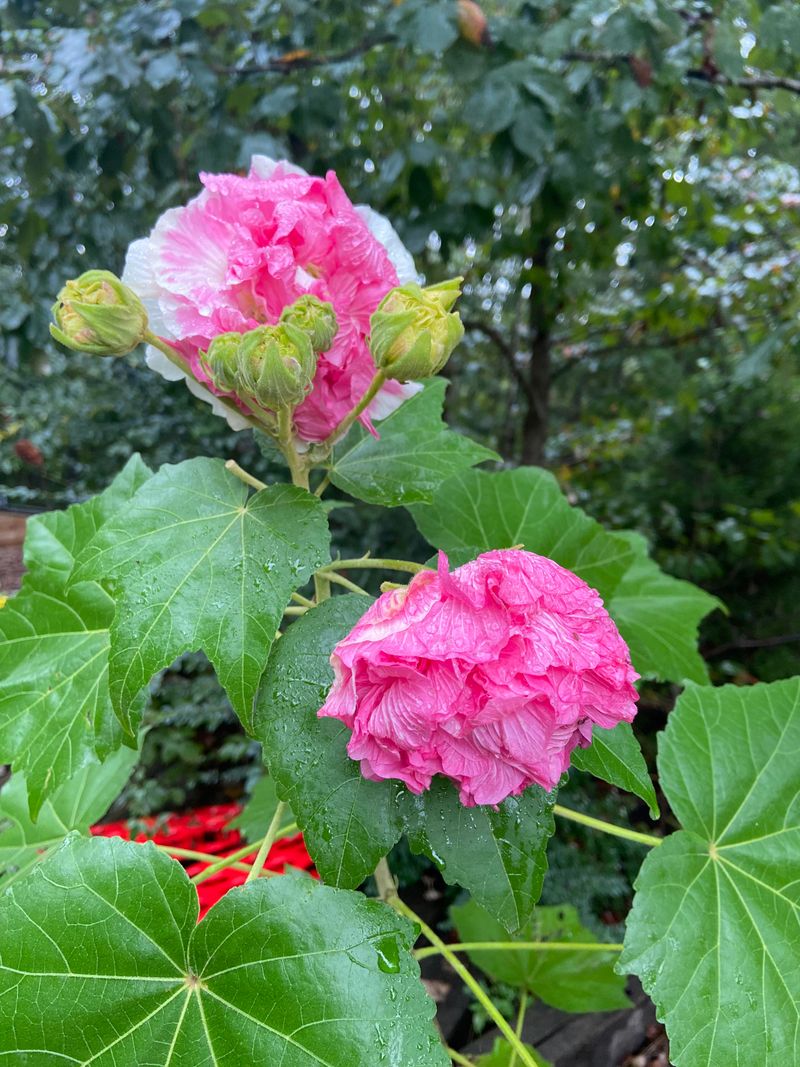
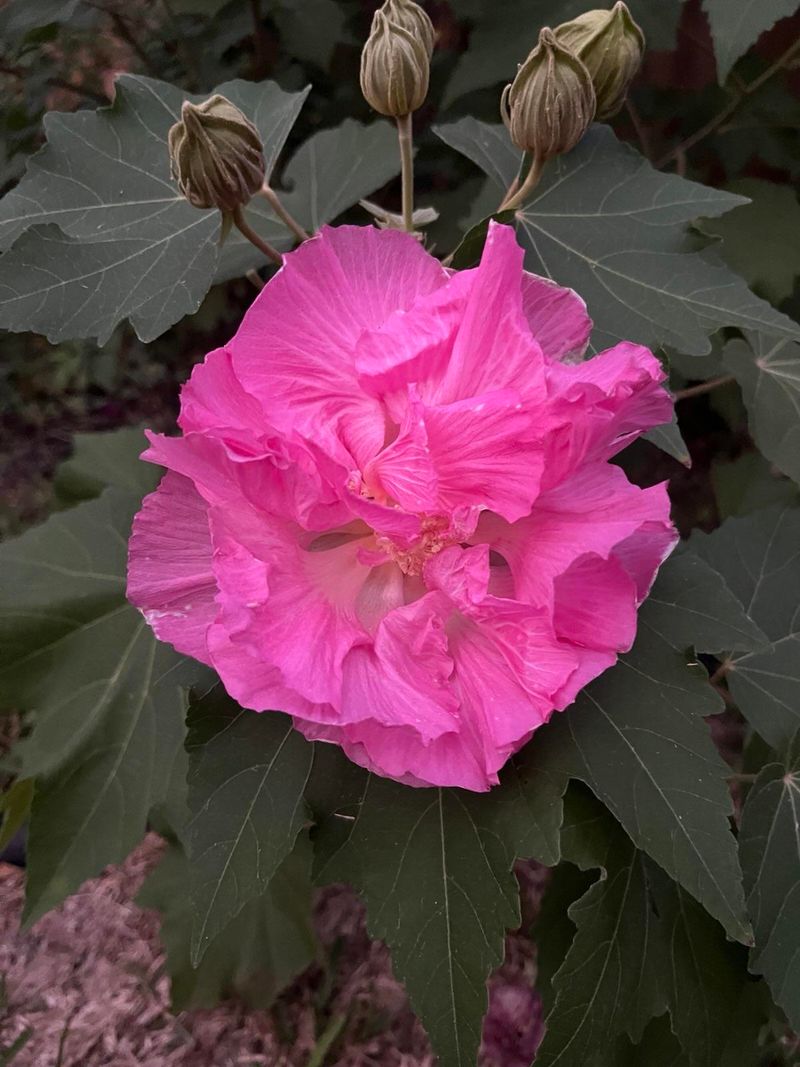
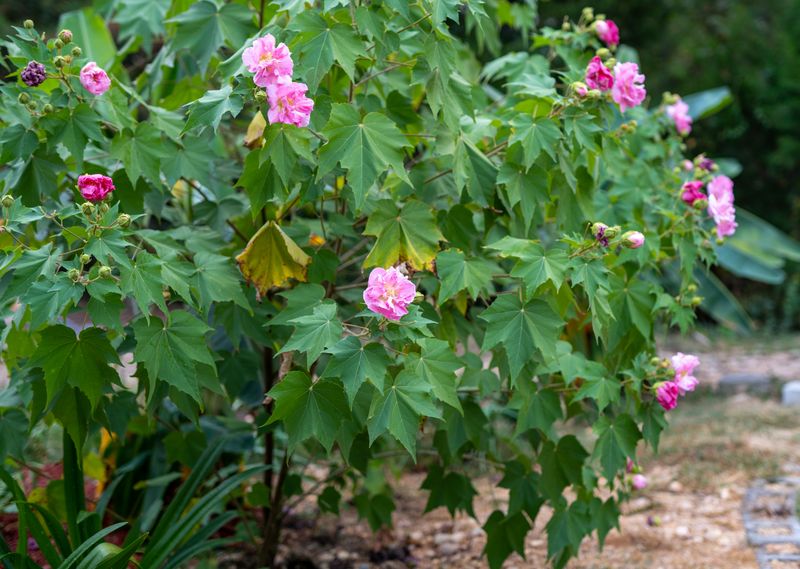
Each bloom on the common double form usually opens white or pale pink in the morning. As the day goes on, the petals slowly blush pink, then deepen toward a darker rose shade by evening.
Every single flower lasts only about a day, so the show restarts with fresh buds each morning.
That routine means you can see white, soft pink, and deep pink flowers all on one plant at once. In a Georgia yard, that mix looks almost like someone planted three different shrubs together.
Warmth and sunlight seem to affect how fast and how strongly the color shifts.
On cool or cloudy days, the change may look slower or softer than usual. Some selections also behave differently, since a few stay mostly pink or open a single layer of petals.
If you want to enjoy the full effect, check the plant at several points during one day.
Snapping a photo in the morning and another around sunset is an easy way to track it. Kids especially tend to love watching the same bloom change color before their eyes.
2. Its Southern Nickname Hides Roots In China
Despite the name, this shrub is not a rose, and it did not start out in the South. Hibiscus mutabilis is native to southern China, where people have grown it for a very long time.
Another common name, cotton rosemallow, points to its place in the mallow family.
That family also includes okra, cotton, and the familiar hibiscus plants sold at garden centers. So its big, soft flowers make more sense once you know its relatives.
Traders and plant collectors carried it to many warm parts of the world over the centuries.
At some point it reached the American South and settled into old farm and town gardens. How the name Confederate Rose got attached is not well documented, so stories about it are best treated as folklore.
Gardeners in Georgia mostly know it by that regional nickname today.
Your Georgia Garden Changes Every Week. Your Plan Should Too.
Gardening in Georgia changes quickly throughout the season. Every Friday you’ll receive a simple weekly plan showing exactly what to plant, prune, fertilize, harvest, and protect so you never miss the right timing.
If you shop for one, look for the botanical name on the tag to avoid mix-ups. Plant labels can be inconsistent, and a few sellers use the common names loosely.
Knowing its roots also helps explain how it grows.
Coming from a mild climate, it enjoys long, warm summers and doesn’t care for hard freezes. That background matches the way it behaves in Southern yards, especially when winter turns sharp.
3. Big Hibiscus-Style Flowers Arrive In Late Summer And Fall
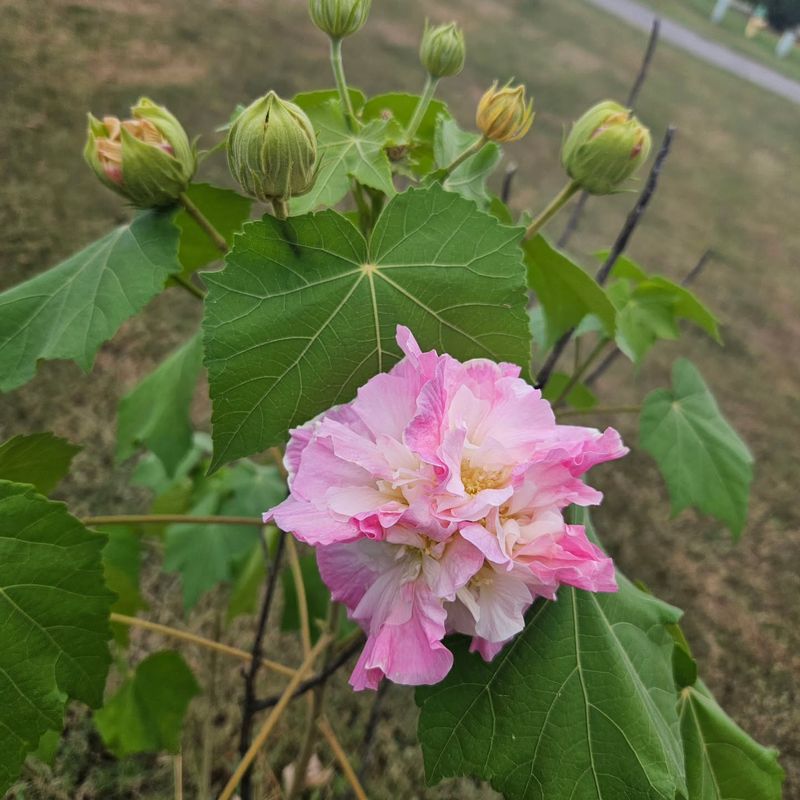
Patience pays off with this plant, since it waits until late in the year to bloom. Most of the summer, it simply grows big, leafy stems and large, fuzzy leaves.
Flowering usually kicks off in late summer and carries on into fall.
Timing can shift with weather, sun, and how much the plant grew that year. In Georgia, many gardeners see the heaviest blooms around September and October.
Blossoms are often four to six inches across, and the double types look full and ruffled.
People sometimes compare them to peonies or old garden roses because of all those layered petals. Single-flowered forms look more like a classic hibiscus, with a flatter, open shape.
An early frost usually brings the flower show to an end.
Until then, the shrub can keep producing new buds every week. That makes it a handy plant when summer annuals and perennials start to look tired.
Sun matters a lot if you want plenty of flowers.
Give it full sun or at least several hours of direct light each day for the best results. In heavier shade, plants tend to stretch out and bloom less, though they may still grow.
Bees and other pollinators often visit the open flowers, adding even more life to a fall garden.
4. Many Old Gardens Got Theirs As Passalong Cuttings
Nobody ran to a nursery for this shrub back in Grandma’s day. Instead, a neighbor or relative usually handed over a few stems after the plant finished blooming.
Gardeners call plants shared this way passalongs.
Southern writers and garden historians have long praised these plants for linking families and communities. In small towns across Georgia, you can still find old Confederate Roses near farmhouses and church grounds.
Easy rooting is a big reason it spread so widely by hand.
Once someone had one shrub, they could share it without spending a dime. That kind of trading kept plenty of heirloom plants alive long before big garden centers existed.
Want to keep the tradition going? Ask a friend with a healthy shrub if you can take a few pieces.
Late fall or winter, after flowering ends, is a common time to cut stems for sharing.
Choose pencil-thick or slightly thicker pieces from healthy, pest-free branches. Label them or jot down where they came from, since the story is part of the fun.
Sharing plants does come with a small responsibility.
Look over the stems for insects such as whiteflies before passing them along. A quick check helps keep pests from hitching a ride into someone else’s garden.
5. Stem Cuttings Can Root In A Jar Of Water
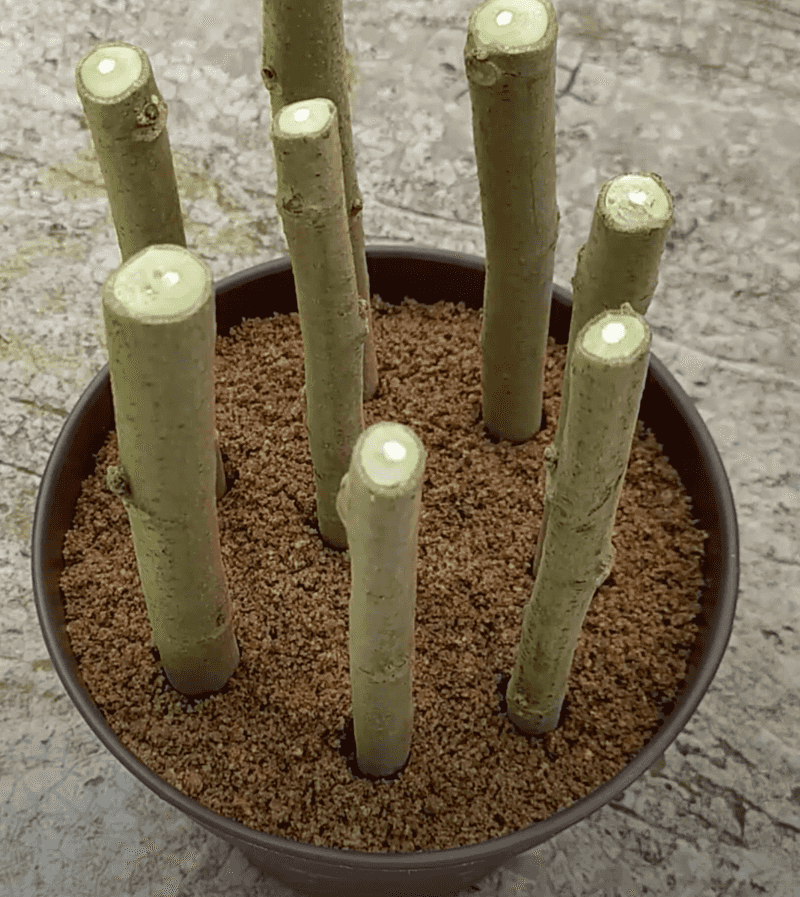
A plain glass jar may be all you need to start a new shrub. Confederate Rose has a reputation for rooting easily, and water rooting is a popular method.
Start with stems about 8 to 12 inches long, cut from healthy growth.
Remove most of the leaves so the cutting doesn’t lose too much moisture. Then set the bottom few inches in a jar of clean water.
A bright windowsill out of harsh afternoon sun works well for most people.
Change the water every few days so it stays fresh and doesn’t turn cloudy or smelly. Roots often appear in a few weeks, though warmth and stem health affect the timing.
Not every piece will succeed, so starting several stems at once is smart.
Once roots reach a couple of inches, move each cutting into a pot of moist potting mix. Water-grown roots can be tender, so handle them gently and keep the soil evenly damp at first.
Gardeners in Georgia often hold young plants indoors or in a protected spot over winter.
Plant them outside in spring after the danger of frost has passed. Some people skip the jar and stick cuttings straight into moist soil, which can also work well.
6. In Colder Spots, Frost Can Knock It Back To The Ground
One hard freeze can turn a tall, leafy shrub into a cluster of brown stems overnight. That sight surprises newcomers, but it is fairly normal in cooler areas.
Location makes a big difference here.
In north Georgia and higher elevations, winters are colder, so the top growth is more likely to freeze back. Along the coast and in far south areas, the stems may survive mild winters with less damage.
Frost usually hits the leaves first, turning them limp and dark.
Harder freezes can damage the stems too, leaving them dry and brittle. How far back it goes depends on how cold it gets and for how long.
Should you cut the damaged stems right away? Many experienced gardeners wait until late winter or early spring.
Leaving the old stems in place for a while may offer the base a little protection.
A layer of mulch around the roots in late fall can also help shield the crown from deep cold. Use a few inches of pine straw or shredded leaves, keeping it slightly away from the stems.
Planting near a south-facing wall or other warm spot may soften winter’s effect.
Even so, a very cold winter can still harm the roots, especially in poorly drained soil. Good drainage matters, since soggy, cold ground is tough on many hibiscus relatives.
7. New Shoots Often Return In Spring After A Hard Winter
Bare brown sticks in March don’t have to mean the end of the story. Well-established plants frequently send up fresh shoots from the base once the soil warms.
Spring growth can start slowly, so give it time before deciding anything.
Some years the sprouts show up in April, while other years they wait until May. Weather, plant age, and how cold the winter was all play a part in Georgia gardens.
When green buds appear, trim away the old, damaged stems above or near the new growth.
Clean, sharp pruners make neat cuts that heal more easily. Scratch a stem lightly with a fingernail, and if it shows green underneath, that part may still be alive.
Growth tends to be fast once warm weather settles in.
A plant cut back to the ground can often grow several feet tall by fall. Flowering may still happen that same year, though a very late start can mean fewer blooms before frost.
Steady watering during dry spells helps the new stems grow strong.
A light feeding in spring may help on poor soil, but heavy fertilizer can push leaves over flowers. Follow label directions or check with your local Extension office for soil testing advice.
Young or recently planted shrubs are less dependable after harsh winters, so keeping a rooted cutting in reserve is a smart backup.