Can You Mow Over Leaves In A New York Yard? Here’s What Works
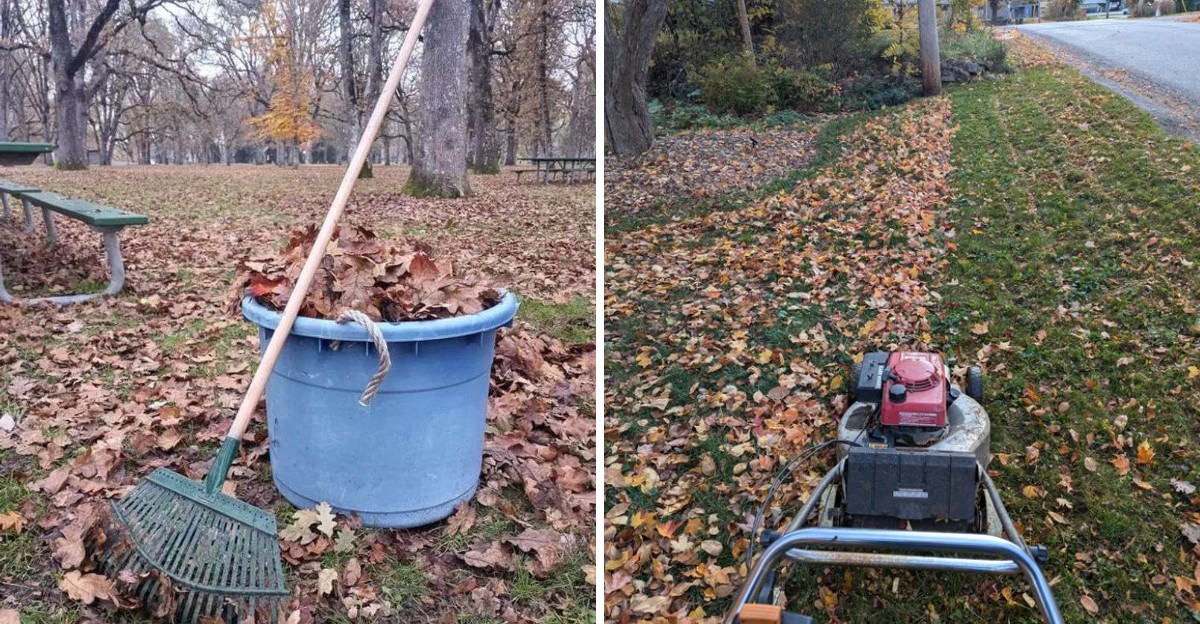
Bagging every last leaf might be the biggest waste of your fall weekends. Across New York, many people haul heavy sacks to the curb with sore backs.
Your lawn mower can handle most of that job for you. Mowing over leaves sounds lazy, yet it’s one of the smartest fall chores you can do.
The trick is doing it the right way, since a few small choices make a big difference. Blade type, mower height, timing, and even the weather all play a part.
Get them wrong, and you could smother your grass under a soggy mat. Get them right, and the shredded leaves feed your soil and help your lawn come back thicker next spring.
The steps below show what really works. Your rake may get a long rest this fall.
Mowing Leaves Is Healthy For Your Lawn
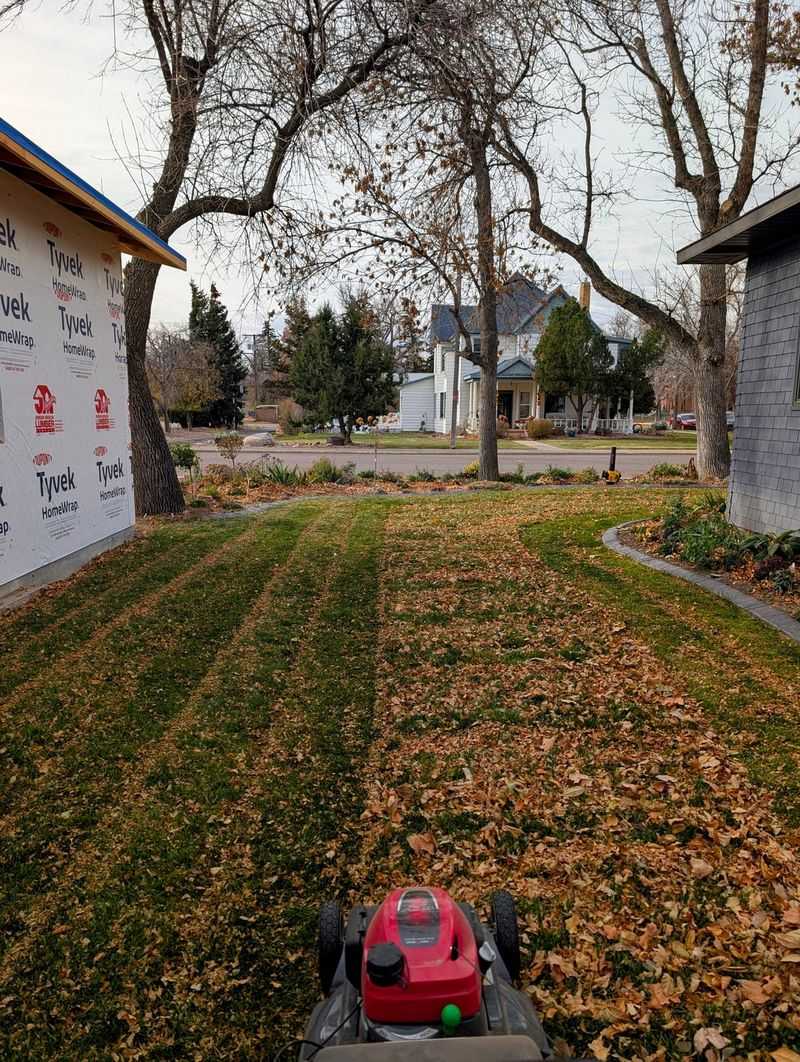
Picture your grass getting a free snack every fall. Chopped leaves feed the soil as they break down slowly over winter.
Fallen leaves hold nitrogen, phosphorus, and potassium. Your lawn needs all three nutrients to grow strong roots and thick blades.
Shredded pieces work like a natural fertilizer for your yard. They slip between grass blades and quietly return goodness to the ground.
Earthworms love this leafy buffet too. They pull the bits underground and leave tiny tunnels that help air and water reach roots.
Helpful soil microbes join the party as well. They turn leaf scraps into rich organic matter that improves soil structure over time.
Better soil holds moisture longer during dry summer weeks. Your grass may need less watering when July heat rolls into New York.
Whole leaves left in heavy piles tell a different story. They block sunlight, trap dampness, and can leave yellow patches by spring.
Mowing changes everything because small pieces do not form a heavy blanket. Light and air still reach the turf beneath them.
Michigan State University researchers have studied leaf mulching for years. Their work found that mulched leaves did not harm turf and often helped it.
Some homeowners even noticed fewer dandelions after a few seasons. Leaf bits can cover bare spots where weed seeds would sprout.
So the next time leaves drift down, think of them as a gift. Your mower simply helps unwrap it for the soil below.
Shredding Is The Key Step
Whole leaves are sneaky troublemakers on a lawn. Left alone, they stick together like wet paper and press flat against the grass.
Once matted, they form a thick, soggy blanket. Sunlight, rain, and air struggle to reach the turf hiding underneath.
Grass trapped under that layer can turn pale and weak. Snow mold and other lawn diseases also enjoy those damp, dark conditions.
Shredding solves the problem in minutes. Tiny leaf pieces drop down between the blades instead of resting on top.
Smaller bits break down much faster than big ones. More edges mean more places for microbes and worms to start working.
Here is a fun way to think about it. A whole cracker takes a while to soften, but crumbs dissolve almost instantly.
Your New York Garden Changes Every Week. Your Plan Should Too.
Gardening in New York changes quickly throughout the season. Every Friday you’ll receive a simple weekly plan showing exactly what to plant, prune, fertilize, harvest, and protect so you never miss the right timing.
Shredding also shrinks the leaf pile dramatically. A huge mound can turn into a light sprinkle that nearly vanishes into the lawn.
Aim for pieces about the size of a dime or smaller. If you can still spot whole leaves, the job needs more work.
Oak leaves are tough and waxy, so they need extra chopping. Maple leaves shred easily and break down a bit faster.
Walk across your lawn after mowing and look closely. You should see mostly green grass with flecks of brown peeking through.
Get the shredding right, and every other tip in this list works better. Skip it, and you are just rearranging trouble.
A Mulching Blade Cuts Leaves Into Small Pieces
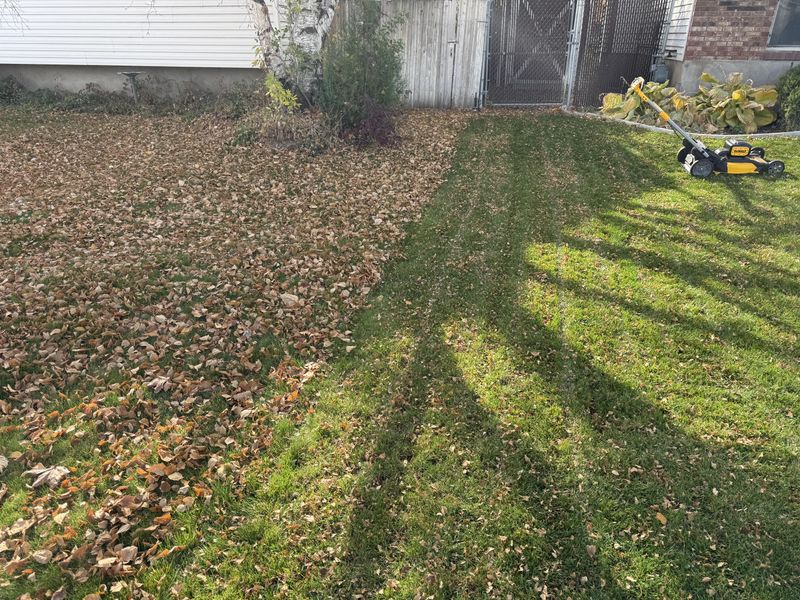
Ever flipped a mower over and wondered what makes one blade better than another? The secret is all in the shape.
Standard blades are fairly flat and simple. They cut grass well, but leaves often get tossed out before being chopped fine.
Mulching blades, sometimes called 3-in-1 blades, have a curved design. Their extra cutting edges keep leaves swirling under the deck longer.
More swirling means more slicing. Each leaf gets hit several times, turning big pieces into small confetti.
Gator blades take things a step further. Their jagged teeth chop leaves into even tinier bits that settle right into the turf.
Swapping blades is usually an easy weekend project. Most hardware stores carry options that fit popular mower brands.
Before buying, check your mower model number. Blade length and center hole shape must match, or the blade will not fit safely.
Safety matters here too. Disconnect the spark plug or remove the battery before you touch anything under the deck.
Sharpness counts just as much as shape. A dull blade tears leaves and grass instead of slicing them cleanly.
Plan to sharpen blades at least once a season, maybe twice. Fall leaf work wears edges down faster than summer mowing.
Got only a regular mower? It can still shred leaves, just with more passes and a little more patience.
Raise The Deck To The Highest Setting
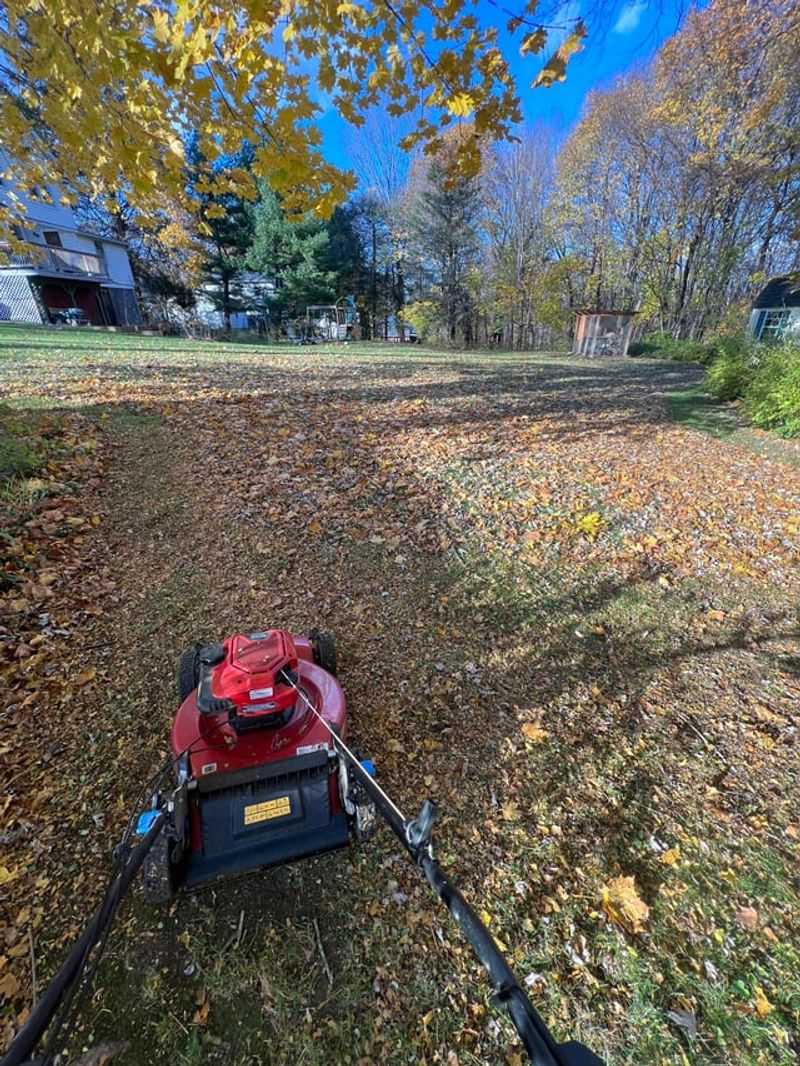
Low and fast might work for summer grass, but fall leaves play by different rules. Height gives your mower room to breathe.
Raising the deck to its highest setting creates more space underneath. Leaves can swirl around and get chopped instead of jamming up.
Most experts suggest around three inches or a little higher. The Town of Clifton Park, New York, recommends about three inches for mulching.
A low deck tends to pinch leaves against the turf. You end up with clumps of half-chewed leaves sitting on the grass.
Clogging becomes a big headache at low settings too. The engine may sputter, stall, or leave strange stripes across your yard.
Taller grass also helps your lawn heading into winter. Longer blades store more energy, which supports healthy roots during cold months.
Finding the lever is usually simple. Many push mowers have a lever near each wheel, while others use one central handle.
Try a quick test strip before mowing the whole yard. If leaf bits look chunky, raise the deck one more notch.
Riding mowers often have a deck lift lever beside the seat. Check your manual for the exact range your model allows.
Toward the very last mow of the season, you can lower it slightly. Shorter grass may resist snow mold through a long upstate winter.
Small adjustment, big payoff. Your mower and your lawn will both work more happily.
Make Two Passes Over Thick Areas
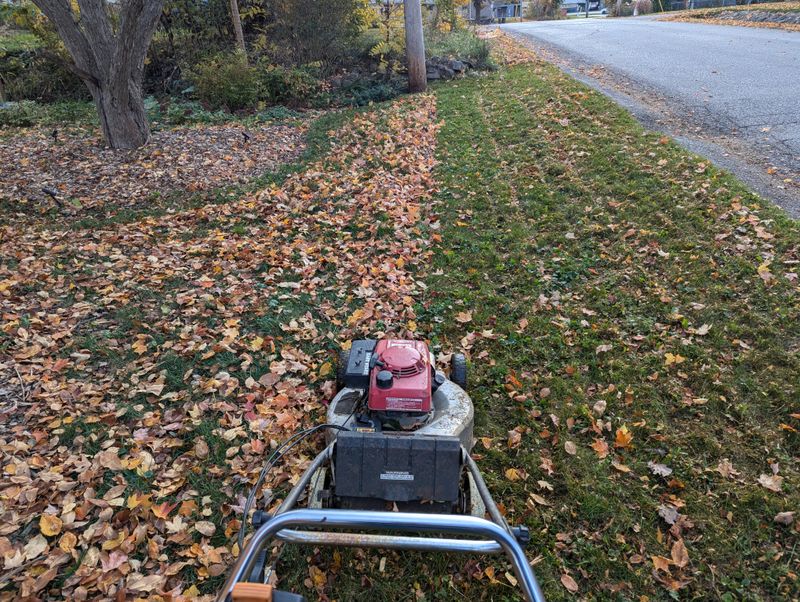
Some corners of the yard look like a leaf avalanche hit them overnight. A single trip with the mower usually will not cut it there.
Experts often recommend two passes in heavy spots. The second pass should run crosswise to the first, forming a checkerboard pattern.
Crosscutting catches leaves the first pass missed. Pieces get hit from a new angle and end up much smaller.
Remember the dime test from earlier. Leaf bits should be that size or smaller before you call the job done.
Still seeing big clumps after two rounds? Go ahead and make a third pass, slowly and steadily.
Walking speed matters more than people think. Moving slowly gives the blade time to chop each leaf several times.
Spots under big maple or oak trees usually need the most attention. Fence lines and corners collect leaves too, thanks to the wind.
A friend in Westchester shared a handy trick with me. She mows north to south first, then east to west, like painting a grid.
Listen to your mower while you work. If the engine strains or slows, you are pushing through too many leaves at once.
Very thick layers may need thinning before any mowing begins. More on that in a later tip below.
Two passes might add ten minutes to your chore. That small effort saves hours of raking later in the season.
Mow When Leaves Are Dry
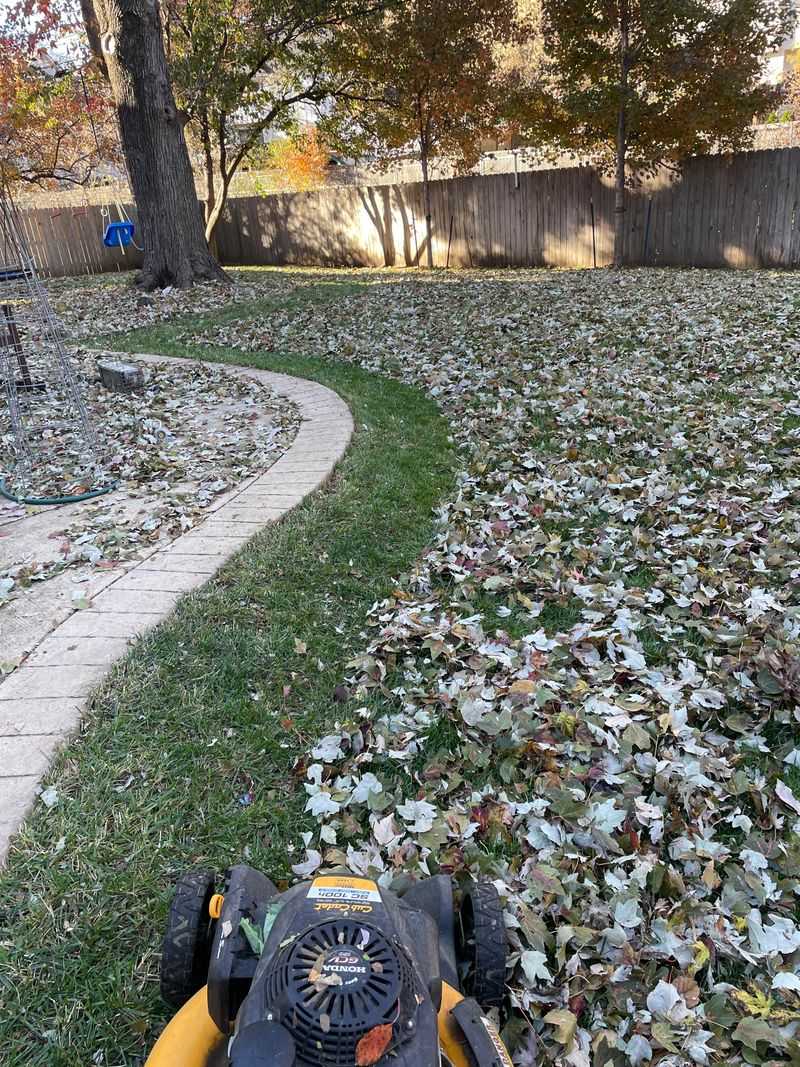
Crunchy leaves are your best friends here. Soggy leaves, on the other hand, can turn a simple chore into a sticky mess.
Dry leaves are crisp and brittle. Mower blades break them apart easily, almost like crushing potato chips.
Wet leaves act more like wet newspaper. They bend, clump together, and wrap around the blade instead of shredding.
Clogs are a common result of mowing damp leaves. You may stop every few minutes to scrape gunk from under the deck.
Uneven results follow too. Matted clumps get left behind, blocking light and air from the grass below.
Those soggy patches invite fungus and turf diseases. Your lawn could look patchy and tired when spring arrives.
The Town of Clifton Park in New York suggests picking a dry day. Afternoons usually work better once morning dew has burned off.
Check the forecast before you plan your mowing day. Aim for a stretch of sunny weather after at least a day without rain.
Not sure if leaves are dry enough? Grab a handful and squeeze, listening for that satisfying crunch.
Fall weather can be tricky, with rain showing up often. If you must mow damp leaves, slow down and clear the deck more frequently.
Patience pays off in this case. Waiting one extra day often gives far better results than rushing out on a wet morning.
Spread Deep Piles Thin Before Mowing
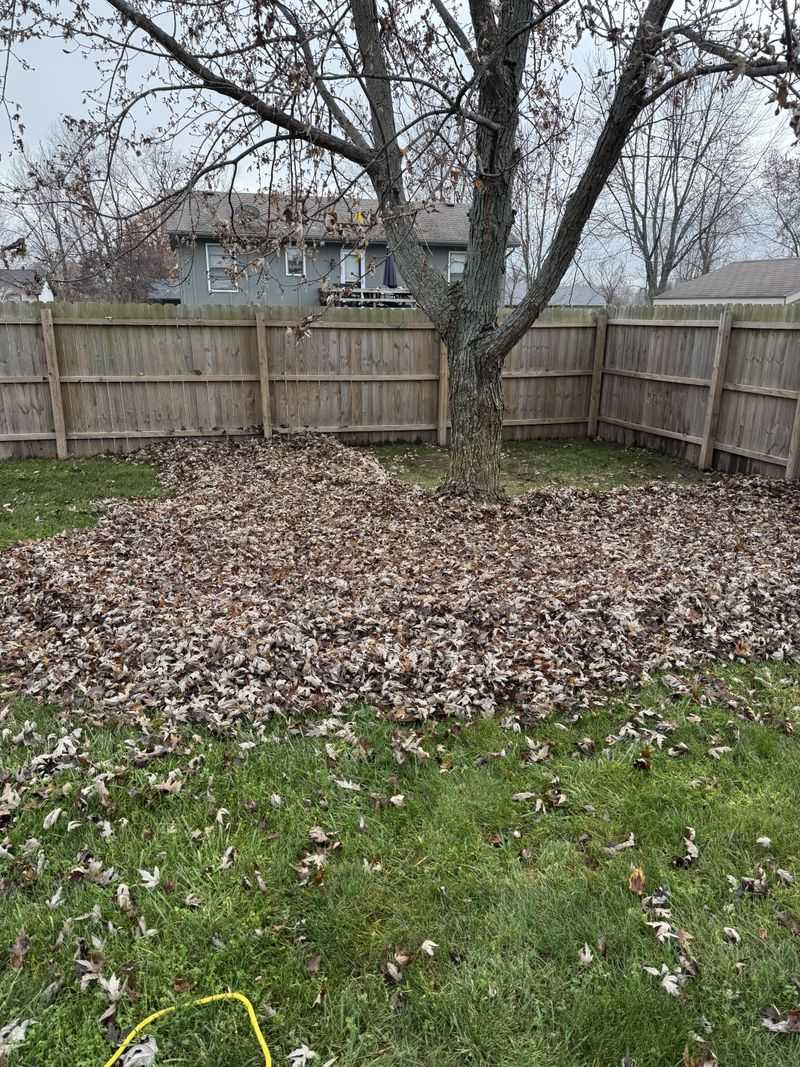
Raise your hand if you have ever tried mowing straight into a knee-high leaf pile. Most of us learn that lesson exactly once.
Deep piles overwhelm even strong mowers. The engine bogs down, and the deck chokes on too many leaves at once.
Poorly shredded clumps are the usual result. Those clumps can smother the grass just like whole leaves would.
A simple rule helps here. You should still see some green grass peeking through the leaves before you start mowing.
Leaves covering every inch of lawn need some thinning first. Grab a rake and spread the pile out over a wider area.
Leaf blowers make the job faster for big yards. Just blow the leaves into a thinner, even layer across open grass.
Got way more leaves than your lawn can handle? Rake some aside to use later in beds or a compost pile.
Windy days can undo your hard work quickly. Try spreading and mowing on the same calm afternoon.
Pay special attention to areas near curbs, porches, and fences. Wind tends to stack leaves up in those spots like snowdrifts.
Spreading feels like extra work at first. Yet it often makes the whole mowing session smoother and quicker overall.
Think of it like serving food in smaller bites. Your mower can chew through a thin layer far better than a mountain.
Rake Excess Into Garden Beds
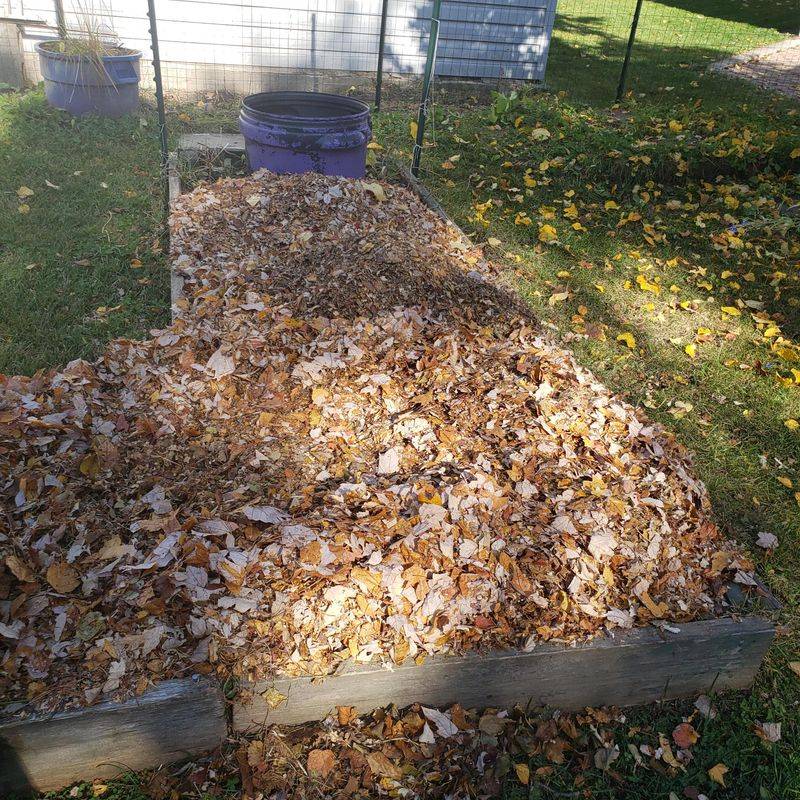
Gardeners sometimes call shredded leaves black gold, and with good reason. Your flower beds will happily take whatever the lawn cannot use.
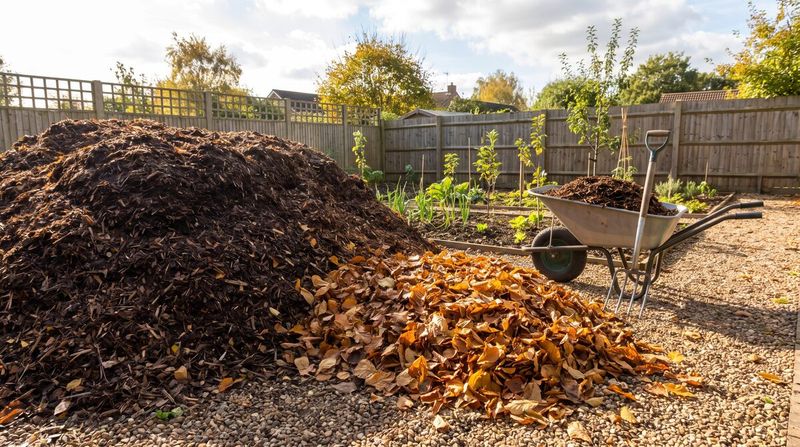
Extra leaf bits make wonderful natural mulch. Spread them around shrubs, trees, perennials, and vegetable beds.
Aim for a layer about two to four inches deep. Thicker than that, and water may struggle to soak through.
Leaf mulch blocks weeds from sprouting. It also holds moisture in the soil during dry spells.
Winter protection is another perk. A leafy blanket helps keep plant roots cozy when temperatures swing wildly.
Winters often bring freeze-thaw cycles. Mulch reduces soil heaving, which can push young plants right out of the ground.
Leave a little gap around stems and tree trunks. Mulch piled against bark traps moisture and may invite rot or pests.
Here is a quick trick for collecting leaves. Mow with the bag attached for one pass, then dump the shredded leaves into beds.
By spring, much of that mulch will have softened and broken down. Mix it into the soil to boost organic matter for planting.
Vegetable gardeners love this free resource too. Tomatoes and peppers grow well in soil enriched with old leaves.
Nothing goes to waste this way. Every leaf finds a home, either feeding the lawn or tucking garden beds in for winter.
Start Early When Leaves First Fall
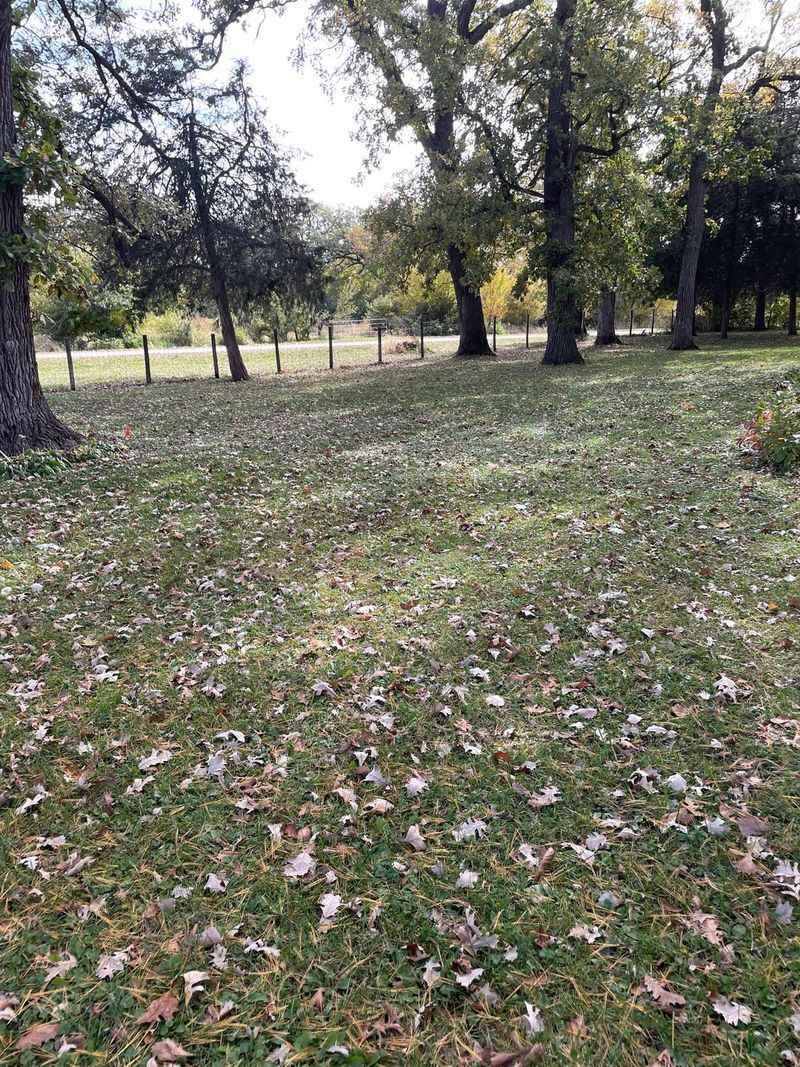
A light sprinkle of leaves is easy. A heavy blanket is a battle, so timing really matters here.
Begin mulching as soon as leaves start dropping. Your mower handles a thin layer with almost no effort.
Waiting until every tree is bare creates a huge pile. Then you face clogs, extra passes, and lots more raking.
Plan to mow every five to seven days during peak leaf season. Even if your grass barely grew, the leaves still need attention.
Scarsdale, New York, encourages residents to mulch weekly during heavy leaf drop. Regular mowing keeps buildup from getting out of control.
Leaf season timing varies across the state. The Adirondacks may peak in late September, while Long Island often peaks in early November.
Watch the trees in your own yard for clues. When the first handful of leaves lands, get ready to mow.
Early mulching gives leaf bits more time to break down. They start feeding the soil before the ground freezes for winter.
Setting a weekly reminder can help a lot. Saturday mornings work well for many busy families.
Short, frequent sessions also feel less exhausting. Twenty minutes each weekend beats a five-hour marathon in late November.
Small steps add up over the season. By the time the last leaf falls, your yard will already look tidy and well fed.
Skip The Bagging And Save The Money
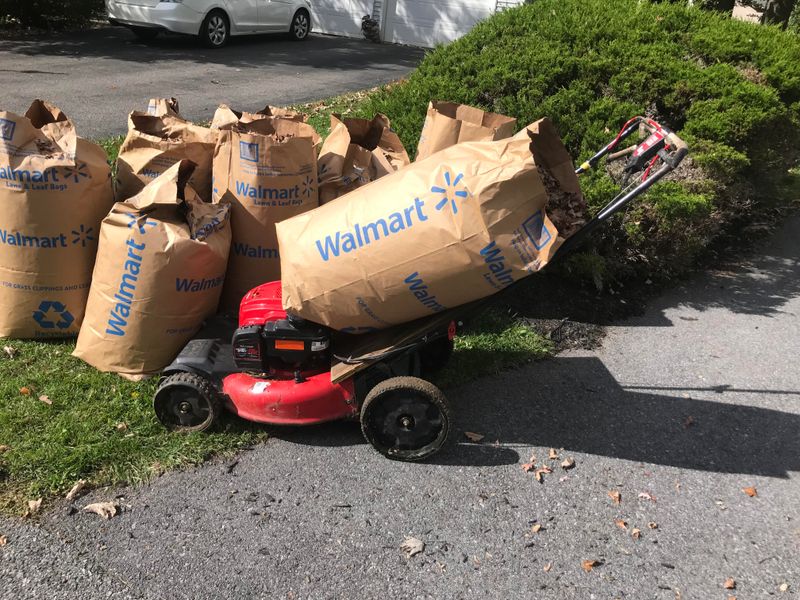
Paper leaf bags are not cheap, and they add up fast. Mulching lets you keep that money in your wallet instead.
Bagging means buying sacks every single fall. Some towns also charge disposal fees for yard waste pickup.
Hiring help costs even more. Professional leaf removal in New York City averages about $245 to $602 per job.
Dropping off yard waste at city facilities has a price too. NYC charges about $12 per cubic yard for disposal.
Mulching skips all of that. Your mower, a little fuel, and some time are all you really need.
Fertilizer savings are a nice bonus. Leaf nutrients feed your lawn, so you may buy less fertilizer next spring.
The planet benefits as well. Leaves sent to landfills break down without oxygen and release methane, a powerful greenhouse gas.
Keeping leaves on your property avoids that problem. Nutrients cycle right back into your soil the way nature intended.
Your back will appreciate it too. No more dragging heavy, overstuffed bags down the driveway to the curb.
Fun fact: one large tree can drop thousands of leaves each fall. Imagine how many bags that would fill over a lifetime of autumns.
So put down the rake and fire up the mower instead. Your yard, your budget, and your weekends will all feel lighter for it.