The Winter Squash Varieties Ohio Gardeners Are Harvesting Right Now
Something chunky and colorful is piling up on porches and farm stands all across Ohio this month. You can almost smell cinnamon and brown butter drifting from ovens as cool October air settles in.
These hard-shelled treasures look like alien pumpkins, with bumps, stripes, and shades from tan to blue. Each one stores sunshine from the past season and hands it back during chilly winter dinners.
Smart gardeners pick types that handle muggy weather and hungry bugs far better than the rest. A wise choice can mean a full pantry instead of a sad, soggy pile by Thanksgiving.
Growers across Ohio are harvesting, curing, and saving seeds right now while sketching next year’s patch. Some favorites are old family heirlooms, while others are newer picks bred for small backyard spaces.
1. Waltham Butternut
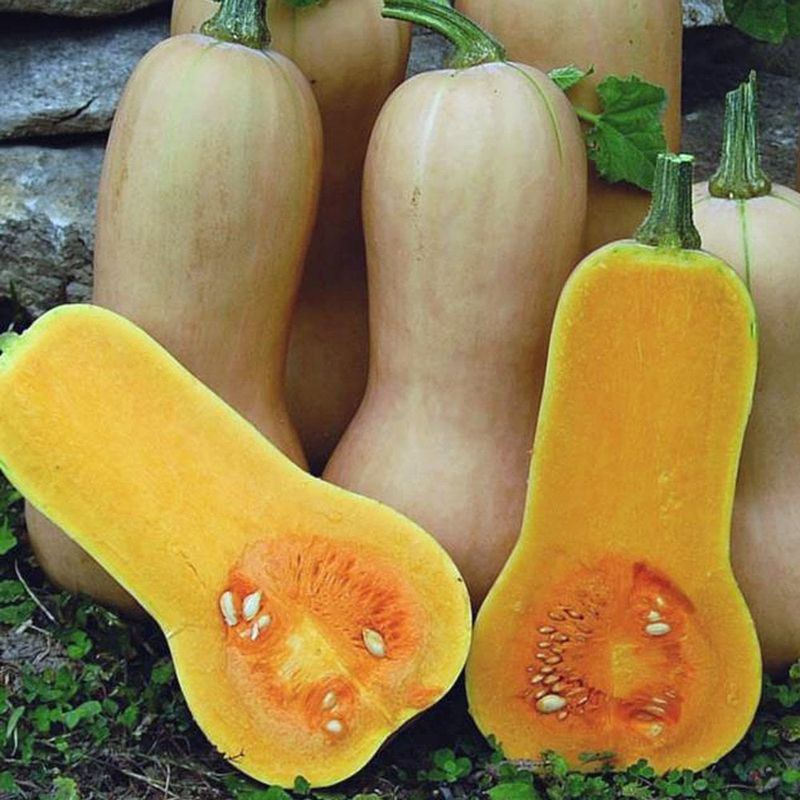
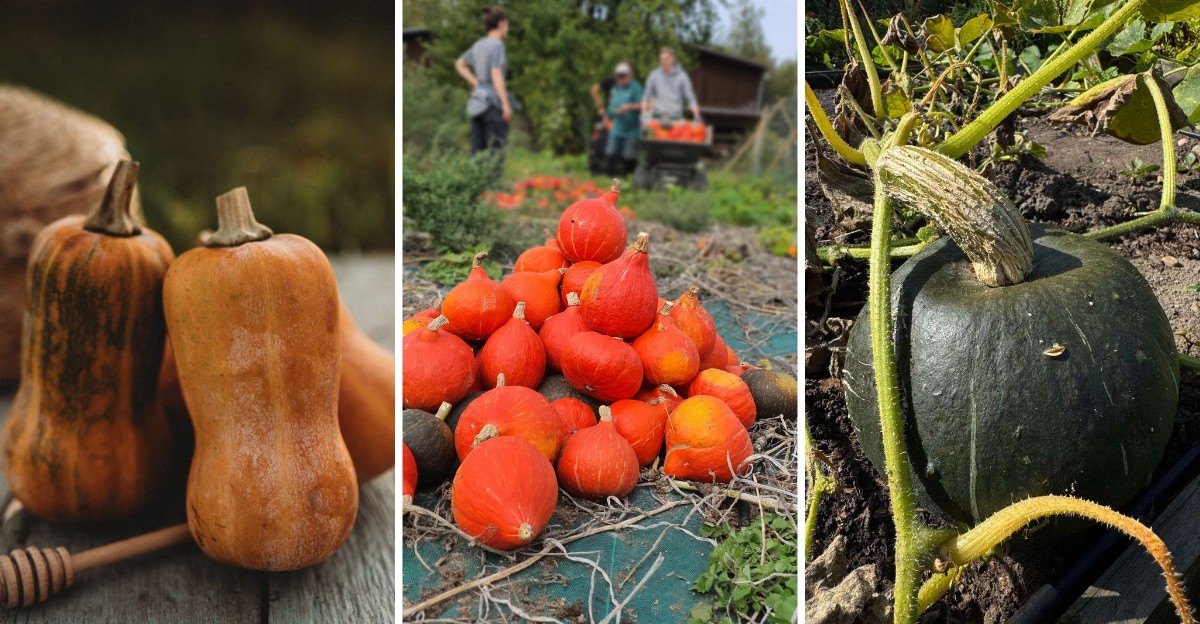
Back in 1970, a researcher in Waltham, Massachusetts, released a butternut that became a kitchen classic across America. Gardeners still trust it today, and you will spot its tan, bell-shaped fruits at nearly every farm market.
Part of its fame comes from a solid neck packed with sweet orange flesh and only a small seed cavity. That means more food per fruit and less scooping when you are prepping soup on a busy weeknight.
Butternuts also hold up well against squash vine borers, a pest that often ruins other varieties in Ohio. Their thick, solid stems make it harder for the larvae to tunnel inside and cause trouble mid-season.
Right now in early October, look for fruits with deep tan skin and stems that have turned dry and corky. Any green streaks near the stem suggest the fruit needs a little more time on the vine.
Cut each one with a few inches of stem attached, then cure them in a sunny spot for ten days. Bring them indoors before the first hard frost, which often arrives in Ohio by mid to late October.
Stored in a cool basement or closet, Waltham Butternut can stay tasty for six months or even longer. The flavor often gets sweeter after a few weeks of rest, so patience pays off at the table.
When planning next year, give each plant about ten feet of room to sprawl across warm, mulched soil. Expect roughly four to six fruits per vine, plenty for soups, pies, and roasted cubes all winter long.
2. Honeynut
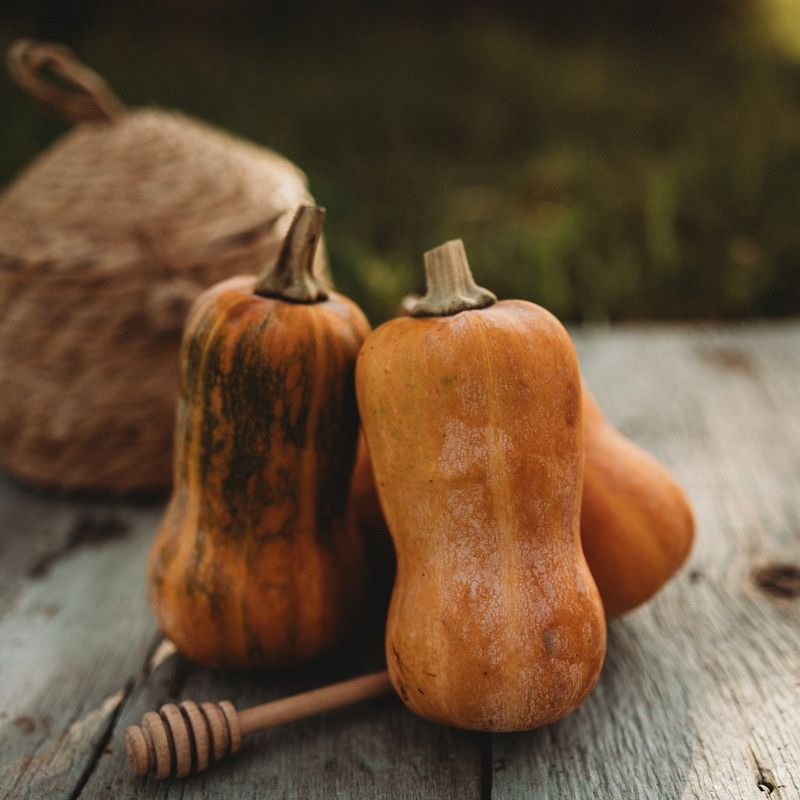
Picture a butternut that shrank in the wash but somehow came out twice as sweet and twice as colorful. Honeynut fits in your palm, and many gardeners call it the candy bar of their fall harvest.
Plant breeder Michael Mazourek at Cornell University developed it after a famous chef asked for smaller, tastier squash. The result looks like a mini butternut, but the flesh is deeper orange and packed with extra beta carotene.
Its skin starts green and shifts to a rich tan with orange blush when the fruit is truly ripe. Waiting for that color change matters, since early picks taste bland and lack that famous honey flavor.
Your Ohio Garden Changes Every Week. Your Plan Should Too.
Gardening in Ohio changes quickly throughout the season. Every Friday you’ll receive a simple weekly plan showing exactly what to plant, prune, fertilize, harvest, and protect so you never miss the right timing.
In early October, most Ohio vines have finished their work, so check fruits daily and harvest the bronzed ones. A light frost can scar the thin skin, so cover plants with an old sheet on chilly nights.
One downside is storage life, because these little fruits mostly stay at their best for about two months. Plan to enjoy them first, saving tougher keepers like Waltham or Hubbard for the deep winter weeks ahead.
Cooking them is a breeze, since you simply slice each one in half, scoop the seeds, and roast. Twenty-five minutes later, the skin turns soft enough to eat, so there is no peeling required.
Each vine produces many fruits, sometimes ten or more, making Honeynut a fun choice for small backyard gardens. Kids love them too, because a whole fruit makes a perfect single serving with a drizzle of maple syrup.
3. Table Queen Acorn
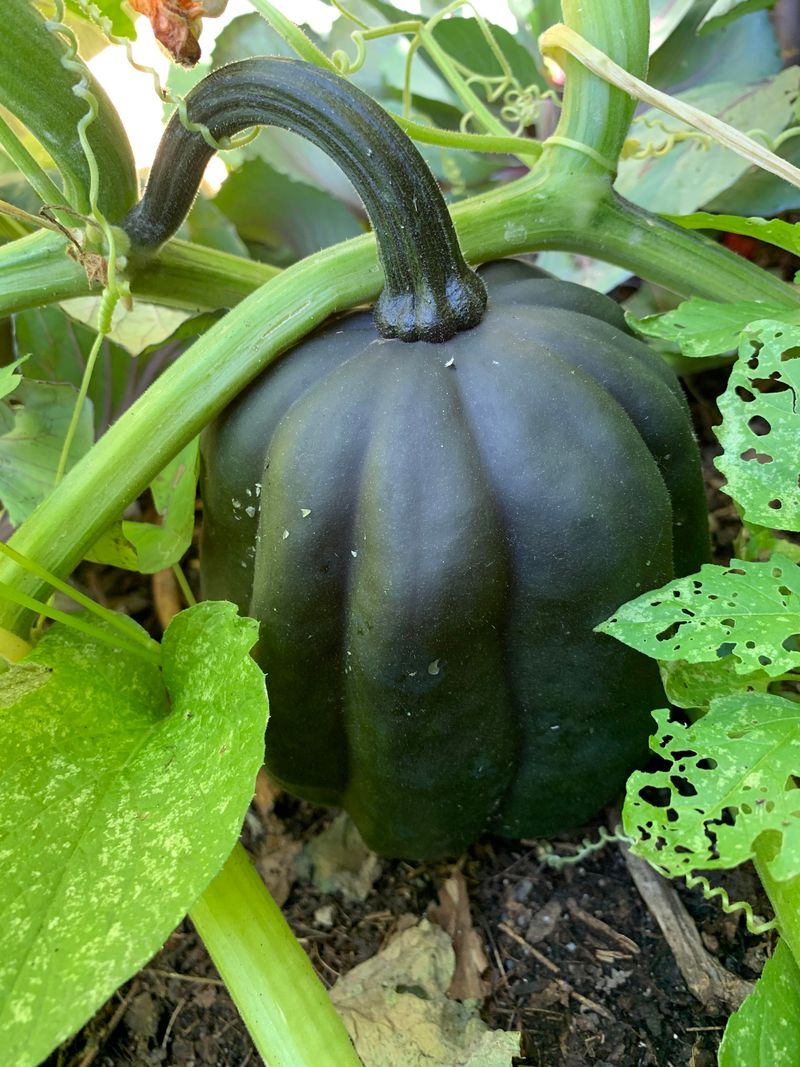
Many families remember Grandma’s oven, a pat of butter, and brown sugar melting into a ridged green half. That cozy memory often starts with Table Queen, an acorn variety that has graced gardens since around 1913.
Its dark green, deeply ribbed shell looks like a giant acorn, which explains the simple and charming name. Each fruit weighs about one to two pounds, a handy size for stuffing with rice, sausage, or apples.
Ripeness can be tricky, since acorns stay green even when ready, so check the spot touching the ground. A deep orange patch and a hard rind that resists your fingernail mean it is time to harvest.
Unlike butternuts, acorns do not need a long curing period and actually taste best soon after picking. Skip the warm curing room, wipe them clean, and keep them around fifty degrees in a cool garage.
Enjoy your Table Queens within two or three months, because the flesh can turn stringy and dry later on. They make a perfect side dish for October football Fridays, when the air smells like leaves and woodsmoke.
Powdery mildew often coats acorn leaves by late season in humid Ohio summers, giving them a dusty white look. Spacing plants well and watering at the base helps manage the problem without harming your developing fruit.
Save a few seeds from your best fruits this month, rinse them, and dry them on a paper plate. Since Table Queen is open-pollinated, those seeds can grow true next year if no other acorn, delicata, pumpkin, or zucchini plants grew nearby.
4. Bush Delicata
Short on space but big on appetite, plenty of gardeners have discovered that Bush Delicata solves both problems neatly. Instead of sprawling across the lawn, the plant stays compact, reaching only about four feet wide.
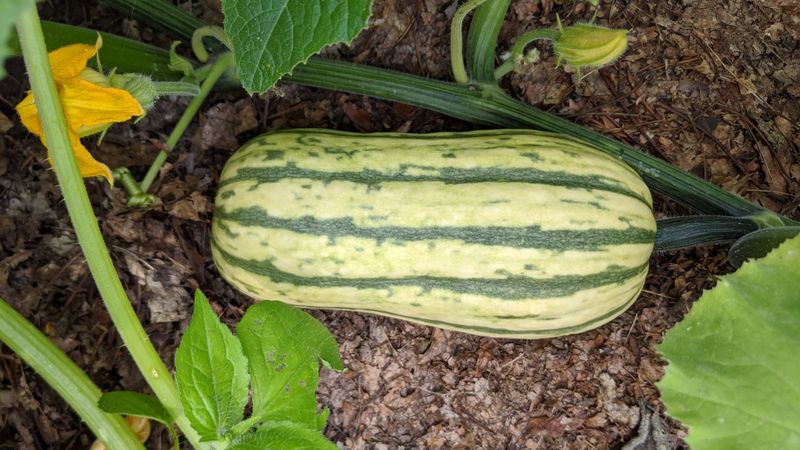
The fruits are oblong and cream colored with green stripes, almost like a cucumber wearing a fancy sweater. Folks sometimes call delicata the sweet potato squash, because its creamy flesh tastes rich, nutty, and lightly sugary.
Thin skin is the real star, since you can roast slices with the peel on and eat everything. No wrestling with a vegetable peeler means dinner lands on the table faster on busy school nights.
Harvest time in Ohio usually lands from late September into early October, right about now for most growers. Look for cream skin turning slightly yellow and green stripes darkening, along with a dry and woody stem.
That thin skin has a trade-off, because delicata usually stores well for only about three months indoors. Keep the fruits in a single layer on a shelf so air moves around them and soft spots stay rare.
Raised beds and large containers both work for this tidy grower, which makes it handy for patio gardeners. A twenty-gallon pot filled with compost-rich soil can support one plant and several tasty fruits each season.
For a quick snack, toss half-moon slices with olive oil and salt, then roast until the edges caramelize. Kids often munch them like french fries, which might be the sneakiest way to get vegetables into lunchboxes.
5. Sunshine Kabocha
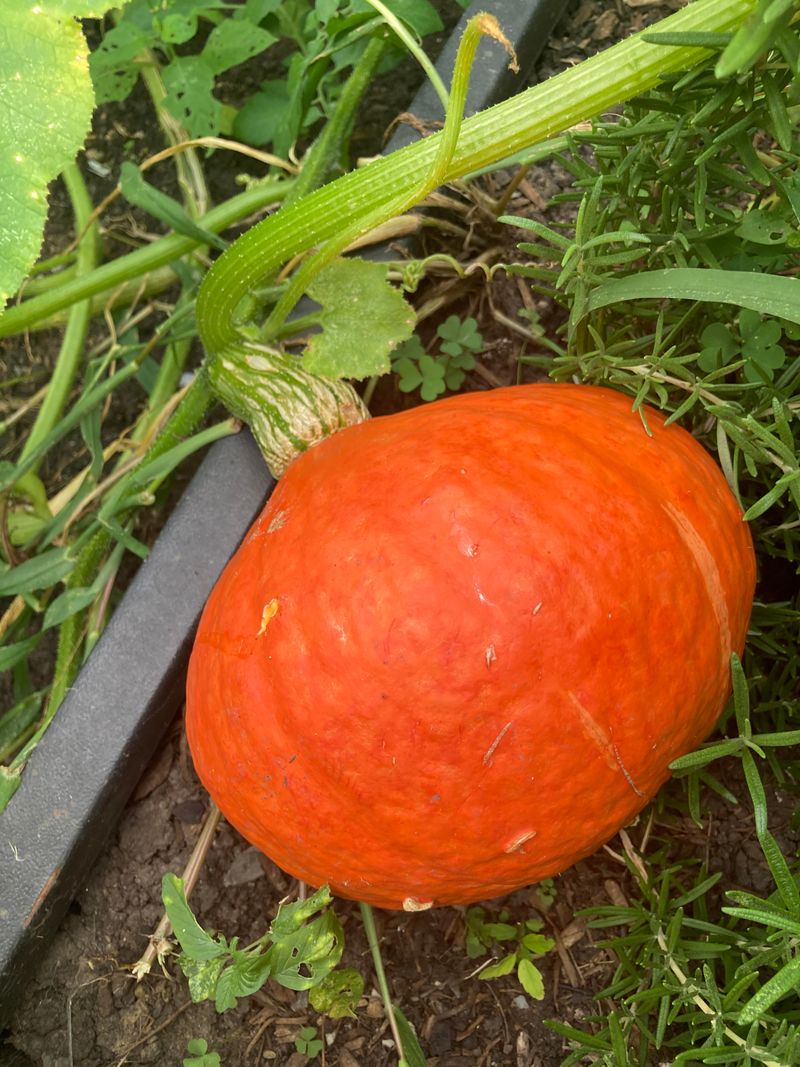
Few things brighten a gray Ohio afternoon like a pile of scarlet orange Sunshine Kabocha sitting on the porch. This award-winning variety earned an All-America Selections honor in 2004, and gardeners still rave about it today.
Kabocha is the Japanese name for this squash type, and cooks there prize its dry, fluffy texture that feels a lot like chestnuts. Sunshine adds bright flesh and a sweet flavor that shines in soups, curries, tempura, and simple roasted wedges.
Each flattened, round fruit weighs around three to five pounds, which is easy to carry and store. Vines are semi-vining, so they need less room than giant pumpkins but more than compact bush types.
Kabocha has a secret worth knowing, because it tastes better after a few weeks of curing and rest. Freshly picked fruits can seem starchy, but stored ones slowly convert that starch into rich, natural sugars.
Harvest in early October when the rind feels hard and the stem looks dry, brown, and slightly cracked. Cure them somewhere warm for a week or two, then move them to a cooler spot near fifty-five degrees.
Most fruits taste their sweetest between November and January, perfect timing for holiday side dishes and cozy stews. Many keep for four months or more, especially when you handle them gently and avoid bruising the skin.
Ohio growers like how this variety tolerates our cooler nights and still ripens in roughly ninety-five days. Jot it down for next year, and give each vine rich soil plus a steady drink during dry spells.
6. Red Kuri
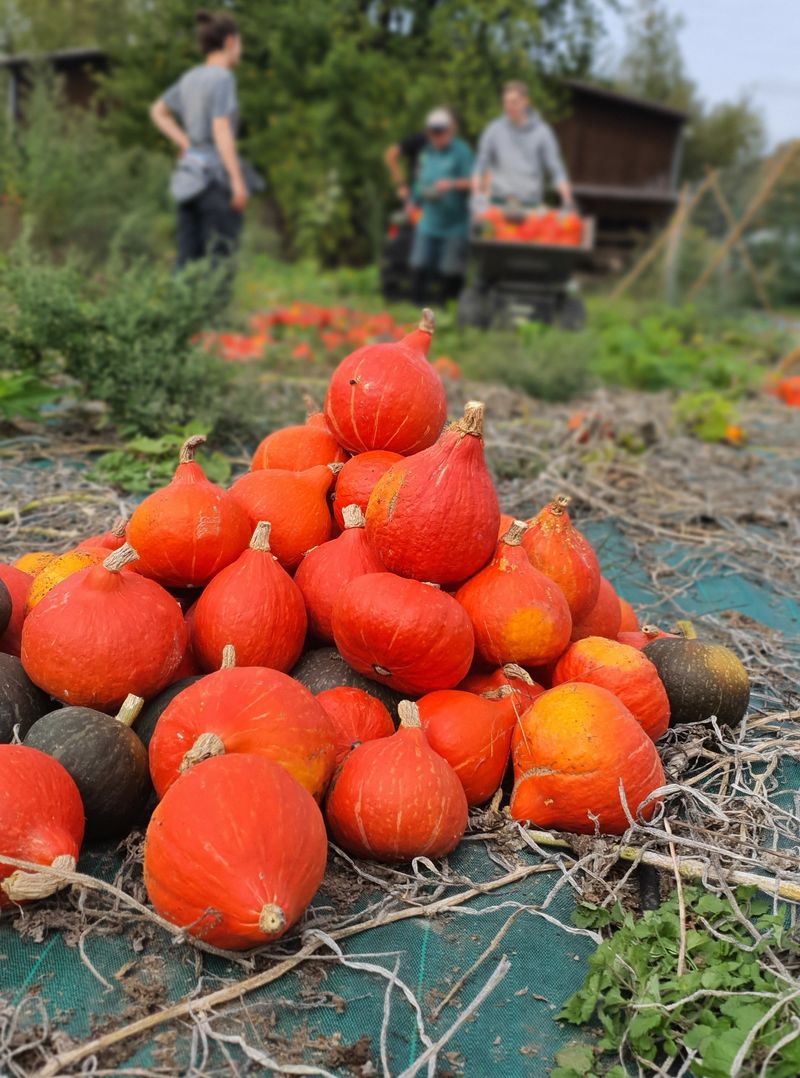
Shaped like a plump teardrop and colored like a sunset, Red Kuri looks almost too pretty to eat. One taste usually changes that opinion, because its smooth flesh has a mild, nutty flavor similar to roasted pecans.
The name comes from Japanese, where kuri means chestnut, and the variety is a type of Hubbard squash. French cooks know it as potimarron, and it shows up in many cozy bistro soups each fall.
Fruits weigh about three to five pounds, a friendly size that fits nicely on most cutting boards. Better yet, the bright orange skin turns tender when roasted, so peeling is optional for many recipes.
Some Ohio gardeners train Red Kuri vines up a sturdy cattle panel, where the fruits dangle like holiday ornaments. Growing up instead of out saves space and keeps the fruit off damp soil, which helps reduce rot.
Ripe Red Kuri shows a deep, even orange color, and the rind feels hard when pressed with a thumbnail. Most Ohio patches are ready by early October, so harvest before frost nips the leaves and stems.
After a week of curing in a warm room, the fruits store nicely for about three to five months. Check them every couple of weeks, and use any with soft spots right away in soup or bread.
Pureed Red Kuri makes a silky swap for canned pumpkin in pies, muffins, and even pancake batter. Many bakers say it beats the can, offering brighter color and a deeper flavor that guests often notice.
7. Buttercup
Ever bitten into something so sweet and creamy that you checked to see if someone added sugar? Buttercup squash has that effect on people, and its dense, deep orange flesh rivals any sweet potato.
Breeders at North Dakota Agricultural College introduced Buttercup in 1931, aiming for a hardy squash for northern growers. That cold-tough background makes it a smart match for Ohio, where autumn weather can turn on a dime.
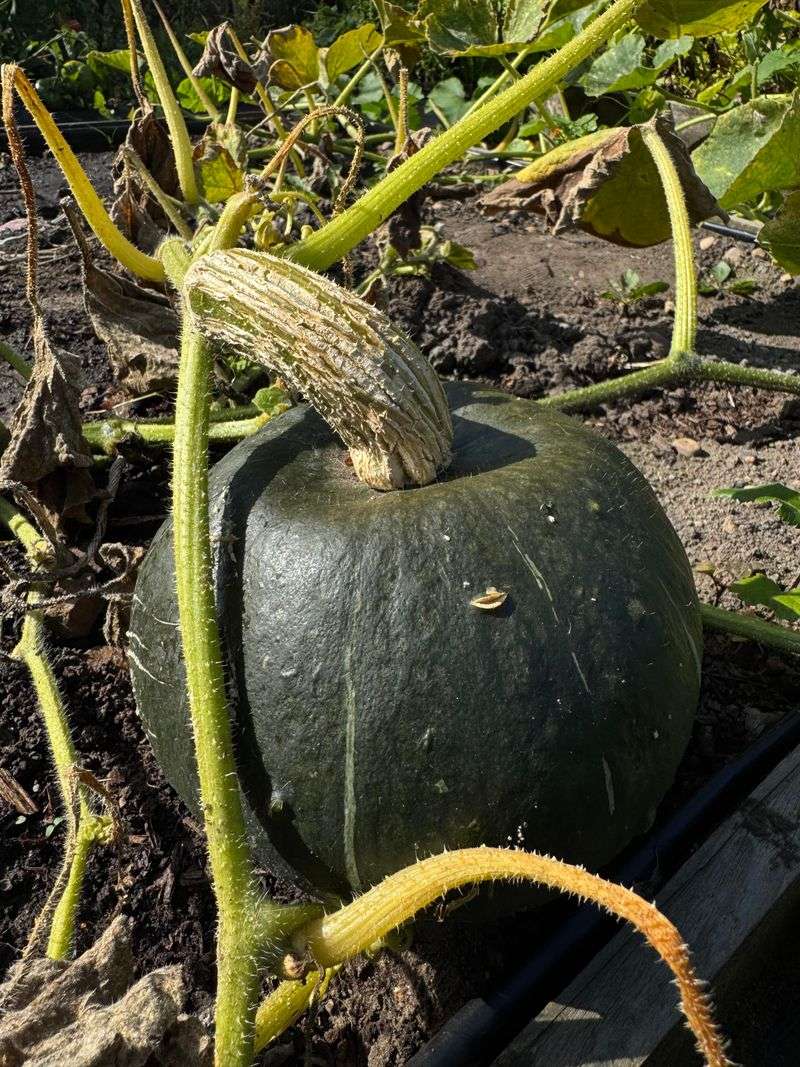
Look for a dark green, blocky fruit with a funny gray cap on the bottom, like a little turban. That button on the blossom end is the signature trait that sets Buttercup apart from look-alike types.
Harvest when the stem turns corky and the skin loses its shine, which often happens by early October. Leave a stem stub of two or three inches attached, since a bare top invites mold and rot.
Like kabocha, Buttercup gets sweeter with time, so let fruits rest a few weeks before cutting into them. Store them in a dry place around fifty to fifty-five degrees, and expect three or four months of use.
Steaming works beautifully, because the thick flesh stays firm and turns velvety without becoming watery or mushy. Mash it with a little butter and cinnamon, and picky eaters may ask for a second scoop.
Vines can stretch twelve feet, so give them room or let them trail along a fence line. Squash bugs sometimes gather on Buttercup leaves, so check the undersides and remove egg clusters by hand.
8. Blue Hubbard
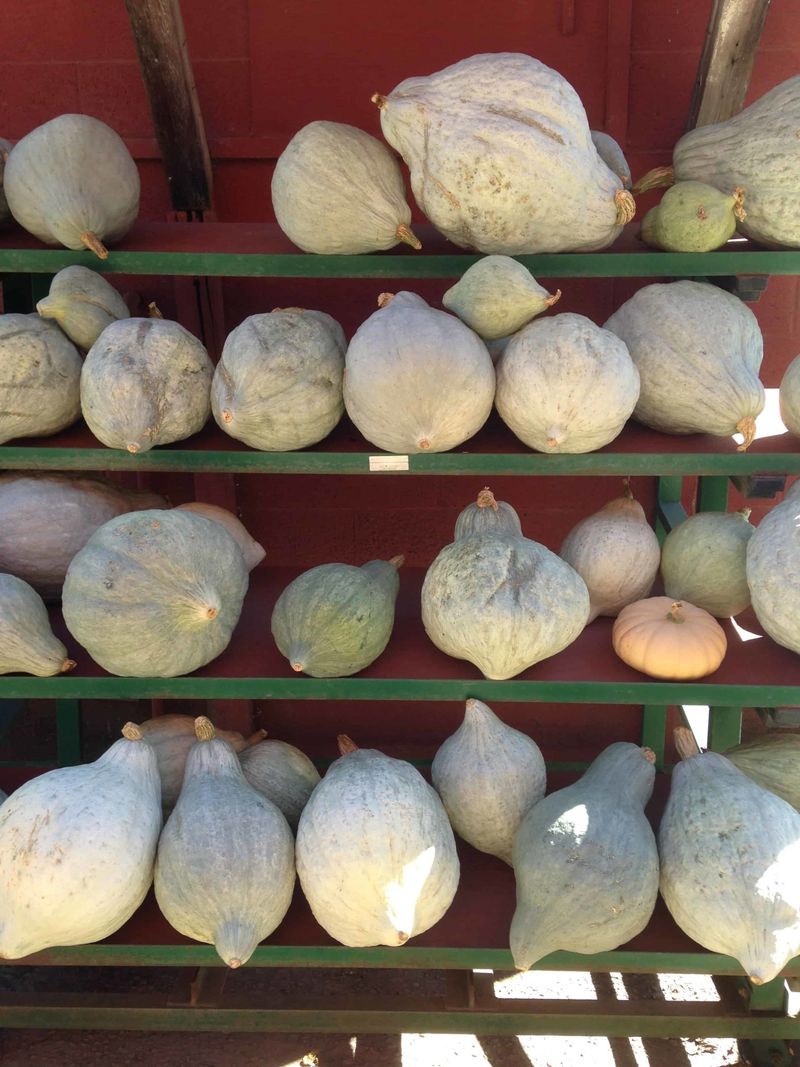
Some squash fit in a lunchbox, but Blue Hubbard might need a wheelbarrow and two strong helpers. Fruits commonly reach fifteen to twenty-five pounds, with dusty blue-gray skin that looks like it belongs on another planet.
Hubbard squash has deep roots in New England, where it first drew attention in the 1840s after Elizabeth Hubbard shared seeds. Farm families relied on its long storage to get through snowy winters, and gardeners far beyond Massachusetts grew it later.
Today, many Ohio gardeners plant Blue Hubbard as a trap crop to protect their other squash and pumpkins. Cucumber beetles and squash bugs often prefer it, so you can manage pests on a few plants instead of many.
Harvest usually happens in early October, once the stem dries and the rind feels hard as a rock. Lift each giant with both hands under the fruit, because carrying it by the stem can snap it off.
Storage is where this heavyweight truly shines, often lasting five or six months in a cool, dry basement. The thick shell acts like a sturdy suitcase, keeping the flesh fresh well into March for patient cooks.
Cracking one open can be a workout, so cooks often use a rubber mallet and a sturdy knife. Cut the pieces into chunks, roast them, and freeze extra puree for pies, soups, and baby food later.
Planning a Blue Hubbard patch next year means saving space, since each vine can sprawl twenty feet or more. Kids get a huge kick out of weighing the harvest, and the photos make fun memories for years.