Watch For These Venomous Species Around New York This Fall
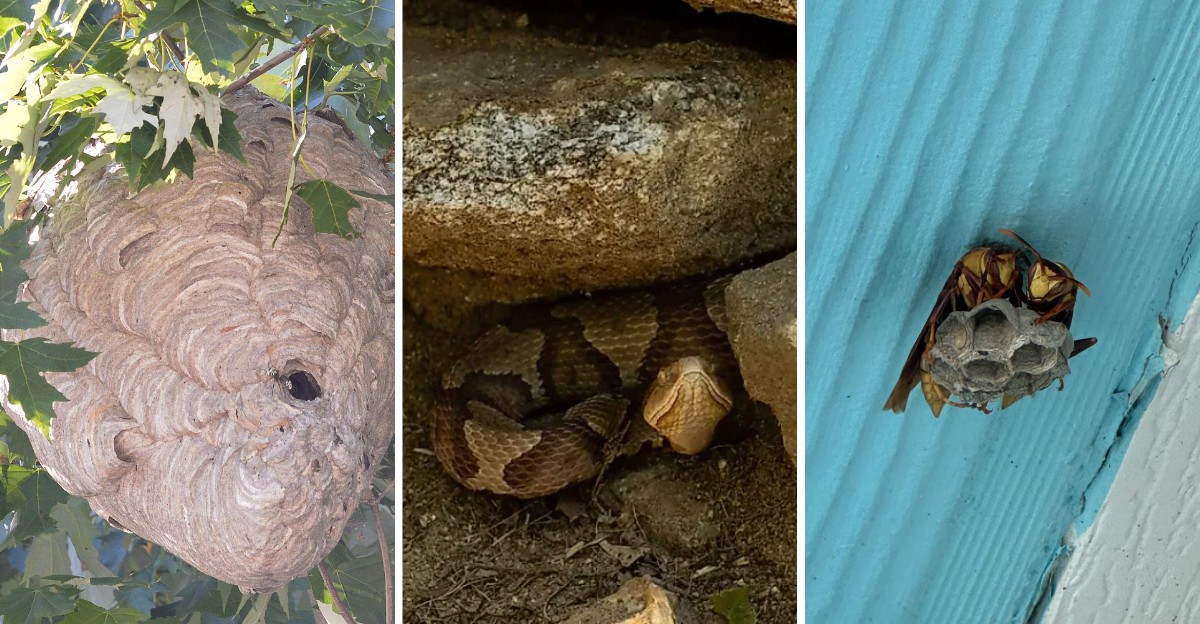
New York has only three native venomous snakes, and most residents will never meet one. The creatures most likely to ruin a fall afternoon are much smaller.
Yellow jackets get bolder as natural food runs low, and bald-faced hornets guard their biggest nests of the year. Northern black widows tuck into sheds and woodpiles, while snakes head back to their rocky dens.
Most of these animals want nothing to do with you. Knowing where they hide and how they act can turn a scary surprise into a calm step back.
The guide below works as a seasonal cheat sheet for the woods, the backyard, and the garden shed. A little knowledge goes a long way before your next hike or yard cleanup.
1. Timber Rattlesnakes Heading Back To Rocky Dens
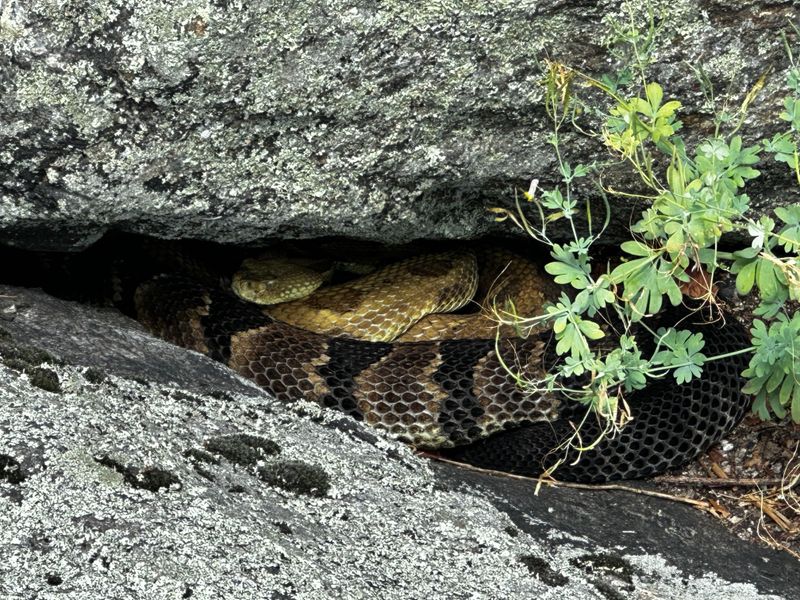
Picture a snake with a family home older than your great-grandparents. Timber rattlesnakes return to the same rocky dens that their relatives have used for generations.
Across New York, these snakes stay active from late April until about mid-October. Starting in late August, they begin a slow trip back toward their winter hideouts.
Most dens sit in rocky crevices or old root tunnels on rugged forest slopes. Many face south or west, which helps them soak up the most afternoon sunshine.
Falling leaves actually help these reptiles. With fewer leaves overhead, more sunlight reaches the forest floor and warms the rocks nearby.
Extra warmth lets rattlesnakes bask a little longer before they settle in. You may spot one stretched out on a sunny ledge during a bright October hike.
Hikers in the Hudson Valley and the Adirondack foothills should stay alert near rock outcrops. Watch where you place your hands when climbing or resting on ledges.
Here is a smart habit to build. Step onto rocks and logs, not over them, so you can see what is on the other side.
Timber rattlesnakes are usually calm and will rattle as a warning first. If you hear that dry buzzing sound, freeze, find the snake, then back away slowly.
Give the snake at least several feet of space. It is protected in the state, so admire it from a distance and let it continue its journey home.
2. Copperheads Basking On Warm Rocks And Stone Walls
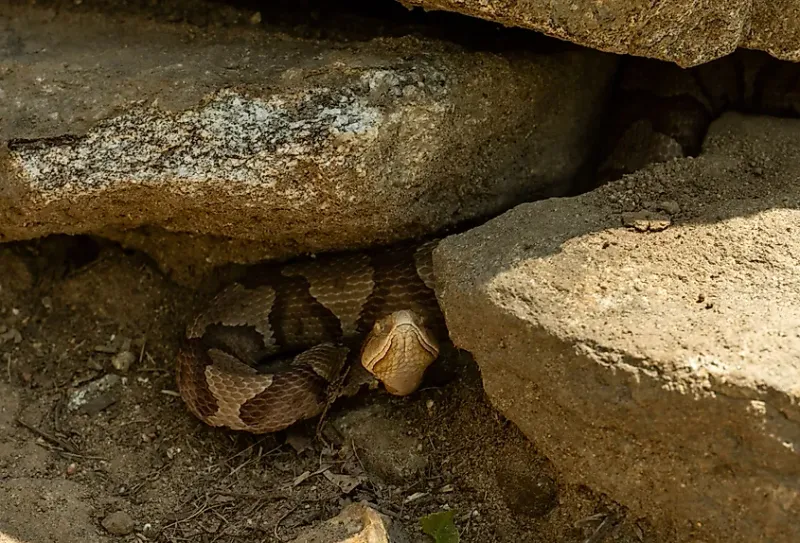
Old stone walls wind through New York woods like forgotten fences from farming days. Copperheads think of them as the perfect sunny apartment with plenty of hiding spots.
These snakes love rocky, wooded places full of logs, stumps, and loose stones. Gaps between rocks offer quick escape routes whenever something big comes stomping by.
On cool fall mornings, copperheads look for open, sunny patches to warm up. Raised spots like rock piles and grassy mounds make excellent outdoor heat lamps.
Their coloring is a big part of their trick. Coppery bands shaped like hourglasses help them melt into brown leaves and lichen-covered stones.
In summer, copperheads often hunt at night. As temperatures drop, they spend more daylight hours basking, so fall hikers may see them more often.
Your New York Garden Changes Every Week. Your Plan Should Too.
Gardening in New York changes quickly throughout the season. Every Friday you’ll receive a simple weekly plan showing exactly what to plant, prune, fertilize, harvest, and protect so you never miss the right timing.
You might find them in forests, wet meadows, fields, and along swampy edges too. Southeastern parts of the state are where most sightings happen.
Planning to sit on a stone wall for a snack break? Take a quick look first, especially along the sunny side facing south.
Wearing sturdy boots and long pants adds a helpful layer of protection. Using a flashlight on evening walks also helps you spot snakes on warm paths.
Copperhead bites are rarely life-threatening, but they hurt and need a doctor. Stay calm, keep the bitten area still, and call for medical help right away.
3. Newborn Copperheads Hiding In Leaf Litter
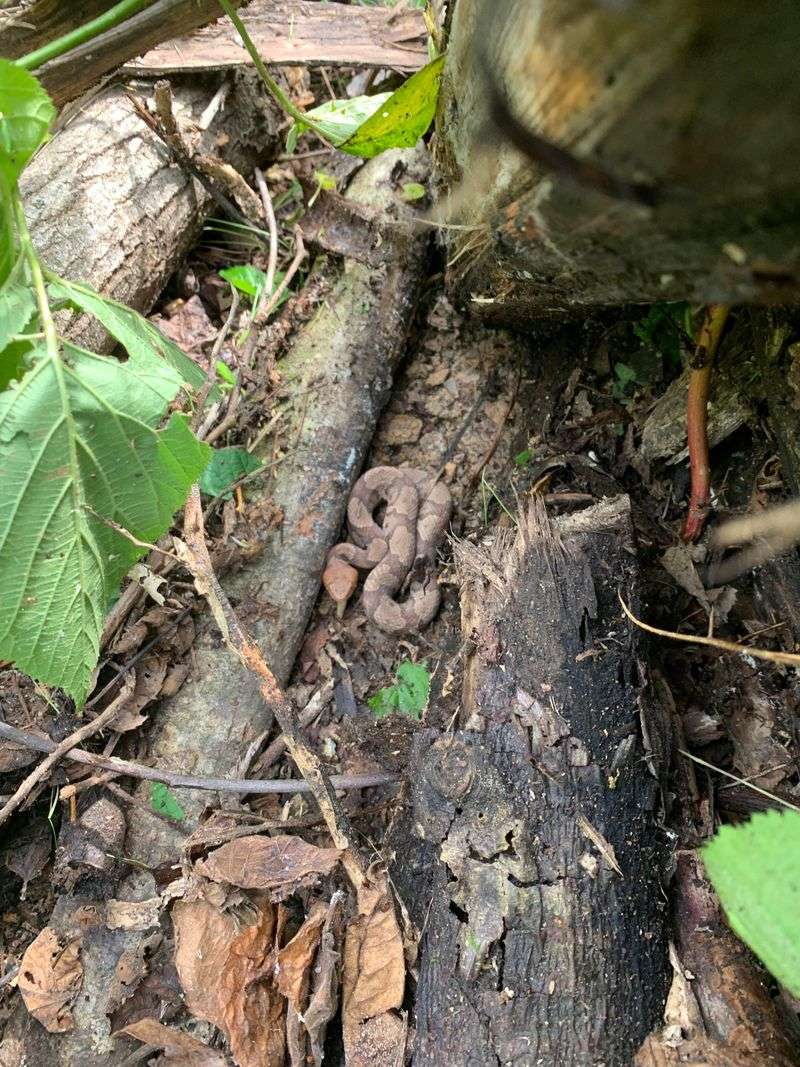
Small does not mean harmless. Baby copperheads arrive with working venom and a full survival kit from day one.
Unlike many snakes, New York copperheads give birth to live young instead of laying eggs. Births usually happen in late August or early September.
A typical brood has about four to eight babies. Some mothers have as many as twenty, which is quite a crowd!
Within a few days, the little ones head off on their own. They can find food right away, so no parenting lessons are needed.
Here is a fun fact. Young copperheads have a bright yellow tail tip that they wiggle like a worm to lure frogs and insects closer.
Their brown, banded bodies blend almost perfectly with fallen leaves. On a forest floor covered in oak and maple leaves, they practically vanish.
Kids exploring the woods are most at risk of reaching toward one by accident. Teach them to look but not touch when they see any small snake.
Gardeners should also take care when grabbing handfuls of leaves. Gloves and a rake keep fingers safely away from hidden surprises.
If you find a tiny snake with hourglass bands, leave it alone. Even a baby can deliver a painful bite, so admire it from a few steps back.
4. Female Black Widows Stationed Near Webs In Sheds
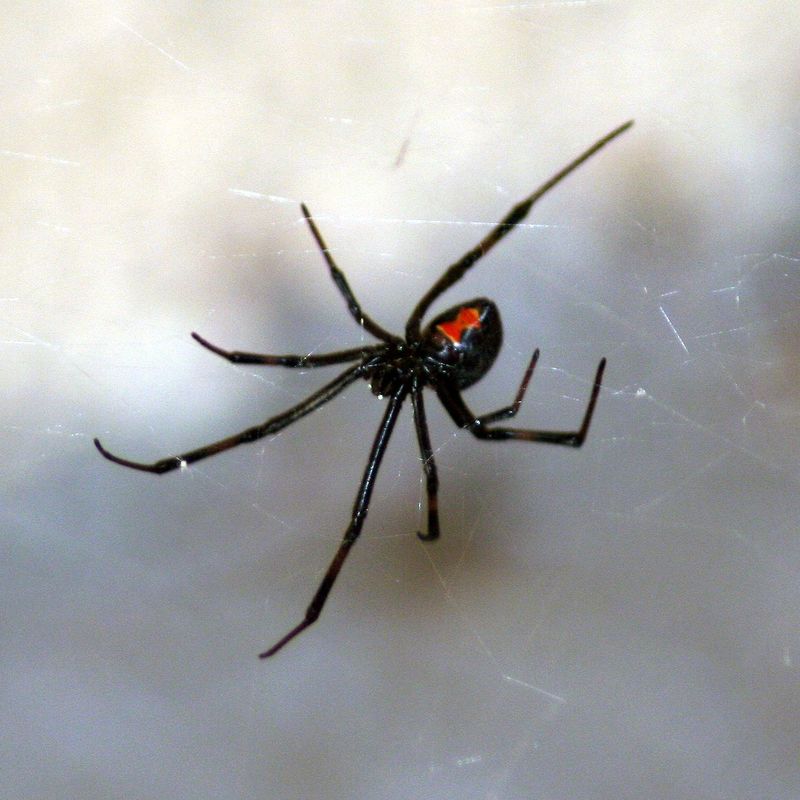
Garden sheds hold rakes, flowerpots, and sometimes a shiny little tenant with a red hourglass. Meet the northern black widow, an uncommon but real resident of New York.
Females are the ones to watch. They are glossy black and usually show red markings on the underside of their round belly.
Black widows like quiet places that nobody disturbs for weeks. Woodpiles, hollow logs, sheds, garages, and barns are top choices.
Their webs look messy and tangled rather than neat and round. You will often find them low to the ground in dark corners.
As nights turn chilly, some spiders slip indoors looking for winter shelter. Basements and storage areas can attract them during fall.
Black widows are night owls and very shy. They usually bite only when pressed against skin, like when someone grabs a hidden glove.
So what can you do? Shake out gloves, boots, and stored clothing before putting them on, especially items left in sheds.
Wear work gloves when moving firewood or reaching under shelves. A flashlight helps you check dim corners before your fingers go exploring.
Cleaning up clutter gives spiders fewer hiding places. If a bite does happen, wash the area, apply a cool pack, and seek medical care quickly.
5. Yellow Jackets Getting Pushy Around Food
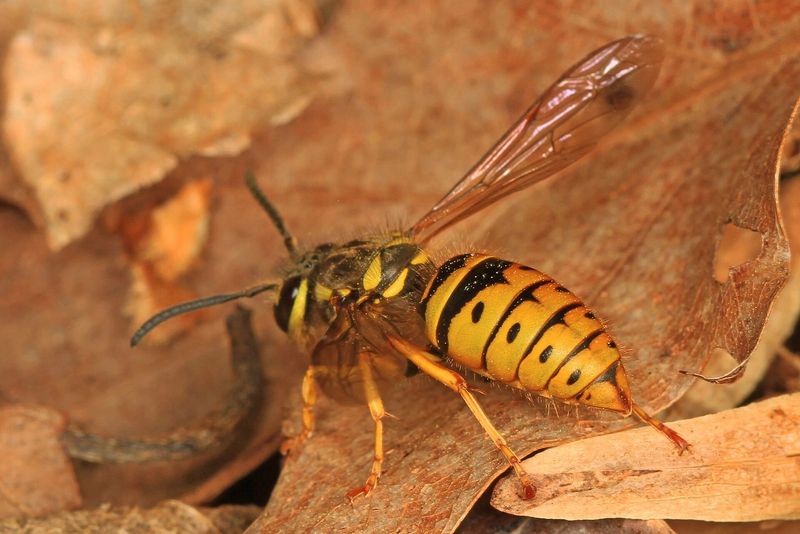
Nothing ruins a fall picnic faster than an uninvited guest diving into your soda can. Yellow jackets seem to show up the moment snacks appear.
By late summer, their colonies reach peak size. Then the queen stops laying eggs, and thousands of workers suddenly have less to do.
With fewer baby wasps to feed, workers go hunting for sweets. Sugary drinks, ripe fruit, and desserts become their favorite targets.
Their mood also changes as summer fades. Many people notice that yellow jackets grow bolder and crankier in September and October.
Unlike honey bees, yellow jackets are natural hunters. They can also sting more than once, which makes a close encounter extra unpleasant.
Apple orchards, football tailgates, and backyard barbecues are hot spots for trouble. More scavenging simply means more chances to bump into people.
Try a few easy tricks. Pour drinks into clear cups with lids, so you can see if a wasp sneaks inside.
Cover food dishes and toss trash in sealed bins quickly. Keep fallen fruit picked up around trees in your yard.
Swatting tends to make things worse, so stay calm and move slowly away. Anyone with a known sting allergy should carry their prescribed medicine on outings.
6. Bald-Faced Hornets Defending Peak-Size Nests
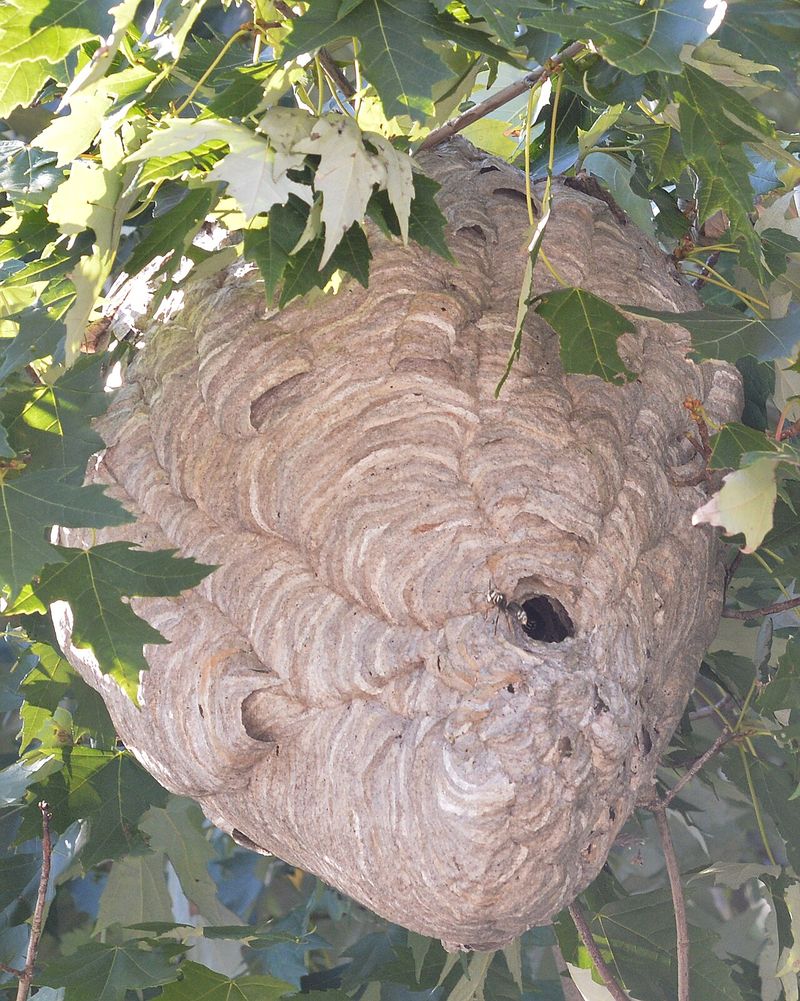
Imagine a gray paper balloon hanging from a tree branch, quietly humming. That balloon could hold hundreds of very protective bald-faced hornets.
Surprisingly, these insects are not true hornets at all. They belong to the yellowjacket family, wearing black bodies with bold white face markings.
Their egg-shaped nests are built from chewed wood mixed with saliva. By late summer, many grow to the size of a football or basketball.
Some nests stretch up to two feet across or even larger. Inside, a colony may house anywhere from 100 to 400 workers.
Here is where caution matters most. Bald-faced hornets guard their homes fiercely and may swarm when something gets too close.
Each hornet can sting again and again. Lawn mowers, leaf blowers, and trimmers can trigger an attack because of the vibrations.
Fall makes them even edgier around the yards. Shrinking food supplies and cooler weather leave them stressed and quick to defend.
Before mowing or trimming hedges, walk the yard and scan trees, shrubs, and eaves. Mark any nest you find so everyone knows to stay away.
Removing a big nest is a job for professionals. Waiting is another option, since hard frosts end the colony and the nest is not reused.
7. Paper Wasps Gathering On Sunny Walls
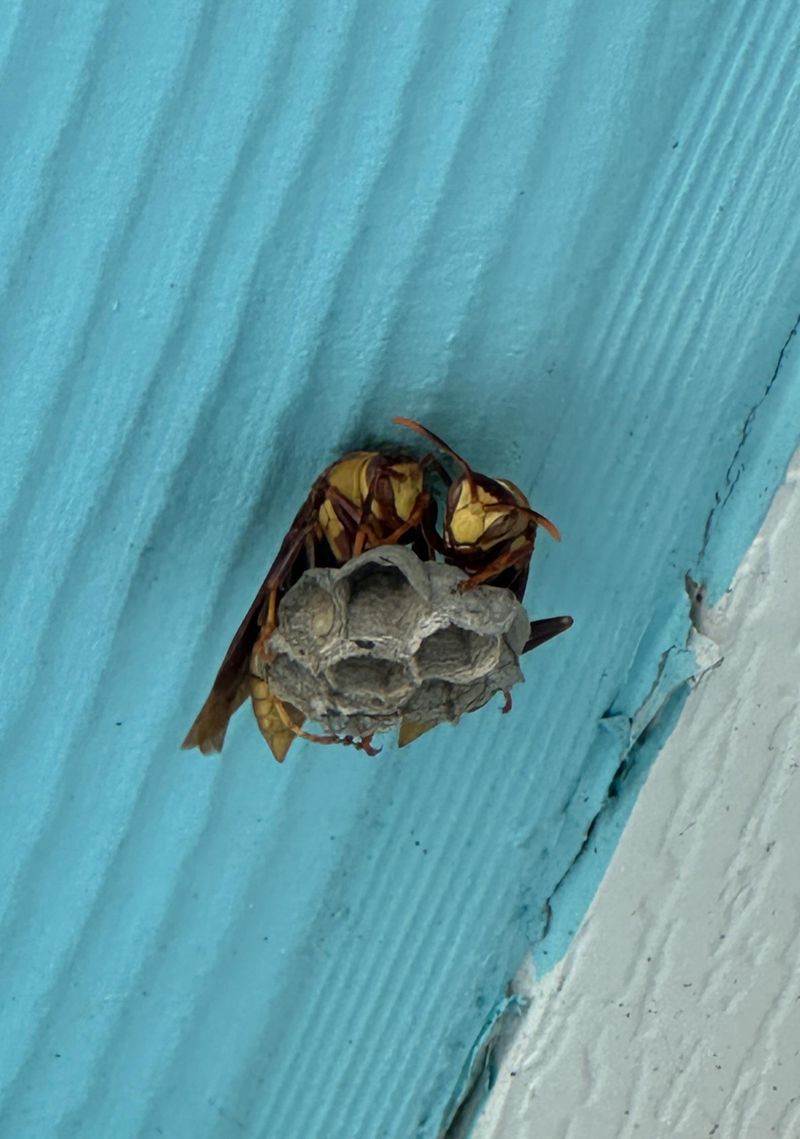
Ever noticed a cluster of wasps lounging on your house siding on a sunny afternoon? You are likely watching paper wasps prepare for winter.
Paper wasps build open, umbrella-shaped nests from chewed wood fibers. Look under eaves, porch ceilings, and deck railings to find them.
Early fall changes everything for the colony. Worker wasps begin to fade away as their season winds down.
New queens, however, have a mission. They search for protected places to spend the cold months, such as under logs or behind siding.
Gathering on warm, sunny walls is a common autumn habit. Scientists call these huddles pre-hibernation gatherings, and they help wasps handle cooling temperatures.
Seeing a dozen wasps on your wall can feel alarming. Still, they are usually sluggish and focused on soaking up warmth rather than chasing you.
Paper wasps do sting when their nest is disturbed or when they feel trapped. Be gentle when opening windows or storm doors near these groups.
Sealing cracks around siding, windows, and vents keeps queens from moving indoors. Fall is a good time to patch screens and caulk gaps.
Empty nests can be knocked down once cold weather arrives. Spraying active groups is risky, so call a pest expert if they cluster near doors.
8. Harmless Look-Alikes Like Milk Snakes And Rat Snakes
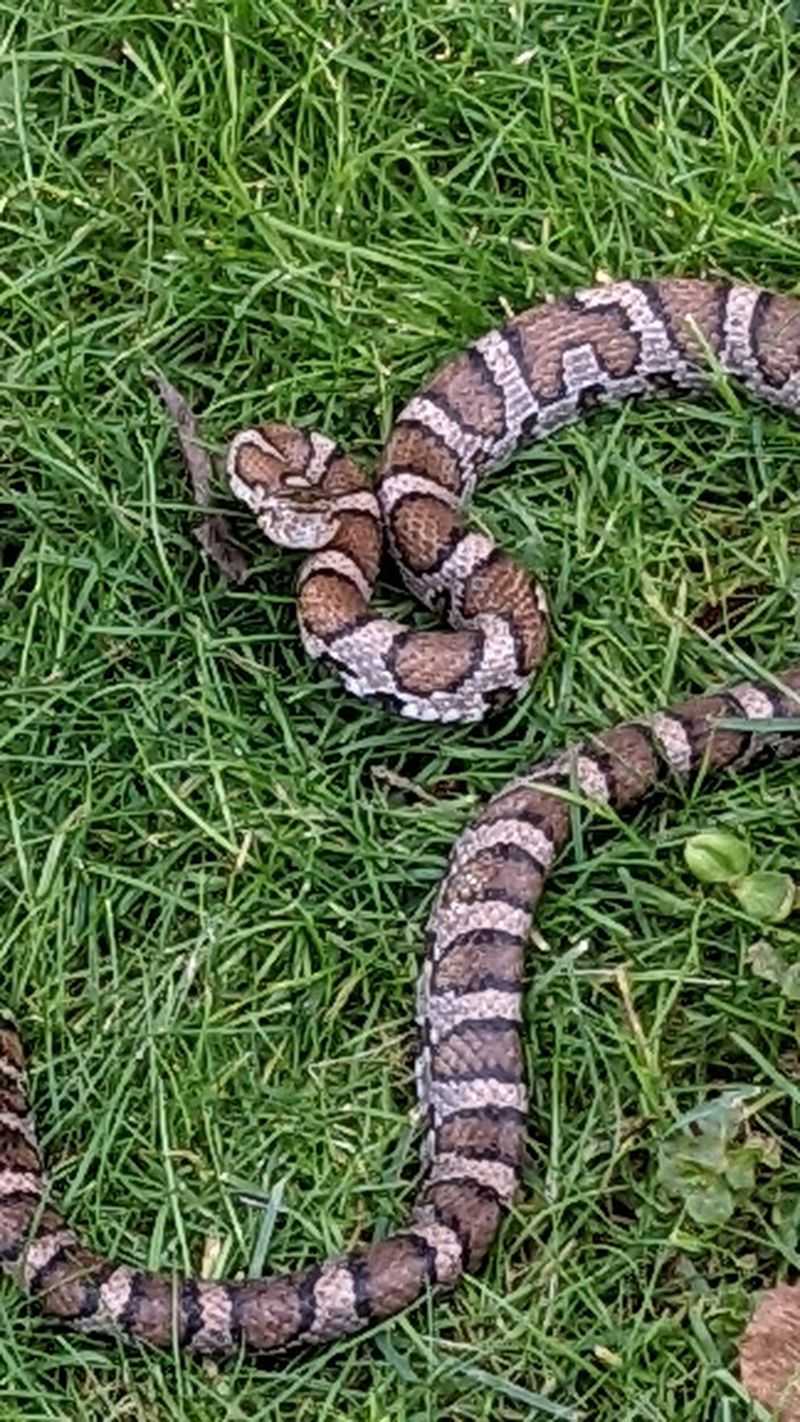
Not every scary-looking snake is dangerous. In fact, many New York snake sightings turn out to be friendly helpers in disguise.
Milk snakes live all over the state and often get mistaken for copperheads or rattlesnakes. Their bodies are tan or gray with brown or reddish-brown blotches.
Here is a handy clue. Milk snakes usually have a Y or V shaped marking on the back of the head.
When annoyed, they shake their tails quickly. In dry leaves, that vibration can sound a lot like a rattle.
Look closer, though, and you will see no rattle at all. Their heads are also rounded rather than wide and triangular.
Black rat snakes are the state’s largest snakes, stretching up to eight feet. They often live along cliffs and rocky slopes, sometimes near venomous species.
Eastern racers are slim, speedy black snakes that also rattle their tails in leaves. They usually zoom away before you get a good look.
These look-alikes do valuable work by eating mice and rats. Harming them leaves your yard with more rodents, not fewer.
Snap a photo from a safe distance and compare it with a field guide. Treat every snake with respect until you know exactly who you are meeting.
9. Leaf Piles That Hide More Than You Think
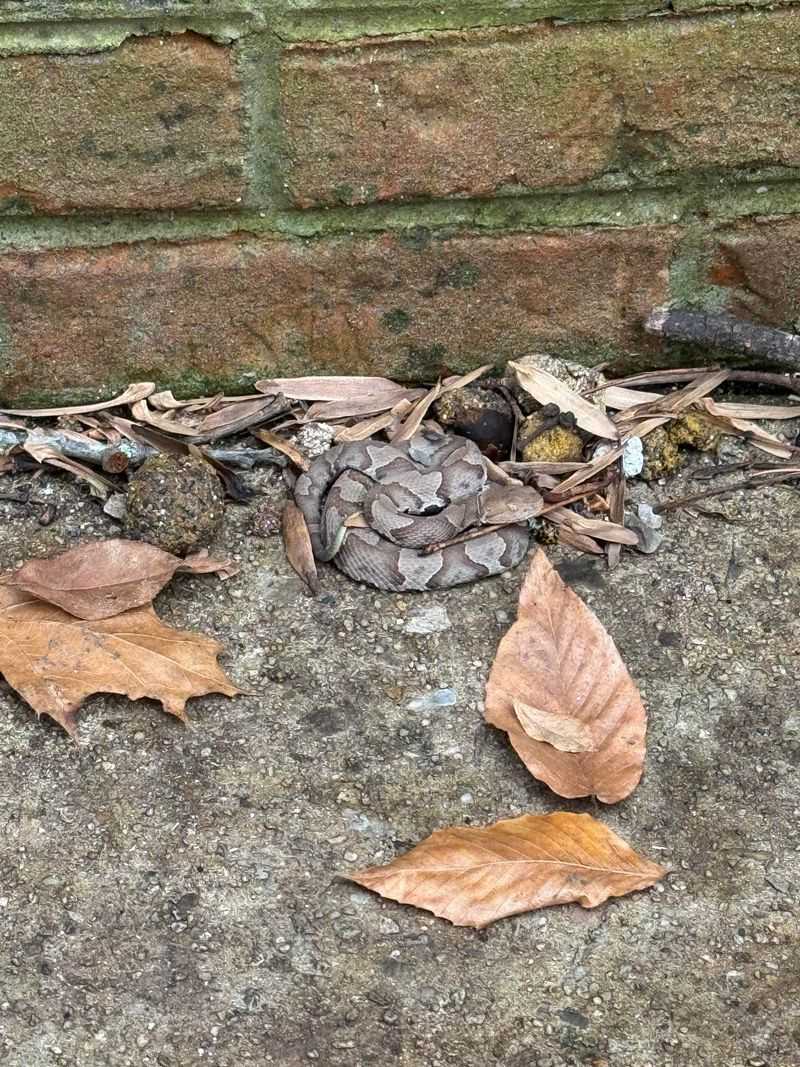
Jumping into a giant leaf pile feels like pure childhood joy. Before you leap, though, remember that piles can be busy little hideouts.
Copperheads often hide in leaf litter on forest floors. Babies blend in so well that they look like just another brown leaf.
Yellow jackets sometimes build nests in leaf piles or compost heaps. Disturbing one with a rake can send angry wasps flying out.
Paper wasp queens may tuck themselves under logs and debris for winter. Black widows also like hiding beneath hollow logs and messy piles.
So how can you enjoy fall cleanup safely? Start by wearing thick gloves, long sleeves, and closed shoes.
Use a rake or leaf blower instead of bare hands. Gently poke the pile first and watch for movement or buzzing.
Placing leaf piles away from your house, patio, and play areas helps a lot. Woodpiles should sit off the ground and away from doorways too.
Kids love building leaf mountains, and that is a classic fall tradition. Make fresh piles right before playing rather than using ones that sat for days.
Bagging or composting leaves soon after raking gives critters less time to move in. A little planning keeps autumn fun safe for the whole family.