Florida Law Lets You Remove A Dangerous Tree Without A Permit. Here’s The Catch
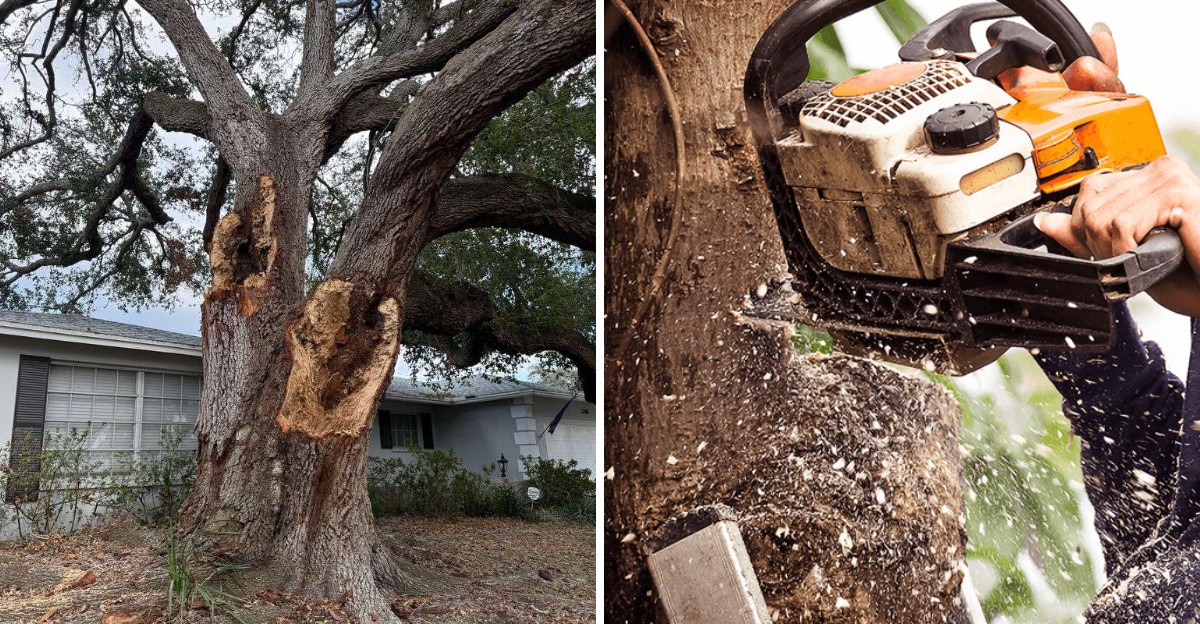
A chainsaw, a leaning oak, and a neighbor who swears you’ll need a permit. Florida lawmakers took your side on this one.
A state law now lets homeowners take down a tree that threatens people or property. No permit.
No hearing. No waiting on city hall.
Storm season made that rule popular fast.
Plenty of owners read the headline and grab the saw. A few of them end up with a fine bigger than the tree service quote.
The law carries a condition, and it hides in the paperwork. Skip it and the whole shield falls away.
Read the fine print before you touch a single limb. A phone call now costs far less than a citation later.
1. The Law Covers Single-Family Homes Only
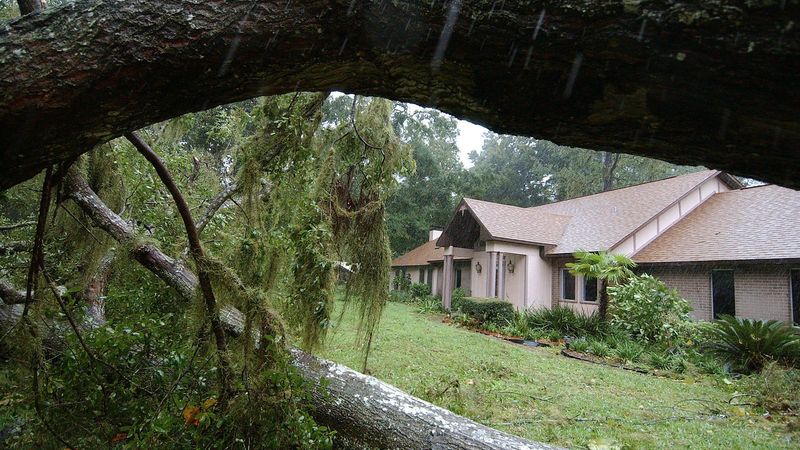
Picture two neighbors, both staring at a cracked oak. One lives in a detached house, and the other lives in a townhome next door.
Only the first neighbor can use Florida Statute 163.045 for a permit-free removal. The law uses the phrase residential property, and it defines that phrase very narrowly.
It means a single-family, detached building that is used as a single-family home.
That leaves out a lot of places people live. Duplexes, apartment complexes, and businesses do not count.
Vacant lots without a home on them likely fall outside the rule too.
Why so strict? Lawmakers wanted to help everyday homeowners who face a risky tree near their own house.
They did not want to open a loophole for big developers clearing land.
Here is a handy tip. Before you plan anything, check how your county property appraiser lists your parcel.
The listing should show whether the home is classified as single-family.
If your home fits, great, you are on step one. If it does not, you will likely need a normal permit from your city or county.
Either way, knowing your property type early saves time. It also keeps you from making a costly mistake with a tree that could have stayed legal with one phone call.
2. Condos, Townhomes And Association Common Areas Don’t Qualify
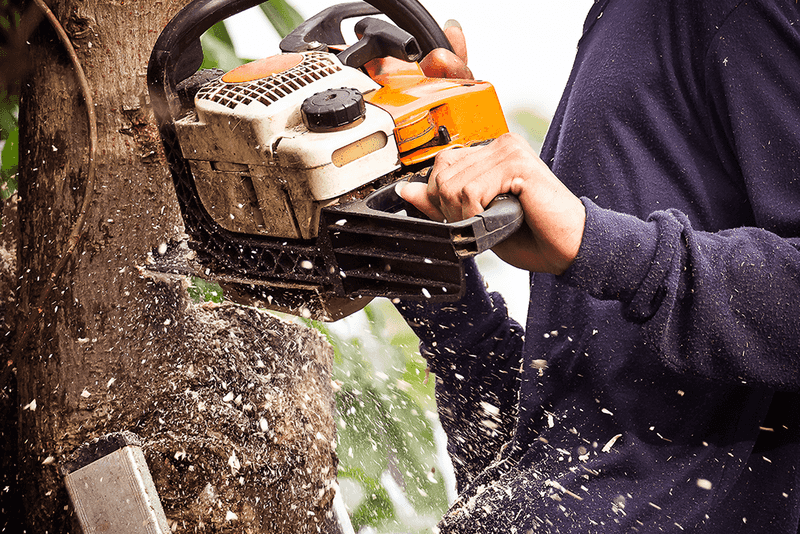
When lawmakers updated the law in 2022, they spelled out exactly what counts as residential property: a single-family, detached home. That leaves out condos, townhomes, duplexes, and other multifamily buildings, along with shared common areas managed by an association.
Those properties generally must follow local tree ordinances, even when a tree looks hazardous.
So a condo board cannot skip the city permit just because an arborist flagged a pine.
There is a second layer many homeowners forget. If you own a single-family house inside an HOA, your association rules still matter.
Those rules come from recorded covenants, which act like private contracts.
The state law targets government permits, not private agreements. That means your HOA may still require approval forms, board votes, or replacement trees under its own documents.
Think of it like a two-gate system. The state may open the city gate, but the HOA gate can stay locked.
A smart move is to read your covenants or call your management company first. Ask what they need for removing a risky tree.
Your Florida Garden Changes Every Week. Your Plan Should Too.
Gardening in Florida changes quickly throughout the season. Every Friday you’ll receive a simple weekly plan showing exactly what to plant, prune, fertilize, harvest, and protect so you never miss the right timing.
Many boards move quickly when safety is involved, especially with a signed expert report in hand.
Getting their written okay protects you from fines and awkward neighbor drama. It also keeps your relationship with the board friendly for future projects.
3. You Need A Certified Arborist Or Licensed Landscape Architect
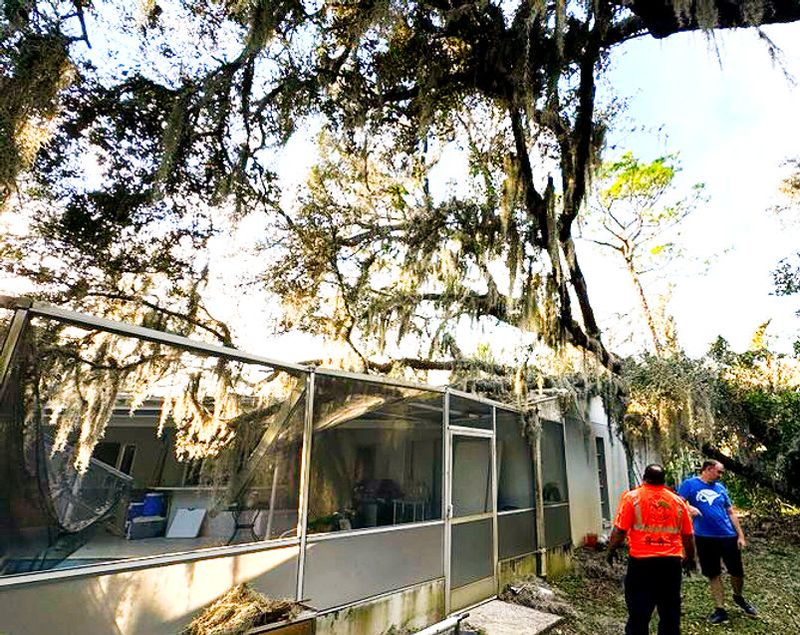
Your cousin who trims hedges on weekends might be great with shears. Sadly, the state will not accept his opinion on your tree.
Florida law names only two kinds of experts who can document a dangerous tree. The first is an arborist certified by the International Society of Arboriculture, often called the ISA.
The second is a landscape architect licensed by the State of Florida.
That is the whole list. A general tree service, a roofer, or a handyman does not qualify, even if they have years of experience.
Fun fact: the ISA has been around since 1924. It began as a group of shade tree experts and now certifies arborists around the world.
So how do you find the right person? The ISA website has a search tool called Find an Arborist.
You can type in your zip code and see certified pros near you.
For landscape architects, the Department of Business and Professional Regulation lets you look up licenses online.
Ask for the credential number before you book. A real pro will share it happily.
Expect to pay a fee for the visit and report, often a few hundred dollars. That cost is small next to a fine for an illegal removal.
4. The Pro Must Assess The Tree On Site And Sign The Report
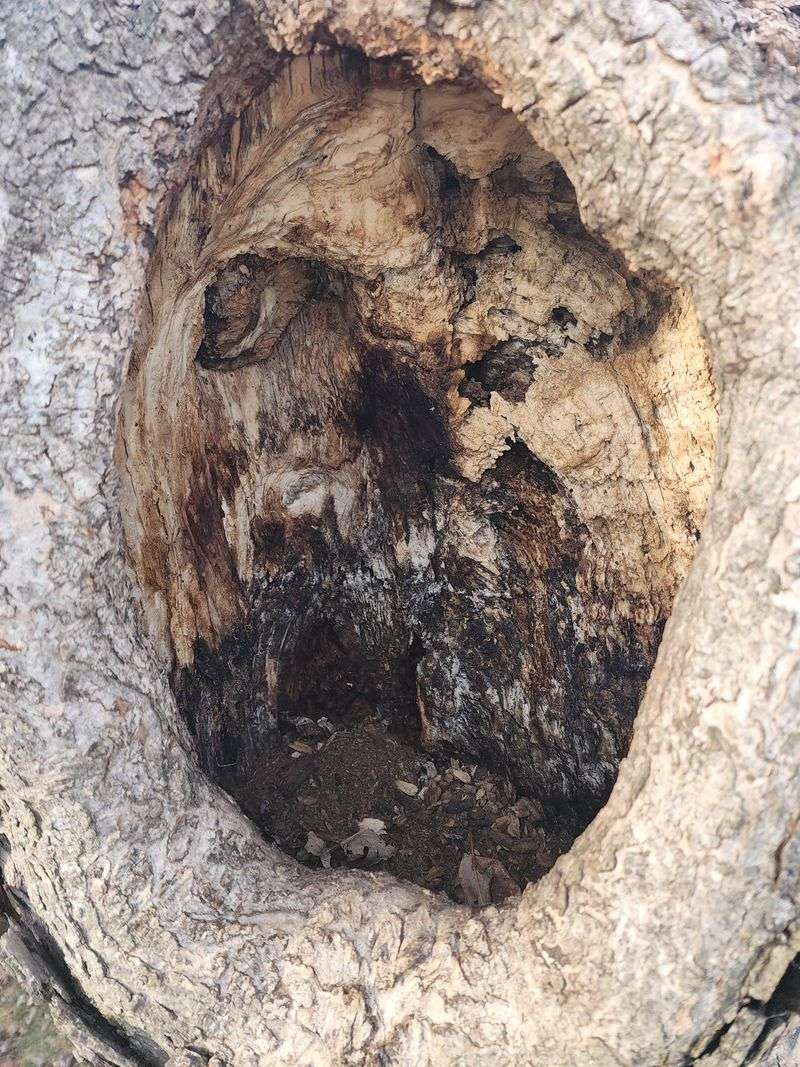
A quick glance at a photo will not cut it. The expert has to walk up to the tree and study it in person.
The law points to a specific guide called Best Management Practices, Tree Risk Assessment, Second Edition, published in 2017. Pros use this playbook to judge how likely a tree is to fail and what it might hit.
During a visit, an arborist may tap the trunk with a mallet to listen for hollow spots. They might check roots, look for cracks, and note fungus or leaning.
They will also look at targets, like your bedroom or the driveway.
Once the review is done, the expert writes it up. Then comes the key step.
The person who did the assessment must sign the document.
An unsigned report is just paper. A report signed by someone who never visited is not valid either.
When you get your copy, scan it for a few details. Look for the date, the tree location, the risk rating, and the signature with credentials listed.
Snap photos of the tree that same day too. Those pictures, paired with the signed report, build a strong record if anyone asks questions later.
5. Dangerous Means An Unacceptable Risk Under A Specific Standard
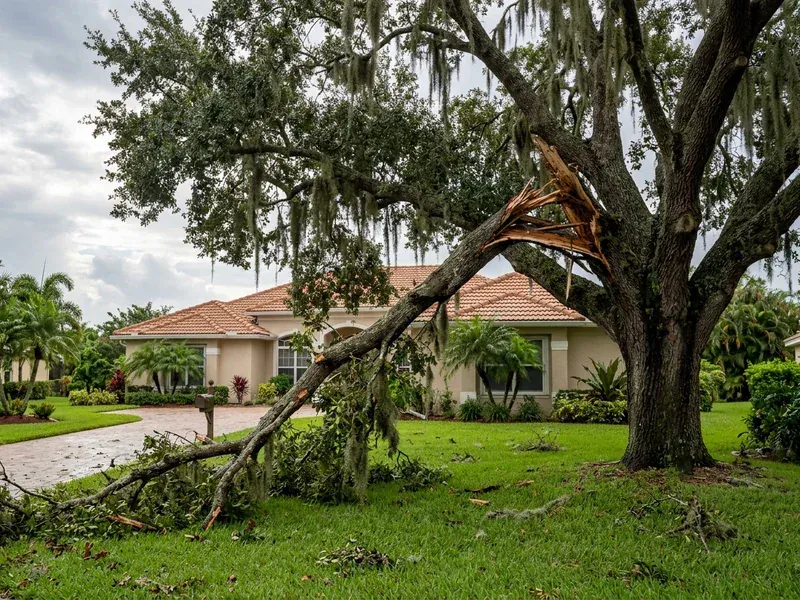
What counts as dangerous? Ask ten neighbors and you might get ten answers.
That fuzzy word caused real trouble after the first version of the law passed.
In 2019, the statute used the word danger. Cities and homeowners argued about what that meant.
Some people tried to call almost any tree they disliked a danger.
So in 2022, lawmakers swapped in a sharper term, unacceptable risk. Under the updated wording, a tree poses an unacceptable risk when removal is the only practical way to bring that risk below moderate.
Moderate is not a casual guess here. It comes from the ISA risk rating system in that 2017 guide, which sorts trees into low, moderate, high, and extreme levels.
This change turned a feeling into a measurement. A tree that drops a few leaves on your car is annoying, but not unacceptable.
A tree with a deep crack leaning over a nursery might be.
For you, this means one thing. Your opinion of the tree is not enough, and neither is the arborist’s gut feeling.
The report should spell out the risk rating clearly. If it says low or moderate, the permit-free route likely does not apply, and you may need to go through your local process.
6. Removal Must Be The Only Practical Fix
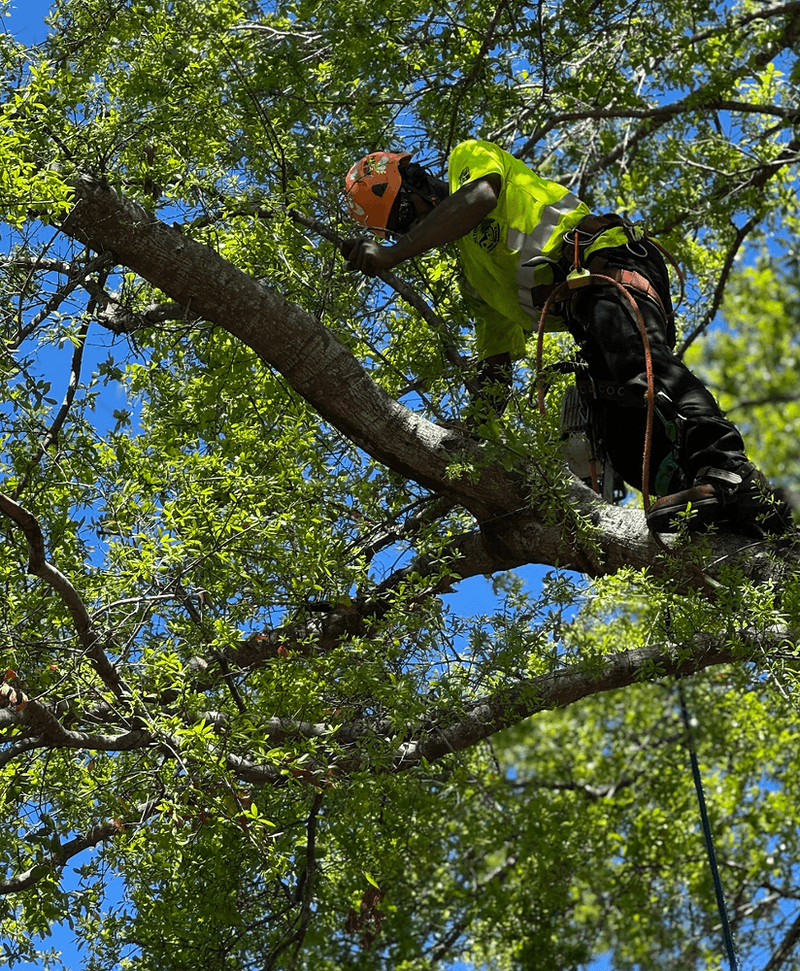
Sometimes a scary tree just needs a haircut, not a farewell. Florida law wants experts to think about that first.
The statute says removal must be the only practical way to lower the risk below moderate. If another option works, the permit-free path is off the table.
What might those other options be? An arborist could prune away one heavy limb over the roof.
They might install cables or braces to support weak branches. Thinning a crown can also help wind pass through more easily.
Even moving a target can count. Shifting a play set or parking spot away from the tree might drop the risk enough.
Here is a real-world example. A big oak has one cracked branch hanging over a garage, but the trunk and roots look strong.
Trimming that branch probably solves the problem, so full removal would not qualify.
Honestly, this can be good news for your yard. A mature shade tree can lower cooling bills and raise home value.
Ask your arborist to explain each option in plain words. If the report says removal is the only practical fix, make sure it states why other choices would not work.
That line helps your case stay solid.
7. Have The Paperwork Before You Cut
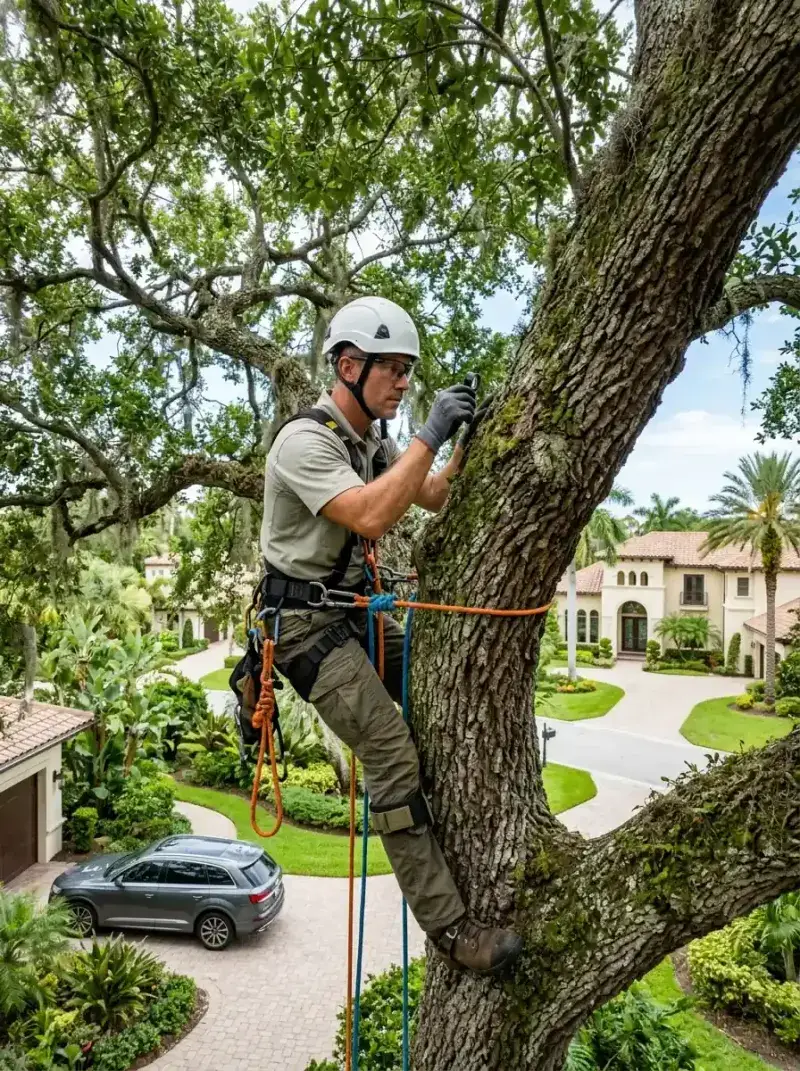
Order matters here, a lot. Report first, chainsaw second.
The law protects you only if you already hold the signed documentation when the tree comes down. Getting an arborist to write something up after the stump is gone usually does not help.
By then, nobody can inspect the tree in its original state.
Cutting without the right paperwork can lead to code violations. Many Florida cities charge fines for each tree removed without approval, and some fines climb into the thousands of dollars.
So build a simple paper trail. Keep the signed report, photos from before the removal, and the tree company invoice together in one folder.
Scan everything and save a digital copy too. Email it to yourself so it stays safe if papers get lost in a move or a storm.
You do not have to send the report to the city before cutting. The law does not require you to notify them.
Still, some homeowners choose to share a copy to avoid confusion if a code officer drives by.
Tell your tree crew about the report as well. Reputable companies often ask to see it before they start, which protects them and you.
8. Your City Can’t Make You Replant
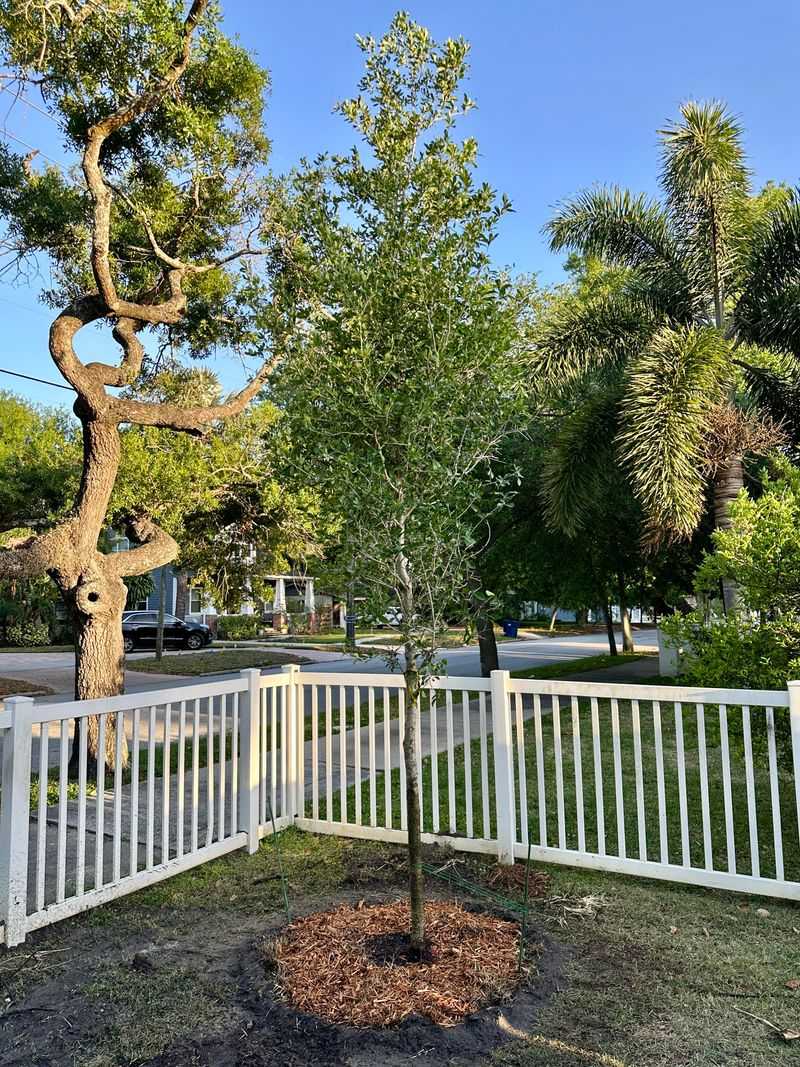
Many towns love their canopy, and they often ask people to plant new trees after removing old ones. Under this law, that request has limits.
If you remove, prune, or trim a tree following the rules of Statute 163.045, your local government cannot force you to replant. No mitigation fees, no required replacement saplings, at least for that qualifying tree.
That can save real money. Replacement rules in some cities call for several new trees or payments into a tree fund.
Still, this part only works when every other step was done right. Single-family home, qualified pro, signed onsite report, unacceptable risk, removal as the only fix.
Miss one, and normal local rules may come back into play.
Here is a friendly thought, though. Just because you do not have to replant does not mean you should skip it.
A well-chosen new tree, set far from the house and power lines, brings back shade and curb appeal. Native picks like a sabal palm, a Simpson’s stopper, or a dahoon holly handle Florida weather nicely.
Ask your arborist where a safer spot might be. That way, the next tree grows into a friend instead of a worry.
9. Mangroves Are Still Protected
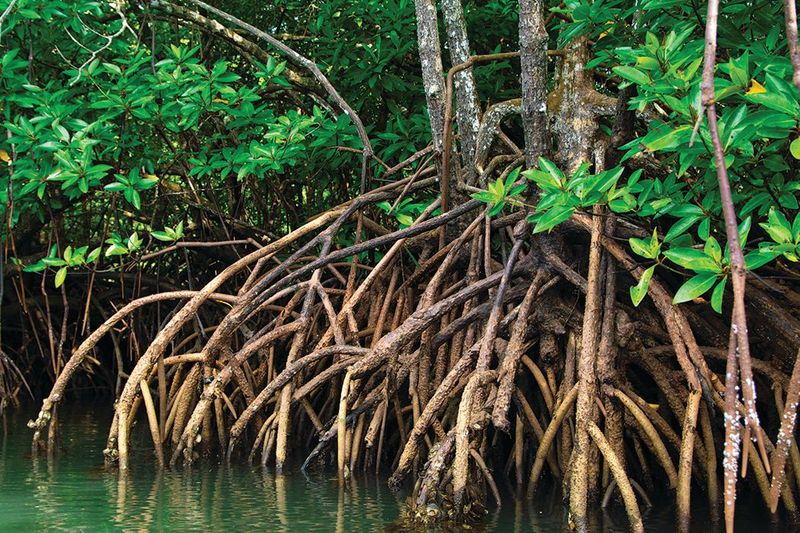
Live on the water? Those tangled green trees along your shoreline play by a very different set of rules.
Statute 163.045 says plainly that it does not override the Mangrove Trimming and Preservation Act. That act covers sections 403.9321 through 403.9333 of Florida law.
So an arborist report alone will not let you remove a mangrove.
Mangroves get this extra shield for good reason. Their arching roots hold shorelines in place during storms.
They also shelter baby fish, crabs, and birds, which helps Florida’s fishing industry thrive.
Fun fact: red mangroves are sometimes called walking trees. Their prop roots look like legs striding into the water.
Trimming mangroves often requires a permit or a Professional Mangrove Trimmer. There are strict limits on how tall you can trim and how much you can cut.
Uprooting or removing them without approval is illegal and can bring hefty penalties.
If a mangrove seems to threaten your dock or seawall, start with the Department of Environmental Protection or your county environmental office. They can explain what is allowed.
A short call could save you from an expensive surprise. It also keeps coastline healthy for the next generation.